
LINE ID japanroyalservice
+817013781777 click here
+817013781777 click here
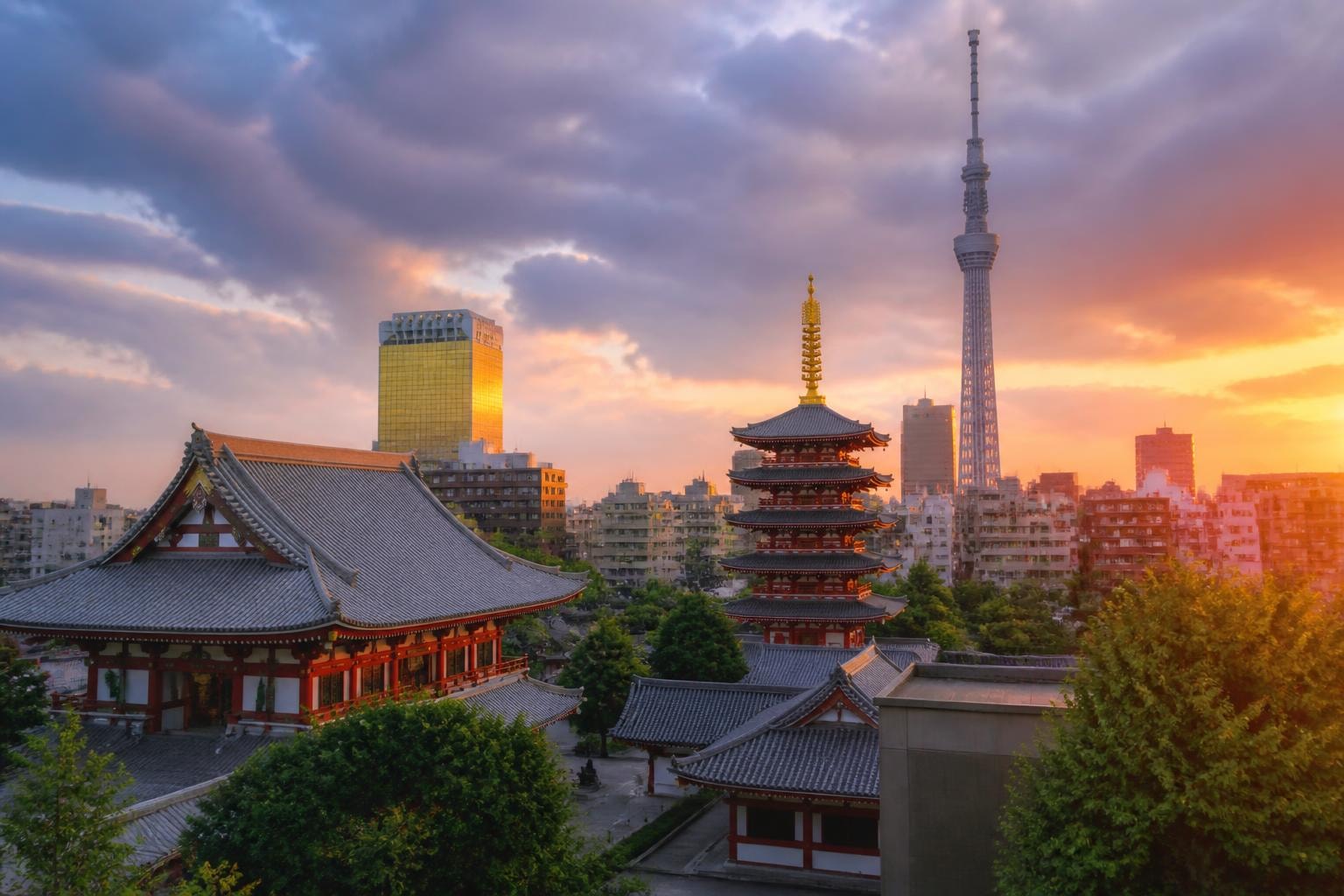
Tokyo stands as a metropolis where centuries-old traditions harmonize with cutting-edge innovation, creating an unparalleled destination for discerning travelers. The capital of Japan offers an extraordinary collection of attractions that span imperial palaces, serene gardens, bustling neighborhoods, and architectural marvels. Whether you’re seeking spiritual enlightenment at ancient temples, culinary excellence in Michelin-starred establishments, or exclusive cultural experiences, the city delivers sophistication at every turn. Understanding the breadth of Tokyo’s attractions requires careful planning and insider knowledge to appreciate the layers of this remarkable city truly.
Tokyo’s imperial history reveals itself through meticulously preserved sites that offer glimpses into Japan’s royal past. The Imperial Palace, situated in the heart of the city, remains the primary residence of the Emperor and represents the ceremonial center of the nation. While the inner grounds remain restricted, the East Gardens open to the public, showcasing traditional Japanese landscaping and the remnants of the original Edo Castle fortifications.

Asakusa’s Sensō-ji stands as Tokyo’s oldest Buddhist temple, founded in 628 AD. The approach through Kaminarimon Gate and along Nakamise Shopping Street creates a sensory journey through traditional crafts, street food, and cultural artifacts.
Key elements of the Sensō-ji experience:
The temple complex exemplifies how Japan’s attractions to Tokyo seamlessly integrate spiritual significance with visitor engagement, creating meaningful experiences beyond mere sightseeing.
Tokyo’s skyline showcases architectural brilliance through towers that define modern engineering. Tokyo Tower, completed in 1958, served as the city’s broadcasting hub and remains an iconic landmark. The official Tokyo travel guide provides comprehensive information about its observation decks and visiting hours.
Tokyo Skytree, inaugurated in 2012, reaches 634 meters and claims the title of the world’s tallest tower. The structure features two observation decks at 350 and 450 meters, offering panoramic vistas across the Kanto Plain.
| Tower | Height | Observation Levels | Opened | Special Features |
|---|---|---|---|---|
| Tokyo Tower | 333m | 150m, 250m | 1958 | Eiffel Tower-inspired design |
| Tokyo Skytree | 634m | 350m, 450m | 2012 | Earthquake-resistant technology |
| Roppongi Hills | 238m | 250m observatory | 2003 | Mori Art Museum integration |
The world’s busiest pedestrian intersection processes approximately 2,500 people per crossing cycle during peak hours. Surrounding this phenomenon, Shibuya has transformed into a vertical city with the 2019 completion of Shibuya Scramble Square, which reaches 230 meters and features a rooftop observation deck.
Understanding Tokyo’s attractions requires exploring distinct neighborhoods, each with its own character and specialized experiences. Tokyo’s diverse districts cater to a range of interests, from technology enthusiasts to traditional craft enthusiasts.
Harajuku represents youth culture, fashion innovation, and creative expression. Takeshita Street pulses with trend-setting boutiques, while Omotesando Boulevard presents luxury retail in architectural masterpieces designed by renowned international architects.
Notable Omotesando architecture:
The contrast between Harajuku’s energetic street culture and Omotesando’s refined sophistication demonstrates Tokyo’s ability to accommodate diverse aesthetic sensibilities within adjacent blocks.
Ginza embodies elegance through flagship stores, art galleries, and dining establishments. The district implements pedestrian-only zones on weekend afternoons, transforming Chuo-dori into a strolling boulevard. Department stores like Mitsukoshi, Matsuya, and Wako showcase Japanese retail excellence through exceptional service and curated selections.

Tokyo surprises visitors with extensive green spaces that provide respite from urban intensity. These carefully designed gardens and parks represent centuries of horticultural expertise and a philosophical approach to nature.
Spanning 58.3 hectares, Shinjuku Gyoen combines three distinct garden styles: Japanese traditional, French formal, and English landscape. The garden features approximately 1,500 cherry trees representing 75 varieties, creating extended viewing seasons beyond the typical hanami period.
Spring brings sequential blooming from early February through late April, while autumn transforms the garden with maples, ginkgos, and zelkovas displaying brilliant foliage. The traditional Japanese garden section includes tea houses where ceremonies demonstrate the refined aesthetics of chanoyu.
Adjacent to Harajuku’s commercial energy, Meiji Jingu creates a 70-hectare forested sanctuary dedicated to Emperor Meiji and Empress Shoken. The artificial forest, planted in 1920, contains approximately 120,000 trees representing 365 species donated from across Japan.
The shrine exemplifies how Japan attracts Tokyo to honor tradition while remaining accessible to contemporary visitors. Weekend mornings frequently feature traditional Shinto weddings, offering authentic cultural observations. The treasure museum houses imperial artifacts, calligraphy, and clothing.
Tokyo’s 226 Michelin-starred restaurants (as of 2026) demonstrate the city’s status as a global culinary capital. Beyond fine dining, neighborhood markets and specialized food streets offer immersive gastronomic experiences.
Following the wholesale market’s 2018 relocation to Toyosu, Tsukiji’s outer market continues thriving with approximately 400 shops and restaurants. Morning visits reveal professional-grade kitchen equipment, fresh seafood, produce, and prepared foods. Specialty shops offer dried goods, tea, knives, and cooking implements used by Japanese chefs.
Market exploration strategy:
Department-store basement food halls elevate grocery shopping to a theatrical performance. Uniformed staff present immaculate displays of wagyu beef, seasonal fruits, confections, and prepared dishes. The comprehensive guide to Tokyo activities highlights a range of culinary experiences throughout the city.
Tokyo’s museum landscape spans ancient to contemporary, with world-class institutions presenting Japanese and international collections.
Located in Ueno Park, the Tokyo National Museum houses the world’s largest collection of Japanese art, with approximately 110,000 objects. The Honkan (Japanese Gallery) displays national treasures across chronological periods, while specialized galleries feature Asian art, archaeology, and special exhibitions.
The museum’s garden opens seasonally, revealing traditional tea houses and stone monuments. Spring and autumn viewing periods allow access to these normally restricted spaces.
Digital art collectives have established permanent installations that redefine museum experiences. TeamLab Borderless, relocated to Azabudai Hills in 2024, creates immersive environments where artworks move through rooms and respond to visitor presence. TeamLab Planets in Toyosu offers wading experiences through water-filled installations.
| Museum Type | Example Institution | Collection Focus | Annual Visitors |
|---|---|---|---|
| National | Tokyo National Museum | Japanese antiquities | 1.5 million |
| Contemporary | Mori Art Museum | International contemporary | 800,000 |
| Digital | teamLab Borderless | Interactive digital | 2.3 million |
| Photography | Tokyo Photographic | Historical to modern | 300,000 |
Tokyo’s entertainment quarters demonstrate remarkable specialization, each creating distinct atmospheres and experiences.
Roppongi synthesizes nightlife, dining, and visual arts through three major institutions: the Mori Art Museum, the National Art Center, Tokyo, and the Suntory Museum of Art. This “Art Triangle” operates extended evening hours, enabling cultural engagement beyond conventional museum hours.
Roppongi Hills and Tokyo Midtown complexes integrate retail, residential, office, and cultural spaces within vertical communities. The district attracts international residents and visitors, creating cosmopolitan dining and entertainment options.
Shinjuku’s Kabukicho represents Japan’s largest entertainment district, while adjacent Golden Gai preserves post-war drinking culture through approximately 200 tiny bars, each seating 5-10 patrons. These intimate establishments often specialize in specific music genres, literary themes, or professional communities.

Japan’s attractions in Tokyo change throughout the year, with seasonal events shaping visitor experiences and local traditions.
Tokyo’s hanami tradition peaks in late March through early April, with specific locations offering distinct viewing contexts:
Premium experiences include private boat charters on the Imperial Palace moats and exclusive access to the gardens during evening illumination events.
Summer fireworks festivals, particularly the Sumida River Fireworks in July, launch approximately 20,000 fireworks over a two-hour period. These events draw crowds exceeding one million spectators, requiring strategic planning for optimal viewing positions and transportation.
While Japan attractions in Tokyo provide extensive exploration opportunities, nearby destinations offer complementary experiences accessible within day-trip timeframes.
Japan’s most iconic peak stands 100 kilometers from Tokyo, visible on clear days from various city observation decks. Hakone offers hot spring resorts, mountain scenery, and art museums, including the Hakone Open-Air Museum, which features sculptures set against natural landscapes.
The Hakone Loop circuit combines multiple transportation modes: a mountain railway, a cable car, a ropeway, and a pirate ship cruise across Lake Ashi. This journey showcases engineering ingenuity while revealing volcanic landscapes.
Located 140 kilometers north of Tokyo, Nikko preserves magnificent Edo-period architecture through Toshogu Shrine, dedicated to Tokugawa Ieyasu. The site features 5,000 carvings, including the famous “see no evil, hear no evil, speak no evil” monkeys.
Surrounding mountains offer hiking trails, waterfalls, and Lake Chuzenji. Autumn foliage typically peaks in mid-October, creating spectacular color displays against traditional architecture.
Tokyo accommodates niche interests through specialized districts and facilities that demonstrate the city’s depth beyond conventional attractions.
Akihabara evolved from a post-war electronics market into a global center of otaku culture. The district sells cutting-edge electronics, computer components, anime merchandise, and gaming products across multi-story specialty stores. Time Out Tokyo’s comprehensive list covers diverse neighborhood experiences, including tech districts.
Maid cafes, arcade centers, and themed establishments create immersive subculture experiences. Sony Building Ginza showcases emerging technologies through interactive demonstrations.
Several Tokyo neighborhoods preserve artisan traditions through workshops offering hands-on experiences:
These experiences provide tangible connections to cultural heritage, creating lasting memories and authentic souvenirs.
Navigating Japan’s attractions in Tokyo requires understanding the transportation infrastructure, which ranks among the world’s most efficient and complex systems.
Tokyo’s railway network integrates JR lines, private railways, and subway systems operated by Tokyo Metro and Toei. The Yamanote Line circles central Tokyo, connecting major districts every 2-4 minutes during peak hours.
Essential railway considerations:
For discerning travelers who prioritize comfort and efficiency, luxury transportation services offer alternative experiences. Private vehicles with professional drivers eliminate navigation stress while offering the flexibility unavailable with public transportation schedules.
Narita International Airport and Haneda Airport serve Tokyo with distinct advantages. Haneda’s proximity (30 minutes from central Tokyo) provides convenient access, while Narita offers more international connections despite its 60 kilometers from central Tokyo.
Premium airport transfer options include private sedan services, luxury van arrangements for group travel, and helicopter transfers that reduce transit time to approximately 15 minutes while offering aerial views of Tokyo.
Understanding Tokyo’s attractions at the highest level requires access to experiences beyond general admission tickets and standard tours.
Several major institutions offer after-hours private tours, providing intimate engagement with collections without crowd interference. Curators occasionally lead specialized viewings focusing on specific artistic movements, techniques, or historical periods.
Morning practice sessions at sumo stables reveal the rigorous training regimen of professional wrestlers. These visits, arranged through specialized connections, include breakfast chanko-nabe (sumo stew) and opportunities to observe traditional hierarchical structures within the sport.
Tokyo’s top kaiseki restaurants require reservations months in advance, with some accepting only introduced guests. These multi-course experiences showcase seasonal ingredients through preparations refined over generations. Establishments like Kanda, Ishikawa, and Koju exemplify culinary artistry at the highest level.
Japan attractions in Tokyo include retail experiences that transcend conventional shopping through exceptional craftsmanship and service standards.
Specialty shops in Nihonbashi and Ginza offer antique and contemporary kimonos, with expert staff to guide you in selecting the right kimonos for various occasions. Custom-tailored options require multiple fittings but deliver garments perfectly suited to individual proportions and preferences.
Kappabashi Street houses approximately 170 shops specializing in restaurant equipment and kitchenware. Professional-grade Japanese knives require understanding steel types, blade profiles, and proper maintenance. Specialist retailers provide extensive consultations, ensuring selections match cooking styles and experience levels.
Japanese department stores elevate retail through exceptional service, immaculate presentation, and carefully curated selections. Seasonal gift periods (ochugen in summer, oseibo in winter) showcase elaborate packaging and premium products reflecting Japanese gift-giving culture.
Maximizing Japan attractions in Tokyo requires attention to details that enhance comfort, access, and cultural understanding.
Tokyo experiences distinct seasonal characteristics affecting both weather conditions and crowd levels:
| Season | Months | Advantages | Considerations |
|---|---|---|---|
| Spring | March-May | Cherry blossoms, mild weather | Peak tourism, higher prices |
| Summer | June-August | Festivals, fireworks | Heat, humidity, rainy season |
| Autumn | September-November | Fall foliage, pleasant temperatures | Typhoon season early period |
| Winter | December-February | Clear skies, fewer crowds | Cold temperatures, occasional snow |
Premium accommodations often implement seasonal pricing, with spring and autumn commanding the highest rates. Strategic planning around shoulder seasons captures favorable weather while avoiding extreme demand periods.
Successful navigation of Japan attractions in Tokyo requires understanding social expectations that differ from Western norms. Removing shoes when entering temples, homes, and certain restaurants demonstrates cultural awareness. Speaking quietly on public transportation, avoiding phone conversations on trains, and standing on designated escalator sides (left in Tokyo) show consideration for others.
Restaurant etiquette includes never tipping (considered insulting), saying “itadakimasu” before meals, and finishing all the food served. These small gestures create positive interactions and demonstrate respect for Japanese customs.
Tokyo continuously evolves, with new developments enhancing the city’s attraction portfolio through innovative concepts and restored heritage sites.
Opened in late 2023, this massive development combines residential, office, commercial, and cultural spaces across 8.1 hectares. The complex includes the relocation of teamLab Borderless, luxury shopping, and rooftop gardens featuring mature trees transplanted to create instant forest environments.
Scheduled for completion in 2028, Torch Tower will reach 390 meters, becoming Japan’s tallest building. The development includes observation facilities, hotel accommodations, and cultural spaces in the vicinity of Tokyo Station.
Tokyo designates and restores historic structures, balancing preservation with contemporary use. The Station Hotel renovation, traditional machiya house conversions, and Edo-period garden restorations ensure cultural continuity while accommodating modern visitors.
Tokyo’s extraordinary blend of tradition and innovation creates attraction experiences unmatched globally, from serene temple gardens to cutting-edge digital art installations. Discovering Japan attractions in Tokyo at the highest level requires insider knowledge, careful timing, and attention to cultural nuances that transform sightseeing into meaningful engagement. Japan Royal Service specializes in crafting bespoke Tokyo experiences with private access, luxury transportation, and expert guidance that reveal the city’s hidden treasures while ensuring seamless comfort throughout your journey.