
LINE ID japanroyalservice
+817013781777 click here
+817013781777 click here
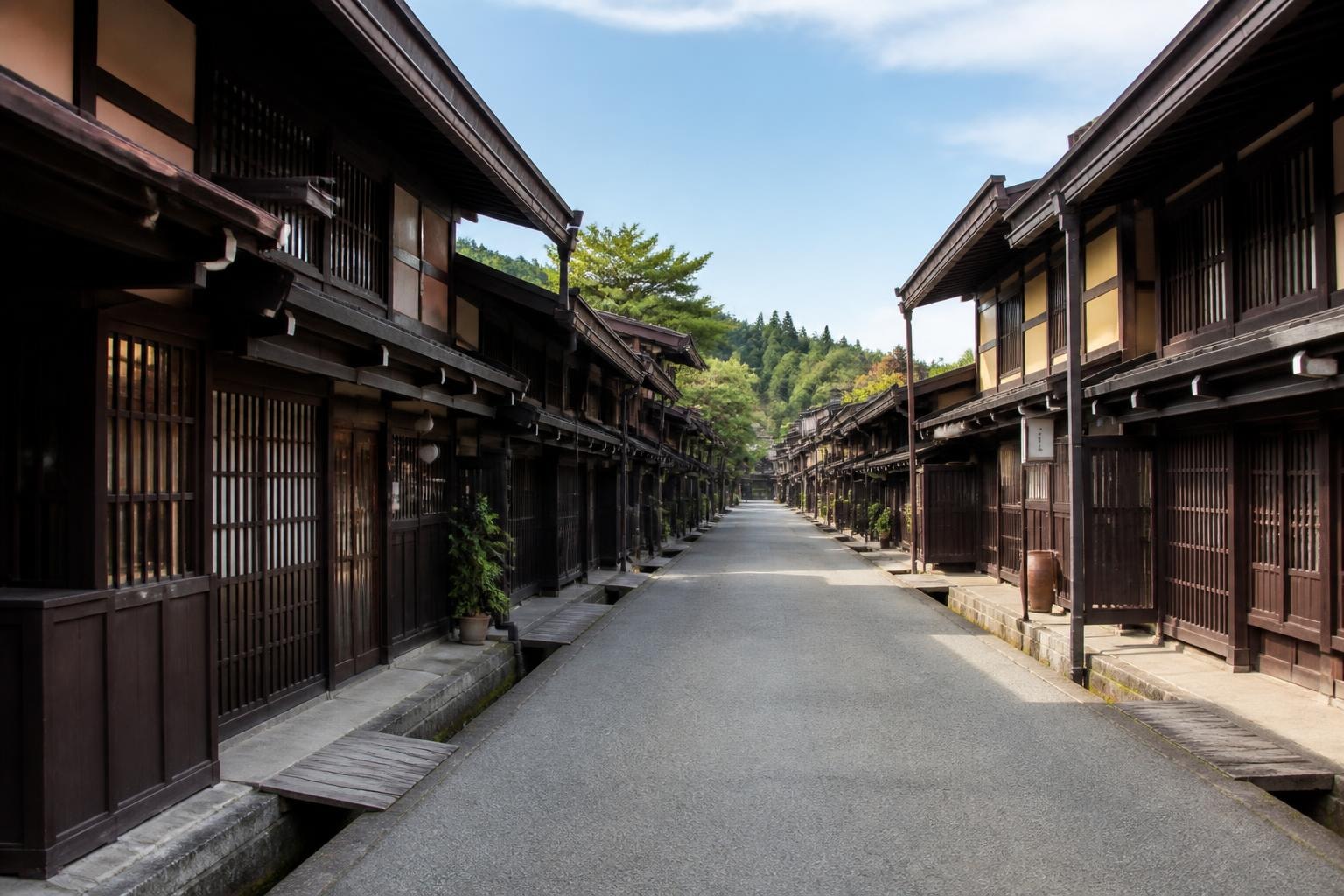
Nestled in the Japanese Alps of Gifu Prefecture, Hida Takayama Old Town represents one of Japan’s most meticulously preserved historic districts, transporting visitors to the Edo period with its authentic merchant houses, traditional sake breweries, and timeless streetscapes. For discerning travelers seeking an authentic cultural immersion beyond the typical tourist circuits of Tokyo and Kyoto, this remarkably intact townscape offers an unparalleled glimpse into Japan’s feudal past while providing modern luxury amenities and exclusive experiences that elevate the journey from ordinary sightseeing to transformative cultural exploration.
The preservation of Hida Takayama’s historical character stems from its unique position during Japan’s feudal era as a direct territory of the Tokugawa shogunate. Unlike other regions governed by feudal lords, Takayama’s administrative status allowed it to develop a distinctive merchant culture that flourished from the 16th to 19th centuries. This prosperity enabled wealthy merchants to construct elaborate wooden townhouses with latticed facades, overhanging eaves, and intricate architectural details that remain remarkably intact today.
The district’s designation as a Preservation District for Groups of Traditional Buildings in 1979 ensured rigorous protection of approximately 40 hectares containing over 50 designated structures. These preservation efforts maintain strict architectural guidelines requiring property owners to preserve original building materials, construction techniques, and aesthetic elements.
Walking through Hida Takayama’s old town reveals consistent architectural themes that create visual harmony across multiple city blocks. The traditional machiya townhouses feature narrow street-facing facades extending deep into rectangular lots, maximizing valuable street frontage while providing spacious interiors for commercial and residential use.
Key architectural characteristics include:
The preservation extends beyond individual buildings to encompass the entire urban fabric, including stone-paved streets, traditional drainage systems, and the spatial relationships between structures that create the district’s characteristic atmosphere.

Thida Takayama Old Town offers numerous opportunities for cultural immersion that go far beyond passive observation. The district’s traditional experiences and activities allow visitors to engage directly with centuries-old crafts, culinary traditions, and cultural practices that continue to thrive in this living museum.
The old town houses seven traditional sake breweries, many of which are operated by families for multiple generations. These establishments produce distinctive varieties utilizing pure mountain water from the surrounding Japanese Alps and locally cultivated sake rice. Private brewery tours provide access to fermentation cellars, opportunities to meet master brewers (toji), and curated tastings of limited-production varieties unavailable in commercial markets.
| Brewery Experience | Duration | Highlights | Best Season |
|---|---|---|---|
| Private Tasting Session | 60-90 minutes | Meeting master brewers, rare varietals | Year-round |
| Production Facility Tour | 45-60 minutes | Fermentation process, traditional methods | Winter (brewing season) |
| Pairing Experience | 90-120 minutes | Sake with Hida beef and local specialties | Spring, Autumn |
The district’s artisan workshops maintain heritage crafts, including Ichii-ittobori wood carving, shunkei-nuri lacquerware, and traditional textile dyeing. These exclusive workshops provide personalized instruction from master craftspeople, allowing participants to create authentic pieces while learning techniques passed down through generations.
Luxury travelers can arrange private sessions focusing on specific techniques or extended multi-day apprenticeships offering deeper immersion into particular crafts. These experiences connect participants directly with Japan’s living cultural heritage in ways impossible to replicate elsewhere.
The Miyagawa and Jinya-mae morning markets are centuries-old traditions in which local farmers, food producers, and craftspeople offer seasonal products directly to consumers. Operating daily from early morning, these markets showcase regional specialties including Hida beef, mountain vegetables, handmade pickles, and traditional sweets.
Hida beef, raised in the surrounding mountainous regions, ranks among Japan’s most prestigious wagyu varieties, comparable to Kobe and Matsusaka beef in terms of quality and marbling. The old town’s traditional restaurants and specialty shops offer numerous preparations showcasing this exceptional ingredient.
Premium Hida beef experiences include:
The combination of exceptional ingredients, traditional preparation techniques, and historic dining environments creates culinary experiences unavailable in standard restaurants. Private dining arrangements in converted merchant houses add exclusivity and an authentic atmosphere that discerning travelers particularly appreciate.

The old town of Hida Takayama undergoes dramatic seasonal transformations that fundamentally alter the district’s character and atmosphere throughout the year. Understanding these seasonal variations allows travelers to select optimal visiting periods that align with their specific interests and preferences.
Spring brings cherry blossoms to the historic streets, with trees planted along the Miyagawa River and throughout the district creating spectacular displays from early to mid-April. The Sanno Matsuri, held annually on April 14-15, ranks among Japan’s three most beautiful festivals, featuring elaborate yatai floats adorned with intricate carvings, lacquerwork, and mechanical karakuri puppets.
The festival transforms the old town as traditional processions wind through narrow streets, with participants wearing Edo-period costumes and performing rituals unchanged for centuries. Securing premium viewing positions and exclusive access requires advance arrangements through specialized services.
Autumn foliage typically peaks from late October through early November, as the surrounding mountains display brilliant reds, golds, and oranges, creating stunning backdrops for the preserved townscape. The Hachiman Matsuri (October 9-10) mirrors the spring festival’s grandeur with equally elaborate floats and traditional performances.
| Season | Peak Period | Key Events | Atmospheric Characteristics |
|---|---|---|---|
| Spring | April 1-20 | Sanno Matsuri, cherry blossoms | Fresh mountain air, mild temperatures |
| Summer | July-August | Lantern festivals, outdoor markets | Lush greenery, evening coolness |
| Autumn | October 15-November 10 | Hachiman Matsuri, foliage | Crisp air, spectacular colors |
| Winter | January-February | Snow landscapes, sake season | Quiet streets, traditional atmosphere |
Winter transforms Hida Takayama’s old town into a snow-covered landscape reminiscent of Ukiyo-e woodblock prints. The district experiences substantial snowfall from December through March, creating atmospheric scenes particularly appealing to photographers and those seeking tranquil environments. The cold season also corresponds with peak sake brewing activity, when fermentation processes reach critical stages, and breweries welcome visitors to observe traditional methods.
While the main Sanmachi Suji streets attract most visitors, the old town contains numerous lesser-known areas offering equally authentic experiences without crowds. Understanding the district’s layout enables strategic navigation, maximizing time and access to exclusive opportunities.
The core preservation area encompasses three parallel streets known collectively as Sanmachi Suji: Kami-Sannomachi, Kami-Ninomachi, and Kami-Ichinomachi. These streets contain the highest concentration of preserved buildings, traditional shops, and cultural attractions. However, experienced guides know optimal visiting times, alternative routes, and exclusive access points that transform the experience from standard sightseeing to privileged exploration.
The Shimoninomachi and Shimoichinomachi streets, slightly removed from the primary tourist corridor, maintain equally authentic character while offering quieter environments for contemplation and photography. These areas house working craftspeople, residential properties, and neighborhood temples that provide insight into daily life within the historic district.
The Higashiyama temple walking course encompasses numerous temples and shrines on the eastern edge of the old town, connected by pleasant walking paths through forested hillsides. This circuit requires approximately two hours to complete thoroughly, passing heritage sites including Soyuji Temple, Hojuji Temple, and numerous smaller shrines.
Shiroyama Park occupies the site of Takayama’s original castle, demolished during the early Edo period. The elevated position provides panoramic views across the old town and surrounding mountain ranges, particularly dramatic during sunrise and sunset when the low-angle light illuminates traditional rooflines and reveals the district’s authentic scale.
Several traditional merchant houses and samurai residences have been meticulously converted into exclusive ryokan and boutique hotels, offering unprecedented opportunities to experience authentic architecture while enjoying contemporary luxury amenities. These properties maintain strict preservation standards while incorporating modern climate control, premium bedding, and sophisticated dining facilities.
The most exclusive accommodations occupy fully restored machiya townhouses, where guests experience traditional spatial arrangements, original architectural elements, and historical atmospheres impossible to replicate in modern construction. These properties typically accommodate a limited number of guests, ensuring privacy and personalized service that discerning travelers expect.
Premium accommodation features include:
Some properties offer complete building rental, providing ultimate privacy for families or small groups seeking undisturbed luxury within authentic historical settings.

Reaching Hida Takayama’s old town requires careful planning, as the city’s mountain location puts it beyond the reach of standard Shinkansen lines. However, this relative isolation contributes to the area’s preserved character and makes the journey itself part of the overall experience.
The Limited Express Hida train operates between Nagoya and Takayama, traversing spectacular mountain scenery during the approximately 2.5-hour journey. First-class Green Car seating provides comfortable travel with spacious seating, complimentary beverages, and panoramic windows showcasing the Japanese Alps.
Private luxury vehicle transfers offer superior flexibility and comfort, particularly when coordinating complex itineraries involving multiple destinations. Professional drivers familiar with mountain roads and seasonal conditions ensure safe, efficient travel while providing knowledgeable commentary about passing landscapes and regional culture. As personalized guided tours enhance urban exploration in historic European cities, bespoke transportation arrangements elevate the entire journey through rural Japan.
| Transportation Method | Journey Time from Tokyo | Advantages | Ideal For |
|---|---|---|---|
| Private luxury vehicle | 5-6 hours | Maximum flexibility, comfort, scenic routes | Premium travelers, complex itineraries |
| Limited Express train | 4.5-5 hours (via Nagoya) | Scenic mountain views, comfortable seating | Independent travelers, rail enthusiasts |
| Regional flights + transfer | 3-4 hours total | Time efficiency, aerial views | Time-sensitive itineraries |
The compact old town district lends itself perfectly to walking exploration, with most significant sites located within 15-20 minutes’ walk of each other. However, the area’s subtle elevation changes and extensive territory make strategic planning essential for maximizing time and energy.
Private guided walking tours provide optimal navigation, insider access to exclusive venues, and expert historical context that transforms simple sightseeing into meaningful cultural education. Knowledgeable guides identify seasonal highlights, arrange spontaneous experiences, and adjust itineraries based on real-time conditions and individual interests.
The Hida Takayama old town serves as an excellent component within comprehensive Japan itineraries, particularly those emphasizing cultural depth and regional diversity beyond major metropolitan areas. The city’s location enables logical connections with other significant destinations while providing an atmospheric contrast to urban environments.
The historic village of Shirakawa-go, a UNESCO World Heritage site famous for its gassho-zukuri farmhouses, is approximately 1 hour from Takayama and complements old town exploration. The mountain city of Matsumoto, home to one of Japan’s finest original castles, provides additional historical depth within a reasonable travel distance.
Kanazawa, known for Kenrokuen Garden and preserved geisha districts, connects conveniently with Takayama, allowing travelers to experience multiple well-preserved historical areas within a cohesive regional journey. These combinations create rich itineraries emphasizing authentic cultural experiences and traditional architecture across central Japan.
Experiencing the old town thoroughly requires at least two full days, allowing time for morning market visits, sake brewery tours, traditional craft workshops, temple walks, and evening exploration, when the district takes on an entirely different character under atmospheric lighting. Three to four days enables deeper immersion, including day trips to surrounding areas, extended cultural workshops, and unhurried enjoyment of the district’s contemplative atmosphere.
Luxury travelers often allocate longer periods, using Takayama as a peaceful base for exploring the broader Hida region while returning each evening to refined accommodations and sophisticated dining within the historic quarter. This approach balances active cultural exploration with restorative relaxation in traditional settings.
The true value of Hida Takayama, an old town for discerning travelers, lies in exclusive access to experiences unavailable through standard tourism channels. These privileged opportunities require advance arrangements, local connections, and specialized knowledge that transform visits from conventional sightseeing into profound cultural encounters.
Several merchant families maintain significant art collections, historical artifacts, and cultural treasures within their traditional residences. While these collections rarely open to the general public, specialized arrangements enable private viewings accompanied by family members who provide historical context and family stories spanning centuries.
These intimate experiences offer unprecedented insight into the merchant class culture that created and sustained the old town’s prosperity. Viewing rare screens, scrolls, ceramics, and historical documents in their original architectural contexts provides an understanding impossible to achieve in conventional museum settings.
Arranging private time with master craftspeople-whether lacquerware artists, wood carvers, or traditional textile producers-creates meaningful connections with living cultural heritage. These encounters transcend standard workshop demonstrations, offering genuine dialogue about artistic philosophies, technical challenges, and cultural continuity across generations.
For serious collectors or those with specific artistic interests, these relationships can lead to commissioned works, ongoing correspondence, and lasting connections with Japanese cultural practitioners maintaining centuries-old traditions in contemporary contexts.
While Hida Takayama’s old town offers exceptional cultural experiences, certain practical considerations ensure optimal enjoyment and efficient use of valuable travel time. Understanding seasonal factors, reservation requirements, and local customs enables seamless experiences aligned with luxury travel expectations.
Mountain weather creates significant temperature variations between seasons and even within single days. Summer daytime temperatures reach comfortable 25-28°C (77-82°F), but cool considerably in the evenings. Winter temperatures frequently drop below freezing, with substantial snowfall requiring appropriate clothing and footwear.
Spring and autumn offer optimal visiting conditions with mild temperatures, lower humidity, and spectacular natural displays. However, during these popular periods, premium accommodations and exclusive experiences require reservations, often 6-12 months in advance.
Entering traditional buildings requires removing shoes; slippers are typically provided for indoor use. Photography restrictions apply in certain heritage structures, sake breweries, and private residences, requiring respectful adherence to posted guidelines and verbal instructions.
Traditional dining experiences, particularly kaiseki meals in ryokan settings, follow specific protocols regarding seating positions, serving sequences, and appropriate conduct. While hosts graciously accommodate foreign visitors unfamiliar with these customs, basic awareness enhances enjoyment and demonstrates cultural respect.
The Hida Takayama old town represents an extraordinary intersection of authentic historical preservation, living cultural traditions, and sophisticated modern luxury that few destinations worldwide achieve with such harmony. Whether you’re drawn to architectural heritage, traditional crafts, culinary excellence, or simply the contemplative atmosphere of streets unchanged for centuries, this remarkable district delivers transformative experiences that resonate long after departure. Japan Royal Service specializes in creating bespoke experiences throughout Japan’s cultural heartland, arranging exclusive access, private guides, luxury transportation, and carefully curated itineraries that transform your vision of the perfect Japanese journey into a seamless reality.