
LINE ID japanroyalservice
+817013781777 click here
+817013781777 click here
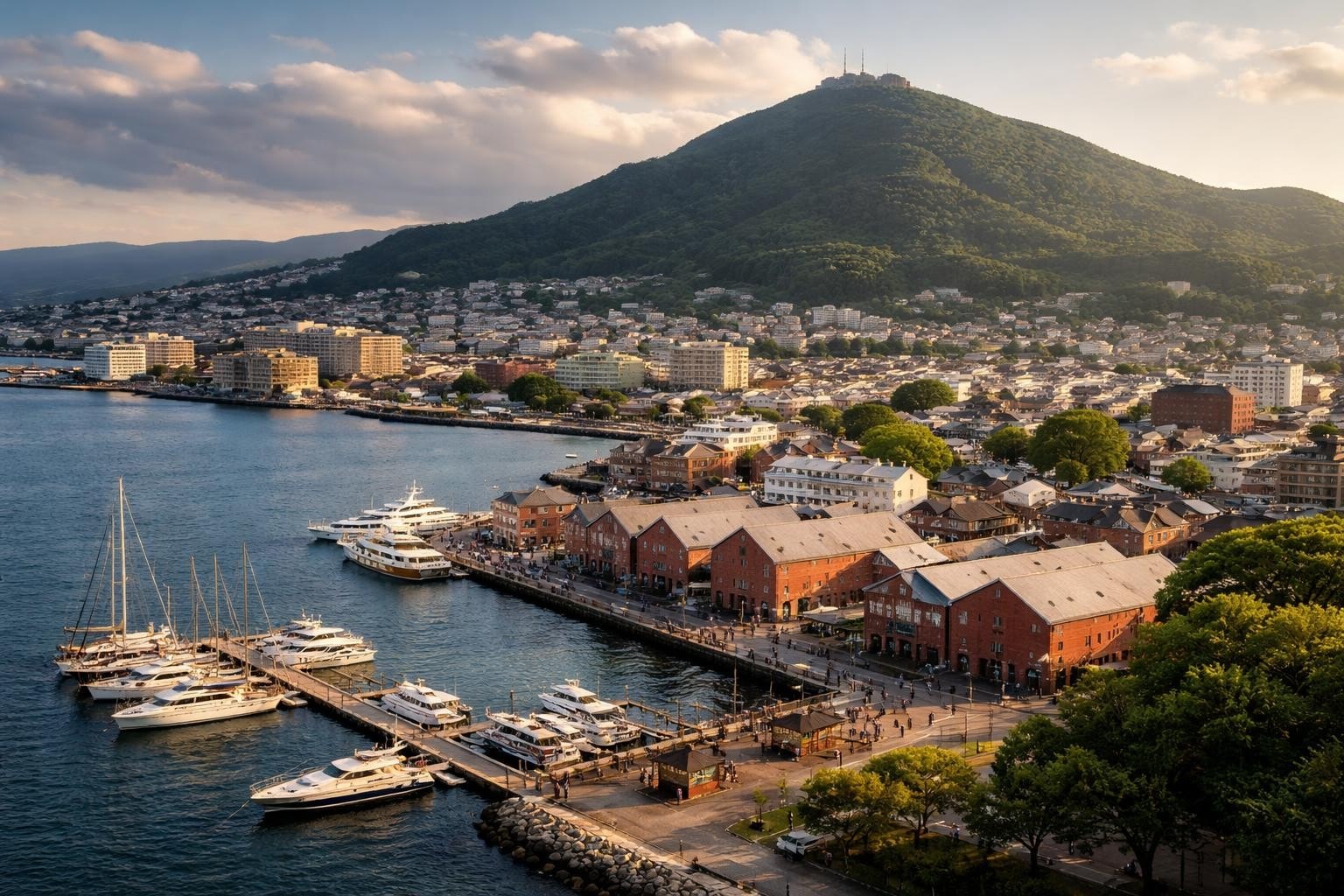
Nestled at the southern tip of Japan’s northernmost island, Hakodate, Hokkaidōō, represents a sophisticated blend of international heritage, natural splendor, and culinary mastery that appeals to the most discerning luxury travelers. This port city, where Eastern tradition meets Western influence, offers an extraordinary destination for those seeking refined experiences beyond Tokyo’s metropolitan energy or Kyoto’s ancient temples. With its sweeping bay views, meticulously preserved historic districts, and access to Hokkaidō’s pristine landscapes, Hakodate provides an elegant escape that balances cultural depth with modern comfort.
The strategic location of Hakodate (Hokkaidō) has shaped its unique character since 1854, when it became one of Japan’s first ports to open to international trade. This pivotal moment transformed the city into a cosmopolitan hub where Russian, British, and American influences merged with Japanese tradition.
Key Historical Milestones:
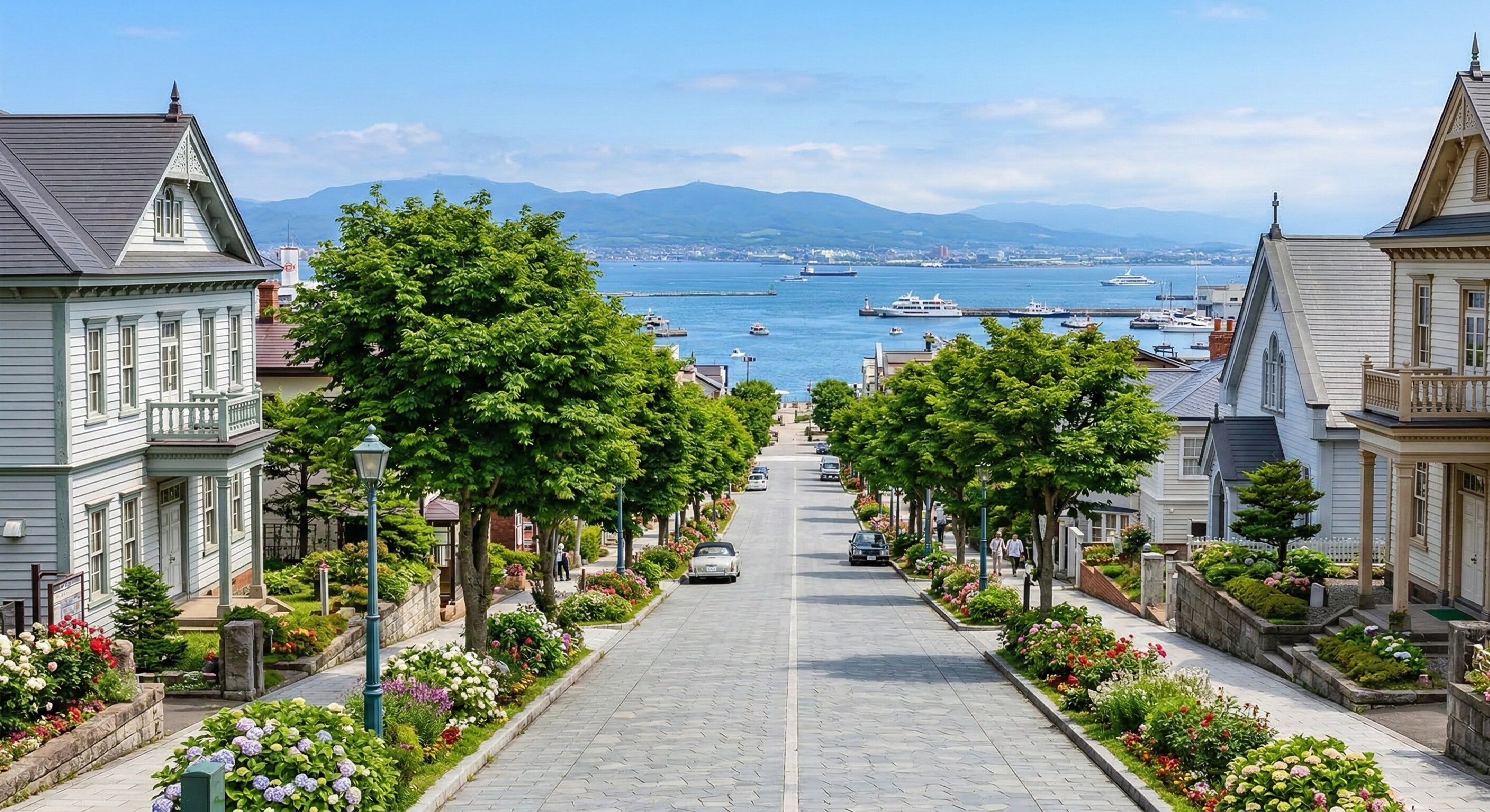
The Motomachi district exemplifies this international heritage, featuring elegant Western-style buildings, Orthodox churches, and former consulates that now house museums and boutique establishments. Walking these sloping streets offers insight into Japan’s modernization period, when Hakodate served as a crucial gateway for international exchange.
The Hakodate City Museum of Northern Peoples presents an exceptional collection showcasing Ainu culture and northern indigenous traditions. Housed in a beautifully restored 1926 bank building, this institution offers luxury travelers meaningful engagement witHokkaidō’s’s native heritage through carefully curated exhibits.
Beyond this, the Hakodate Jōmon Culture Center displays the “Hollow Dogū, Hokkaidō’s only National Treasure, providing context for understanding the region’s ancient civilizations. The Hakodate City Museum of Literature further enriches cultural exploration through its focus on local literary figures, all within a magnificent 1921 building that exemplifies early 20th-century architecture.
Mount Hakodate’s observation deck delivers what many consider Japan’s most spectacular nighttime vista. The city’s distinctive geography, with illuminated streets spreading across the narrow land bridge between two bays, creates a luminous spectacle that rivals Hong Kong and Naples.
| Transportation Method | Duration | Best Season | Luxury Consideration |
|---|---|---|---|
| Ropeway Cable Car | 3 minutes | Year-round | Climate-controlled comfort |
| Private Vehicle | 15 minutes | April-November | Exclusive access, personalized timing |
| Walking Trail | 60 minutes | May-October | Guided nature experience |
The 334-meter summit provides 360-degree views encompassing the Tsugaru Strait, the city below, and Hokkaidō’s interior mountains. Premium experiences include arranging private ropeway cars for sunset viewing or coordinating exclusive dining at the summit restaurant before public hours.
Spring transforms Mount Hakodate’s slopes with cherry blossoms, while autumn brings brilliant foliage. Winter offers crisp, clear viewing conditions, though the access road closes from November through mid-April, leaving the ropeway as the only transport option during these months.
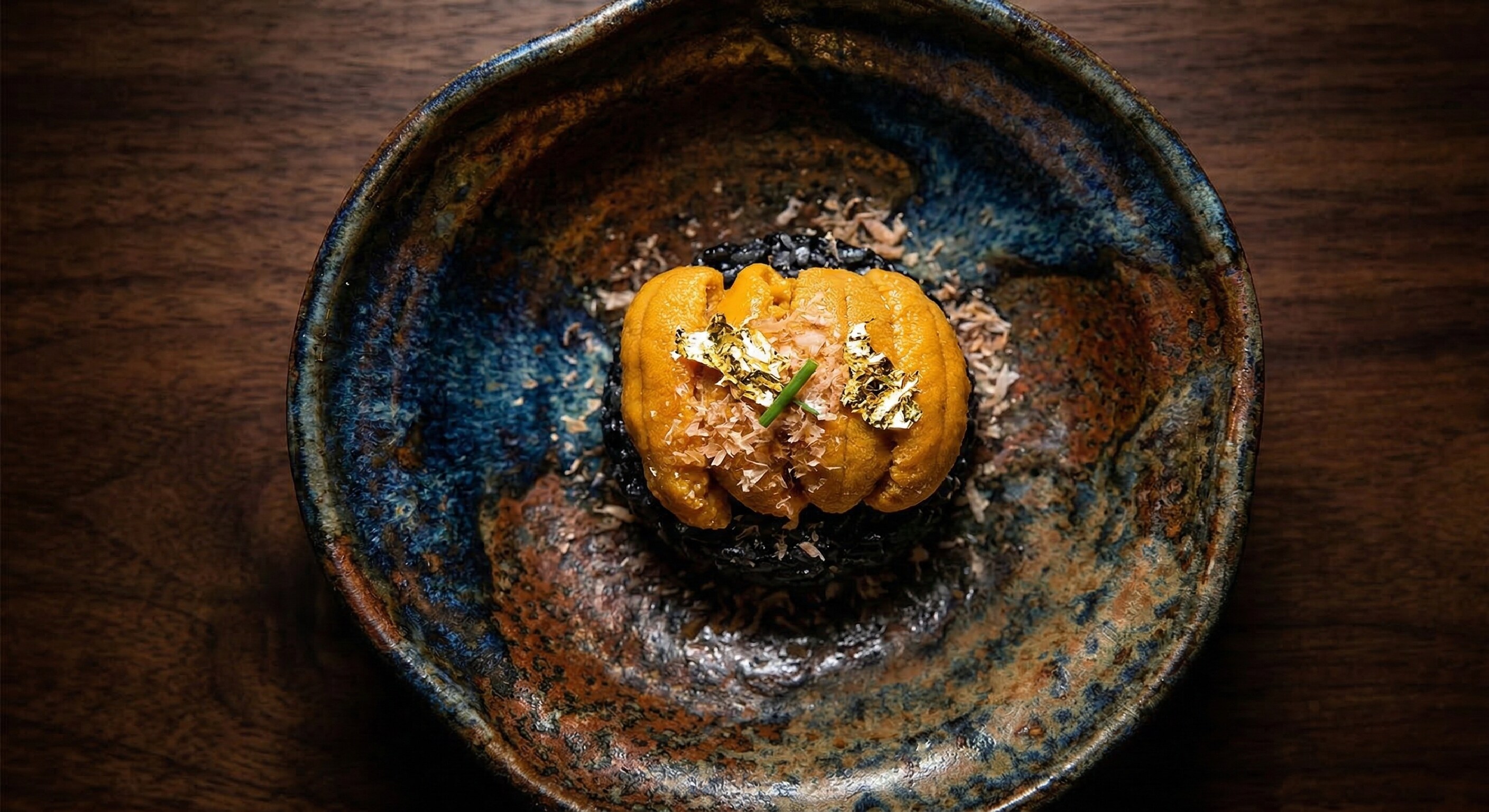
Hakodate, Hokkaidō, has earned its reputation as a culinary destination through exceptional seafood, local specialties, and innovative fusion cuisine. The morning market (Asaichi) represents the city’s commitment to freshness, though luxury travelers often prefer curated experiences at exclusive establishments.
Signature Hakodate Specialties:
Beyond market stalls, Hakodate offers refined kaiseki establishments where master chefs transforHokkaidō’s’s seasonal ingredients into edible art. These multi-course experiences typically span 2 to 3 hours and feature dishes that reflect both regional tradition and contemporary innovation.
The city’s Western heritage also influences its dining landscape. Historic buildings house French restaurants, Italian trattorias, and fusion establishments that demonstrate culinary creativity. Private dining arrangements can be coordinated at establishments typically closed to walk-in guests, offering intimate experiences for discerning visitors.
Yunokawa Onsen, located just minutes from central Hakodate, Hokkaidō, has welcomed visitors since 1653. This historic hot spring district offers therapeutic relaxation, with water temperatures reaching 65 degrees Celsius and a rich mineral content that supports circulation and skin health.
| Ryokan Category | Features | Guest Capacity | Privacy Level |
|---|---|---|---|
| Luxury Boutique | Private baths, kaiseki dining | 10-30 rooms | High exclusivity |
| Heritage Establishment | Historic architecture, cultural programs | 50-100 rooms | Semi-private options |
| Ultra-Luxury | Personal attendants, custom treatments | Under 10 rooms | Complete privacy |
The most exclusive properties offer private outdoor baths (rotenburo) with ocean views, where guests can experience the therapeutic benefits while contemplating the Tsugaru Strait. Some establishments provide in-room private onsen, ensuring complete privacy for those who prefer personal wellness experiences.
Wellness programming at premier facilities extends beyond bathing to include traditional massage therapies, meditation sessions, and seasonal wellness cuisine designed by nutritionists who understand both Japanese dietary philosophy and contemporary health science.
Each season transforms HakodatHokkaidō’s landscape and cultural offerings, creating distinct experiences for luxury travelers who appreciate temporal variety.
Hakodate Park, established in 1879 as one of Hokkaidō’s first Western-style parks, has become a premier cherry blossom destination. The park’s 400 sakura trees create spectacular viewing opportunities, while the historic Hakodate City Museum within the park grounds provides cultural context.
Spring also marks the beginning of the premium seafood season, with delicate sakura shrimp and fresh uni becoming available at exclusive establishments.
Summer brings comfortable temperatures averaging 20-22°C, ideal for exploring without the intense heat experienced in southern Japan. The Hakodate Port Festival in early August features traditional performances, though luxury travelers often prefer private cultural demonstrations arranged through concierge services.
This season offers exceptional hiking opportunities on Mount Hakodate and surrounding peaks, with clear visibility extending across the strait to Honshu on optimal days.
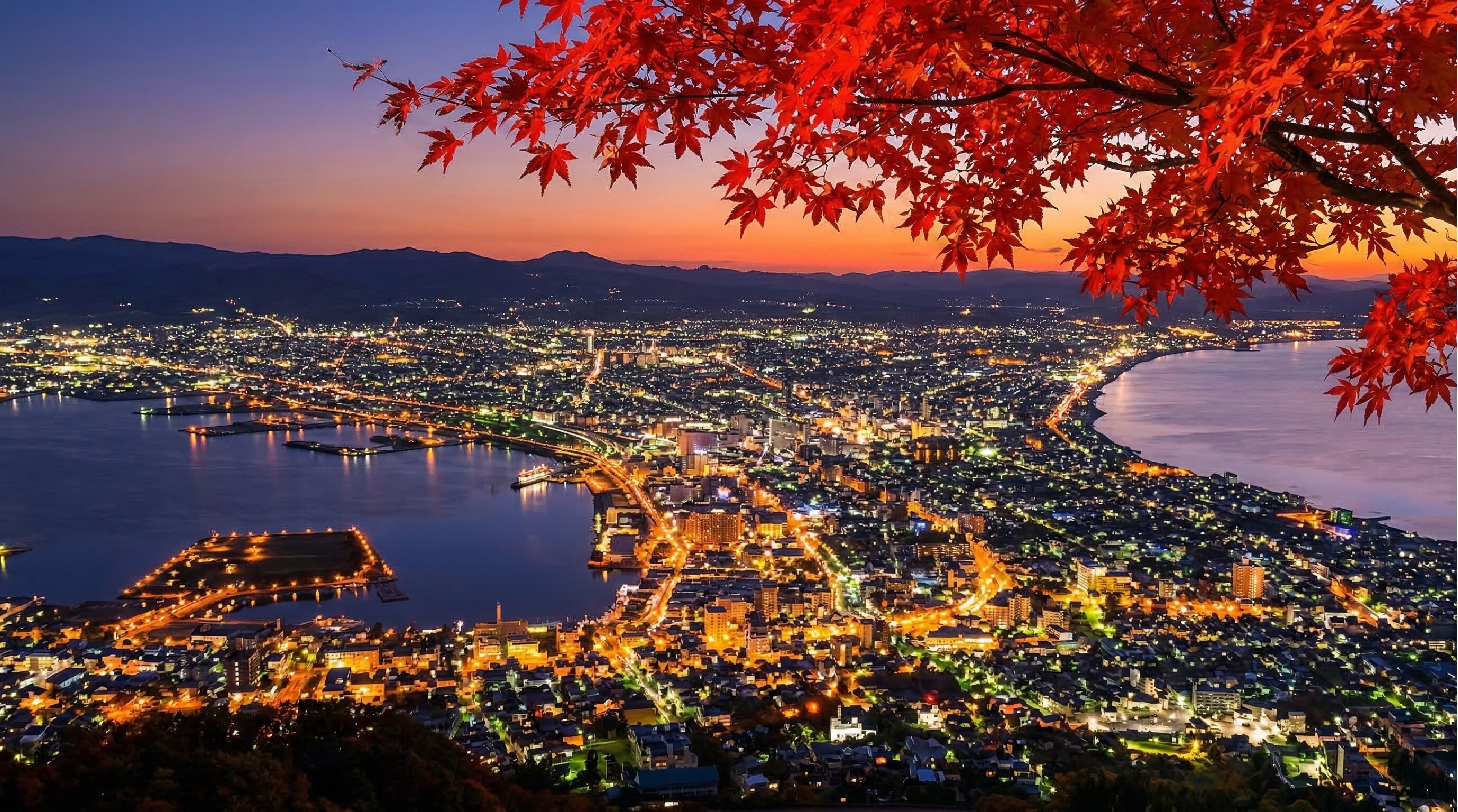
Autumn transforms the city’s parks and mountainsides with brilliant foliage. The crisp air enhances visibility, making this the preferred season for photography enthusiasts and those seeking Mount Hakodate’s clearest panoramas.
Fall culinary highlights include matsutake mushrooms, autumn salmon varieties, and harvest vegetables incorporated into kaiseki presentations.
Winter illuminations transform Hakodate, Hokkaidō, into an elegant light installation, with the historic district’s buildings outlined in sophisticated displays. Snow accumulation remains moderate compared to Sapporo, making winter exploration more accessible while maintaining a seasonal atmosphere.
The Hakodate Christmas Fantasy and illumination events create a romantic ambiance, though private viewing arrangements can be coordinated outside public event hours for those seeking exclusive experiences.
Hakodate, Hokkaidō’s emerging wine industry, has produced exceptional results, with Domaine Hakodate leading the region’s viticulture efforts. The winery’s commitment to quality over quantity results in limited-production wines that showcase cold-climate grape varieties.
The Zweigelt red wine demonstrates remarkable balance, with berry notes that complement local lamb and beef dishes. For white wine enthusiasts, the 100 Kerner offers crisp acidity that pairs beautifully with Hakodate’s seafood specialties.
Wine Tasting Arrangements:
The Rouge blend and Blanc offerings provide approachable options for those new to Japanese wines, while demonstrating the quality possible iHokkaidō’s’s climate.
Reaching Hakodate, Hokkaidō, requires thoughtful planning, though modern infrastructure makes access straightforward for luxury travelers who value efficiency and comfort.
Hakodate Airport offers direct flights from Tokyo (Haneda), Osaka, and Nagoya, with flight times of 80 to 100 minutes. The airport’s compact size ensures quick processing, while private transfer arrangements provide seamless connection to accommodations within 20 minutes.
The Hokkaidō Shinkansen connects HakodatHokkaidōdō to Tokyo via Shin-Hakodate-Hokuto Station in approximately four hours. While this represents longer travel time than flying, the comfort of Green Car or Gran Class service, combined with scenic routing through northern Honshu, appeals to travelers who value journey quality over pure speed.
Local transportation within Hakodate includes historic streetcars, private vehicles, and arranged chauffeur services. The streetcar system, though charming, may not meet luxury standards, making private transportation the preferred option for discerning visitors.
Hakodate, Hokkaidō, offers several properties that meet international luxury standards while incorporating Japanese hospitality principles.
Premium properties typically offer:
The most distinguished establishments limit room counts to ensure personalized attention, with staff-to-guest ratios approaching one-to-one during peak seasons. Suite configurations often include separate living spaces, traditional tatami rooms, and Western-style bedrooms, providing flexibility for extended stays.
The preservation of Hakodate’s Western-influenced architecture creates an atmospheric setting distinct from most Japanese cities. The Motomachi district’s sloping streets feature buildings that housed foreign consulates, churches, and merchants’ residences during the port’s international heyday.
Architectural Highlights:
These structures are not merely museum pieces. Many have been thoughtfully converted into boutiques, galleries, and exclusive dining establishments, allowing visitors to experience historic spaces with contemporary comfort.
Walking tours can be arranged with architectural historians who provide context about construction techniques, cultural significance, and the personalities who shaped Hakodate’s development. Private tours offer flexible scheduling and deeper engagement than standard group experiences.
Hakodate Hokkaidō’s shopping landscape extends beyond conventional retail to include artisan workshops, specialty food purveyors, and galleries representing regional artists.
The glass-blowing tradition, inspired by European techniques introduced during the port’s opening, continues through several workshops where master artisans create both functional and decorative pieces. Private appointments can be arranged to observe techniques or commission custom workHokkaidō’s’s indigenous Ainu culture influences contemporary craft through textile patterns, woodcarving motifs, and jewelry designs. Ethical galleries representing Ainu artists provide opportunities to acquire meaningful pieces while supporting cultural preservation.
| Category | Examples | Sourcing Recommendation |
|---|---|---|
| Seafood | Ikura, uni, kelp products | Direct from processors |
| Confections | Trappist butter cookies, dairy chocolates | Historic producers |
| Crafts | Glass art, Ainu-inspired textiles | Artisan workshops |
| Wine | Domaine Hakodate selections | Winery direct |
The optimal visit duration for Hakodate is three to five days, allowing thorough exploration without rushing between experiences. This timeframe accommodates day trips to nearby areas while maintaining a relaxed pace befitting luxury travel.
Three-day itinerary framework:
Five-day enhancement: Additional time enables deeper cultural engagement, excursions to nearby regions, and flexibility for weather-dependent activities like hiking or coastal exploration.
The Japan Royal Service team can coordinate comprehensive itineraries that balance structured experiences with spontaneous discovery, ensuring each day reflects your particular interests while maintaining the sophisticated pace luxury travel requires.
Seasonal considerations influence optimal timing. Spring cherry blossoms (late April to early May) and autumn foliage (mid-October to early November) represent peak aesthetic periods. However, summer’s comfortable temperatures and winter’s illuminations each offer distinct appeal.
While HakodatHokkaidō’s urban core provides extensive exploration opportunities, the surrounding region offers complementary experiences for travelers with additional time.
The Onuma Quasi-National Park, located 30 minutes north, presents volcanic landscapes, pristine lakes, and hiking trails ranging from gentle lakeside walks to challenging mountain ascents. Private guided experiences can be arranged with naturalists who provide ecological context and ensure optimal route selection based on fitness levels and interests.
Coastal drives along the Tsugaru Strait reveal fishing villages, dramatic cliffs, and seafood establishments where chefs prepare the day’s catch with minimal intervention, allowing ingredient quality to determine the experience.
The Esan peninsula offers additional hot springs in more remote settings, appealing to travelers seeking solitude beyond even Yunokawa’s refined atmosphere.
Hakodate, Hokkaidō, represents a sophisticated destination where international heritage, natural beauty, and culinary excellence converge to create memorable luxury experiences. For discerning travelers seeking authentic engagement with Japan beyond the conventional circuit, this port city offers refined accommodations, cultural depth, and access tHokkaidō’s’s pristine landscapes. Japan Royal Service specializes in crafting bespoke Hakodate experiences, coordinating exclusive access to artisan workshops, private dining at distinguished establishments, and seamless logistics that transform excellent itineraries into extraordinary journeys throughout Japan’s most captivating regions.