
LINE ID japanroyalservice
+817013781777 click here
+817013781777 click here
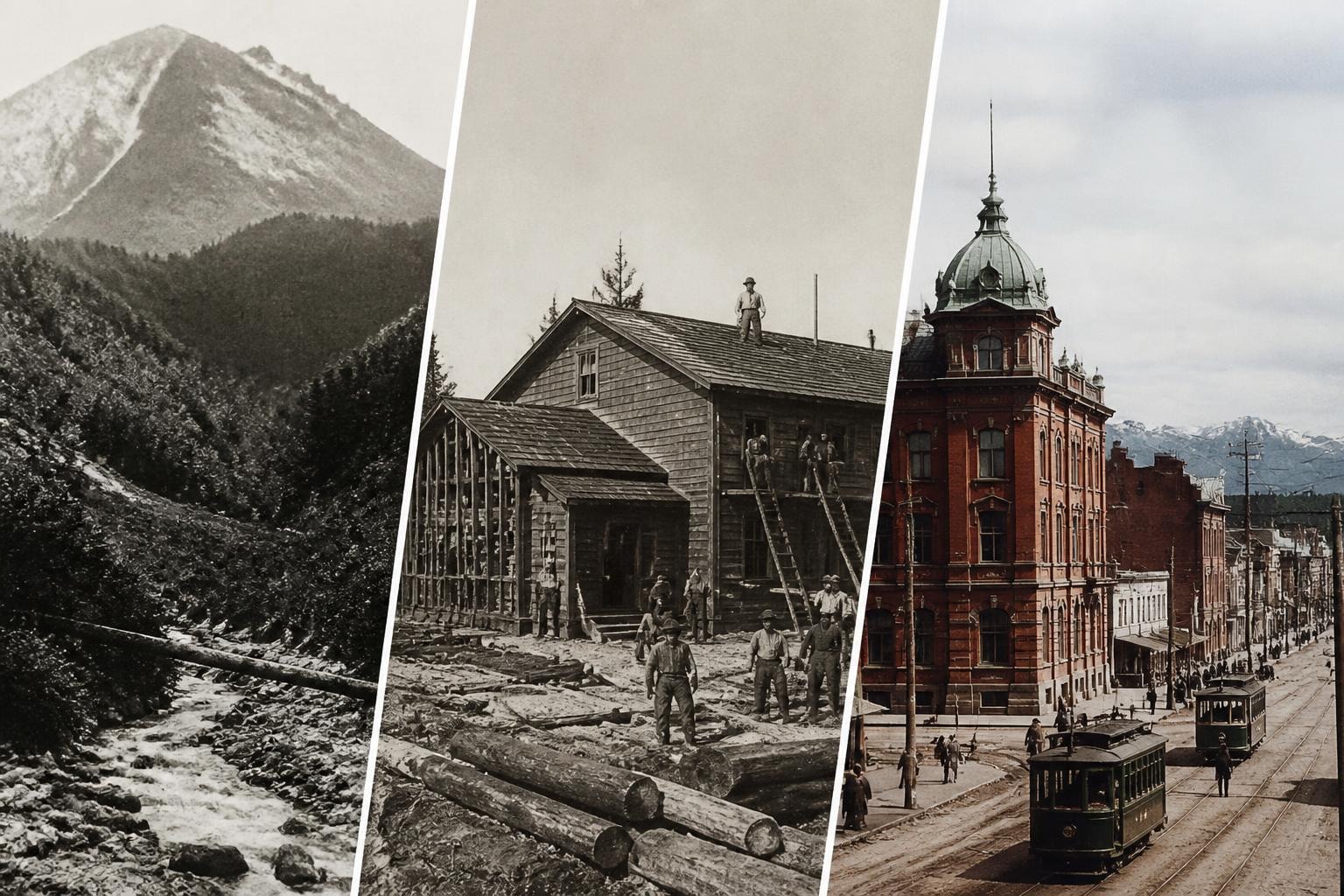
Nestled in the outskirts of Sapporo, the historical village of Hokkaido stands as a testament to Japan’s pioneering spirit and cultural preservation. This expansive open-air museum transports visitors back to a transformative period in Japanese history, when Hokkaido evolved from a remote frontier into a thriving region. For discerning travelers seeking authentic cultural experiences beyond Tokyo’s bustling streets or Kyoto’s temple-lined paths, this meticulously curated destination offers an immersive journey through architecture, tradition, and the remarkable stories of those who shaped northern Japan. With over 60 preserved and relocated structures spanning the Meiji to early Showa eras, the village provides an unparalleled window into a pivotal chapter of Japanese development.
The historical village of Hokkaido, officially known as Kaitaku-no-Mura, represents far more than a collection of old buildings. Established in 1983 to commemorate Hokkaido’s centennial, this remarkable institution preserves structures from 1868 through 1926, a period when Japanese settlers transformed the island’s landscape. The official museum website details how each building was carefully dismantled, transported, and authentically reconstructed to maintain historical integrity.
During the Meiji Restoration, the Japanese government launched an ambitious colonization program to develop Hokkaido and establish sovereignty over the northern territories. This initiative brought farmers, merchants, fishermen, and craftspeople from mainland Japan, each contributing unique architectural styles and cultural practices. The resulting cultural fusion created a distinctive Hokkaido identity that blended traditional Japanese elements with Western influences and adaptations to the harsh northern climate.
The museum’s 54-hectare grounds are thoughtfully organized into four thematic areas, each representing different aspects of pioneer life. This strategic layout allows visitors to experience the full spectrum of Hokkaido’s development within a single visit.
Town Zone features commercial and administrative buildings that formed the backbone of growing communities. Here you’ll discover:
The Village Zone recreates rural farming communities where most settlers established their lives. These structures demonstrate the agricultural innovations and living conditions that pioneers endured while cultivating Hokkaido’s rich soil.

| Zone | Primary Buildings | Cultural Focus | Best Season |
|---|---|---|---|
| Town | 17 structures | Commerce, administration, urban life | Year-round |
| Village | 22 structures | Agriculture, rural communities | Spring-Summer |
| Mountain | 9 structures | Forestry, mountain industries | Autumn |
| Fishing | 12 structures | Maritime trades, coastal life | Summer |
The Mountain Zone preserves structures related to forestry operations and the timber industry that became essential to Hokkaido’s economy. These buildings include workers’ lodges, processing facilities, and equipment storage areas that reveal the challenging conditions faced by those harvesting the island’s abundant forests.
Meanwhile, the Fishing Zone honors the maritime heritage that sustained coastal communities. The Hokkaido Digital Museum explains that these preserved buildings include herring-fishing facilities, merchant houses specializing in seafood trade, and residential structures adapted to coastal weather patterns. During Hokkaido’s peak herring fishing era, these coastal operations generated significant wealth and attracted workers from across Japan.
Walking through the historical village of Hokkaido reveals architectural diversity that reflects Japan’s rapid modernization. Western-style buildings with red brick facades stand alongside traditional Japanese structures with sliding shoji screens and tatami floors. This juxtaposition illustrates how Hokkaido became a laboratory for architectural experimentation during the Meiji era.
The Former Shiroishi Village Office exemplifies this blend, featuring a Western exterior design while maintaining Japanese spatial concepts inside. The building’s dual nature symbolizes the broader cultural negotiations taking place across Japan during this transformative period. Original furnishings, documents, and administrative tools provide tangible connections to the bureaucrats who managed frontier development.
Unlike many museums where visitors observe from a distance, the historical village of Hokkaido encourages exploration of building interiors. Most structures remain open for guests to examine authentic furnishings, tools, and household items arranged as they would have been during active use.
Notable interior experiences include:
The Former Aoyama Family Fisherman’s House stands out for its preservation quality and storytelling power. This substantial structure demonstrates the prosperity some fishing families achieved, with separate living quarters, storage areas, and workspace for processing catches. Period clothing, cooking utensils, and personal items create an intimate portrait of family life during Hokkaido’s fishing boom.

The historical village of Hokkaido transforms dramatically with each season, offering distinct experiences that reflect how pioneers adapted to the extreme climate variations of northern Japan. According to the Hokkaido Official Tourism Site, these seasonal changes provide an authentic context for understanding the challenges and celebrations that punctuated the pioneer calendar.
Winter blankets the village in snow, creating a stunning visual transformation while illustrating the harsh conditions settlers endured. From December through March, special programs allow visitors to experience traditional winter activities:
The contrast between warm building interiors and the frozen landscape outside emphasizes the ingenuity required for winter survival. Costumed interpreters demonstrate period-appropriate clothing layers and explain how families prepared homes for months of isolation.
Spring brings cherry blossoms and agricultural demonstrations, with staff planting traditional crop varieties using historical farming implements. Summer activates the entire village with seasonal horse-drawn carriage rides connecting different zones, allowing visitors to experience transportation methods from the era.
Autumn showcases harvest traditions and food preservation techniques that sustained families through winter. Special autumn festivals recreate celebratory meals and community gatherings that marked the end of the agricultural calendar.
Beyond static displays, the historical village of Hokkaido offers dynamic programming that brings pioneer-era practices to life. Professional interpreters wearing period-accurate clothing perform daily demonstrations of traditional crafts, trades, and domestic activities.
Craft workshops available throughout the year:
These participatory programs create memorable connections to Hokkaido’s heritage while developing appreciation for the skills pioneers mastered. The Sapporo Official Travel Guide recommends booking popular workshops in advance, especially during peak tourist seasons.
Educational programs also serve school groups extensively, with curriculum-aligned activities designed for different age levels. Students might spend a day experiencing pioneer schooling, traditional games, or agricultural work, leaving a lasting impression of Japanese history.
For luxury travelers accustomed to seamless experiences, understanding the practical aspects of Hokkaido’s historical village ensures optimal enjoyment. The museum’s 554 hectares require strategic planning to cover the desired areas without overexhaustion
Most visitors need three to four hours for a comprehensive exploration, though photography enthusiasts and history buffs often spend entire days immersed in the experience. Arriving shortly after opening allows exploration during quieter morning hours before tour groups arrive.
| Season | Recommended Duration | Key Highlights | Crowd Level |
|---|---|---|---|
| Winter (Dec-Feb) | 3-4 hours | Snow scenery, sleigh rides | Low-Medium |
| Spring (Mar-May) | 4-5 hours | Cherry blossoms, planting | Medium-High |
| Summer (Jun-Aug) | 4-6 hours | Full access, carriage rides | High |
| Autumn (Sep-Nov) | 3-4 hours | Foliage, harvest events | Medium |
The village provides wheelchair accessibility to most areas, though the interiors of historical buildings may present challenges. Detailed accessibility information helps visitors plan appropriate routes.

The historical village of Hokkaido serves as an exceptional foundation for understanding the island’s cultural landscape before exploring contemporary attractions. Located just 30 minutes from central Sapporo, the museum integrates seamlessly into luxury travel itineraries focused on northern Japan.
Understanding pioneer-era development enhances appreciation for Hokkaido’s current identity. The agricultural innovations tested during the Meiji period evolved into modern farming operations producing world-renowned dairy products, seafood, and crops. The Western architectural influences preserved at the village echo throughout Sapporo’s urban landscape, from the Clock Tower to the Former Hokkaido Government Office.
Discerning travelers often pair their village visit with other Hokkaido cultural institutions:
The comprehensive overview from GOOD LUCK TRIP suggests combining these experiences for a complete understanding of Hokkaido’s transformation from frontier to modern economic powerhouse.
For travelers documenting their journeys, the historical village of Hokkaido offers extraordinary photographic potential. The carefully maintained buildings against natural backdrops create compositions reminiscent of period photographs, while seasonal changes provide endless variation.
Professional and amateur photographers appreciate several aspects:
Winter photography particularly rewards skilled practitioners, as fresh snow accentuates architectural lines while creating monochromatic palettes punctuated by building colors. The village’s photographic appeal has made it a location for historical films, television dramas, and commercial productions seeking authentic period settings.
Reaching the historical village of Hokkaido from Sapporo requires planning, as public transportation involves a combination of subway and bus routes. The journey takes approximately 50-60 minutes by public transit, making private transportation appealing to luxury travelers who prioritize convenience and time efficiency.
From central Sapporo, visitors can take the Toho Subway Line to Shin-Sapporo Station, then transfer to JR Hokkaido Bus bound for the Historical Village. However, this multi-step process with potential waiting times contrasts sharply with the seamless experiences discerning travelers expect.
Private transportation advantages include:
The village provides ample parking for those choosing private vehicles, with facilities that accommodate both standard and luxury vehicles.
The ongoing preservation work at the historical village of Hokkaido demonstrates Japan’s commitment to cultural heritage conservation. Each structure requires continuous maintenance addressing weather damage, structural integrity, and authentic material replacement. Specialized craftspeople trained in traditional building techniques perform repairs using period-appropriate methods and materials whenever possible.
The museum actively seeks additional historically significant buildings threatened by demolition or neglect across Hokkaido. This acquisition strategy ensures the village remains a growing, evolving repository rather than a static display. Recent additions include structures representing underrepresented aspects of pioneer life, creating more comprehensive historical narratives.
Digital preservation initiatives complement physical conservation efforts. Detailed documentation using 3D scanning, photogrammetry, and historical research creates permanent records of each structure’s condition and historical significance. These digital archives support both scholarly research and public education programs.
For travelers from Western nations, the historical village of Hokkaido provides fascinating contrasts with frontier development in North America and other colonized regions. While superficial similarities exist (rapid settlement, resource extraction, and agricultural development), the Japanese approach emphasized planned community development, government coordination, and cultural continuity rather than individual pioneering.
Understanding these contextual differences enriches the visitor experience. The preserved buildings reflect collective community efforts rather than isolated homesteads. Government offices demonstrate centralized planning rather than organic town growth. The integration of Western architectural elements alongside Japanese traditions showcases a deliberate cultural synthesis rather than a complete replacement.
This nuanced historical perspective appeals particularly to sophisticated travelers seeking a deeper understanding beyond surface-level tourism. The village serves as an entry point for exploring Japanese modernization, the implementation of government policy, and cultural adaptation during rapid change.
The historical village of Hokkaido maintains facilities that meet international visitor expectations while preserving its historical atmosphere. Modern amenities include:
Staff training emphasizes cultural sensitivity and historical accuracy, ensuring visitors receive reliable, professionally delivered information. The balance between educational mission and visitor comfort creates an environment where learning occurs naturally through immersive experience rather than didactic instruction.
Climate control within the visitor center provides respite during extreme weather, while historical buildings maintain authentic conditions, allowing visitors to experience a pioneer-era environment genuinely. This authenticity distinguishes the village from theme park interpretations of history.
The historical village of Hokkaido offers discerning travelers an authentic journey through a pivotal era in Japanese history, combining meticulous preservation with engaging interpretation that brings the pioneer spirit to life. For those seeking exceptional cultural experiences in northern Japan, Japan Royal Service specializes in crafting bespoke itineraries that seamlessly integrate destinations like this remarkable open-air museum with luxury transportation, expert guides, and exclusive access to Hokkaido’s finest attractions. Let our dedicated team design your perfect journey through Japan’s rich heritage and stunning landscapes.