
LINE ID japanroyalservice
+817013781777 click here
+817013781777 click here
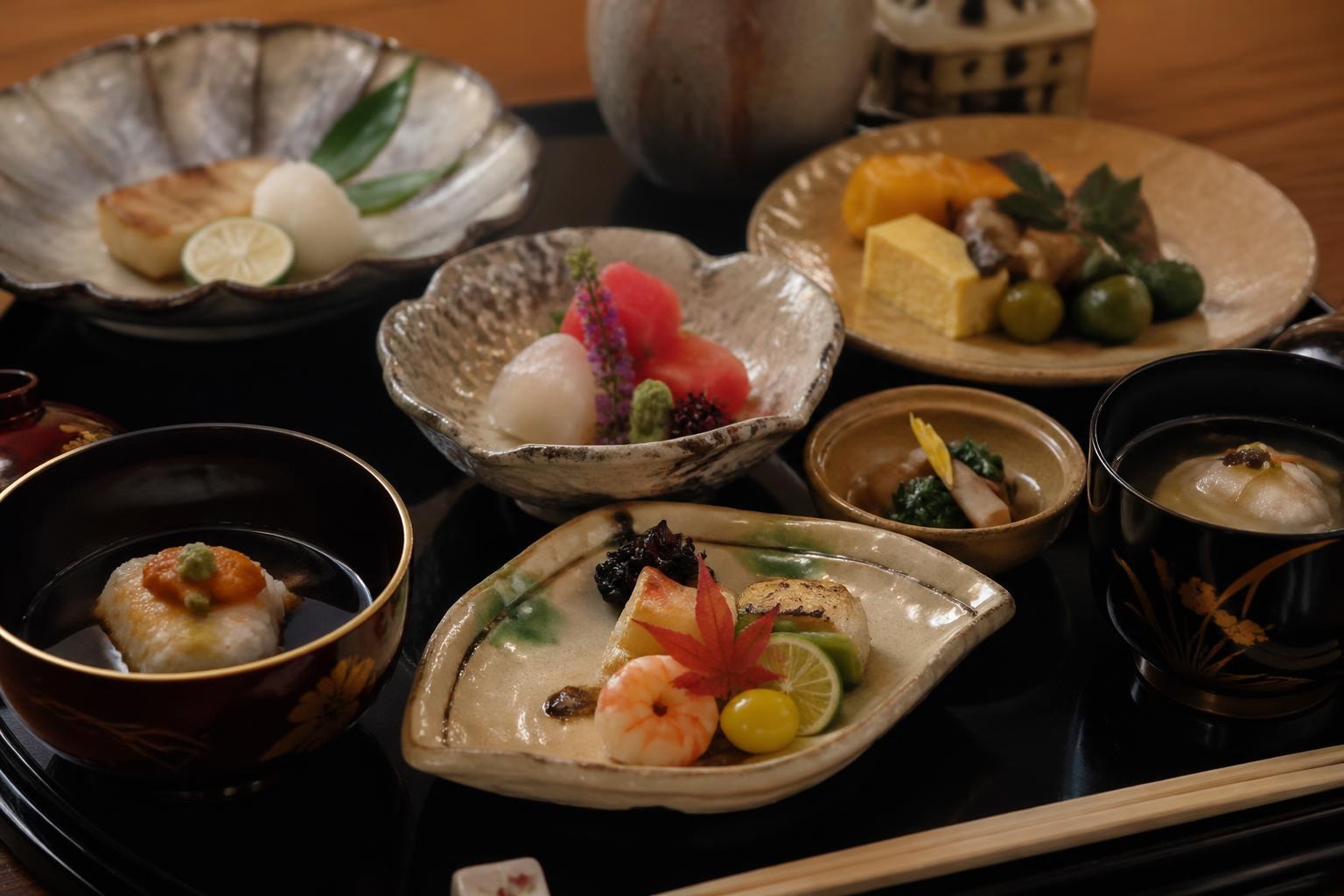
Kyoto stands as the spiritual home of Japan’s most refined culinary tradition, where kaiseki dining transcends mere sustenance, becoming an immersive art form. This elaborate multi-course dining experience represents the pinnacle of Japanese gastronomy, drawing discerning travelers from around the world to experience its meticulous preparation, seasonal awareness, and philosophical depth. For those seeking authentic cultural immersion through cuisine, kaiseki dining in Kyoto offers an unparalleled window into centuries of culinary evolution, aesthetic refinement, and the Japanese concept of hospitality, omotenashi.
The origins of kaiseki trace back to the 16th century, emerging from the austere simplicity of Buddhist temple cuisine and the ritualized precision of the tea ceremony. Originally known as “cha-kaiseki,” these meals were designed to prepare guests for the contemplative experience of tea, offering just enough sustenance to appreciate the subtle flavors of matcha without distraction.
Over centuries, kaiseki evolved from these humble beginnings into an elaborate dining format that showcases a chef’s technical mastery and artistic vision. The comprehensive history of kaiseki cuisine reveals how Kyoto’s unique position as Japan’s imperial capital for over a millennium shaped its development into today’s sophisticated culinary art form.
The transformation of kaiseki from monastic simplicity to refined sophistication reflects broader cultural shifts in Japanese society. During the Edo period, wealthy merchants and nobility began patronizing establishments that elevated kaiseki beyond its tea ceremony origins, incorporating seasonal delicacies and regional ingredients that demonstrated both wealth and cultural refinement.
Key historical influences include:
A traditional kaiseki meal follows a carefully choreographed sequence, with each course building upon the previous to create a harmonious culinary narrative. The number of courses typically ranges from seven to fourteen, though some prestigious establishments offer extended menus featuring twenty or more preparations.

| Course Name | Purpose | Typical Preparation |
|---|---|---|
| Sakizuke | Opening appetizer | Small, seasonal bite to awaken the palate |
| Hassun | Seasonal expression | Mountain and sea delicacies representing the season |
| Mukozuke | Sashimi course | Fresh seasonal fish, expertly sliced |
| Takiawase | Simmered vegetables | Root vegetables in delicate dashi broth |
| Futamono | Lidded dish | Soup or steamed preparation with aromatic elements |
| Yakimono | Grilled course | Seasonal fish or meat with complementary garnishes |
| Su-zakana | Vinegared dish | Palate cleanser before rice courses |
| Shokuji | Rice and soup | Finishing rice, miso soup, and pickles |
| Mizumono | Dessert | Seasonal fruit or traditional sweet |
Each course demonstrates specific cooking techniques while maintaining seasonal appropriateness. The detailed structure of kaiseki emphasizes how this progression creates both physical satisfaction and aesthetic pleasure.
Perhaps no aspect of kaiseki dining in Kyoto matters more than the concept of shun, representing ingredients at their absolute peak of seasonal perfection. Kyoto’s chefs obsess over sourcing the finest examples of each season’s offerings, often establishing decades-long relationships with specific farmers, fishermen, and foragers.
Spring brings bamboo shoots from Arashiyama’s groves, tender fava beans, and delicate sakura mochi. Summer features ayu sweetfish from pristine mountain streams, hamo pike conger prepared with extraordinary knife work, and cooling arrangements of seasonal vegetables. Autumn showcases matsutake mushrooms commanding premium prices, chestnuts, and Pacific saury. Winter delivers yellowtail, fugu blowfish requiring licensed preparation, and root vegetables that have developed natural sweetness through cold exposure.
Master chefs begin incorporating hints of the coming season approximately two weeks before the official calendar change, creating subtle anticipation through ingredient selection and presentation aesthetics. This practice, called hashiri, demonstrates profound awareness of natural cycles.
The seasonal aspects of kaiseki illustrate how Kyoto’s distinct four seasons directly influence menu composition and presentation philosophy throughout the year.
Kaiseki dining elevates presentation to an art form equal in importance to flavor, with dishes selected specifically to complement each preparation. A single kaiseki meal might utilize dozens of different plates, bowls, and serving vessels, each chosen for its texture, color, pattern, and seasonal appropriateness.

Many prestigious kaiseki restaurants maintain collections of museum-quality ceramics, including works by renowned potters and antique pieces passed down through generations. The arrangement of food on these vessels follows principles derived from Japanese painting and garden design, emphasizing asymmetry, negative space, and natural harmony.
Chefs consider multiple factors when composing each plate. The vessel’s color should neither overshadow nor clash with the food. Portion sizes remain deliberately modest, allowing the beauty of individual ingredients to shine. Heights vary across the table to create visual interest. Garnishes serve both aesthetic and functional purposes, never appearing merely decorative.
Essential presentation concepts:
Kaiseki dining in Kyoto ranges from relatively accessible experiences to exclusive establishments requiring introductions from existing patrons. Understanding these distinctions helps match expectations with reality and ensures appropriate preparation for your chosen experience.
| Restaurant Tier | Price Range (per person) | Reservation Process | Atmosphere |
|---|---|---|---|
| Entry-level | ¥8,000-¥15,000 | Online booking available | Casual traditional |
| Mid-range | ¥15,000-¥30,000 | Reservation required | Refined traditional |
| Premium | ¥30,000-¥50,000 | Concierge assistance recommended | Intimate, exclusive |
| Ultra-exclusive | ¥50,000+ | Introduction often required | Private, ceremonial |
Traditional kaiseki in accessible settings demonstrates that Kyoto’s Pontocho district has cultivated establishments that offer authentic experiences without prohibitive entry barriers, making this culinary tradition more approachable for international visitors.
Many renowned kaiseki establishments do not maintain English-language websites or accept reservations from unknown international guests. This protection of intimate dining environments and cultural authenticity creates challenges but also preserves the traditional character that makes these experiences special.
Professional concierge services specializing in Japan travel can secure reservations at establishments otherwise inaccessible to individual travelers. These services navigate language barriers, understand reservation protocols, and often maintain relationships with restaurants built over years of successful client experiences.
The kaiseki dining experience in Kyoto draws much of its distinctive character from ingredients unique to Kyoto Prefecture and its surrounding regions. The area’s geography, combining mountain terrain with fertile valleys and proximity to both the Sea of Japan and the Pacific Ocean, provides extraordinary diversity.
Kyo-yasai (Kyoto vegetables) represent heirloom varieties cultivated for centuries, often in specific microclimates. These include Kamo eggplant with its distinctive round shape and creamy texture, Manganji peppers offering mild sweetness, and Shogoin turnips prized for their delicate flavor. Many kaiseki chefs maintain exclusive relationships with farmers, preserving these traditional varieties.
Every kaiseki meal is built on dashi, the fundamental stock that underpins Japanese cuisine. Kyoto-style dashi typically emphasizes kombu seaweed from Hokkaido, creating lighter, more subtle broths than the bonito-heavy versions common in Tokyo. The significance of dashi in kaiseki reveals how master chefs achieve profound complexity through seemingly simple preparations.
While kaiseki dining in Kyoto remains deeply rooted in tradition, contemporary chefs increasingly incorporate modern techniques and global influences while respecting core principles. This evolution ensures kaiseki remains relevant to new generations while maintaining its essential character.
Some establishments now offer wine pairings alongside or instead of sake, recognizing that international guests may prefer familiar beverage options. Others experiment with sous vide cooking or molecular gastronomy techniques applied to traditional preparations, creating textures and presentations that are impossible with classical methods alone.
The best kaiseki restaurants in Kyoto for 2026 demonstrate varying approaches to this balance, from staunchly traditional establishments that change nothing over decades to innovative restaurants that reimagine kaiseki for contemporary palates while respecting seasonal and aesthetic foundations.
Innovative adaptations include:

Participating in kaiseki dining in Kyoto requires awareness of certain cultural expectations that enhance the experience for everyone involved. While restaurants serving international clientele show patience with cultural differences, demonstrating basic etiquette reflects respect for the tradition and the chef’s efforts.
Arriving on time matters significantly, as the chef’s time affects the entire seating’s course progression. Dietary restrictions should be communicated when making reservations, not upon arrival, allowing proper menu adjustments. Photography policies vary by establishment, with some traditional restaurants prohibiting it entirely to preserve ambiance.
Remove shoes upon entering the tatami mat rooms and place them neatly in the provided storage. Accept courses with both hands when they are presented. Taste each element of a dish before adding condiments, as chefs intentionally season everything. Complete the rice, soup, and pickles in the final course; leaving any of them is considered wasteful.
Essential kaiseki etiquette:
Understanding the pricing of kaiseki dining in Kyoto requires recognizing the extraordinary labor, ingredient costs, and expertise involved. A single meal might represent days of preparation, from aging fish properly to hand-cutting vegetables into precise shapes, from selecting optimal sake pairings to coordinating course timing across multiple tables.
Ingredient costs alone can be substantial. A single matsutake mushroom in peak season might cost ¥20,000 or more. Wild-caught ayu from pristine streams commands premium prices. Wagyu beef raised in specific regions according to traditional methods, heirloom vegetables from designated farms, and rare sake from small-production breweries all contribute to final pricing.
Beyond ingredients, you’re investing in a chef’s lifetime of training, often beginning with years of apprenticeship performing basic tasks before moving on to actual cooking. You’re experiencing hospitality refined across generations. You’re participating in a living cultural heritage designated as UNESCO Intangible Cultural Heritage.
The experience of traditional kaiseki encompasses far more than the meal itself, creating memories that remain vivid for years and providing profound insight into Japanese aesthetic philosophy and cultural values.
For travelers seeking kaiseki dining in Kyoto as part of a broader Japan exploration, strategic planning maximizes the experience. Consider scheduling kaiseki dinners early in your Kyoto visit, allowing any dietary discoveries to inform subsequent meal choices. Reserve well in advance, particularly for renowned establishments or during peak seasons such as cherry blossom and autumn foliage.
Budget adequate time for the meal itself, typically two to three hours minimum for full kaiseki courses. Avoid scheduling activities immediately afterward that might create time pressure. Consider the location of your chosen restaurant relative to your accommodation, particularly if dining in traditional neighborhoods where taxi availability might be limited.
Pairing kaiseki with related cultural activities deepens appreciation. Morning visits to Nishiki Market reveal many ingredients featured in evening kaiseki preparations. Tea ceremony experiences illuminate the aesthetic and philosophical connections between kaiseki and broader Japanese cultural traditions. Visits to pottery districts, such as the Kiyomizu-dera area, provide context for the ceramics used in kaiseki presentations.
Recommended complementary activities:
The cultural aspects of kaiseki in Kyoto extend far beyond the dining room, connecting to broader artistic, agricultural, and spiritual traditions that have shaped Japanese culture for centuries.
While many prestigious kaiseki establishments operate primarily in Japanese, growing international interest has prompted some restaurants to develop English menus and train staff in basic English communication. However, the most exclusive establishments may offer limited or no English support, viewing language as part of the authentic cultural experience they preserve.
Professional translation services or bilingual dining companions can bridge this gap, though some argue this intervention diminishes the non-verbal communication and intuitive understanding that traditional kaiseki encourages. Each traveler must decide how comfortable they are with language barriers versus their desire for complete authenticity.
Curated kaiseki restaurant recommendations from local dining insiders often include information about English support, helping international visitors identify establishments that match their language comfort levels while maintaining quality standards.
Experiencing kaiseki dining in Kyoto offers an incomparable window into Japan’s culinary soul, where centuries of tradition merge with seasonal awareness and aesthetic refinement to create truly transcendent dining experiences. Whether you choose an accessible introduction to this art form or seek the most exclusive establishments, the journey reveals profound insights into Japanese culture, hospitality, and the relationship between food and artistry. Japan Royal Service specializes in curating these transformative culinary experiences, securing reservations at kaiseki establishments that match your preferences, providing expert cultural context, and ensuring seamless transportation and coordination throughout your bespoke Japan journey.