
LINE ID japanroyalservice
+817013781777 click here
+817013781777 click here
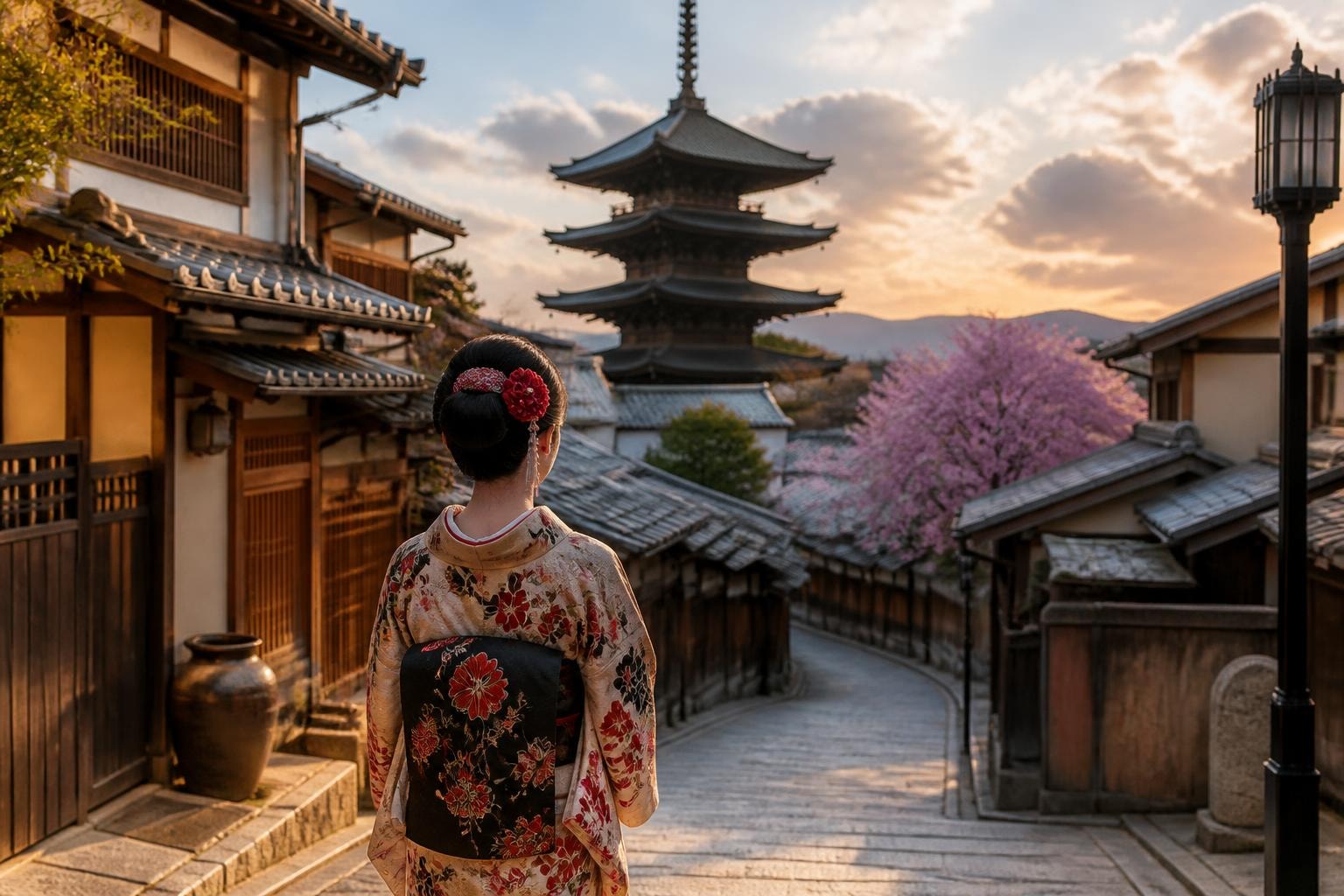
Kyoto stands as Japan’s cultural heart, a city where centuries-old traditions blend seamlessly with modern sophistication. As the imperial capital for over a thousand years, this enchanting destination offers an unparalleled journey through Japanese heritage, featuring pristine temples, meticulously maintained gardens, and intimate cultural experiences that continue to captivate sophisticated travelers in 2026. Whether you’re planning your first visit or returning to discover deeper layers of this remarkable city, understanding what is truly must-see in Kyoto ensures your journey becomes transformative rather than merely touristic.
The vermillion gates of Fushimi Inari Taisha create one of Japan’s most photographed landscapes, yet this sacred site offers far more than visual splendor. Dedicated to Inari, the Shinto god of rice and prosperity, the shrine complex features thousands of torii gates donated by businesses and individuals, forming tunnels that wind up Mount Inari’s forested slopes.
Why this experience stands apart:

Most visitors explore only the lower sections, but the complete mountain circuit reveals why Fushimi Inari remains a must-see in Kyoto for those seeking an authentic connection to Japanese spirituality. The gates become smaller and more weathered at higher elevations, creating an increasingly intimate atmosphere that rewards those willing to venture beyond the crowds.
| Time Period | Crowd Level | Lighting Quality | Experience Quality |
|---|---|---|---|
| 6:00-8:00 AM | Minimal | Golden/Mystical | Exceptional |
| 9:00-11:00 AM | Moderate | Bright | Good |
| 12:00-3:00 PM | Heavy | Harsh | Challenging |
| 4:00-6:00 PM | Moderate | Golden | Very Good |
Kinkaku-ji, officially known as Rokuon-ji, is an architectural masterpiece that has defined Kyoto’s aesthetic identity since the 14th century. The pavilion’s top two floors are covered entirely in gold leaf, creating spectacular reflections across the mirror pond that surrounds it. This iconic temple showcases the pinnacle of Japanese Zen architecture, representing the harmonious integration of sacred space with natural landscape.
The viewing path guides visitors through carefully orchestrated perspectives, each designed to reveal different relationships between the pavilion, pond, and surrounding gardens. Spring brings cherry blossoms that frame the golden structure, while autumn transforms the backdrop into a tapestry of crimson and gold that rivals the pavilion itself.
Essential elements to appreciate:
The gardens beyond the pavilion offer equally refined experiences, including a traditional tea house where visitors can contemplate the relationship between simplicity and luxury that defines Japanese aesthetic philosophy.
The Arashiyama Bamboo Grove creates an otherworldly atmosphere as towering bamboo stalks sway overhead, filtering sunlight into ethereal green-gold beams. This natural wonder is a must-see in Kyoto, not merely for photographs but for the profound sensory experience it offers. The sound of wind moving through thousands of bamboo stalks has been designated one of Japan’s “100 Soundscapes to be Preserved.”
Early morning visits between 6:30 and 8:00 AM offer the grove at its most peaceful, before tour groups arrive. The main pathway extends approximately 500 meters, but adjacent trails lead to quieter bamboo sections where contemplative walks become meditative experiences.
The Arashiyama district surrounding the grove merits equal exploration. Historic temples like Tenryu-ji feature exceptional Zen gardens, while the Togetsukyo Bridge provides classic views across the Hozu River. Traditional restaurants serving seasonal kaiseki cuisine and artisan shops selling handcrafted goods complete the area’s refined atmosphere.
Kiyomizu-dera’s wooden stage projects from the hillside 13 meters above the ground, creating a dramatic platform that has offered pilgrims and visitors spectacular perspectives for over 1,200 years. The temple complex, a UNESCO World Heritage site, is a must-see in Kyoto for its architectural innovation and spiritual significance. No nails were used in constructing the main hall’s stage, relying entirely on traditional interlocking joinery that has withstood centuries of earthquakes.
The approach to Kiyomizu-dera through the Higashiyama district provides equally valuable experiences. Narrow lanes lined with traditional machiya townhouses have been converted into galleries, ceramics studios, and refined cafes that maintain a historical atmosphere while offering contemporary luxury.

Gion preserves Kyoto’s geisha traditions within perfectly maintained historical streetscapes. This entertainment district, developed centuries ago to serve visitors to nearby Yasaka Shrine, continues functioning as one of Japan’s most exclusive geisha quarters. Walking Gion’s atmospheric lanes, particularly Hanami-koji Street, transports visitors to historical Kyoto as few other places can.
Authentic Gion experiences include:
The district exemplifies why Gion remains a must-see in Kyoto for those seeking genuine cultural immersion rather than superficial tourism. However, respectful behavior proves essential, as this remains a working district where privacy and discretion are valued. Photographing geiko or maiko without permission remains inappropriate, and the most meaningful encounters come through organized cultural experiences rather than street photography.
Ryoan-ji’s karesansui (dry landscape) garden represents the ultimate expression of Zen aesthetics. Fifteen stones arranged in five groups rest within a rectangle of carefully raked white gravel, creating what many consider the world’s most profound meditation space. This essential Kyoto experience challenges visitors to find meaning in apparent simplicity, embodying the philosophical depth that distinguishes Japanese cultural traditions.
The garden’s designer remains unknown, and its exact meaning continues to inspire debate among scholars. Some interpret the composition as islands in an ocean, while others see it as tiger cubs crossing water. At the same time, many prefer to view it as a pure abstraction, freeing the mind from concrete interpretations. Regardless of interpretation, the garden creates a contemplative space increasingly rare in modern life.
| Garden Element | Purpose | Aesthetic Principle |
|---|---|---|
| White gravel | Represents water/void | Ma (negative space) |
| Raked patterns | Creates movement | Shibui (subtle beauty) |
| Stone groupings | Focal points | Wabi-sabi (imperfect beauty) |
| Clay wall backdrop | Frames composition | Kanso (simplicity) |
The temple grounds extend beyond the famous rock garden, including a beautiful pond garden and traditional buildings housing sliding screen paintings by master artists. Visiting during weekday mornings provides the quiet necessary for genuine contemplation.
Nishiki Market has served as “Kyoto’s Kitchen” for over 400 years, offering a culinary journey through regional traditions. This covered arcade,e stretching five blocks,s features over 100 specialized vendors selling everything from fresh seafood and seasonal vegetables to traditional sweets and artisan kitchenware. Understanding Kyoto through its culinary culture makes Nishiki Market a must-see in Kyoto for food enthusiasts and cultural explorers alike.
Market highlights worth exploring:
Many vendors offer samples, allowing visitors to taste regional specialties while learning about ingredients and preparation methods from knowledgeable shopkeepers. The market maintains an authentic character despite its popularity with tourists, continuing to serve local restaurants and home cooks who demand the highest-quality ingredients.
The Philosopher’s Path is a two-kilometer canal-side walkway through northern Kyoto’s temple district, named for Nishida Kitaro, who used this route for daily meditation walks. Cherry trees line both banks of the canal, creating one of Kyoto’s most celebrated hanami (flower viewing) destinations each spring. However, this contemplative walk rewards visitors year-round with access to lesser-known temples and seasonal landscape transformations.
The path connects numerous significant sites, including Ginkaku-ji (Silver Pavilion) at the northern end and several smaller temples tucked into the hillside. These quieter locations offer peaceful alternatives to Kyoto’s famous sites while maintaining exceptional aesthetic quality and historical significance.
Spring brings hundreds of thousands of visitors for cherry blossom viewing, making autumn or early summer preferable for those seeking a more tranquil experience. The walk naturally integrates into the broader exploration of Kyoto’s eastern temple districts.
The Kyoto Imperial Palace served as the emperor’s residence until the capital moved to Tokyo in 1869. Today, visitors can tour the palace grounds and selected buildings, experiencing the architectural refinement and ceremonial spaces that defined Japanese court culture for centuries. This must-see location in Kyoto demonstrates how power and aesthetics are intertwined in traditional Japanese society.

Free guided tours (reservation recommended) provide access to the Shishinden (ceremonial hall), Seiryoden (emperor’s residence), and Kogosho (smaller palace) while explaining court ceremonies and daily life. The extensive grounds feature immaculate gardens demonstrating multiple historical landscape styles.
Key architectural features include:
The palace area includes the surrounding Kyoto Gyoen National Garden, an expansive public park with peaceful walking paths, plum groves, and seasonal flower displays year-round.
Nijo Castle symbolizes the military authority of the Tokugawa shogunate, in contrast to the imperial refinement of the nearby palace. Built in 1603, the castle features remarkable “nightingale floors” designed to chirp when walked upon, alerting guards to intruders. The ornate audience chambers showcase the shogunate’s power and wealth through elaborate gold-leaf paintings and intricate carved transom panels.
The castle grounds encompass multiple gardens representing different historical periods, from the simple elegance of the Ninomaru Garden to the more elaborate Seiryuen Garden created in 1965. Cherry blossoms and seasonal illuminations make this location a must-see in Kyoto during spring and autumn, when cultural events enhance the visitor experience.
| Castle Section | Historical Period | Architectural Style | Visitor Experience |
|---|---|---|---|
| Ninomaru Palace | Edo (1603) | Shoin-zukuri | Guided interior tour |
| Honmaru Palace | Meiji (relocated 1893) | Imperial residential | Exterior viewing |
| Ninomaru Garden | Edo (1626) | Formal pond garden | Self-guided walk |
| Seiryuen Garden | Modern (1965) | Combined traditional styles | Seasonal events |
Tofuku-ji ranks among Kyoto’s largest Zen temple complexes, famous for spectacular autumn foliage that attracts photographers and nature enthusiasts each November. The Tsutenkyo Bridge provides elevated views across a ravine filled with over 2,000 maple trees, creating an ocean of crimson and gold. Beyond its autumn beauty, Tofuku-ji offers exceptional Zen gardens and architectural heritage worth exploring year-round.
The temple’s four gardens, designed by renowned landscape architect Shigemori Mirei in 1939, present modernist interpretations of traditional Zen garden principles. The checkerboard moss garden and the stone groupings arranged to represent Chinese Zen philosophy demonstrate how traditional concepts can be reinterpreted through contemporary vision while maintaining spiritual depth.
Planning considerations for Tofuku-ji:
The temple area includes several excellent restaurants specializing in shojin ryori (Buddhist vegetarian cuisine), offering opportunities to experience refined plant-based kaiseki menus developed in monastery kitchens.
Sanjusangen-do houses one of Buddhism’s most impressive artistic achievements: 1,001 life-sized statues of Kannon, the bodhisattva of compassion, arranged in rows that seem to extend infinitely. The main hall stretches 120 meters, making it the longest wooden structure in Japan. This extraordinary display is a must-see for anyone interested in Buddhist art and medieval craftsmanship in Kyoto.
Each statue was carved by master sculptors during the 12th and 13th centuries, with subtle variations in facial features and hand positions creating individual personalities within the collective whole. The central seated figure of Kannon, notably larger than the surrounding thousand standing statues, demonstrates exceptional artistic skill and remains designated a national treasure.
The temple grounds host an annual archery competition each January, continuing a tradition begun in the Edo period when samurai tested their skills by attempting to shoot arrows the length of the veranda. This living cultural tradition connects contemporary practice with historical customs, defining Kyoto’s relationship with its past.
North of central Kyoto, the mountain villages of Kifune and Kurama offer refined natural beauty and spiritual depth. Kifune Shrine, dedicated to the water deity, features vermilion lanterns ascending stone stairs through an ancient forest. Summer brings kawadoko dining, where restaurants construct platforms over the Kifune River, allowing guests to enjoy kaiseki cuisine cooled by mountain breezes and flowing water.
The hike connecting Kifune and Kurama over the mountain ridge takes approximately 90 minutes, passing through pristine forest to Kurama-dera temple. This spiritual walk is a must-see in Kyoto for travelers seeking to understand how Japanese spirituality integrates the natural landscape with sacred architecture. The trail’s solitude and natural beauty provide meditative experiences rarely found in urban temples.
Seasonal considerations for mountain areas:
Transportation to these areas requires trains and local buses, but the journey itself reveals layers of Kyoto beyond the central tourist zones.
The Sagano Scenic Railway, also known as the Sagano Torokko Train, offers 25-minute journeys through the Hozu River gorge between Arashiyama and Kameoka. Open-air carriages allow unobstructed views of the river, mountains, and seasonal landscape transformations. Spring brings cherry blossoms and fresh greenery, while autumn creates tunnels of crimson maple trees along the tracks.
The railway operates vintage-style trains that deliberately travel slowly, maximizing opportunities to appreciate the natural beauty while photographers capture images through the open sides. This experience combines transportation with sightseeing, offering perspectives on Kyoto’s mountain landscape impossible to achieve from roads or hiking trails.
Located slightly south of central Kyoto, in Uji, Byodo-in Temple’s Phoenix Hall represents the pinnacle of Heian-period architecture and Buddhist art. The hall appears on the Japanese 10-yen coin, making it one of the nation’s most recognized structures. Its symmetrical design, reflecting across a lotus pond, creates the image of a phoenix spreading its wings, hence the building’s name.
The interior houses a magnificent statue of Amida Buddha, surrounded by 52 bodhisattvas descending from clouds, representing one of Japan’s greatest sculptural achievements. While Byodo-in is a short journey from central Kyoto, its artistic and historical significance make it a must-see for those with extended visit schedules.
Uji also produces some of Japan’s finest green tea, with numerous shops and cafes offering matcha experiences unavailable elsewhere. The combination of temple visit and tea culture exploration creates a rewarding half-day excursion.
Kyoto’s festival calendar provides extraordinary opportunities to witness living traditions that have continued for centuries. The Gion Matsuri in July ranks among Japan’s three greatest festivals, featuring elaborate parade floats and traditional performances throughout the month. Cherry blossom season brings hanami parties beneath blooming trees, while autumn illuminations transform temples and gardens into evening spectacles.
Notable annual events include:
These events provide context and meaning to Kyoto’s cultural heritage, demonstrating how traditional practices remain vital rather than merely preserved. Planning visits around specific festivals can transform good trips into extraordinary cultural immersions.
Kyoto’s essential experiences range from world-famous temples to hidden mountain shrines, from Zen meditation gardens to vibrant food markets, creating layers of discovery that reward both first-time visitors and returning travelers. When you’re ready to experience what is truly must-see in Kyoto with the attention to detail and cultural depth it deserves, Japan Royal Service creates bespoke itineraries that go beyond standard tourism, providing exclusive access, expert guides, and luxury transportation that transforms sightseeing into profound cultural immersion. Our personalized approach ensures your Kyoto journey reflects your specific interests while revealing the subtle beauty and spiritual depth that make this ancient capital endlessly fascinating.