
LINE ID japanroyalservice
+817013781777 click here
+817013781777 click here
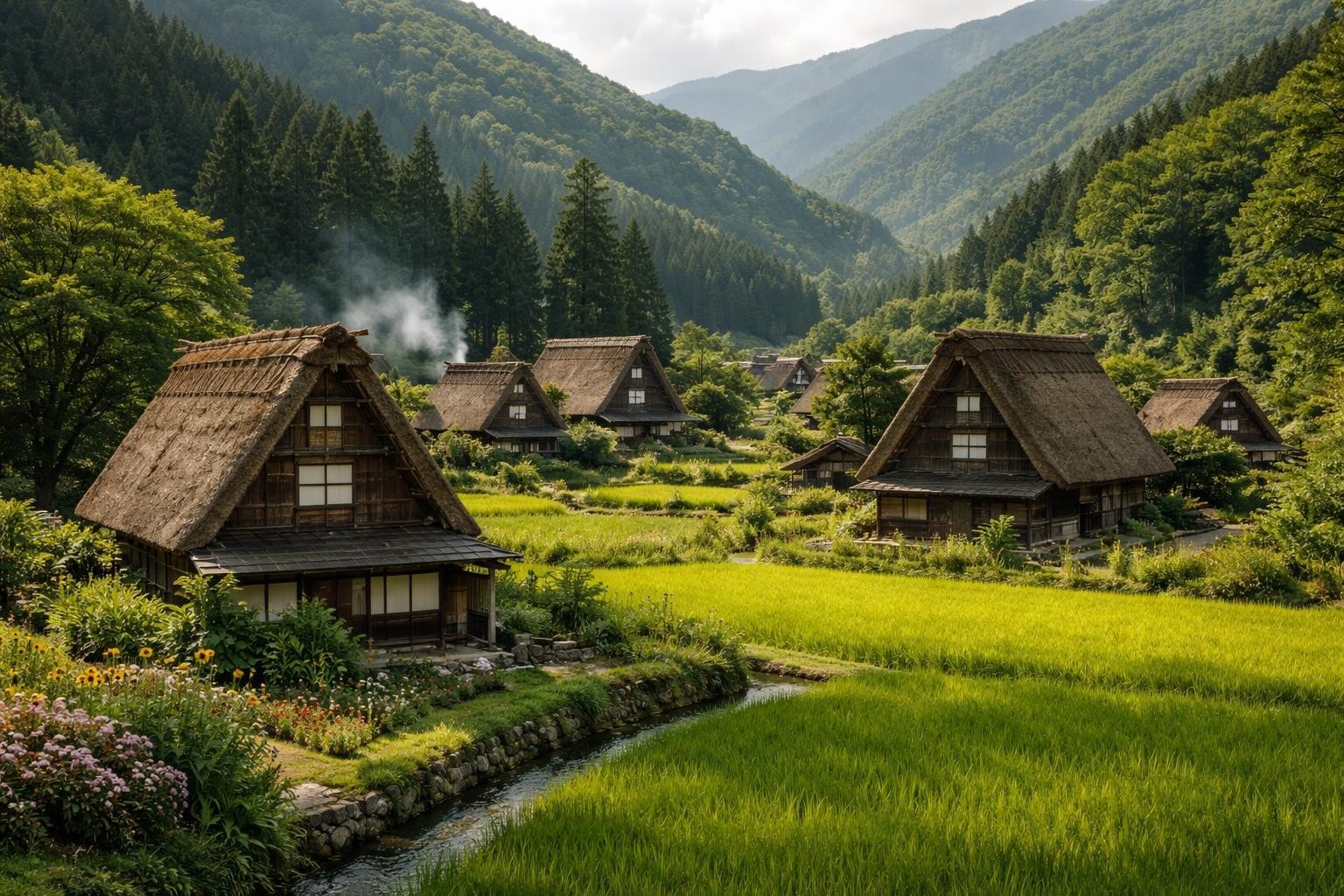
Nestled in the remote mountains of Gifu Prefecture, Japan, Shirakawago stands as one of the nation’s most treasured cultural landmarks, representing centuries of architectural ingenuity and traditional Japanese rural life. This UNESCO World Heritage site captivates visitors with its iconic gassho-zukuri farmhouses, characterized by steep thatched roofs designed to withstand heavy snowfall, creating a landscape that appears frozen in time. For discerning travelers seeking authentic cultural immersion beyond Japan’s metropolitan centers, Shirakawago offers an unparalleled glimpse into the country’s agricultural heritage and communal living traditions. The village’s transformation from an isolated mountain settlement to a celebrated destination reflects both the challenges and opportunities of preserving cultural heritage in the modern era.
The Historic Villages of Shirakawa-gō and Gokayama received UNESCO World Heritage designation in 1995, recognizing their exceptional universal value as examples of traditional Japanese rural communities. This recognition acknowledges not merely the architectural features but the entire cultural landscape that has evolved over 250 years.
Gassho-zukuri translates to “constructed like hands in prayer,” describing the distinctive A-frame structure with steeply pitched thatched roofs. These architectural marvels serve multiple practical purposes:
The construction methodology represents collective community knowledge passed down through generations. Building or re-thatching a single roof requires 200-300 community members working together, embodying the traditional “yui” system of mutual assistance.
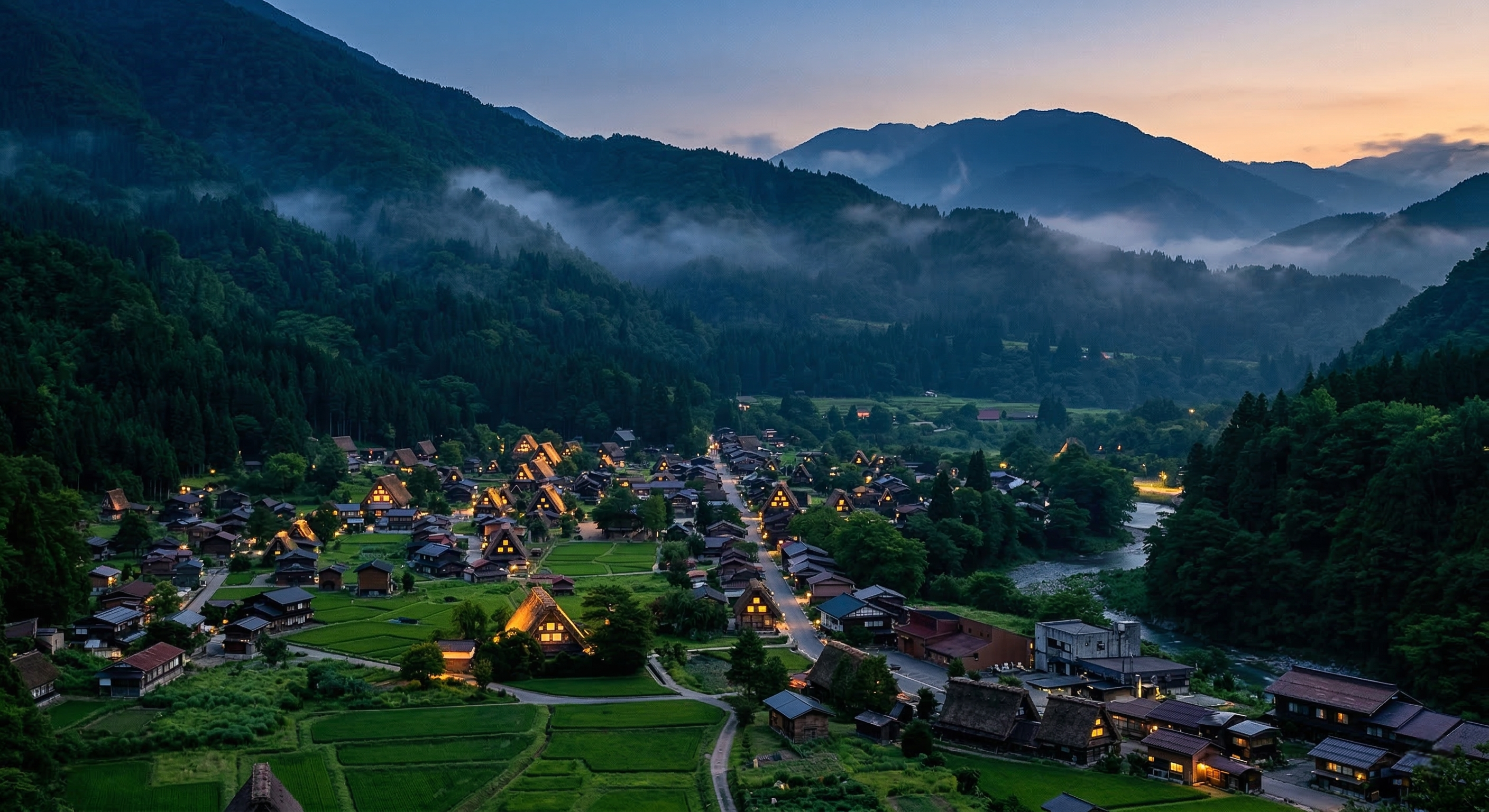
Beyond architecture, Japan’s Shirakawago represents a complete cultural ecosystem. Research examining the economic structure reveals how the village adapted from subsistence farming and sericulture to sustainable tourism while maintaining its authentic character. This transition required careful planning to balance preservation with economic viability.
The village historically relied on several economic pillars:
Today, cultural tourism has become the primary economic driver, creating both opportunities and challenges for preservation efforts.
Each season transforms Japan’s Shirakawago into a distinct destination, offering unique perspectives on this mountain village throughout the year.
Winter represents the most dramatic season, when snowfall transforms the village into a pristine white landscape. The annual light-up events, held on select January and February evenings, attract thousands of visitors who witness the gassho-zukuri farmhouses illuminated against snow-covered mountains.
Winter Travel Considerations:
| Aspect | Details | Luxury Travel Tips |
|---|---|---|
| Snow Depth | 2-4 meters typical | Private vehicle access is essential |
| Temperature | -5°C to 3°C average | Reserve heated accommodations early |
| Illumination Events | 6 evenings per season | Exclusive viewing arrangements recommended |
| Accessibility | Limited public transport | Private chauffeur services are optimal |
The Shirakawa-go Bus Terminal manages tourist access during peak periods, implementing reservation systems to protect the village’s carrying capacity. For luxury travelers, private transportation eliminates these constraints while providing climate-controlled comfort and flexible scheduling.
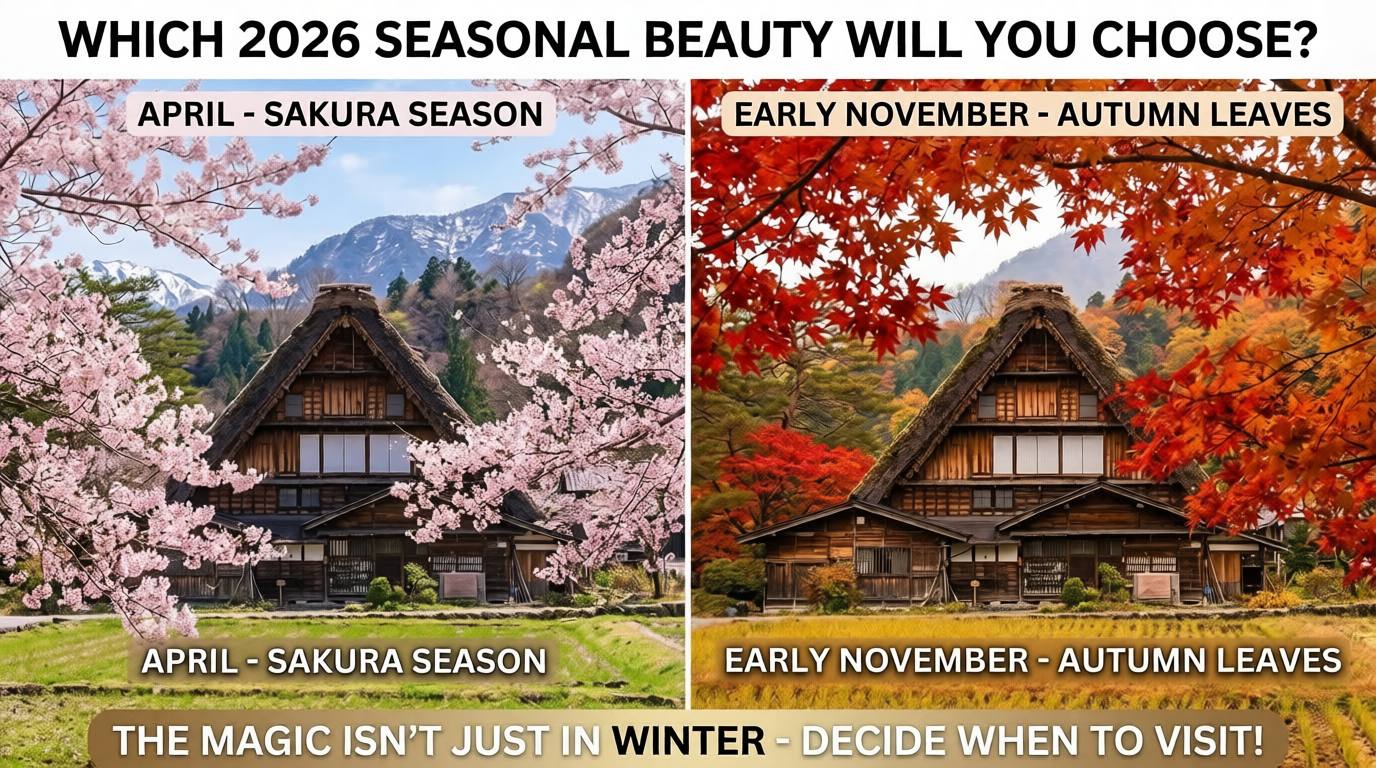
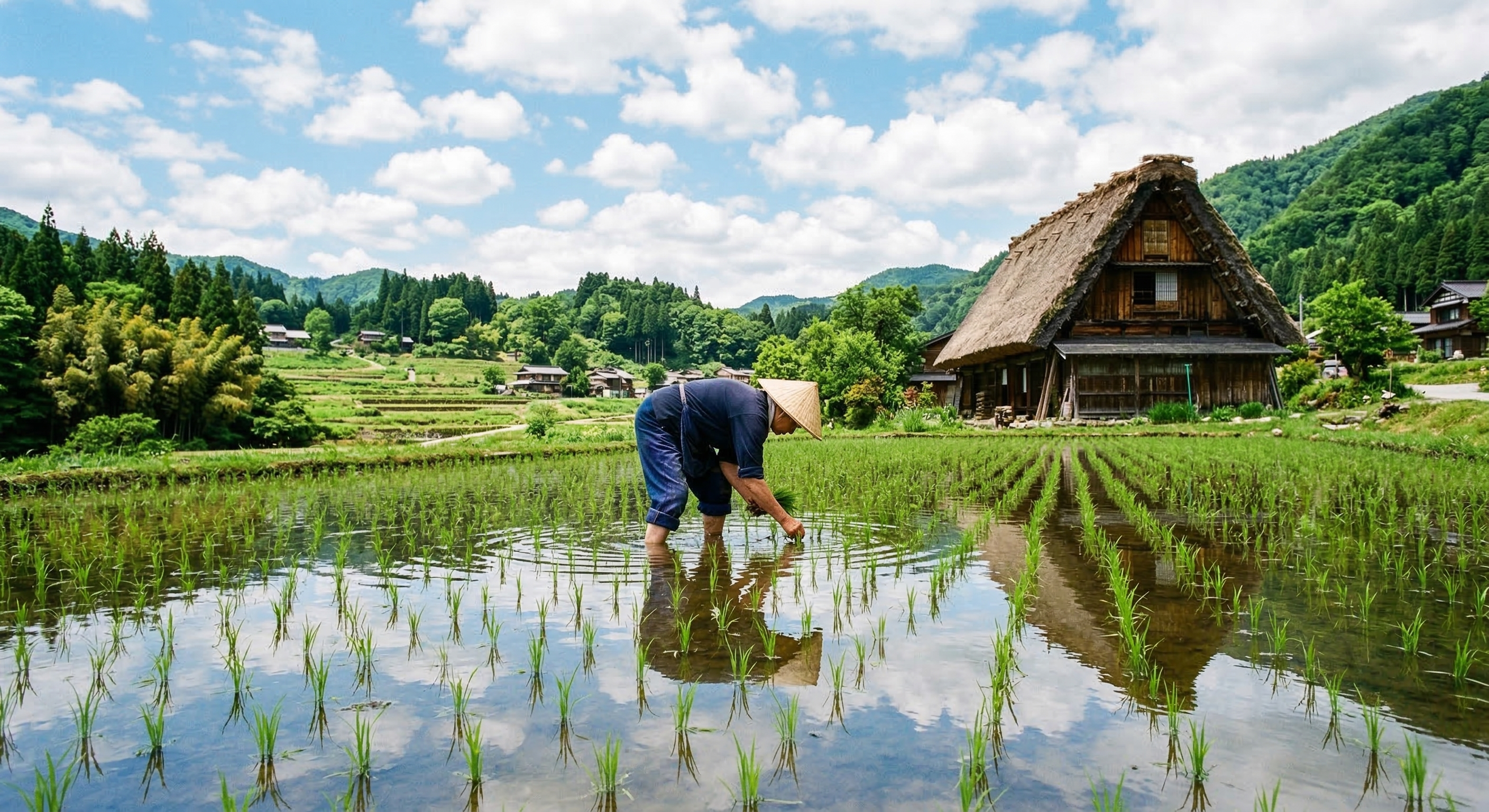
Spring brings delicate cherry blossoms, contrasting with the robust farmhouse architecture. Late April through early May sees the valley transform with sakura blooms and fresh green rice paddies being prepared for planting.
The shoulder season offers distinct advantages for discerning travelers seeking authentic experiences without winter crowds. Morning mist rising from the rice fields creates ethereal photography opportunities, while traditional farming activities provide glimpses into agricultural practices largely unchanged for centuries.
Summer in Japan’s Shirakawago showcases active agricultural life, with rice paddies reaching full verdant growth. The Doburoku Festival, held annually in October, celebrates the harvest with sacred sake brewing and traditional performances that date back centuries.
Autumn transforms the surrounding mountains into spectacular displays of red, orange, and gold foliage, typically peaking in mid to late October. This season combines comfortable weather with cultural authenticity as villagers prepare for winter.
The harvest season reveals the community’s continued agricultural traditions, offering visitors genuine cultural immersion rather than staged performances. This authenticity distinguishes Japan’s Shirakawago from more commercialized destinations.
Shirakawa Village lies in a mountain valley in northwestern Gifu Prefecture, along the Shogawa River. The village’s geographic isolation historically protected it from outside influences, enabling preservation of traditional lifestyles well into the 20th century.
Distance from Major Cities:
While public transportation connects Japan’s major cities in Shirakawagoto, private transportation offers significant advantages for discerning travelers. Highway bus services from Kanazawa and Takayama operate on fixed schedules with limited luggage capacity and multiple stops.
Benefits of Private Transportation:
Premium transportation services provide seamless connections between Shirakawago and complementary destinations, creating cohesive multi-day itineraries that maximize cultural immersion while minimizing logistical stress.
The village offers approximately 20 traditional farmhouse accommodations where guests experience authentic gassho-zukuri living. These family-run establishments provide insights into rural Japanese hospitality, featuring communal dining with locally sourced ingredients and seasonal specialties.
Luxury travelers should note that traditional farmhouses offer cultural authenticity rather than modern amenities. For those seeking premium comfort, staying in nearby Takayama or Kanazawa and visiting Shirakawago as a day trip provides an optimal balance.
Several gassho-zukuri farmhouses operate as museums, providing detailed insights into traditional construction methods and daily life. The Wada House, the largest in the village, showcases the lifestyle of wealthy village leaders, while the Kanda House demonstrates typical farming family living arrangements.
These preserved homes reveal the ingenious multi-functional design that characterized rural Japanese architecture:
Contemporary Japan’s Shirakawago maintains several traditional craft industries that visitors can observe and purchase. Local artisans produce distinctive items reflecting mountain culture and historical economic activities.
Traditional Crafts Available:
| Craft Type | Description | Cultural Significance |
|---|---|---|
| Washi Paper | Handmade paper using traditional methods | Historical documentation and art |
| Wood Carvings | Local wood sculpted into functional and decorative items | Forest resource utilization |
| Textiles | Hand-woven fabrics and indigo dyeing | Sericulture heritage continuation |
| Ceramics | Locally produced pottery reflecting regional styles | Daily life and tea ceremony traditions |
The remote mountain location created a distinctive culinary tradition emphasizing preservation techniques and mountain vegetables. Local restaurants serve regional specialties that educated palates will appreciate for their historical authenticity and seasonal variation.
Notable dishes include hoba miso (miso grilled on magnolia leaves), sansai (mountain vegetables), river fish preparations, and soba noodles produced from locally grown buckwheat. These foods reflect both geographic constraints and creative adaptation to seasonal availability.
The village’s recognition as one of the world’s most beautiful villages brings both economic benefits and preservation challenges. Annual visitor numbers exceed 1.7 million, creating significant pressure on infrastructure designed for a resident population of approximately 1,600.
Beginning in 2019, Shirakawago implemented reservation requirements for vehicular access during peak periods and special events. The winter illumination events now operate under strict reservation systems, limiting daily visitor numbers to sustainable levels.
For luxury travelers accustomed to flexibility, these restrictions underscore the value of expert planning and local partnerships. Professional travel services with established relationships can navigate reservation systems and identify optimal visiting times that balance experience quality with access.
The village has implemented several programs to manage tourism impacts while maintaining economic viability:
These initiatives recognize that Japan Shirakawago’s authenticity depends on maintaining a living community rather than creating a museum village. Visitors who respect this balance contribute to sustainable cultural preservation.
Located 20 kilometers north in Toyama Prefecture, Gokayama shares a UNESCO World Heritage designation with Shirakawago while receiving far fewer visitors. The villages of Ainokura and Suganuma offer more intimate experiences of gassho-zukuri culture with minimal tourist infrastructure.
Combining both destinations creates a comprehensive understanding of mountain village culture while showcasing different preservation approaches. Gokayama’s remoteness provides even more authentic glimpses of rural Japanese life.
Takayama, 50 kilometers south, complements the rural village experience with preserved Edo-period merchant quarters and sophisticated regional cuisine. The city’s morning markets, sake breweries, and traditional craft workshops provide an urban counterpoint to Shirakawago’s agricultural focus.
A thoughtfully planned itinerary might include:
Kanazawa offers another complementary destination, renowned for Kenrokuen Garden, traditional geisha districts, and contemporary art museums. The city’s coastal location and feudal heritage contrast beautifully with mountain village culture, creating diverse cultural experiences within a compact geographic area.
Transportation between these destinations traverses spectacular mountain scenery, with routes through the Japanese Alps offering seasonal beauty and roadside cultural sites worth exploring with knowledgeable guides.
Japan’s Shirakawago ranks among the nation’s most photographed locations, with several vantage points offering iconic perspectives. The Shiroyama Observation Deck provides a classic elevated view, showcasing the entire Ogimachi district against a mountain backdrop.
Optimal Photography Conditions:
Professional photographers should note that tripod usage during crowded periods may be restricted. Private access arrangements can secure optimal positioning during less crowded periods.
Mountain weather changes rapidly regardless of season. Summer thunderstorms can develop quickly, while winter conditions require serious cold-weather preparation. Quality outerwear, appropriate footwear, and layering systems ensure comfort across a range of temperatures.
While technically accessible as a day trip from nearby cities, Japan’s Shirakawago rewards extended visits, allowing deeper cultural immersion. An overnight stay offers evening and early morning experiences when day visitors have departed, revealing the village’s peaceful character and stunning light at sunrise and sunset.
Two to three days allows comprehensive exploration, including:
Japan’s Shirakawago represents cultural preservation at its finest, balancing heritage conservation with sustainable tourism to reward thoughtful visitors seeking authentic experiences. The village’s seasonal transformations, architectural significance, and living cultural traditions create memories that transcend typical sightseeing. Japan Royal Service specializes in crafting bespoke itineraries to destinations like Shirakawago, providing luxury transportation, expert local knowledge, and exclusive access that transforms visits into profound cultural immersion. Our dedicated team handles every logistical detail while curating experiences matched to your interests, ensuring seamless exploration of Japan’s hidden cultural treasures with the comfort and flexibility that discerning travelers expect.