
LINE ID japanroyalservice
+817013781777 click here
+817013781777 click here
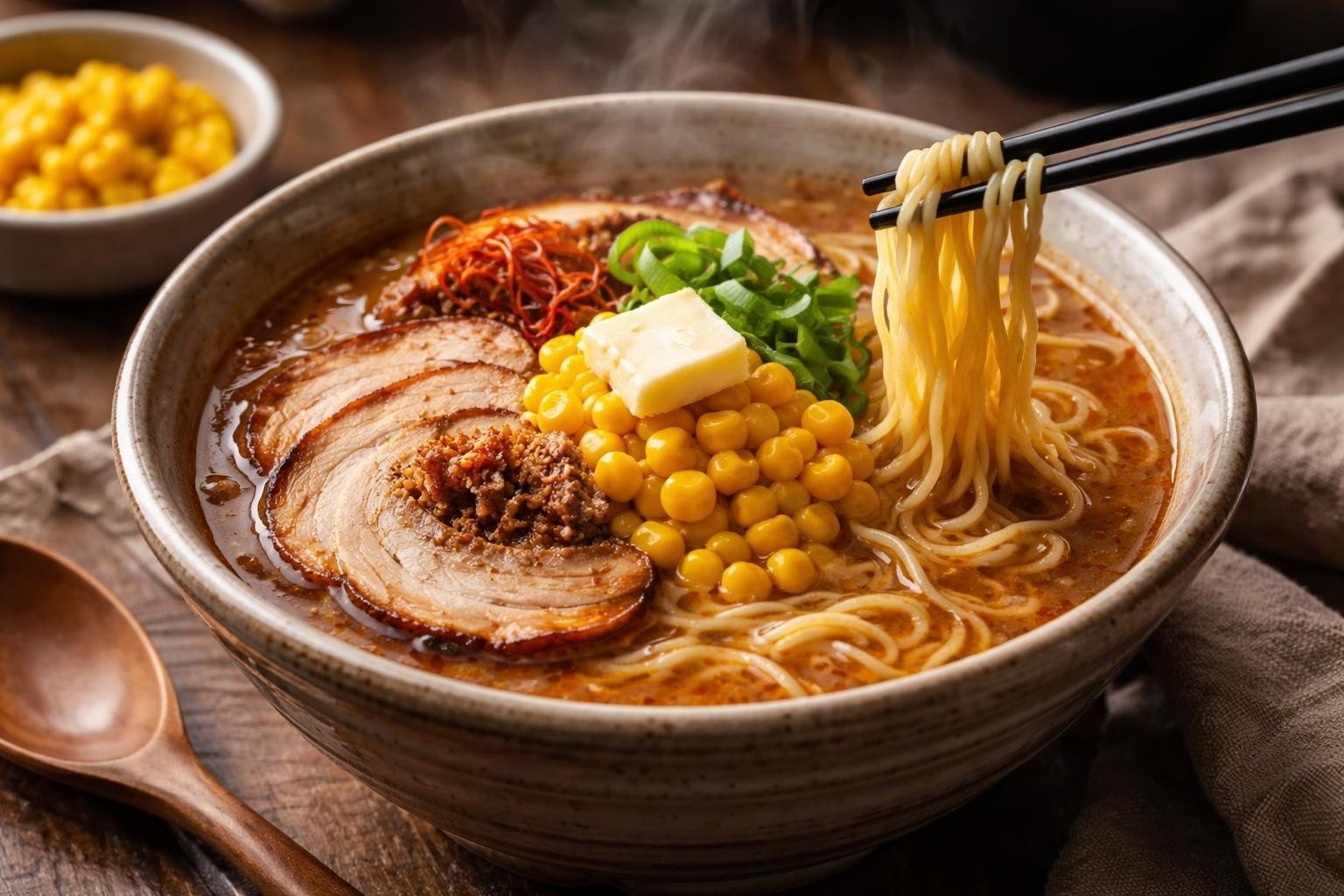
When winter winds sweep across Japan’s northernmost island of Hokkaido, locals and travelers alike seek warmth and comfort in a steaming bowl of Sapporo ramen. This iconic regional specialty represents more than just a meal; it embodies the innovative spirit of Hokkaido’s capital city and the resourcefulness of its people. Distinguished by its rich miso-based broth, firm noodles, and generous toppings that often include sweet corn and a pat of butter, Sapporo ramen has evolved from a simple working-class dish to a culinary treasure that draws food enthusiasts from around the world. Understanding this beloved regional variation requires exploring its fascinating history, distinctive characteristics, and the cultural context that makes it an essential experience for anyone seeking authentic Japanese culinary traditions.
The story of Sapporo ramen begins in the 1950s, a period of post-war innovation and culinary experimentation in Japan’s northernmost city. Unlike Tokyo or Kyoto, which boast centuries-old food traditions, Sapporo was a relatively young city that embraced new ideas with enthusiasm. The development of Sapporo ramen marks a significant chapter in Japan’s broader ramen history, demonstrating how regional climates and local ingredients shape culinary evolution.
The introduction of miso as the primary soup base revolutionized ramen culture in the mid-20th century. While shoyu (soy sauce) and shio (salt) broths dominated other regions, Sapporo’s harsh winters demanded something heartier and more substantial. Local chefs recognized that fermented soybean paste could provide the richness and depth needed to satisfy workers and students braving sub-zero temperatures.
Sapporo’s ramen culture benefited from the creativity of pioneering chefs who weren’t bound by traditional constraints. One particularly influential figure was Morito Omiya of Aji no Sanpei, often credited with perfecting the miso ramen formula in 1955. His innovations included:
These creative choices transformed ramen from a simple noodle soup into a sophisticated dish worthy of culinary respect. The timeline of Sapporo ramen’s development shows how rapidly these innovations spread throughout Hokkaido and eventually across Japan.

What sets Sapporo ramen apart from other regional varieties goes far beyond the miso base. Every element of this dish reflects Hokkaido’s unique geography, climate, and agricultural abundance. The flavor profile of Sapporo ramen combines savory, sweet, and umami notes in perfect harmony, creating a deeply satisfying experience that warms both body and spirit.
The heart of any Sapporo ramen bowl lies in its carefully crafted miso broth. Unlike lighter ramen styles, this version demands a rich, full-bodied base that can support bold flavors without becoming overwhelming. Professional chefs typically spend eight to twelve hours simmering pork bones, chicken carcasses, and aromatic vegetables to create the foundation.
The miso itself requires careful selection and blending. Many establishments use a combination of:
| Miso Type | Characteristics | Purpose |
|---|---|---|
| Red Miso (Aka) | Strong, salty, robust | Primary flavor depth |
| White Miso (Shiro) | Mild, slightly sweet | Balance and smoothness |
| Mixed Miso (Awase) | Balanced complexity | Overall harmony |
The ratio varies by chef’s preferences, but the goal remains consistent: creating a broth that delivers warmth, umami richness, and enough character to stand up to generous toppings.
Sapporo ramen noodles differ significantly from those used in other regional varieties. The standard specifications call for medium-thick, slightly wavy noodles with a firm, springy texture that can withstand the heat of the rich broth without becoming soggy. This resilience matters especially during Hokkaido’s winters, when diners savor their bowls slowly in heated shops.
The waviness serves a practical purpose beyond aesthetics. Those gentle curves catch and hold the thick miso broth, ensuring every bite delivers maximum flavor. Noodle manufacturers in Sapporo take pride in their craft, with some companies maintaining secret recipes passed down through generations.
The toppings adorning a bowl of Sapporo ramen reflect Hokkaido’s agricultural bounty and the practical wisdom of its people. Each element serves both aesthetic and functional purposes, contributing texture, flavor, and balance to the dish.
A classic sSappororamen bowl typically includes:
The butter deserves special mention as it represents a distinctly Hokkaido innovation. While butter might seem unusual in traditional Japanese cuisine, Hokkaido’s dairy industry made it readily available and affordable. Forward-thinking chefs recognized how it could mellow the intense miso while adding luxurious mouthfeel.

Modern Sapporo ramen shops often introduce seasonal variations that showcase Hokkaido’s changing harvests. Spring might bring fresh asparagus; summer features tomatoes or grilled vegetables; autumn incorporates mushrooms; and winter emphasizes root vegetables. These adaptations maintain the core miso-based identity while celebrating local ingredients.
The Sapporo Black Ramen variation represents another evolutionary branch, incorporating squid ink or blackened garlic oil for visual drama and additional flavor complexity. Such innovations demonstrate how this regional specialty continues evolving while respecting its foundational principles.
For discerning travelers seeking genuine Sapporo ramen experiences, Hokkaido offers numerous options ranging from historic establishments to contemporary interpretations. Understanding where and how to enjoy this dish enhances appreciation for its cultural significance and culinary artistry.
The Susukino district in central Sapporo is home to numerous acclaimed ramen shops, each with devoted followings and unique approaches. Ganso Ramen Yokocho (Original Ramen Alley) and Shin Ramen Yokocho (New Ramen Alley) contain concentrated collections of small shops, allowing visitors to sample multiple styles within walking distance.
These compact establishments typically seat fewer than ten people at a time, creating intimate atmospheres where diners can watch chefs work. The close quarters and steamy air contribute to the authentic experience, transporting guests into the post-war era when Sapporo ramen first gained popularity.
While Sapporo gave birth to miso ramen, other Hokkaido cities developed their own interpretations. Asahikawa specializes in shoyu-based ramen with a layer of lard to insulate against extreme cold. Hakodate is known for its shio ramen, with delicate seafood flavors. These variations demonstrate how local conditions and preferences shape culinary traditions throughout the island.
| City | Primary Style | Distinguishing Features |
|---|---|---|
| Sapporo | Miso | Rich, buttery, corn toppings |
| Asahikawa | Shoyu | Lard layer, double soup technique |
| Hakodate | Shio | Clear, delicate, seafood-forward |
| Kushiro | Shoyu | Thin noodles, light broth |
Exploring these variations provides context for understanding how Sapporo ramen fits into Hokkaido’s broader culinary landscape.
For enthusiasts unable to visit Hokkaido immediately, recreating Sapporo ramen at home offers a worthwhile challenge. While achieving restaurant-quality results requires practice and dedication, the process itself teaches valuable lessons about Japanese cooking techniques and flavor building.
Successful home preparation begins with gathering proper ingredients. Authentic miso matters tremendously; seek Japanese brands at Asian markets rather than settling for generic alternatives. The detailed Sapporo ramen recipe provides comprehensive guidance on sourcing and preparation methods.
Critical components include:
The time investment shouldn’t be underestimated. Proper broth development requires at least 8 hours of simmering, though overnight preparation yields superior results.
Creating restaurant-quality Sapporo ramen at home involves several distinct phases, each requiring attention and patience. Begin by preparing the broth: briefly blanch the pork bones to remove impurities, then simmer with aromatics for a long time. The Sapporo-style chicken ramen variation offers an alternative approach using chicken as the primary protein.
The miso tare (seasoning base) deserves separate preparation. Combine selected miso varieties with sake, mirin, sesame oil, and aromatics like garlic and ginger. This concentrated paste gets diluted with hot broth just before serving, allowing precise flavor control.
Toppings require individual attention. Chashu needs overnight marinating and slow braising. Eggs should be soft-boiled to achieve creamy yolks. Even seemingly simple elements like scallions benefit from proper cutting techniques that release maximum flavor.
Sapporo ramen transcends mere sustenance, representing Hokkaido’s identity and innovative spirit. The dish appears prominently in Japanese media, from food documentaries to anime, cementing its status as a cultural icon. Regional pride runs deep, with locals defending their favorite shops with passionate loyalty.
The popularity of Sapporo ramen drives significant tourism to Hokkaido, particularly during the winter months when the warm bowls provide welcome relief from harsh weather. The annual Sapporo Snow Festival attracts millions of visitors, many of whom consider sampling authentic ramen an essential part of their experience.

Economic studies estimate that ramen-related tourism contributes substantially to Hokkaido’s economy, supporting not only restaurants but also agriculture, food manufacturing, and the hospitality sector. The history of Sapporo ramen intertwines with the region’s economic development, demonstrating how food culture drives broader prosperity.
Contemporary Sapporo ramen culture faces the perpetual challenge of balancing tradition with innovation. Younger chefs experiment with fusion concepts, incorporating Western ingredients or techniques while respecting core principles. Some establishments offer vegetarian or vegan versions, recognizing changing dietary preferences without abandoning the dish’s essential character.
This evolutionary approach mirrors Japan’s broader cultural philosophy of “wa” (harmony), where new ideas coexist with traditional values rather than replacing them entirely. The result keeps Sapporo ramen relevant across generations while maintaining its authentic soul.
For luxury travelers seeking comprehensive culinary experiences, planning a dedicated ramen exploration requires thoughtful consideration. The best approach combines visits to legendary establishments with discoveries of lesser-known gems, creating a balanced itinerary that reveals the full spectrum of Sapporo ramen culture.
While Sapporo ramen satisfies year-round, winter visits offer the most authentic context. Experiencing this hearty dish after navigating snowy streets and sub-zero temperatures provides a visceral understanding of why Sapporo residents developed such a robust regional specialty. February’s Snow Festival combines spectacular ice sculptures with peak ramen season, though crowds increase accordingly.
Spring and autumn present excellent alternatives, offering milder weather while maintaining authentic experiences. Summer, despite being Hokkaido’s mildest season, still showcases Sapporo ramen’s versatility through seasonal topping variations.
The most memorable Sapporo ramen experiences extend beyond simply eating bowls of noodles. Consider these enrichment opportunities:
Combining these elements creates a comprehensive understanding while supporting local businesses and cultural preservation efforts.
Many authentic ramen shops operate with minimal English, creating potential barriers for international visitors. Understanding basic ordering etiquette smooths the experience. Most establishments use ticket vending machines, where customers purchase meal tickets before being seated. Staff appreciates attempts at Japanese phrases, even if pronunciation isn’t perfect.
Proper ramen etiquette includes:
These small courtesies enhance authentic experiences while showing cultural respect.
Sapporo ramen represents far more than comfort food; it embodies Hokkaido’s innovative spirit and demonstrates how regional ingredients and climate shape culinary traditions. Whether you’re planning to experience authentic bowls in Sapporo’s historic alleyways or recreate this beloved dish at home, understanding its history and cultural significance deepens appreciation for every satisfying spoonful. For discerning travelers seeking curated access to Japan’s finest culinary experiences, Japan Royal Service specializes in designing bespoke journeys that connect you with authentic regional specialties, exclusive dining opportunities, and the cultural context that makes each dish meaningful. Our expert team ensures seamless access to Hokkaido’s best ramen establishments and enriching experiences that transform meals into memories.