In this guide
Every spring, more than a thousand cherry trees set Ueno Park aglow. By 9 a.m. on a peak weekend, the crowds arrive too. Tarps, tripods, selfie sticks, queues for the boat dock. The blossoms are extraordinary; the experience often is not.
It does not have to be that way. With the right timing, the right entrances, and a quiet plan, Ueno's sakura can feel almost private — even in the middle of Tokyo. At Japan Royal Service, we have walked these paths at dawn with guests who wanted the spectacle without the scrum, and the difference is profound.
This is our field guide to peak bloom at Ueno Park: when to go, where to stand, and how to see the petals the way the Edo-period monks intended.
Why Ueno Park Still Matters For Hanami
Ueno is not the prettiest cherry-blossom spot in Japan. It is, however, one of the most storied. The trees here trace back to the 1620s, when the monk Tenkai planted sakura along the approach to Kan'ei-ji Temple — a deliberate echo of the famous slopes at Yoshino in Nara.
In 1873 the grounds became one of Japan's first public parks. Cherry viewing, once a refined pleasure of the aristocracy, opened to everyone. That democratic spirit is exactly why Ueno feels so alive in spring — and also why it can feel impossibly busy.
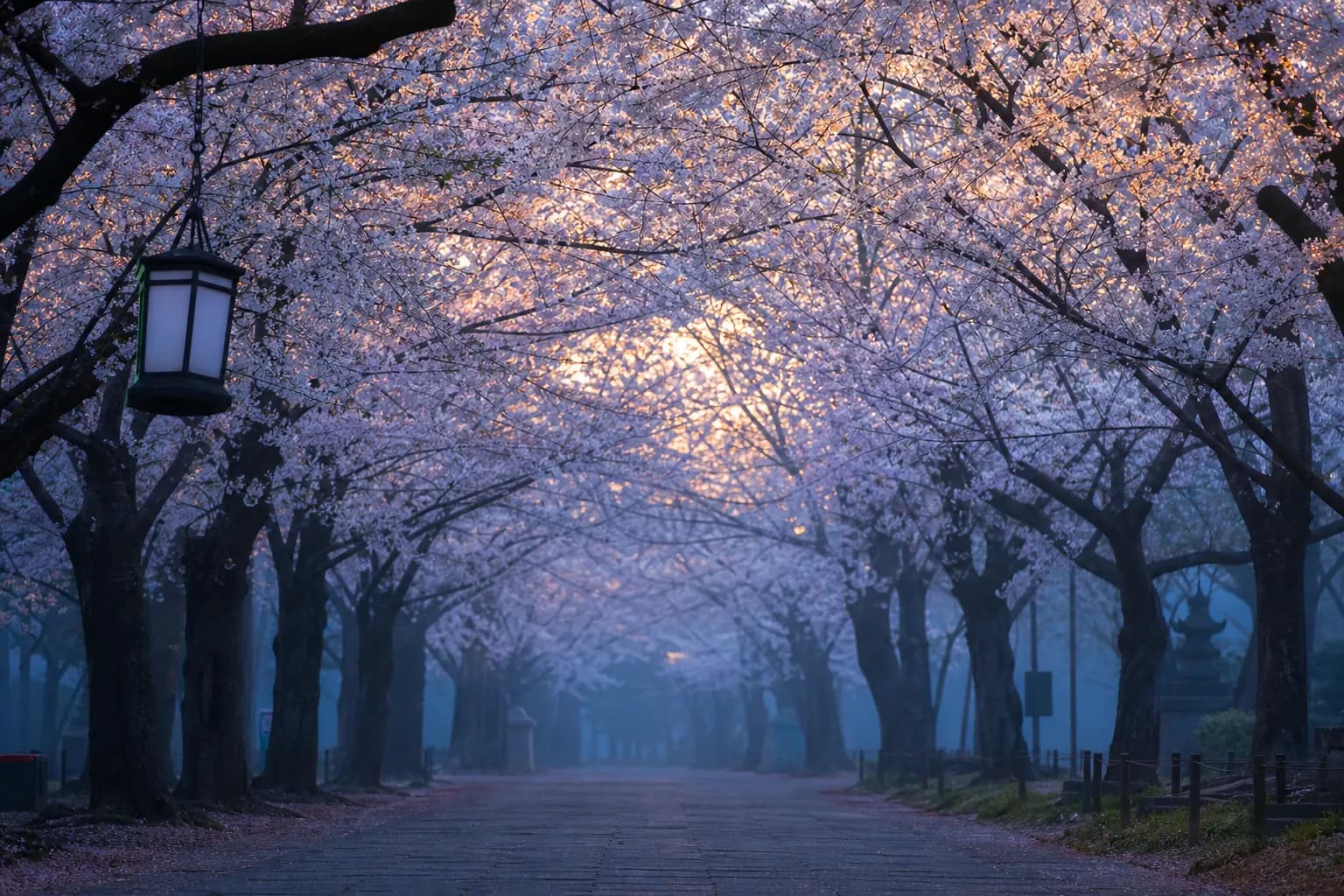
The park holds roughly 1,000 to 1,200 cherry trees today. Most are Somei Yoshino, the pale-pink variety that blooms all at once and falls all at once. The headline avenue, Sakura-dori, becomes a tunnel of blossom about 300 meters long. It is the photograph everyone wants. It is also where everyone goes.
When Peak Bloom Actually Happens
Tokyo's cherry blossoms usually open in the last days of March. Full bloom — what the Japanese call mankai, when roughly 80 percent of buds have opened — typically lands between March 25 and April 5. Then comes the brief, gorgeous decline: petals drifting on the wind, a phenomenon called hanafubuki, the flower blizzard.
The window is short. A warm spell can pull it forward by a week; a cold snap can hold it back. The Japan Meteorological Corporation and Japan Meteorological Agency issue forecasts from early February, and Ueno's own trees tend to follow Tokyo's official declaration within a day or two.
Key fact: Peak bloom rarely lasts more than four or five days at full intensity. Booking flexible travel dates in late March is the single biggest lever you have. In our experience, locking dates a year out and adjusting the fine timing in February gives the best odds.
- Late March: Opening to full bloom (Crowd level: High)
- Early April: Full bloom to petal fall (Crowd level: Very high)
- Mid April: Late bloom, fresh leaves (Crowd level: Moderate)
The Dawn Strategy: Beating The Crowds At Ueno
Here is the secret hiding in plain sight. Ueno Park's main paths are open through the night. The crowds, however, do not arrive until mid-morning. Between roughly 6:00 and 8:00 a.m., Sakura-dori is nearly empty.
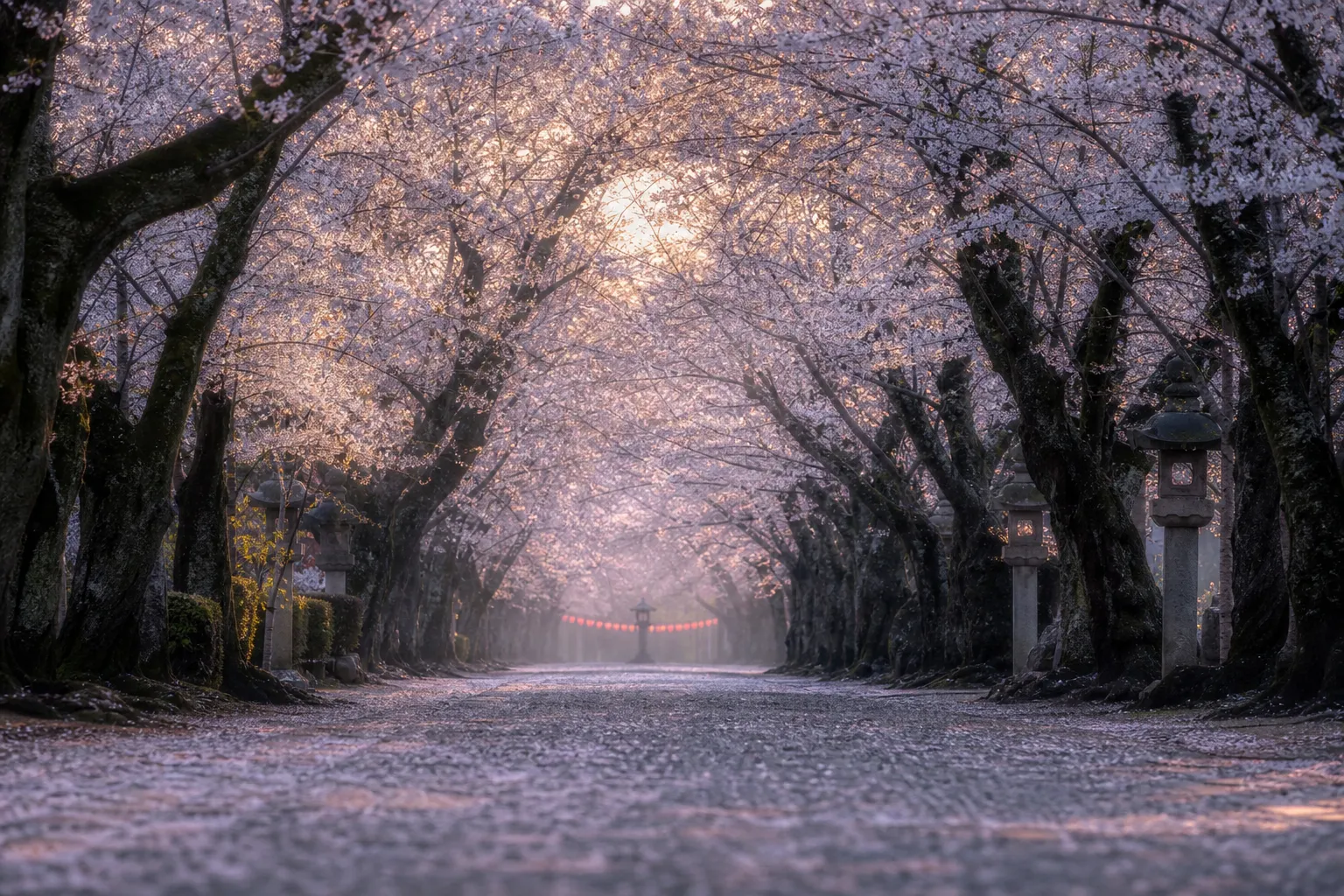
The light at that hour is soft and low, raking across the petals from the side. Photographers call it the magic window. Families with picnic tarps are still asleep. You can stand in the middle of the famous tunnel with no one in the frame.
We routinely begin our guests' hanami mornings before sunrise. A private chauffeur collects you from your hotel, threads the quiet streets while the city is still waking, and delivers you to the park's edge. By the time the first tour groups emerge from Ueno Station, you are finishing matcha and already heading somewhere calmer.
The Quiet Corners Most Visitors Miss
Sakura-dori is the headliner, but it is not the only stage. A few less-trafficked spots reward those who wander.
- Shinobazu Pond — the southern half of the park, ringed with cherry trees that mirror in the water. Far calmer than the main avenue, and the reflections at first light are extraordinary.
- The approach to Kiyomizu Kannon-do — this small temple, modeled on Kyoto's Kiyomizu-dera, frames blossoms through its famous round "moon pine." A composition that rewards patience.
- Tosho-gu shrine grounds — the gilded shrine and its stone-lantern path offer a contemplative counterpoint to the festival energy outside.
These corners hold a different mood entirely. Less spectacle, more stillness — the restrained beauty the Japanese prize in wabi-sabi, where a single petal on dark water can say more than a whole avenue in full flower.
Yozakura: The Lanterns After Dark
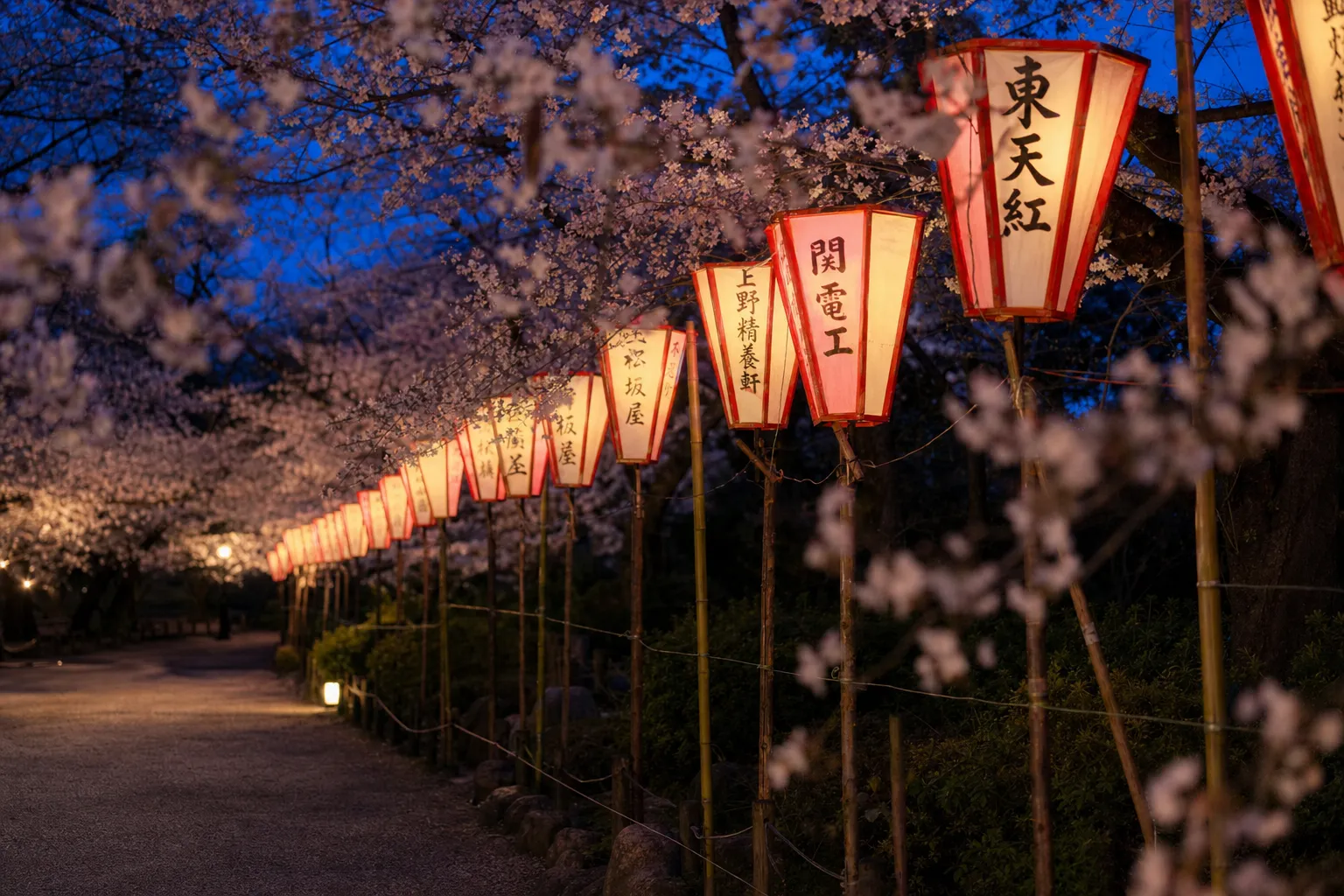
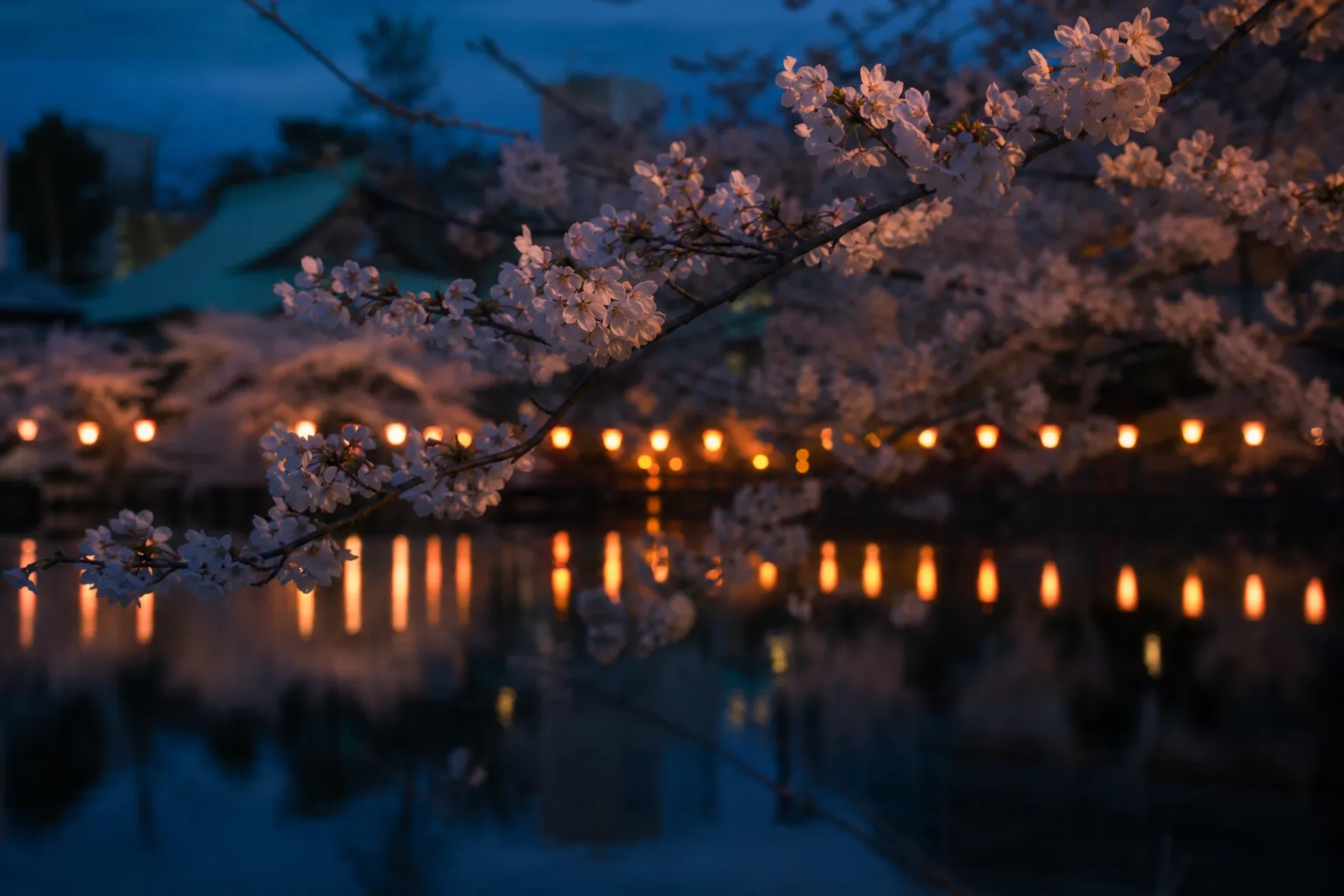
The Ueno Sakura Matsuri, the park's spring festival, typically runs from mid-March into early April. Its signature offering is yozakura — cherry blossoms viewed at night under hundreds of paper bonbori lanterns strung along Sakura-dori.
The effect is romantic and unmistakably Japanese. Warm light pools beneath the trees; the pink turns to something deeper and dreamlike. It is a completely different park after sundown.
Evening also thins certain crowds, though the avenue itself stays popular. Our concierge team often pairs an early-evening stroll under the lanterns with a quiet, reserved dinner nearby — so you experience the glow without lingering shoulder to shoulder. The transition from golden hour to lantern light, around 5:30 to 6:30 p.m., is the moment worth catching.
What To Pair With Your Ueno Morning
An hour of dawn hanami leaves the whole day ahead. Ueno sits within a remarkable concentration of culture, which makes it an ideal base for a refined spring itinerary.
The Tokyo National Museum, Japan's oldest, stands at the park's northern end with the country's finest collection of samurai armor, Buddhist sculpture, and seasonal scroll paintings. The nearby National Museum of Nature and Science and the Ueno Royal Museum round out a cultural cluster few cities can match.
For something more intimate, we arrange private artisan sessions away from the park's bustle — a kintsugi table where a master mends ceramics with gold lacquer, or a quiet tea gathering in a private room. These are the textures of Japan that a crowded avenue cannot give you. Our chauffeured day tours of Tokyo make it effortless to move between the blossoms and these hidden experiences without a single train platform in between.
Practical Notes For A Smooth Visit
A few specifics worth knowing before you go.
- Getting there: Ueno Station sits at the park's edge, but on peak days the surrounding streets and station concourses are dense. A private transfer drops you at a quieter park entrance and waits nearby — no jostling, no searching for a meeting point.
- Picnicking: Tarp spots on the main lawns are claimed astonishingly early, often before dawn, frequently by company juniors sent to hold ground. We do not recommend competing for them. A graceful walking hanami at first light is far more rewarding.
- Weather: Late-March mornings hover around 10°C. Bring a warm layer for the early hours; it lifts by midday.
- The petal fall: If your dates land just past full bloom, do not despair. Hanafubuki — petals snowing down over Shinobazu Pond — is, to many, the most moving sight of the whole season.
Frequently Asked Questions
When is the best time of day to visit Ueno Park for cherry blossoms?
Between 6:00 and 8:00 a.m. The main Sakura-dori avenue is nearly empty, the morning light is ideal for photography, and the crowds do not build until mid-morning. Night viewing under the festival lanterns is the second-best window.
How long does peak bloom last at Ueno Park?
Full bloom usually holds for about four to five days at full intensity, typically between March 25 and April 5 in an average year. Warm or cold spells can shift this by up to a week in either direction, so monitoring February forecasts is essential.
Is Ueno Park free to enter for hanami?
Yes. Ueno Park is a public park and free to enter, including during the Ueno Sakura Matsuri. The museums and the Shinobazu Pond rental boats charge their own admission or fees.
Which spot in Ueno Park is least crowded for cherry blossoms?
The trees around Shinobazu Pond and the approach to Kiyomizu Kannon-do are noticeably calmer than the main Sakura-dori avenue, especially in the early morning.
Why Choose Japan Royal Service
Anyone can walk into Ueno Park. The difference lies in how you experience it. Our role is to remove the friction — the crowds, the logistics, the guesswork around bloom timing — so that what remains is the beauty itself.
At Japan Royal Service, we plan spring journeys with watchful attention to the season's narrow window. Our coordinators track the forecasts, time your dawn arrival, and arrange a private chauffeur so you glide from hotel to blossom and onward to whatever the day holds. Discretion is absolute; your itinerary and your identity stay entirely private.
Beyond the park, we open doors that crowds never see — introduction-only dining rooms, private sessions with artisans, contemplative corners of Tokyo arranged for you alone. The blossoms are the headline. The quiet around them is what we curate.
If you are considering Ueno's sakura for the coming spring, reach our concierge directly via WhatsApp or our contact form. We will craft a tailored proposal built around the bloom, your dates, and the kind of stillness that makes a great trip unforgettable.