In this guide
- 01Why The Meiji Government Built A Silk Mill At Tomioka
- 02Who Was Paul Brunat?
- 03The Buildings: A Reeling Plant And Two Cocoon Warehouses
- 04From State Mill To 1987, And To The City
- 05World Heritage And The Related Sites
- 06How Do You Reach Tomioka Silk Mill From Tokyo?
- 07Fitting Tomioka Into A Tokyo Stay Or A Trip To Kusatsu
- 08How Japan Royal Service Arranges A Tomioka Visit
- 09Frequently Asked Questions
- 10Why Choose Japan Royal Service
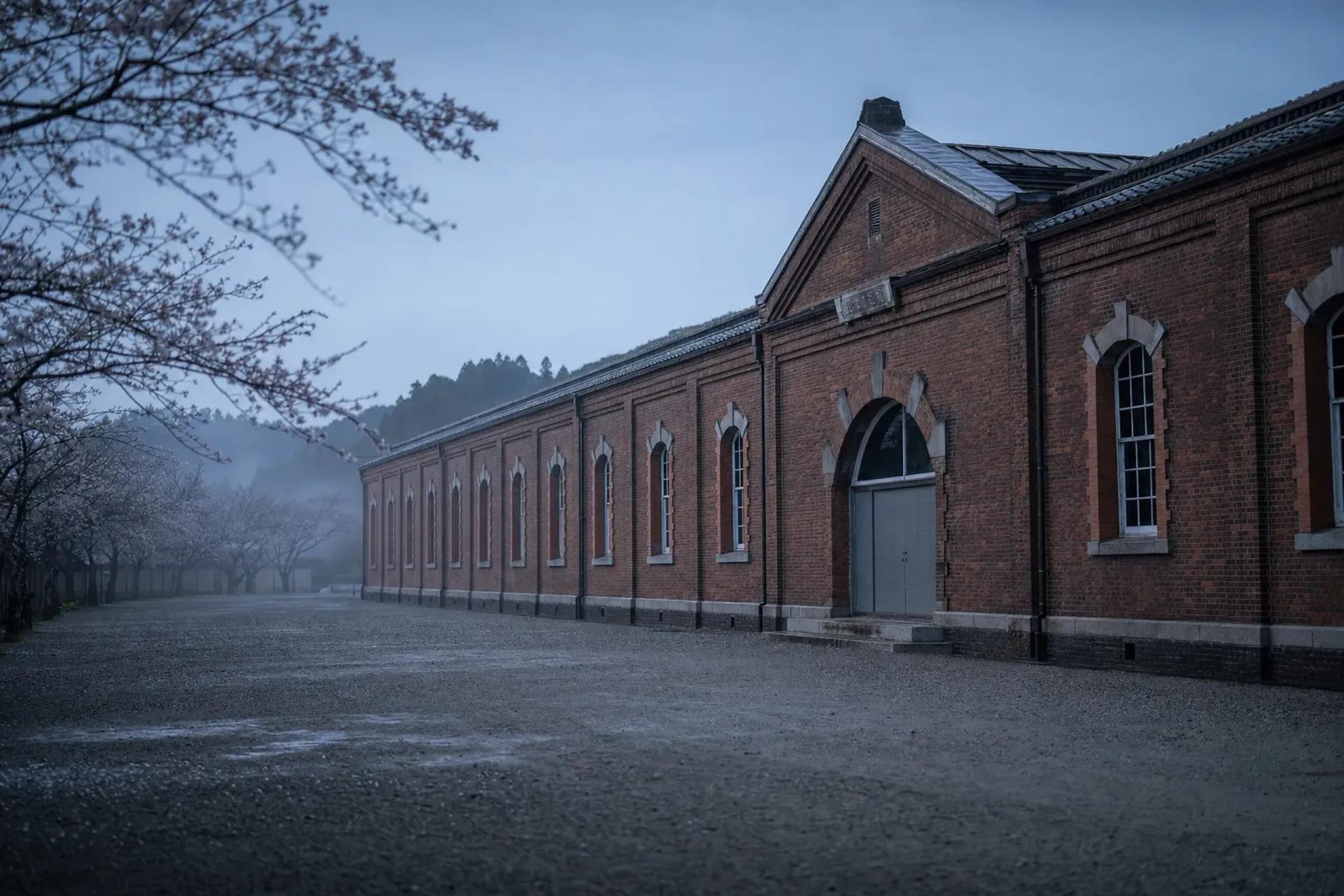
In 1872 the Meiji government opened a model silk mill at Tomioka in Gunma, with machines and expertise brought from France, according to the Government of Japan's Highlighting Japan. The brick cocoon warehouses and the long reeling plant still stand. The mill worked until 1987.
The mill is open to the public.
Why The Meiji Government Built A Silk Mill At Tomioka
The Meiji government built Tomioka in 1872 as a government-operated model silk mill, on a site of about 53,000 square metres, with silk-reeling machines and expertise imported from France, according to the Government of Japan's Highlighting Japan.
Opened as a government enterprise in October 1872, it was Japan's first mechanised silk-reeling mill and the first full-scale factory built with Western technology and advisers, according to Gunma prefecture.
The mill stayed in government hands for two decades. It was sold to the private sector in 1893, according to Highlighting Japan.
Who Was Paul Brunat?
Paul Brunat was a French silk expert, born in 1840 in the silk town of Bourg-de-Peage, commissioned by the Meiji government in 1870 to find a site for a model mill, according to the Japan Tourism Agency's multilingual database.
He had come to Yokohama in 1866 as a silk inspector.
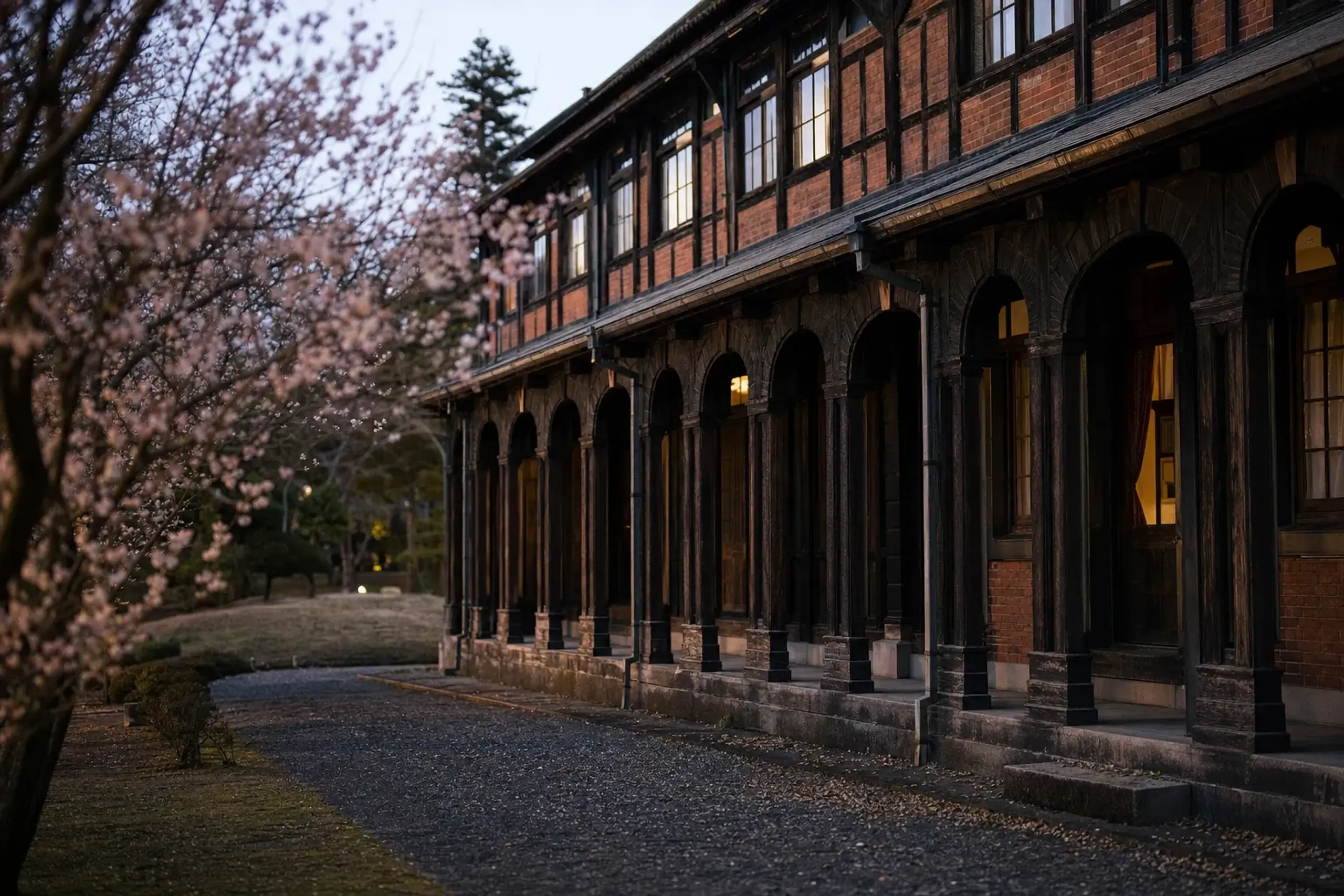
Tomioka was chosen for its silkworm and cocoon industry, for coal from nearby Takasaki and Yoshii, and for local acceptance, the database records.
Brunat did not work alone. Two French engineers and four French silk-reeling women first trained the Japanese staff. His house at the mill, with its wine cellar, still stands on the grounds.
The Buildings: A Reeling Plant And Two Cocoon Warehouses
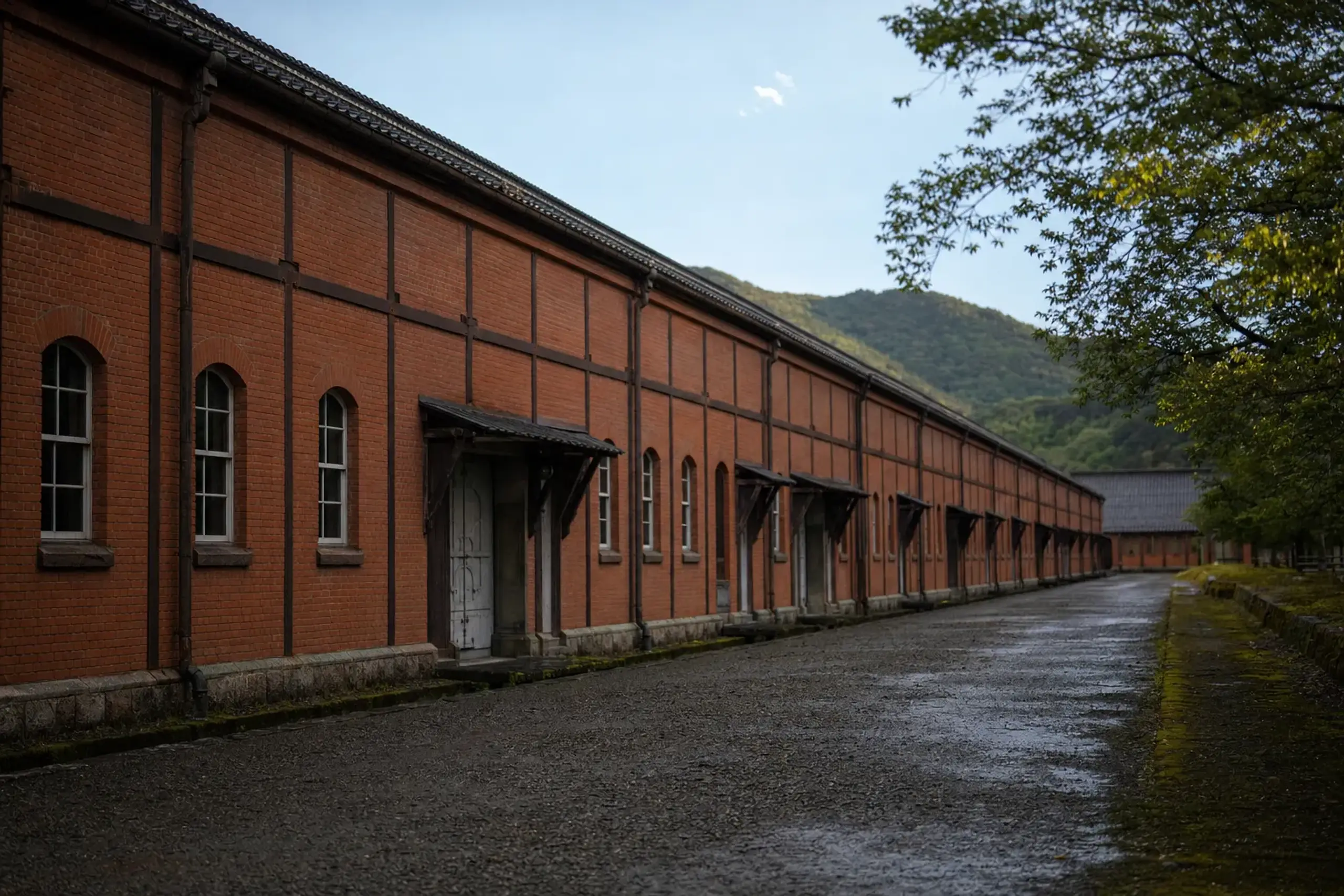
The site holds two cocoon warehouses about 100 metres long, a silk-reeling plant 140 metres long, a steam boiler plant, an iron water tank, a brick drain, and houses, dormitories and a clinic built for the foreign experts and staff, according to Highlighting Japan and Gunma prefecture.
The main structures are timber-framed brick under Japanese tile roofs. The bricks were fired by Japanese tile makers under French guidance, Highlighting Japan notes. Gunma prefecture describes the result as French designs built by Japanese carpenters.
In 2014, the two cocoon warehouses and the reeling plant were designated a National Treasure, according to Highlighting Japan.
Key fact: The 140-metre reeling plant and the two 100-metre cocoon warehouses are the designated National Treasure buildings, recognised in 2014.
From State Mill To 1987, And To The City
The mill ran until 1987, when the last owner closed it as the domestic silk industry declined, according to Highlighting Japan.
That owner was Katakura Industries. It donated the buildings to Tomioka City in 2005, and the city opened them to the public that year.
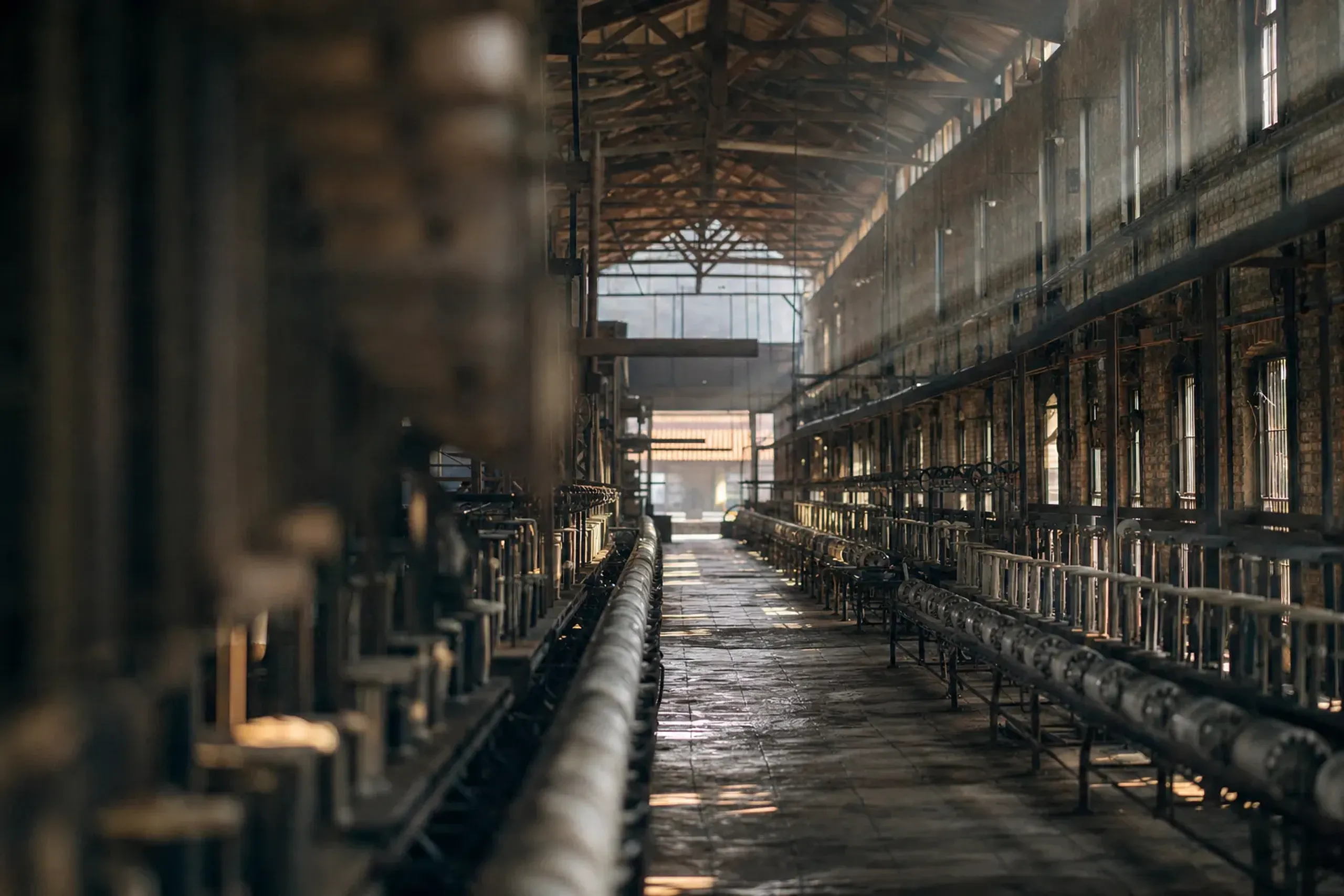
The Japan National Tourism Organization says the buildings and machinery are well preserved, and suggests allowing about an hour or more for a visit.
World Heritage And The Related Sites
"Tomioka Silk Mill and Related Sites" was inscribed as a World Heritage Site in 2014, the same year the three main buildings became a National Treasure, according to Gunma prefecture.
Three other locations share the inscription: the Tajima Yahei Sericulture Farm, the Takayama-sha Sericulture School and the Arafune Cold Storage.
The Japan National Tourism Organization credits the mill with Japan's role as a major raw silk exporter.
How Do You Reach Tomioka Silk Mill From Tokyo?
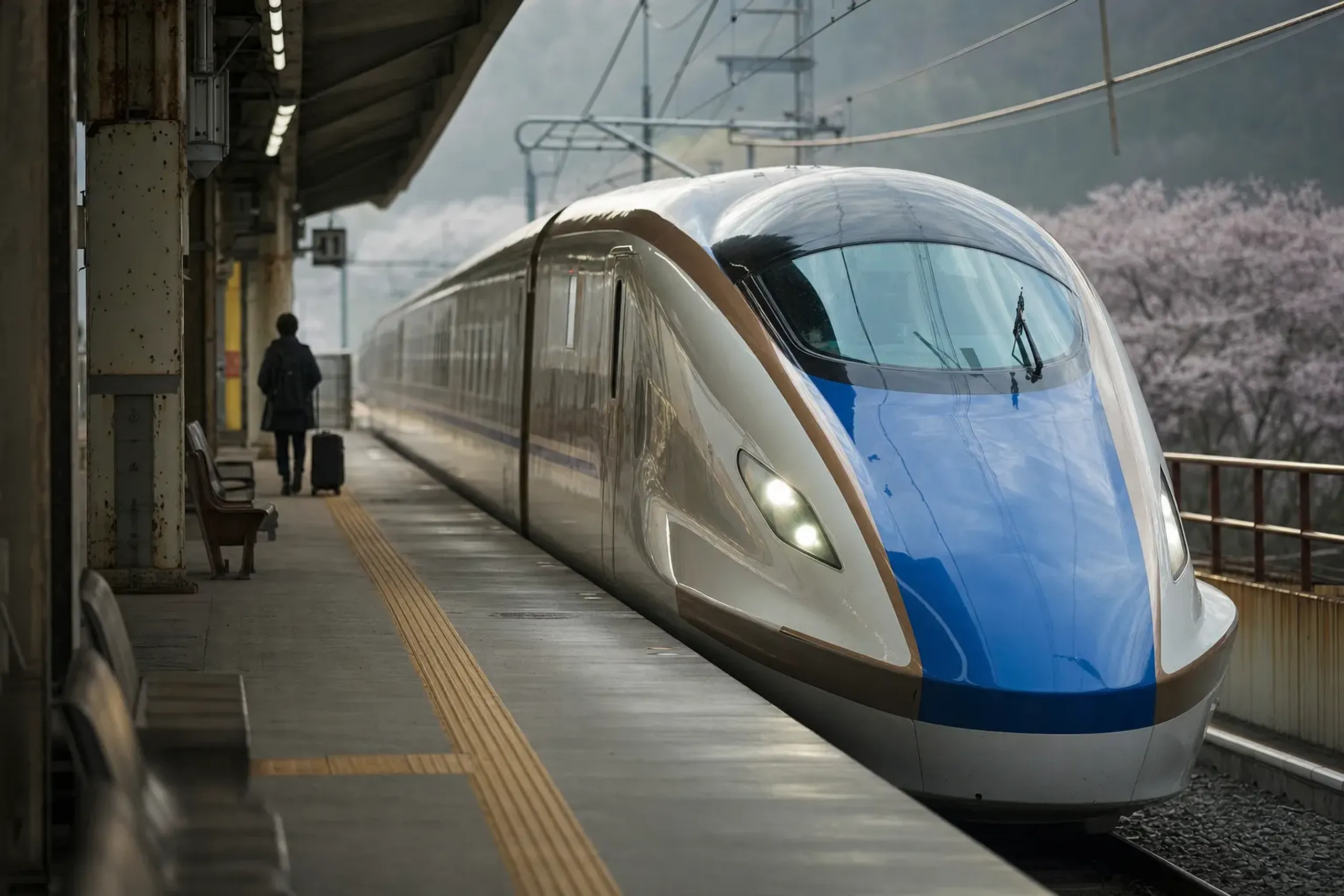
From Tokyo Station, take the Hokuriku or Joetsu Shinkansen to Takasaki, about 50 minutes, then the Joshin Dentetsu line, a local private railway, to Joshu-Tomioka Station, about 40 minutes; the mill is about 10 minutes on foot, according to the Japan National Tourism Organization.
| Leg | Route | Approx. time |
|---|---|---|
| 1 | Tokyo Station to Takasaki, Hokuriku or Joetsu Shinkansen | about 50 minutes |
| 2 | Takasaki to Joshu-Tomioka, Joshin Dentetsu line | about 40 minutes |
| 3 | Joshu-Tomioka Station to the mill, on foot | about 10 minutes |
Our team at Japan Royal Service can arrange Shinkansen tickets from Tokyo to Takasaki, including Green Car and Gran Class where available, with platform assistance and luggage forwarding. The JRS concierge team confirms directly with the guest at time of arrangement the train times and opening details.
Fitting Tomioka Into A Tokyo Stay Or A Trip To Kusatsu
Tomioka works as a day out from a Tokyo base, or as a stop on the way deeper into Gunma.
If you are building a wider week, Tomioka pairs with Gunma's onsen country. The hot-spring town of Kusatsu and its yumomi tradition lie further into the prefecture. For shorter escapes from the capital, see our guide to Tokyo day trips by car to Nikko, Kawagoe, Chichibu and Kamakura.
The silk story itself continues beyond Gunma. Readers drawn to Japan's textile heritage may enjoy our piece on Yuki-tsumugi, Ibaraki's hand-woven silk.
How Japan Royal Service Arranges A Tomioka Visit
Within the scope of a Tomioka visit, the JRS concierge team builds the mill into a Tokyo stay as a day out, or into a route toward Kusatsu.
Our team can arrange an English-speaking cultural interpreter guide, booked separately from the driver, to walk you through the mill and Japan's silk history. A vehicle from a partner company with an English-speaking driver can carry you from Tokyo or Takasaki to Tomioka; Japan Royal Service does not own the vehicles, and the driver and guide are always separate roles.
For a tailor-made itinerary, the team can also handle ryokan and restaurant booking in Gunma prefecture, including onsen towns such as Kusatsu, with dietary needs passed ahead.
Rail support covers Shinkansen tickets to Takasaki, platform assistance and luggage forwarding, and the team can re-plan the same day when the weather changes.
Frequently Asked Questions
Why Was Tomioka Silk Mill Built?
The Meiji government built Tomioka in 1872 as a government-operated model silk mill, with machines and expertise imported from France, according to Highlighting Japan. It later passed to private hands in 1893.
Who Was Paul Brunat And What Did He Do At Tomioka?
Paul Brunat was a French silk expert, born in 1840, commissioned by the government in 1870 to find a site for the mill, according to the Japan Tourism Agency database. Two French engineers and four French reelers trained the Japanese staff.
Which Buildings At Tomioka Are National Treasures?
The 140-metre silk-reeling plant and the two cocoon warehouses, each about 100 metres long, were designated a National Treasure in 2014, according to Highlighting Japan. All three are timber-framed brick under Japanese tile roofs.
How Do You Get To Tomioka Silk Mill From Tokyo?
Take the Shinkansen from Tokyo Station to Takasaki, about 50 minutes, then the Joshin Dentetsu line to Joshu-Tomioka, about 40 minutes, and walk about 10 minutes, according to the Japan National Tourism Organization.
Why Choose Japan Royal Service
Japan Royal Service arranges Shinkansen tickets with platform assistance, vehicles from partner companies with English-speaking drivers, English-speaking guides booked separately from drivers, ryokan and restaurant booking with dietary needs passed ahead, luggage forwarding, and same-day re-planning when weather changes. The JRS concierge team confirms the train times and opening details directly with the guest at time of arrangement.
To begin planning, contact our team here.