In this guide
- 01A Temple That Exists Because Of A Promise
- 02What Happened To The Losing Side
- 03Why Has Shitennō-ji Been Rebuilt So Many Times?
- 04The Wasō Sect: A Deliberate Refusal To Take Sides
- 05How Is Shitennō-ji Laid Out, And What Is There To See?
- 06What Japan Royal Service Arranges At Shitennō-ji
- 07Frequently Asked Questions
- 08Why Choose Japan Royal Service
Picture a boy of sixteen on a losing battlefield. Smoke, shouting, the collapse of a line that decided whether Buddhism would take root in Japan at all. This was 587, and Prince Shōtoku had thrown his lot in with the Soga clan against the Mononobe — a war one historical account calls Japan's first religious conflict. His side was breaking.
So he stopped. He carved.
With his own hands the young prince fashioned wooden images of the Four Heavenly Kings, the Shitennō, guardians of the four directions. And he made a vow. If we win this battle, he pledged, I will build a temple to enshrine them and save all people in this world. The words were spoken mid-combat, not in the calm of a shrine.
The Soga faction won. And in 593, work began on the temple that would keep that promise. Its name says everything: Shitennō-ji — the Temple of the Four Heavenly Kings.
A Temple That Exists Because Of A Promise
Most great temples begin in devotion, patronage, or politics. Shitennō-ji begins in a bargain struck under duress. That distinction matters. It is not a monument to comfortable faith. It is the literal, physical settlement of a debt a teenager swore he would pay if fortune turned his way.
Fortune turned. He paid. Standing in the precinct today — in the Tennōji ward of Osaka, a short private drive from the city centre — you are standing inside a kept word, roughly fourteen centuries old.
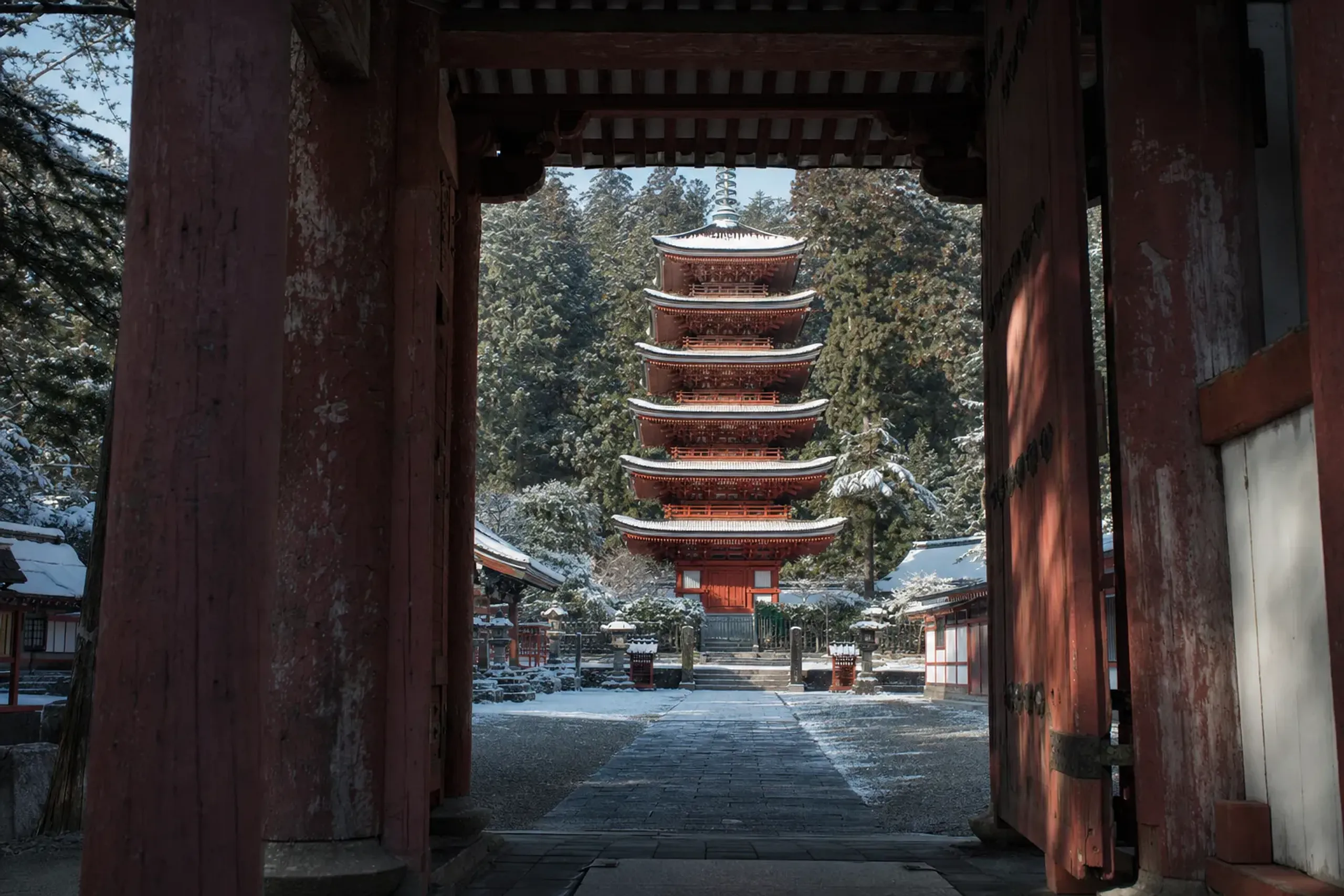
Our concierge team finds that guests who arrive knowing the vow experience the place differently. The straight rows of buildings stop being sightseeing. They become the receipt.
What Happened To The Losing Side
The defeated Mononobe soldiers were not executed. Instead, Prince Shōtoku put them to work building the very temple his victory had produced.
Read that again. The men who fought to stop Buddhism spent their aftermath raising its first great house. There is a strange mercy in it, and a stranger logic — the losers made permanent the thing they had died trying to prevent. Whether you call it clemency or statecraft, it is one of the most human details in the temple's long record.
Shitennō-ji holds another distinction beyond its origin story. It is confirmed as Japan's first officially state-administered temple — a specific institutional standing, not just an old building. Alongside Asuka-dera, founded separately by Soga no Umako, the two are jointly regarded as Japan's oldest full-scale Buddhist temples.
It also counts among the so-called Seven Great Temples Built by Prince Shōtoku, a historical grouping that includes Hōryū-ji in Nara. We explore that temple's own peculiar founding puzzle in our companion piece, our journal on other Shōtoku-linked sites; here, the thread we follow is the vow, and only the vow.
Why Has Shitennō-ji Been Rebuilt So Many Times?
Shitennō-ji has been destroyed and rebuilt four times across nearly 1,400 years — by war, by typhoon, and by wartime bombing.
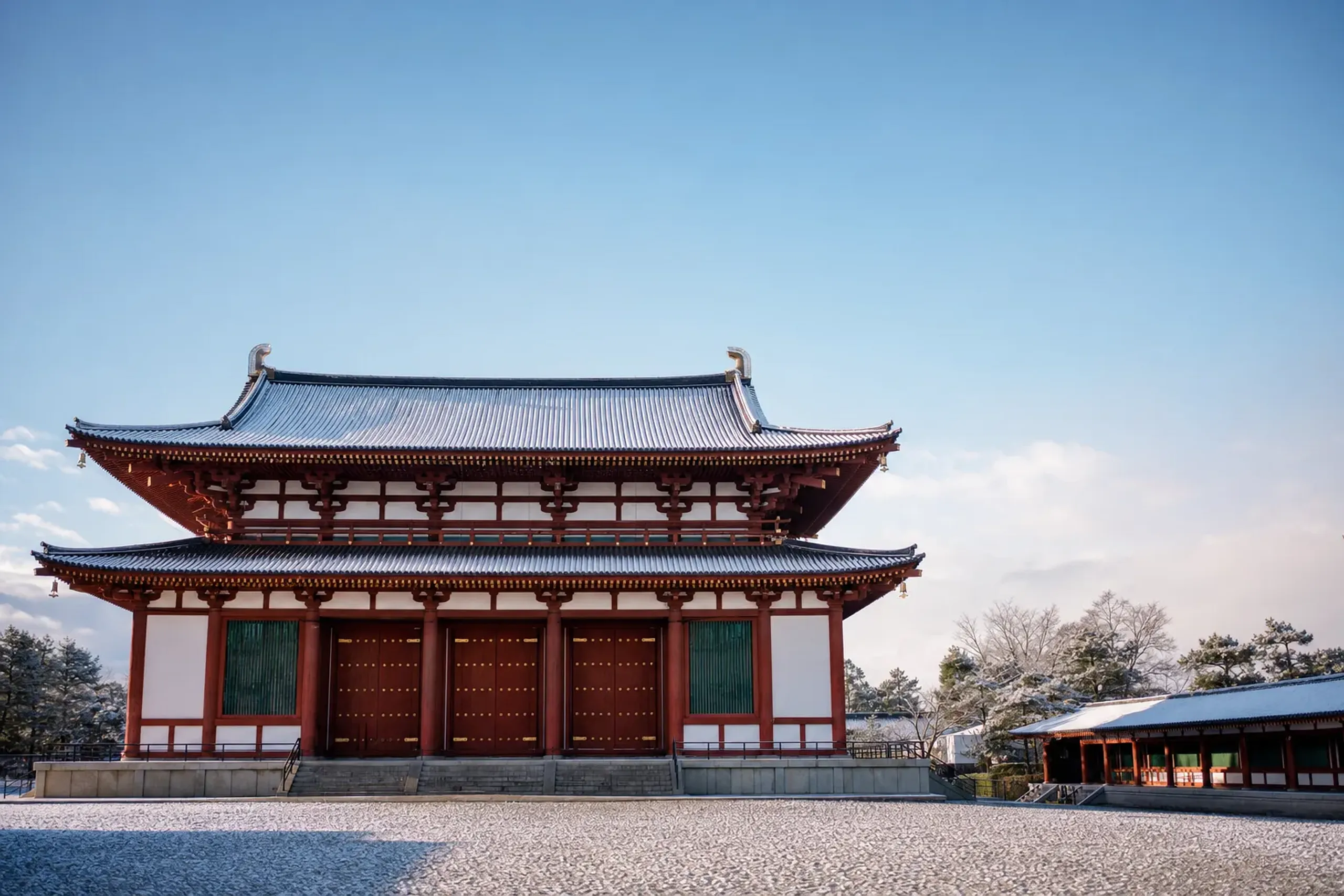
The complex you see today dates to 1963.
Follow the wreckage. In 1576 the temple burned during Oda Nobunaga's assault on nearby Ishiyama Hongan-ji. It rose again under Toyotomi Hideyoshi — and that reconstruction burned to the ground during the 1614 Siege of Osaka. Fire, then fire again.
Nature took its turn next. The great Muroto typhoon of 1934 brought the buildings down. Then, near the close of the Second World War, the 1945 Osaka air raids burned the site once more.
Four disasters. Four rebuildings. The present complex was completed in 1963 in reinforced concrete, deliberately reproducing the Asuka-period form of the original. Some visitors hear "concrete" and deflate. They shouldn't. The material is honest. What endures at Shitennō-ji was never the timber — it was the intention to keep putting the timber back, generation after generation, whatever the century threw at it.
Key fact: The buildings at Shitennō-ji are not ancient. The continuity is. Four times reduced to ash or rubble, four times raised again in the original 6th–7th-century style — the last rebuild finished in 1963.
The Wasō Sect: A Deliberate Refusal To Take Sides
For most of its history, Shitennō-ji was a place of combined study across eight Buddhist sects, favouring none exclusively. A house of learning rather than a partisan headquarters.
In 1946 it made that stance formal. The temple became independent as the head temple of its own sect — Wasō, the "harmony sect."
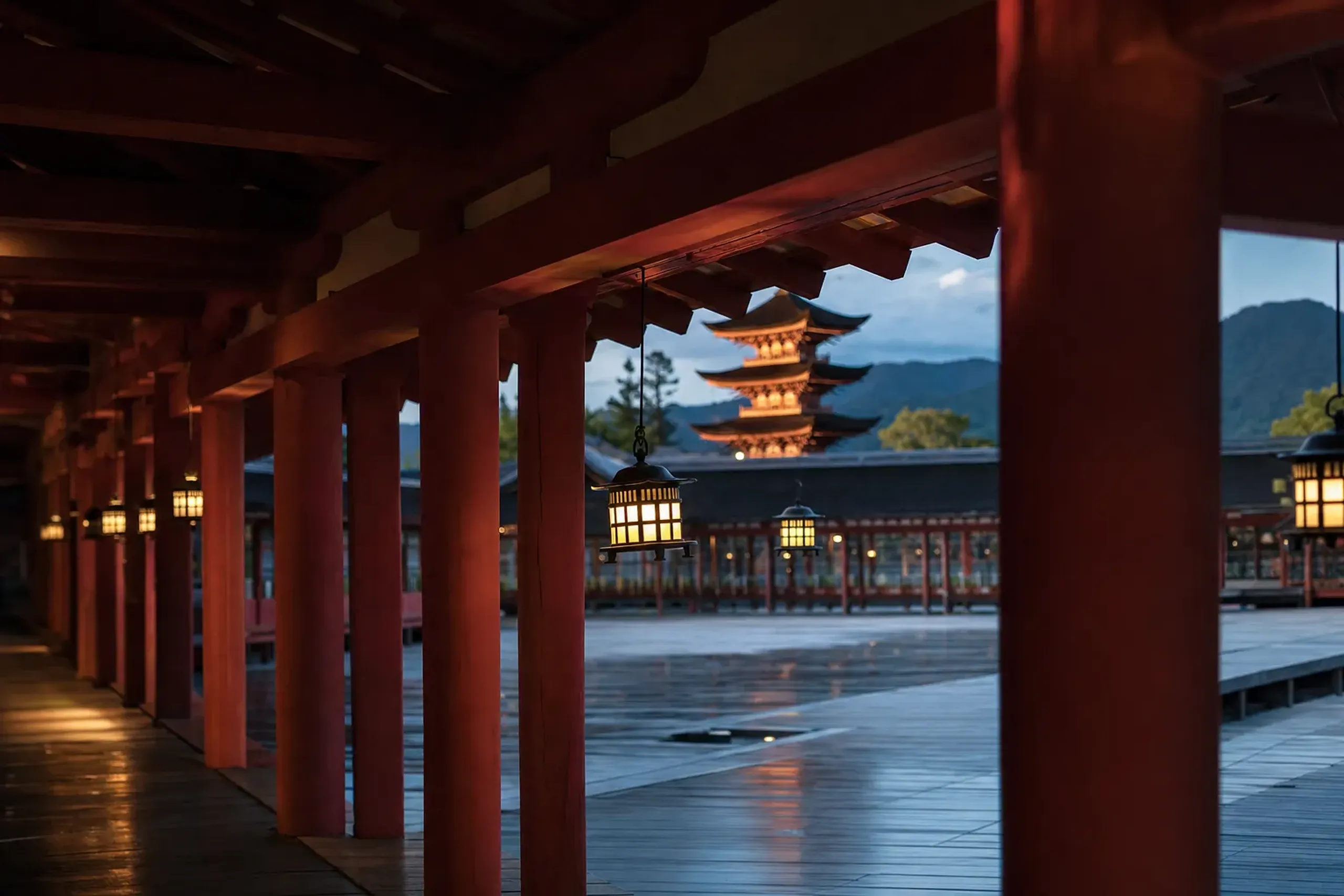
The name is not decoration. It declares a chosen identity: non-sectarian by design, refusing to fold itself under any single established school of Japanese Buddhism.
There is a quiet elegance to that decision. A temple born of a battle between opposing factions ends its long story by belonging to no faction at all. The circle closes.
How Is Shitennō-ji Laid Out, And What Is There To See?
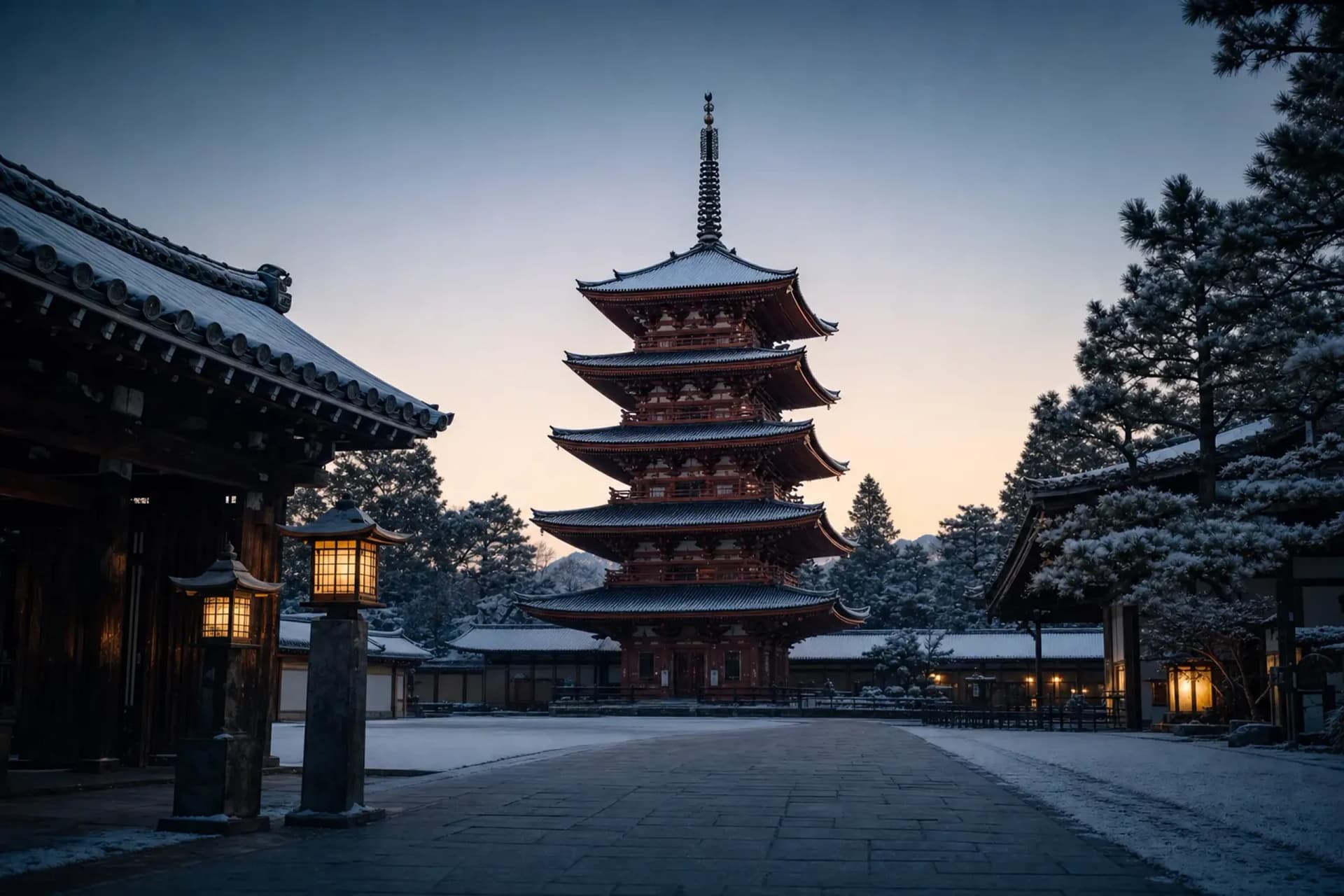
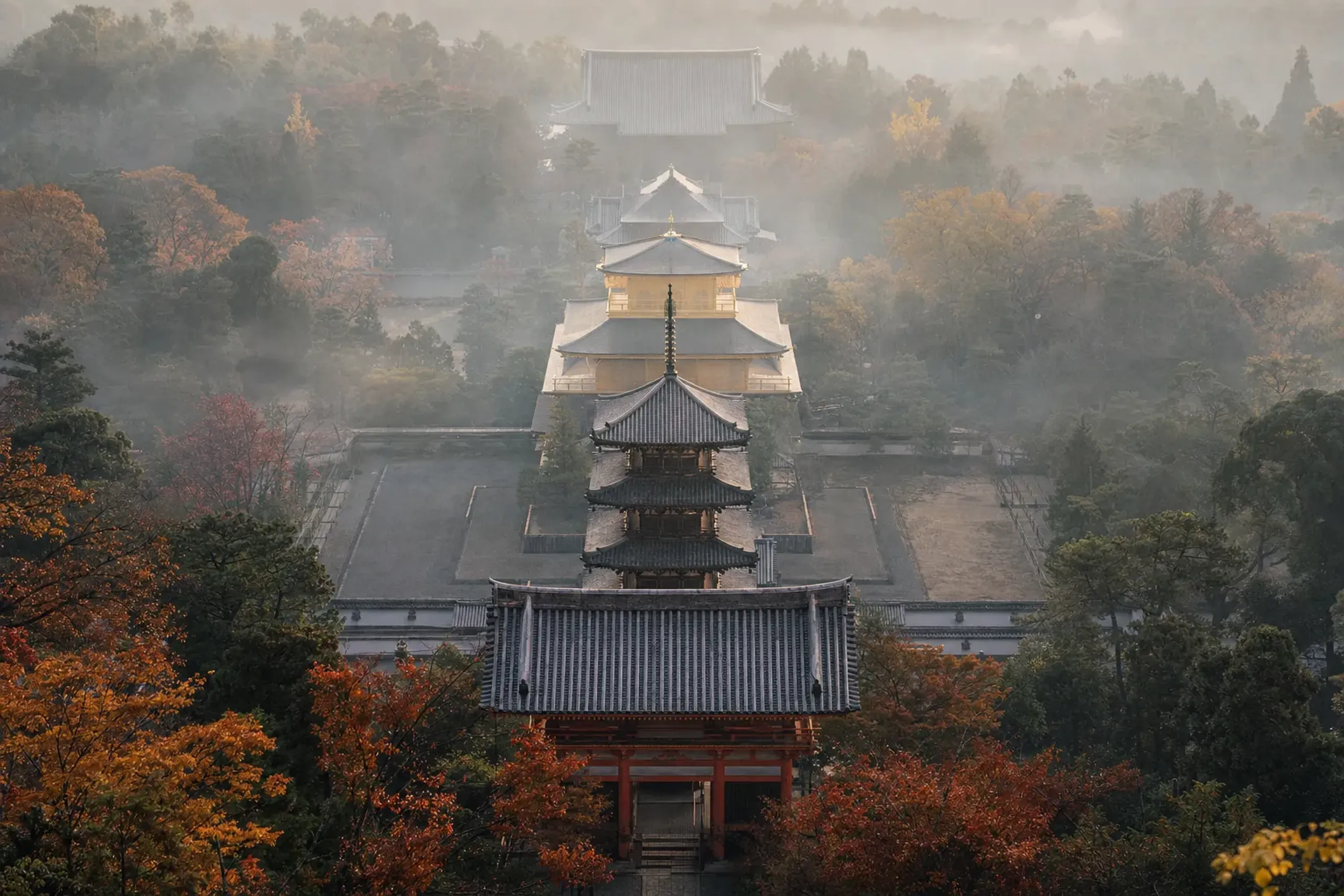
Shitennō-ji follows the "Shitennō-ji style" layout: south gate, five-story pagoda, main hall, and lecture hall set in a single straight north-south line, ringed by a corridor. It is among Japan's oldest architectural arrangements.
The scheme traces back to 6th-to-7th-century continental design, and the strict axial line reads as remarkably austere against the sprawling temple complexes that came later. Walk it once, gate to hall, and the geometry does its quiet work — everything drawing you forward along a single spine of stone and shadow.
Beyond the central compound the grounds hold a treasure hall and a serene garden, and the surrounding Tennōji district rewards an unhurried morning. A visit here pairs naturally with Osaka Castle to the north or the old-market bustle of Kuromon Ichiba in Namba, a short chauffeured hop away. Our coordinators generally suggest an early arrival, before the school groups and tour coaches, when the corridor is nearly empty and the pagoda catches the first light.
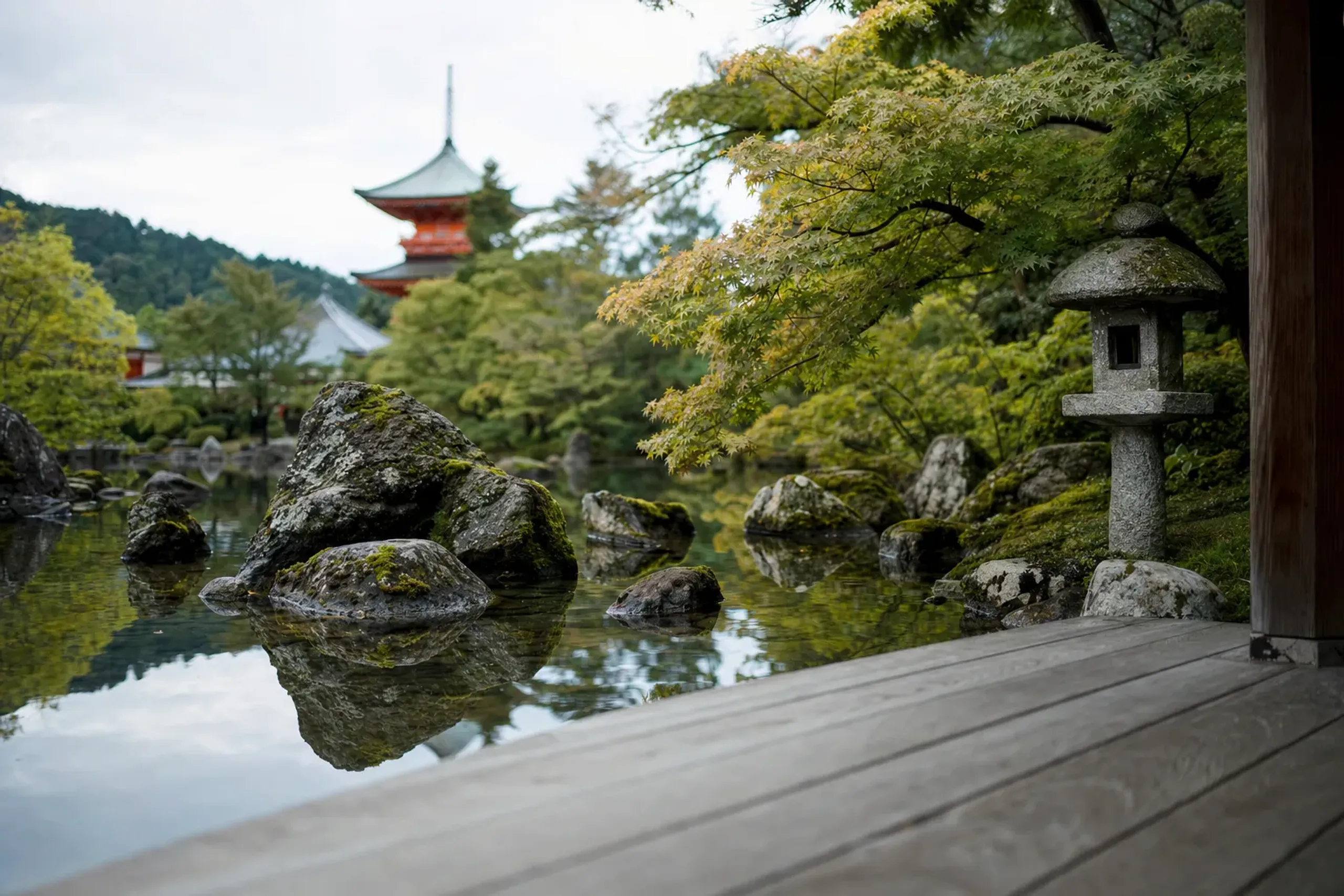
A restrained note on decorum: this is a working place of worship, not a stage set. Speak softly inside the halls, photograph with care where permitted, and let the space keep its stillness.
What Japan Royal Service Arranges At Shitennō-ji
Two things, stated plainly: private expert guiding at the temple, and private chauffeured transfers to and from it. Our guides carry the history — the vow, the defeated soldiers, the four rebuildings — so the precinct reads as a story rather than a stop.
For travellers building a longer Kansai stay, we can fold Shitennō-ji into a wider tailor-made itinerary across Osaka, Kyoto, and Nara, and advise on where to stay — from Dojima's contemporary hotel scene to a traditional ryokan further afield.
Frequently Asked Questions
Why was Shitennō-ji built, and who founded it?
Shitennō-ji was founded by Prince Shōtoku in 593 to fulfill a vow he made during the 587 battle against the Mononobe clan: if his side won, he would build a temple to the Four Heavenly Kings. His side won.
Is Shitennō-ji the oldest Buddhist temple in Japan?
Shitennō-ji is Japan's first officially state-administered temple. Together with Asuka-dera, founded separately by Soga no Umako, the two are jointly considered Japan's oldest full-scale Buddhist temples.
Are the buildings at Shitennō-ji the original ancient structures?
No. The temple was destroyed and rebuilt four times — in 1576, 1614, 1934, and 1945 — with the current reinforced-concrete complex completed in 1963, faithfully reproducing the original Asuka-period style.
How much time should I set aside to visit Shitennō-ji in Osaka?
A focused visit takes about ninety minutes; an unhurried one with the garden and treasure hall runs closer to two hours. With a private guide, arriving early avoids the mid-morning school and tour crowds.
Which Buddhist sect does Shitennō-ji belong to?
Since 1946 Shitennō-ji has been the independent head temple of its own Wasō ("harmony") sect — a deliberately non-sectarian identity, distinct from aligning with any single established Japanese Buddhist school.
Why Choose Japan Royal Service
A temple like Shitennō-ji can pass in twenty minutes as a row of concrete halls, or unfold across two hours as a fourteen-century argument about promises kept. The difference is the telling. Our team at Japan Royal Service exists for that difference — the context, the pacing, the quiet routing that keeps you a step ahead of the crowds.
We are Osaka-based, discreet by habit, and unhurried by design. In our experience, the finest days in Japan are the ones where nothing is rushed and nothing is left to chance. Guiding, transfers, and a longer journey shaped entirely around you — that is the whole of what we do.
To plan a private visit to Shitennō-ji, or a wider Kansai itinerary, reach our team privately via WhatsApp or LINE, or contact us here. We will answer with a tailored proposal and complete discretion.