
In this guide
- 01The Origins and History of Sakura Mochi
- 02Types and Regional Varieties of Sakura Mochi
- 03Cultural Significance and Seasonal Traditions
- 04The Art of Tasting: Flavors, Textures, and Pairings
- 05How to Make Sakura Mochi at Home: Step-by-Step Guide
- 06Where to Enjoy Sakura Mochi in Japan (and Beyond)
- 07Sakura Mochi in Japanese Pop Culture and Modern Life
- 08Experience Sakura Mochi on a Luxury Japan Journey
Step into Japan’s cherry blossom season and discover a world where tradition and taste unite in sakura mochi. This delicate sweet blends soft textures, subtle floral notes, and cultural symbolism in every bite.
Sakura mochi is more than just a treat, it captures the fleeting beauty of spring and the joyful spirit of hanami flower viewing. Whether you are a curious traveler or a food enthusiast, this guide will take you through the story, varieties, significance, and preparation of Japan’s iconic cherry blossom confection.
The Origins and History of Sakura Mochi
The story of sakura mochi is a journey through time, flavor, and tradition. Its beginnings are woven into the vibrant tapestry of Japan’s Edo period, where culinary innovation and cultural celebration flourished side by side.
The Birth of Sakura Mochi: Edo Period Beginnings
Sakura mochi traces its roots back to 1717 in the Mukōjima neighborhood of Edo, now known as Tokyo. The treat was first crafted by Shinroku Yamamoto, a teahouse proprietor near Chōmeiji Temple. Shinroku noticed the abundance of cherry blossom trees on the temple grounds and began collecting their fragrant leaves each spring.
He ingeniously wrapped sweet pink rice cakes with these pickled leaves, creating a unique confection that captured the spirit of the season. This early sakura mochi became a beloved delicacy among temple visitors and quickly gained popularity. The planting of cherry trees along the Sumida River by shogun Tokugawa Yoshimune further enhanced the area’s reputation as a hanami, or cherry blossom viewing, destination.
Sakura mochi soon evolved from a temple treat to a cherished snack enjoyed during hanami. Its association with cherry blossoms and springtime made it a symbol of fleeting beauty and renewal. For a deeper dive into these historical origins and fascinating regional differences, visit Sakura Mochi's Historical Origins.
Sakura Mochi’s Place in Japanese Confectionery (Wagashi)
Within the world of wagashi, or traditional Japanese confections, sakura mochi holds a special place. Wagashi are not just sweets but edible art forms that reflect the seasons, festivals, and aesthetics of Japanese culture. Sakura mochi, with its delicate pink color and floral aroma, embodies the essence of spring.
Originally a seasonal delight, sakura mochi is now available both during cherry blossom season and, in some regions, throughout the year. Its popularity has led to a variety of regional adaptations, showcasing local ingredients and traditions. Shops like Yamamoto-ya, the original creator, continue to serve sakura mochi, preserving centuries-old recipes and techniques.
The treat’s enduring status as a staple spring wagashi highlights its deep cultural significance. Whether enjoyed at a hanami picnic or as a thoughtful gift, sakura mochi remains a cherished symbol of renewal, beauty, and the joy of sharing seasonal flavors.
Types and Regional Varieties of Sakura Mochi
Japan’s beloved sakura mochi comes in a delightful array of regional styles that reflect the country’s rich culinary heritage. The two most iconic versions are the Kanto and Kansai styles, each offering a unique taste, texture, and story. Alongside these classics, you’ll find creative variations and specialty offerings that celebrate the spirit of spring. Let’s explore the diverse world of sakura mochi and discover what makes each type so special.
Kanto (Chōmeiji) Style
The Kanto style of sakura mochi, also known as Chōmeiji, originates from Tokyo and the eastern regions of Japan. This version is distinguished by its delicate, crêpe-like outer layer, which is made from wheat or glutinous rice flour. The thin, pink wrapper is filled with smooth red bean paste, creating a pleasing contrast in both flavor and texture. Each piece is carefully wrapped in a pickled cherry leaf, infusing the confection with a gentle floral aroma and a subtle hint of salt.
Kanto-style sakura mochi is particularly associated with the historic Chōmeiji Yamamoto-ya, a shop renowned for preserving the original recipe since the 18th century. The combination of sweet, salty, and floral notes captures the essence of spring and makes this variety a favorite during hanami celebrations. For those interested in making this classic treat at home, you can find a detailed Kanto-Style Sakura Mochi Recipe that showcases traditional methods and ingredients.
Kansai (Dōmyōji) Style
Kansai-style sakura mochi, often called Dōmyōji, hails from Osaka and western Japan. Unlike its Kanto counterpart, this version uses Dōmyōji-hoshii, which are dried and coarsely ground glutinous rice grains. The result is a plump, textured mochi with a pleasantly chewy bite and a rustic appearance. The mochi is tinted a soft pink, then filled with sweet red bean paste before being wrapped in a pickled sakura leaf.
The origins of Kansai-style sakura mochi are linked to the nuns of Dōmyōji Temple, who first prepared this treat as an offering. Over time, it became a cherished seasonal delicacy throughout the region. Some Kansai locals enjoy eating the pickled leaf along with the mochi, while others prefer to peel it away, allowing for personal preference in every bite. This style is also compared to ohagi or botamochi, though sakura mochi’s floral note sets it apart.
Other Local and Modern Variations
Beyond the two main types, sakura mochi continues to inspire regional and contemporary adaptations. Some areas feature unique fillings such as white bean paste or sakura-flavored anko, while others experiment with alternative flours and vegan or gluten-free recipes. Modern fusion twists, including matcha-infused mochi or fruit-based fillings, cater to evolving tastes and dietary needs.
Sakura mochi is widely available in supermarkets, wagashi shops, and even convenience stores across Japan during cherry blossom season. Each region takes pride in distinctive packaging and presentation, from elegant gift boxes to playful, seasonal designs. The treat’s popularity peaks during spring festivals and Hinamatsuri, making it a vibrant symbol of celebration and renewal.
Cultural Significance and Seasonal Traditions
Sakura mochi is much more than a sweet treat; it embodies the spirit of Japanese spring and the deep-rooted traditions that flourish with the arrival of cherry blossoms. Its appearance each year signals the start of cherished seasonal rituals, connecting people to both nature and each other in meaningful ways.
Sakura Mochi and Hanami (Cherry Blossom Viewing)
Every spring, sakura mochi finds its way into the heart of hanami and spring festivals. During these cherished gatherings, friends and families gather beneath blooming cherry trees, sharing food, laughter, and the fleeting beauty of the blossoms. Sakura mochi is a beloved staple at these picnics, its delicate pink hue mirroring the cherry petals overhead.
The treat’s unique blend of flavors offers a sensory reflection of the season. The sweet mochi and anko contrast beautifully with the subtle saltiness of the pickled leaf, echoing the harmony found in nature. Paired with sakurayu, a gentle cherry blossom tea, sakura mochi becomes a symbol of renewal and the transient beauty of life.
Sharing sakura mochi during hanami is a gesture of friendship and gratitude. It is common to exchange these sweets as tokens of appreciation, reinforcing social bonds. This tradition is woven into the fabric of springtime, with sakura mochi also featured at local festivals, temple fairs, and gatherings across Japan.
Celebratory Occasions: Hinamatsuri and Beyond
Sakura mochi also plays a central role in Hinamatsuri, or Girl’s Day, celebrated annually on March 3. On this day, families present sakura mochi to wish young girls health and happiness. The treat’s protective symbolism is rooted in the belief that cherry blossoms ward off misfortune, making it a meaningful offering.
Beyond Hinamatsuri, sakura mochi graces tea ceremonies, where its elegance and seasonal relevance enhance the ritual. It is often given as a formal gift, beautifully wrapped to convey respect and good wishes. The treat appears in Japanese art, literature, and media as an emblem of spring, reinforcing its cultural resonance.
Other seasonal wagashi take inspiration from sakura mochi’s aesthetic and symbolism, further embedding it in Japan’s culinary and cultural landscape. Whether enjoyed with family, shared among friends, or featured in celebrations, sakura mochi remains a cherished link to tradition and the joys of spring.
The Art of Tasting: Flavors, Textures, and Pairings
Savoring sakura mochi is a multisensory experience that captures the essence of Japanese spring. Each bite invites you to explore delicate flavors, intriguing textures, and the beauty of tradition. Let’s delve into what makes this seasonal wagashi so unforgettable, and how to enjoy it at its very best.
Anatomy of Sakura Mochi: What Makes It Unique
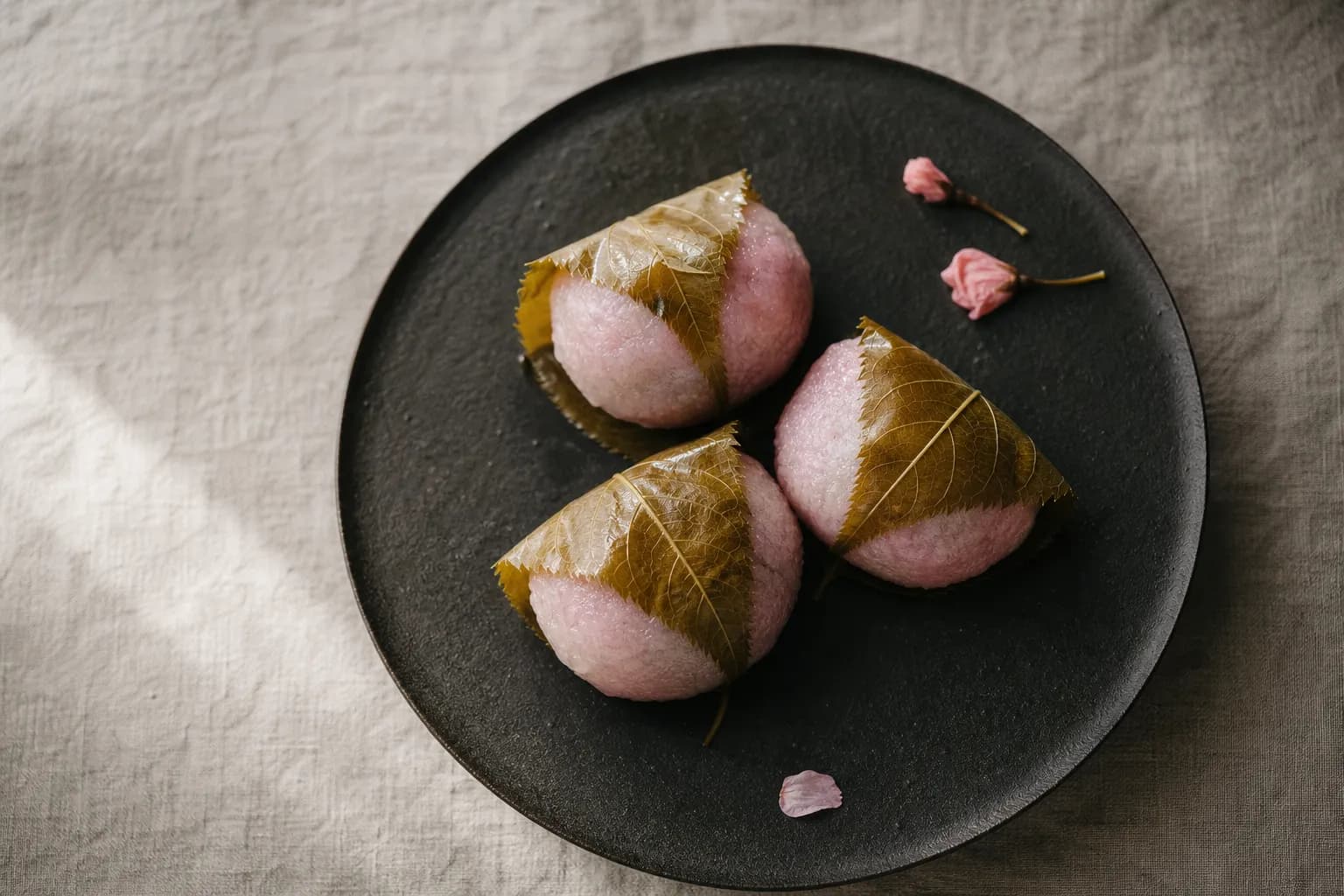
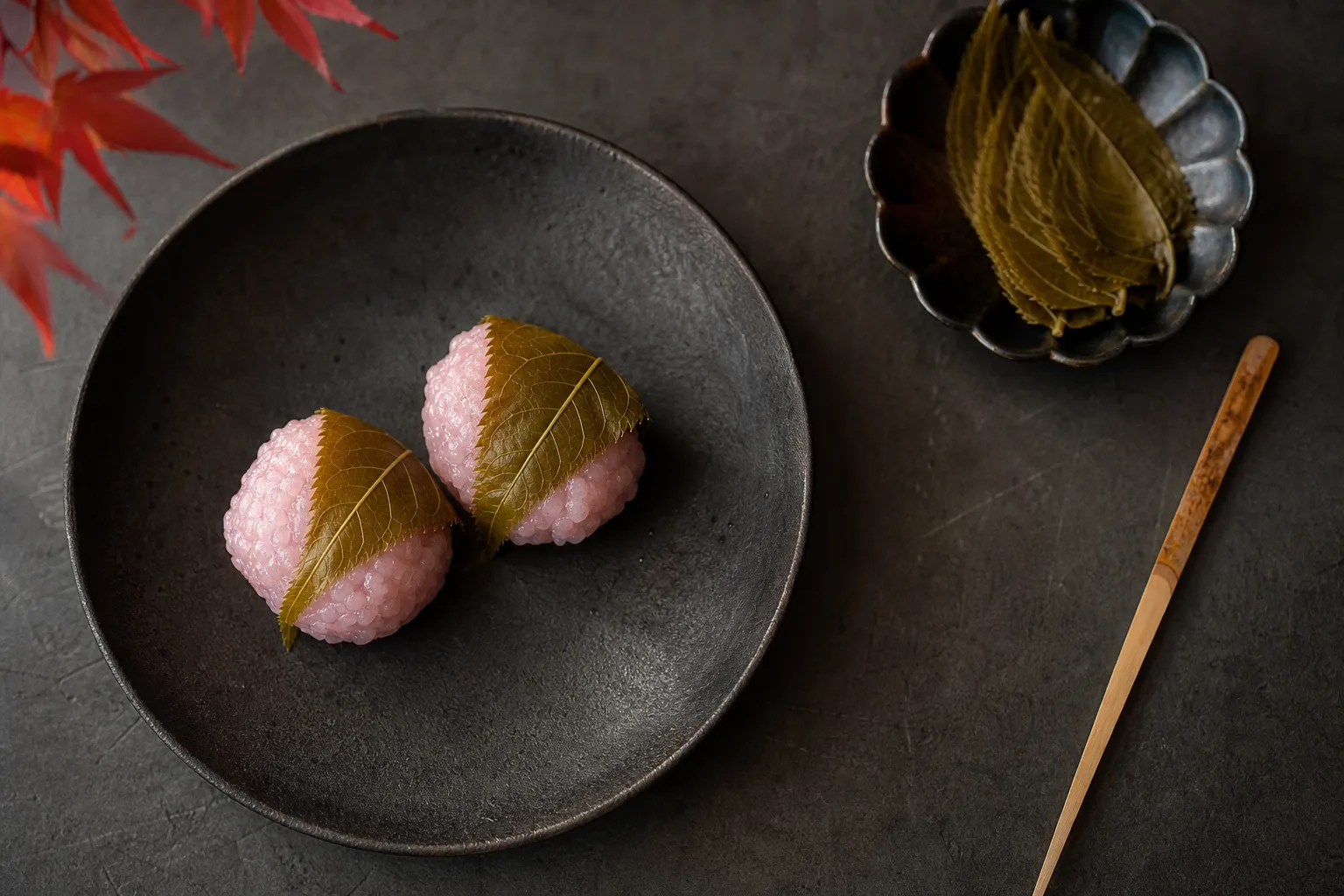
At first glance, sakura mochi stands out with its soft pink coloring and the signature green of a pickled cherry blossom leaf. The mochi itself is made from glutinous rice or rice flour, offering a chewy and tender bite. Inside, you’ll find a generous core of sweet red bean paste, which balances the subtle saltiness of the leaf.
Key Components of Sakura Mochi:
- Mochi Skin: Soft, pink, made from rice or flour
- Filling: Sweet anko (red bean paste)
- Sakura Leaf: Pickled, edible, floral aroma
The most distinctive feature of sakura mochi is the interplay of flavors. The mochi’s gentle sweetness is complemented by the floral, slightly salty notes of the pickled leaf, which is carefully prepared to preserve aroma and taste. Some enjoy eating the leaf with the mochi, appreciating the added fragrance, while others choose to remove it before eating. This debate is part of the fun and tradition.
The color, fragrance, and texture come together to create a treat that is as pleasing to the senses as it is to the palate. For more on its culinary structure, see Sakura Mochi in Japanese Cuisine.
Perfect Pairings and Serving Suggestions
Sakura mochi pairs beautifully with a range of traditional Japanese beverages. The most classic companions are green tea and matcha, which cleanse the palate and highlight the mochi’s subtle flavors. For a seasonal touch, sakurayu (cherry blossom tea) enhances the floral notes.
Popular Pairings:
- Green tea or matcha for a classic touch
- Sakurayu for a floral accent
- Coffee or sparkling water for modern palates
- Light sake for festive occasions
To serve sakura mochi authentically, present it on a small plate with a delicate fork or pick. Enjoy it fresh, ideally within a day, to appreciate the mochi’s texture and aroma. When sharing, offer each guest a mochi and cup of tea to celebrate the moment.
Etiquette suggests savoring sakura mochi slowly, taking in the fragrance before each bite. Proper storage keeps it soft and prevents drying, ensuring a delightful tasting experience every time.
How to Make Sakura Mochi at Home: Step-by-Step Guide
Making sakura mochi at home is a delightful way to experience the essence of Japanese spring, right in your own kitchen. Whether you are new to wagashi or a seasoned home cook, this guide will help you create authentic sakura mochi with confidence and creativity.
Ingredients and Tools Needed
To make sakura mochi, gather the following essential ingredients:
- Glutinous rice flour (preferably shiratamako or mochiko)
- Sweet red bean paste (anko)
- Pickled sakura leaves (soaked to remove excess salt)
- Pink food coloring (optional for a traditional look)
- Sugar and water
You'll also need some tools:
- Steamer or steamer basket
- Mixing bowls and a spatula
- Rolling pin and bamboo mat (for shaping)
- Small brush for handling leaves
You can find authentic ingredients for sakura mochi at local Asian grocery stores or online. When choosing glutinous rice flour, look for Japanese brands for the best texture. If you are interested in exploring more about wagashi and its role in traditional cuisine, the overview of Japanese food and culinary culture provides helpful context.
Preparing pickled sakura leaves at home is possible by soaking fresh cherry leaves in salted water for several days. This step is optional if you have access to pre-pickled leaves.
Step-by-Step Preparation (Chronological)
Begin by making the mochi dough. Mix glutinous rice flour, sugar, and water in a bowl, adding a drop of pink food coloring. Stir until smooth. Steam the mixture for 15 to 20 minutes, stirring halfway to ensure even cooking. The dough should become sticky and glossy.
While the dough steams, divide the anko into small balls, about the size of a walnut. Once the mochi dough cools slightly, dust your hands with potato starch to prevent sticking. Flatten a portion of dough, place an anko ball in the center, and wrap the dough around it.
Gently press each sakura mochi into shape, then wrap with a pickled sakura leaf. Rest the finished sweets for 30 minutes, allowing the flavors to meld. For presentation, arrange sakura mochi on a decorative plate, and store leftovers in an airtight container for up to two days.
Troubleshooting tips:
- If the dough is too sticky, use more starch.
- If leaves tear, soak them longer.
- If mochi hardens, cover with a damp cloth until serving.
Variations and Creative Twists
Sakura mochi can be adapted in many ways to suit dietary needs and creative flair. Try using white bean paste (shiro-an) for a lighter filling, or add a hint of sakura essence to the dough for extra floral aroma. For vegan versions, ensure your food coloring and anko are plant-based, and use gluten-free rice flour if needed.
Shape sakura mochi into mini rounds for parties, or use molds for heart or flower shapes during special occasions. Experiment with matcha powder, yuzu zest, or fruit-infused anko for modern flavors. Drawing inspiration from regional and international adaptations, you can personalize your sakura mochi to reflect your own style.
No matter how you choose to prepare it, sakura mochi brings the spirit of spring and the tradition of hanami into your home.
Where to Enjoy Sakura Mochi in Japan (and Beyond)
Savoring sakura mochi is a cherished springtime ritual, whether you are wandering ancient streets in Japan or searching for a taste of tradition abroad. Knowing where to find the freshest, most authentic sakura mochi will elevate your appreciation for this exquisite seasonal treat.
Famous Wagashi Shops and Local Markets
Japan’s most celebrated sakura mochi can be found at historic wagashi shops, bustling local markets, and elegant department store food halls. In Tokyo, Chōmeiji Yamamoto-ya is renowned for its original recipe, offering a taste of history in every bite. Osaka’s Dōmyōji specialty shops present the Kansai-style version, prized for its unique texture and regional charm.
During cherry blossom season, department stores across Japan showcase beautifully packaged sakura mochi, perfect for hanami picnics or thoughtful gifts. Local markets and temple fairs brim with limited-edition treats, drawing crowds eager to celebrate spring. Even convenience stores and supermarkets join the festivities, providing easy access to sakura mochi for busy city dwellers and travelers alike.
For those seeking an immersive experience, hanami festivals offer the chance to enjoy sakura mochi beneath blooming cherry trees. To explore more about the connection between these seasonal sweets and flower viewing, visit Cherry blossom experiences in Japan.
Sakura Mochi Around the World
The popularity of sakura mochi has blossomed far beyond Japan’s borders. In major cities worldwide, Japanese bakeries and specialty grocers offer authentic versions, especially during spring festivals. Many international Japanese cultural centers host hanami events, where sakura mochi is served alongside tea and traditional performances.
Online retailers now make it possible to order sakura mochi directly to your door, complete with careful packaging to preserve freshness. When shopping abroad, look for reputable suppliers who use genuine ingredients, such as pickled cherry leaves and high-quality bean paste, to ensure an authentic experience.
As global appreciation grows, fusion versions and creative presentations are appearing in patisseries and cafes, introducing sakura mochi to new audiences. Whether at a bustling Japanese market or a boutique bakery overseas, this beloved confection offers a delicious connection to the beauty of cherry blossom season.
Sakura Mochi in Japanese Pop Culture and Modern Life
Sakura mochi has blossomed into a beloved icon in Japanese pop culture, capturing the imagination of each new generation. Its delicate pink hue and symbolic connection to spring make it instantly recognizable across various media.
In anime, movies, and literature, sakura mochi often signals the arrival of cherry blossom season. Characters savor this treat during hanami scenes, while its gentle pink color sets the tone for heartfelt moments. Writers and artists use sakura mochi to evoke nostalgia, renewal, and the fleeting beauty of spring.
Contemporary Japanese desserts draw inspiration from sakura mochi, sparking fusion sweets that blend tradition with innovation. Bakeries offer sakura mochi-inspired cakes, ice creams, and even beverages, reflecting its influence beyond classic wagashi.
Brands feature sakura mochi in vibrant packaging and seasonal promotions. Limited-edition products, from snacks to cosmetics, celebrate the treat’s visual appeal and cultural symbolism. Gift boxes often highlight sakura motifs, making them popular choices for springtime giving.
On social media, sakura mochi enjoys viral popularity. Food enthusiasts share recipes, plating techniques, and creative twists on this classic sweet. Hashtags and photo challenges encourage users to showcase their own sakura mochi creations, spreading enthusiasm worldwide.
Sakura mochi also plays a role in cultural education and international exchange. Schools and community centers introduce the sweet in lessons about Japanese customs. For a deeper understanding of its cultural symbolism, explore the Cultural Significance of Sakura Mochi.
From screen to table, sakura mochi continues to enchant, connecting the beauty of cherry blossoms with the everyday joys of modern life.
Experience Sakura Mochi on a Luxury Japan Journey
Immerse yourself in the elegance of sakura mochi with a bespoke Japan adventure designed for the discerning traveler. Picture savoring this iconic treat during a private hanami picnic, surrounded by breathtaking cherry blossoms in Tokyo, Kyoto, or Osaka. Your journey is enriched by exclusive access to master wagashi artisans, intimate tea ceremonies, and curated workshops that reveal the artistry behind sakura mochi.
Enjoy seamless luxury transportation and personalized culinary experiences that celebrate Japan’s most beautiful season. For those seeking unforgettable moments and the finest springtime flavors, visit Japan Royal Service to begin your journey.
As you journey through the story and flavors of sakura mochi, imagine experiencing this cherished tradition beneath the blossoming cherry trees of Japan. With Japan Royal Service, you don’t just observe—you become part of the culture, savoring exclusive moments with master wagashi artisans and private hanami picnics in the country’s most iconic settings. If you’re inspired to taste Japan’s springtime elegance firsthand and immerse yourself in tailor-made experiences that celebrate both heritage and luxury, I invite you to request your private consultation Design your bespoke Japan journey with our experts.