LINE Click here

LINE ID japanroyalservice

WhatsApp

+817013781777 click here

Viber Click here

+817013781777 click here

The convergence of Japan’s most iconic natural symbol with its most beloved seasonal phenomenon creates one of the world’s most photographed and spiritually significant landscapes. Mt Fuji cherry blossoms represent more than just aesthetic beauty-they embody centuries of cultural reverence, artistic inspiration, and spiritual connection that continue to draw discerning travelers from across the globe. This spectacular pairing occurs during a fleeting window each spring, when thousands of cherry trees surrounding the sacred mountain burst into bloom, creating a pink-and-white canvas against the snow-capped volcanic peak and for luxury travelers seeking authentic Japanese experiences, understanding the nuances of this natural spectacle-from optimal viewing locations to cultural context-transforms a simple sightseeing excursion into a profound journey through Japan’s heart and soul.

Understanding the Mt Fuji Cherry Blossom Season

The timing of mt fuji cherry blossoms follows a distinct pattern influenced by elevation, microclimate, and specific tree varieties. Unlike Tokyo or Kyoto, where cherry blossoms typically peak in late March to early April, the Fuji Five Lakes region experiences blooms approximately one to two weeks later due to cooler temperatures and higher elevation.

Peak Bloom Timeline for 2026

Based on meteorological patterns and historical data, the 2026 cherry blossom season around Mt. Fuji is projected to follow these timeframes:

LocationElevationExpected PeakDuration
Lake Kawaguchiko833mApril 12-187-10 days
Arakurayama Sengen Park650mApril 10-167-10 days
Fuji Cemetery800mApril 13-197-10 days
Oshino Hakkai940mApril 15-217-10 days
Lake Yamanakako980mApril 17-237-10 days

The Fuji cherry (*Prunus incisa*), a native species, blooms earlier than the more common Somei Yoshino variety. This natural diversity extends the overall viewing season, allowing visitors multiple opportunities to experience different expressions of mt fuji cherry blossoms across various elevations and microclimates.

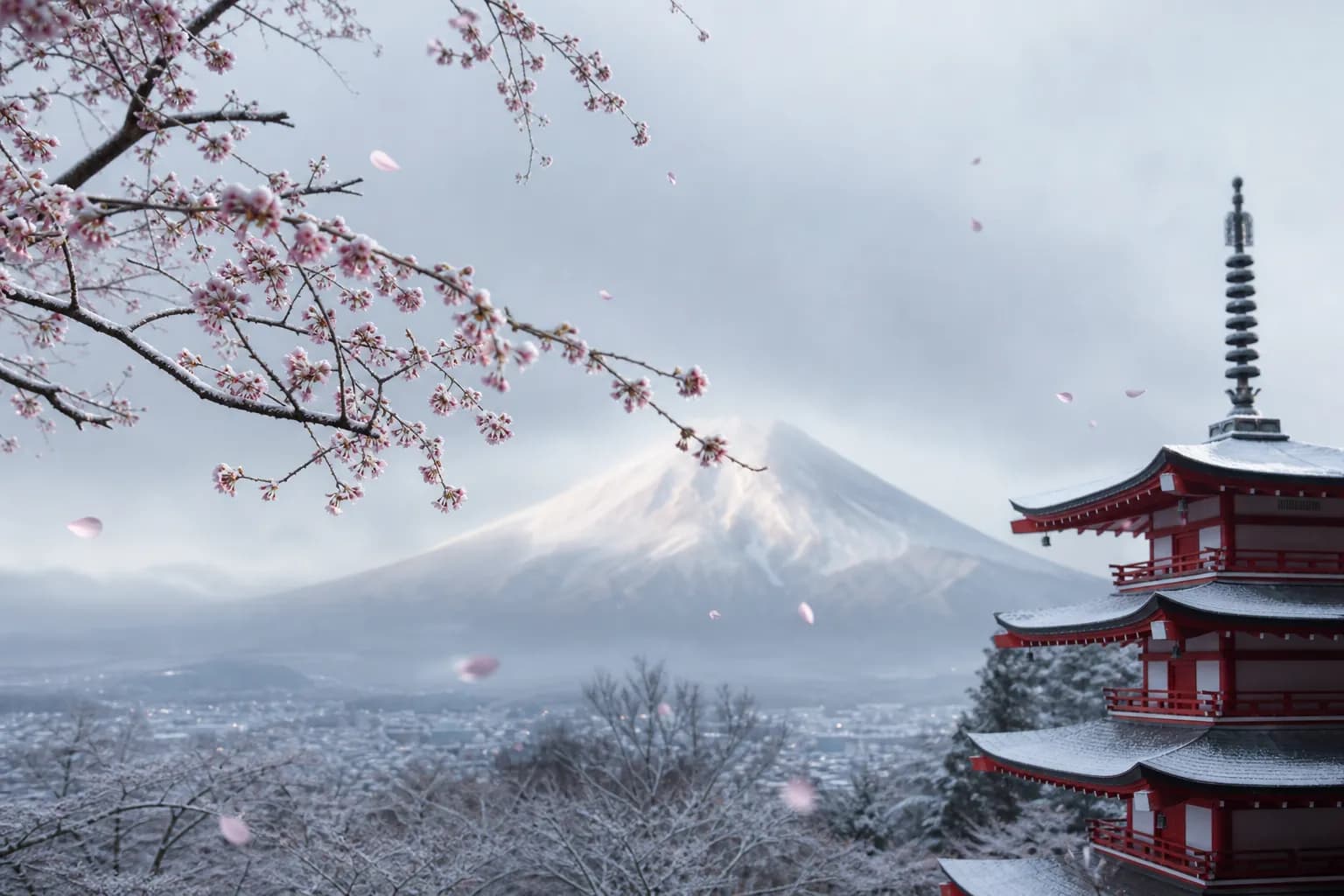
The five-story red Chureito Pagoda is framed by vibrant pink cherry blossoms with a clear snow-capped Mount Fuji standing prominently in the distant background under a bright blue sky.
Reaching its peak between April 10th and 16th, Arakurayama Sengen Park offers the most celebrated view of the 2026 season.

Weather Considerations and Viewing Conditions

Spring weather around Mt. Fuji remains unpredictable, with temperatures ranging from 5°C to 18°C during cherry blossom season. Morning fog frequently obscures the mountain until mid-morning, particularly after rainfall. Experienced travelers know that visibility is clearest before 9 AM and after 3 PM, when atmospheric conditions stabilize.

Wind patterns also affect bloom longevity. Strong winds can shorten the viewing window by several days, while calm conditions preserve petals longer. Monitoring local weather forecasts becomes essential for timing visits to coincide with both peak bloom and favorable viewing conditions.

Premier Viewing Locations for Mt Fuji Cherry Blossoms

Selecting the right vantage point dramatically influences the Mt. Fuji cherry blossom experience. Each location offers distinct perspectives, crowd levels, and photographic opportunities that cater to different preferences and expectations.

Arakurayama Sengen Park: The Iconic Perspective

Arakurayama Sengen Park offers the quintessential postcard view synonymous with Japanese spring imagery. The Chureito Pagoda, a five-storied structure painted in brilliant vermillion, frames Mt. Fuji perfectly with cherry blossoms in the foreground.

Key advantages:

  • Elevated perspective providing unobstructed mountain views
  • Multiple compositional elements create layered photographs
  • Accessible via 400 steps or shuttle service for mobility-limited visitors
  • Early morning access for serious photographers


Considerations for luxury travelers:

  • Extremely high visitor volume during peak season
  • Limited parking requiring early arrival or private transportation
  • Crowds begin gathering before sunrise during optimal bloom periods


The park’s popularity has sparked discussions about visitor management, particularly the impact of mass tourism on local communities and the viewing experience. Private, early-access arrangements through specialized travel services can circumvent these challenges.

Lake Kawaguchiko: Waterfront Serenity

The northern shores of Lake Kawaguchiko host extensive cherry tree groves that create stunning reflections when conditions align. This location offers a more relaxed atmosphere than Arakurayama, with walking paths that wind through several viewing areas.

The annual Fuji Shibazakura Festival, while technically featuring moss phlox rather than cherry blossoms, occurs simultaneously and creates complementary viewing opportunities. The combination of pink ground cover, cherry trees, and Mt. Fuji presents an exceptional botanical spectacle.

Fuji Cemetery and Lesser-Known Sanctuaries

Fuji Cemetery’s cherry blossoms provide a contemplative alternative to crowded tourist sites. This sacred space combines natural beauty with spiritual significance, offering a more introspective experience. The atmosphere here reflects traditional Japanese appreciation for transient beauty, connecting directly to concepts of mono no aware-the poignant awareness of impermanence.

The mythological connection between Mt. Fuji and cherry blossoms traces back to Konohanasakuya-hime, the goddess of Mt. Fuji, whose name literally means “princess who makes the flowers of trees bloom.” This spiritual dimension adds profound depth to the viewing experience for culturally-minded travelers.

A serene morning scene at Lake Kawaguchiko showing the clear reflection of Mount Fuji in the still water, framed by overhanging cherry blossom branches on the northern shore.
Discover waterfront serenity at Lake Kawaguchiko, where cherry blossoms create stunning reflections on the lake’s calm, crystalline surface.

Botanical Varieties and Characteristics

Understanding the specific cherry tree varieties enhances appreciation for the diversity within Mt. Fuji’s cherry blossom-viewing areas. The region hosts several distinct cultivars, each contributing unique characteristics to the overall landscape.

The Mt. Fuji Cherry Cultivar

The ‘Mt. Fuji’s flowering cherry (Prunus serrulata ‘Mount Fuji’) represents a specific ornamental variety developed for its distinctive spreading form and pure white blossoms. This cultivar typically reaches 15-20 feet in height with a horizontal branching structure that creates cascading layers of flowers.

Distinguishing features:

  • Double white blossoms with 20-30 petals per flower
  • Fragrant blooms releasing a subtle sweet scent
  • Bronze-colored new foliage emerging after flowering
  • Excellent disease resistance compared to other varieties


Stanford’s botanical documentation provides comprehensive details about Japanese flowering cherries, noting that the ‘Mt. Fuji’s variety demonstrates exceptional ornamental value throughout multiple seasons, not solely during bloom periods.

Native and Naturalized Species

Beyond cultivated varieties, *Prunus incisa* grows naturally throughout the region, particularly at higher elevations where hardy species thrive. These smaller trees produce delicate pink-tinged white flowers earlier than lowland varieties, extending the overall Mt. Fujii cherry blossom season across different ecological zones.

The combination of native and cultivated species creates botanical diversity that rewards careful observation. Serious enthusiasts can identify distinct varieties by examining petal count, color intensity, branching patterns, and bloom timing, transforming simple viewing into an educational botanical exploration.

Photography and Timing Strategies

Capturing exceptional Mt. Fuji cherry blossom photographs requires more than luck with bloom timing. Professional photographers employ specific strategies that luxury travelers can adopt to maximize their visual documentation.

Golden Hour Considerations

Time PeriodLight QualityMountain VisibilityCrowd LevelBest For
Pre-dawn (4:30-5:30 AM)Blue hour tonesVariableMinimalLong exposures, serene compositions
Sunrise (5:30-6:30 AM)Warm directional lightHighest probabilityLowClassic landscape photography
Mid-morning (9:00-11:00 AM)Harsh overhead lightDecreasingPeak crowdsDetail shots, botanical close-ups
Late afternoon (3:00-5:00 PM)Warm side lightingModerateModerateBacklit petals, texture emphasis
Sunset (5:30-6:30 PM)Golden warm tonesLow but dramaticModerateSilhouettes, atmospheric shots

Weather applications with mountain-specific forecasts become indispensable tools. Services like Windy.com and Mountain-Forecast.com provide elevation-specific predictions that help anticipate Mt. Fuji’s visibility hours or days in advance.

Composition Techniques

The challenge of photographing mt fuji cherry blossoms lies in balancing three distinct elements-mountain, blossoms, and sky-without creating cluttered compositions. Professional techniques include:

Foreground emphasis: Position low to emphasize blossom branches in the immediate foreground while keeping Mt. Fuji as a supporting background element. This approach creates depth and dimension that separates amateur from professional imagery.

Negative space utilization: Allow Mt. Fuji to occupy minimal frame area, using cherry blossoms and sky to create breathing room. Japanese aesthetic principles of ma (negative space) apply beautifully to this subject matter.

Reflection incorporation: When conditions permit, Lake Kawaguchiko’s mirror-like surface doubles visual impact. Early morning calm before the wind develops provides optimal reflection opportunities.

A low-angle photograph emphasizing a detailed cherry blossom branch in the immediate foreground, with a clear, snow-capped Mount Fuji serving as a majestic background element.
Position your camera low to emphasize foreground blossoms, creating a professional sense of depth that beautifully separates the mountain from its surroundings.

Cultural Context and Historical Significance

The pairing of Mt. Fuji cherry blossoms carries profound cultural meaning, extending beyond mere superficial beauty. Understanding this context transforms observation into genuine cultural appreciation.

Literary and Artistic Traditions

Japanese literature spanning centuries references cherry blossoms and Mt. Fuji as dual symbols of national identity. Classical poetry collections like the Manyoshu and Kokinshu contain numerous verses celebrating both elements, often in conjunction. Ukiyo-e masters,  including Hokusai and Hiroshi, created iconic woodblock prints featuring this combination, establishing a visual vocabulary that persists in contemporary photography.

The concept of hanami,  cherry blossom viewing, evolved from aristocratic court traditions into widespread cultural practice during the Edo period. Mt. Fuji simultaneously served as a pilgrimage destination and an artistic motif, creating parallel traditions that naturally converged in the Fuji Five Lakes region.

Comparative Perspectives

While Mount Yoshino is famous as Japan’s most historic cherry blossom destination, and the Miharu Takizakura represents the grandeur of an individual tree, Mt. Fuji cherry blossoms offer unique value through symbolic convergence. The mountain’s perfect conical form serves as a backdrop rather than a mere supporting element, creating compositions impossible elsewhere.

This distinction matters for travelers seeking experiences that transcend typical tourism. Understanding why this particular combination resonates culturally enriches the viewing experience beyond Instagram-worthy photographs.

Luxury Travel Considerations

Experiencing mt fuji cherry blossoms through a luxury lens requires careful planning that addresses logistics, accommodations, and exclusive access opportunities unavailable to independent travelers.

Premium Transportation Solutions

The Fuji Five Lakes region lies approximately 100 kilometers from Tokyo and is accessible via multiple routes that vary dramatically in convenience and quality of experience. Standard tourist approaches involve crowded trains and buses that diminish the overall journey quality.

Private luxury vehicle benefits:

  • Flexible departure times coordinating with optimal viewing conditions
  • Direct routing to multiple locations within a single day
  • Climate-controlled comfort during unpredictable spring weather
  • Luggage accommodation for extended journeys
  • Expert drivers familiar with traffic patterns and alternative routes


Premium transportation services transform logistical necessity into a seamless journey component, allowing travelers to maximize time at viewing locations rather than navigating public transit connections.

Exclusive Accommodation Options

Traditional ryokan properties near Lake Kawaguchiko offer views of Mt. Fuji and proximity to cherry blossoms. Select establishments provide:

  • Private onsen baths with mountain and blossom views
  • Kaiseki dining featuring seasonal ingredients
  • Room configurations guaranteeing unobstructed Mt. Fuji vistas
  • Concierge services coordinating photography guides and early access arrangements


Booking these properties requires reservations, often 6 months or more before the cherry blossom season. Luxury travel specialists maintain relationships with premier properties, securing rooms during otherwise fully-booked periods.

Private Viewing Experiences

Beyond public viewing areas, private gardens and cultural properties occasionally open for exclusive experiences during cherry blossom season. These opportunities include:

Early morning private access: Arrangements allowing entry to popular sites before public opening hours, eliminating crowds and providing ideal photography conditions.

Cultural program integration: Tea ceremonies conducted beneath blooming cherry trees, traditional music performances, or guided meditation sessions that contextualize the viewing experience within Japanese spiritual traditions.

Botanical expertise: Private guides with horticultural backgrounds who explain varietal differences, ecological relationships, and historical cultivation practices that transform passive viewing into active learning.

Planning Your 2026 Visit

Successful mt fuji cherry blossoms experiences require coordinated planning across multiple dimensions-timing, logistics, accommodations, and contingency arrangements for weather variability.

Optimal Duration and Itinerary Structure

A comprehensive cherry blossom experience around Mt. Fuji benefits from a three to four-day window. This duration accounts for:

  1. Weather variability: Multiple days increase the probability of encountering clear Mt. Fuji visibility
  2. Location diversity: Time to visit several viewing areas at different elevations
  3. Lighting conditions: Opportunities to photograph during various times of day
  4. Cultural integration: Space for complementary experiences beyond cherry blossom viewing


Sample premium itinerary structure:

Day One: Afternoon arrival at Lake Kawaguchiko ryokan, evening orientation, and sunset viewing from accommodation

Day Two: Pre-dawn departure for Arakurayama Sengen Park sunrise photography, mid-morning exploration of Oshino Hakkai, afternoon relaxation and onsen experience, evening kaiseki dinner

Day Three: Flexible schedule based on weather forecast-either Lake Yamanakako northern areas or alternative cultural experiences if clouds obscure Mt. Fuji

Day Four: Morning departure with contingency viewing opportunities en route back to Tokyo

Booking Timeline Recommendations

Luxury travelers should initiate planning according to this timeline:

  • 12 months prior: Secure premium ryokan accommodations
  • 6 months prior: Arrange private transportation and specialized guides
  • 3 months prior: Finalize specific viewing locations based on updated bloom forecasts
  • 1 month prior: Confirm all reservations and establish weather monitoring protocols
  • 1 week prior: Review detailed forecasts and adjust specific timing within the established framework


This structured approach balances planning with flexibility, ensuring optimal experiences regardless of variables beyond traveler control.

Cultural Etiquette and Sustainable Tourism

The popularity of Mt. Fuji Fujiy blossoms creates challenges for local communities and the natural environment. Luxury travelers demonstrate cultural awareness through:

Respect for sacred spaces: Understanding that many viewing areas hold spiritual significance beyond aesthetic value

Environmental consciousness: Following designated paths, avoiding damage to tree roots, and  properly disposing of waste

Community consideration: Supporting local businesses, minimizing noise in residential areas, respecting photography restrictions where posted

Crowd awareness: Choosing less-trafficked locations or off-peak times to reduce pressure on overwhelmed sites

Recent discussions about festival cancellations due to overcrowding underscore the importance of sustainable tourism practices. Luxury travel services that prioritize cultural sensitivity and environmental stewardship contribute positively rather than exacerbating existing challenges.

Beyond Cherry Blossoms: Complementary Experiences

The Fuji Five Lakes region offers exceptional experiences that complement Mt. Fuji cherry blossom viewing, creating a comprehensive cultural immersion.

Culinary Excellence

Regional specialties include:

  • Houtou: Hearty noodle soup with seasonal vegetables, traditional cold-weather comfort food
  • Yoshida udon: Thick, chewy noodles served in various preparations
  • Fuji venison: Wild game from surrounding forests, prepared using traditional and contemporary techniques
  • Lake fish preparations: Trout and char caught fresh from mountain lakes


Premium dining establishments incorporate these regional ingredients into kaiseki courses that reflect seasonal transitions and local terroir. Sake breweries that use water from Mt. Fuji’s snowmelt produce distinctive beverages that pair exceptionally well with regional cuisine.

Cultural and Artistic Pursuits

Museums dedicated to Mt. Fuji art and history provide context for the mountain’s cultural significance. The Fuji-Q Highland area, while known for amusement attractions, also hosts cultural facilities that explore regional and contemporary artistic interpretations of Mt. Fuji.

Traditional craft workshops offer hands-on experiences:

  • Washi papermaking using mountain spring water
  • Textile dying with natural cherry bark pigments
  • Pottery glazed with volcanic ash
  • Woodworking utilizing local timber species


These activities transform passive tourism into active cultural participation, creating memorable experiences that extend beyond standard sightseeing.


The ephemeral beauty of mt fuji cherry blossoms represents Japan’s most iconic seasonal convergence, combining natural splendor with profound cultural meaning that rewards thoughtful exploration. Whether you seek a spiritual connection or wish to witness one of nature’s most spectacular displays, this experience demands careful planning and cultural appreciation to fully appreciate its significance. Japan Royal Service specializes in curating bespoke cherry blossom experiences that combine exclusive access, luxury transportation, premium accommodations, and cultural expertise, ensuring your journey to Mt. Fuji during sakura season exceeds expectations while honoring the traditions that make this phenomenon truly extraordinary.