In this guide
- 01What A Guided Zazen Morning In Kamakura Actually Involves
- 02How Do You Participate In Zazen Respectfully If You’ve Never Sat Before?
- 03The Physical Reality: Why First-Time Zazen Can Feel Hard
- 04Why Morning, And Why Kamakura, For Zazen?
- 05How Do You Plan A “Temple Before Opening” Zazen Morning In Kamakura?
- 06Private Tea After Zazen: Why It’s Part Of The Morning
- 07What This Morning Is Not (Honest Expectations For HNW Travelers)
- 08Who A Private, Guided Zazen Morning In Kamakura Suits Best
- 09How Zazen In Kamakura Fits Into A Tokyo Stay Without Feeling Rushed
- 10Frequently Asked Questions
- 11Why Choose Japan Royal Service
Being told to “meditate” and being left alone is one thing. A guided zazen morning in Kamakura is different. Someone shows you what to do with your spine, your hands, your breath. Then you sit.
What A Guided Zazen Morning In Kamakura Actually Involves
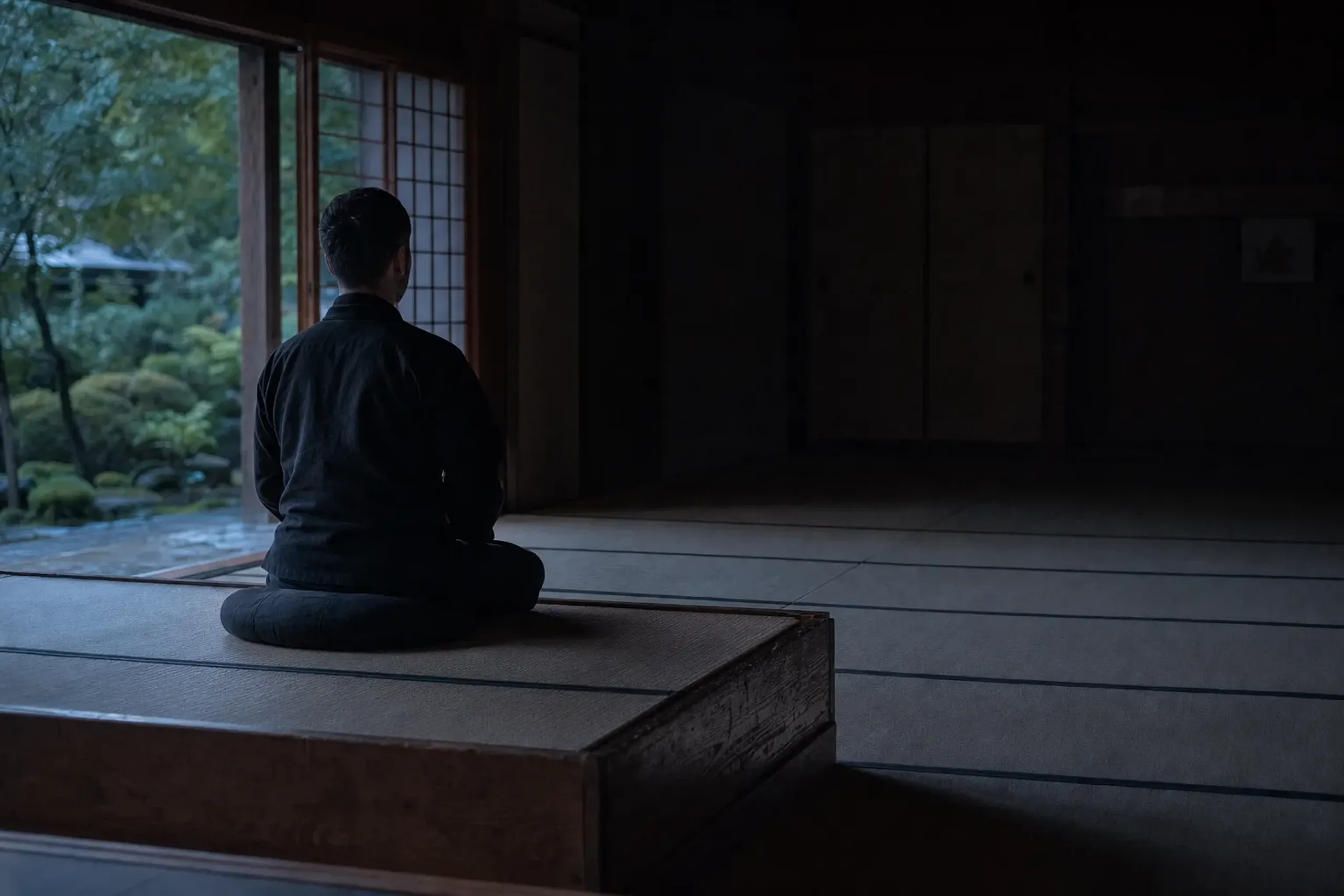
A guided zazen morning in Kamakura usually follows a simple arc: quiet arrival, brief instruction, a defined sitting period marked by a signal, then a calm close—often with private tea. No theatrics. Just structure.
In our experience, that structure is what makes the morning workable for first-timers. You are not guessing whether you should close your eyes, how to place your knees, or what to do when your mind starts sprinting. You’re given a few clear cues, and you follow them.
Expect the instruction to be practical. Very practical. A guide or a monk typically demonstrates posture, explains how to settle the breath, and clarifies what “attention” means in this context without turning it into a sermon.
Arrival: Quiet Steps, Simple Clothing, Phones Away
You arrive early and quietly. Shoes come off where indicated. Layers help, because temples can feel cool in the morning, even in warmer months. Big logos and loud perfumes feel out of place. Skip them.
Plan for modest, flexible clothing that lets you sit. Long skirts that bind at the knees can become a problem. Tight jeans can be worse.

If you have long hair, bring something to tie it back. Small detail. Big relief.
Instruction: Posture First, Breath Second, Expectations Third
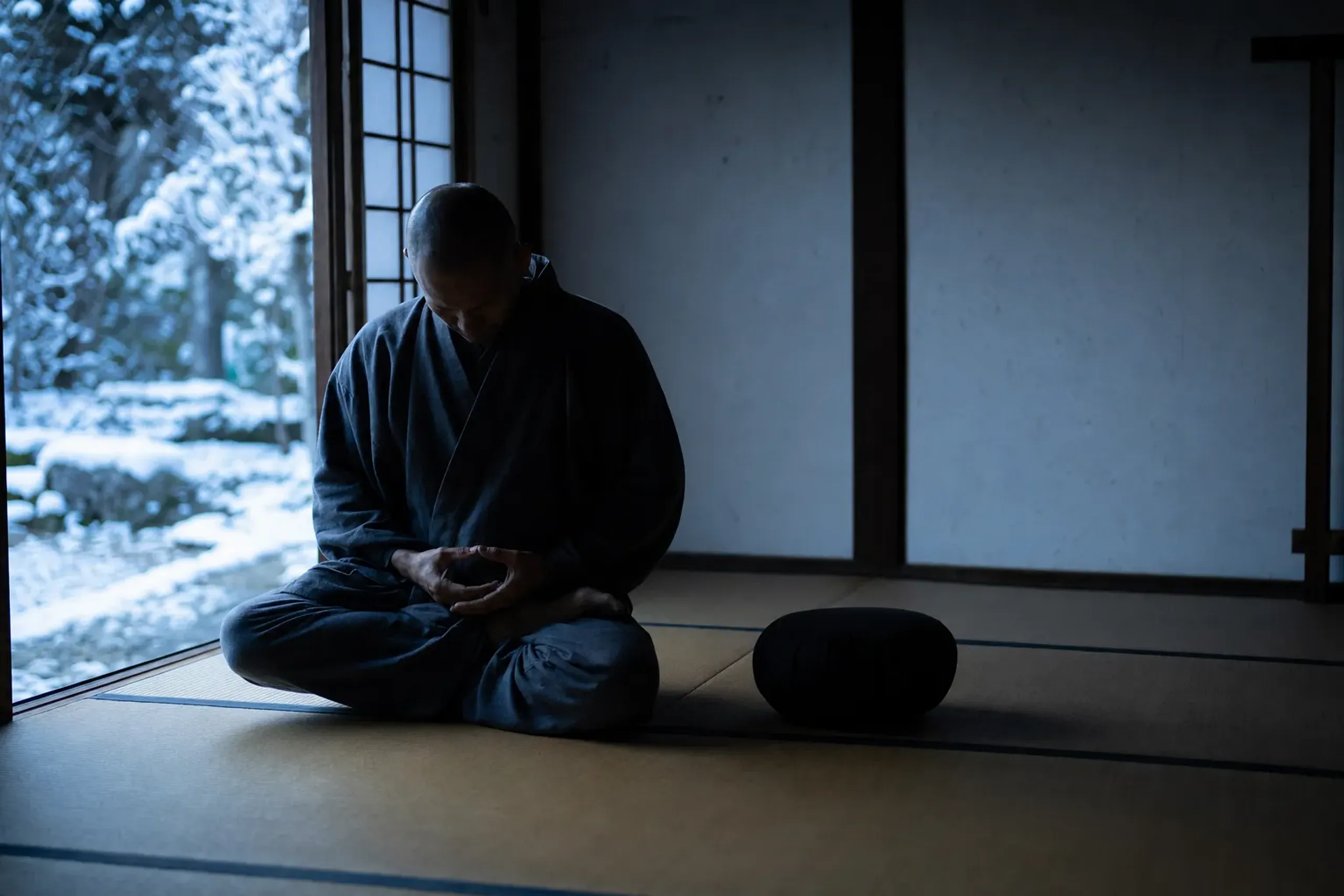
The first minutes are usually about your body. Where the hips should be. How to stack the spine so you are upright without bracing. What to do with your hands so they stop fidgeting.
Then comes breath. Not “deep breathing.” Just steady breathing through the nose, with attention placed in a simple, repeatable way. When your thoughts pull you away, you return to that anchor. That is the work.
Finally, expectations. A first sit is rarely “blissful.” It is often restless. Sometimes oddly boring. The honest guidance helps you stay with it anyway.
The Sitting Period: A Bell, A Still Room, And A Long Few Minutes
A bell or another clear signal typically marks the start and end of the sitting period. When it begins, the room changes. You can hear fabric settle. Breathing becomes audible. Time stretches.
Your legs may complain early. Your back may do the same. Many guests are surprised by how physical stillness is, even when nothing “happens.” That surprise is normal, and it is not a failure.
If you need to adjust, you do it quietly. Small movements. No drama. In a private, guided setting, you can also be shown how to reset posture without breaking the tone of the room.
How Do You Participate In Zazen Respectfully If You’ve Never Sat Before?
Arrive early, dress modestly, follow the instruction on posture and silence, and keep your phone fully away; respectful participation is mostly about restraint and attention.
This is not a museum moment. You are participating in a living practice at an active religious site. The basics matter because they protect the atmosphere for everyone present, including the people who practice there regularly.
We advise guests to treat it like entering a concert hall before the first note. You do not need to “know Zen.” You do need to move carefully, keep your voice low, and let the instruction lead.
Talking: Less Than You Think
Many first-timers fill quiet with questions. Understandable. In most zazen settings, questions belong before or after, not during. If you are unsure, you wait and ask at the next appropriate moment.
When a guide is present, they will usually set this clearly: when you can speak, when you should not, and what to do if discomfort becomes sharp rather than merely annoying. Listen to that briefing. It saves the sit.
Photography: Assume “No” Unless Explicitly Allowed
Temple grounds often have clear rules about where photos are permitted. During zazen itself, photography is generally inappropriate. Even if rules vary by temple and session format, the safest posture is restraint.
If you want a single discreet exterior photo before you enter, ask first.
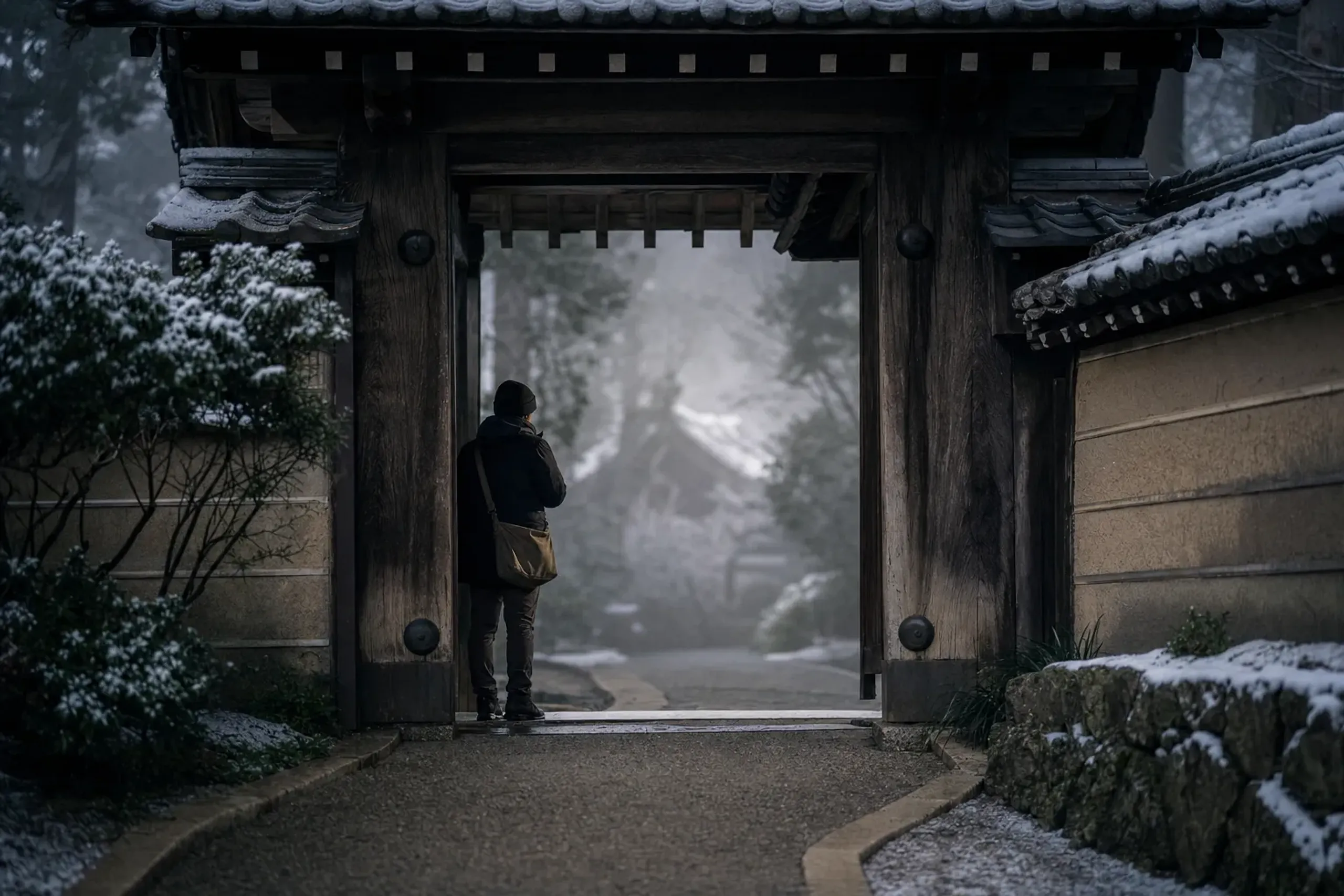
Then stop. A quiet morning is easy to ruin with one bright screen.
The Physical Reality: Why First-Time Zazen Can Feel Hard
First-time zazen often feels physically uncomfortable and mentally busy, even for calm, successful people who sit through long meetings without trouble. Stillness asks for different muscles.
Legs fall asleep. Ankles ache. The lower back starts negotiating. Then the mind starts bargaining: “This is enough, right?” That moment is the practice showing itself, not the practice failing.
Our team at Japan Royal Service prepares guests for that honestly. Wabi-sabi is useful here: you are not aiming for a flawless, cinematic sit. You are meeting the morning as it is, including the imperfect parts.
Small Adjustments That Help Without “Breaking” The Session
If a cushion is available, use it. A few centimeters can change everything. If you are offered options for kneeling or sitting cross-legged, choose the position your body can hold without a heroic effort.
There is also a mental adjustment. You are not trying to force thoughts away. You notice them and return to the breath, again and again. It can feel repetitive. That is the point.
Why Morning, And Why Kamakura, For Zazen?
Morning zazen in Kamakura works because the temples are quieter early, and the city’s Zen heritage is unusually accessible for visitors compared with many regions where practice is largely Japanese-only.
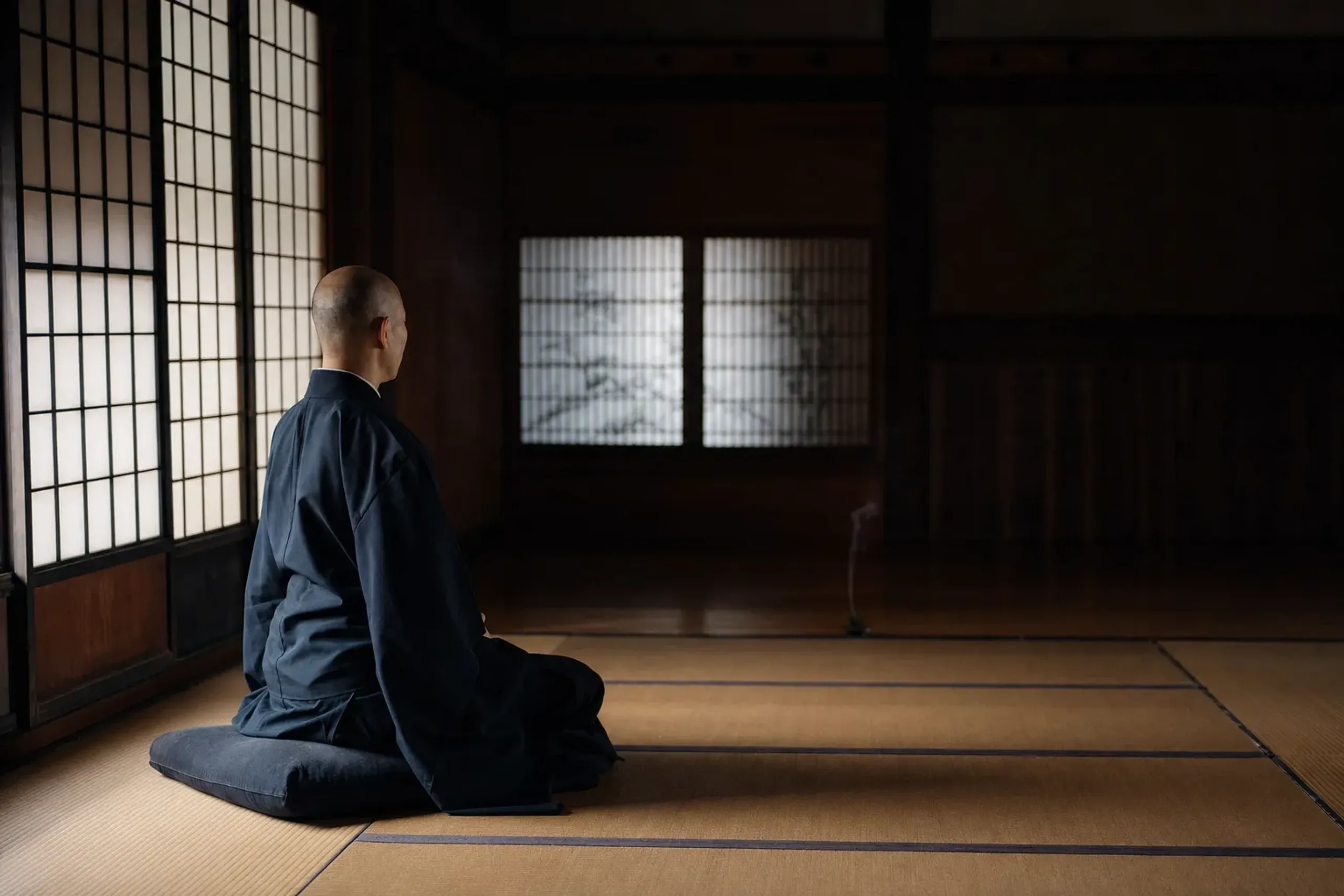
Kamakura has deep Zen history, often framed through the Kamakura Gozan (the “Five Great Zen Temples”): Kenchō-ji, Engaku-ji, Jufuku-ji, Jōmyō-ji, and Jōchi-ji. These are real, active temple sites, and the area still feels like a temple town rather than a theme.
There is also a practical benefit. Kamakura is reachable as a day trip from Tokyo, so you can place a serious cultural practice into a wider stay without turning your trip into a full retreat.
English-Friendly Options Exist, But Not Every Session Is Built For Visitors
Some temples publish information about zazen and practice formats, and some sessions are geared toward people who already know what to do, with guidance primarily in Japanese. That is normal.
There are also English-language programs on specific dates. For example, Tokozenji’s English page references an English-language zazen program associated with Kenchō-ji and includes a dated 2026 session reference (such as “Next Session: Sunday 12th of April 2026”). Dates change. The key point is that scheduled English sits exist.
If you want a first sit that is instructional rather than guesswork, the language and the session format are not minor details. They are the difference between participating and merely enduring.
How Do You Plan A “Temple Before Opening” Zazen Morning In Kamakura?
You plan it by aligning session timing, transportation, and arrival etiquette so you enter before general visitors, then leave the grounds without adding crowd pressure.
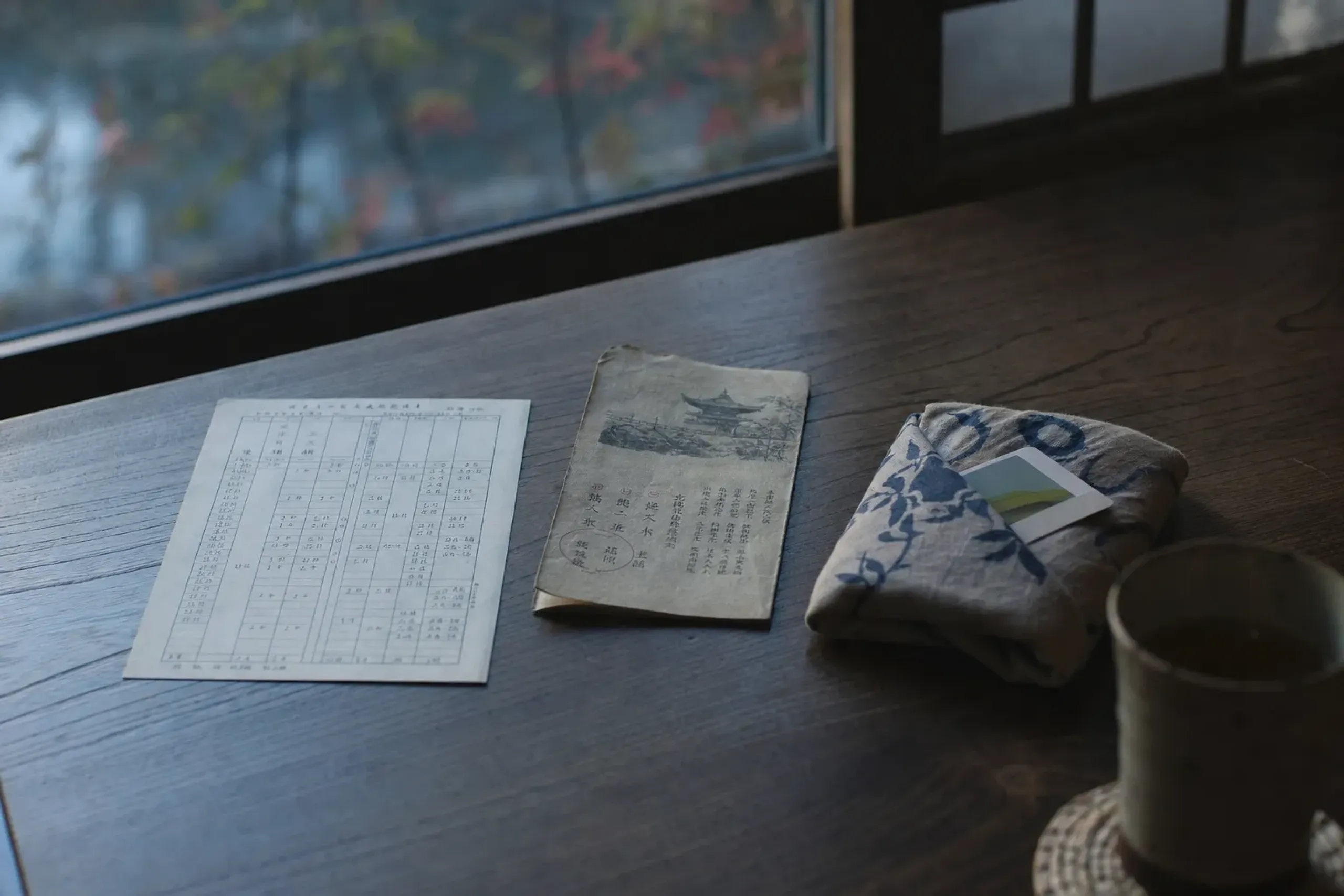
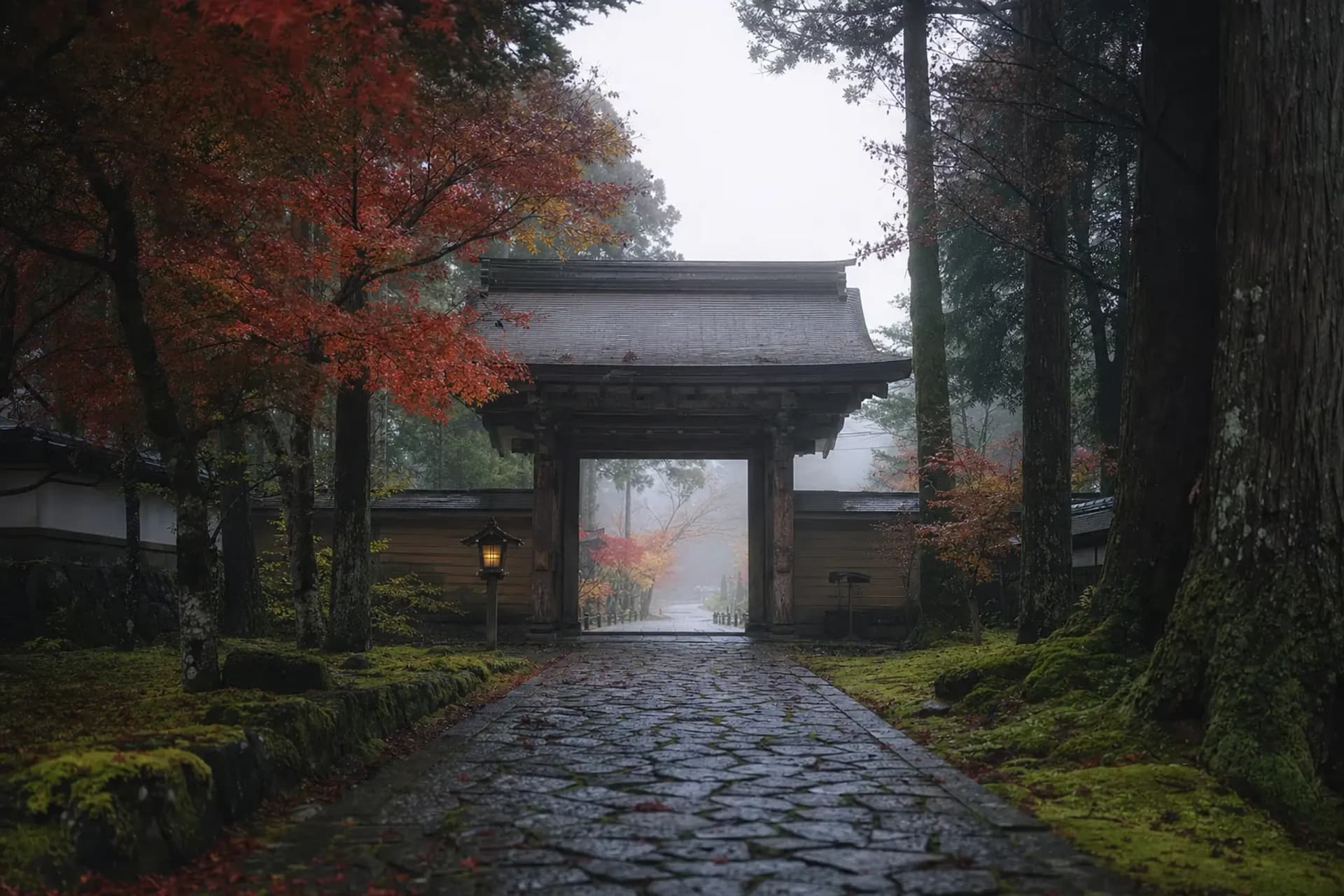
That “before opening” quiet is the hidden-Japan feeling many HNW travelers are actually chasing. Not secret addresses. Silence. Stone paths with no foot traffic. A few minutes where the space belongs to the people who keep it alive.
Some temples explicitly note early morning practice as part of their regular formats. Engaku-ji, for example, publishes zazen/Zen practice information in English and notes regular practice formats including early morning practice, while also indicating guidance is primarily in Japanese and that group tours should contact the temple administration office in advance.
Key fact: If you are joining a public practice format, assume guidance may be primarily in Japanese unless an English session is explicitly scheduled.
Transportation: Quiet Timing Is Easier With A Private Chauffeur
Early starts punish sloppy logistics. Trains can work, but they lock you into fixed transfers, station walks, and crowded carriages at the wrong moment.
A private chauffeured transfer lets you arrive in a calmer state and keep the morning intact. Doors open. Shoes stay clean. Conversation stays low. For many HNW guests, that is the difference between “a meditation morning” and “a morning that happened to include meditation.”
Private Tea After Zazen: Why It’s Part Of The Morning
Private tea after zazen gives you a soft landing: a quieter conversation, a chance to ask the questions you held back, and a way to leave the temple without snapping straight into sightseeing mode.
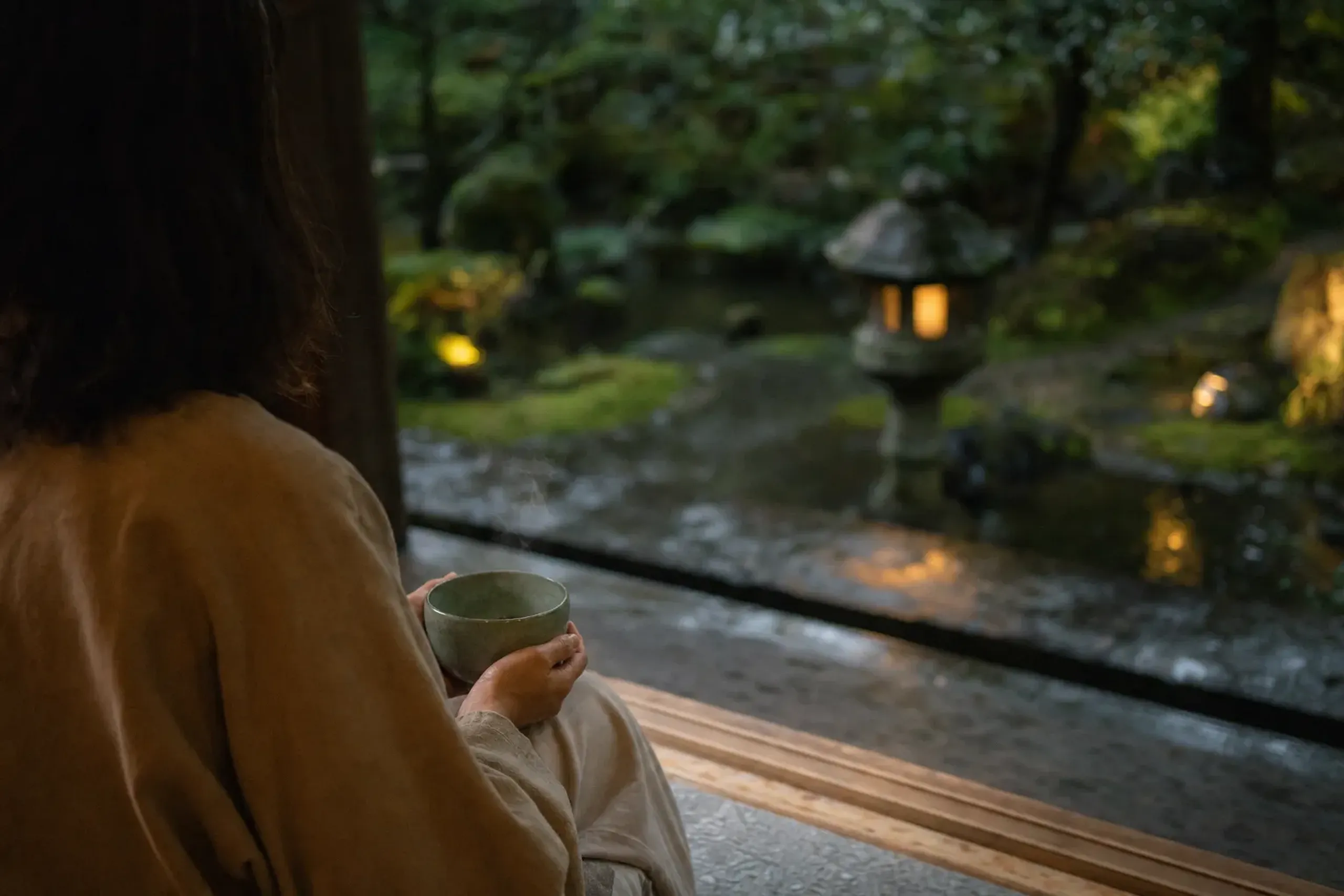
In Kamakura, tea experiences exist on temple grounds as well. For example, Kamakura Tea Experience describes an “authentic yet modern Japanese tea ceremony experience” on the grounds of Engaku-ji. That does not mean every zazen morning includes tea by default. It means tea in a temple setting is a real, verifiable option in this area.
The mood matters. You do not want a bright café right after sitting in silence. Tea keeps the tone intact, and it respects the wabi-sabi spirit of the morning: simple, restrained, and unforced.
What This Morning Is Not (Honest Expectations For HNW Travelers)
A guided zazen morning is not a wellness retreat, not a guaranteed spiritual breakthrough, and not a shortcut to calm. It is a structured practice session in a temple context.
Some guests feel steady afterward. Others feel irritated, stiff, or strangely alert. Both outcomes are normal. If you arrive expecting a cinematic transformation, you may miss what is actually valuable: a rare hour where your attention is not being sold.
It is also not a performance. You are not there to “do Japan” for a photo. Discretion belongs here too. Not as secrecy, but as good manners.
Who A Private, Guided Zazen Morning In Kamakura Suits Best
This morning suits curious first-timers who can tolerate initial discomfort, follow instruction, and value quiet timing more than collecting landmarks.
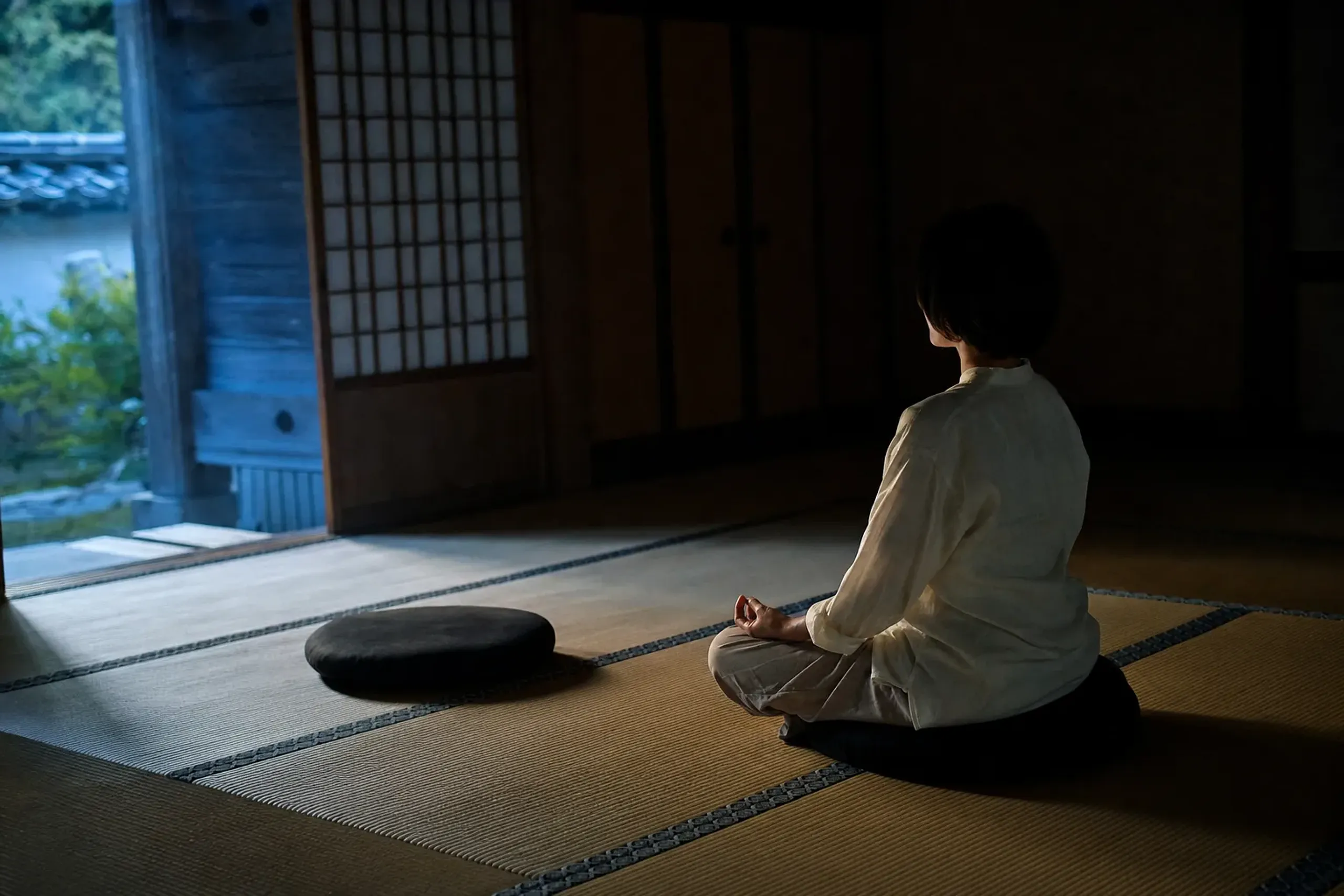
It is not ideal for travelers who want passive experiences back-to-back.
It works well for solo travelers and couples. Families can do it, but only if everyone agrees to the tone and the early hour. Otherwise the morning becomes a negotiation, and the practice becomes background noise.
If you are already practicing meditation at home, you may value the temple setting and the formal structure. If you have never sat at all, you may value the simple fact that someone explains what to do.
How Zazen In Kamakura Fits Into A Tokyo Stay Without Feeling Rushed
Kamakura is often treated as a quick day trip. That can flatten it. A zazen morning changes the rhythm because it anchors the day early, before the city fills.
After sitting and tea, many guests choose a low-key walk in the Kita-Kamakura area, then return to Tokyo before late-afternoon congestion. If you want a different style of sensory immersion on another day, our team has compared high-impact digital-art venues in teamLab Borderless vs Planets vs Nabana no Sato.
And if your cultural calendar includes performance, our guide to Kabuki-za single-act seats vs full program can help you choose an approach that matches your attention span, timing, and appetite for formality.
Frequently Asked Questions
Is Zazen In Kamakura Available In English In 2026?
Yes—English-language zazen sessions are scheduled on specific dates, while many regular practice formats are primarily in Japanese. Our concierge confirms the best-fit session format based on your comfort level.
Tokozenji’s English page references an English-language zazen program associated with Kenchō-ji with a dated 2026 session reference, which supports planning around real calendars rather than vague promises.
Can A Complete Beginner Join A Zazen Session In Kamakura?
Yes, beginners can join, but the experience depends on the session format and language support. A guided setting is usually more suitable than a Japanese-only public sit for a first attempt.
Lonely Planet’s Kenchō-ji listing, for example, describes beginner-friendly public zazen sessions (and separately notes that English sessions occur on specific dates with advance application). The point: “beginner-friendly” exists, but it’s not the same as “instructional in English.”
What Should I Wear For A Morning Zazen Session In A Kamakura Temple?
Wear modest, comfortable clothing you can sit in, and choose items that allow you to remove shoes easily. Avoid restrictive jeans, short skirts, and loud accessories.
Bring layers for cool mornings and consider socks you are comfortable wearing indoors. Comfort supports stillness. It’s that simple.
How Long Does A Private Zazen Morning Usually Take In Kamakura?
Most mornings follow a clear sequence—arrival, brief instruction, a defined sitting period, and tea afterward—so plan for a morning block rather than a quick stop.
Exact timing varies by temple schedule and the level of instruction, so our concierge confirms the run-of-morning details privately when we shape the plan around your day.
Is A Private Zazen Morning The Same As A Meditation Retreat?
No, a private zazen morning is a single, structured practice session, not a multi-day retreat with a promised emotional outcome. Expect instruction and stillness, not a spa-like reset.
Many guests leave feeling clear but physically tired, which is often more honest—and more useful—than chasing guaranteed serenity.
Why Choose Japan Royal Service
Our team at Japan Royal Service designs this morning with three priorities: discretion, quiet timing, and cultural accuracy. We do not turn zazen into a commodity, and we do not treat temples as backdrops. We prepare you to participate properly.
We also make the experience workable for a high-performing traveler who values precision. That means a calm arrival, clear instruction expectations, and a morning rhythm that respects the temple and your wider Tokyo schedule.
For clients who want this done as one coherent morning, Japan Royal Service arranges the zazen session, private tea afterward, and temple opening-time coordination as a single plan.
If you’d like a private, guided zazen morning in Kamakura placed into your Tokyo stay, reach our team privately via WhatsApp or LINE, or contact us here.