In this guide
- 01The Cultural Heritage Behind Hanami Dango
- 02Understanding the Tri-Color Symbolism
- 03The Craft of Making Hanami Dango
- 04Experiencing Hanami Dango During Cherry Blossom Season
- 05Hanami Dango in Contemporary Japanese Culture
- 06Nutritional Considerations and Dietary Adaptations
- 07Hanami Dango and the Philosophy of Seasonality
- 08Planning Your Hanami Dango Experience
- 09The Art of Photographing Hanami Dango
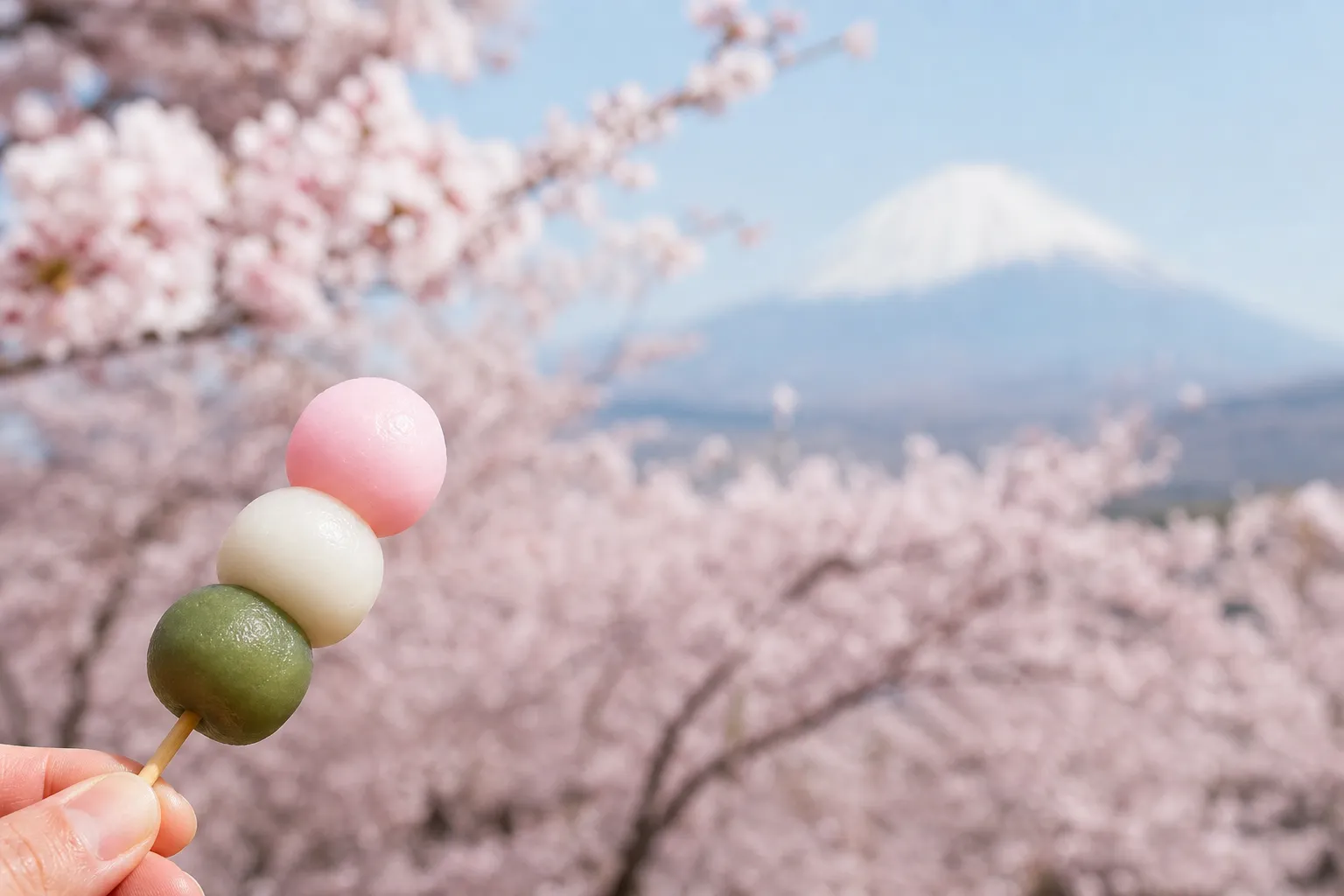
Hanami dango stands as one of Japan's most recognizable seasonal confections, a tri-colored sweet that captures the essence of spring's arrival and the beloved cherry blossom viewing tradition. These delicate rice dumplings skewered in sets of three have become synonymous with hanami, the centuries-old practice of gathering beneath blooming sakura trees. Beyond their visual appeal and gentle sweetness, these treats represent a deeper connection to Japanese culture, seasonal awareness, and the fleeting beauty that defines much of the nation's aesthetic philosophy. For discerning travelers seeking authentic cultural experiences, understanding hanami dango opens a window into Japan's refined culinary traditions and seasonal celebrations.
The Cultural Heritage Behind Hanami Dango
The tradition of hanami dango dates back centuries, intertwining with Japan's agricultural calendar and spiritual practices. These sweets emerged as offerings during spring festivals, when communities gathered to celebrate the planting season and honor the kami (spirits) believed to reside in blooming trees.
Historical Origins and Evolution
During the Edo period, hanami dango became firmly established as the quintessential sweet for cherry blossom viewing parties. Wealthy merchants and samurai families would commission elaborate hanami events, complete with specially prepared confections. The accessibility of rice flour and the relative simplicity of preparation allowed these treats to spread across social classes, becoming a unifying culinary tradition.
Key historical milestones include:
- Development during the Heian period involved ceremonial offerings
- Popularization in Edo-era teahouses near famous cherry blossom sites
- Standardization of the tri-color presentation in the 18th century
- Modern commercialization, while maintaining traditional preparation methods
The cultural symbolism of dango extends beyond simple confectionery, representing the Japanese concept of mono no aware-the awareness of impermanence and the bittersweet beauty of transient moments. This philosophy perfectly aligns with cherry blossom viewing, where the flowers bloom magnificently for only a few days before falling.
Regional Variations and Interpretations
While the classic tri-color presentation remains standard, regional varieties of dango across Japan showcase local interpretations. In Kyoto, some establishments use matcha powder from nearby Uji for a more vibrant green. Hokkaido variations occasionally incorporate local ingredients like purple sweet potato or seasonal herbs.
| Region | Distinctive Feature | Cultural Context |
|---|---|---|
| Tokyo | Standardized coloring | Commercial consistency |
| Kyoto | Premium matcha green | Tea ceremony influence |
| Osaka | Slightly larger size | Street food tradition |
| Hokkaido | Unique color variations | Local ingredient integration |
Understanding the Tri-Color Symbolism
The three colors of hanami dango carry profound seasonal and natural symbolism that resonates throughout Japanese culture. Each hue represents a specific element of spring's arrival, creating a complete narrative on a single skewer.
Color Meanings and Seasonal Representation
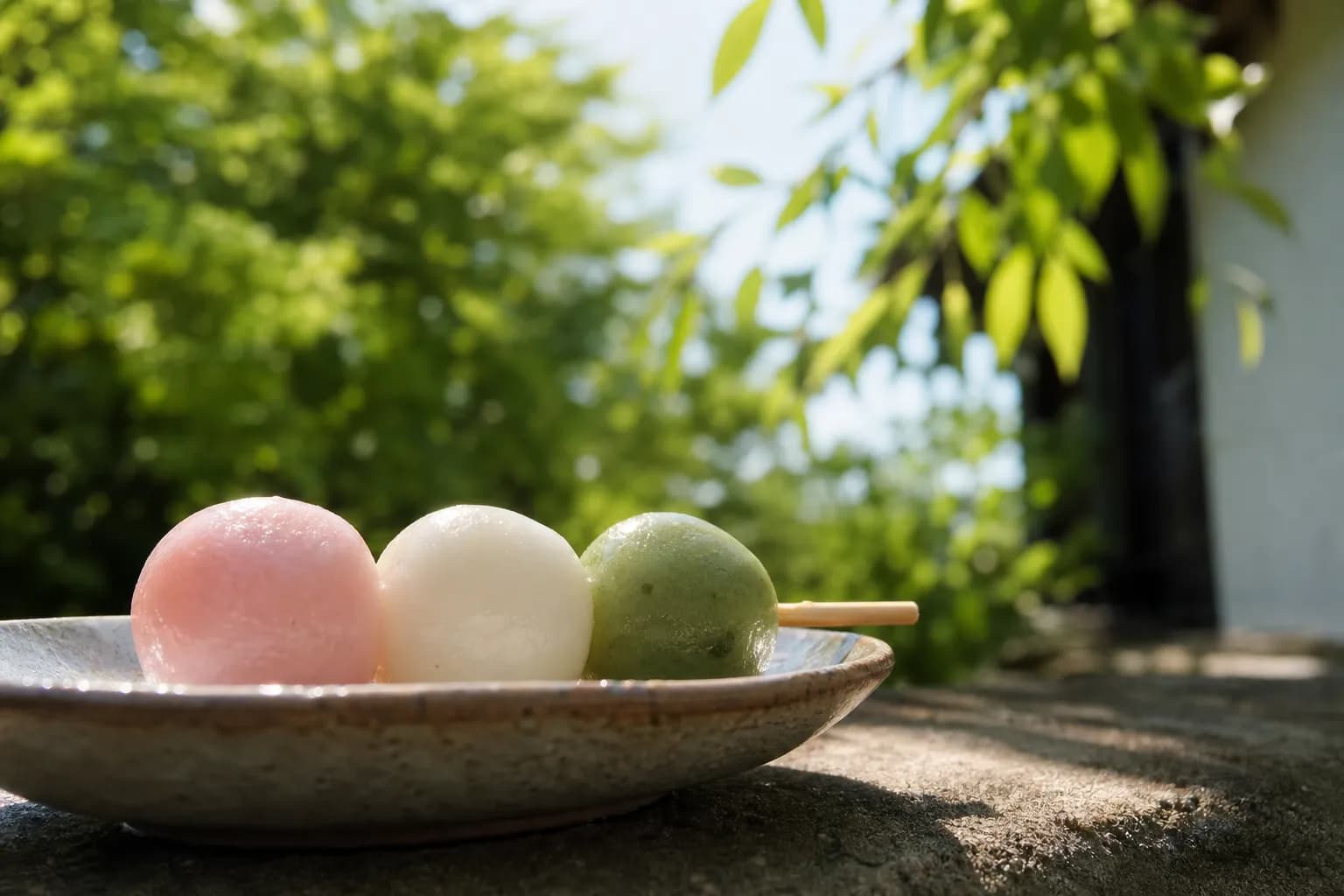
Pink dango symbolizes the cherry blossoms, embodying the ephemeral beauty and celebration of spring's peak. This color captures the moment when sakura trees transform landscapes across Japan into clouds of delicate blooms.
White dango symbolizes the lingering snow of winter and the purity of renewal. It represents the transition period when winter releases its grip, making way for warmer days. Some interpretations suggest it represents clouds or the white petals that fall like snow during peak bloom.
Green dango embodies the fresh grass and new growth emerging as temperatures rise. This color celebrates the earth's awakening and the vibrant energy of spring vegetation pushing through the soil.
The hanami dango representation in modern digital culture has even inspired an emoji (🍡), demonstrating how this traditional sweet has transcended culinary boundaries to become a cultural icon recognized globally.
Texture and Flavor Profiles
Unlike Western confections that emphasize intense sweetness, hanami dango showcases subtle flavors and a distinctive texture. The dumplings are crafted from rice flour (either joshinko or mochiko), resulting in a satisfying chewiness known as "mochi-mochi" in Japanese.
Flavor characteristics:
- Pink dango: Often infused with sakura extract or food coloring, sometimes featuring subtle floral notes
- White dango: Plain rice flavor, allowing the natural sweetness of rice to shine
- Green dango: Typically flavored with yomogi (Japanese mugwort) or matcha, adding earthy complexity
The texture strikes a balance between firm and yielding, requiring proper chewing to appreciate fully. This textural quality encourages mindful eating, aligning with Japanese culinary philosophy that emphasizes savoring each bite.
The Craft of Making Hanami Dango
Traditional hanami dango preparation involves precise techniques passed down through generations of wagashi (Japanese confectionery) artisans. While modern commercial production has streamlined the process, authentic methods remain valued for their superior texture and flavor.
Traditional Preparation Methods
Master confectioners begin with carefully selected rice flour, understanding that grain quality directly impacts the final product's texture. The flour is mixed with water and sometimes sugar to create a smooth dough, then divided and colored using natural or food-grade colorants.
Essential preparation steps:
- Mixing rice flour with precise water ratios for ideal consistency
- Kneading dough to develop proper elasticity
- Dividing and coloring portions using traditional methods
- Shaping individual dumplings to a uniform size
- Steaming or boiling until perfectly cooked
- Skewering three dumplings in the conventional order
Those interested in making hanami dango at home can follow detailed recipes that simplify the process while maintaining authenticity. The key lies in achieving the proper mochi-mochi texture, which requires attention to cooking time and temperature.
Modern Commercial Production
Contemporary confectioneries utilize temperature-controlled equipment and standardized ingredients to ensure consistency. However, premium establishments, particularly in Kyoto and Tokyo, continue to employ traditional methods to attract discerning customers who appreciate artisanal quality.
| Production Method | Texture Quality | Flavor Depth | Shelf Life | Price Point |
|---|---|---|---|---|
| Traditional handmade | Excellent | Complex | 1-2 days | Premium |
| Small-batch artisan | Very good | Nuanced | 2-3 days | High |
| Commercial machine-made | Good | Standard | 5-7 days | Moderate |
| Mass-produced | Acceptable | Basic | 7-14 days | Budget |
Experiencing Hanami Dango During Cherry Blossom Season
The optimal time to experience hanami dango coincides with cherry blossom season, which varies across Japan's regions. In southern Kyushu, sakura blooms as early as late March, while northern Hokkaido sees blossoms in early May. This regional variation allows for an extended appreciation season.
Traditional Serving and Consumption
Hanami dango is traditionally served at room temperature, allowing the rice flour's natural sweetness to fully express itself. The sweets are often paired with green tea, creating a balanced contrast between the dumplings' mild sweetness and the tea's astringency.
Proper serving etiquette includes:
- Presenting dango on simple ceramic or wooden plates
- Offering chopsticks or allowing direct consumption from the skewer
- Pairing with appropriate tea varieties (sencha, hojicha, or genmaicha)
- Consuming within the same day for optimal freshness
During flower festivals throughout Japan, vendors set up stalls near prime viewing locations, offering fresh hanami dango to crowds gathered beneath blooming trees. This creates an immersive experience combining visual beauty, culinary tradition, and communal celebration.
Where to Find Premium Hanami Dango
Discerning travelers seeking exceptional hanami dango should explore traditional wagashi shops in historic districts. Kyoto's Gion and Arashiyama neighborhoods house generations-old confectioneries that maintain artisanal standards. Tokyo's Asakusa district offers similar establishments near Senso-ji Temple.
Notable locations for premium hanami dango:
- Historic wagashi shops in Kyoto's preserved districts
- Temple precinct vendors during sakura season
- Department store basement food halls (depachika) featuring renowned brands
- Specialized confectioneries near famous hanami spots
- Exclusive venues accessible through guided cultural tours
Luxury travelers can arrange private wagashi-making experiences with master confectioners, gaining insight into techniques refined over centuries. These hands-on sessions provide a deeper appreciation for the skill required to create seemingly simple sweets.
Hanami Dango in Contemporary Japanese Culture
While rooted in tradition, hanami dango continues evolving with contemporary tastes and global influences. Modern interpretations include fusion flavors, innovative presentations, and integration with Western dessert concepts.
Modern Variations and Innovations
Progressive confectioners experiment with alternative colors, incorporating ingredients such as butterfly pea flowers (blue), purple sweet potato, or black sesame. These variations respect traditional form while introducing new flavor dimensions appealing to younger generations and international visitors.
Some establishments offer seasonal limited editions featuring:
- Sakura-infused white chocolate coatings
- Matcha cream fillings
- Yuzu citrus flavoring
- Premium kinako (roasted soybean powder) toppings
- Organic, preservative-free formulations
Integration with Luxury Travel Experiences
For travelers seeking authentic cultural immersion, Japan's culinary delights extend far beyond restaurant dining. Seasonal sweets like hanami dango offer portable, accessible entry points into Japanese aesthetic philosophy and seasonal awareness.
Luxury travel integration opportunities:
- Private cherry blossom viewing picnics with artisanal dango
- Wagashi workshop sessions with renowned confectioners
- Seasonal kaiseki meals incorporating hanami dango as dessert
- Exclusive access to historic teahouses during sakura season
- Curated food tours highlighting regional dango variations
Understanding the historical and cultural context of hanami enhances appreciation for these seasonal traditions, transforming simple sweets into meaningful cultural encounters.
Nutritional Considerations and Dietary Adaptations
Hanami dango is a relatively wholesome confection compared to Western desserts, primarily made with rice flour, water, and minimal sugar. However, those with specific dietary requirements should understand the composition and available adaptations.
Nutritional Profile
A typical serving of three dumplings contains approximately 150-200 calories, primarily from carbohydrates. The rice flour base provides easily digestible starches, while natural colorants contribute negligible calories. Sugar content remains moderate compared to Western confections, aligning with Japanese preferences for subtle sweetness.
| Nutrient | Per Serving (3 pieces) | Percentage of Daily Value |
|---|---|---|
| Calories | 150-200 kcal | 7-10% |
| Carbohydrates | 35-42g | 12-14% |
| Protein | 2-3g | 4-6% |
| Fat | 0-1g | 0-1% |
| Sodium | 10-30mg | 1-2% |
Dietary Adaptations and Allergen Information
Traditional hanami dango is naturally gluten-free when made with pure rice flour, making it suitable for those avoiding wheat. However, cross-contamination may occur in facilities processing multiple flour types, so those with celiac disease should verify production methods.
Common allergen considerations:
- Naturally dairy-free and egg-free
- Vegan-friendly when using plant-based colorants
- Gluten-free with pure rice flour (verify processing)
- Low in common allergens compared to Western sweets
- May contain traces if produced in shared facilities
Those following strict dietary regimens can find specialty producers offering certified gluten-free, organic, or allergen-controlled versions. These premium options often cost more but ensure complete nutritional compliance.
Hanami Dango and the Philosophy of Seasonality
The deeper significance of hanami dango lies in its embodiment of shun, the Japanese concept of celebrating foods at their seasonal peak. This philosophy extends beyond mere freshness, encompassing the cultural practice of aligning consumption with nature's rhythms.
Seasonal Awareness in Japanese Culture
The world of Japanese dango reflects broader cultural values emphasizing impermanence, natural cycles, and mindful appreciation. Hanami dango appears exclusively during cherry blossom season, creating anticipation and making each encounter special through its limited availability.
This seasonal restriction contrasts sharply with Western food culture's emphasis on year-round availability. By consuming hanami dango only during sakura season, participants engage with centuries-old traditions honoring nature's timing.
Seasonal eating philosophy benefits:
- Enhanced appreciation through scarcity and timing
- Connection to agricultural and natural cycles
- Anticipation is building between seasonal occurrences
- Preservation of traditional production methods
- Support for artisanal confectioners maintaining heritage techniques
Comparing Dango Varieties
While hanami dango is prominent in spring, various dango types exist throughout Japan, each associated with specific seasons, festivals, or regions. Understanding these variations provides context for hanami dango's special status.
Notable dango varieties and their seasons:
- Mitarashi dango: Grilled with sweet soy glaze, year-round availability
- Tsukimi dango: White rounds for autumn moon viewing
- Bocchan dango: Tri-colored with different flavors, a Matsuyama specialty
- Anko dango: Red bean paste coating, multiple seasonal variations
- Hanami dango: Tri-colored for spring cherry blossom viewing
Each variety carries unique cultural associations, but hanami dango's visual symbolism and seasonal specificity create particularly strong connections with Japanese aesthetic values.
Planning Your Hanami Dango Experience
For travelers planning visits during cherry blossom season, incorporating hanami dango into itineraries enhances cultural immersion. Strategic planning ensures optimal experiences, from selecting viewing locations to timing visits with regional bloom forecasts.
Optimal Timing and Regional Considerations
Cherry blossom forecasts (sakura zensen) begin circulating in January, providing increasingly accurate predictions as spring approaches. These forecasts allow travelers to plan visits during peak bloom periods, when hanami dango consumption is at its highest.
Regional bloom timing (2026 projections):
- Kyushu (Fukuoka): Late March to early April
- Kansai (Kyoto, Osaka): Early to mid-April
- Kanto (Tokyo): Late March to early April
- Tohoku: Mid to late April
- Hokkaido: Late April to early May
Travelers can experience multiple regions by following the "sakura front" northward, sampling regional hanami dango variations while enjoying extended cherry blossom viewing opportunities. This approach maximizes seasonal experiences while demonstrating the cultural diversity across Japan's prefectures.
Creating Memorable Hanami Experiences
The most meaningful hanami dango experiences combine multiple sensory and cultural elements. Rather than simply purchasing sweets from convenience stores, discerning travelers benefit from curated experiences connecting traditional confectionery with authentic cultural settings.
Elements of premium hanami experiences:
- Private hanami parties in secluded temple gardens
- Artisanal dango from multigenerational confectioners
- Traditional ceramic serving ware and presentation
- Premium tea pairings from renowned producers
- Expert cultural interpretation explaining symbolism and history
- Photography opportunities capturing aesthetic arrangements
Bespoke travel experiences can seamlessly incorporate these elements, removing logistical challenges while ensuring authentic, high-quality encounters with Japanese culinary and cultural traditions.
The Art of Photographing Hanami Dango
In today's visually driven culture, photographing hanami dango has become integral to the hanami experience itself. Understanding composition principles and cultural context creates images that capture both aesthetic beauty and deeper significance.
Photography Techniques and Styling
Professional food photographers emphasize simplicity when capturing hanami dango, allowing the tri-colored composition to serve as the focal point. Natural lighting, minimal props, and traditional serving ware create authentic representations respecting cultural context.
Effective photography approaches:
- Natural diffused light highlights color vibrancy
- Traditional wooden or ceramic plates complement the rustic aesthetic
- Cherry blossom branches provide a seasonal context
- Negative space emphasizes minimalist Japanese design principles
- Close-up details showing texture and craftsmanship
The detailed insights into hanami dango include not only recipes but also presentation suggestions that honor traditional serving methods while appealing to modern aesthetic sensibilities.
Cultural Sensitivity in Documentation
When photographing hanami dango during cultural experiences, maintaining respectful behavior ensures positive interactions and authentic access. Some traditional establishments prefer discretion, while others welcome documentation that promotes their craft.
Photography etiquette considerations:
- Request permission before photographing in traditional shops
- Avoid flash photography that disrupts other patrons
- Prioritize participation over documentation
- Share images respectfully, crediting artisans when possible
- Balance social media goals with present-moment awareness
Premium travel services navigate these cultural nuances, facilitating photography opportunities while maintaining appropriate decorum and respect for traditional practices.
Hanami dango represents far more than a seasonal sweet-it embodies Japanese cultural values of seasonal awareness, aesthetic refinement, and mindful appreciation. Understanding these layers transforms simple confectionery into meaningful cultural encounters that resonate long after cherry blossoms fade. For travelers seeking authentic immersion in Japan's culinary traditions and seasonal celebrations, Japan Royal Service curates bespoke experiences that connect you with artisanal confectioners, exclusive hanami-viewing locations, and the deeper cultural context that makes these traditions so profound. Our personalized approach ensures you experience hanami dango not merely as tourists, but as welcomed participants in centuries-old traditions celebrating spring's fleeting beauty.