
LINE ID japanroyalservice
+817013781777 click here
+817013781777 click here
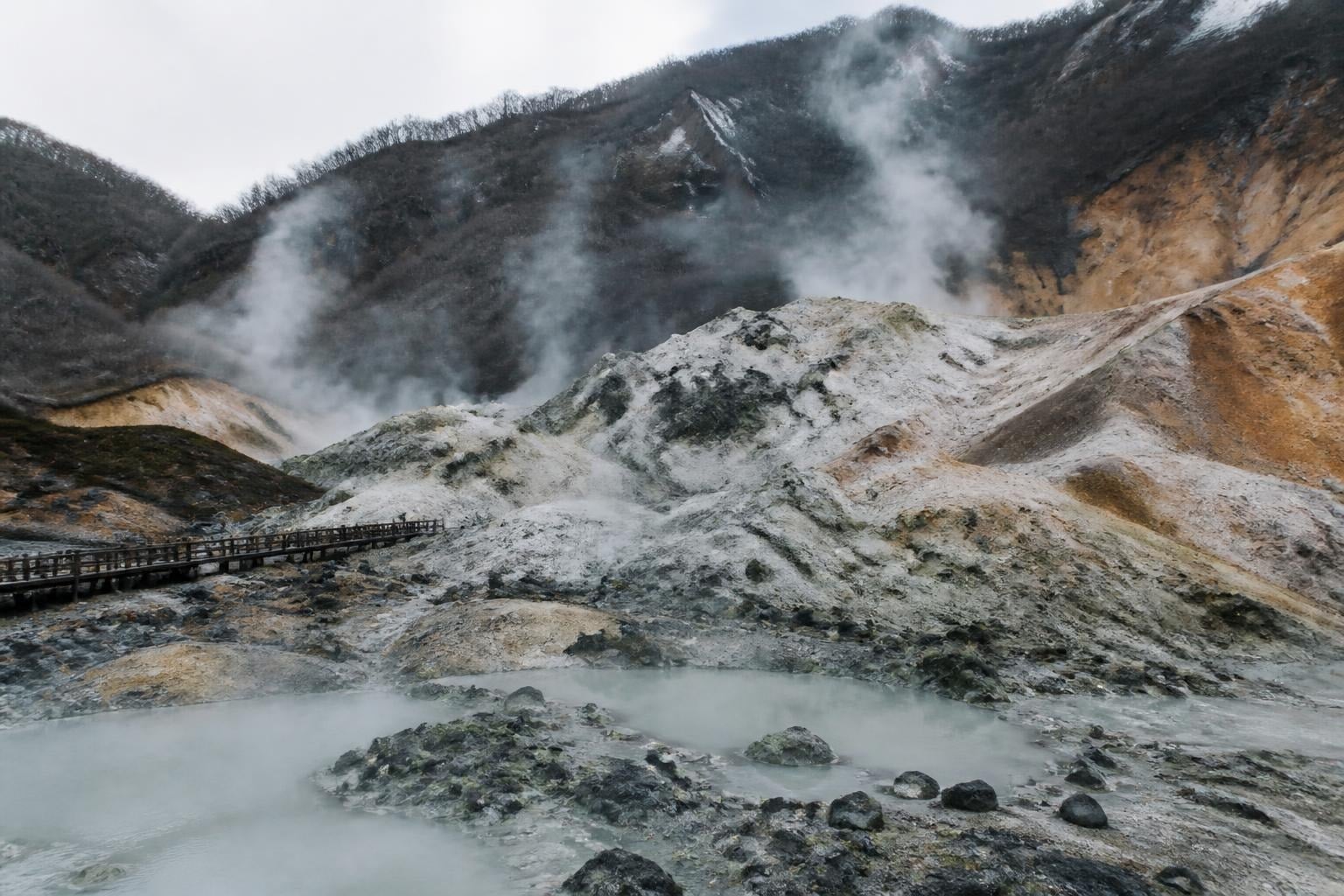
Nestled in the southwestern reaches of Hokkaido, Noboribetsu Onsen stands as Japan’s most celebrated hot spring destination, drawing discerning travelers who seek authentic wellness experiences and cultural immersion. This volcanic wonderland produces more than 10,000 liters of thermal water per minute, creating a unique ecosystem of therapeutic bathing opportunities that have attracted visitors for over 150 years. The combination of dramatic volcanic landscapes, exceptional water quality, and refined hospitality makes this destination an essential component of any luxury Japan itinerary.
The extraordinary character of Noboribetsu Onsen derives from its position within an active volcanic zone, where geothermal forces create what is widely considered Japan’s most diverse collection of hot spring waters. The area sits on the slopes of Mount Kuttara, an extinct volcano whose caldera now holds Lake Kuttara. At the same time, nearby Mount Shihorei continues to demonstrate volcanic activity through the famous Jigokudani valley.
This geological foundation produces an exceptional variety of mineral compositions, with Noboribetsu offering nine distinct types of hot spring waters, each possessing unique therapeutic properties. The diversity found here is unmatched anywhere else in Japan, allowing visitors to experience multiple onsen types within a single destination.

The mineral composition of each spring type determines its color, temperature, and therapeutic applications. Sulfur springs, recognized by their distinctive aroma and milky white appearance, are particularly effective for skin conditions and joint pain. Iron springs present a reddish-brown hue and benefit those with anemia or chronic digestive issues.
The complete spectrum includes:
The volcanic activity that creates these diverse healing waters continues to shape the landscape, making Noboribetsu a living geological laboratory where nature’s therapeutic powers are constantly on display.
Jigokudani, literally translated as Hell Valley, serves as both the source of Noboribetsu’s thermal waters and its most iconic natural attraction. This volcanic crater valley spans approximately eleven hectares, emitting sulfurous steam from countless fumaroles that create an otherworldly atmosphere throughout the day and night.
Walking along the designated trails through Jigokudani reveals the raw power underlying this resort area. Visitors encounter boiling pools, steam vents, and mineral deposits in vivid yellows and greens created by sulfur and other volcanic elements. The temperature within the valley can reach 130 degrees Celsius in certain areas, creating a dramatic contrast with Hokkaido’s typically cool climate.
Each season transforms Jigokudani’s appearance while maintaining its essential character. Winter blankets the valley in snow, creating spectacular contrasts between white powder and rising steam columns. Spring brings renewed vegetation to the surrounding areas, while summer offers the most accessible hiking conditions. Autumn paints the nearby forests in brilliant reds and golds, framing the gray volcanic landscape.
The valley remains accessible year-round through well-maintained walkways, though winter visitors should prepare for icy conditions. Evening visits present a particularly atmospheric experience, as strategically placed lighting illuminates the steam clouds rising from the earth.
The concentration of premium ryokan and resort hotels in Noboribetsu reflects the area’s status as Hokkaido’s premier hot spring destination. These establishments range from traditional Japanese inns that maintain centuries-old hospitality customs to modern spa resorts that incorporate contemporary wellness philosophies.
Key considerations when choosing accommodations include:
Many distinguished properties feature multiple bath facilities, allowing guests to experience different spring types without leaving their accommodation. The Karurusu Onsen water source at select inns provides particularly powerful mineral concentrations valued for therapeutic bathing.
| Ryokan Category | Typical Features | Ideal For |
|---|---|---|
| Traditional Luxury | Historic architecture, kaiseki excellence, cultural immersion | Cultural enthusiasts, couples |
| Modern Resort | Contemporary design, extensive facilities, multiple dining options | Families, first-time visitors |
| Boutique Properties | Intimate settings, personalized service, exclusive experiences | Discerning travelers, special occasions |

Understanding proper onsen protocol enhances both personal experience and cultural appreciation. Japanese bathing traditions follow specific customs designed to maintain water purity and respect shared spaces. These practices have evolved over centuries to create optimal conditions for relaxation and therapeutic benefit.
Before entering any bath, thorough cleansing at the washing stations is mandatory. Guests sit on low stools and use the provided soap, shampoo, and handheld showers to clean themselves thoroughly. This preliminary washing serves hygienic purposes and signals the transition from the external world into the contemplative space of the bath.
Effective onsen therapy involves more than simple immersion. Traditional practice recommends limiting initial bathing sessions to ten or fifteen minutes, allowing the body to acclimate to mineral concentrations and elevated temperatures. Between soaks, cooling periods permit the cardiovascular system to normalize while absorbed minerals continue their therapeutic work.
Optimal bathing sequence:
Tattoos require special consideration, as many traditional establishments maintain historical prohibitions. However, numerous properties now welcome tattooed guests or offer private bathing facilities. Advance inquiry ensures appropriate accommodation selection for travelers with body art.
While therapeutic bathing forms the cornerstone of any Noboribetsu visit, the surrounding region offers compelling attractions that complement the onsen experience. The landscape offers a range of volcanic formations, pristine forests, and mountain lakes, creating opportunities for hiking, wildlife observation, and seasonal activities.
Lake Kuttara, formed within an ancient volcanic caldera, ranks among Japan’s clearest bodies of water. The lake’s exceptional transparency results from its minimal organic content and volcanic filtration, creating remarkable visibility and a stunning blue color. Summer visitors enjoy hiking trails around the perimeter, while winter transforms the area into a serene snow-covered landscape.
The broader Noboribetsu area encompasses multiple distinct neighborhoods, each with its own unique character and attractions. The coastal Noboribetsu Port area contrasts sharply with the mountainous onsen district, while the Karurusu region provides quieter hot spring experiences away from the main tourist concentrations.
Spring cherry blossoms arrive later in Hokkaido than in southern Japan, creating opportunities for visitors who missed the mainland sakura season. Summer festivals celebrate local culture with traditional performances and fireworks displays over the steaming valley. Autumn foliage reaches peak intensity during October, while winter brings world-class powder snow to nearby ski resorts.
The Noboribetsu Yukigassen Winter Festival showcases competitive snowball fighting alongside ice sculpture displays and local cuisine celebrations. These community events provide authentic cultural engagement beyond the typical tourist experience, revealing the living traditions that continue to shape local life.
The culinary landscape surrounding Noboribetsu Onsen reflects Hokkaido’s reputation as Japan’s premier food region. Local kaiseki menus feature ingredients unavailable elsewhere, from sweet Hokkaido corn and Yubari melons to fresh seafood harvested from nearby Pacific waters. Winter brings king crab, sea urchin, and salmon roe at peak quality.
Traditional ryokan dining follows seasonal rhythms, with menus changing monthly to showcase ingredients at optimal freshness. Presentation emphasizes natural beauty through careful arrangement and ceramic ware selection. Each course tells a story about the season, the region, and the chef’s interpretation of culinary tradition.

Signature Hokkaido ingredients featured in premium kaiseki:
Day spa visitors can enjoy local cuisine at restaurants throughout the onsen district, though the most refined dining takes place in ryokan settings. Many properties offer day-use plans that combine bath access with kaiseki lunch, providing a comprehensive sampling of Noboribetsu’s signature offerings without an overnight commitment.
Strategic timing maximizes the Noboribetsu experience while avoiding peak congestion periods. The resort welcomes visitors year-round, with each season presenting distinct advantages. Summer offers the most comfortable conditions for outdoor exploration, while winter provides dramatic visual contrasts and access to nearby ski facilities.
Access from Sapporo requires approximately ninety minutes by limited express train to Noboribetsu Station, followed by a fifteen-minute bus ride to the onsen district. New Chitose Airport serves as the primary gateway for international visitors, located roughly one hour from Noboribetsu. Private transportation eliminates transfer hassles while enabling exploration of surrounding attractions at an individual’s pace.
A minimum two-night stay is required to appreciate Noboribetsu’s therapeutic and cultural offerings fully. This duration allows multiple bathing sessions across different spring types, reducing travel stress and enabling participation in evening and morning rituals unique to ryokan culture. Extended stays of three or four nights support deeper relaxation and more thorough exploration of surrounding natural areas.
| Season | Temperature Range | Key Advantages | Considerations |
|---|---|---|---|
| Spring (April-June) | 5-18°C | Cherry blossoms, emerging greenery, and fewer crowds | Variable weather, some facilities under maintenance |
| Summer (July-September) | 15-25°C | Hiking conditions, festivals, and extended daylight | Peak season pricing, higher occupancy |
| Autumn (October-November) | 0-15°C | Foliage colors, comfortable bathing temperatures | Shorter days, booking essential |
| Winter (December-March) | -10-5°C | Snow landscapes, dramatic steam displays | Cold outdoor conditions, limited trail access |
Integration with broader Hokkaido itineraries positions Noboribetsu as either a relaxing conclusion to active touring or a restorative mid-journey pause. The location works particularly well with Sapporo urban exploration, Lake Toya’s scenic beauty, and winter sports destinations like Niseko or Rusutsu.
Contemporary Noboribetsu Onsen balances preservation of bathing traditions with accommodation of international visitor expectations and modern wellness philosophies. Leading properties invest in facilities that maintain authentic Japanese character while incorporating universal accessibility and comfort standards. This evolution ensures relevance for new generations while respecting the essential nature of onsen culture.
Recent developments include the expansion of private baths, allowing couples and families to enjoy therapeutic waters in intimate settings. These reservable spaces maintain traditional aesthetics while providing flexibility for visitors unfamiliar with communal bathing customs or those with tattoos. The trend toward inclusivity broadens access without compromising the core cultural experience.
The documented health benefits of Noboribetsu’s mineral-rich waters are attracting increasing interest from the medical tourism sector. Specific spring types demonstrate measurable effects on chronic conditions, including arthritis, skin disorders, and circulatory problems. Progressive establishments partner with medical professionals to create structured therapeutic bathing programs combining traditional onsen therapy with contemporary wellness monitoring.
This medical dimension adds substance to the luxury experience, transforming recreational bathing into an intentional practice of health optimization. Multi-day programs incorporate nutritional counseling, exercise protocols, and stress management techniques, along with strategic water therapy, appealing to wellness-focused travelers seeking measurable results from their journeys.
As visitor numbers grow, Noboribetsu faces challenges common to popular hot spring destinations: balancing economic benefits against environmental protection and cultural preservation. Local authorities implement measures to protect water sources, limit development in sensitive areas, and maintain the authentic character that distinguishes Noboribetsu from generic resort destinations.
Community initiatives educate visitors about proper onsen etiquette, the geological fragility of the area, and the cultural significance of bathing traditions. These programs enhance visitor experiences while fostering respect for local customs and natural resources. Thoughtful tourism development ensures that future generations can access the same therapeutic and cultural benefits available today.
Responsible travel practices at Noboribetsu include:
The most distinguished properties demonstrate environmental stewardship through water-conservation systems, waste-reduction programs, and sourcing from regional suppliers. These practices align with the values of conscious luxury travelers who seek experiences that benefit rather than burden destination communities.
Noboribetsu Onsen represents the pinnacle of Japanese hot spring culture, combining geological wonder, therapeutic excellence, and refined hospitality in Hokkaido’s dramatic landscape. The diversity of spring types, the quality of accommodations, and the depth of cultural experiences make this an essential destination for travelers seeking authentic wellness and cultural immersion. Japan Royal Service crafts bespoke Noboribetsu experiences that seamlessly integrate this extraordinary hot spring resort into comprehensive Japan itineraries, ensuring privileged access to the finest ryokan, personalized cultural programming, and luxury transportation that transforms every journey into an unforgettable exploration of Japanese tradition and natural beauty.