
LINE ID japanroyalservice
+817013781777 click here
+817013781777 click here
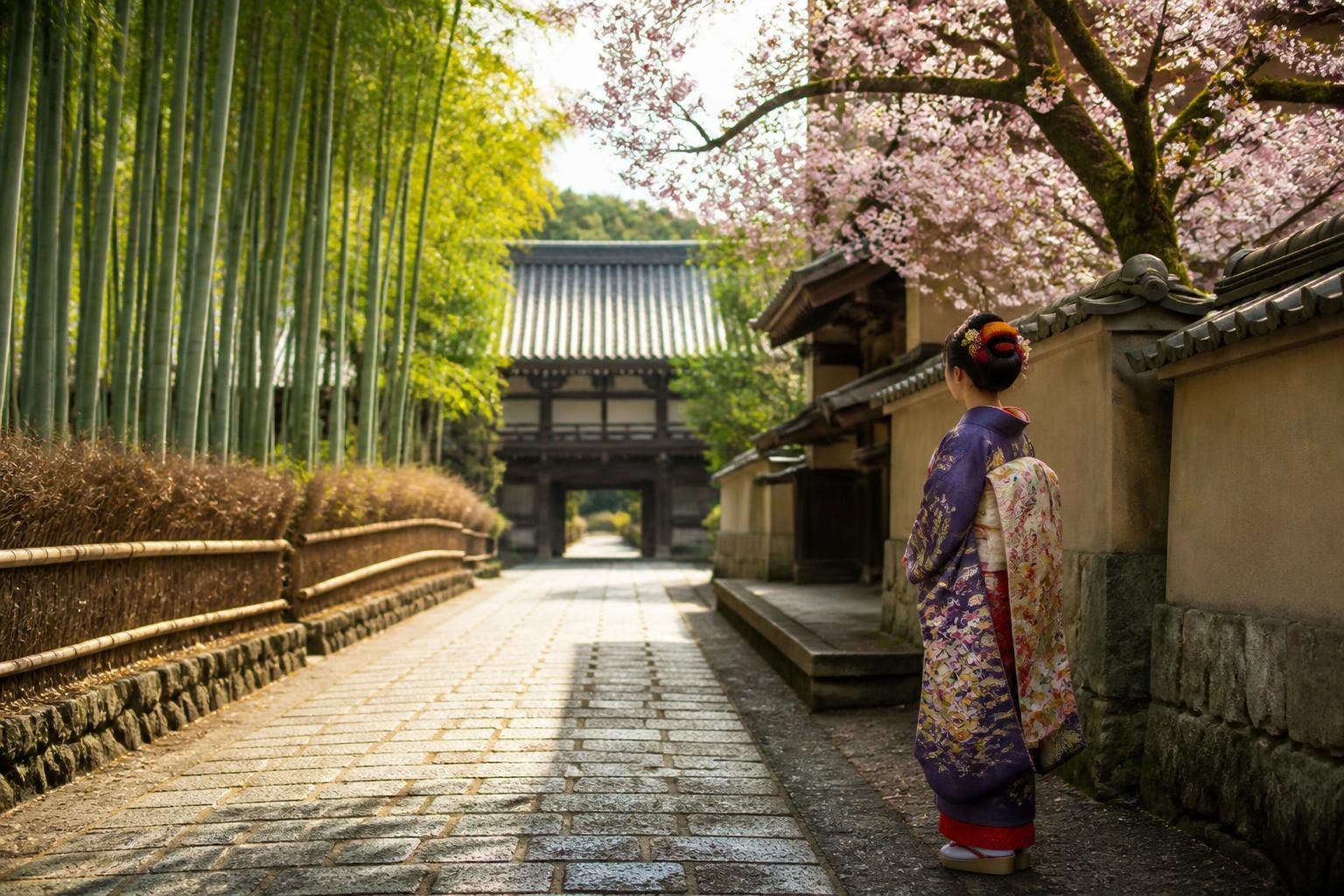
Kyoto stands as Japan’s cultural heart, where centuries-old traditions blend seamlessly with refined modern luxury. For discerning travelers seeking authentic Japanese experiences, this ancient capital offers an unparalleled journey through time, showcasing meticulously preserved temples, exquisite gardens, and cultural heritage that has shaped the nation’s identity. Understanding which destinations deserve your attention transforms a standard visit into an extraordinary exploration of Japan’s most treasured city.
The spiritual landscape of Kyoto encompasses thousands of temples and shrines, yet certain destinations stand out as essential experiences. Kinkaku-ji, the Golden Pavilion, is perhaps the most iconic Kyoto must-visit attraction; its shimmering gold-leaf exterior, reflected in the tranquil pond below, creates a scene of breathtaking beauty regardless of the season. The pavilion’s architectural mastery and philosophical significance make it indispensable for first-time visitors.
Kyoto’s 17 UNESCO World Heritage Sites represent the pinnacle of historical and architectural achievement. Kiyomizu-dera commands attention with its dramatic wooden stage jutting from the hillside, offering panoramic views across the city while maintaining its original construction techniques from 778 CE. The temple’s pure water springs, from which it derives its name, have attracted pilgrims for over a millennium.
Fushimi Inari Taisha transforms the conventional temple visit into an otherworldly journey through thousands of vermilion torii gates winding up Mount Inari. This Kyoto must-visit shrine offers:

The serene beauty of Ryoan-ji presents a completely different temple experience. Its famous rock garden, considered the finest example of karesansui (dry landscape) design, invites contemplation and meditation. The arrangement of 15 rocks across white gravel has inspired philosophical debate for centuries, with observers noting that only 14 rocks appear visible from any single vantage point.
The Gion district remains Kyoto’s most celebrated geisha quarter, where traditional wooden machiya houses line narrow cobblestone streets. Evening strolls along Hanami-koji Street offer possible glimpses of geiko and maiko (geisha and apprentice geisha) gliding toward appointments at exclusive ochaya (tea houses). This atmospheric neighborhood represents living heritage rather than mere historical reconstruction.
The Higashiyama district extends this traditional ambiance across a larger area, creating an immersive journey through old Kyoto. Walking from Kiyomizu-dera down through Ninenzaka and Sannenzaka, the slopes pass preserved merchant houses, artisan workshops, and refined cafes occupying centuries-old structures. The comprehensive one-day itinerary covering these areas demonstrates their accessibility for travelers with limited time.
| Historic District | Key Features | Best Visiting Time | Average Duration |
|---|---|---|---|
| Gion | Geisha culture, traditional architecture | Evening (6-9 PM) | 2-3 hours |
| Higashiyama | Temple walks, preserved streets | Morning (8-11 AM) | 3-4 hours |
| Arashiyama | Bamboo groves, river scenery | Early morning | 4-5 hours |
| Philosopher’s Path | Canal walk, seasonal beauty | Spring/Autumn | 1-2 hours |
The western district of Arashiyama delivers a perfect balance between natural beauty and cultural significance. The Bamboo Grove creates an ethereal atmosphere as towering stalks sway overhead, filtering sunlight into green-tinted beams. Beyond this famous pathway, Arashiyama offers the elegant Togetsukyo Bridge, Tenryu-ji Temple’s magnificent garden, and opportunities for traditional boat rides along the Hozu River.
For exclusive experiences, private early-morning access to the bamboo grove eliminates crowds, allowing peaceful appreciation of this natural wonder. Similarly, reserved kaiseki dining at riverside restaurants provides refined culinary experiences while overlooking the changing seasons reflected in the landscape.
Kyoto’s garden culture represents centuries of refined aesthetic philosophy, where every element contributes to creating spaces of contemplative beauty. Ginkaku-ji, the Silver Pavilion, pairs understated architecture with extraordinarily designed gardens featuring meticulously raked sand formations and moss-covered paths winding through forested slopes.
Seasonal transformations elevate Kyoto’s must-visit locations into extraordinary experiences. Spring cherry blossoms transform several key sites:
Autumn brings equally stunning momiji (maple) foliage, with November typically offering peak colors. Tofuku-ji Temple’s Tsutenkyo Bridge provides breathtaking views across a valley filled with brilliant red maples, while Eikando Temple’s evening illuminations create magical nighttime viewing experiences.

The Kyoto Imperial Palace served as the Emperor’s residence until the capital moved to Tokyo in 1868. Free tours (reservation required) reveal the architectural sophistication of court life, including the ceremonial halls, private residences, and meticulously maintained gardens. The surrounding park offers peaceful walking paths and seasonal beauty accessible to all visitors.
Nijo Castle demonstrates the power and artistry of the Tokugawa shogunate. Its famous “nightingale floors” were designed to chirp when walked upon, alerting guards to potential intruders. The palace interiors feature stunning screen paintings, while the gardens showcase different styles representing various periods of Japanese landscape design.
For travelers seeking exclusive access, the imperial villas of Katsura and Shugakuin represent the pinnacle of Japanese garden and architectural design. Katsura Imperial Villa demonstrates perfect proportion and refined taste in its modular architecture and meticulously planned garden paths, revealing carefully choreographed views—reservations through the Imperial Household Agency grant access to these otherwise restricted treasures.
Kyoto must visit experiences extend beyond visual appreciation to hands-on cultural participation. Traditional tea ceremonies in historic teahouses provide insight into the philosophical principles underlying Japanese aesthetics. The ritualized preparation and serving of matcha reveal principles of harmony, respect, purity, and tranquility embedded in Japanese culture.
Participating in authentic experiences requires proper arrangements:
The Japan National Tourism Organization’s checklist of 15 essential experiences provides excellent starting points for planning cultural immersion activities.
Nishiki Market, known as “Kyoto’s Kitchen,” stretches across five blocks of covered arcade, housing over 100 specialized food shops and restaurants. This 400-year-old market offers everything from seasonal produce to prepared delicacies, providing insight into Kyoto’s distinctive culinary traditions. Morning visits reveal the freshest selections and allow interaction with vendors passionate about their specialized products.
Kyoto’s culinary excellence centers on several distinctive elements:

While major temples deserve their fame, Kyoto’s lesser-known sacred spaces offer equally profound experiences without overwhelming crowds. Tofuku-ji remains relatively undiscovered except during peak autumn foliage, when its ravine of maples attracts knowledgeable visitors. The temple’s modern rock gardens demonstrate that Kyoto’s aesthetic evolution continues into the present day.
Saiho-ji, the Moss Temple, restricts visitors through a reservation system and a requirement to copy sutras, preserving its ethereal moss-covered gardens for those willing to participate respectfully. Over 120 varieties of moss create a green carpet beneath trees and around ponds, producing an atmosphere of timeless tranquility.
The comprehensive guide to famous temples reveals 25 significant sites, many offering unique characteristics beyond the most popular destinations. Strategically planning visits to include both celebrated and quieter temples creates a balanced appreciation of Kyoto’s spiritual landscape.
Kyoto must-visit planning requires understanding how the seasons dramatically alter both appearance and crowd levels. Spring (late March to early April) and autumn (November) offer spectacular natural beauty but attract the most visitors. Early summer brings fresh greenery and hydrangeas, while winter offers snow-dusted temples and the warmth of traditional architecture, with fewer tourists.
| Season | Highlights | Crowd Level | Weather Considerations |
|---|---|---|---|
| Spring (Mar-May) | Cherry blossoms, comfortable temps | Very High | Rain in June |
| Summer (Jun-Aug) | Festivals, green landscapes | Moderate | Hot and humid |
| Autumn (Sep-Nov) | Fall foliage, perfect weather | Very High | Brief season |
| Winter (Dec-Feb) | Snow scenes, fewer crowds | Low | Cold temples |
Premium experiences often involve strategic timing. Accessing popular sites during early morning or late afternoon hours transforms the experience entirely. Private openings before public hours or exclusive after-hours access eliminate crowds while enhancing appreciation for architectural and natural beauty.
Efficiently navigating Kyoto maximizes time for actual experiences rather than on logistical challenges. The city’s grid layout simplifies orientation, while comprehensive bus and subway networks connect major attractions. However, for luxury travelers, private transportation offers significant advantages in comfort, flexibility, and access to locations poorly served by public transit.
Premium transportation benefits include:
Certain Kyoto must-visit locations benefit particularly from private transportation, including Arashiyama’s spread-out attractions, northern temple districts, and imperial villas that require precise timing for reserved tours.
Discerning travelers increasingly seek experiences beyond standard tourism, accessing Kyoto’s cultural heritage through exclusive arrangements. Private temple visits outside public hours allow personal interaction with priests and uninterrupted contemplation in famous halls and gardens. Some temples offer overnight lodging (shukubo), providing morning meditation sessions and vegetarian Buddhist cuisine prepared by temple residents.
Geisha entertainment in intimate settings represents one of Kyoto’s most sought-after exclusive experiences. Proper arrangements through established connections ensure authentic performances with cultural context, conversation, and traditional games in exclusive ochaya teahouses where most visitors never gain entry.
The collection of 50 must-do activities demonstrates the breadth of experiences available, from conventional sightseeing to deeply immersive cultural participation.
The northern districts house some of Kyoto’s most significant yet less crowded temples. Daitoku-ji comprises numerous sub-temples, several of which are open to visitors, showcasing different garden styles and tea ceremony traditions. The area’s relative distance from central tourist zones preserves a more authentic neighborhood atmosphere while delivering exceptional cultural experiences.
Shimogamo Shrine, one of Kyoto’s oldest shrines, sits within the Tadasu-no-Mori primeval forest, creating an approach that feels removed from urban surroundings despite its location within the city. The shrine’s cultural significance and tranquil setting make it a Kyoto must-visit destination for travelers seeking a spiritual atmosphere beyond the most famous sites.
The eastern mountains (Higashiyama) provide a natural backdrop to Kyoto and host numerous temples accessible via scenic walking routes. Beyond the famous Kiyomizu-dera and Philosopher’s Path, this area offers connected temple walks allowing full-day explorations through quieter neighborhoods and forest paths.
Nanzen-ji temple complex demonstrates Zen architecture at its finest, with massive gates, spacious meditation halls, and sub-temple gardens open for contemplation. The unexpected appearance of a brick aqueduct within the temple grounds represents Meiji-era modernization, creating accidental beauty through industrial architecture in a spiritual setting.
Premium Kyoto experiences require planning and proper arrangements. Many exclusive experiences require reservations weeks or months in advance, particularly during peak seasons. Cultural activities often require specific attire, time commitments, or behavioral understanding that benefits from expert guidance.
Key planning elements include:
Language considerations, while less critical in major tourist areas, become significant when accessing exclusive experiences or interacting with artisans and cultural practitioners. Professional interpretation services ensure full appreciation of nuanced cultural explanations and facilitate meaningful exchanges.
The greater Kyoto region extends beyond city boundaries into mountain temples and rural landscapes. Ohara, north of the city, offers temple complexes nestled in mountain valleys where autumn colors appear earlier,r and snow lingers longer than in the city. The area’s moss gardens and rural atmosphere provide respite from urban density.
Uji, south of Kyoto, balances historical significance with contemporary relevance as Japan’s tea capital. Byodo-in Temple’s Phoenix Hall appears on the 10-yen coin, while the area’s tea fields and traditional tea houses demonstrate centuries of cultivation expertise. The combination of architectural masterpieces and living tea culture makes Uji a valuable addition to a comprehensive exploration of Kyoto.
The detailed guide to places in Kyoto includes these peripheral areas, demonstrating how expanded itineraries can incorporate regional treasures alongside city highlights.
Creating coherent itineraries that flow geographically and thematically enhances the travel experience while reducing fatigue from excessive movement. Grouping nearby attractions allows deeper engagement with specific neighborhoods rather than rushing across the city. Western Kyoto combines Arashiyama, Kinkaku-ji, and Ryoan-ji into a manageable day exploring gardens and natural beauty. Eastern Kyoto connects Gion, Kiyomizu-dera, and the Philosopher’s Path for cultural and spiritual focus.
Multi-day stays allow proper pacing, dedicating mornings to major temples when light enhances photography and temperatures remain comfortable, while reserving afternoons for cultural experiences, shopping in traditional craft districts, or relaxing in refined cafes. Evening hours suit exploration of Gion’s atmospheric streets or attending cultural performances.
The comprehensive overview of top attractions provides a perspective on how various sites complement each other, enabling strategic planning that balances variety with thematic coherence throughout extended visits.
Kyoto’s enduring appeal lies in its preservation of cultural authenticity while welcoming those who approach with respect and genuine interest. The city rewards careful planning and cultural sensitivity with experiences that resonate long after departure. For travelers seeking extraordinary access to Kyoto, Japan Royal Service specializes in crafting bespoke journeys that unlock exclusive experiences, provide expert cultural guidance, and ensure every detail reflects the refinement and authenticity that define both Kyoto and discerning travel.