
LINE ID japanroyalservice
+817013781777 click here
+817013781777 click here
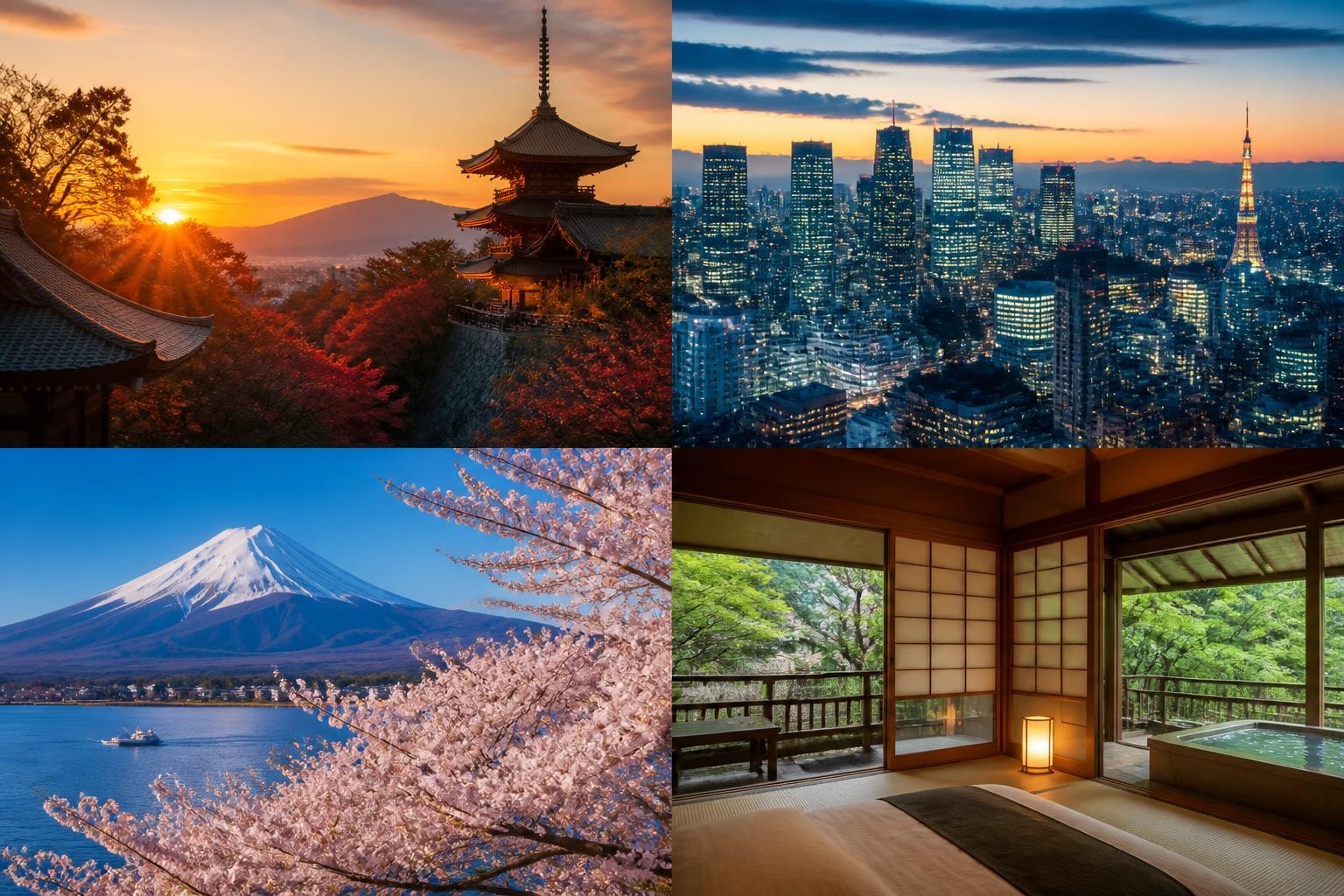
Japan stands as one of the world’s most captivating destinations, where ancient traditions seamlessly blend with cutting-edge innovation. For discerning travelers seeking authentic cultural experiences, the country offers an unparalleled combination of historical significance, natural beauty, and refined luxury. Understanding which locations truly deserve your attention becomes essential when planning a journey to this remarkable nation. Whether you’re drawn to serene temples, bustling metropolitan districts, or pristine natural landscapes, knowing the must-visit destinations in Japan ensures your journey captures the essence of this extraordinary country.
Tokyo represents the perfect introduction to modern Japan while maintaining deep connections to its historical roots. This sprawling metropolis offers distinct neighborhoods, each with its own character and attractions that cater to sophisticated travelers.
The Imperial Palace grounds provide a tranquil escape within Tokyo’s urban landscape. The East Gardens, open to the public, showcase meticulously maintained landscapes and historical architecture that reflect centuries of Japanese aesthetics. Walking these paths offers insight into the country’s imperial heritage while enjoying seasonal flora that transforms throughout the year.
Key features include:

Ginza and Omotesando stand as premier destinations for luxury retail and culinary excellence. These areas feature flagship stores from international designers, renowned Japanese artisans, and Michelin-starred restaurants that define haute cuisine.
The Tsukiji Outer Market remains a food lover’s paradise, offering fresh seafood, traditional ingredients, and authentic culinary experiences that connect visitors to Japan’s food culture.
| District | Specialty | Best Time to Visit |
|---|---|---|
| Ginza | Luxury shopping, fine dining | Weekday afternoons |
| Omotesando | Contemporary architecture, cafes | Weekend mornings |
| Asakusa | Traditional crafts, temple culture | Early morning hours |
| Shibuya | Modern entertainment, nightlife | Evening hours |
Among all must-visit destinations in Japan, Kyoto stands apart as the nation’s cultural treasury. With over 2,000 temples, traditional machiya townhouses, and preservation of ancient customs, this former imperial capital offers unmatched cultural depth.
Kinkaku-ji, the Golden Pavilion, exemplifies architectural harmony with nature. Its gold-leaf-covered upper floors reflect perfectly in the surrounding pond, creating an image that has become synonymous with Japanese beauty. Similarly, Fushimi Inari Taisha presents thousands of vermillion torii gates winding up Mount Inari, offering both spiritual significance and photographic splendor.
The comprehensive guide to Japan’s top attractions provides valuable information on temple visiting protocols and seasonal considerations.
Gion and Higashiyama preserve Kyoto’s historical atmosphere through well-maintained wooden buildings and cobblestone streets. These neighborhoods offer opportunities to witness geiko and maiko culture, though respectful observation from a distance remains essential.
Private tea ceremonies in historical machiya provide intimate experiences with this refined art form. Expert tea masters guide participants through each deliberate movement, explaining the philosophy underlying this centuries-old practice.
Japan’s most iconic natural landmark, Mount Fuji, is a must-visit destination that combines natural majesty with cultural significance. The surrounding Hakone area enhances this experience with hot springs, art museums, and spectacular viewpoints.
Lake Kawaguchi offers perhaps the most photographed perspectives of Mount Fuji, with the mountain’s reflection creating mirror images on calm mornings. The area provides luxury ryokan accommodations where guests can enjoy private onsen baths with mountain views.
The Hakone Ropeway journey offers aerial views of volcanic valleys and Lake Ashi, with Mount Fuji dominating the horizon on clear days. This experience naturally connects with the region’s volcanic activity, as evidenced by Owakudani’s sulfurous vents and black eggs.

Osaka’s reputation as “Japan’s kitchen” makes it essential for food-focused travelers. The city’s energetic atmosphere contrasts with Kyoto’s refined tranquility, offering different facets of Japanese culture.
Dotonbori’s neon-lit streets pulse with culinary energy. This entertainment district showcases Osaka’s food culture through takoyaki stands, okonomiyaki restaurants, and upscale kaiseki establishments. The phrase “kuidaore” (eat until you drop) originated here, reflecting local attitudes toward gastronomy.
Osaka Castle stands as one of Japan’s most historically significant fortifications. The current reconstruction houses a modern museum that details the castle’s role in Japanese unification, while the surrounding park offers seasonal beauty with cherry blossoms and autumn leaves.
Nara served as Japan’s capital during the 8th century, leaving a legacy of monumental temples and artistic treasures. The city’s compact size makes it accessible for day visits, though overnight stays allow deeper exploration.
Todai-ji Temple houses a bronze Buddha statue standing 15 meters tall, representing one of Japan’s most impressive religious monuments. The temple’s wooden structure, rebuilt multiple times throughout history, demonstrates traditional architectural engineering.
Nara Park’s free-roaming deer have become the city’s ambassadors. These sacred animals, numbering over 1,000, bow to visitors in exchange for special crackers, creating unique photo opportunities and cultural connections.
| Attraction | Significance | Time Required |
|---|---|---|
| Todai-ji | Largest bronze Buddha statue | 1-2 hours |
| Kasuga Taisha | 3,000 stone and bronze lanterns | 45 minutes |
| Nara National Museum | Buddhist art collection | 2 hours |
| Isuien Garden | Edo and Meiji period landscapes | 1 hour |
Hiroshima carries profound historical weight while demonstrating remarkable resilience and renewal. The city has transformed into a vibrant urban center while maintaining important memorial sites that must be visited in Japan; these should be included in itineraries.
The Hiroshima Peace Memorial Museum presents difficult but essential history with dignity and educational purpose. The preserved Atomic Bomb Dome stands as a UNESCO World Heritage Site, creating powerful visual testimony to nuclear warfare’s consequences.
Just offshore from Hiroshima, Miyajima Island presents one of Japan’s most photographed scenes: the “floating” torii gate of Itsukushima Shrine. During high tide, this vermillion gate appears to drift on the water, while at low tide, it allows walking directly to its base.
The island offers hiking opportunities on Mount Misen, providing panoramic views across the Seto Inland Sea. Cable car access makes the summit accessible for all fitness levels.
The Japanese Alps region encompasses spectacular mountain scenery, traditional villages, and world-class ski resorts that appeal to travelers seeking natural beauty and outdoor activities.
Takayama is home to one of Japan’s best-preserved old towns, with Edo-period merchant houses lining its narrow streets. The morning markets showcase local produce, crafts, and the region’s renowned Hida beef.
Shirakawa-go and Gokayama feature gassho-zukuri farmhouses with steep thatched roofs designed to withstand heavy snowfall. These UNESCO World Heritage Sites demonstrate the preservation of traditional mountain architecture and lifestyle.

Japan’s northernmost island offers distinct experiences from the main island, with expansive natural landscapes, unique wildlife, and seasonal events that make it a must-visit destination.
Sapporo combines urban sophistication with proximity to natural areas. The annual Snow Festival in February transforms the city into an open-air sculpture gallery, featuring massive ice sculptures. Beyond festival season, the city offers excellent seafood, craft beer culture, and access to nearby ski resorts.
Summer lavender fields create purple horizons across Furano’s rolling hills. The region’s agricultural landscapes, particularly around Biei, present patchwork patterns of different crops that attract photographers and nature enthusiasts.
Okinawa’s subtropical climate and distinct Ryukyuan culture differentiate it from mainland Japan. The island chain offers beach experiences, coral reefs, and historical sites reflecting its unique position between Japanese and Southeast Asian cultures.
Recently reconstructed after a devastating fire, Shuri Castle represents the Ryukyu Kingdom’s architectural heritage. The vibrant vermilion structures contrast with mainland Japanese castle design, reflecting Chinese and indigenous influences.
Marine experiences include:
Kanazawa escaped wartime bombing, preserving Edo-period districts and cultural traditions. This makes it an essential destination for travelers interested in authentic historical atmospheres beyond Kyoto.
Ranked among Japan’s three most beautiful landscape gardens, Kenroku-en demonstrates the six attributes of perfect garden design: spaciousness, seclusion, artifice, antiquity, water features, and panoramic views. Each season reveals different aspects of its carefully planned beauty.
The nearby 21st Century Museum of Contemporary Art juxtaposes traditional aesthetics with cutting-edge installations, creating dialogue between historical and modern Japanese artistic expression.
| District | Characteristics | Highlights |
|---|---|---|
| Higashi Chaya | Traditional teahouse quarter | Gold leaf workshops, geisha culture |
| Nagamachi | Samurai district | Preserved residences, earthen walls |
| Omicho Market | Fresh seafood market | Local ingredients, street food |
| Castle Park | Historical fortifications | Seasonal gardens, museum |
Two hours from Tokyo, Nikko combines UNESCO World Heritage shrines with stunning natural landscapes. The area’s elevation provides cooler temperatures and spectacular autumn foliage, making it a seasonal must-visit in Japan.
This lavishly decorated shrine complex honors Tokugawa Ieyasu, featuring intricate carvings, gold leaf ornamentation, and the famous “see no evil, hear no evil, speak no evil” monkey sculptures. The contrast between ornate human creation and surrounding forest creates memorable atmospheric tension.
Lake Chuzenji and Kegon Falls offer natural counterpoints to the shrine’s architectural intensity, with hiking trails connecting various viewpoints and seasonal displays.
Cherry blossom season (late March to early May) represents peak travel demand, with iconic viewing locations like Tokyo’s Ueno Park and Kyoto’s Philosopher’s Path drawing massive crowds. Luxury travelers benefit from private viewing arrangements and exclusive access to lesser-known spots.
Autumn foliage (November to early December) rivals spring’s popularity, with temples framed by crimson and gold leaves creating quintessentially Japanese scenes. The timing varies by latitude and elevation, allowing strategic itinerary planning.
Winter illumination events transform major cities into glittering wonderlands, while ski resorts in Nagano and Hokkaido offer powder snow on par with international destinations. Summer festivals, particularly Kyoto’s Gion Matsuri, offer opportunities for cultural immersion.
Much like how Africa Wild crafts immersive safari experiences that connect travelers with African heritage, Japan’s must-visit destinations require thoughtful curation to access their deepest meanings. Both countries reward travelers who move beyond surface-level tourism to engage authentically with local culture and natural environments.
Japan’s legendary rail system makes multi-destination itineraries remarkably efficient. The Japan Rail Pass offers unlimited travel on most JR lines, including shinkansen bullet trains, making it economical for extensive travel.
Luxury alternatives include:
Premium transportation allows spontaneous detours to discover hidden temples, artisan workshops, and scenic viewpoints that scheduled tours might miss.
Each must-visit location in Japan offers distinctive culinary specialties that reflect local ingredients, historical influences, and seasonal availability.
Tokyo excels in diverse international cuisine and innovative fusion, while maintaining traditional establishments unchanged for generations. Kyoto’s kaiseki ryori represents refined multi-course dining that elevates seasonal ingredients through minimal intervention. Osaka’s street food culture contrasts with its high-end dining scene, both celebrating bold flavors.
Understanding regional specialties enhances appreciation for Japan’s culinary diversity beyond sushi and ramen stereotypes.
Respecting Japanese customs enhances experiences at temples, shrines, and public spaces. Photography restrictions apply at certain locations, particularly inside temple buildings and during religious ceremonies.
Essential practices include:
These considerations demonstrate cultural awareness that Japanese hosts appreciate, often resulting in warmer interactions and enhanced experiences.
While major destinations in Japan deserve their reputation, lesser-known locations offer equally rewarding experiences with fewer crowds.
Takayama’s morning markets rival Kyoto’s tourist-heavy offerings for an an authentic local atmosphere. Kamikochi in the Northern Alps provides pristine mountain scenery accessible to non-technical hikers. Naoshima Island has transformed into acontemporary art sanctuary where museums integrate seamlessly with nthe atural llandscape
These alternatives suit travelers who’ve visited Japan previously or those seeking distinctive experiences beyond standard itineraries.
Japan’s must visit destinations span from ancient temples to cutting-edge urban districts, each offering unique perspectives on this multifaceted nation. The key to experiencing these locations meaningfully lies in thoughtful planning, cultural sensitivity, and allowing sufficient time to absorb each place’s particular atmosphere rather than rushing through checklist tourism. Japan Royal Service specializes in crafting bespoke itineraries that connect discerning travelers with Japan’s essential destinations, offering exclusive access to hidden gems, private cultural experiences, and luxury transportation that transform sightseeing into deeply personal journeys tailored to individual interests and travel styles.