
LINE ID japanroyalservice
+817013781777 click here
+817013781777 click here
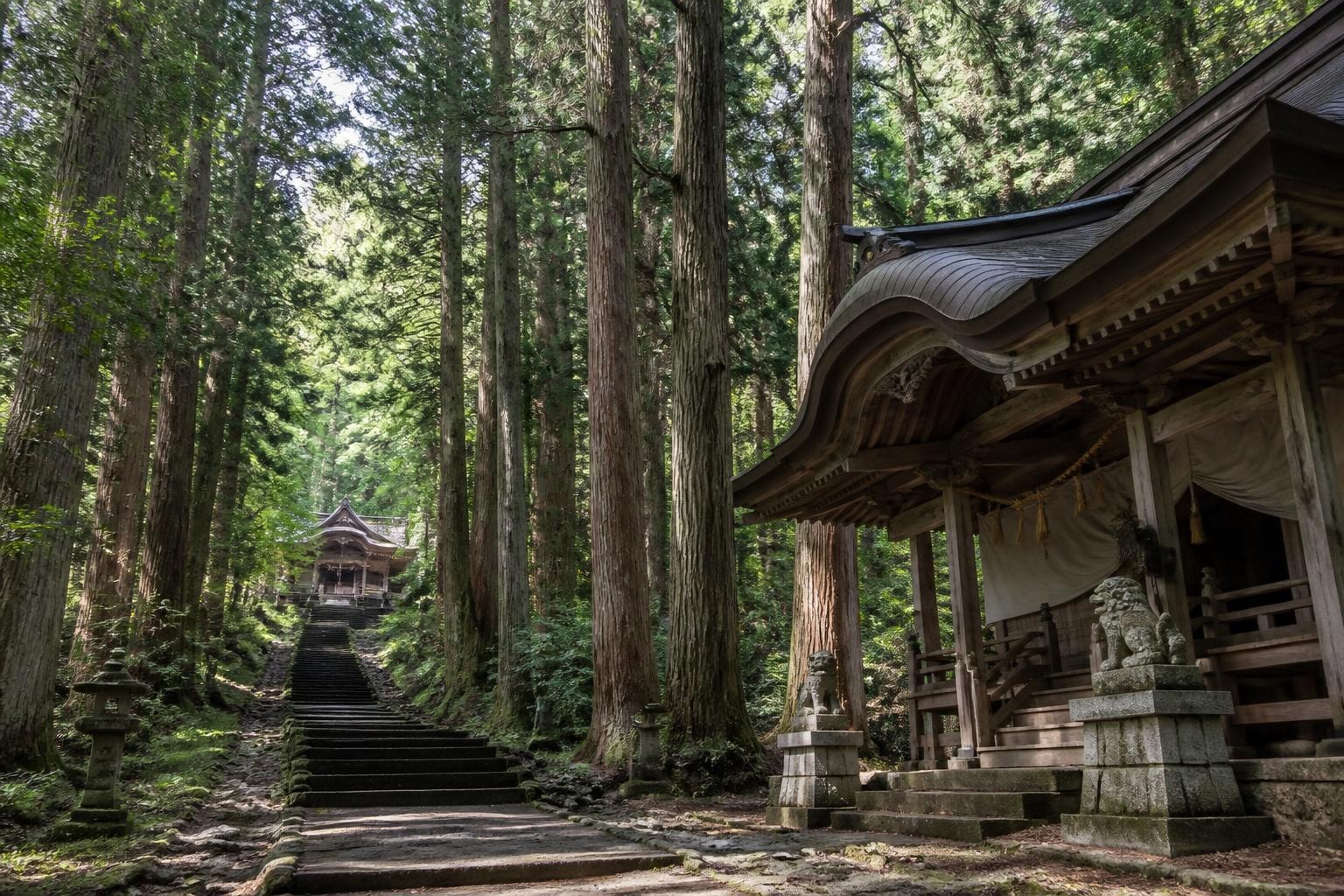
Nestled in the mountains of Nagano Prefecture, Togakushi Shrine represents one of Japan’s most spiritually significant destinations, offering visitors a profound connection between ancient Shinto traditions and breathtaking natural beauty. This sacred complex comprises five distinct shrines spread across the forested slopes of Mount Togakushi, each dedicated to different deities and connected by atmospheric hiking trails that wind through towering cedar forests. For discerning travelers seeking authentic cultural experiences beyond the typical tourist circuits, this mountain sanctuary offers an unparalleled journey into Japan’s spiritual heart, combining physical pilgrimage with meditation, natural splendor, and centuries-old religious practices that continue to resonate in the modern era.
The origins of Togakushi Shrine, in Nagano, trace back over 2,000 years to Japanese mythology. According to legend, the shrine marks the location where Amaterasu, the sun goddess, emerged from a cave after being lured out by other deities. Ame-no-Tajikarao, the deity of physical strength, threw the cave’s boulder door across the sky, where it landed to form Mount Togakushi.
This mythological foundation established the site as a center of mountain worship and ascetic practices. During the Heian period (794-1185), the shrine complex grew substantially as Buddhism and Shinto merged into a unique syncretic tradition. Togakushi became renowned as a training ground for yamabushi, mountain ascetics who practiced rigorous spiritual disciplines in the harsh mountain environment.
The shrine’s influence peaked during the medieval period, when it operated as a major religious center with over 3,000 monks and priests. The complex functioned as both a pilgrimage destination and a seat of religious learning, attracting devotees from across Japan who sought spiritual enlightenment and blessings for prosperity and strength.

Okusha is the most revered location within the Togakushi Shrine complex in Nagano, located at the highest elevation and requiring the most challenging approach. The shrine enshrines Ame-no-Tajikarao-no-Mikoto, the deity celebrated for strength and perseverance.
The approach to Okusha presents one of Japan’s most photographed scenes: a mystical pathway flanked by approximately 400 towering cedar trees, some over 400 years old. This atmospheric corridor creates a natural cathedral that inspires reverence and contemplation. The final ascent involves stone stairs that climb steeply through the forest, rewarding pilgrims with a sense of achievement upon reaching the sacred buildings.
Visitors seeking blessings for physical strength, competitive success, and overcoming obstacles traditionally visit Okusha. The shrine’s remote location and demanding access reinforce its connection to spiritual discipline and personal growth through challenge.
Chusha serves as the administrative and ceremonial heart of the shrine complex, dedicated to Ame-no-Yagokoro-Omoikane-no-Mikoto, the deity of wisdom and knowledge. This shrine attracts students, scholars, and professionals seeking intellectual clarity and guidance in decision-making.
The architectural style showcases traditional shrine construction, with vermilion buildings set against a green mountain backdrop. Chusha hosts many of the complex’s annual festivals and ceremonies, making it a hub of religious activity throughout the year. The shrine grounds include a cultural museum and facilities that help visitors understand the rich history and spiritual traditions.
The location provides excellent accessibility while maintaining the mountain sanctuary atmosphere. Visitors can explore the grounds comfortably while experiencing authentic Shinto architecture and practices, as detailed in comprehensive guides to Togakushi Shrine.
Hokosha, the smallest of the five shrines, enshrines Ame-no-Uwaharu-no-Mikoto, a deity associated with the arts, crafts, and technical skills. Positioned between Chusha and Okusha, this intimate shrine often receives fewer visitors, offering a quieter, contemplative experience.
Traditional craftspeople and artisans particularly value Hokosha for blessings on their work and creative endeavors. The shrine’s modest scale creates an atmosphere of focused spiritual energy, contrasting with the grandeur of the larger shrine buildings.
Kuzuryusha honors a dragon deity associated with water, rain, and agricultural prosperity. The shrine is located separately from the main shrine trail, near a sacred pond believed to have miraculous properties. According to tradition, Kuzuryu-no-Kami controls water sources and ensures abundant harvests.
This shrine attracts those seeking success in business ventures and financial prosperity. The dragon symbolism connects to power, transformation, and the life-giving properties of water, making it popular with entrepreneurs and farmers alike.
Hinomikosha enshrines Ame-no-Uzume-no-Mikoto, the goddess of dance and entertainment, who played a crucial role in luring Amaterasu from her cave through joyful performance. This shrine sits at the trail’s starting point, making it the most accessible for visitors with limited time.
Performers, artists, and those in the hospitality industry traditionally seek blessings here. The shrine’s association with joy, celebration, and human connection makes it relevant for anyone pursuing careers centered on bringing happiness to others.

| Season | Highlights | Considerations |
|---|---|---|
| Spring (April-May) | Fresh greenery, mountain wildflowers, mild temperatures | Occasional rain, trails can be muddy |
| Summer (June-August) | Full forest canopy, festivals, and a comfortable mountain climate | Peak crowds, higher humidity |
| Autumn (September-November) | Spectacular fall foliage, crisp air, harvest celebrations | Popular season, booking recommended |
| Winter (December-March) | Snow-covered landscapes, a serene atmosphere, and fewer visitors | Heavy snow, difficult trail access, special equipment needed |
Each season offers distinct advantages for experiencing Togakushi Shrine in Nagano. Autumn emerges as the most popular period, when the mountain forests explode in brilliant reds, oranges, and golds. However, this popularity means larger crowds and higher accommodation rates. Discerning travelers might consider late spring or early autumn shoulder seasons for optimal weather with fewer visitors.
Winter transforms the shrine complex into a mystical snow realm, though accessibility becomes challenging. The hiking experience between the five shrines varies dramatically in winter, requiring proper equipment and sometimes prohibiting access to certain sections entirely.
Visiting all five shrines requires careful time management and realistic assessment of physical capabilities:
Full Circuit Options:
The terrain varies from paved walkways near lower shrines to steep stone staircases and forest trails leading to Okusha. Visitors should wear sturdy walking shoes and bring weather-appropriate clothing, as mountain conditions change rapidly. The elevation gain and trail distance make this experience unsuitable for those with significant mobility limitations, though Chusha and Hinomikosha offer accessible alternatives.
The Togakushi region earned fame for exceptional buckwheat soba noodles, cultivated in the mountain’s volcanic soil and pure water. Local restaurants serve traditional Togakushi soba in distinctive presentations, often featuring five bundles of noodles arranged on a bamboo tray. This regional specialty provides an essential culinary component to any shrine visit.
Numerous soba shops line the road approaching the shrine complex, many operating for generations using traditional stone-ground flour and hand-cutting techniques. The connection between the shrine, mountain agriculture, and local cuisine creates a complete cultural experience that engages all senses.
Historical records indicate that the Togakure-ryu ninja school originated in this mountain region during the 12th century. A ninja museum near Chusha explores this martial tradition’s connection to the shrine’s yamabushi practices. The relationship between spiritual discipline and martial arts training reveals fascinating dimensions of Japan’s medieval culture.
Shukubo, temple lodgings that once housed pilgrims, continue to operate in modified forms around Togakushi Shrine in Nagano. These accommodations offer vegetarian Buddhist cuisine and opportunities to experience traditional Japanese hospitality. Staying overnight allows visitors to experience the shrine grounds during quiet early-morning or evening hours, when day visitors have departed.
Reaching Togakushi Shrine, Nagano, requires planning, as the mountain location means no direct train service exists:
From Tokyo (approximately 4 hours total):
From Kyoto/Osaka (approximately 5 hours total):
The bus journey from Nagano Station winds through increasingly mountainous terrain, with services running several times daily during peak seasons but reducing significantly in winter. Advanced booking for bus seats is advisable during the autumn foliage season.
For travelers prioritizing comfort and flexibility, private transportation eliminates the constraints of public bus schedules and allows customized timing at each shrine location. This is particularly valuable when visiting as part of a broader Nagano itinerary that might include nearby attractions such as Zenko-ji Temple or the Jigokudani Snow Monkey Park.

Togakushi Shrine in Nagano ranks among Japan’s premier “power spots” (spiritual energy locations) according to contemporary spiritual seekers. Practitioners of energy work and meditation identify the shrine grounds, particularly the ancient cedar approach to Okusha, as possessing unusually concentrated spiritual energy.
Whether approached from religious, cultural, or simply aesthetic perspectives, visitors consistently report profound experiences while walking the shrine trails. The combination of ancient trees, mountain air, architectural beauty, and centuries of devotional practice creates an atmosphere that encourages reflection and renewal.
Modern pilgrims approach the five-shrine circuit with varied intentions:
The flexibility of Togakushi Shrine’s layout in Nagano accommodates different visitor needs and capabilities. Those seeking intense spiritual experience can undertake the complete circuit as a moving meditation, while others might focus on specific shrines aligned with particular interests or intentions. Understanding the historical and cultural significance of each shrine helps visitors create meaningful personal experiences.
Discerning travelers benefit from strategic approaches that balance cultural authenticity with comfort:
Early Morning Advantage: Arriving at Okusha by 7:00 AM provides an almost private experience of the famous cedar avenue, before tour buses arrive. Morning light filtering through the ancient trees creates ethereal photographic conditions while the spiritual atmosphere remains undisturbed by crowds.
Weekday Visits: Tuesday through Thursday typically see significantly fewer visitors than weekends and holidays. This makes a substantial difference in the quality of experience, particularly along the popular Okusha approach.
Private Guide Enhancement: Engaging a knowledgeable guide transforms the visit from sightseeing to deep cultural immersion. Expert interpreters explain subtle aspects of shrine architecture, ritual practices, and mythological connections that remain invisible to casual observers. They also provide insights into proper shrine etiquette and the best routes for experiencing the complex.
Togakushi Shrine, Nagano,o integrates beautifully into comprehensive Nagano Prefecture itineraries:
Multi-Day Nagano Cultural Journey:
This pacing allows proper appreciation of each destination without rushed schedules. The mountain environment and spiritual atmosphere of Togakushi provide an excellent contrast to urban cultural sites, creating a balanced experience of Japan’s diversity.
While Togakushi remains relatively rustic compared to resort areas, several establishments cater to luxury travelers seeking elevated experiences:
High-end ryokan in nearby Nagano City offer the perfect base, providing exceptional hospitality and cuisine while maintaining convenient access to the shrine area. Some properties arrange private transportation and guide services specifically for Togakushi visits.
Premium soba restaurants near the shrine showcase the craft at its highest level, with chefs explaining the growing conditions for buckwheat, milling processes, and traditional preparation methods. These establishments transform a simple noodle dish into a gastronomic journey reflecting terroir, craftsmanship, and cultural heritage.
The cedar-lined approach to Okusha ranks among Japan’s most photographed shrine scenes, though capturing it effectively requires timing and technique:
Beyond the famous Cedar Avenue, there are countless photographic opportunities throughout the complex. The architectural details of shrine buildings, seasonal natural elements, ritual objects, and mountain vistas all reward careful observation.
As active religious sites, the shrines require respectful photographic behavior:
Professional or commercial photography typically requires advance permission from shrine authorities. Social media sharing should respect the sacred nature of the location and avoid trivializing religious practices for entertainment value.
Togakushi Shrine in Nagano faces ongoing challenges balancing increased tourism with preservation of natural and cultural resources. The ancient cedar trees require protection from soil compaction and root damage caused by heavy foot traffic. Shrine authorities implement various measures, including:
Conservation Initiatives:
Responsible visitors support these efforts through:
The shrine’s natural beauty and sacred atmosphere depend on continued preservation efforts that require both financial resources and visitor cooperation.
Togakushi Shrine in Nagano is located within a prefecture rich in spiritual sites, natural wonders, and cultural attractions. The region hosted the 1998 Winter Olympics, bringing infrastructure improvements while maintaining its essential character as Japan’s mountain heartland.
Nearby attractions complement a Togakushi visit:
This concentration of attractions makes Nagano Prefecture an exceptional destination for travelers seeking depth beyond Japan’s major metropolitan areas. Customized itineraries can combine spiritual sites, natural wonders, traditional crafts, and local cuisine into comprehensive cultural immersion experiences.
Throughout the year, Togakushi Shrine, Nagan,o hosts ceremonies connected to agricultural cycles, seasonal transitions, and historical traditions:
Spring (May): The Grand Spring Festival features traditional kagura performances and prayers for agricultural prosperity. Musicians and dancers perform ancient ritual arts passed down through generations.
Summer (July): Fire Festival includes nighttime torch processions and purification ceremonies, creating dramatic visual spectacles against the mountain darkness.
Autumn (September-November): Harvest thanksgiving ceremonies celebrate successful crops with offerings of rice, sake, and seasonal produce. The fall foliage provides spectacular natural decoration for these celebrations.
Winter (February): Though quieter, winter ceremonies focus on purification and preparation for spring’s renewal. The snow-covered setting enhances the contemplative atmosphere.
Attending festivals provides unique insight into living religious traditions, though it requires careful planning, as accommodations fill quickly and transportation becomes crowded. According to detailed information about the shrine’s significance, these celebrations maintain practices dating back centuries while remaining vital community events.
Togakushi Shrine in Nagano offers discerning travelers an unparalleled combination of spiritual depth, natural beauty, and cultural authenticity in one of Japan’s most sacred mountain settings. The five-shrine pilgrimage creates a journey that engages both body and spirit while revealing layers of Japanese religious tradition and connection to nature. Japan Royal Service specializes in creating bespoke experiences that unlock destinations like Togakushi through expert planning, private transportation, knowledgeable guides, and seamless logistics, transforming the challenges of independent travel into effortless cultural immersion. Discover how Japan Royal Service can craft your personalized journey to this mountain sanctuary and other extraordinary locations throughout Japan’s diverse cultural landscape.