
LINE ID japanroyalservice
+817013781777 click here
+817013781777 click here
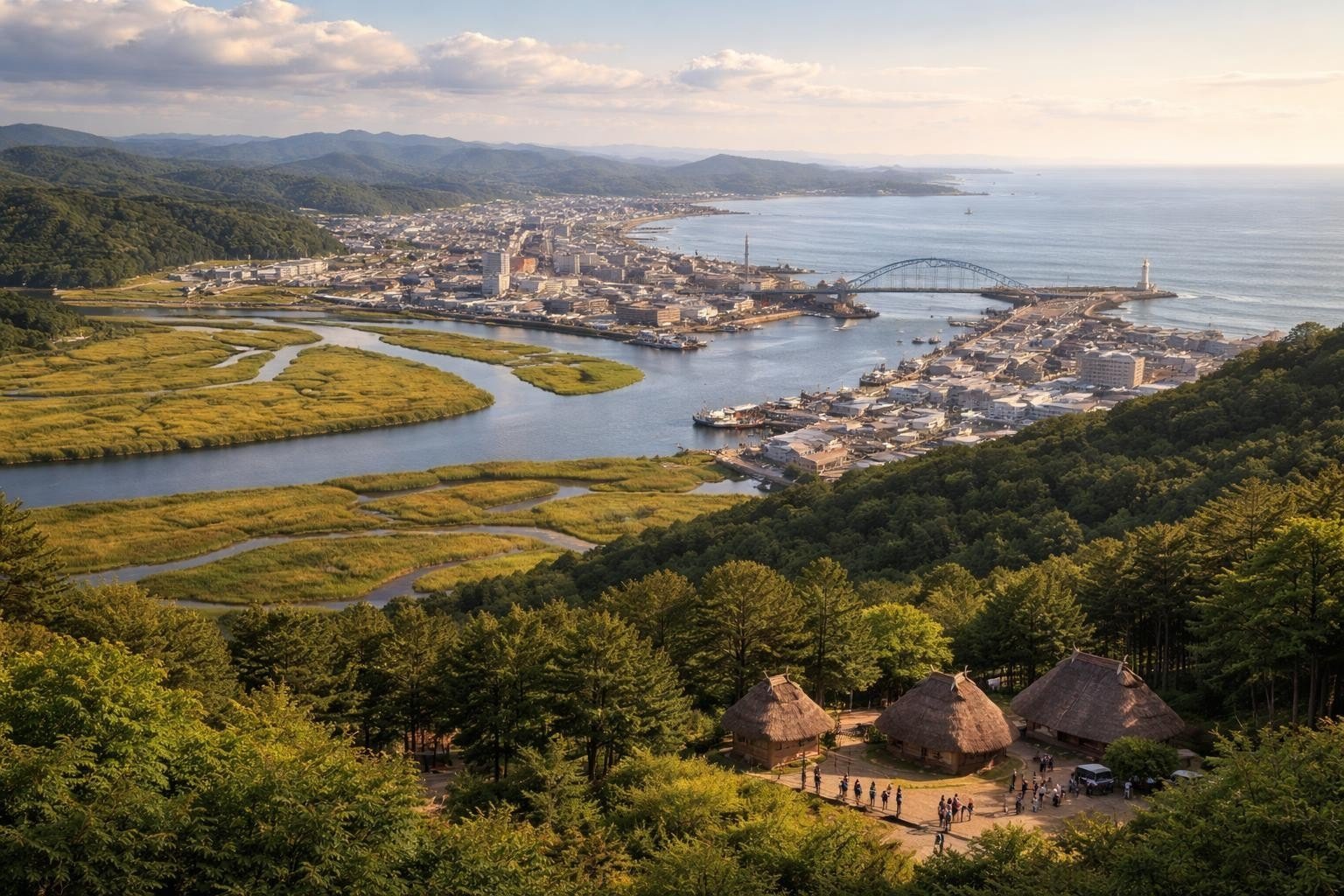
Nestled along the southeastern coast of Hokkaido, Kushiro represents one of Japan’s most compelling destinations for discerning travelers seeking authentic wilderness experiences combined with cultural depth. As Hokkaido’s fourth-largest city and the major port city in eastern Hokkaido, Kushiro offers a sophisticated blend of untamed natural beauty, indigenous heritage, and exceptional culinary traditions. For luxury travelers exploring beyond Japan’s traditional tourist circuits, this eastern frontier presents opportunities that few other destinations can match, from Japan’s largest wetland ecosystem to some of the finest seafood in the Pacific.
Kushiro’s strategic location shapes every aspect of its character and appeal. Positioned where the Kushiro River meets the Pacific Ocean, this city serves as the economic and cultural hub of eastern Hokkaido.
The city’s deep-water port has operated continuously since the late 19th century, establishing Kushiro as a vital commercial gateway. This maritime legacy created a cosmopolitan atmosphere unusual for cities of its size, with approximately 170,000 residents benefiting from international connections while maintaining intimate ties to the surrounding wilderness.
Key geographic features that define Kushiro:
The city’s fog-wrapped summers and relatively mild winters create distinctive microclimates that support unique biodiversity. These atmospheric conditions produce the ethereal landscapes that have made Kushiro a favorite among photographers and nature enthusiasts.

The crown jewel of any Kushiro visit remains the spectacular Kushiro Wetlands, a 28,788-hectare expanse that represents Japan’s largest wetland ecosystem. Designated as a Ramsar Convention site in 1980, these wetlands provide habitat for endangered species while offering visitors unprecedented access to pristine wilderness.
The wetlands serve as the primary habitat for the Japanese red-crowned crane, or tancho, a bird revered in Japanese culture as a symbol of longevity and good fortune. Between November and March, visitors can observe these magnificent creatures performing their elaborate courtship dances against a backdrop of snow-covered landscapes.
| Season | Primary Attractions | Wildlife Viewing | Recommended Activities |
|---|---|---|---|
| Winter (Dec-Feb) | Crane watching, snow landscapes | Excellent (red-crowned cranes) | Guided nature tours, photography |
| Spring (Mar-May) | Emerging vegetation, migratory birds | Good (various species) | Hiking and canoeing preparation |
| Summer (Jun-Aug) | Lush wetlands, wildflowers | Moderate (nesting season) | Canoeing, boardwalk trails |
| Fall (Sep-Nov) | Autumn colors, crane return | Good (returning cranes) | Photography, cultural experiences |
Multiple observation points provide varying perspectives on this vast ecosystem. The Kushiro Wetlands Observatory offers panoramic views and educational exhibits, while elevated boardwalks allow close encounters with wetland flora without disturbing fragile ecosystems.
For luxury travelers, private guided tours offer exclusive access to prime viewing locations during optimal lighting conditions. Expert naturalist guides provide context on ecological relationships while minimizing environmental impact.
The diverse attractions throughout the Kushiro-Lake Akan region extend beyond the wetlands themselves, incorporating cultural sites and culinary experiences that complete the destination’s appeal.
Kushiro’s location within traditional Ainu territories adds profound cultural dimensions to any visit. The indigenous Ainu people have inhabited Hokkaido for thousands of years, developing sophisticated relationships with the land and sea that inform contemporary conservation efforts.
Lake Akan, located northwest of Kushiro, is home to one of Hokkaido’s most vibrant Ainu communities. The Ainu Kotan (village) at Lake Akan preserves traditional crafts, performances, and architectural styles while adapting them to contemporary contexts.
Authentic Ainu cultural experiences available:
The region’s cultural institutions, including specialized museums, provide sophisticated interpretations of Ainu heritage without resorting to simplified stereotypes. This approach appeals to educated travelers seeking ga enuine understanding rather than superficial entertainment.

Kushiro’s reputation among Japanese food enthusiasts centers on exceptional seafood quality and variety. The city’s fish market rivals any in Japan, with morning auctions featuring species rarely available elsewhere.
Sanma (Pacific saury) represents Kushiro’s most iconic seafood, with the autumn catch celebrated through festivals and special menus—the fish’s rich, oily flesh pairs perfectly with the region’s climate and culinary traditions.
Kaisendon (seafood rice bowls) at Washo Ichiba market allow visitors to select individual ingredients from market stalls, creating personalized bowls featuring the day’s freshest catches. This interactive experience combines culinary adventure with market culture immersion.
| Seafood Specialty | Peak Season | Preparation Style | Where to Experience |
|---|---|---|---|
| Sanma (Pacific saury) | September-November | Grilled, sashimi | Robata restaurants |
| Hanasaki crab | April-September | Boiled, grilled | Specialized crab restaurants |
| Sea urchin (uni) | June-August | Fresh, donburi | Market stalls, high-end restaurants |
| Salmon (sake) | Year-round | Various preparations | Throughout city |
| Octopus (tako) | Winter months | Sashimi, tempura | Izakaya, fine dining |
Kushiro’s sophisticated dining scene extends beyond market experiences to include establishments where master chefs apply refined techniques to premium local ingredients. Private dining rooms in select restaurants offer exclusive culinary journeys featuring seasonal specialties paired with Hokkaido’s excellent sake and wine.
For those seeking bespoke culinary experiences throughout Japan, Kushiro represents an essential destination where authentic regional cuisine reaches its highest expression.
The Volcanic geology of the Kushiro region offers numerous onsen (hot springs), from rustic wilderness baths to sophisticated resort facilities. Lake Akan’s hot spring district offers particularly refined options within pristine natural settings.
Traditional onsen bathing represents more than simple relaxation; it embodies a Japanese wellness philosophy that emphasizes harmony between the body and the environment. Premium ryokan (traditional inns) around Lake Akan provide private onsen facilities where guests can enjoy therapeutic waters without crowds.
Benefits of regional hot spring bathing:
Many establishments offer kaiseki (multi-course) dining alongside onsen access, creating comprehensive wellness experiences that appeal to luxury travelers seeking authentic Japanese hospitality.
Kushiro’s dramatic seasonal variations create distinct experiences throughout the year, each offering unique advantages for different traveler preferences.
Winter transforms Kushiro into a crane-watching paradise. The contrast between snow-covered landscapes and the red-crowned cranes’ striking plumage creates unforgettable visual experiences. Temperatures remain relatively moderate compared to interior Hokkaido, averaging -5°C to 0°C.
Premium accommodations provide heated observation facilities and arrange private transfers to prime viewing locations during optimal morning light. This season attracts serious photographers and nature enthusiasts willing to embrace cold weather for extraordinary wildlife encounters.
Summer’s cooler temperatures (15°C to 20°C) and persistent fog create atmospheric conditions unlike anywhere else in Japan. While Tokyo swelters, Kushiro offers comfortable exploration weather ideal for wetland hiking and coastal activities.
The city’s famous fog, while initially surprising to visitors, produces magical lighting conditions and supports unique ecosystems. Experienced guides help visitors appreciate how these atmospheric conditions shape local culture and natural environments.

Reaching Kushiro requires careful planning, helping preserve the destination’s uncrowded character while ensuring serious travelers receive appropriate services.
By Air: Kushiro Airport receives daily flights from Tokyo (Haneda), with flight times of approximately 1 hour and 45 minutes. The airport’s compact size ensures efficient arrivals, with ground transportation to central Kushiro taking roughly 45 minutes.
By Rail: The comprehensive rail network connecting Kushiro to other Hokkaido destinations provides scenic journey options. Limited express trains from Sapporo require approximately 4 hours, passing through varied landscapes that preview the region’s geographic diversity.
Private Transportation: For luxury travelers, private car services offer maximum flexibility and comfort. Professional drivers familiar with seasonal conditions and optimal viewing locations enhance every journey, whether exploring wetlands, visiting cultural sites, or accessing remote onsen.
Once established in Kushiro, strategic planning maximizes limited time. The city serves as an excellent base for exploring attractions within a 90-minute radius, including Lake Akan, Akan-Mashu National Park, and coastal communities that preserve traditional lifestyles.
Kushiro’s accommodation landscape ranges from international-standard hotels in the city center to exclusive ryokan near Lake Akan, each offering distinct advantages depending on traveler priorities.
City-center hotels provide efficient access to fish markets, restaurants, and transportation hubs while maintaining professional service standards. These properties suit travelers prioritizing culinary exploration and convenient logistics.
Lake Akan’s luxury ryokan offer immersive natural settings with premium onsen facilities, kaiseki dining, and proximity to Ainu cultural experiences. These properties emphasize traditional Japanese hospitality adapted for contemporary luxury expectations.
Factors informing accommodation selection:
Many sophisticated travelers combine multiple accommodation types, spending initial nights in Kushiro proper before transitioning to Lake Akan’s resort properties, thereby experiencing the destination’s full range.
Beyond headline attractions, Kushiro offers numerous experiences that reward curious exploration and local expertise.
Nusamai Bridge, spanning the Kushiro River, is the city’s symbolic structure and premier sunset-viewing spot. The bridge’s artistic statues and strategic position create compositions beloved by photographers.
Kushiro’s development is intertwined with coal mining, which shaped the city’s character and economic foundations. The Kushiro Coal Mine Museum preserves this industrial heritage, offering perspectives on how natural resources influenced regional development.
Local festivals throughout the year provide windows into contemporary community culture while maintaining traditional elements. The Kushiro Port Festival in summer and various winter celebrations showcase regional identity beyond tourist-oriented programming.
Successful Kushiro visits require more planning than those to conventional Japanese destinations, but this effort yields proportionally greater rewards through uncrowded experiences and authentic encounters.
A minimum of 2-3 days allows wetland exploration, market experiences, and basic cultural encounters while maintaining a comfortable pace.
Optimal visit: 4-5 days enables deeper immersion, including Lake Akan excursions, comprehensive wildlife observation, and thorough culinary exploration without rushing.
Extended exploration: 7+ days allows participation in seasonal activities, multiple onsen experiences, and the discovery of lesser-known attractions throughout eastern Hokkaido.
Kushiro integrates beautifully into comprehensive Hokkaido journeys. The destination pairs well with Sapporo’s urban sophistication, Niseko’s outdoor recreation, and smaller communities that preserve traditional lifestyles throughout Japan’s northern frontier.
Strategic itinerary design allows travelers to experience Hokkaido’s full spectrum, from cosmopolitan cities to wilderness areas where nature remains dominant. Professional trip planning ensures appropriate time allocation and seamless logistics between diverse destinations.
Modern Kushiro navigates between preserving its natural and cultural heritage while adapting to contemporary economic realities. This balance creates authentic experiences free from excessive commercialization while maintaining the infrastructure that supports sophisticated travelers.
The city’s relatively modest tourism development, particularly compared to Hokkaido’s western regions, preserves its genuine character, appealing to travelers seeking substance over spectacle. Local businesses maintain traditional approaches to hospitality while understanding international visitor needs and expectations.
This authenticity extends throughout the region, from family-operated restaurants that have perfected recipes across generations to cultural institutions that present Ainu heritage with scholarly rigor and community involvement. The result is a destination where every experience feels purposeful rather than manufactured for tourist consumption.
Kushiro stands apart as one of Japan’s most rewarding destinations for travelers prioritizing authentic experiences over conventional tourism, offering unparalleled combinations of pristine wilderness, living indigenous culture, and exceptional culinary traditions. Whether you’re drawn to red-crowned cranes dancing across winter wetlands, Ainu cultural heritage preserved with contemporary relevance, or seafood experiences rivaling anywhere in Japan, this eastern Hokkaido gateway delivers with sophistication and substance. Japan Royal Service specializes in crafting bespoke Kushiro experiences that reveal the destination’s full depth, arranging private wildlife guides, exclusive cultural encounters, and seamless logistics that transform complex itineraries into effortless journeys through one of Japan’s most compelling regions.