
LINE ID japanroyalservice
+817013781777 click here
+817013781777 click here
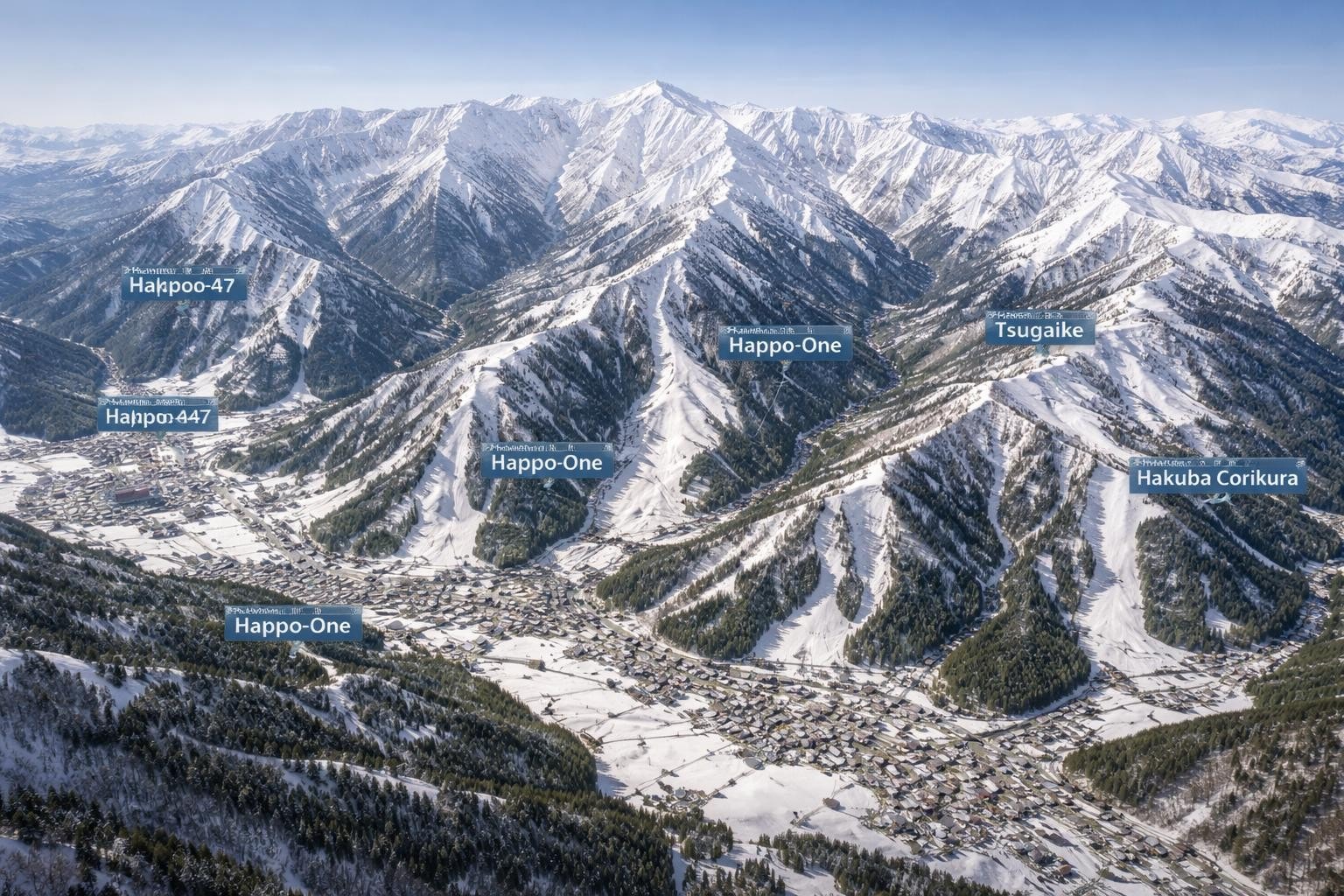
Nestled in the Northern Japanese Alps of Nagano Prefecture, Hakuba ski resort stands as one of Asia’s most celebrated winter destinations, offering an extraordinary combination of world-class terrain, legendary powder snow, and authentic Japanese hospitality. This remarkable alpine region, which hosted alpine skiing events during the 1998 Winter Olympics, comprises ten distinct ski resorts that collectively provide over 200 runs and more than 130 lifts across a stunning mountain landscape. For discerning travelers seeking exceptional skiing, cultural immersion, and luxury experiences, Hakuba is the pinnacle of Japanese winter sports destinations.
Hakuba ski resort encompasses a unique valley system where 10 separate resorts operate in proximity, creating an unparalleled diversity of terrain and experiences. The Hakuba Valley ski area stretches across the Hakuba Range, offering everything from gentle beginner slopes to challenging expert terrain that tests even the most accomplished skiers.
The valley receives an average annual snowfall exceeding 11 meters, with some resorts recording up to 13 meters of the legendary Japanese powder that has become synonymous with the region. This consistent snow quality results from weather patterns that draw moisture from the Sea of Japan, creating the light, dry snow conditions that skiers dream about.
The valley’s flagship resort, Happo-One, serves as the centerpiece of the Hakuba ski resort system. This Olympic venue offers 23 runs spanning 220 hectares, with a vertical drop of 1,071 meters, ranking among Japan’s most impressive. The resort’s alpine terrain features long cruising runs, challenging mogul fields, and off-piste opportunities that attract advanced skiers from around the world.

Other significant resorts include:
One of the defining characteristics of Hakuba ski resort is its exceptional range of terrain that accommodates every ability level. According to detailed resort comparisons, the valley’s collective terrain breaks down to approximately 30% beginner, 40% intermediate, and 30% advanced runs.
First-time skiers and families will find welcoming terrain at resorts like Tsugaike and Sanosaka. These areas feature gentle slopes, comprehensive ski schools with English-speaking instructors, and a relaxed atmosphere that reduces anxiety for newcomers to the sport. The wide, groomed runs allow beginners to build confidence while enjoying spectacular mountain views.
Intermediate skiers discover endless possibilities across the Hakuba ski resort system. Long, perfectly groomed cruisers at Goryu and Happo-One provide ideal conditions for refining technique and building stamina. Tree runs at Cortina and Iwatake add excitement without overwhelming skiers who are still developing their skills.
| Resort | Beginner % | Intermediate % | Advanced % | Vertical Drop |
|---|---|---|---|---|
| Happo-One | 30% | 40% | 30% | 1,071m |
| Hakuba 47 | 20% | 50% | 30% | 700m |
| Goryu | 35% | 45% | 20% | 954m |
| Cortina | 25% | 40% | 35% | 750m |
| Tsugaike | 40% | 40% | 20% | 620m |
Advanced skiers find the Hakuba ski resort particularly compelling for its challenging terrain and extensive off-piste opportunities. The steep alpine bowls at Happo-One, including the famous Kurobishi run, demand technical proficiency and provide adrenaline-pumping descents through variable snow conditions.
Backcountry access from several resorts opens up vast powder fields, though hiring a certified guide is essential for safety. The terrain at Hakuba includes couloirs, natural gullies, and tree runs that remain relatively untouched even days after fresh snowfall.
The quality and consistency of snowfall at Hakuba ski resort contribute significantly to its international reputation. The season typically runs from early December through early May, with peak conditions from January to March.
Japanese powder differs markedly from snow found in many Western resorts. The extremely light, dry consistency results from cold Siberian air masses picking up moisture over the Sea of Japan before depositing it on the mountain ranges. This creates snow with minimal water content, producing the famously silky texture that allows for effortless floating through deep powder.
Early-season visitors (December) often encounter excellent conditions on upper-mountain terrain, though lower runs may require supplemental snowmaking. The heart of winter (January-February) delivers the most consistent powder cycles, with storms arriving every few days. March offers a sweet spot of stable weather, deep base depths, and still-excellent snow quality, particularly at higher elevations.

Reaching Hakuba ski resort from major Japanese cities proves remarkably straightforward, making it accessible for both extended stays and quick getaways. The resort sits approximately 270 kilometers northwest of Tokyo, with multiple transportation options available.
The most efficient route involves taking the Hokuriku Shinkansen from Tokyo to Nagano Station (approximately 90 minutes), then transferring to an express bus for the final 60-kilometer journey to Hakuba. Total travel time typically ranges from three to four hours, depending on connections.
For travelers prioritizing comfort and convenience, private luxury transportation eliminates the stress of navigating public transit with ski equipment. Premium vehicle services provide door-to-door service from Tokyo hotels directly to Hakuba accommodations, allowing guests to relax and enjoy scenic mountain views during the journey.
International travelers can fly into Narita or Haneda airports in Tokyo, or use Toyama Airport, which offers closer access to Hakuba. The comprehensive transportation network ensures smooth connections regardless of the arrival point.
While Hakuba ski resort initially developed as a traditional Japanese ski destination, the area has evolved significantly to accommodate international visitors seeking premium experiences. The valley now offers a diverse range of accommodation options, from authentic ryokans to modern luxury hotels and private chalets.
Several properties stand out for discerning travelers:
Many luxury properties provide English-speaking staff, Western-style bedding options, and amenities familiar to international guests while maintaining authentic Japanese hospitality standards.
The integration of natural hot spring bathing represents one of Hakuba ski resort’s most distinctive features. After challenging days on the slopes, soaking in mineral-rich onsen waters provides therapeutic benefits for tired muscles while offering a quintessentially Japanese cultural experience. Many hotels feature private onsen facilities, while public bathhouses throughout the valley welcome guests seeking communal bathing traditions.
The culinary landscape at Hakuba ski resort has transformed dramatically over recent years, evolving from basic cafeteria fare to sophisticated dining options showcasing both Japanese and international cuisines.
Each resort operates multiple restaurants and cafeterias, with quality varying significantly. Happo-One’s mountaintop restaurants offer spectacular views alongside ramen, curry, and Western options. For elevated experiences, several resorts now feature table-service restaurants with carefully curated menus highlighting regional ingredients.
The Hakuba village area presents impressive dining diversity for a mountain town. Options include:

While downhill skiing dominates winter activities, Hakuba ski resort offers numerous alternative pursuits for non-skiers or those seeking variety during their stay.
Guided snowshoe tours explore pristine forests and frozen waterfalls, providing access to stunning winter landscapes without requiring skiing skills. These excursions often include opportunities to observe wildlife and photography stops at scenic viewpoints.
The proximity to traditional villages and temples allows visitors to explore Japanese culture beyond the slopes. Sake brewery tours, craft workshops, and visits to historic sites provide meaningful cultural immersion.
| Activity | Duration | Difficulty | Season Availability |
|---|---|---|---|
| Snowshoeing | 2-4 hours | Easy-Moderate | Dec-Mar |
| Ice Climbing | Half-day | Advanced | Jan-Feb |
| Snow Monkey Tours | Full day | Easy | Dec-Apr |
| Temple Visits | 2-3 hours | Easy | Year-round |
Successful trips to Hakuba ski resort require thoughtful planning, particularly for first-time visitors unfamiliar with Japanese ski culture and logistics.
The Hakuba Valley Ticket provides access to all t10resorts, offering exceptional value for those who want to explore multiple areas. Single-resort tickets cost less but limit access to terrain. Multi-day passes offer significant discounts, with pricing structured to encourage longer stays.
Quality rental equipment is widely available throughout the valley, with shops offering everything from basic packages to premium demo skis. Advanced booking ensures proper sizing and equipment availability during peak periods. Many shops now stock Western-sized boots and equipment, addressing previous challenges for larger international visitors.
Language accessibility at Hakuba ski resort has improved significantly in recent years. Major resorts employ English-speaking staff, rental shops provide bilingual assistance, and ski schools offer instruction in multiple languages. However, having translation apps or services available enhances the experience, particularly when exploring smaller restaurants or shops.
Discerning travelers seeking to optimize their time at Hakuba ski resort benefit from several strategic approaches that enhance both convenience and enjoyment.
Rather than attempting to ski all ten resorts during a single trip, focus on three to four areas that align with your ability level and preferences. This approach allows deeper exploration of each resort’s unique characteristics while reducing transit time between areas.
Snow conditions vary significantly across the valley due to aspect, elevation, and local weather patterns. Consulting detailed snow reports helps identify which resorts offer optimal conditions on any given day. Local knowledge from hotel concierges or ski guides provides valuable real-time intelligence.
Visiting during weekdays, particularly in January and early February, dramatically reduces lift lines and crowds. Japanese holidays and weekends attract large numbers of domestic visitors, while weekdays often feel remarkably uncrowded even during peak season.
The location of Hakuba ski resort within the broader Japanese Alps region creates opportunities to combine skiing with cultural exploration in nearby cities and attractions.
Coordinating ground transportation between these destinations requires careful planning, particularly with ski equipment and luggage. Professional transportation services streamline multi-destination itineraries, eliminating the complications of navigating Japan’s efficient but sometimes complex public transit system.
Creating seamless, luxurious experiences at Hakuba ski resort demands local expertise, cultural knowledge, and meticulous attention to detail. From coordinating private transfers between Tokyo and mountain accommodations to securing reservations at exclusive restaurants and arranging certified ski guides, every element requires careful orchestration.
Bespoke travel planning transforms a standard ski vacation into an extraordinary journey that balances exhilarating mountain experiences with cultural immersion and refined comfort. Whether arranging private onsen access, coordinating equipment fitting with premium rental shops, or planning rest-day excursions to nearby cultural sites, personalized service ensures every aspect aligns with individual preferences and expectations.
High-end visitors to Hakuba ski resort should consider several factors that enhance comfort and convenience throughout their stay.
While major hotels offer reliable Wi-Fi, cellular coverage on mountain slopes can be inconsistent. International roaming or local SIM cards ensure continuous connectivity for coordinating activities and staying in touch with trip coordinators.
Japanese ski resorts maintain excellent safety standards, though signage and warnings may not always appear in English. Understanding basic trail markings and boundary indicators prevents inadvertent backcountry entry. Travel insurance covering winter sports activities provides essential protection.
Respecting local customs enhances experiences both on and off the mountain. Onsen bathing protocols, restaurant behavior, and general public conduct follow specific Japanese norms. A brief cultural orientation before arrival helps travelers navigate these expectations confidently.
Despite Hakuba ski resort’s reputation for consistent snowfall, weather patterns can vary significantly year to year and even week to week. Sophisticated travelers build flexibility into their itineraries, allowing adjustments based on conditions.
Heavy snowfall creates incredible powder skiing but can temporarily reduce visibility and close certain lifts or terrain. These same storms often produce bluebird days immediately afterward, delivering the quintessential combination of fresh snow and clear skies. Building extra days into trips provides buffer time to capitalize on optimal conditions.
Having pre-planned alternatives for poor weather days prevents disappointment. Indoor cultural experiences, wellness activities, culinary adventures, and nearby city excursions provide engaging options when mountain conditions prove challenging.
As with many mountain destinations worldwide, Hakuba ski resort faces environmental challenges related to climate change and development pressure. Responsible visitors can support sustainability through conscious choices.
Selecting accommodations with environmental certifications, minimizing waste, using public or shared transportation when practical, and supporting local businesses all contribute to sustainable tourism. The valley’s natural beauty and snow reliability depend on protecting the broader ecosystem that creates Hakuba’s unique conditions.
Proper gear significantly impacts comfort and performance at Hakuba ski resort. The combination of cold temperatures, high humidity, and variable conditions requires specific equipment considerations.
Japanese winter weather demands effective layering systems. Base layers with superior moisture management, insulating mid-layers, and waterproof outer shells create versatility for changing conditions. The high humidity associated with frequent snowfall requires truly waterproof outerwear rather than water-resistant alternatives.
Multiple goggle lens options prove invaluable given Hakuba’s variable visibility conditions. Low-light lenses for stormy days and brighter lenses for sunny conditions ensure optimal vision regardless of the weather.
Hakuba ski resort delivers an unmatched combination of world-class skiing, legendary powder snow, authentic cultural experiences, and increasingly sophisticated luxury amenities that rival premier destinations worldwide. For discerning travelers seeking expertly curated winter adventures that seamlessly blend mountain sports with cultural immersion and refined comfort, professional trip planning transforms logistics into effortless luxury. Japan Royal Service specializes in creating bespoke Hakuba experiences, coordinating every detail from private airport transfers and exclusive accommodation access to cultural excursions and personalized ski guiding, ensuring your Japanese Alps adventure exceeds expectations at every turn.