
LINE ID japanroyalservice
+817013781777 click here
+817013781777 click here
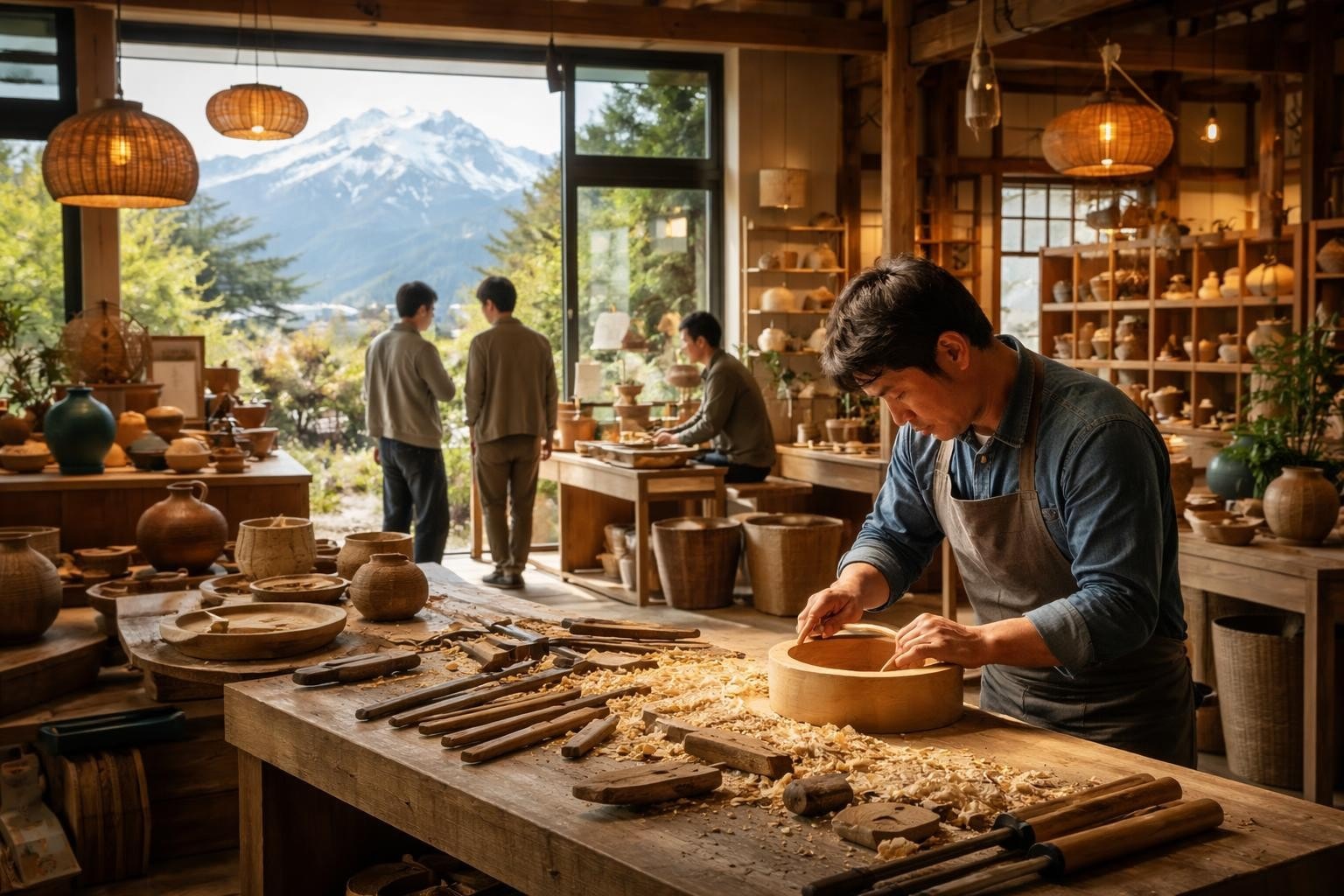
Nestled in the heart of Hokkaido’s northern region, Asahikawa represents a compelling blend of natural beauty, cultural heritage, and innovative design that discerning travelers increasingly seek. This city of approximately 330,000 residents serves as more than just a gateway to the Daisetsuzan mountain range; it stands as a testament to how tradition and modernity can coexist harmoniously. For luxury travelers exploring Japan beyond the well-trodden paths of Tokyo and Kyoto, Asahikawa, Hokkaido, offers an authentic experience where craftsmanship, culinary excellence, and cultural depth converge in unexpected ways.
Asahika, wa Hokkai, do earned international acclaim when it joined the UNESCO Creative Cities Network as a City of Design. This designation recognizes the city’s exceptional commitment to furniture design and wood craftsmanship, industries that have shaped its identity for over a century.
The recognition stems from several key factors:
This achievement places Asahikawa alongside prestigious global design capitals, yet the city maintains an accessible, unpretentious character that appeals to travelers seeking genuine cultural encounters rather than manufactured tourist experiences.
Understanding Asahikawa Hokkaido requires acknowledging its deep connections to Ainu culture. The Kawamura Kaneto Ainu Museum, established in 1916, preserves this indigenous heritage through extensive collections of artifacts, traditional clothing, and ceremonial objects.

The museum operates as a private institution dedicated to education and cultural preservation, offering visitors insights into the Ainu worldview, their relationship with nature, and their significant contributions to Hokkaido’s cultural landscape. For travelers interested in authentic cultural experiences, this represents an opportunity to understand Japan’s diversity beyond the dominant narratives.
The Hokkaido Asahikawa Museum of Art serves as the cultural cornerstone of northern Hokkaido. Established to showcase regional artistic achievements, the museum’s collection philosophy centers on two distinct themes: “Works in Wood” and “Art of Northern Hokkaido.”
| Collection Category | Focus Areas | Notable Features |
|---|---|---|
| Works in Wood | Furniture, sculpture, decorative arts | International contemporary pieces alongside local craftsmanship |
| Northern Hokkaido Art | Regional painters, printmakers | Landscape works reflecting Hokkaido’s natural environment |
| Special Exhibitions | Rotating displays | Collaborations with national and international institutions |
The museum’s architectural design itself merits attention, featuring clean lines and natural materials that reflect Asahikawa’s design principles. Gallery spaces utilize natural lighting to showcase the grain patterns and textures of wooden artworks, creating an immersive experience that connects viewers with the materiality of the region.
Beyond its museum offerings, Asahikawa’s participation in the Cities of Design Network demonstrates its commitment to fostering creative environments. This network facilitates knowledge exchange between global design communities, bringing international perspectives to local artisans while sharing Asahikawa’s unique approaches with the world.
The city’s design philosophy emphasizes:
Asahikawa, Hokkaido, is strategically located and serves as the primary gateway to Daisetsuzan National Park, Japan’s largest national park. The Japan National Tourism Organization highlights this proximity as one of the region’s most compelling features for nature enthusiasts.
The park offers experiences that vary dramatically with the seasons. Winter transforms the landscape into a pristine wonderland ideal for backcountry skiing and snowshoeing, while summer reveals alpine meadows filled with wildflowers. Autumn brings spectacular foliage displays, and spring features rushing snowmelt waterfalls throughout the mountain valleys.
Despite its relatively modest size, Asahiyama Zoo revolutionized zoo design through its “behavioral exhibition” concept. Rather than simply displaying animals in enclosures, the zoo creates environments that encourage natural behaviors, allowing visitors to observe penguins swimming overhead through underwater tunnels or polar bears diving from viewing platforms.
This innovative approach transformed a struggling regional zoo into one of Japan’s most visited attractions, demonstrating Asahikawa’s capacity for creative problem-solving and design thinking beyond furniture and crafts.

Each February, Asahikawa, Hokkaido, hosts one of Japan’s three major snow festivals. Unlike Sapporo’s more internationally famous event, Asahikawa’s festival maintains a more intimate atmosphere while showcasing the world’s largest snow sculptures.
The festival features:
For luxury travelers, experiencing this festival through private arrangements offers comfort without sacrificing authenticity. Heated viewing areas, exclusive access times, and curated culinary experiences can transform a cold winter event into an unforgettable cultural immersion.
Asahikawa regularly records Japan’s lowest temperatures, with winter readings frequently dropping below minus 20 degrees Celsius. While this extreme cold might seem daunting, it creates unique phenomena, such as diamond dust (ice crystals suspended in the air that sparkle in sunlight), and provides ideal conditions for powder snow.
Understanding and preparing for these temperatures becomes part of the adventure. High-quality winter gear, heated facilities, and thoughtful itinerary planning ensure comfort while allowing travelers to experience this distinctive aspect of Hokkaido’s climate.
Asahikawa, Hokkaido, developed its own distinctive ramen style, characterized by a shoyu (soy sauce)-based broth enhanced with seafood and pork stock. The style evolved to combat the region’s harsh winters, featuring a layer of lard or oil floating on the surface to maintain heat.
| Ramen Style | Characteristics | Notable Elements |
|---|---|---|
| Asahikawa Shoyu | Double soup base, medium-thick noodles | Lard oil cap, balanced flavor profile |
| Sapporo Miso | Rich miso broth, thick noodles | Butter and corn toare ppings common |
| Hakodate Shio | Clear salt broth, thin noodles | Lighter, refined taste |
The city hosts numerous ramen shops, from historic establishments preserving traditional recipes to innovative venues experimenting with fusion. For discerning food enthusiasts, a curated ramen tour provides insights into regional variations and the cultural significance of this comfort food.
Hokkaido’s agricultural reputation extends throughout Asahikawa’s culinary scene. The region’s extreme temperature variations create ideal conditions for certain crops, while dairy farms produce exceptional milk, cheese, and butter products.
Local specialties include:

Asahikawa’s historical development reflects Hokkaido’s broader colonization narrative. Established in the late 19th century, the city grew rapidly as a military outpost and railway junction, eventually becoming northern Hokkaido’s primary economic center.
The National Diet Library’s collection preserves historical photographs documenting this transformation from frontier settlement to modern city. Images of early wooden architecture, the development of industrial facilities, and the expansion of transportation infrastructure illustrate the pace of change throughout the 20th century.
Today, Asahikawa, Hokkaido, serves as a critical transportation nexus connecting various regions of northern Hokkaido. The official city introduction emphasizes this role in facilitating the movement of people and goods throughout the island’s northern regions.
The city’s airport offers domestic connections, while rail services link to Sapporo and other major destinations. For travelers exploring Hokkaido in depth, Asahikawa is an ideal base offering urban amenities and access to natural attractions.
Sophisticated travelers increasingly seek experiences that transcend conventional tourism. Asahikawa, Hokkaido, offers numerous opportunities for meaningful engagement with local culture, from private workshops with furniture artisans to exclusive sake tastings at boutique breweries.
These curated experiences might include:
The key to exceptional experiences lies in expert local knowledge and planning. Understanding which artisans accept visitors, which restaurants require reservations weeks in advance, and how to time visits for optimal seasonal conditions separates adequate trips from extraordinary journeys.
While Asahikawa offers fewer luxury hotel options than major metropolitan areas, several properties offer excellent service and comfort. Traditional ryokan in nearby hot spring areas offer authentic Japanese hospitality, while modern hotels in the city center provide convenient access to cultural attractions and dining.
For travelers accustomed to premium accommodations, private arrangements can significantly enhance comfort. This might include arranging exclusive use of facilities, customizing meal services to dietary preferences, or organizing private transportation for regional exploration.
Winter is Asahikawa’s peak season for snow enthusiasts and festival visitors. Temperatures remain consistently below freezing, creating reliable snow conditions and the magical diamond dust phenomenon.
Advantages of winter travel:
Considerations:
Summer provides comfortable temperatures and access to mountain hiking trails. The season attracts domestic tourists but remains relatively uncrowded compared to other Hokkaido destinations.
Summer highlights:
Spring (April-May) and autumn (September-November) offer distinct advantages for travelers seeking to avoid crowds while experiencing seasonal transitions. Cherry blossoms arrive later in Hokkaido than elsewhere in Japan, while autumn foliage displays rival the country’s most celebrated destinations.
Most travelers include Asahikawa, Hokkaido, in comprehensive Hokkaido explorations rather than visiting it in isolation. The city’s central location facilitates connections to coastal areas, other mountain regions, and Sapporo’s urban attractions.
A well-designed itinerary might allocate two to three days for Asahikawa and its immediate surroundings, allowing time for:
Accessing Asahikawa from Tokyo typically involves flying to either Asahikawa Airport directly or to New Chitose Airport near Sapporo, taking a train or private vehicle. Each approach offers distinct advantages depending on broader itinerary structure and personal preferences.
Private transportation provides flexibility for exploring the surrounding regions without adhering to public transit schedules. This becomes particularly valuable when visiting artisan workshops, rural restaurants, or natural areas with limited bus service.
When visiting furniture workshops or meeting artisans, understanding proper etiquette enhances interactions. Many craftspeople appreciate a genuine interest in their work but maintain busy production schedules. Advance arrangements through knowledgeable guides ensure welcome receptions while respecting professional boundaries.
Photography policies vary by location. Some artisans welcome documentation of their techniques, while others protect proprietary methods. Always request permission before photographing workshops, craftspeople, or their works in progress.
Hokkaido residents take pride in their ability to thrive in challenging climatic conditions. Demonstrating appropriate preparation for weather conditions shows respect for local culture. This includes dressing adequately for winter cold, understanding that some services close during extreme weather, and appreciating the resilience required for year-round life in northern Japan.
While Asahiyama Zoo and the winter festival attract most visitors, Asahikawa, Hokkaido, offers numerous lesser-known experiences for travelers seeking depth over breadth. Small galleries showcasing emerging artists, neighborhood sake bars frequented by locals, and seasonal markets featuring regional produce provide authentic encounters away from tourist crowds.
Hokkaido To Go’s insights into the city’s unique character highlight these aspects of daily life that make Asahikawa compelling beyond its major attractions. The city’s compact size allows exploration on foot or bicycle during warmer months, revealing neighborhood character that remains invisible from tour buses.
Meaningful travel experiences often emerge from interactions with residents rather than passive sightseeing. Asahikawa’s manageable size and welcoming atmosphere create opportunities for these connections, whether through craft workshops, cooking classes, or simply conversing with shopkeepers and restaurant staff.
Many locals possess limited English proficiency, making Japanese language skills or professional interpretation valuable for deeper engagement. However, the universal languages of appreciation for craftsmanship, culinary excellence, and natural beauty transcend verbal communication barriers.
Asahikawa, Hokkaido, represents a dimension of Japan that balances cultural authenticity with accessible comforts, offering discerning travelers meaningful experiences without sacrificing quality or refinement. From its UNESCO-recognized design heritage to its role as a gateway to northern Hokkaido, the city rewards those who venture beyond Japan’s most prominent destinations. Whether your interests lie in traditional craftsmanship, culinary excellence, natural beauty, or cultural immersion, expertly curated arrangements transform good trips into extraordinary journeys. Japan Royal Service specializes in creating these bespoke Hokkaido experiences, combining deep local knowledge with luxury service to ensure every aspect of your Asahikawa adventure reflects your unique interests and preferences.