
LINE ID japanroyalservice
+817013781777 click here
+817013781777 click here
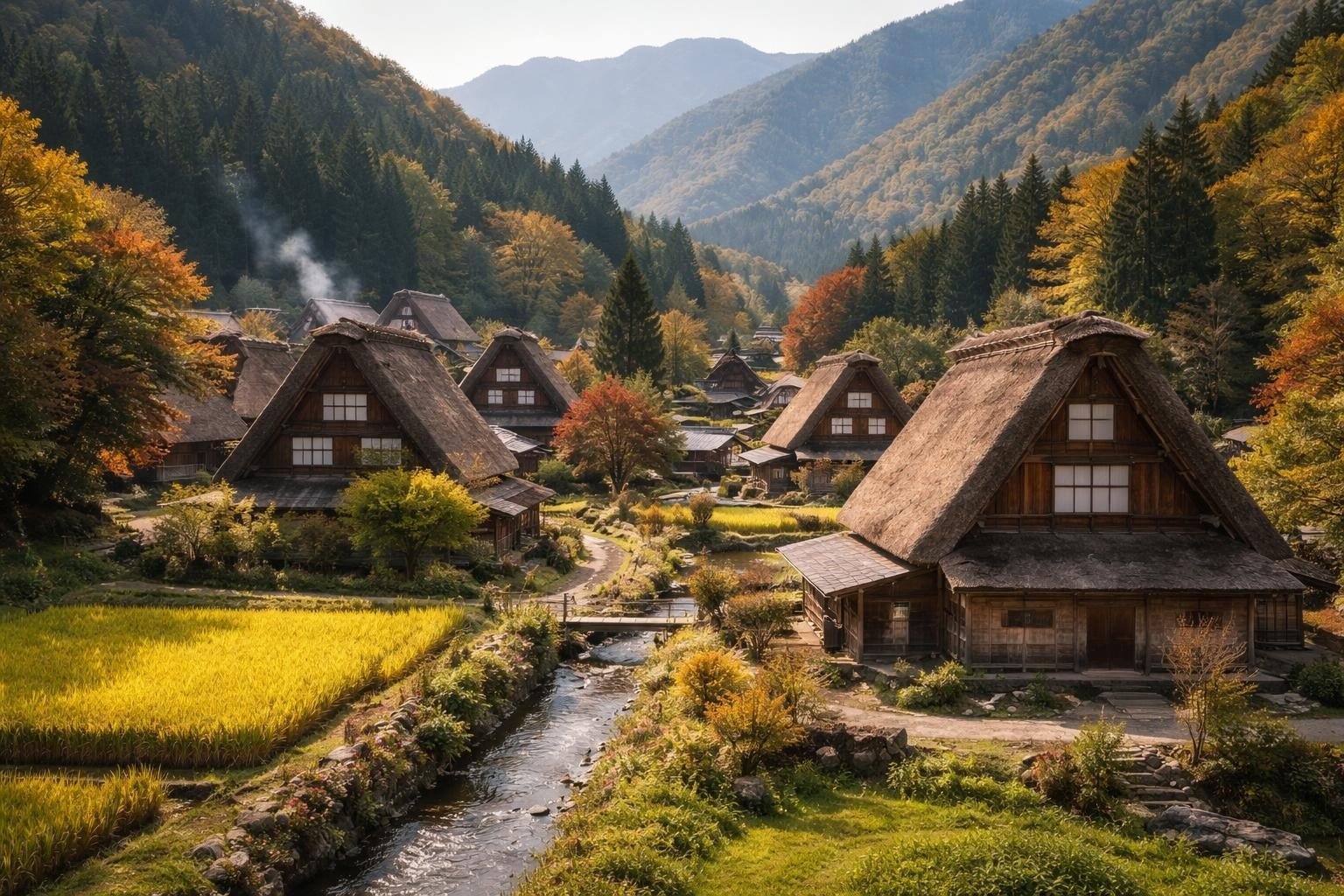
Nestled in the remote mountains of central Japan, Shirakawa-go in Gifu Prefecture represents one of the country’s most extraordinary preserved cultural landscapes. This UNESCO World Heritage Site captivates discerning travelers with its iconic gassho-zukuri farmhouses, traditional architecture that has withstood centuries of harsh mountain winters. For luxury travelers seeking authentic Japanese experiences beyond the typical tourist circuits, Shirakawa Gifu Prefecture offers an unparalleled glimpse into rural Japanese heritage, combining historical significance with breathtaking natural beauty that transforms dramatically across all four seasons.
The village of Shirakawa-go dates back several centuries, developing its distinctive architectural style out of necessity rather than aesthetics. The region’s extreme snowfall and isolation forced residents to devise innovative survival strategies. These gassho-zukuri houses, with their steep thatched roofs resembling praying hands, were designed to shed heavy snow accumulation while providing multi-level living and working spaces within a single structure.
The term “gassho-zukuri” literally translates to “constructed like hands in prayer,” and it perfectly describes the 60-degree angle of these remarkable roofs. The design served multiple practical purposes: the upper floors provided space for silkworm cultivation, a major industry in the region during the Edo period, while the steep pitch prevented snow accumulation that could collapse traditional roofing structures.
According to the Japan National Tourism Organization’s detailed overview, these farmhouses were built without nails, using rope and wooden joints to create structures that have survived for over 250 years. The thatched roofs require replacement approximately every 30 to 40 years, a massive undertaking that involves the entire community working together in a tradition called “yui.”

In 1995, Shirakawa Gifu Prefecture received UNESCO World Heritage designation alongside the neighboring Gokayama region. This recognition acknowledged not just the architectural significance but also the sustainable community practices that have maintained these structures across generations. The designation brought increased attention to tourism while simultaneously emphasizing the critical importance of preservation.
Key preservation challenges include:
The local community has implemented strict building codes and development restrictions to protect the village’s authentic character. Residents continue to live in many of these historic structures, creating a living museum rather than a static historical display.
Each season transforms Shirakawa Gifu Prefecture into a completely different visual and experiential destination. Luxury travelers can time their visits to align with specific seasonal highlights, each offering unique photographic opportunities and cultural experiences.
Winter remains the most iconic season for visiting this mountain village. Heavy snowfall blankets the gassho-zukuri farmhouses in pristine white, creating postcard-perfect scenes that have made the region internationally famous. The annual winter illumination events, held on select evenings between January and February, transform the village into a magical landscape.
| Season | Temperature Range | Highlights | Visitor Considerations |
|---|---|---|---|
| Winter | -5°C to 5°C | Snow-covered roofs, illuminations | Reservations are essential, land-limited access |
| Spring | 5°C to 20°C | Cherry blossoms, rice planting | Moderate crowds, pleasant weather |
| Summer | 20°C to 30°C | Lush greenery, festivals | Warm temperatures, highest accessibility |
| Autumn | 10°C to 20°C | Fall foliage, harvest season | Peak photography season, moderate crowds |
During these illumination events, visitor numbers are strictly controlled through reservation systems. The comprehensive Shirakawa-go travel guide provides detailed information about securing access during these exclusive periods, which typically accommodate only a limited number of visitors per evening.
As the snow melts in spring, the village awakens with cherry blossoms and the beginning of the rice planting season. This period offers luxury travelers a more intimate experience with fewer crowds and opportunities to observe traditional agricultural practices still maintained by residents.
Summer brings verdant landscapes, with rice fields at peak green. The warm season provides the most comfortable weather for exploring the village on foot and hiking to viewpoints. However, discerning travelers should note that summer also attracts larger tourist numbers.
Autumn transforms Shirakawa, Gifu Prefecture, with spectacular fall foliage. The surrounding mountains burst into vibrant reds, oranges, and golds, creating stunning contrasts against the traditional farmhouse architecture. This season ranks among photographers’ favorites, though it requires careful timing, as peak foliage windows shift with annual weather patterns.
For luxury travelers, Shirakawa in Gifu Prefecture offers experiences far beyond standard sightseeing. Understanding how to access these exclusive opportunities elevates a visit from memorable to truly extraordinary.
Several gassho-zukuri houses operate as luxury minshuku (traditional guesthouses), offering overnight stays within these historic structures. These accommodations provide authentic experiences, including:
These exclusive overnight experiences require booking, particularly during peak seasons. The intimate nature of minshuku accommodations means limited availability, making them ideal for travelers seeking authentic cultural immersion rather than standard hotel amenities.

Discerning visitors can arrange private workshops and experiences that connect them with living traditions. Local artisans offer sessions in traditional crafts, while culinary experiences showcase regional specialties unique to this mountain environment.
The Visit Gifu cultural exploration details various cultural programs available throughout the year. Private arrangements through specialized tour operators can secure exclusive access to workshops typically unavailable to general tourists, including private sake tastings at local breweries and guided tours by village elders who share personal histories spanning generations.
Capturing the perfect perspective of Shirakawa, Gifu Prefecture, requires knowledge of key viewpoints and optimal timing. The village’s compact nature makes it walkable, yet strategic planning ensures the most rewarding visual experiences.
The Shiroyama Observation Deck provides the most famous panoramic view of the entire village. Located approximately 15 minutes uphill from the village center, this viewpoint offers unobstructed views across the farmhouses with mountain backdrops. During illumination events, access becomes highly restricted with timed entry slots.
Best photography times:
While elevated viewpoints capture grand vistas, walking the village streets provides intimate encounters with architectural details and daily life. The Wada House, the largest gassho-zukuri structure open to public viewing, showcases the interior complexity of these buildings through exhibits that explain construction techniques and the historical lives of the families who built them.
Reaching Shirakawa-go, Gifu prefecture, requires careful planning, as its remote mountain location presents logistical challenges that luxury travelers should anticipate. The village’s isolation, while preserving its authentic character, means limited direct access options.
| Method | Duration from Tokyo | Advantages | Considerations |
|---|---|---|---|
| Express Bus | 5-6 hours | Direct service, scenic route | Limited schedule, weather dependent |
| Train + Bus | 4-5 hours | More frequent connections | Requires transfers at Kanazawa or Takayama |
| Private Car Service | 4-5 hours | Maximum flexibility, comfort | Higher cost, parking limitations in the village |
| Helicopter Charter | 2-3 hours | Ultimate luxury, aerial views | Extremely expensive, weather-dependent |
For discerning travelers, private car services offer optimal convenience, allowing flexible scheduling and luggage handling while providing comfort during the mountainous journey. The practical visitor information from Shoryudo outlines standard transportation options, though luxury travelers typically benefit from customized arrangements.
Winter access requires particular attention as heavy snowfall can affect road conditions and bus schedules. Vehicles must be equipped with winter tires or chains, and travel times can extend significantly during active snowfall. Spring and autumn offer the most reliable access conditions, while summer offers the greatest schedule flexibility.
Shirakawa-go, Gifu Prefecture, is a standout on broader luxury itineraries exploring central Japan’s cultural and natural treasures. Its location enables sophisticated multi-destination journeys combining UNESCO sites, hot spring resorts, and cultural capitals.
Just 50 minutes away by bus, the historic town of Takayama complements a Shirakawa-go visit perfectly. Known for its beautifully preserved Edo-period streets, morning markets, and exceptional sake breweries, Takayama offers luxury accommodations and refined dining unavailable in the smaller village.
Historic sites throughout Gifu Prefecture offer compelling itineraries for culturally focused travelers. Combining multiple locations allows a deeper understanding of regional history while offering a range of accommodations, from traditional farmhouses to luxury ryokan.
Northward connections to Kanazawa, renowned for its Kenroku-en Garden, contemporary art museums, and fresh seafood, create a natural routing for travelers approaching from Tokyo or continuing to Kyoto. The Tateyama Kurobe Alpine Route, accessible seasonally, adds dramatic mountain scenery to itineraries emphasizing natural beauty alongside cultural heritage.

The mountain environment of Shirakawa, Gifu Prefecture, has shaped distinctive culinary traditions based on preservation techniques and locally available ingredients. These specialties offer luxury travelers authentic taste experiences unavailable in urban centers.
The broader Gifu region, particularly the Hida area surrounding Shirakawa-go, produces some of Japan’s finest wagyu beef. Hida beef rivals the internationally famous Kobe variety with exceptional marbling and flavor. Local restaurants prepare this premium beef in various traditional styles, including:
The surrounding mountains provide abundant wild vegetables and mushrooms integral to local cuisine. Sansai (mountain vegetables) dishes showcase ingredients gathered seasonally from nearby forests and are prepared to highlight their natural flavors. These vegetables often appear in miso-based stews, tempura preparations, and as accompaniments to rice dishes.
Traditional preservation techniques, including pickling, drying, and fermenting, allowed mountain communities to survive harsh winters. These methods continue to this day, creating distinctive flavors that sophisticated palates appreciate for their depth and authenticity.
Experiencing Shirakawa, Gifu Prefecture, at the luxury level requires understanding certain practical realities that differ from those in typical high-end destinations. The village’s authentic nature means limited modern amenities, which are part of its appeal but require appropriate expectations.
Unlike luxury hotels in major cities, traditional farmhouse accommodations emphasize authentic experience over contemporary comfort. Travelers should anticipate:
These characteristics shouldn’t discourage luxury travelers; rather, they should frame expectations appropriately. The value lies in cultural authenticity and personal interaction rather than five-star amenities.
Visiting during the weekdays and avoiding major Japanese holidays provides a dramatically superior experience. Peak periods see the village overwhelmed with day-trippers, while carefully timed visits during shoulder seasons offer near-private access to viewpoints and unhurried interactions with residents.
Optimal visiting windows include:
For travelers prioritizing photographic documentation, Shirakawa Gifu Prefecture offers both exceptional opportunities and specific challenges that require preparation and knowledge.
The village’s lighting conditions vary dramatically by season and time of day. Winter illuminations require tripods and long exposure capabilities, while summer’s bright conditions favor midday architectural detail work. Essential equipment considerations include:
While Shirakawa-go welcomes photographers, residents continue their daily lives in this working village. Respect for privacy and property boundaries remains essential. Many farmhouses display signs indicating photography restrictions, particularly for interiors and private areas. Professional photographers should seek appropriate permissions for commercial work.
Morning light, before most tourists arrive, provides optimal photography conditions and respectful timing that minimizes disruption to residents. This early access represents one of the key advantages of overnight accommodation within the village itself.
The success of Shirakawa Gifu prefecture as a tourist destination creates ongoing challenges that thoughtful luxury travelers should understand and support through responsible visiting practices.
Annual visitor numbers now exceed one million, placing substantial pressure on village infrastructure and the residents’ quality of life. Local authorities have implemented various management strategies, including timed entry during illumination events, parking restrictions, and development limitations.
Luxury travelers contribute positively by choosing shoulder-season visits, respecting local regulations, supporting resident-operated businesses, and engaging with cultural programs that benefit the community economically while maintaining authenticity.
Maintaining gassho-zukuri structures requires enormous expense and specialized artisans, whose numbers dwindle annually. Tourism revenue helps fund preservation efforts, yet striking the balance between commercial viability and authentic community life remains delicate.
Supporting sustainability through:
The younger generation’s departure for urban opportunities threatens the village’s future viability as a living community rather than a museum. Tourism that genuinely supports residents while respecting their daily lives helps ensure Shirakawa-go’s continued authenticity for future generations.
Shirakawa-go, Gifu Prefecture, stands as one of Japan’s most remarkable cultural treasures, offering luxury travelers an authentic encounter with traditional mountain life preserved over the centuries. The combination of architectural significance, seasonal beauty, and living cultural traditions creates experiences unavailable elsewhere in modern Japan. For discerning travelers seeking to venture beyond conventional luxury destinations, Japan Royal Service specializes in crafting bespoke itineraries that seamlessly integrate Shirakawa-go into broader explorations of Japan’s cultural heartland, providing expert guidance, exclusive access, and premium transportation that transforms logistical challenges into effortless luxury experiences.