
LINE ID japanroyalservice
+817013781777 click here
+817013781777 click here
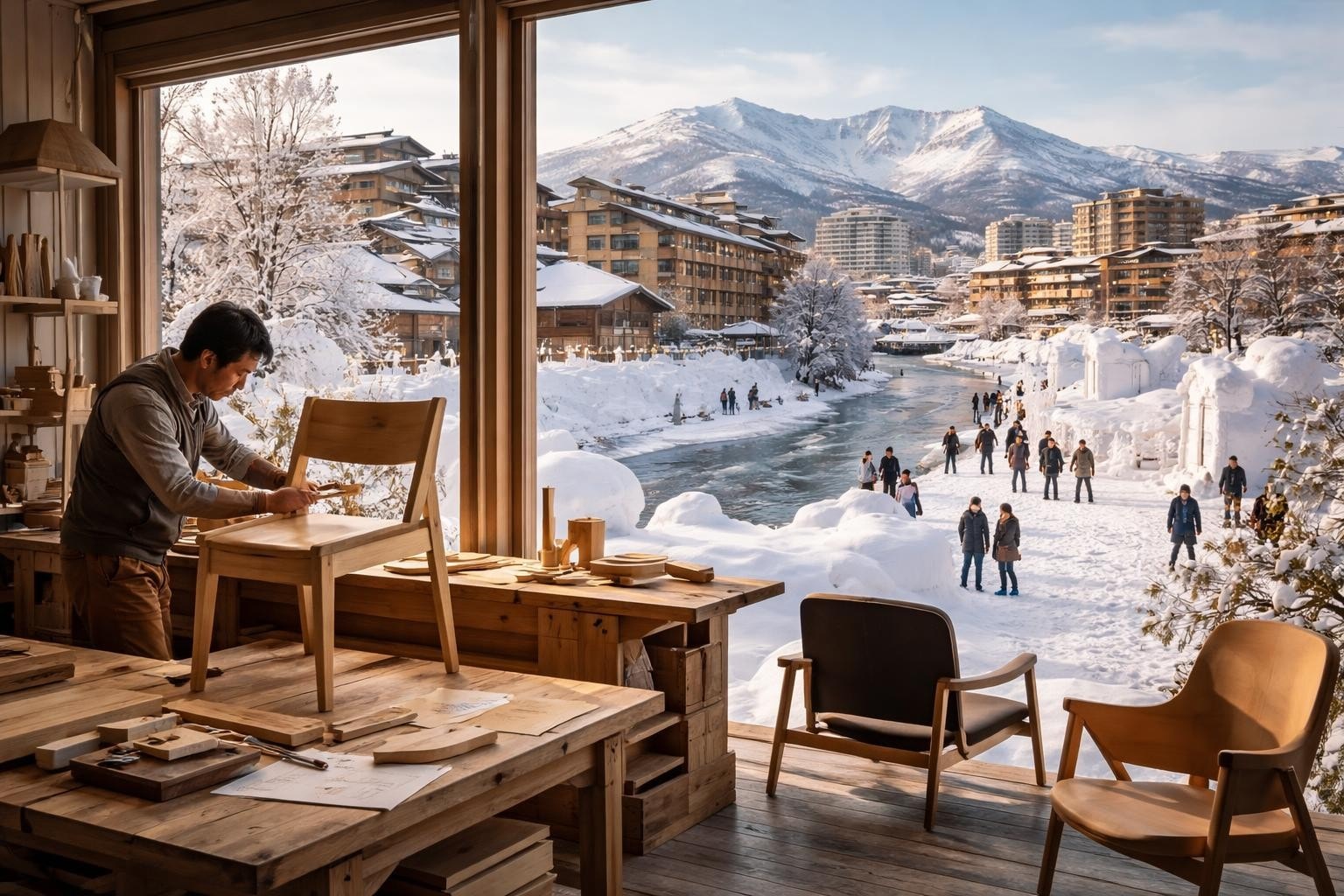
Nestled in the heart of Hokkaido, Asahikawa City represents an exceptional blend of cultural innovation, natural beauty, and authentic Japanese heritage. As the island’s second-largest urban center, this remarkable destination offers discerning travelers a sophisticated alternative to more heavily touristed regions. From its prestigious UNESCO designation to its world-renowned winter festivals and thriving arts scene, the city embodies the refined elegance that defines luxury travel in Japan’s northern territories.
Asahikawa City earned its prestigious UNESCO Creative Cities designation in 2019, joining an elite network of global design capitals. This recognition celebrates the city’s exceptional furniture-making tradition, sustainable urban development practices, and commitment to preserving craftsmanship while embracing innovation.
The furniture industry in this northern metropolis has flourished for over a century, with local artisans pioneering techniques that harmonize traditional Japanese woodworking with modern Scandinavian design principles. More than 30 furniture manufacturers operate within the region, producing pieces that grace luxury hotels and discerning homes worldwide.
The design philosophy here extends far beyond furniture production. It represents a comprehensive approach to creating beauty through:
For travelers seeking authentic cultural experiences, visiting the numerous workshops and showrooms provides invaluable insights into this living tradition. The Cities of Design Network facilitates international exchanges, making this an increasingly important destination for design enthusiasts.

According to the official city profile, Asahikawa City experiences one of Japan’s most dramatic temperature ranges, with winter lows reaching minus 25 degrees Celsius and summer highs exceeding 30 degrees Celsius. This continental climate creates distinct seasonal opportunities for luxury travelers.
Winter months (December through February) transform the city into a crystalline wonderland. The famous Asahikawa Winter Festival, typically held in early February, showcases massive snow and ice sculptures that rival those found in Sapporo while maintaining a more intimate atmosphere. The crisp, dry powder snow in the surrounding areas attracts skiing connoisseurs seeking less crowded slopes.
Spring brings spectacular cherry blossom displays along the Ishikari River, offering photographers and nature enthusiasts prime opportunities. Those interested in seasonal spring travel will find the city’s parks particularly enchanting during late April and early May.
| Season | Temperature Range | Key Attractions | Best For |
|---|---|---|---|
| Winter | -25°C to -5°C | Winter Festival, Snow Sculptures | Cultural events, winter sports |
| Spring | 5°C to 18°C | Cherry blossoms, Gardens | Photography, nature walks |
| Summer | 18°C to 30°C | Outdoor activities, Festivals | Hiking, cycling |
| Autumn | 10°C to 20°C | Fall foliage, Harvest events | Culinary experiences, scenery |
The Asahikawa City Museum preserves and presents the region’s multifaceted heritage, including significant exhibits on Ainu culture. The indigenous Ainu people have inhabited this region for millennia, and understanding their traditions provides essential context for appreciating the character of northern Hokkaido.
The museum’s comprehensive collections include:
Asahikawa Medical University represents one of Japan’s premier medical education institutions, contributing significantly to the city’s intellectual atmosphere. The university’s research programs focus on cold-climate medicine and public health, making substantive contributions to scientific knowledge.
Asahikawa City University offers programs in economics and social welfare, while numerous vocational schools maintain the region’s reputation for technical excellence. This educational infrastructure creates a dynamic community where traditional craftsmanship meets contemporary innovation.
Asahikawa City has cultivated a distinctive food culture that rivals Japan’s most celebrated culinary destinations. The region’s extreme climate and pristine environment produce exceptional ingredients that talented chefs transform into memorable dining experiences.
Asahikawa ramen stands as the city’s signature dish, characterized by its double-soup base combining pork bone broth with seafood stock, topped with a layer of flavored oil that insulates the noodles against the winter cold. More than 100 ramen establishments operate throughout the city, each maintaining unique recipes passed through generations.

The surrounding agricultural regions supply premium rice, vegetables, and dairy products. Local sake breweries utilize the pure snowmelt water and Hokkaido-grown rice varieties to produce refined beverages that complement the regional cuisine perfectly.
For those who appreciate culinary artistry, several establishments offer kaiseki experiences incorporating seasonal Hokkaido ingredients:
Accessing Asahikawa City has become increasingly convenient, with Asahikawa Airport offering direct connections to major Japanese cities and select international destinations. The airport sits just 16 kilometers from downtown, ensuring quick transfers to accommodations.
The Japan Railways network provides excellent connectivity, with limited express trains reaching Sapporo in approximately 90 minutes and offering scenic routes through Hokkaido’s interior. For travelers prioritizing comfort and flexibility, private luxury transportation services eliminate the stress of navigating public systems while enabling spontaneous itinerary adjustments.
The city features several properties catering to sophisticated travelers, from contemporary business hotels with impeccable service standards to traditional ryokan offering authentic Japanese hospitality. For those exploring multiple Hokkaido destinations, considering onsen day trip opportunities can enhance the overall experience.
Thoughtful travelers appreciate establishments that emphasize local materials in their architecture, regional ingredients in their cuisine, and connections to the surrounding cultural landscape. Several properties collaborate with local artisans, displaying furniture and crafts that tell the region’s design story.
The Daisetsuzan National Park lies within easy reach of Asahikawa City and offers some of Japan’s most pristine wilderness. The park encompasses active volcanoes, alpine ecosystems, and extensive hiking networks suitable for hikers of all fitness levels.
Winter activities include:
Summer transforms these landscapes into hiking paradises, with wildflower meadows, crystal-clear lakes, and refreshing temperatures providing relief from lowland heat. Guided expeditions can be arranged for those seeking expert interpretation of the natural environment.
The city’s shopping districts showcase the full spectrum of Hokkaido craftsmanship and design innovation. Several furniture showrooms welcome visitors, offering opportunities to observe manufacturing processes and commission custom pieces.
| Shopping District | Specialty | Recommended For |
|---|---|---|
| Kaimono Koen | Furniture showrooms | Design enthusiasts |
| Heiwa-dori | Local crafts and souvenirs | Gift shopping |
| Feel Asahikawa | Contemporary retail | Fashion and accessories |
| Asahikawa Station | Gourmet products | Food enthusiasts |
The city’s commitment to aesthetic excellence extends to public architecture and urban planning. Walking tours reveal thoughtful design interventions in parks, pedestrian zones, and community facilities that reflect UNESCO’s influence.

Beyond the internationally recognized Winter Festival, Asahikawa City hosts numerous events celebrating regional culture:
These events provide immersive opportunities to engage with local communities, understand cultural traditions, and create meaningful travel memories beyond standard sightseeing.
Strategic travelers recognize that Asahikawa City serves as an excellent base for exploring central and northern Hokkaido. Its location enables day trips to numerous attractions while avoiding the premium pricing and crowds associated with more famous destinations.
Combining visits here with other Hokkaido highlights creates comprehensive journeys that showcase the island’s diversity. For those also exploring Japan’s main island, the contrast between northern winter culture and experiences like Tokyo’s refined urban offerings illustrates the country’s remarkable regional variation.
Professional travel planning ensures seamless transitions between destinations, optimal timing for seasonal attractions, and access to experiences unavailable to independent travelers. Custom itineraries might combine design tourism, culinary exploration, outdoor adventure, and cultural immersion, tailored to individual interests.
The city’s approach to tourism development prioritizes sustainable practices that preserve cultural authenticity while welcoming international visitors. Local initiatives include:
Environmental conservation programs protecting natural areas surrounding the urban core
Cultural preservation projects documenting traditional crafts and supporting artisan livelihoods
Community-based tourism connecting visitors with local families and businesses
Educational exchanges fostering international understanding through structured programs
Understanding population and environmental data helps contextualize the city’s development trajectory and commitment to responsible growth. Discerning travelers increasingly value destinations that balance visitor experiences with community wellbeing and environmental stewardship.
The official city website provides comprehensive information in multiple languages, covering everything from emergency services to cultural etiquette. However, English proficiency varies considerably outside major hotels and tourist facilities.
Engaging professional services eliminates language barriers, ensures cultural sensitivity, and provides contextual knowledge that transforms sightseeing into genuine understanding. Expert guides familiar with local businesses, seasonal variations, and hidden attractions create value that independent research cannot replicate.
While each season offers distinct advantages, most luxury travelers find late January through early February (Winter Festival period) or late April through early June (spring bloom season) particularly rewarding. These periods balance favorable weather, special events, and manageable tourist volumes.
Winter visitors should pack appropriate cold-weather gear, though many establishments provide rental options for specialized equipment. Summer travelers need sun protection and layers to accommodate temperature fluctuations between air-conditioned interiors and warm exteriors.
Urban development initiatives focus on enhancing livability while maintaining the character that earned UNESCO recognition. New projects emphasize pedestrian-friendly infrastructure, energy efficiency, and public art installations that engage residents and visitors alike.
The furniture industry continues evolving, with younger designers incorporating digital fabrication technologies while respecting traditional joinery techniques—this balance between innovation and heritage positions the region for continued international relevance in the design world.
Tourism infrastructure improvements prioritize quality over quantity, developing accommodations and experiences that appeal to discerning travelers rather than mass-market segments. This strategic direction aligns perfectly with the preferences of those seeking authentic, uncrowded destinations offering genuine cultural engagement.
Asahikawa City represents an exceptional destination for travelers seeking authentic Japanese culture beyond the conventional tourism circuit, combining UNESCO-recognized design heritage with dramatic natural beauty and refined culinary traditions. For those desiring seamless access to this remarkable region and other extraordinary destinations across Japan, Japan Royal Service specializes in creating bespoke luxury experiences that transform standard itineraries into unforgettable journeys. Our expertise in northern Hokkaido destinations, combined with personalized service and exclusive local connections, ensures your exploration of this fascinating city exceeds expectations.