
LINE ID japanroyalservice
+817013781777 click here
+817013781777 click here
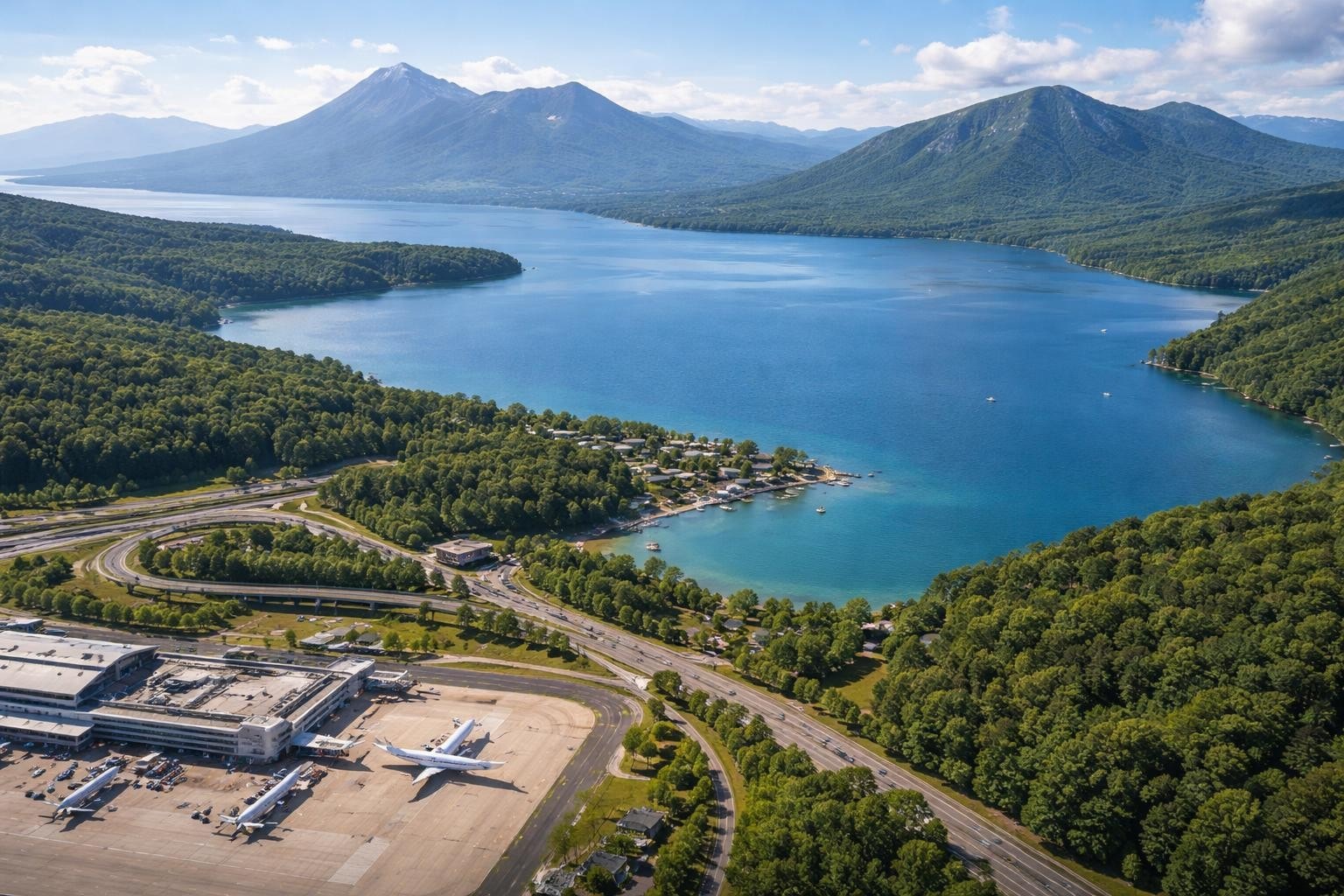
Nestled in southwestern Hokkaido, Chitose stands as one of Japan’s most strategically important yet often overlooked destinations. While many travelers rush through New Chitose Airport en route to Sapporo or Niseko, this vibrant city deserves far more attention than a mere layover. From the crystalline waters of Lake Shikotsu to unique cultural festivals and exceptional culinary experiences, Chitose offers compelling reasons to extend your stay. For discerning travelers seeking authentic Japanese experiences beyond the usual tourist circuits, this gateway city combines natural splendor with convenient access to Hokkaido’s renowned attractions.
Chitose, Hokkaido, serves as the primary entry point for visitors to Japan’s northernmost main island, with the busiest airport in Hokkaido. New Chitose Airport processes over 20 million passengers annually, making the city an essential transportation hub. Yet Chitose’s role extends far beyond its airport infrastructure, encompassing a rich industrial heritage centered on aerospace, paper manufacturing, and food processing.
The city’s name, meaning “thousand years,” reflects hopes for its eternal prosperity. With a population exceeding 95,000, Chitose, Hokkaido, has evolved into Hokkaido’s sixth-largest municipality. Its location, just 40 kilometers from Sapporo, provides exceptional accessibility while maintaining a distinctly different character from the prefectural capital.
The sister-city relationship between Chitose and Anchorage, Alaska, highlights the city’s international orientation. This partnership, established in 1977, emphasizes shared geographical characteristics and mutual interests in aviation, education, and cultural exchange. Direct flights connect New Chitose Airport with major Asian cities, enabling seamless international travel.
Ground transportation options from New Chitose Airport include:

Lake Shikotsu, Japan’s second-deepest lake, is the crown jewel of Chitose, Hokkaido’s natural attractions. This caldera lake, formed by volcanic activity approximately 40,000 years ago, maintains exceptional water clarity year-round. Unlike many Hokkaido lakes, Shikotsu rarely freezes, earning it the distinction of being Japan’s northernmost ice-free lake.
The Shikotsu-Toya National Park surrounds the lake, offering pristine wilderness experiences mere minutes from the airport. Volcanic peaks, including Mount Eniwa and Mount Fuppushi, create dramatic backdrops for outdoor activities. The park’s diverse ecosystems support brown bears, red foxes, and over 150 bird species, making it a paradise for wildlife enthusiasts.
| Season | Primary Activities | Unique Features |
|---|---|---|
| Spring (April-June) | Hiking, cycling, and fishing | Cherry blossoms, mountain wildflowers |
| Summer (July-September) | Kayaking, paddleboarding, camping | Water temperatures reach 20°C, with excellent visibility |
| Autumn (October-November) | Foliage viewing, hot spring bathing | Brilliant autumn colors, fewer crowds |
| Winter (December-March) | Ice festival, cross-country skiing | Transparent blue ice formations |
The Chitose–Lake Shikotsu Ice Festival transforms the lakeside into a frozen wonderland each winter. Artisans create massive ice sculptures using the lake’s remarkably clear water, which freezes into distinctive blue-tinted formations. Evening illuminations enhance the ethereal atmosphere, creating photography opportunities unmatched elsewhere in Hokkaido.
Multiple onsen resorts dot the Lake Shikotsu shoreline, each offering unique mineral compositions and architectural styles. Luxury properties provide private baths with lake views, kaiseki dining featuring Hokkaido ingredients, and spa treatments incorporating local volcanic clay. The therapeutic waters, rich in sulfur and other minerals, have attracted wellness seekers for over a century.
Premium accommodations around Chitose, Hokkaido, range from contemporary boutique hotels to traditional ryokan with tatami rooms and communal bathing facilities. Many establishments offer exclusive experiences such as private boat tours, guided forest bathing sessions, and customized culinary journeys featuring seasonal delicacies.
The Chitose Aquarium specializes in freshwater ecosystems, particularly salmon species native to Hokkaido’s rivers. This facility operates as the Indian Memorial Museum, commemorating the arrival of over 1,000 Indian salmon eggs in 1888, which established Hokkaido’s salmon fishing industry. Interactive exhibits demonstrate salmon life cycles, migration patterns, and conservation efforts.
The aquarium’s underwater observation chamber allows visitors to view salmon swimming upstream during spawning season (September through November). This unique perspective reveals the fish’s remarkable determination and physical transformation. Educational programs explain the ecological and economic significance of salmon to Hokkaido’s development.
Chitose’s aerospace industry connections date to the pre-war period when military airfields dominated the landscape. Today, the Japan Air Self-Defense Force maintains a significant presence, coexisting with civilian aviation. Aviation enthusiasts can observe various aircraft types at designated viewing areas near the airport.
The city’s paper manufacturing heritage, centered on utilizing Hokkaido’s extensive forests, continues through modern facilities producing specialty papers for international markets. Food processing plants leverage the region’s agricultural bounty, particularly dairy products, vegetables, and seafood, creating employment for thousands of residents.

The gastronomic scene in Chitose, Hokkaido, reflects Hokkaido’s reputation as Japan’s premier food destination. Local restaurants emphasize farm-to-table concepts, showcasing ingredients sourced from nearby farms, dairies, and fishing ports. Seasonal menus change frequently to highlight the freshest available products.
Signature culinary experiences include:
Michelin-quality dining exists alongside casual izakaya pubs and family restaurants. Several establishments near Lake Shikotsu specialize in wild game cuisine, preparing venison and duck with French techniques and Japanese sensibilities. These fusion approaches create memorable dining experiences that honor local ingredients while demonstrating culinary innovation.
New Chitose Airport has evolved into a destination in its own right, featuring over 120 shops and 50 restaurants. The Hokkaido food court features regional specialties from across the prefecture, allowing travelers to sample signature dishes from different cities in one place. Souvenir shops stock premium chocolates, cookies, and savory snacks that make exceptional gifts.
Royce’s Chocolate World and Shiroi Koibito Park maintain facilities where visitors can observe production processes and purchase exclusive airport-only products. These premium confections, crafted with Hokkaido dairy, have achieved international recognition for quality and distinctive flavors.
The natural landscapes surrounding Chitose provide exceptional opportunities for adventure tourism. Professional guides lead kayaking expeditions across Lake Shikotsu’s transparent waters, where visibility often exceeds 20 meters. Paddlers can observe underwater rock formations and fish populations without specialized equipment.
Mountain biking trails traverse volcanic terrain, offering routes suitable for riders of all skill levels. Electric mountain bikes enable less experienced riders to enjoy challenging topography while maintaining sustainable travel practices. Guided cycling tours incorporate cultural stops at shrines, farms, and craft studios.
While Chitose Hokkaido may not rival Niseko’s powder-snow reputation, the surrounding mountains offer excellent backcountry skiing and snowshoeing. Less crowded than major resorts, these areas appeal to travelers seeking solitude and pristine conditions. Professional guides ensure safety while accessing the best terrain.
Ice fishing on frozen rivers and smaller lakes provides unique winter entertainment: local outfitters supply equipment, heated shelters, and instruction for catching smelt and other cold-water species. Many operators include preparing tempura for the day’s catch, creating a complete cultural and culinary experience.
| Activity Type | Best Season | Skill Level Required | Average Duration |
|---|---|---|---|
| Lake kayaking | June-September | Beginner to Advanced | 2-4 hours |
| Mountain hiking | May-October | Intermediate | 4-6 hours |
| Ice festival viewing | January-February | All levels | 2-3 hours |
| Cycling tours | April-November | Beginner to Intermediate | 3-5 hours |
| Wildlife watching | Year-round | All levels | 2-6 hours |

Luxury travelers increasingly recognize Chitose, Hokkaido, as an ideal base for exploring Hokkaido without sacrificing comfort or convenience. The city’s proximity to both natural wonders and urban amenities creates flexibility for customized itineraries. Private guides can craft day trips that incorporate outdoor adventures, cultural immersion, and culinary discoveries, tailored to individual preferences.
Exclusive access experiences include private onsen reservations, after-hours museum visits, and chef-led market tours followed by hands-on cooking instruction. These curated activities provide deeper engagement with local culture than standard tourism permits. Professional photography services can document journeys, creating lasting memories of transformative travel experiences.
The short distance between New Chitose Airport and Lake Shikotsu (about 30 minutes by car) allows travelers with limited time to enjoy nature on the same day. Premium transportation services offer Mercedes-Benz vehicles with English-speaking drivers who serve as cultural ambassadors and logistical coordinators.
Multi-day itineraries might combine Chitose Hokkaido with Sapporo’s urban sophistication, Otaru’s canal district charm, or Furano’s lavender fields. Private vehicles eliminate the constraints of public transportation schedules, allowing spontaneous stops at roadside farm stands, craft breweries, or scenic viewpoints. This flexibility proves particularly valuable for photographers, families with children, or travelers with specific interests.
Luxury lodging options around Chitose, Hokkaido, range from international hotel brands near the airport to intimate ryokan overlooking Lake Shikotsu. Each property type offers distinct advantages depending on travel priorities and preferences.
Modern hotels provide consistent service standards, comprehensive amenities, and convenient airport access. These properties suit business travelers and those preferring contemporary comforts. Many feature exceptional restaurants, fitness centers, and concierge services familiar with creating customized experiences.
Traditional ryokan emphasize cultural immersion through architectural details, service rituals, and seasonal kaiseki cuisine. Sleeping on futon mattresses, bathing in communal onsen, and dining on tatami mats create authentic Japanese experiences. Staff at premium ryokan often speak multiple languages and understand international guests’ needs while maintaining cultural authenticity.
High-end vacation rentals near Lake Shikotsu offer privacy and space for families or groups. These properties feature full kitchens, multiple bedrooms, and outdoor spaces, allowing extended stays with home-like conveniences. Some include private onsen facilities, chef services, and dedicated concierge support.
Booking luxury accommodations in Chitose, Hokkaido, requires planning, particularly during peak seasons (winter ice festival, summer lake season, autumn foliage). Professional travel planners can secure reservations at exclusive properties and negotiate special amenities such as room upgrades, late checkouts, or complimentary experiences.
Understanding seasonal weather patterns proves essential for trip planning. Hokkaido experiences four distinct seasons with significant temperature variations. Summer temperatures average 20-25°C with low humidity, creating comfortable conditions for outdoor activities. Winter brings heavy snowfall and temperatures often below freezing, requiring appropriate clothing and preparation.
Essential packing considerations by season:
Mobile connectivity remains excellent throughout Chitose Hokkaido, with 5G coverage in urban areas and reliable 4G service near Lake Shikotsu. Pocket Wi-Fi rentals available at New Chitose Airport ensure constant internet access for navigation, translation, and communication. Most restaurants and hotels offer free Wi-Fi, though connection speeds vary.
English proficiency varies significantly across Chitose, Hokkaido. Airport staff, major hotels, and tourist-focused businesses typically employ English speakers, while smaller establishments may require translation apps or gesture-based communication. Learning basic Japanese phrases demonstrates respect and often receives warm appreciation from locals.
Cultural etiquette in onsen bathing requires understanding specific protocols. Thorough washing before entering communal baths, avoiding swimwear in traditional facilities, and maintaining quiet conversation levels ensure respectful participation. Many luxury properties offer private bathing options for those uncomfortable with communal nudity.
Beyond the famous winter ice festival, Chitose Hokkaido hosts numerous events celebrating local culture, history, and natural phenomena. The Chitose JAL International Marathon (June) attracts runners worldwide to compete on courses showcasing the city’s scenery. Summer fireworks festivals illuminate Lake Shikotsu’s shoreline, combining pyrotechnic artistry with natural beauty.
Autumn harvest festivals feature local agricultural products, traditional performances, and community gatherings. These grassroots events provide insights into daily life and seasonal rhythms that major tourist attractions cannot replicate. Participating in local festivals creates meaningful cultural exchanges and memorable travel moments.
The salmon return season (September-November) draws nature enthusiasts to observe spawning migrations in rivers feeding Lake Shikotsu. Interpretive programs explain ecological processes and conservation efforts protecting these vital fish populations. Photography workshops help participants capture dramatic images of leaping salmon against autumn foliage.
Chitose, Hokkaido, demonstrates a commitment to sustainable tourism through various initiatives that protect natural resources while welcoming visitors. Lake Shikotsu’s designation within Shikotsu-Toya National Park ensures regulatory oversight, preventing overdevelopment and environmental degradation. Strict waste management policies and education programs maintain the lake’s exceptional water quality.
Tour operators increasingly adopt eco-friendly practices, including electric boat motors, leave-no-trace camping protocols, and wildlife observation guidelines, minimizing disturbance. Travelers can support these efforts by choosing certified sustainable operators, respecting natural areas, and following local environmental regulations.
Accommodation providers implement energy-efficiency measures, waste-reduction programs, and locally sourced procurement policies. Some properties achieve carbon-neutral operations through renewable energy and offset programs. Selecting environmentally responsible lodging aligns luxury travel with conservation values.
Using Chitose Hokkaido as a base enables exploration of broader Hokkaido regions while maintaining comfortable, familiar lodging. Day trips to Sapporo provide urban cultural experiences, including museums, shopping districts, and historic sites. The Sapporo Beer Museum, Odori Park, and Susukino entertainment district offer contrasts to Chitose’s natural focus.
Otaru’s preserved canal district and glass-blowing studios attract art enthusiasts and history buffs. This coastal city’s sushi restaurants serve exceptionally fresh seafood in intimate settings. Private transportation allows combining Otaru visits with coastal drives offering spectacular sea views.
Furano and Biei’s agricultural landscapes showcase Hokkaido’s pastoral beauty. Lavender fields (July), rolling hills planted with various crops creating patchwork patterns, and farm-to-table restaurants demonstrate the region’s agricultural excellence. Photography enthusiasts find endless subjects in these carefully cultivated landscapes.
Multi-day itineraries might incorporate Noboribetsu’s dramatic volcanic landscapes and renowned onsen, Hakodate’s historic port district and night views, or Asahikawa’s zoo and sake breweries. Professional travel planners design cohesive journeys,s balancing diverse experiences while managing logistics efficiently.
Chitose, Hokkaido, offers sophisticated travelers an exceptional blend of natural beauty, cultural authenticity, and modern convenience, serving as either a destination in its own right or a gateway to broader exploration of Hokkaido. The city’s unique position between pristine wilderness and contemporary infrastructure creates opportunities for transformative experiences. Whether seeking outdoor adventure, cultural immersion, culinary excellence, or restorative wellness, this often-overlooked destination delivers beyond expectations. Japan Royal Service specializes in crafting bespoke Chitose experiences that reveal hidden gems, provide exclusive access, and ensure seamless logistics through premium transportation and expert local knowledge, transforming your Hokkaido journey into an unforgettable luxury adventure.