
LINE ID japanroyalservice
+817013781777 click here
+817013781777 click here
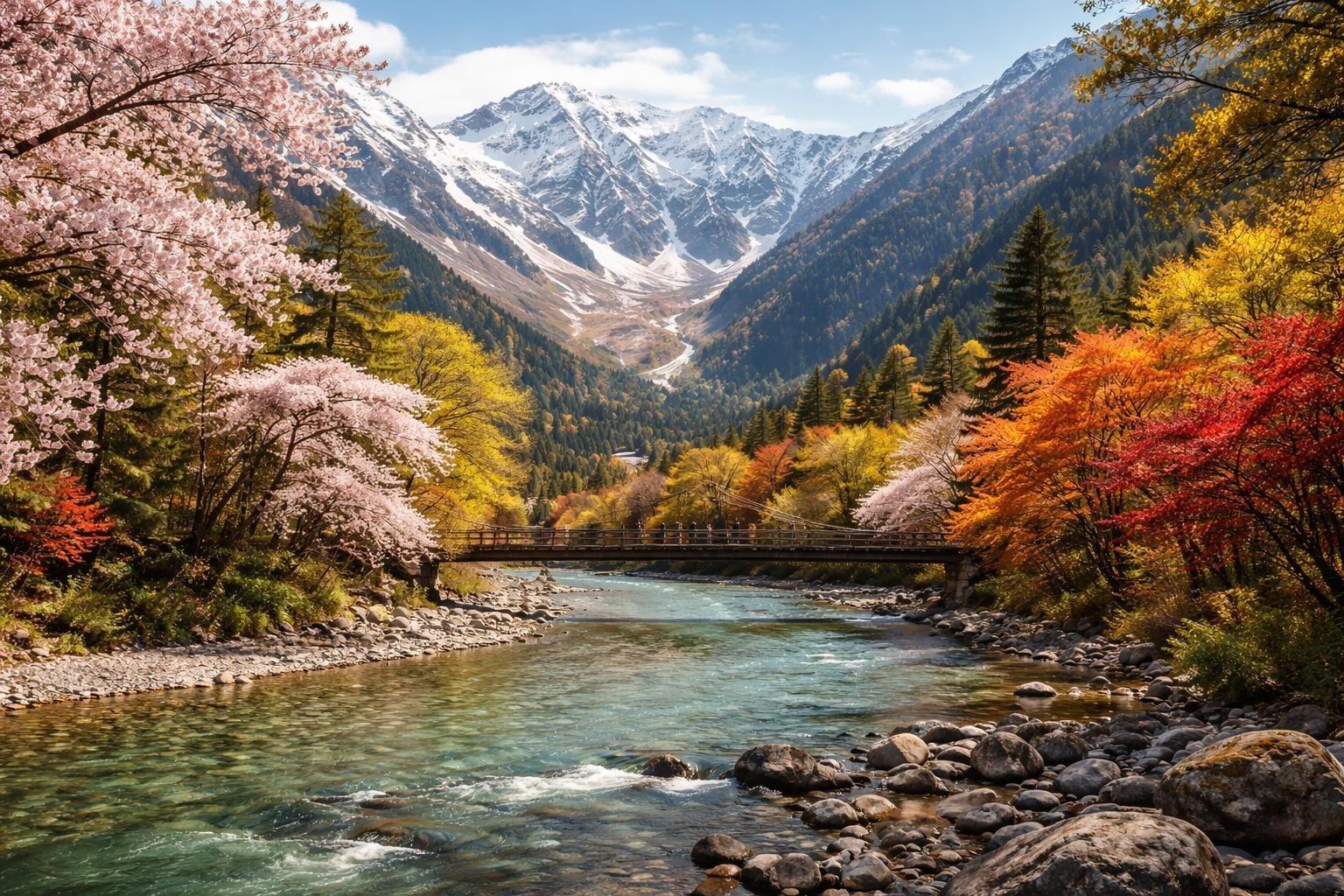
Nestled in the heart of the Northern Japanese Alps, kamikōchi stands as one of Japan’s most magnificent mountain retreats, offering discerning travelers a rare combination of untouched wilderness and refined accessibility. This highland valley, at 1,500 meters in elevation in Nagano Prefecture, has captivated visitors since the late 19th century with its crystalline rivers, dramatic peaks, and forests that undergo spectacular seasonal transformations. For luxury travelers seeking authentic connections with Japan’s natural heritage, kamikōchi is an unparalleled destination where conservation meets comfort and every vista tells a story of geological wonder and cultural reverence.
The kamikōchi valley stretches approximately 15 kilometers along the Azusa River, a tributary of the Shinano River system. This remarkable basin lies within Chubu Sangaku National Park, one of Japan’s most protected natural areas. It serves as the gateway to some of the country’s most challenging and rewarding alpine terrain.
The geography of this region owes its dramatic character to volcanic activity and glacial sculpting over millennia. Mount Hotaka, the third-highest peak in Japan at 3,190 meters, dominates the eastern skyline, while Mount Yake, an active volcano, rises to the west. This juxtaposition of geological forces creates a landscape of extraordinary diversity.
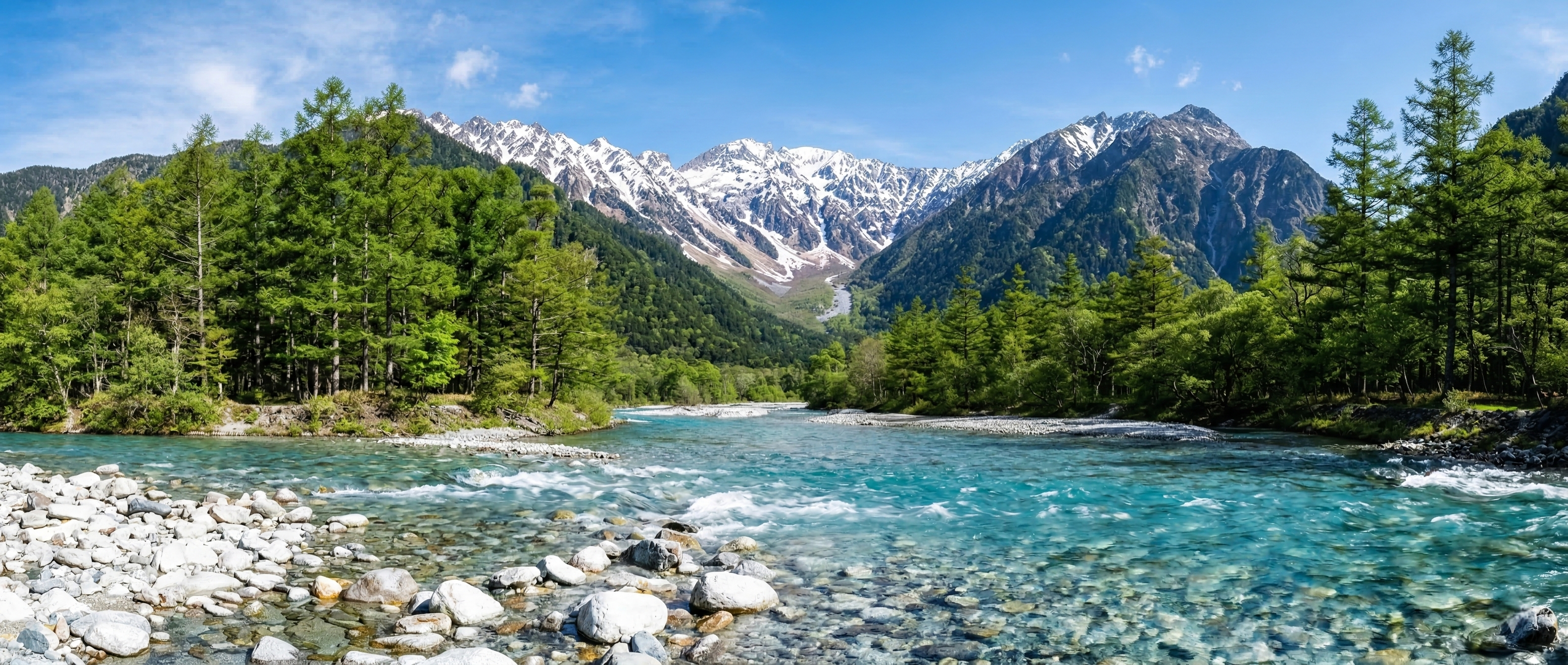
The Azusa River serves as kamikōchi’s liquid backbone, fed by snowmelt and mountain springs that maintain remarkably pure water quality year-round. The river’s turquoise hue, particularly visible at Taisho Pond and Tashiro Pond, results from fine sediment particles suspended in the glacial meltwater.
According to research on environmental conditions in Kamikōchi, the watershed maintains exceptional purity despite the seasonal influx of visitors, thanks to stringent conservation protocols. The river system supports diverse aquatic ecosystems and provides drinking water for the valley’s limited infrastructure.
The name “kamikōchi” translates to “where the gods descend,” reflecting the spiritual reverence Japanese culture has long held for this mountain sanctuary. For centuries, the valley remained virtually inaccessible to anyone but the most dedicated mountaineers and religious pilgrims.
British missionary Walter Weston played a pivotal role in introducing kamikōchi to the wider world in the late 1800s. His writings and mountaineering expeditions established the valley as Japan’s premier alpine destination, sparking a movement that would eventually lead to its designation as a Special Natural Monument and Special Place of Scenic Beauty.
The Hotaka Shrine and its cultural significance remain central to understanding the area’s spiritual dimension. The shrine’s origins trace back over 1,000 years, with its inner sanctuary located on the summit of Mount Hotaka, while a more accessible branch stands within the valley itself.
| Historical Period | Significance to Kamikōchi |
|---|---|
| Pre-1900 | Sacred mountain area accessible only to pilgrims and hunters |
| 1896-1915 | Walter Weston’s promotion brings international attention |
| 1928 | Designated a National Cultural Asset |
| 1934 | Inclusion in Chubu Sangaku National Park |
| 1952 | Special Natural Monument and Special Place of Scenic Beauty designation |
| Present Day | Protected conservation area with managed tourism access |
Kamikōchi operates on a strict seasonal schedule, typically opening from mid-April through mid-November. This limited access window protects the environment during harsh winter months while concentrating visitor experiences during periods of maximum natural beauty.
The opening of kamikōchi in mid-April marks one of Japan’s most anticipated natural events. Snow still caps the surrounding peaks while valley floors burst with fresh greenery and early alpine flowers. Temperatures range from 5°C to 15°C, requiring layered clothing but offering crisp, clear mountain air.
Cherry blossoms arrive later at this elevation, typically peaking in early May, creating a unique opportunity to experience hanami in an alpine setting. The contrast between delicate pink blossoms and snow-covered peaks provides photographers with exceptional compositional opportunities.
Peak season brings warm days with temperatures reaching 20-25°C, though nights remain cool. This period offers the most extensive hiking access, as higher elevation trails become snow-free and mountain huts open for overnight stays. The natural beauty and hiking opportunities reach their zenith during these months.
However, summer also brings the highest visitor numbers and occasional afternoon thunderstorms. Luxury travelers benefit from booking premium accommodations well in advance and from planning early-morning activities to avoid crowds.
Many connoisseurs consider autumn the finest season for kamikōchi. From late September through mid-October, the valley transforms into a tapestry of crimson, gold, and amber as deciduous trees shift into their fall palette. The Japanese larch, particularly abundant throughout the region, turns a brilliant golden-yellow that contrasts magnificently with evergreen conifers.
Morning temperatures drop to near-freezing, creating ethereal mist formations over Taisho Pond and the Azusa River. These atmospheric conditions, combined with reduced visitor numbers after summer’s end, offer ideal circumstances for contemplative nature experiences.
Despite its remote location, kamikōchi offers surprisingly sophisticated lodging options that cater to luxury travelers without compromising environmental integrity. All accommodations within the valley operate under strict sustainability guidelines, yet several properties deliver exceptional comfort and service.
The valley contains approximately a dozen hotels and lodges, ranging from traditional mountain huts to upscale ryokan-style properties. Premium establishments offer private bathrooms, kaiseki dining featuring local ingredients, and floor-to-ceiling windows framing mountain panoramas.
Kamikochi Imperial Hotel stands as the valley’s flagship luxury property, featuring European alpine architecture that complements rather than conflicts with the Japanese landscape. The property operates only during the open season but provides amenities, including:
Other notable properties include Nishi-Itoya Mountain Lodge, offering traditional Japanese hospitality with modern refinements, and Tokusawa Inn, located farther into the valley for maximum seclusion.
The trail network throughout Kamikōchi accommodates all fitness levels, from barrier-free boardwalks to challenging alpine ascents that require technical skills and proper equipment.
The most popular route connects Kappa Bridge to Myojin Pond, covering approximately 3.5 kilometers of well-maintained pathways. This walk requires minimal elevation gain and typically takes 90 minutes at a leisurely pace, allowing ample time for photography and wildlife observation.
Kappa Bridge itself serves as kamikōchi’s symbolic center, a suspension bridge offering iconic views of Mount Hotaka reflected in the Azusa River. Early morning visits, particularly in autumn, reward visitors with mirror-still water conditions and soft golden light.
For travelers seeking more substantial hiking experiences, several half-day and full-day routes extend into the surrounding mountains:
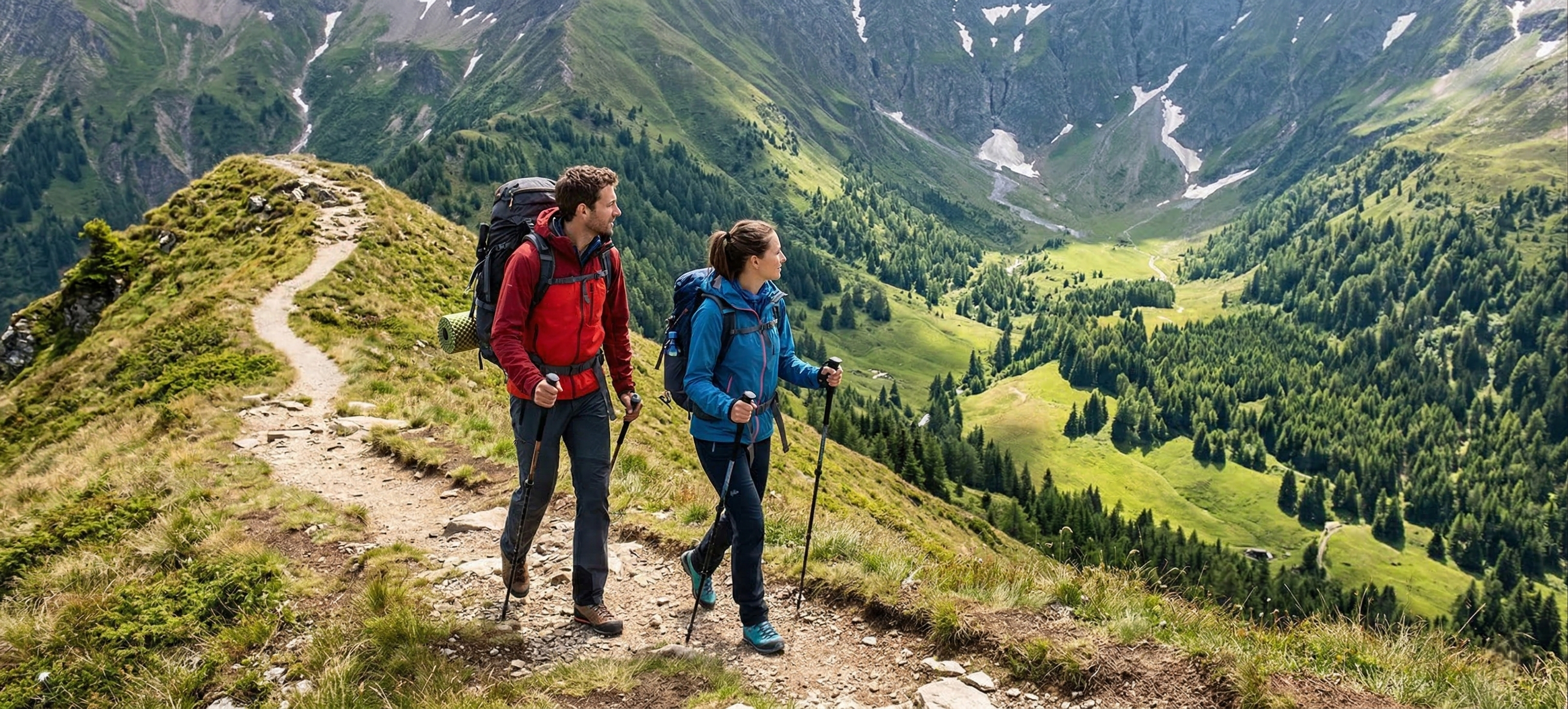
These intermediate trails require proper hiking boots, weather-appropriate clothing, and basic navigation skills. The biodiversity throughout these routes includes Japanese macaques, ptarmigan, and over 150 bird species.
Experienced mountaineers use kamikōchi as a base for multi-day expeditions to the surrounding peaks. The ascent of Mount Hotaka via the Karasawa route represents Japan’s classic alpine climb, requiring crampons, ice axes, and mountain hut reservations during the summer climbing season.
| Trail Name | Distance | Duration | Difficulty | Key Features |
|---|---|---|---|---|
| Kappa Bridge to Myojin | 3.5 km | 90 min | Easy | Riverside boardwalks, shrine, pond |
| Taisho Pond Loop | 4 km | 2 hours | Easy | Lake views, Mount Yake panoramas |
| Dakesawa Hut | 10 km | 5 hours | Moderate | Elevation gain, mountain refuge |
| Karasawa to Hotaka Summit | 15 km | 2 days | Advanced | Alpine terrain, technical sections |
The protected status of kamikōchi has enabled remarkable biodiversity to flourish within its boundaries. The valley serves as a crucial habitat corridor connecting higher- and lower-elevation ecosystems.
Japanese macaques are frequently seen along valley trails, particularly near Kappa Bridge and Myojin. These snow monkeys show minimal fear of humans, but they should never be fed or approached closely. Black bears also inhabit the region, though encounters remain rare due to robust wildlife management protocols.
Smaller mammals, including Japanese squirrels, martens, and various bat species, contribute to the ecosystem’s complexity. The alpine zone above treeline supports populations of mountain hares that shift to white coats during winter months.
Birdwatchers prize kamikōchi for opportunities to observe species rarely seen at lower elevations. The Japanese rock ptarmigan, designated a Special Natural Monument, lives exclusively in alpine zones above 2,500 meters. Other notable species include:
The valley’s vegetation zones shift dramatically with elevation, creating distinct botanical communities. Lower valley floors support mixed forests of Japanese larch, birch, and maple, while higher elevations transition to coniferous forests dominated by stone pine and fir species.
Alpine meadows above treeline burst with wildflowers during July and August, including endemic species found nowhere else in Japan. The seasonal wildflower displays attract botanical enthusiasts from around the world.
Reaching kamikōchi requires careful planning, as private vehicle access is prohibited to protect the environment. This restriction actually enhances the luxury travel experience by ensuring pristine conditions and managing visitor density.
Matsumoto serves as the primary gateway city, located approximately 60 kilometers from the valley entrance. The city offers Shinkansen connections to Tokyo and Nagoya, along with a charming historic castle and a vibrant art scene worth exploring.
From Matsumoto, travelers transfer to buses or taxis to Sawando, where they board official kamikōchi shuttle buses for the final 30-minute ascent. Alternative access routes via Takayama in Gifu Prefecture offer scenic mountain highway approaches.
Luxury travelers benefit from private car services to Sawando, where dedicated concierge staff can coordinate luggage transfer to valley hotels, eliminating the need to manage bags during the bus transfer.
The exact opening and closing dates vary annually based on snow conditions and weather patterns. The official Kamikōchi information typically announces dates in early March for the upcoming season.
Bus services operate continuously during open season, with increased frequency during peak periods. Early morning and late afternoon buses often provide the most comfortable travel experiences, avoiding midday crowds.
Kamikōchi has inspired generations of Japanese photographers, painters, and writers. The interplay of light, water, and mountain forms creates endless compositional possibilities that change hourly as sun angles shift and weather patterns evolve.
Several locations have achieved legendary status among photography enthusiasts:
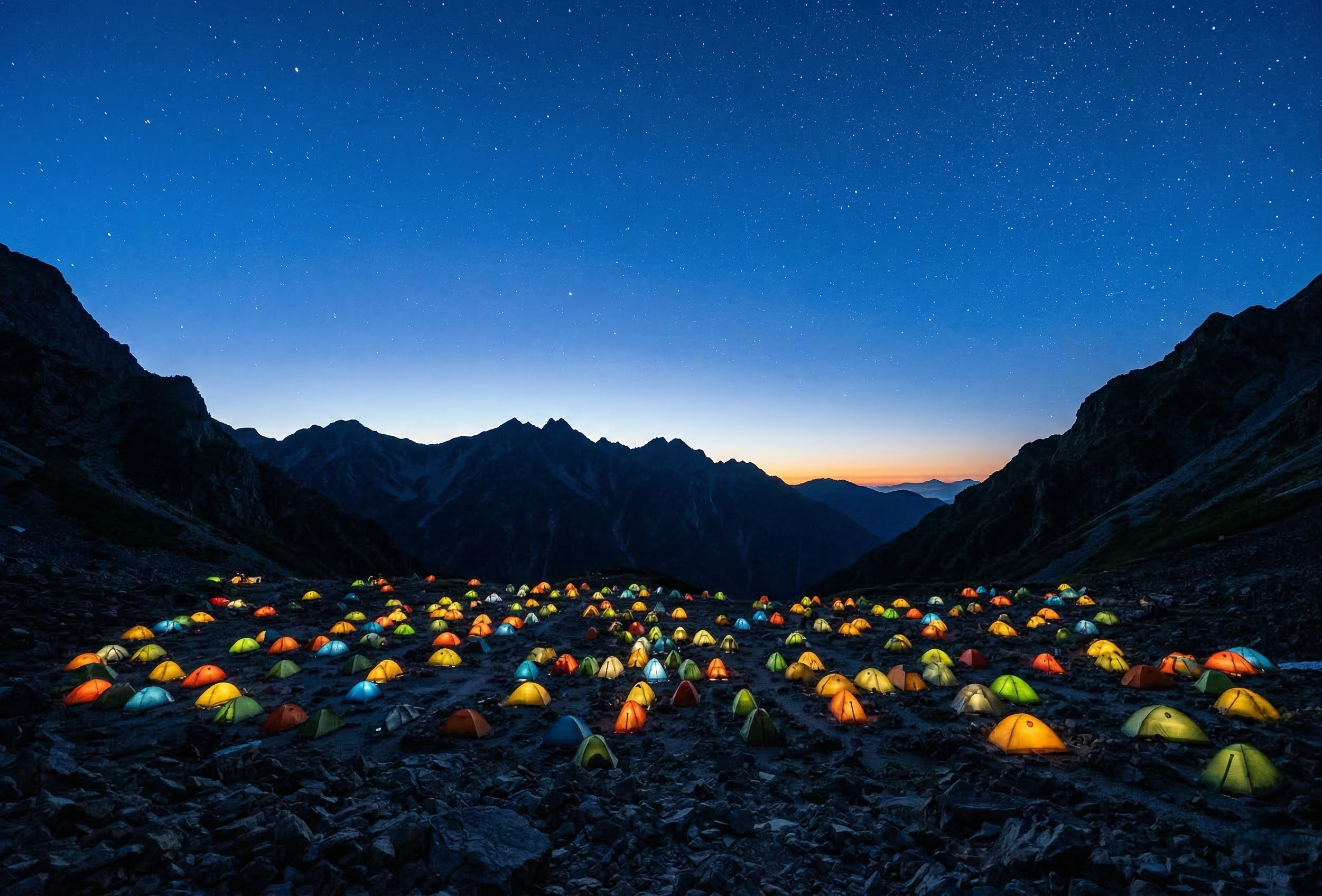
Professional photographers often visit kamikōchi multiple times across different seasons to capture the location’s transformative character. The valley’s protection from light pollution also enables exceptional night photography, with the Milky Way visible on clear evenings.
The pristine condition of kamikōchi results from decades of committed conservation efforts and strict visitor guidelines. Understanding and respecting these protocols ensures the valley remains unspoiled for future generations.
All visitors must adhere to comprehensive environmental regulations:
Hotels and restaurants within the valley operate sophisticated waste management systems, including composting organic matter and removing all non-degradable materials via the same shuttle buses that bring supplies.
Scientific research stations throughout kamikōchi continuously monitor environmental conditions, tracking everything from water quality to wildlife populations. This data informs management decisions and helps predict how climate change may affect the ecosystem.
Studies on weather patterns and natural phenomena provide valuable insights into how the valley’s microclimate functions and how seasonal variations impact visitor experiences.
Despite its remote location, kamikōchi offers sophisticated dining that showcases regional Nagano ingredients and Japanese culinary traditions. Premium hotels feature restaurants where chefs transform local vegetables, mountain vegetables, freshwater fish, and specialty meats into memorable meals.
Nagano Prefecture’s culinary heritage emphasizes preserved and fermented foods developed to sustain mountain communities through harsh winters. Modern interpretations of these traditions appear throughout kamikōchi menus:
Soba noodles made from locally grown buckwheat feature prominently, often served cold with mountain vegetable tempura. The region’s pure water enhances the delicate flavor of properly prepared soba.
Sansai (mountain vegetables), including bracken ferns, bamboo shoots, and various wild greens, appear in seasonal dishes. These foraged ingredients connect diners directly to the surrounding landscape.
River fish, particularly iwana (char) and yamame (cherry salmon), are grilled over charcoal or prepared as shioyaki, emphasizing the natural flavors through minimal seasoning.
High-end properties offer multi-course kaiseki dinners featuring seasonal ingredients and artistic presentation. These meals typically feature:
Wine lists focus on Japanese wines from nearby Nagano vineyards, which have gained international recognition in recent years, alongside sake from local breweries.
Maximizing a kamikōchi experience requires strategic planning that balances active exploration with opportunities for contemplation and relaxation. Most luxury travelers dedicate 2-3 nights to the valley, allowing sufficient time to experience its multiple facets without rushing.
Day One: Arrival and Orientation
Day Two: Full-Day Hiking Experience
Day Three: Cultural and Contemplative Exploration
Travelers with additional time often combine kamikōchi with visits to nearby Matsumoto Castle, the historic post towns of the Nakasendo Trail, or the onsen resort of Shirahone. These complementary destinations create comprehensive Northern Alps itineraries that showcase regional diversity.
Kamikōchi fits naturally into extended luxury Japan itineraries as a counterpoint to urban cultural experiences in Tokyo, Kyoto, and Osaka. The mountain retreat offers physical and psychological space for reflection between intensive cultural immersion periods.
The Chubu region surrounding Kamikōchi offers numerous attractions worth exploring. Takayama’s beautifully preserved Edo-period streets, Kanazawa’s artistic heritage, and the UNESCO World Heritage villages of Shirakawa-go create logical routing options.
Premium travelers often structure trips to experience contrasts: from Kyoto’s refined temple culture to kamikōchi’s raw natural beauty, then to Tokyo’s contemporary energy. This progression highlights Japan’s remarkable diversity within a relatively compact geography.
Professional travel planners can arrange seamless logistics, including private transfers, luggage forwarding, and coordinated guide handoffs across regions, ensuring stress-free transitions while maximizing experiential value.
Kamikōchi represents a rare synthesis of accessibility and wilderness, where Japan’s commitment to environmental preservation creates spaces for transformative encounters with nature. The valley’s seasonal rhythms, from spring’s awakening to autumn’s chromatic finale, offer distinct yet equally compelling reasons to visit year-round. Whether seeking challenging alpine adventures, contemplative forest walks, or simply the restorative power of pristine mountain landscapes, kamikōchi delivers experiences that resonate long after departure. Japan Royal Service specializes in designing bespoke kamikōchi experiences that integrate seamlessly with broader Japan explorations, handling every logistical detail while curating access to the region’s hidden treasures and seasonal highlights.