
LINE ID japanroyalservice
+817013781777 click here
+817013781777 click here
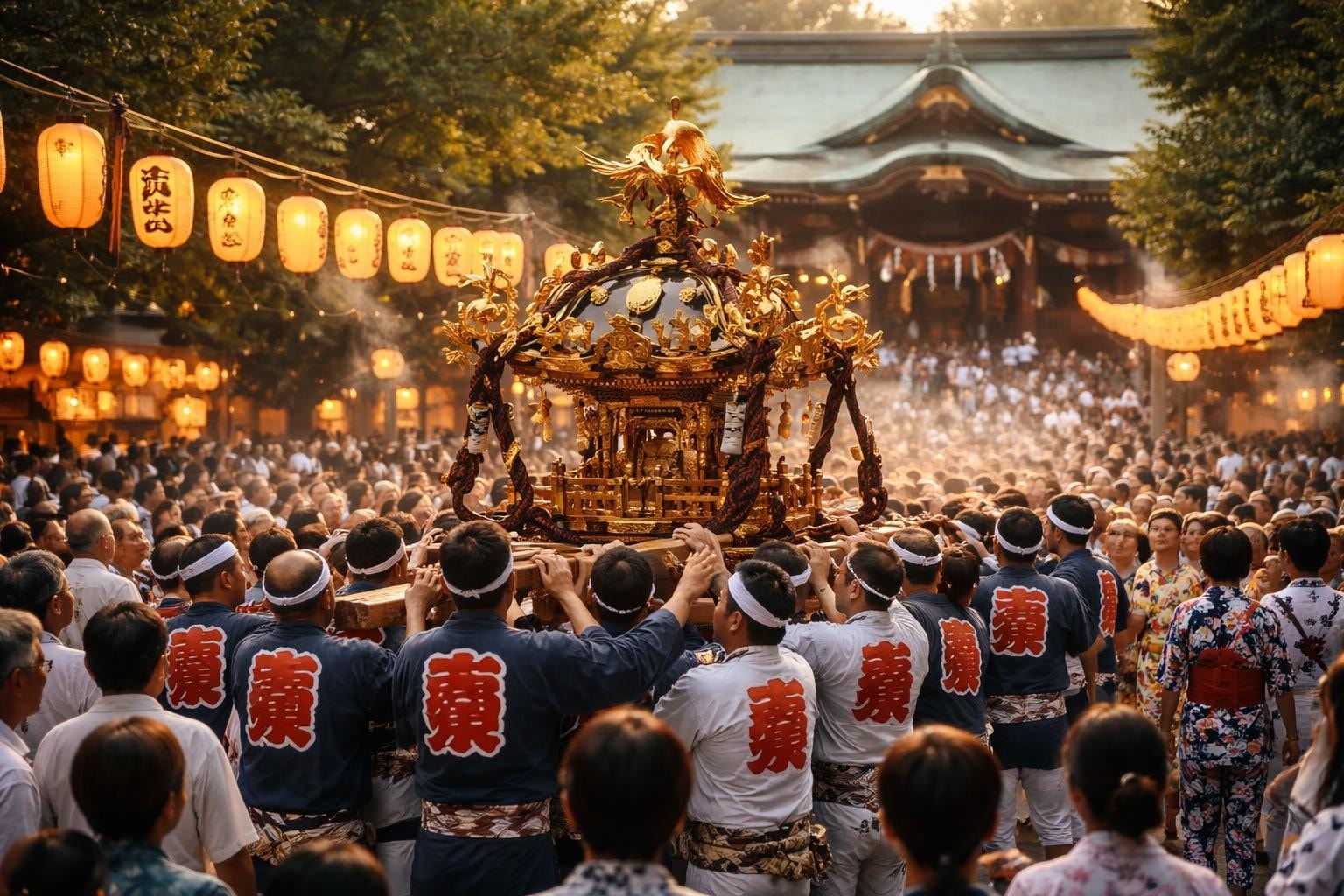
Japan’s cultural landscape bursts into vivid celebration throughout the year, with traditional festivals known as matsuri serving as vital expressions of spiritual devotion, community identity, and seasonal appreciation. These extraordinary events, deeply rooted in Shinto beliefs and centuries of tradition, offer travelers an unparalleled window into authentic Japanese culture. From the thunderous portable shrines of Tokyo to the elegant historical processions of Kyoto, each matsuri offers discerning visitors unique opportunities to witness living traditions that continue to shape modern Japanese society while connecting communities to their ancestral heritage.
Traditional Japanese festivals represent far more than mere entertainment or tourist attractions. These sacred gatherings embody the spiritual relationship between communities and their patron deities, marking agricultural cycles, honoring historical events, and renewing social bonds that have sustained Japanese society for millennia.
The term derives from the Japanese verb “matsuru,” meaning “to worship” or “to enshrine.” According to comprehensive research on matsuri traditions, these festivals originated as Shinto rituals designed to honor kami, the divine spirits inhabiting natural phenomena, ancestors, and sacred locations throughout Japan. This religious foundation continues to influence festival structures, even as modern celebrations incorporate secular entertainment and community fellowship.
Japan’s festival calendar follows the natural progression of seasons, reflecting the nation’s historical dependence on rice cultivation and agricultural prosperity. Spring matsuri typically celebrate planting seasons and pray for abundant harvests, while autumn festivals express gratitude for successful crops and divine protection throughout the growing cycle.
Key seasonal festival purposes include:
This agricultural connection remains evident even in urban centers like Tokyo and Osaka, where ancient festival traditions persist despite dramatic urbanization. The rhythms established by farming communities centuries ago continue to structure festival calendars, offering modern participants meaningful connections to Japan’s agrarian heritage.
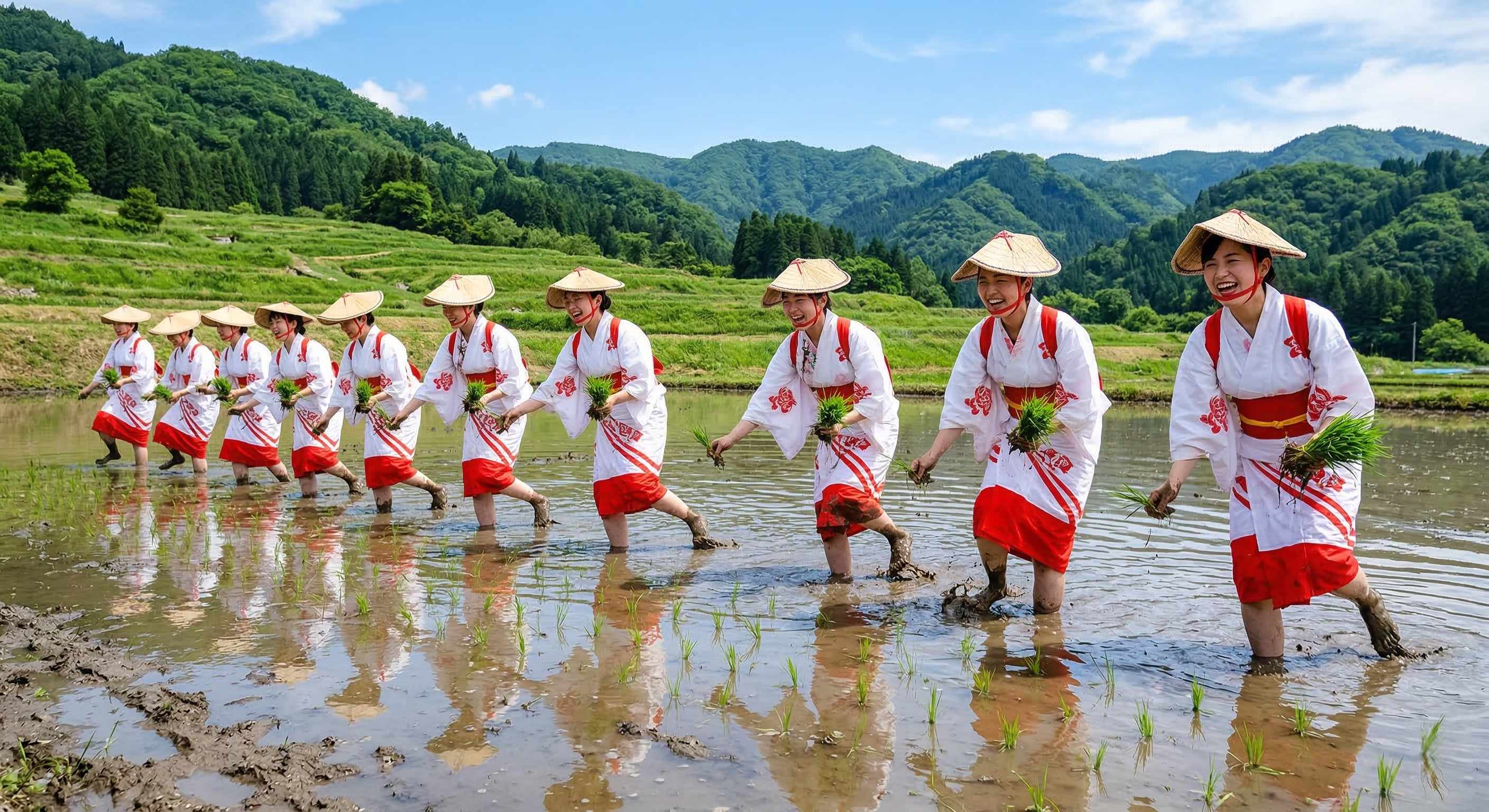
Understanding matsuri requires appreciating their Shinto underpinnings, which distinguish these celebrations from purely secular events. Each festival typically centers on a local shrine and its enshrined kami, with elaborate rituals designed to invite divine spirits, entertain them with offerings and performances, and respectfully return them to their sacred dwellings.
The standard matsuri structure follows a three-part progression. First, priests perform purification ceremonies and invoke the kami through solemn prayers and sacred music. Second, the community engages in celebratory activities, including processions, performances, and feasting, often parading portable shrines (mikoshi) through neighborhood streets to share divine blessings. Finally, ceremonies return the kami to their permanent shrines, concluding the festival cycle.
| Festival Element | Religious Purpose | Community Function |
|---|---|---|
| Purification rituals | Cleans the space for divine presence | Unite participants in preparation |
| Mikoshi processions | Transport kami through the community | Strengthen neighborhood bonds |
| Offerings and performances | Honor and entertain deities | Preserve traditional arts |
| Shared feasting | Partake in blessed food | Reinforce social connections |
The sheer diversity of matsuri across Japan’s regions presents discerning travelers with extraordinary opportunities to witness unique cultural expressions. While thousands of festivals occur annually, several have achieved legendary status for their historical significance, spectacular presentations, and authentic preservation of traditional practices.
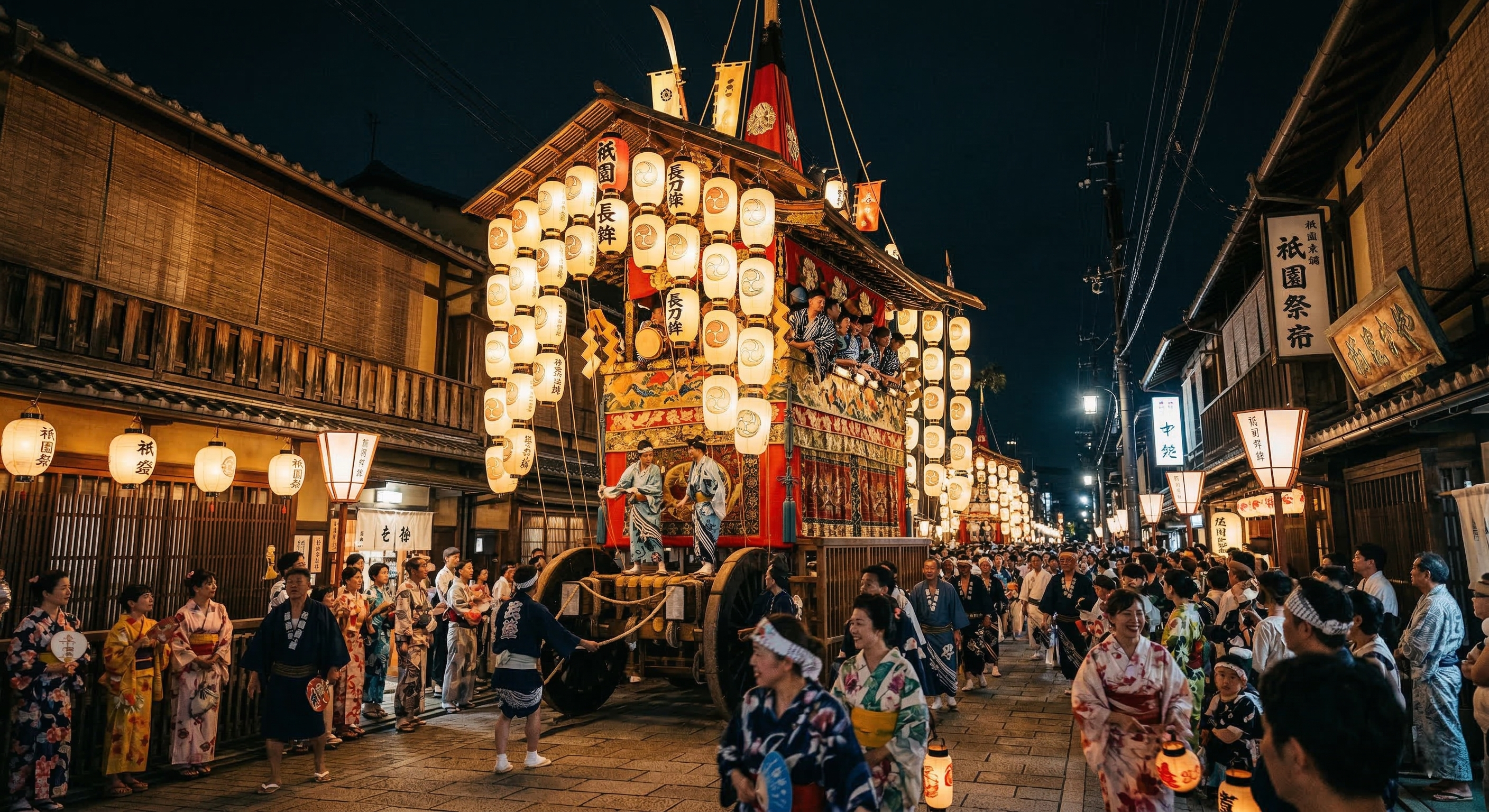
Held throughout July in Kyoto’s historic districts, Gion Matsuri dates back over a thousand years, making it one of Japan’s oldest and most prestigious festivals. This month-long celebration culminates in the Yamaboko Junko, a grand procession of towering floats adorned with priceless textiles and crafted with techniques passed down through generations.
The festival originated in 869 CE as a purification ritual to appease deities during a devastating plague. Today, thirty-three elaborately decorated floats, some reaching heights of twenty-five meters and weighing up to twelve tons, parade through central Kyoto while musicians perform traditional festival music from their ornate platforms.
Exclusive experiences for luxury travelers include:
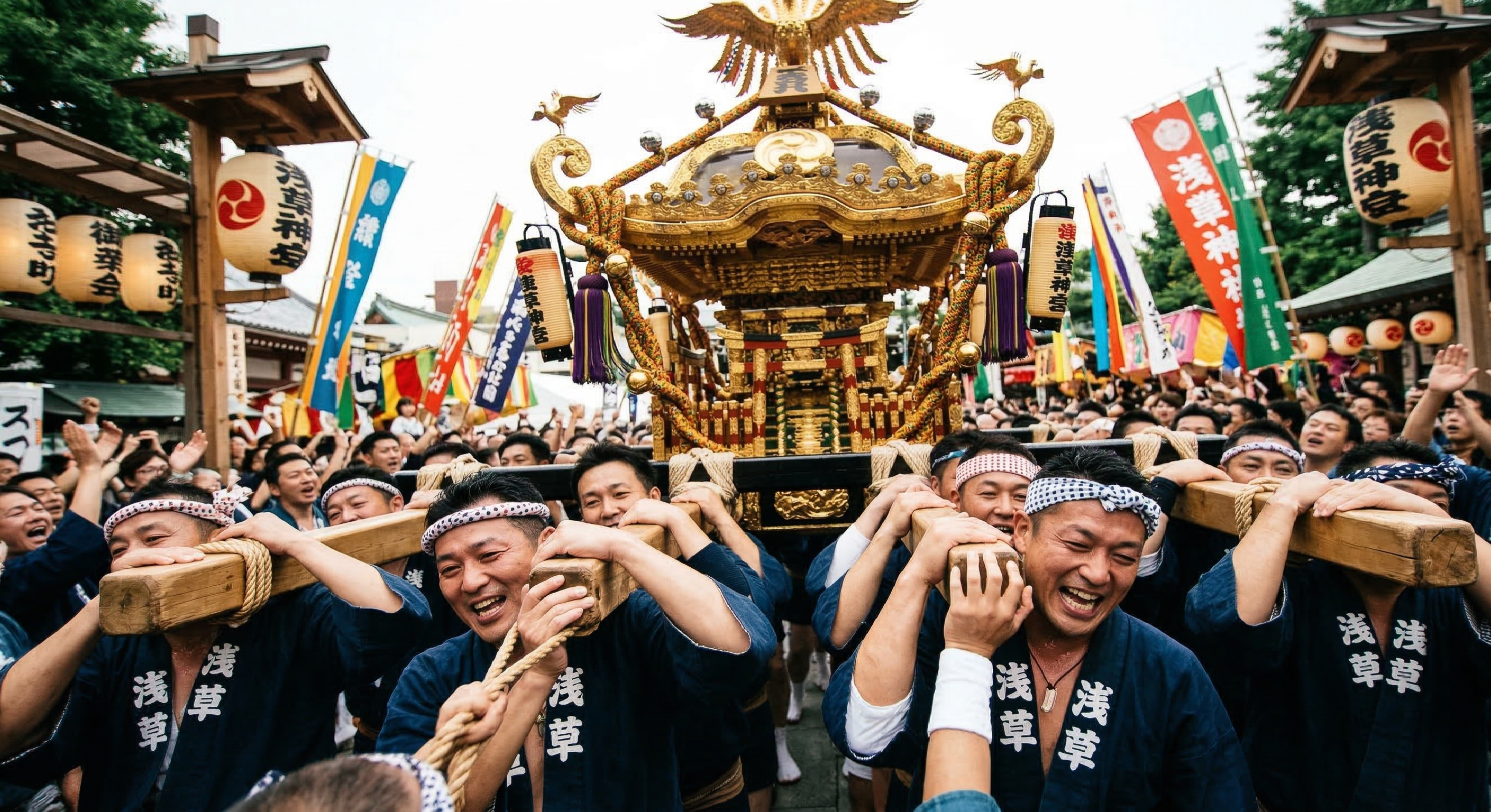
Tokyo’s festival calendar showcases the capital’s ability to maintain vibrant traditions within its modern urban landscape. The Sanja Matsuri, held each May in the historic Asakusa district, ranks among the city’s most energetic celebrations, drawing nearly two million participants and spectators over three days.
This matsuri honors the founders of Senso-ji Temple through thunderous mikoshi processions featuring approximately 100 portable shrines carried through crowded streets by enthusiastic teams. The festival’s raw energy and passionate participation offer visitors an authentic glimpse into Tokyo’s community spirit, where modern residents maintain fierce loyalty to neighborhood traditions and shrine affiliations.
The Tenjin Matsuri in Osaka, celebrated each July, presents another spectacular urban festival experience. As one of Japan’s three greatest festivals, it features elaborate river processions with illuminated boats carrying shrine deities along the Okawa River, culminating in spectacular fireworks displays that illuminate Osaka’s waterways and historic architecture.
Kyoto’s Jidai Matsuri, or Festival of the Ages, transforms the ancient capital into a living history exhibition each October. This relatively modern festival, established in 1895 to commemorate Kyoto’s founding, presents a meticulously researched, chronologically arranged parade depicting Japanese historical periods from the Heian era to the Meiji Restoration.
Over 2,000 participants, in historically accurate costumes representing various periods, march from the Imperial Palace to Heian Shrine, creating a moving tapestry of Japanese cultural evolution. The attention to historical detail, from fabric-dyeing techniques to armor construction methods, makes this festival particularly valuable for culturally curious travelers seeking a deeper understanding of Japan’s rich heritage.
Beyond the famous festivals that attract international attention, Japan’s regional matsuri offer intimate encounters with local traditions and community-specific customs that vary dramatically across prefectures and even between neighboring villages.
Regional festivals often celebrate local industries and specialties, creating unique experiences unavailable elsewhere. The Saijō Sake Matsuri in Hiroshima Prefecture exemplifies this phenomenon, transforming the sake-brewing town of Saijō into an immersive celebration of Japan’s national beverage each October.
This festival provides rare access to renowned breweries, allowing visitors to sample hundreds of sake varieties while learning traditional production methods from master brewers. The combination of cultural education, culinary exploration, and authentic local interaction creates memorable experiences that transcend typical tourist activities.
Similarly, the Hyakumangoku Matsuri in Kanazawa commemorates the city’s feudal history with elaborate reenactments of Lord Maeda Toshiie’s ceremonial entry into the castle town. This June festival showcases Kanazawa’s preserved Edo-period districts while celebrating the cultural refinement that flourished under Maeda patronage, including traditional crafts, performing arts, and tea ceremony.
Some regional festivals achieve distinction through sheer sensory impact. The Ishidori Matsuri, recognized as one of Japan’s loudest festivals, features massive festival carts pulled through narrow streets while teams of drummers create thunderous rhythms that reverberate through entire neighborhoods.
Notable regional festival characteristics:
These distinctive elements make regional matsuri particularly rewarding for repeat visitors to Japan who seek authentic experiences beyond standard tourist circuits. The intimacy of smaller festivals, where participation often requires community connections or special introductions, creates opportunities for meaningful cultural exchange impossible at larger public events.
Successfully experiencing matsuri requires careful planning, cultural sensitivity, and often insider knowledge to access the most rewarding aspects of these complex celebrations. Understanding festival structures, etiquette expectations, and logistical considerations ensures meaningful participation while respecting sacred traditions.
Matsuri schedules follow both lunar calendars and fixed annual dates, with some festivals occurring on specific weekends while others maintain traditional calendar positions regardless of the day of the week. Major festivals like Gion Matsuri span multiple weeks, with different ceremonies and events occurring throughout the festival period.
| Month | Major Festivals | Regional Highlights |
|---|---|---|
| January | New Year celebrations | Shrine first-visit customs |
| May | Sanja Matsuri (Tokyo) | Regional spring festivals |
| July | Gion Matsuri (Kyoto), Tenjin Matsuri (Osaka) | Summer fireworks festivals |
| October | Jidai Matsuri (Kyoto), Saijō Sake Matsuri | Harvest Thanksgiving events |
Securing optimal viewing positions at popular festivals requires planning, particularly for events attracting hundreds of thousands of spectators. Premium viewing areas often require tickets purchased months in advance, while spontaneous attendance often results in crowded conditions and limited visibility.
Matsuri blends sacred rituals with a celebratory atmosphere, creating environments where reverent observation and enthusiastic participation coexist. Understanding appropriate behavior ensures respectful engagement while avoiding cultural missteps that might offend local participants or disrupt sacred ceremonies.
Essential etiquette guidelines include:
According to scholarly research on matsuri practices, these festivals serve as important mechanisms for community cohesion and cultural transmission, making respectful visitor behavior essential to preserving their authentic character and spiritual significance.
While public festival events welcome all attendees, many matsuri include exclusive components accessible only through local connections or specialized arrangements. Private shrine ceremonies, historic home receptions, and master artisans’ workshops offer intimate encounters with festival traditions unavailable to general visitors.
Professional cultural concierge services can arrange privileged access to these exclusive experiences, transforming standard festival attendance into deeply meaningful cultural immersion. Such arrangements might include private explanations from shrine priests about ritual significance, invitations to neighborhood association preparations, or participation in traditional festival meal preparations with local families.
The value of expert guidance becomes particularly evident during complex festivals spanning multiple days with numerous simultaneous events across different locations. Knowledgeable coordinators ensure optimal timing, explain cultural contexts, and facilitate authentic interactions that independent travelers rarely achieve despite extensive research and planning.
Modern matsuri demonstrate remarkable adaptability, maintaining core spiritual purposes while incorporating contemporary elements that ensure continued relevance for younger generations and evolving communities. This balance between preservation and innovation characterizes successful festivals that thrive in 2026 while honoring centuries-old traditions.
Festivals serve as crucial venues for preserving endangered traditional arts, providing annual performance opportunities that sustain specialized skills requiring years of dedicated training. According to cultural analyses of Japanese festivals, these events often represent the only remaining contexts in which certain musical forms, dance styles, and craft techniques are actively practiced rather than existing solely as museum artifacts.
The transmission of festival-specific knowledge follows traditional apprenticeship models, with master practitioners training successors in precise ritual movements, musical performances, and craft techniques essential to authentic celebration. This mentorship system, though increasingly challenged by demographic changes and modernization pressures, continues producing skilled practitioners who maintain standards established centuries ago.
Traditional arts sustained through matsuri include:
Urban migration and demographic shifts have transformed many Japanese communities, yet matsuri continue providing powerful mechanisms for maintaining neighborhood identity and intergenerational connection. Even young professionals who spend their weekdays in corporate environments often participate enthusiastically in their hometown festivals, maintaining ties to their community’s origins and cultural heritage.
This dual identity, balancing modern professional life with traditional community roles, characterizes contemporary Japanese society. Festivals create structured opportunities for expressing cultural continuity and community belonging that complement rather than conflict with cosmopolitan lifestyles, offering a meaningful counterbalance to globalization’s homogenizing influences.
For visitors seeking an authentic understanding of Japanese culture beyond surface-level observations, witnessing this intersection of traditional and contemporary values during matsuri provides invaluable insights into how modern Japan maintains its distinctive character while embracing global engagement and technological advancement.
Experiencing a matsuri offers luxury travelers far more than a colorful spectacle or entertainment. These festivals offer profound insights into Japanese values, community structures, and spiritual worldviews that remain largely invisible in conventional tourism focused on temples, gardens, and culinary experiences.
The collective effort required to organize and execute major festivals reveals Japanese organizational capabilities, attention to detail, and commitment to group harmony that characterize successful business practices, artistic achievements, and social interactions throughout Japanese society. Observing festival preparations illuminates these cultural values in action, demonstrating how abstract concepts such as “wa” (harmony) and “omotenashi” (hospitality) manifest in concrete behaviors and shared responsibilities.
Furthermore, matsuri participation requirements, whether through neighborhood association membership, occupational roles, or family lineages, demonstrate the continued importance of social networks and collective identity in Japanese life. These structured relationships, while evolving to accommodate modern circumstances, maintain fundamental patterns that have organized Japanese communities for generations, offering stability and a sense of belonging in rapidly changing times.
Festival cuisine represents another dimension of matsuri culture deserving appreciation from discerning travelers. Traditional yatai food stalls serve specialized dishes available exclusively during festival seasons, prepared using recipes preserved within families or community groups and served only during specific celebrations.
These festival foods range from simple grilled items to elaborate specialties requiring days of preparation and rare ingredients available only through traditional supply networks. Sampling festival cuisine provides edible connections to regional history, seasonal celebrations, and community identity expressed through taste, aroma, and presentation following time-honored conventions.
| Festival Food | Cultural Significance | Regional Variations |
|---|---|---|
| Takoyaki | Osaka festival staple | Ingredient and sauce variations |
| Yakisoba | Pan-fried noodle tradition | Regional seasoning preferences |
| Taiyaki | Sweet fish-shaped cake | Filling innovations by region |
| Kakigōri | Shaved ice refreshment | Flavored syrup specialties |
Experiencing authentic matsuri reveals dimensions of Japanese culture that no guidebook can adequately convey, connecting travelers to living traditions that continue to shape modern society while honoring ancestral heritage. Whether witnessing Kyoto’s elegant historical processions, joining Tokyo’s energetic shrine celebrations, or discovering regional festivals in smaller communities, these cultural treasures offer transformative experiences for those seeking genuine understanding beyond superficial tourism. Japan Royal Service specializes in creating exclusive matsuri experiences tailored to discerning travelers, providing privileged access to private ceremonies, expert cultural interpretation, and seamless logistics that transform festival attendance into profound cultural immersion across Japan’s most celebrated regions.