
LINE ID japanroyalservice
+817013781777 click here
+817013781777 click here
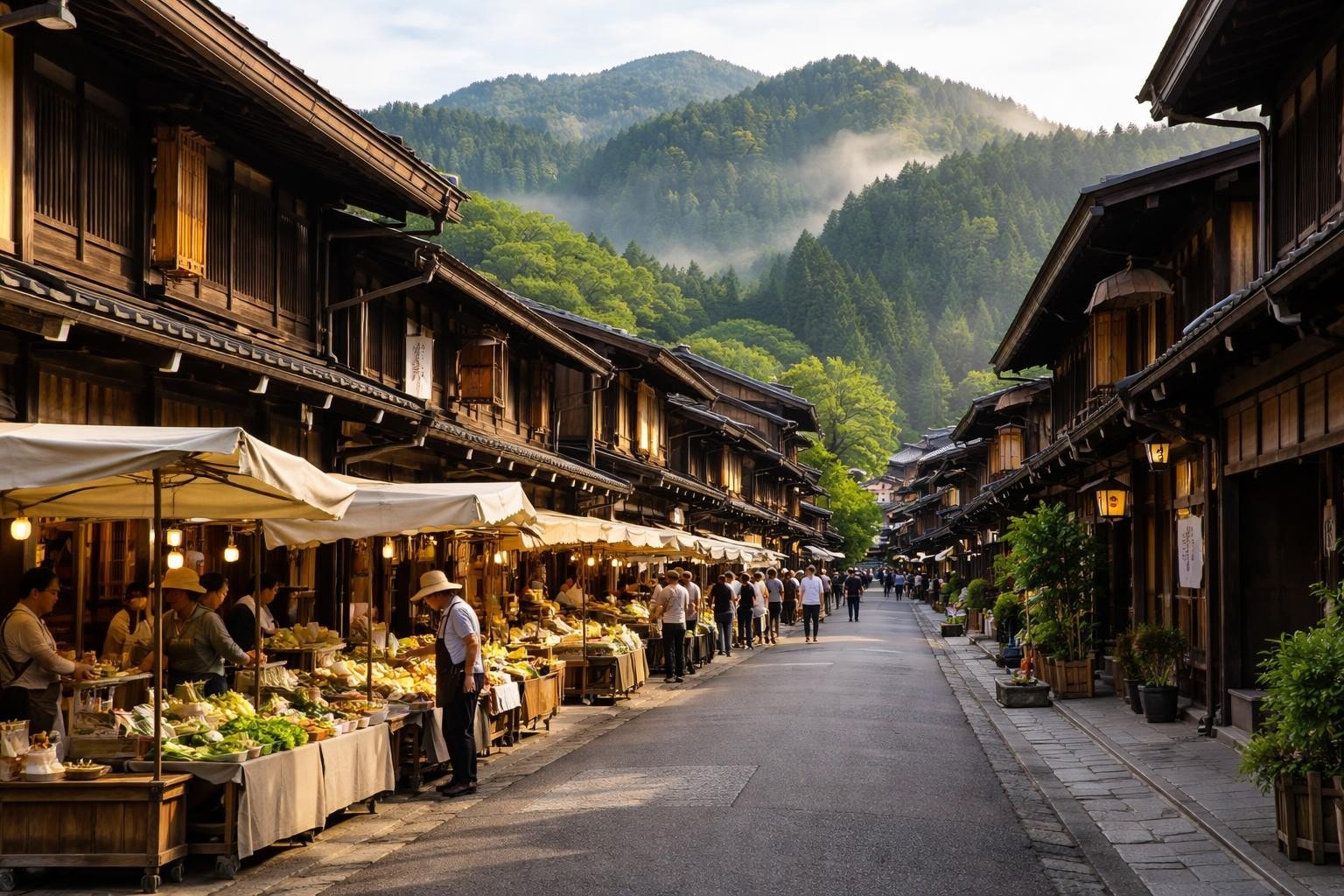
Nestled in the mountainous heart of Gifu Prefecture, Hida Takayama, Japan, represents one of the country’s most exquisitely preserved cultural treasures. This former castle town, often called Takayama, offers discerning travelers an authentic glimpse into Japan’s Edo period, where time seems to have stood remarkably still among wooden merchant houses, traditional sake breweries, and streets that have remained unchanged for centuries. For luxury travelers seeking experiences beyond Japan’s bustling metropolises, this alpine destination delivers an unparalleled combination of historical authenticity, artisanal craftsmanship, and natural mountain beauty.
The story of Hida Takayama, Japan, begins long before its famous Edo-period streetscapes took shape. The region gained prominence during the Nara period when master carpenters from Hida were summoned to build temples and palaces in Kyoto and Nara. These skilled artisans, known as Hida no Takumi, became legendary throughout Japan for their exceptional woodworking abilities.
During the Edo period, Takayama was directly administered by the Tokugawa shogunate and was under the control of local magistrates. This unique status led to the construction of the Takayama Jinya, the only surviving Edo-period local governor’s office in Japan. The building complex stands today as a remarkable testament to feudal administrative architecture and governance.
The prosperity brought by skilled craftsmanship and strategic trade routes allowed wealthy merchant families to construct elaborate homes and shops. These structures feature distinctive architectural elements:
The townscape’s development reflects careful urban planning and the aesthetic sensibilities of successful merchant classes who valued both functionality and beauty.
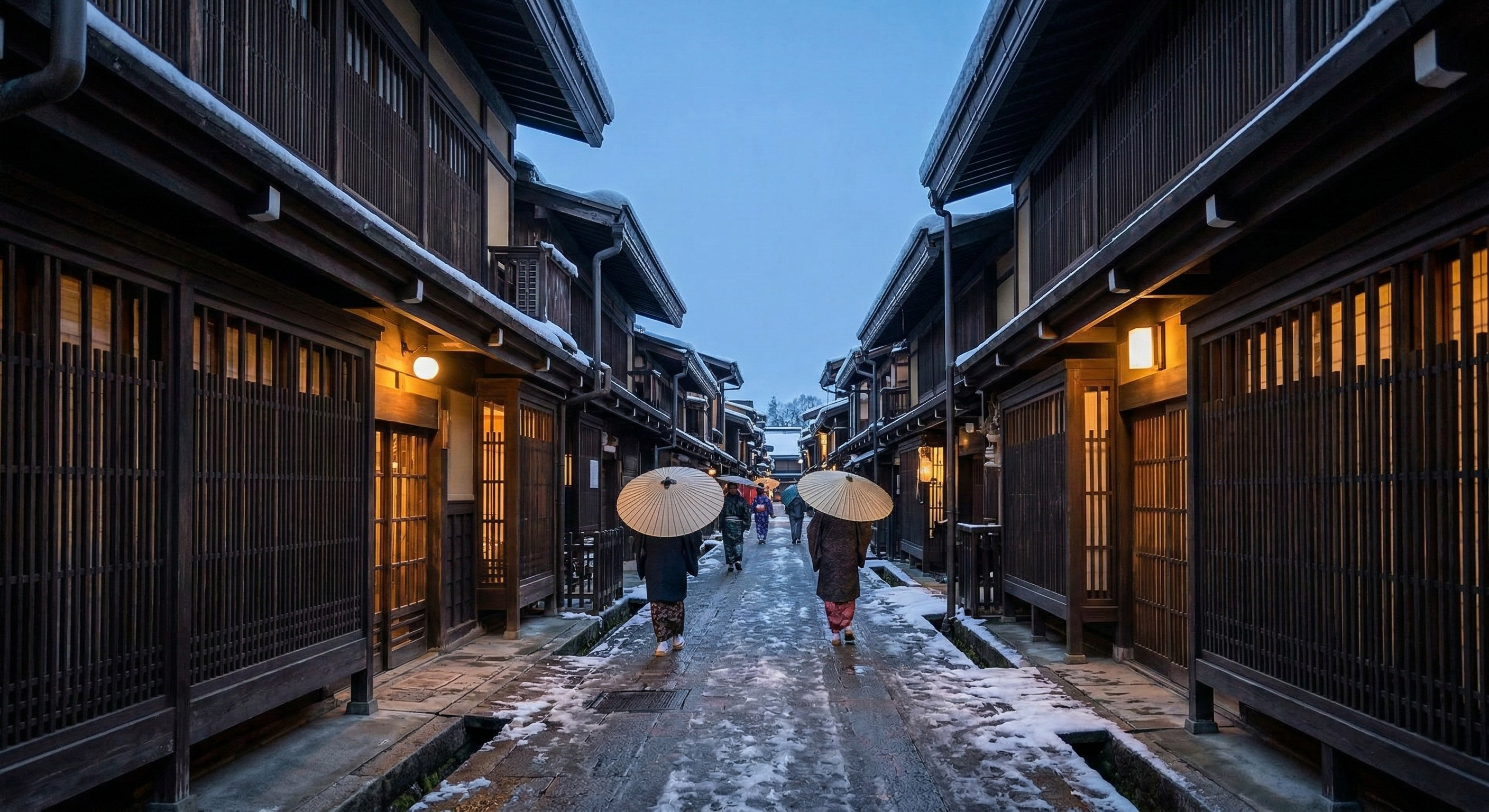
The heart of Hida Takayama, Japan, beats strongest in the Sanmachi Suji district, where three parallel streets preserve the atmosphere of centuries past. Walking these thoroughfares provides an immersive journey into traditional Japanese merchant culture, where modern conveniences blend seamlessly with historical preservation.
Morning visits offer the most authentic experience, as soft light illuminates the dark wood facades and early shopkeepers prepare for the day. The district encompasses numerous sake breweries, many of which are still family-operated for generations. Several offer exclusive tastings where visitors can sample regional varieties made with pure mountain water and locally cultivated rice.
| Institution | Specialty | Best For |
|---|---|---|
| Kusakabe Folk Craft Museum | Merchant architecture | Historical authenticity |
| Yoshijima Heritage House | Meiji-era design | Architectural detail |
| Takayama Festival Floats Exhibition Hall | Festival culture | Craftsmanship |
| Hida Takayama Museum of Art | Glass and furniture | Contemporary artistry |
Each venue provides distinct perspectives on the region’s cultural evolution and artistic achievements. The museums maintain exceptional standards, with curated collections that rival major metropolitan institutions.
Luxury travelers particularly appreciate the opportunity to arrange private cultural experiences through bespoke tours, where expert guides provide deeper context and exclusive access beyond standard visiting hours.
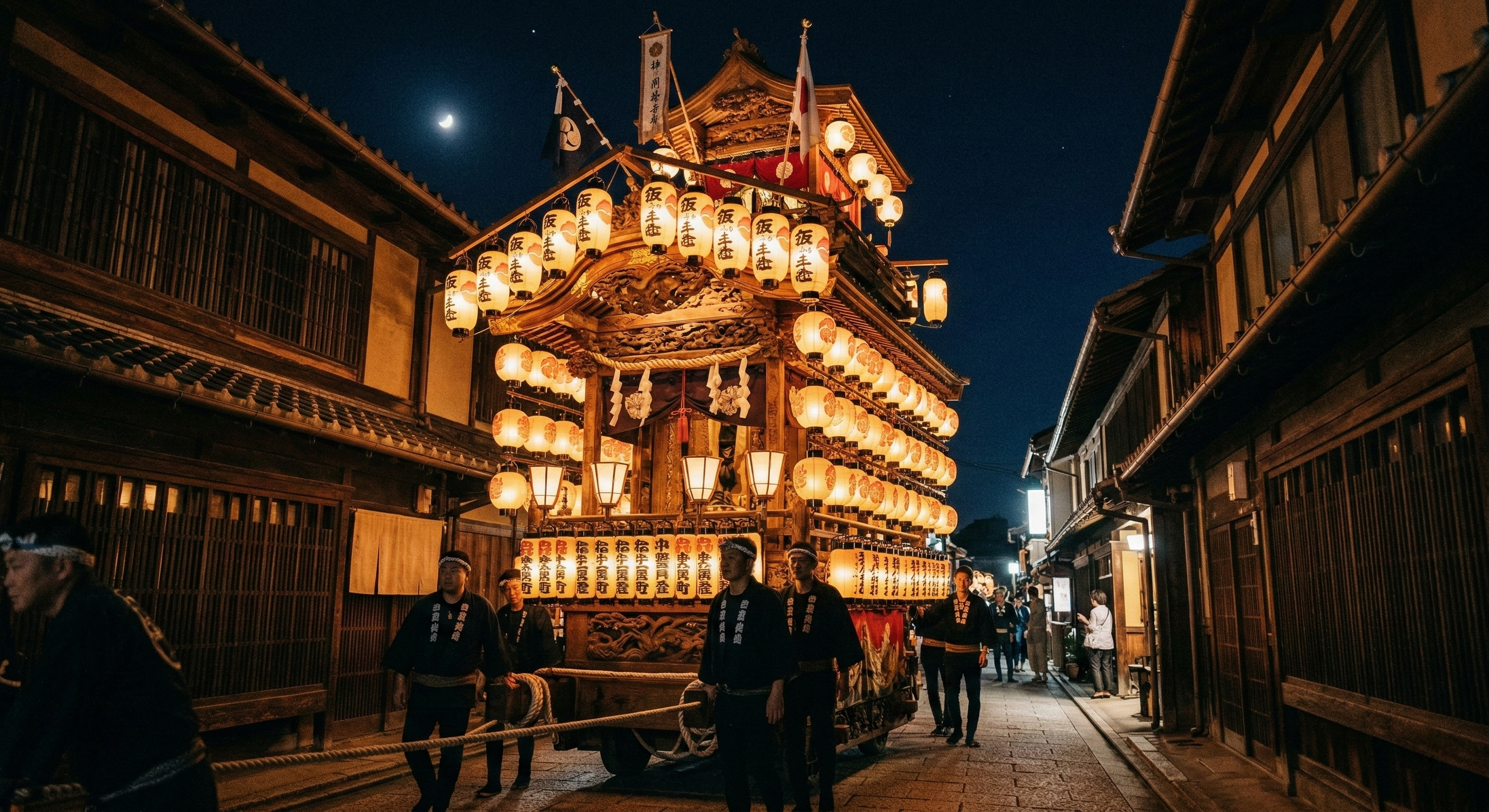
Hida Takayama, Japan, achieves international recognition primarily through its magnificent festivals. The Takayama Matsuri, held twice annually in spring and autumn, ranks among Japan’s three most beautiful festivals. These elaborate celebrations showcase the region’s unmatched craftsmanship through ornate floats that represent pinnacles of traditional Japanese artistry.
The spring Sanno Matsuri occurs in mid-April, while the autumn Yahata Matsuri takes place in early October. Both events feature:
Attending these festivals requires considerable planning, as accommodation throughout the region is fully booked months in advance. Luxury travelers benefit from working with specialists who secure premium lodging and arrange optimal viewing positions for processions.
Festival timing considerations:
The festivals demonstrate why Japan’s traditional culture continues to captivate global audiences, combining technical mastery with spiritual significance.
The cuisine of Hida Takayama, Japan, reflects its mountainous geography and pristine environment. Local specialties capitalize on exceptional ingredients unavailable in coastal regions, creating distinctive flavors that define Japanese alpine gastronomy.
Hida beef stands as the region’s most celebrated culinary treasure. This premium wagyu ranks among Japan’s finest, characterized by intricate marbling and buttery texture. Local restaurants prepare it through various methods, from traditional charcoal grilling to contemporary French techniques, each highlighting the meat’s exceptional quality.
Beyond Hida beef, the local food culture encompasses numerous traditional dishes:
Morning markets provide excellent opportunities to sample regional produce and interact with local farmers. The Miyagawa Morning Market and Jinya-mae Morning Market operate daily, offering seasonal fruits, pickled vegetables, and handcrafted items.
Discerning travelers appreciate exclusive culinary experiences arranged through premium tour services, including private chef demonstrations, sake brewery tours with master brewers, and reservations at intimate restaurants rarely accessible to general visitors.
The landscape surrounding Hida Takayama, Japan, provides dramatic seasonal variations that transform the region’s character throughout the year. Positioned at the gateway to the Northern Japan Alps, the area offers spectacular mountain vistas and access to pristine natural environments.
Spring arrives late in these mountains, with cherry blossoms typically appearing in mid-April. The city’s riverside locations and temple grounds create picturesque settings for hanami viewing parties.
Summer brings vibrant greenery and comfortable temperatures, offering relief from coastal humidity. Mountain streams offer refreshing coolness, while higher elevations maintain pleasant conditions ideal for hiking and exploration.
Autumn transforms the region into a tapestry of crimson, gold, and amber. The fall festival coincides with peak foliage, creating unforgettable visual combinations of cultural celebration and natural beauty.
Winter blankets Hida Takayama in snow, creating atmospheric scenes reminiscent of ukiyo-e prints. The historic district becomes particularly enchanting under a blanket of snow, while nearby ski resorts attract winter sports enthusiasts.
| Destination | Distance | Highlight |
|---|---|---|
| Shirakawa-go | 50 minutes | UNESCO World Heritage gassho-zukuri villages |
| Kamikochi | 90 minutes | Pristine alpine valley |
| Shinhotaka Ropeway | 60 minutes | Mountain observatory with Alps views |
| Hida Folk Village | 10 minutes | Open-air architectural museum |
The Hida Folk Village deserves particular attention, showcasing over thirty traditional buildings relocated from throughout the region. This open-air museum provides a comprehensive understanding of rural mountain architecture and lifestyle.
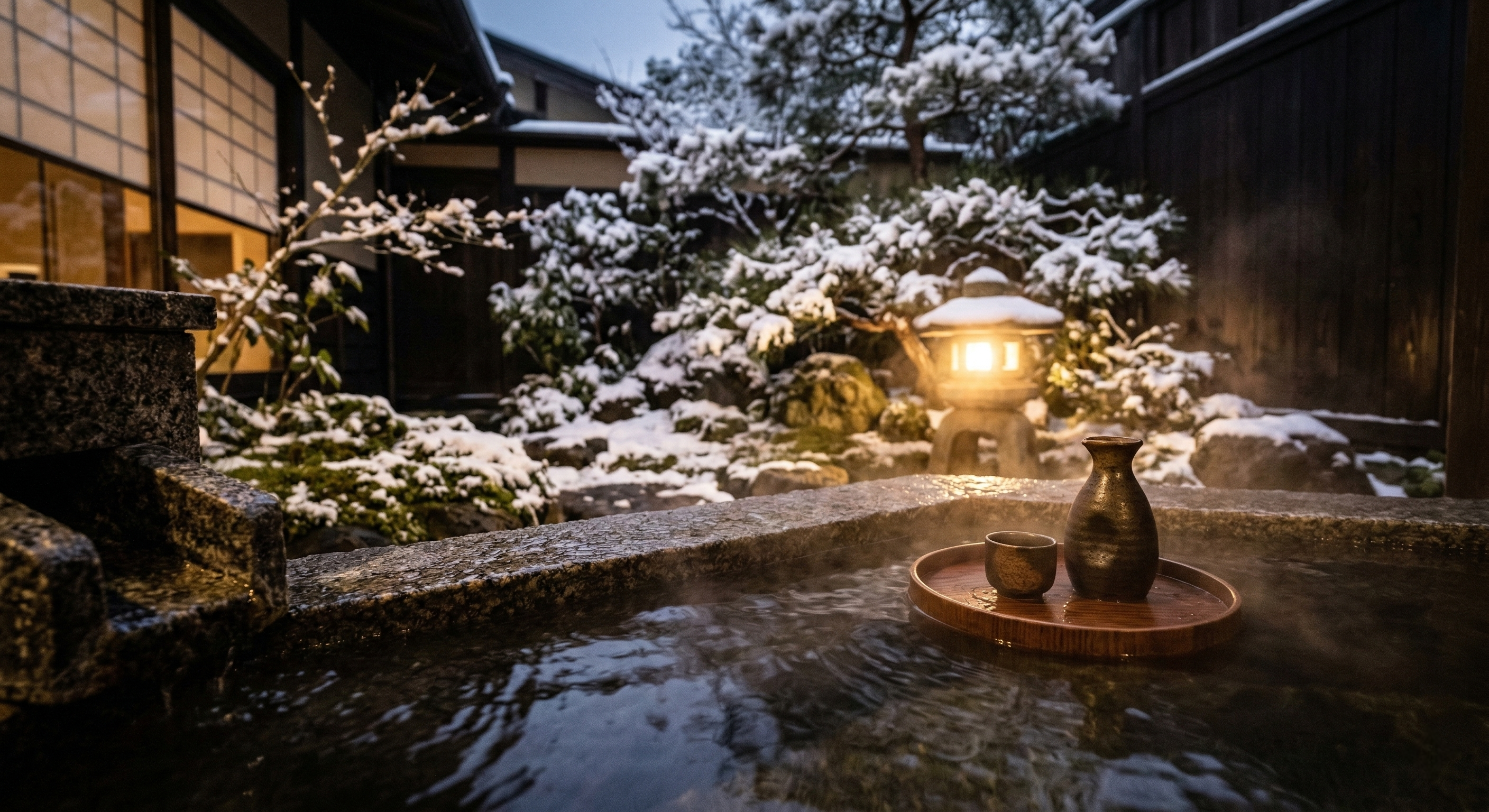
Lodging options in Hida Takayama, Japan, range from centuries-old ryokan to contemporary luxury hotels that honor regional aesthetics. Traditional inns offer experiences impossible to replicate elsewhere, with tatami-matted rooms, kaiseki cuisine prepared with local ingredients, and hospitality refined over generations.
Several premier ryokan occupy historic buildings within the preservation district, allowing guests to experience authentic merchant-house architecture. These establishments typically feature:
For travelers who prefer contemporary amenities while appreciating Japanese design, several boutique hotels successfully blend modern comfort with regional character. These properties incorporate Hida craftsmanship into their interiors through custom furniture, architectural details, and artistic elements.
Choosing lodging requires understanding your priorities:
Traditional ryokan suit travelers seeking authentic cultural immersion and don’t mind minimal furniture or shared bathing facilities. Contemporary ryokan offer traditional service with modern conveniences, such as beds and private bathrooms. Boutique hotels provide international standards while celebrating local aesthetics. Luxury resorts in the surrounding areas deliver full-service amenities with mountain views.
Working with specialists in bespoke Japanese travel ensures accommodation selection aligns perfectly with individual preferences and travel styles.
The legacy of Hida no Takumi continues to shape contemporary Hida Takayama, Japan, through thriving artisan communities. Master craftspeople maintain traditional techniques while creating functional and decorative items that embody centuries of accumulated knowledge.
Woodworking remains the region’s signature craft. Local artisans produce furniture, utensils, and architectural elements using techniques passed through generations. Showrooms throughout the city display everything from simple chopsticks to elaborate tansu chests, each piece demonstrating meticulous attention to quality.
Lacquerware production showcases another dimension of local artistry. Shunkei-nuri, a distinctive transparent lacquer technique developed in Takayama, highlights the natural beauty of wood grain beneath protective coating layers. Items range from serving trays to jewelry boxes.
Serious collectors appreciate the opportunities to visit artisan workshops, observe creative processes, and commission custom pieces. These experiences provide a deeper appreciation for the skill, patience, and artistic vision required to master traditional crafts.
Reaching Hida Takayama, Japan, requires strategic planning, as the city’s mountain location puts it beyond major transportation corridors. However, multiple access routes accommodate different travel styles and schedules.
By rail, the Limited Express Hida train provides direct service from Nagoya (approximately 2.5 hours) and connects with services from Osaka and Kyoto. The journey itself offers spectacular mountain and river valley scenery. From Tokyo, travelers typically route through Nagoya or use the Hokuriku Shinkansen to Toyama before connecting to Takayama.
By private vehicle, the journey from major cities becomes considerably more comfortable and flexible. Luxury travelers often prefer this option, as it allows spontaneous stops at scenic viewpoints and eliminates the need to handle luggage across multiple train transfers.
From Tokyo: Shinkansen to Nagoya, then Limited Express Hida (total 4-5 hours)
From Kyoto/Osaka: Limited Express through Nagoya (approximately 4-5 hours)
From Kanazawa: Express bus service (2.5 hours) or a combination of trains
From Central Japan International Airport: Train to Nagoya, then Limited Express Hida
Premium transportation services arrange seamless transfers with professional drivers familiar with mountain roads and optimal routes. These services are particularly valuable when combining Takayama with other destinations such as Shirakawa-go or the Tateyama Kurobe Alpine Route.
Understanding appropriate behavior enhances your HiHi experience in Kayamapan, for example, by respecting local traditions and residents. The preservation district remains a living community where people maintain businesses and homes, not merely a tourist attraction.
Photography should be conducted respectfully, avoiding intrusive angles into private property. Many shops and museums prohibit interior photography to protect collections and maintain the atmosphere. Always ask permission before photographing individuals, particularly in traditional dress.
Sake brewery etiquette requires particular attention. Many breweries offer tastings, but remember these remain working facilities producing premium products. Limit consumption to maintain respectful behavior, and purchase bottles to support local producers.
When purchasing artisan crafts, recognize that premium quality reflects years of training and the use of expensive materials. Prices may seem high compared to mass-produced alternatives, but they represent fair compensation for skilled craftsmanship. Bargaining is generally inappropriate in established shops.
Dining reservations become essential during peak seasons and weekends, particularly at restaurants serving Hida beef. High-end establishments often require bookings weeks in advance, with some accepting reservations only through Japanese-language phone calls or hotel concierges.
Beyond the historic streetscapes, Hida Takayama, Japan, offers numerous institutions dedicated to preserving and interpreting regional culture. These museums provide context that deepens appreciation for what makes this area distinctive within Japan’s cultural landscape.
The Takayama Jinya deserves extended exploration. This administrative complex includes tatami-matted offices, interrogation rooms, rice granaries, and beautiful gardens. English-language tours explain the shogunate’s governance system and the daily operations of the Edo-period bureaucracy.
The Hikaru Museum presents an unexpected collection spanning ancient civilizations to contemporary art. Its eclectic holdings include archaeological artifacts from Egypt and Mesopotamia alongside exhibits on Hida regional history, demonstrating the founder’s wide-ranging interests.
For understanding festival culture, the Takayama Matsuri Yatai Kaikan houses several magnificent floats displayed year-round. The exhibition includes detailed explanations of construction techniques, annual maintenance requirements, and the historical development of the festivals.
While the historic districts of Hida Takayama, Japan, captivate most visitors, the surrounding areas offer additional experiences that complement urban exploration. The Higashiyama Walking Course provides a peaceful 3.5-kilometer route connecting temples and shrines on the city’s eastern edge. This path showcases religious architecture while offering elevated viewpoints across the city and surrounding mountains.
The Hida Tōshō-gū shrine stands as one of only three Tōshō-gū shrines in Japan, dedicated to Tokugawa Ieyasu. Though smaller than its famous Nikko counterpart, it demonstrates similar architectural principles and hosts traditional festivals, maintaining centuries-old traditions.
Day trips from Takayama access some of Japan’s most remarkable destinations. The UNESCO-listed villages of Shirakawa-go and Gokayama showcase distinctive gassho-zukuri architecture, with steep thatched roofs designed to withstand heavy snowfall. These structures, some over 250 years old, create surreal landscapes, particularly magical under winter snow or autumn foliage.
Kamikochi, often called “the roof of Japan,” offers pristine alpine scenery with crystal-clear rivers, dramatic peaks, and well-maintained hiking trails. The valley’s protected status limits development, preserving wilderness character increasingly rare in developed nations.
The enduring appeal of Hida Takayama,, Japa,n, lies in its successful preservation of historical authenticity while welcoming discerning modern travelers. This mountain city offers cultural depth, artisanal excellence, and natural beauty in proportions rarely found elsewhere in contemporary Japan. For luxury travelers seeking experiences beyond conventional tourist circuits, Takayama delivers transformative encounters with traditional Japanese culture. Japan Royal Service specializes in crafting bespoke itineraries that unlock Hida Takayama’s hidden treasures through exclusive access, expert local guides, and seamless logistics, ensuring your journey reflects the same attention to detail and pursuit of excellence that define this remarkable destination.