
LINE ID japanroyalservice
+817013781777 click here
+817013781777 click here
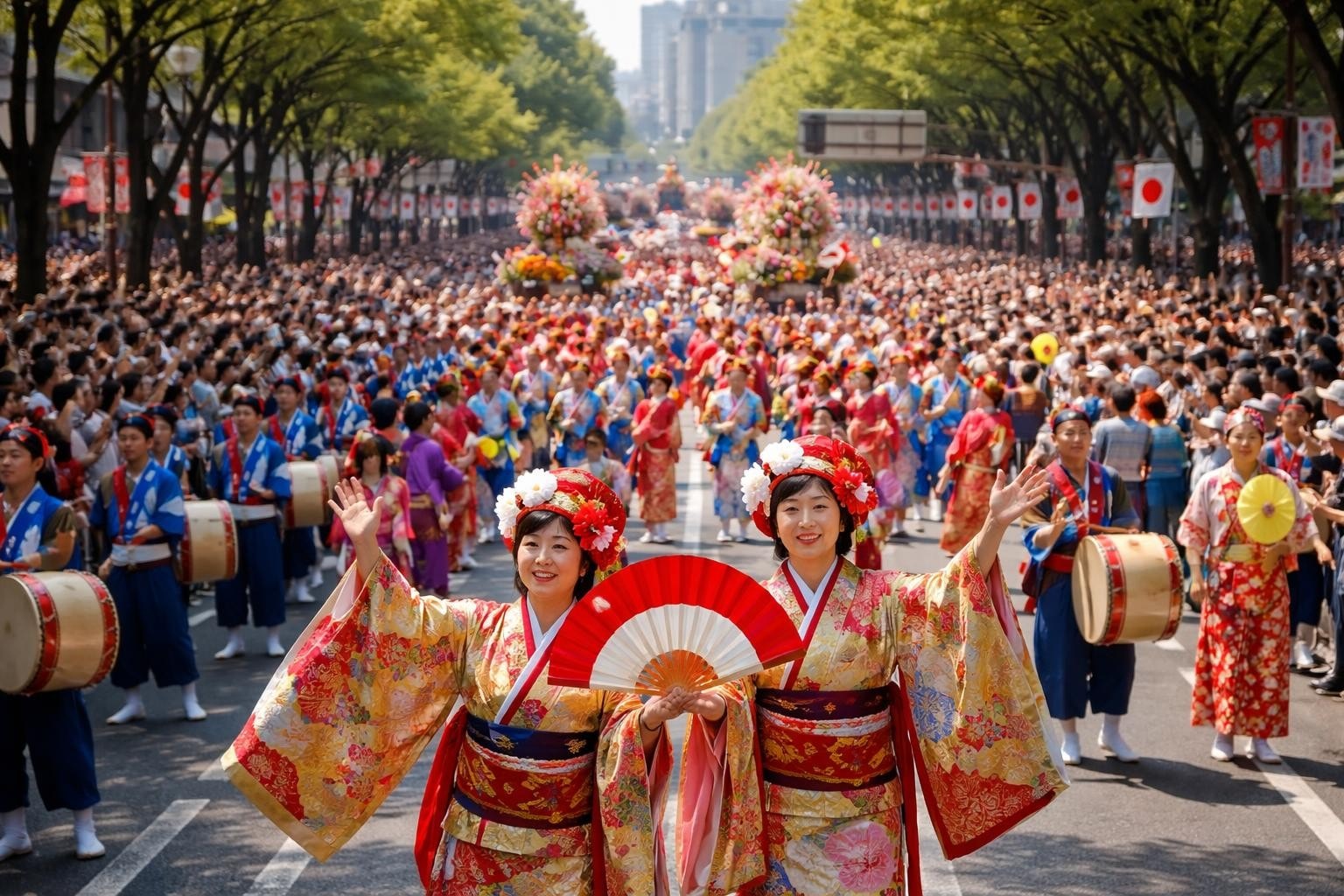
Every May, Fukuoka transforms into a spectacular showcase of Japanese tradition and modern celebration as over two million visitors gather for one of the nation’s most significant cultural events. The Hakata Dontaku Festival represents more than just a parade or performance-it embodies centuries of community spirit, cultural preservation, and the vibrant energy that makes Fukuoka a must-visit destination for discerning travelers seeking authentic Japanese experiences. This extraordinary celebration during Japan’s Golden Week offers luxury travelers an unparalleled opportunity to witness living history while enjoying world-class hospitality and exclusive cultural access.
The roots of the Hakata Dontaku festival stretch back over 830 years to the Heian period, when merchants and citizens celebrated the New Year with performances honoring Fukuoka’s deities. The festival’s name itself reveals this rich heritage-“dontaku” derives from the Dutch word “zondag,” meaning Sunday or holiday, reflecting the international influences that shaped Fukuoka’s mercantile culture during the Edo period.
Originally known as “Matsubayashi,” the festival featured traveling performers who visited homes and businesses to bring good fortune. These early celebrations combined religious observance with community entertainment, establishing traditions that persist in modern performances. The evolution from intimate household visits to a citywide spectacle mirrors Fukuoka’s transformation from a feudal castle town to a cosmopolitan metropolis.
The Hakata Dontaku Festival’s cultural significance extends beyond entertainment, serving as a living archive of regional performing arts. Traditional elements include the iconic shamoji (rice paddle) that participants carry while dancing, symbolizing prosperity and the sharing of good fortune. This simple wooden implement has become the festival’s most recognizable symbol, representing the democratic spirit that welcomes all participants regardless of social status.
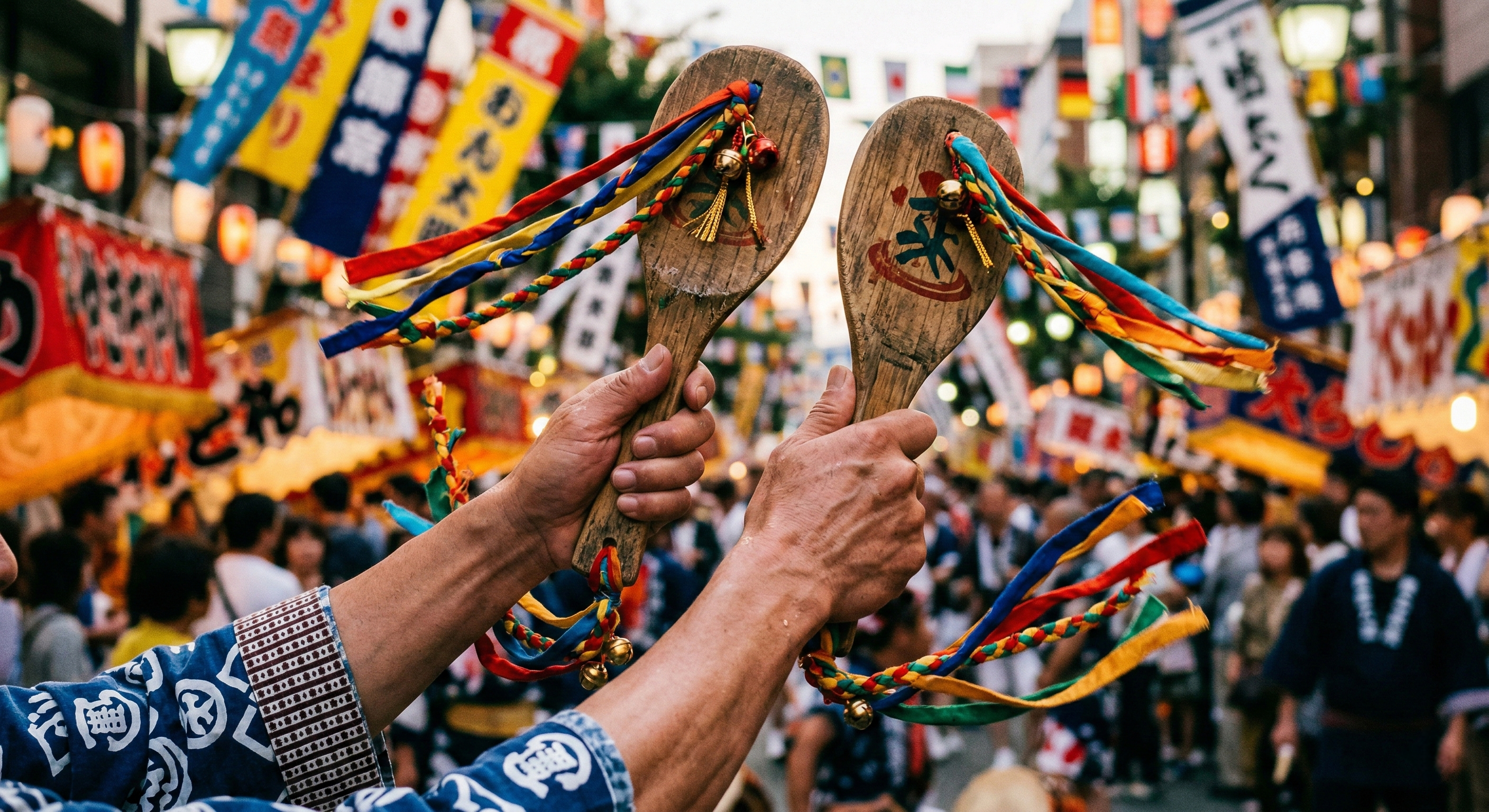
Understanding the festival’s performance traditions enhances appreciation for its cultural depth. Three primary artistic forms define the Hakata Dontaku festival experience:
Matsubayashi Performances: These ritualistic presentations feature performers in traditional costumes representing Fukurokuju (the god of longevity) and Ebisu (the god of prosperity). The choreographed movements and chants have remained largely unchanged for centuries, offering modern audiences a direct connection to medieval Japanese performing arts.
Dontaku-tai Groups: Contemporary performance troupes that blend traditional elements with modern choreography, costume design, and music. These groups range from school children to senior citizens, each bringing unique interpretations while maintaining core traditional elements.
Hakata Niwaka Comedy: A regional comedic performance style unique to Fukuoka, featuring satirical skits performed in local dialect. These humorous interludes provide social commentary while entertaining crowds with clever wordplay and physical comedy.
The Hakata Dontaku festival spans three days during Golden Week (May 3-4), though preparatory events and celebrations extend the festive atmosphere throughout the week. The carefully orchestrated schedule ensures visitors can experience diverse aspects of Fukuoka’s cultural heritage while navigating the massive crowds with relative ease.
| Location | Best For | Accessibility | Premium Features |
|---|---|---|---|
| Meiji-dori Avenue | Main parade route | Excellent public transport | Reserved seating available |
| Hakata Riverain | Performance stages | Wheelchair accessible | Multiple food vendors |
| Fukuoka Castle Ruins | Historical context | Moderate walking required | Panoramic city views |
| Canal City Hakata | Shopping integration | Climate-controlled viewing | Luxury dining options |
Strategic positioning significantly enhances the festival experience. The comprehensive festival guide provides detailed route maps and timing schedules, but discerning travelers benefit from insider knowledge about optimal viewing positions and VIP access opportunities. Premium locations offer comfortable seating, catering services, and strategic vantage points that capture the parade’s full spectacle without the crush of general admission crowds.
The central parade features over 30,000 performers representing schools, corporations, cultural organizations, and community groups. Each contingent brings distinctive costumes, choreography, and music, creating a kaleidoscope of color and sound that flows through Fukuoka’s streets for hours. The diversity of participants, from kindergarteners to corporate executives, demonstrates the festival’s role as a community bonding experience rather than a mere spectator event.
Luxury travelers approaching the Hakata Dontakuku festival require different considerations than general tourists. Crowd management, exclusive access, and cultural context all factor into creating memorable experiences worthy of discerning international visitors.
While the official festival runs for three days, a four- to five-day itinerary allows for proper appreciation without exhaustion. This timeline enables:
This pacing prevents festival fatigue while maximizing cultural immersion. The diverse festival programming offers numerous entry points, allowing customization based on specific interests, whether traditional performing arts, contemporary Japanese culture, or culinary exploration.
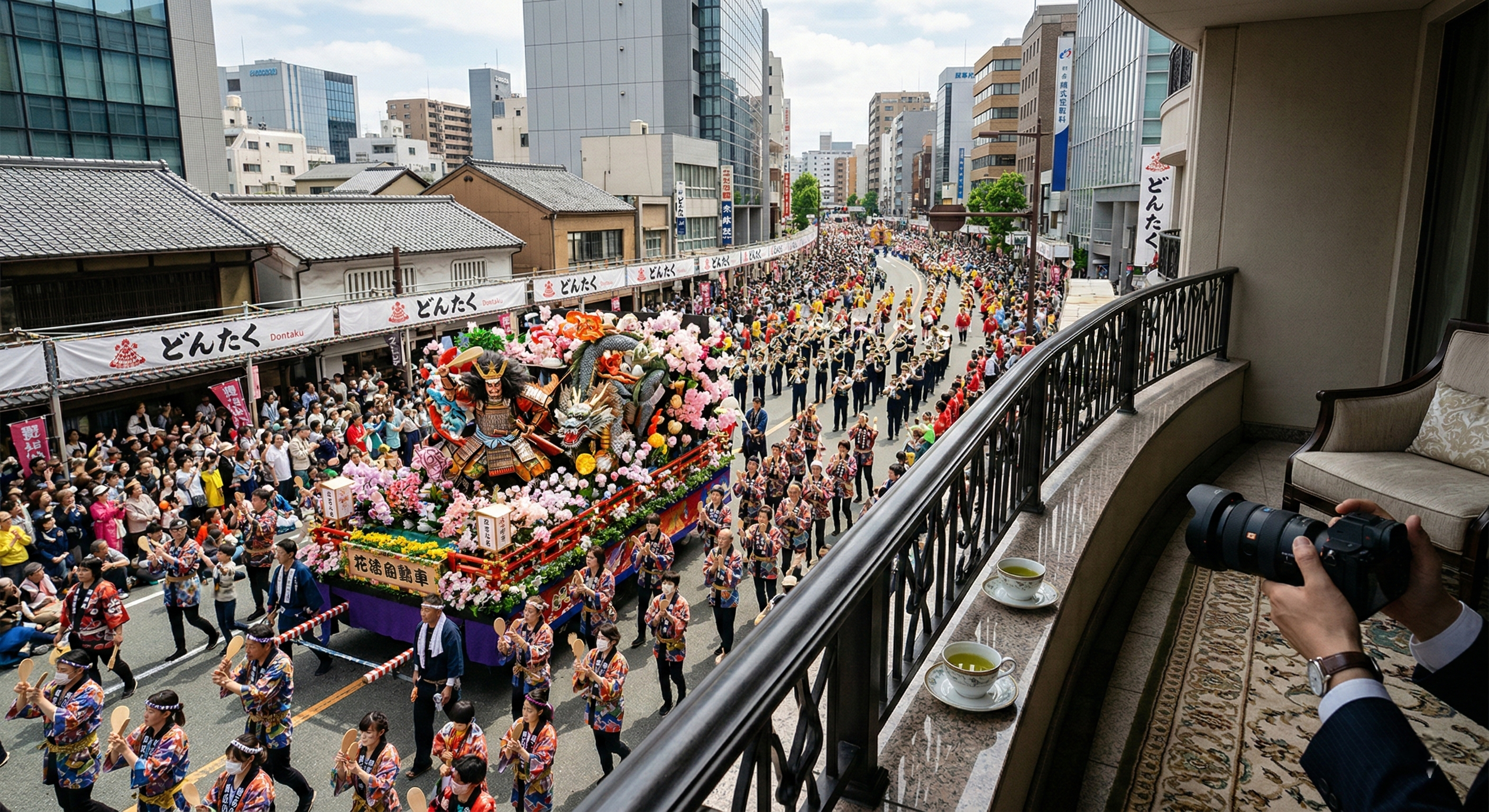
Fukuoka’s hotel capacity experiences extreme pressure during Golden Week, with premium properties booking months in advance. Strategic accommodation choices transform the festival experience from exhausting to exhilarating.
Location Priorities: Properties within walking distance of parade routes eliminate transportation stress while providing retreat spaces during peak crowd periods. The Nakasu and Tenjin districts offer optimal positioning with luxury amenities.
Amenity Requirements: After hours of festival attendance, certain comforts become essential rather than optional. Spacious rooms, superior bedding, excellent climate control, and premium dining options all contribute to sustainable multi-day participation.
Concierge Services: Top-tier properties offer festival-specific services, including reserved parade seating, private guides, special-event access, and transportation coordination. These services prove invaluable when navigating massive crowds and complex schedules.
Respectful engagement enhances both personal experience and cultural preservation. The Hakata Dontaku Festival welcomes international visitors, but certain protocols ensure positive interactions with performers and local participants.
The festival’s inclusive spirit encourages visitor involvement through designated participation zones and public performances. Unlike many traditional Japanese festivals with strict participant requirements, Hakata Dontaku actively welcomes international guests to join dance circles and celebrations.
Shamoji Dancing: Purchase the iconic rice paddle from festival vendors and join communal dance groups. The simple rhythmic movements require no special skill, making participation accessible while creating memorable photo opportunities and cultural connections.
Costume Guidelines: While formal traditional dress isn’t required for visitors, respectful attire shows appreciation for the festival’s cultural significance. Business casual or traditional Japanese garments demonstrate appropriate reverence.
Photography Protocols: The festival offers countless photographic opportunities, but certain considerations apply. Professional photography equipment may require permits in specific zones, while flash photography during traditional performances can disrupt both performers and audience members.
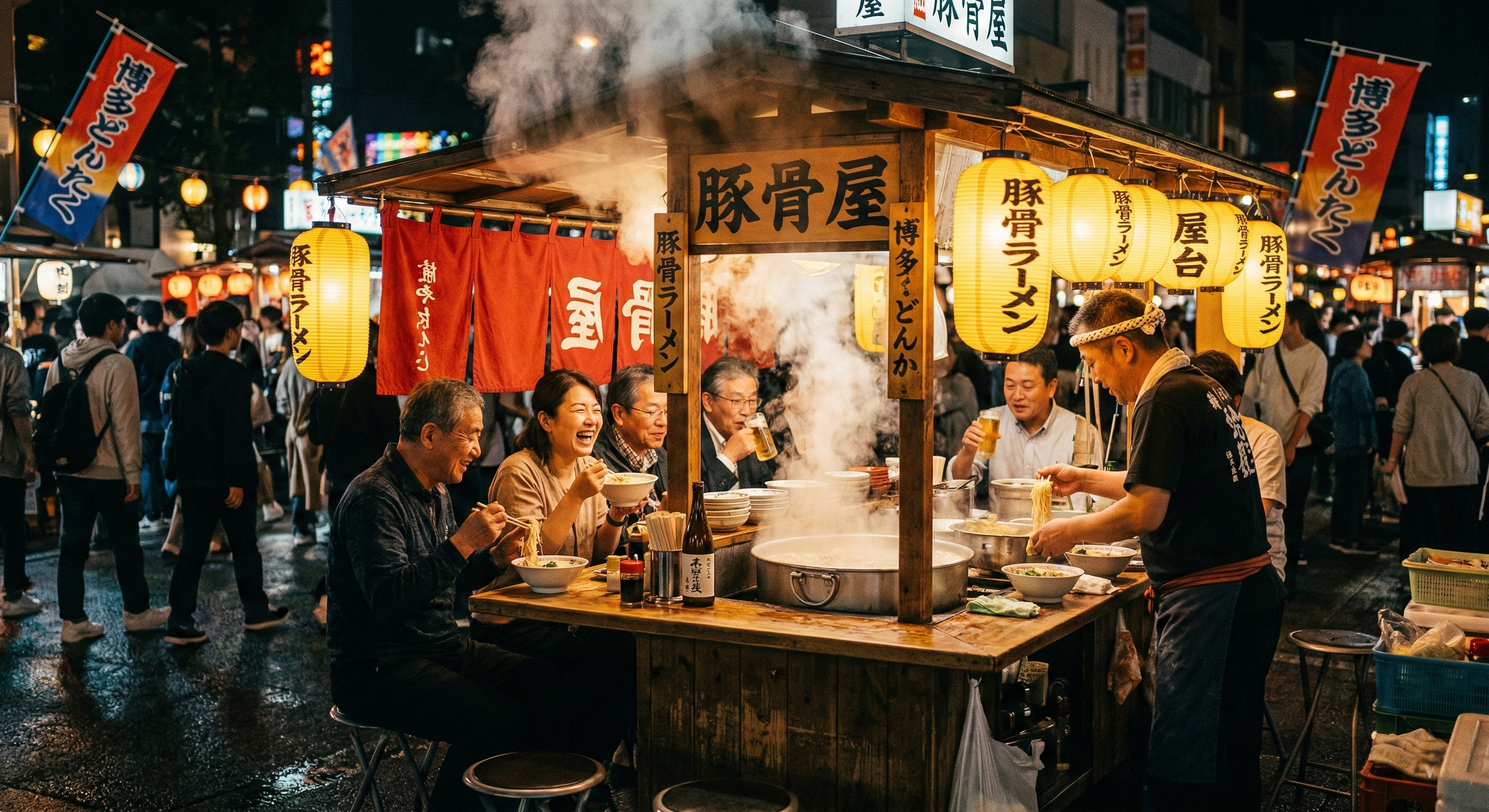
Fukuoka’s reputation as Japan’s foremost food city reaches its zenith during the Hakata Dontaku Festival, when regional specialties share street corners with festival-specific delicacies. The convergence of traditional yatai (food stalls) with modern culinary innovation creates gastronomic opportunities unavailable elsewhere.
Premium dining reservations become exceptionally difficult during Golden Week, requiring planning or concierge intervention. However, the effort rewards diners with peak seasonal ingredients and festive menu variations unavailable during regular periods. Many restaurants create special Hakata donburi festival menus that incorporate traditional festival foods, elevated through contemporary techniques.
Strategic travelers extend Hakata Dontaku Festival visits to explore Fukuoka’s broader cultural landscape, maximizing travel investment while avoiding immediate post-festival transportation congestion. The city and the surrounding Kyushu region offer exceptional experiences complementing festival attendance.
| Experience | Distance from City Center | Time Required | Cultural Connection |
|---|---|---|---|
| Dazaifu Tenmangu Shrine | 30 minutes | Half day | Historical governance |
| Fukuoka Castle Ruins | 15 minutes | 2-3 hours | Feudal heritage |
| Kushida Shrine | 10 minutes | 1-2 hours | Festival spiritual center |
| Ohori Park | 10 minutes | 2-4 hours | Traditional landscaping |
The cultural heritage sites throughout Fukuoka provide context for understanding the festival’s evolution and significance. Kushida Shrine, particularly, serves as the spiritual heart of Hakata’s traditional festivals, hosting preliminary ceremonies and housing historical artifacts that illuminate the region’s performing arts traditions.
Fukuoka’s compact urban layout and excellent public transportation infrastructure simplify navigation even during festival crowds. However, luxury travelers benefit from private transportation arrangements that eliminate crowding while maintaining flexibility with the schedule.
Private Vehicle Services: Dedicated drivers familiar with festival traffic patterns ensure efficient movement between events, accommodations, and dining venues. This investment proves particularly valuable when transporting elderly family members or managing tight reservation schedules.
Helicopter Transfers: For visitors combining Fukuoka with other Kyushu destinations, helicopter services offer efficient regional transportation and spectacular aerial views of festival celebrations and surrounding landscapes.
Luxury Rail Options: The JR Kyushu railway system includes premium train services featuring exceptional comfort and service standards. These options allow seamless integration of Fukuoka festival attendance with broader regional exploration.
The Hakata Dontaku Festival generates substantial economic activity while serving crucial cultural preservation functions. Understanding these dynamics provides a deeper appreciation for the festival’s role in modern Japanese society.
Annual attendance exceeding 2 million visitors creates a tremendous economic impact across the hospitality, retail, food service, and transportation sectors. This influx supports year-round employment while funding cultural programs that maintain traditional performing arts, which are under pressure from demographic changes and modernization.
The festival also serves diplomatic and promotional purposes, showcasing Fukuoka to domestic and international audiences as a dynamic city that balances tradition with innovation. This positioning attracts business investment, tourism development, and cultural exchange opportunities that benefit the region year-round.
For luxury travelers, recognizing these broader contexts enhances appreciation while informing spending decisions. Supporting traditional artisans, established restaurants, and cultural institutions during festival visits contributes to preservation efforts, ensuring these experiences remain available for future generations.
Golden Week coincides with late spring weather in Kyushu, typically offering pleasant conditions for outdoor festival participation. However, May weather patterns require strategic preparation to ensure comfort during extended outdoor exposure.
Temperature Range: Daytime highs typically reach 22-26°C (72-79°F) with evening temperatures around 15-18°C (59-64°F). This variance necessitates layered clothing, allowing adjustment throughout the day.
Precipitation Probability: Early May marks the start of the rainy season, but occasional showers occur. High-quality rain gear that packs easily proves essential for unprepared moments without compromising mobility or style.
Sun Protection: Spring sunshine feels deceptively mild but delivers significant UV exposure during multi-hour parade viewing. Premium sunscreen, protective clothing, and strategic shade positioning prevent discomfort and skin damage.
While independent festival attendance offers certain freedoms, knowledgeable cultural guides transform observation into education. Expert interpretation reveals nuances invisible to casual observers, connecting contemporary performances with historical traditions and regional identity.
Premium guide services provide more than translation-they offer cultural context, historical background, artistic analysis, and social commentary that illuminate the festival’s multiple dimensions. These professionals identify significant performers, explain costume symbolism, clarify musical references, and navigate social protocols, ensuring respectful, enriching participation.
The investment in expert guidance proves particularly valuable for first-time visitors, those with serious cultural interests, or travelers seeking photographic opportunities requiring insider knowledge of optimal positioning and timing. Many luxury tour operators maintain relationships with cultural specialists, traditional performers, and festival organizers, enabling access unavailable to general visitors.
Experiencing the Hakata Dontaku Festival offers discerning travelers an unparalleled window into Japanese cultural vitality, where centuries of tradition meet contemporary celebration spectacularly. The festival’s scale, accessibility, and cultural significance create memorable experiences that justify the logistical challenges of Golden Week travel. Whether you’re drawn to traditional performing arts, culinary excellence, or immersive cultural experiences, Japan Royal Service crafts bespoke festival itineraries that combine VIP access, expert cultural guides, luxury accommodations, and seamless logistics, transforming this remarkable celebration into the journey of a lifetime.