
LINE ID japanroyalservice
+817013781777 click here
+817013781777 click here
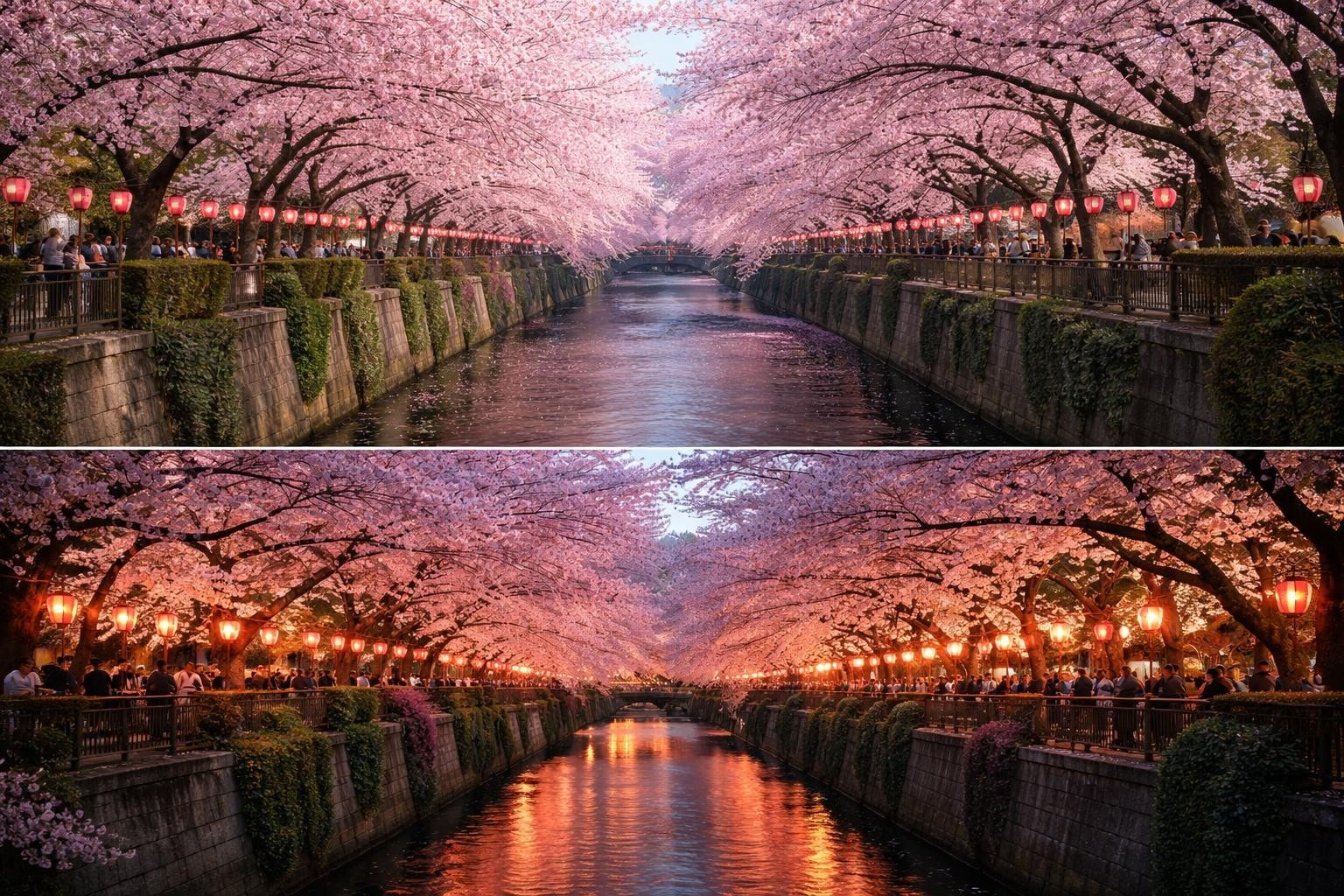
The cherry blossoms along the Meguro River are among Tokyo’s most breathtaking natural spectacles, with over 800 sakura trees transforming a four-kilometer stretch into a luminous pink tunnel that captivates both seasoned travelers and first-time visitors. This botanical phenomenon, occurring annually between late March and early April, creates an otherworldly experience that combines traditional Japanese culture with modern urban sophistication. For discerning travelers seeking an authentic yet luxurious hanami experience, the Meguro River offers an unparalleled setting that perfectly balances accessibility with exclusivity.
The cherry blossoms of the Meguro River stand out for their unique architectural setting. Unlike sprawling park environments, these cherry trees line both banks of a narrow canal, creating an intimate corridor effect that amplifies the visual impact of the blossoms. The overhanging branches form a natural canopy that filters sunlight during the day and creates a magical atmosphere for evening illuminations.
Centered in the trendy Nakameguro district, the cherry blossom corridor extends from Ikejiri-Ohashi to the confluence with the Shibuya River. This prime location offers several advantages for sophisticated travelers:
The Naka-Meguro Cherry Blossom Festival transforms this already remarkable location into a celebration that runs from late March through early April, with exact dates varying based on bloom predictions issued by the Japan Meteorological Agency.

Peak bloom timing requires careful planning and local expertise. The 2026 forecast suggests peak bloom will occur between March 28 and April 5, though climate variations can shift this window by several days in either direction.
| Bloom Stage | Typical Dates | Crowd Density | Recommended Time |
|---|---|---|---|
| Early Bloom (30-50%) | March 24-27 | Moderate | Weekday mornings |
| Peak Bloom (80-100%) | March 28-April 2 | Very High | Early morning (6-8 AM) |
| Late Bloom/Petal Fall | April 3-7 | High | Evening after 8 PM |
| Post-Bloom Green | April 8+ | Low | Anytime |
For those seeking a more exclusive experience, the early bloom period offers stunning photography opportunities without the overwhelming crowds that characterize peak bloom weekends. The Japan National Tourism Organization’s cherry blossom guide provides updated bloom forecasts beginning in January each year.
The cherry blossoms along the Meguro River reveal entirely different characteristics depending on when you visit. Daytime viewing showcases the delicate pink and white petals against blue skies, creating perfect conditions for photography and strolls along the river. Natural light brings out subtle color variations in the blossoms, from pale pink to deeper rose hues.
Evening illuminations, typically running from 5:00 PM to 9:00 PM during festival periods, transform the corridor into an ethereal wonderland. Strategically positioned lighting creates a bonbori-lantern effect that reflects off the water’s surface, doubling the visual impact. According to GOOD LUCK TRIP’s comprehensive guide, the evening experience attracts approximately 40% more visitors than daytime viewing.
The annual festival brings both extraordinary beauty and significant crowds. Understanding how to navigate this balance separates an adequate visit from an exceptional one.
Not all sections of the river offer the same experience. Seasoned visitors and luxury tour operators identify several premium viewing zones:
For those using premium transportation services, arrival at less accessible points along the river helps avoid bottlenecks near major stations. Private vehicles can drop guests at strategic locations, then relocate to designated waiting areas.
Professional tour operators implement several techniques to optimize the Meguro River cherry blossoms experience:

The festival period brings the district’s culinary scene to life, with dozens of temporary stalls complementing permanent establishments. However, discerning travelers should look beyond festival food to the neighborhood’s exceptional dining landscape.
The Nakameguro district houses numerous establishments that elevate the cherry blossom experience:
| Restaurant Category | Sakura-Season Specialties | Reservation Timing |
|---|---|---|
| Traditional Kaiseki | Cherry blossom-inspired courses | 6-8 weeks advance |
| Contemporary French | Seasonal Japanese ingredients | 4-6 weeks advance |
| Sushi Counters | Spring fish preparations | 3-4 weeks advance |
| Artisan Coffee Shops | Sakura-flavored beverages | Walk-in acceptable |
Several Michelin-starred establishments offer sakura-themed tasting menus available exclusively during bloom season. These limited-time offerings incorporate cherry blossom elements into both presentation and flavor profiles, creating multisensory experiences that extend beyond visual appreciation.
Understanding hanami traditions enhances appreciation of the cherry blossoms along the Meguro River. The practice dates back over 1,000 years to the Heian period, when aristocrats composed poetry beneath flowering trees. Modern hanami maintains this contemplative spirit while accommodating contemporary social elements.
Proper viewing etiquette includes:
The Tokyo Cheapo guide emphasizes that maintaining these standards ensures the experience remains exceptional for all visitors.
The cherry blossoms along the Meguro River offer exceptional photographic opportunities, but capturing their essence requires strategic planning and technical knowledge.
Professional photographers identify several ideal timeframes:
Equipment considerations include wide-angle lenses for capturing the full canopy effect and telephoto options for isolating individual branch compositions. Water reflections offer particularly rewarding opportunities for photographers willing to arrive early or stay late.
Creating distinctive images requires moving beyond conventional viewpoints. Consider these approaches:

The Nakameguro area offers numerous attractions that complement the cherry blossoms along the Meguro River, enabling full-day itineraries that justify the premium positioning of this destination.
Within walking distance, visitors can explore:
The Japan Travel guide to Nakameguro details how these attractions integrate into comprehensive cultural experiences that extend beyond singular cherry blossom viewing.
The Nakameguro district has evolved into a hub for independent retailers and artisan workshops. The area’s creative community produces:
These establishments typically operate with limited inventory and personalized service, aligning perfectly with luxury travel preferences for unique, authentic acquisitions rather than mass-market souvenirs.
Accessing the Meguro River cherry blossoms efficiently requires understanding Tokyo’s transportation network and recognizing when private options deliver superior value.
Multiple train lines serve the area, with Nakameguro Station offering connections to:
During peak bloom periods, station congestion can add 15-30 minutes to journey times. Platform crowding and limited elevator access may prove challenging for travelers with mobility considerations or those managing luggage.
Premium transportation services offer several distinct advantages during cherry blossom season:
Professional drivers familiar with seasonal traffic patterns can navigate alternative routes that avoid congestion hotspots, particularly valuable during evening illumination periods when crowds peak.
Spring weather in Tokyo proves notoriously unpredictable, with temperature fluctuations and occasional precipitation affecting both bloom timing and visitor comfort.
March temperatures typically range from 8°C to 15°C (46°F to 59°F), while early April sees temperatures between 10°C and 18°C (50°F and 64°F). Evening temperatures drop significantly, especially along the river where breezes intensify.
Layered clothing strategies enable comfort across varying conditions:
The Japankuru cherry blossom guide recommends checking weather forecasts daily during bloom season, as conditions can shift rapidly.
Light rain creates ethereal atmospheres with droplets clinging to petals, though heavy precipitation accelerates petal fall and reduces bloom duration. Strong winds can strip trees of blossoms within hours, potentially ending the season prematurely.
Professional tour operators build schedule flexibility into cherry blossom itineraries, maintaining alternative indoor cultural experiences that can substitute if the weather proves unfavorable. This approach ensures travel investment delivers value regardless of meteorological variables.
The cherry blossoms along the Meguro River attract both domestic and international visitors, putting significant pressure on Tokyo’s accommodation inventory during peak weeks.
Premium properties in nearby districts offer optimal combinations of comfort and access:
| District | Distance to Meguro River | Primary Advantages |
|---|---|---|
| Shibuya | 1.5-2.5 km | Shopping access, dining variety |
| Ebisu | 1-2 km | Residential atmosphere, restaurants |
| Meguro | 0.5-1.5 km | Closest proximity, quieter |
| Hiroo | 2-3 km | Embassy district, exclusive feel |
Properties with cherry blossom viewing from rooms or facilities command premium rates during bloom season, with pricing often 30-50% above standard spring rates. Reservations should be secured 4-6 months in advance for peak bloom weekend dates.
Luxury vacation rentals in the Nakameguro area offer home-like environments, with the added benefit of private outdoor spaces that may include access to cherry trees. These options are particularly suited to extended stays or multigenerational family groups seeking space and privacy.
The Tateshina guide to Meguro River notes that accommodations within walking distance fill up first, making early reservations critical for optimal positioning.
The cherry blossoms along the Meguro River serve as an exceptional centerpiece in comprehensive Tokyo itineraries that showcase the city’s diversity.
A thoughtfully designed schedule balances iconic attractions with cherry blossom viewing:
Day One: Traditional Tokyo – Imperial Palace, Senso-ji Temple, Sumida River evening cruise
Day Two: Modern Tokyo – Shibuya, Harajuku, Omotesando, early evening Meguro River arrival
Day Three: Cultural immersion – Tea ceremony, calligraphy workshop, Meguro River daytime viewing
Day Four: Culinary focus – Tsukiji Outer Market, cooking class, Nakameguro dining experience
This framework ensures cherry blossoms enhance rather than dominate the travel experience, providing context within Tokyo’s broader cultural landscape. The Ohamon flower-viewing guide suggests dedicating at least one full day to the Nakameguro district to appreciate its character beyond cherry blossoms alone fully.
Tokyo’s central location enables day excursions that complement metropolitan experiences:
These destinations offer alternative perspectives on Japanese culture while providing respite from Tokyo’s intensity. Professional tour operators coordinate seamless logistics that maximize time at destinations while minimizing transit complications.
As the Meguro River cherry blossoms gain international recognition, maintaining the site’s integrity requires conscious visitor participation in sustainable practices.
The cherry trees are under stress from climate change, urban heat islands, and visitor impacts. Supporting their long-term health involves:
The Shinagawa cherry blossom guide emphasizes that visitor cooperation is essential to ensuring future generations can enjoy this natural spectacle.
The Nakameguro district remains a residential neighborhood where daily life continues during cherry blossom season. Respecting community needs involves minimizing noise during early morning and late evening hours, being mindful of private property boundaries, and supporting year-round businesses rather than only seasonal vendors.
Ensuring the Meguro River cherry blossoms remain accessible to diverse visitor populations requires understanding the limitations of the infrastructure and the available accommodations.
The riverside walking paths include some sections with steps, narrow passages, and uneven surfaces. Wheelchair users and those with mobility limitations benefit from:
Professional tour operators specializing in accessible travel can pre-scout routes and arrange necessary support services.
While visual beauty dominates cherry blossom appreciation, the experience engages multiple senses. The subtle fragrance of sakura blossoms, the sound of water flowing beneath the canopy, and the tactile experience of fallen petals create rich sensory environments accessible to visitors with visual impairments.
The Meguro River cherry blossoms represent more than a seasonal natural phenomenon-they embody the Japanese concept of mono no aware, the poignant appreciation of transient beauty. For discerning travelers seeking to experience this ephemeral spectacle with the sophistication it deserves, professional guidance transforms a simple viewing into an unforgettable cultural immersion. Japan Royal Service specializes in crafting bespoke cherry blossom experiences that combine optimal timing, exclusive access, premium transportation, and artistic depth, ensuring your hanami journey reflects both the elegance of the blossoms and your personal travel aspirations.