
LINE ID japanroyalservice
+817013781777 click here
+817013781777 click here
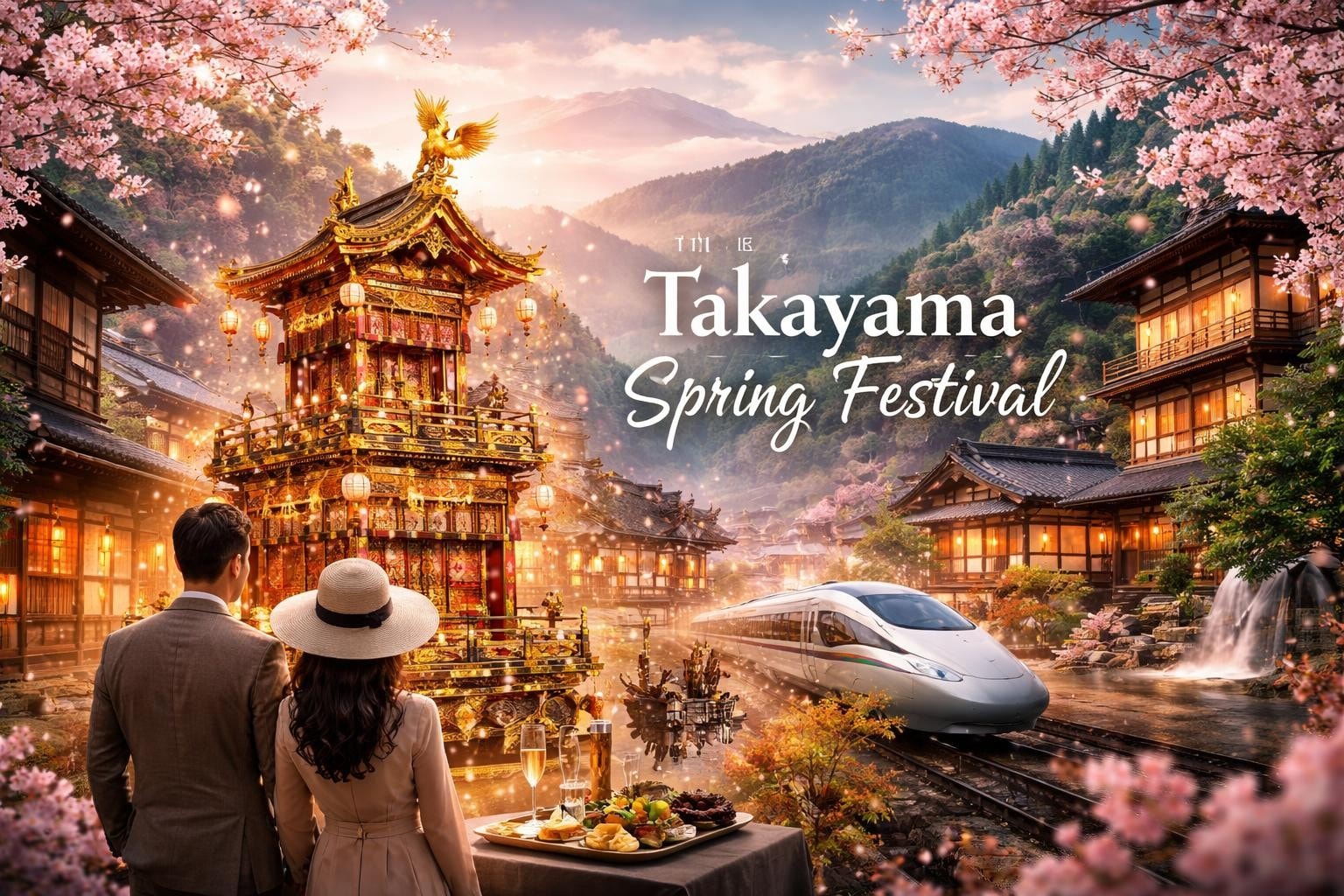
Nestled in the Japanese Alps, the historic town of Takayama hosts one of Japan’s most magnificent cultural celebrations each April. The Takayama spring festival, known locally as Sanno Matsuri, transforms this beautifully preserved Edo-period town into a living museum of craftsmanship, tradition, and community spirit. For centuries, this biannual event has captivated travelers seeking authentic Japanese cultural experiences, offering an unparalleled glimpse into the country’s artistic heritage through its spectacular yatai floats, intricate karakuri puppet performances, and deeply rooted Shinto traditions. Discerning travelers who seek more than superficial tourism are drawn to this remarkable festival, where every detail reflects the meticulous care and artistry that define Japanese cultural expression.
The Takayama spring festival dates back to the 16th century, evolving from simple harvest celebrations into one of Japan’s three most beautiful festivals. Held annually on April 14th and 15th, this spring celebration honors the deity of Hie Shrine through a remarkable display of craftsmanship and devotion. The Takayama Festival’s cultural significance extends far beyond regional boundaries, attracting cultural enthusiasts and luxury travelers from around the world.
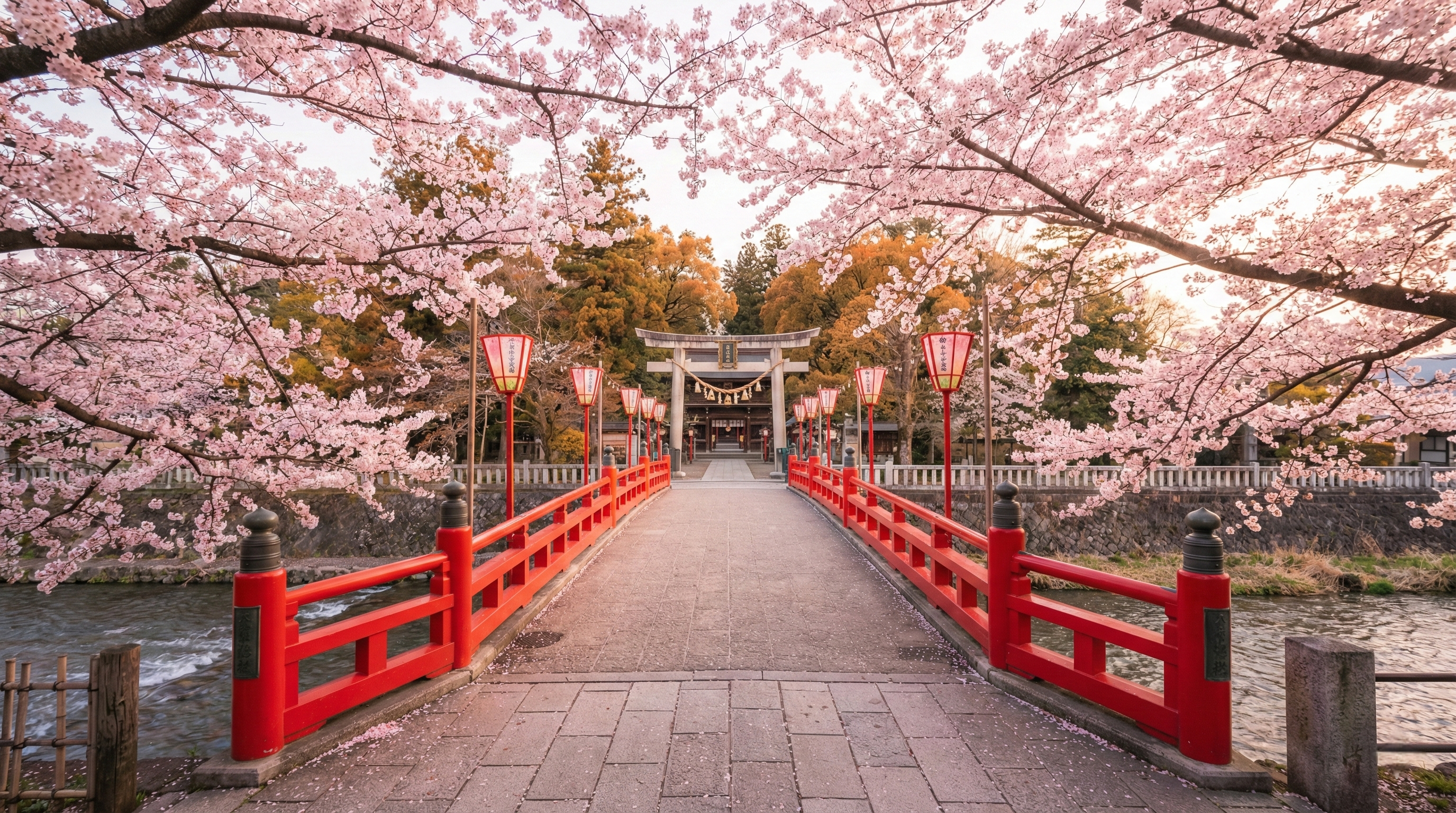
At its core, the festival serves as a spring offering to the gods, expressing gratitude for safe passage through winter and prayers for prosperous seasons ahead. The Hie Shrine, perched on a hillside overlooking Takayama’s historic district, becomes the spiritual epicenter of festivities. Twelve magnificent yatai floats parade through narrow streets, each representing different neighborhoods and embodying centuries of collective artistic achievement.
The religious ceremonies blend seamlessly with public celebration, creating an atmosphere where sacred and secular coexist harmoniously. Morning rituals at the shrine give way to afternoon processions, where ornately decorated floats become moving temples carrying the spirit of the divine through community spaces.
| Float Feature | Description | Cultural Significance |
|---|---|---|
| Lacquerwork | Multiple layers of urushi lacquer applied over the years | Represents patience and dedication to craft |
| Karakuri Mechanisms | Hand-carved wooden automation systems | Demonstrates Edo-period engineering excellence |
| Textile Decorations | Imported tapestries from the 16th to 18th centuries | Shows historical global trade connections |
| Metalwork Details | Gold leaf and intricate metal fittings | Displays community wealth investment |
The yatai floats represent the pinnacle of traditional Japanese craftsmanship. Standing up to 25 feet tall, these elaborate structures combine lacquerwork, metalwork, woodcarving, and textile arts into cohesive masterpieces. Some floats feature karakuri mechanical puppets that perform intricate theatrical scenes through ingenious wooden mechanisms, predating modern robotics by centuries.
Each float requires year-round maintenance by dedicated preservation societies. Neighborhoods take immense pride in their respective yatai, investing resources and expertise to maintain these treasures for future generations. The craftsmanship involved draws on knowledge passed down through generations of artisans, from lacquer specialists to metalworkers and textile conservators.
Storage facilities protect these precious artifacts from environmental damage, while restoration experts continually work to preserve original materials and ensure structural integrity. This dedication to preservation allows visitors to experience authentic historical artifacts rather than modern replicas.
The Takayama Spring Festival unfolds over two days of carefully orchestrated events. Morning activities begin around 9:30 AM when the yatai emerge from their storage houses, a process that itself draws crowds of observers. The formal procession typically starts by 10:00 AM, with floats navigating through Takayama’s historic merchant district.
Morning Events (9:30 AM – 12:00 PM):
Afternoon Events (1:00 PM – 4:00 PM):
Evening Events (6:00 PM – 9:00 PM):
The night festival, or yomatsuri, transforms the celebration entirely. As darkness falls, hundreds of lanterns illuminate the floats, creating an ethereal atmosphere unique to this event. The Japan National Tourism Organization recognizes this nighttime spectacle as one of Japan’s most photographed cultural moments.
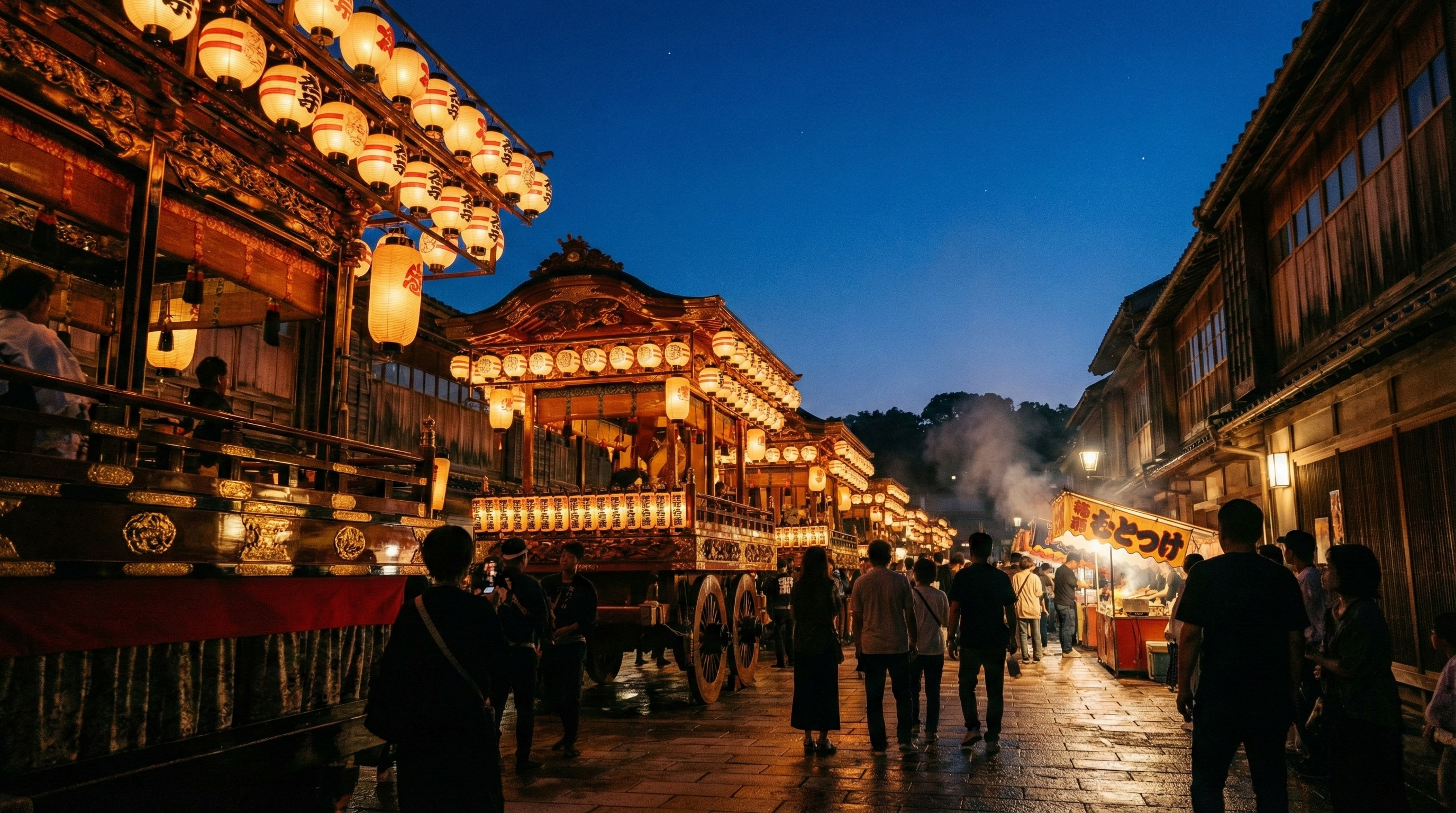
Securing optimal viewing positions requires strategic planning and local knowledge. The narrow streets of Takayama’s historic district create intimate viewing conditions, but popular spots fill quickly with residents who stake claims hours before official events begin.
Yasukawa Intersection is the primary venue for karakuri performances. This junction provides space for crowds to gather while floats demonstrate their mechanical marvels. Arriving by 8:00 AM ensures reasonable positioning, though true enthusiasts claim spots even earlier.
The Nakabashi Bridge area offers photographic opportunities as floats cross this iconic red bridge spanning the Miyagawa River. The contrast between traditional architecture and natural river settings creates stunning compositions, particularly during the late-afternoon golden hour.
Historic merchant quarter streets between Sanmachi and the shrine provide an authentic atmosphere as floats navigate tight corners, demonstrating the skill required to maneuver these massive structures through Edo-period urban spaces.
For travelers seeking enhanced experiences without crowds, private viewing arrangements can be secured through specialized luxury travel services. Historic machiya townhouses occasionally offer exclusive viewing platforms, while traditional ryokan inns position guests for privileged access to festival routes.
The Takayama spring festival attracts sophisticated travelers seeking authentic cultural immersion combined with world-class comfort. Accommodation planning requires considerable preparation, as premium properties book 12 to 18 months in advance for festival dates.
| Accommodation Type | Typical Booking Window | Premium Features |
|---|---|---|
| Historic Ryokan | 12-18 months | Festival route proximity, kaiseki dining |
| Boutique Hotels | 9-12 months | Mountain views, private onsen |
| Luxury Machiya Rentals | 10-15 months | Exclusive townhouse experience |
| Resort Properties | 6-10 months | Comprehensive amenities, transportation |
Traditional ryokan inns elevate the festival experience through curated cultural programming. Multi-course kaiseki dinners featuring regional Hida beef, locally crafted sake tastings, and private onsen facilities provide refined comfort after long festival days. Properties like Honjin Hiranoya Kachoan and Spa Hotel Alpina Hida Takayama combine heritage architecture with modern luxury amenities.
Takayama’s relative remoteness in the Hida mountain region requires thoughtful transportation coordination. The comprehensive festival schedule aligns with Japan’s exceptional rail connectivity, though luxury travelers often prefer private vehicles for greater flexibility and comfort.
Transportation Options:
Coordinating arrival one to two days before festival commencement allows proper acclimatization to mountain altitude and exploration of Takayama’s daily morning markets, sake breweries, and preserved merchant districts. These pre-festival experiences provide cultural context that deepens appreciation for the main celebration.
The Takayama spring festival showcases the Hida region’s exceptional culinary traditions alongside its artistic heritage. Local restaurants prepare special festival menus highlighting seasonal ingredients and traditional recipes passed through generations of Takayama families.
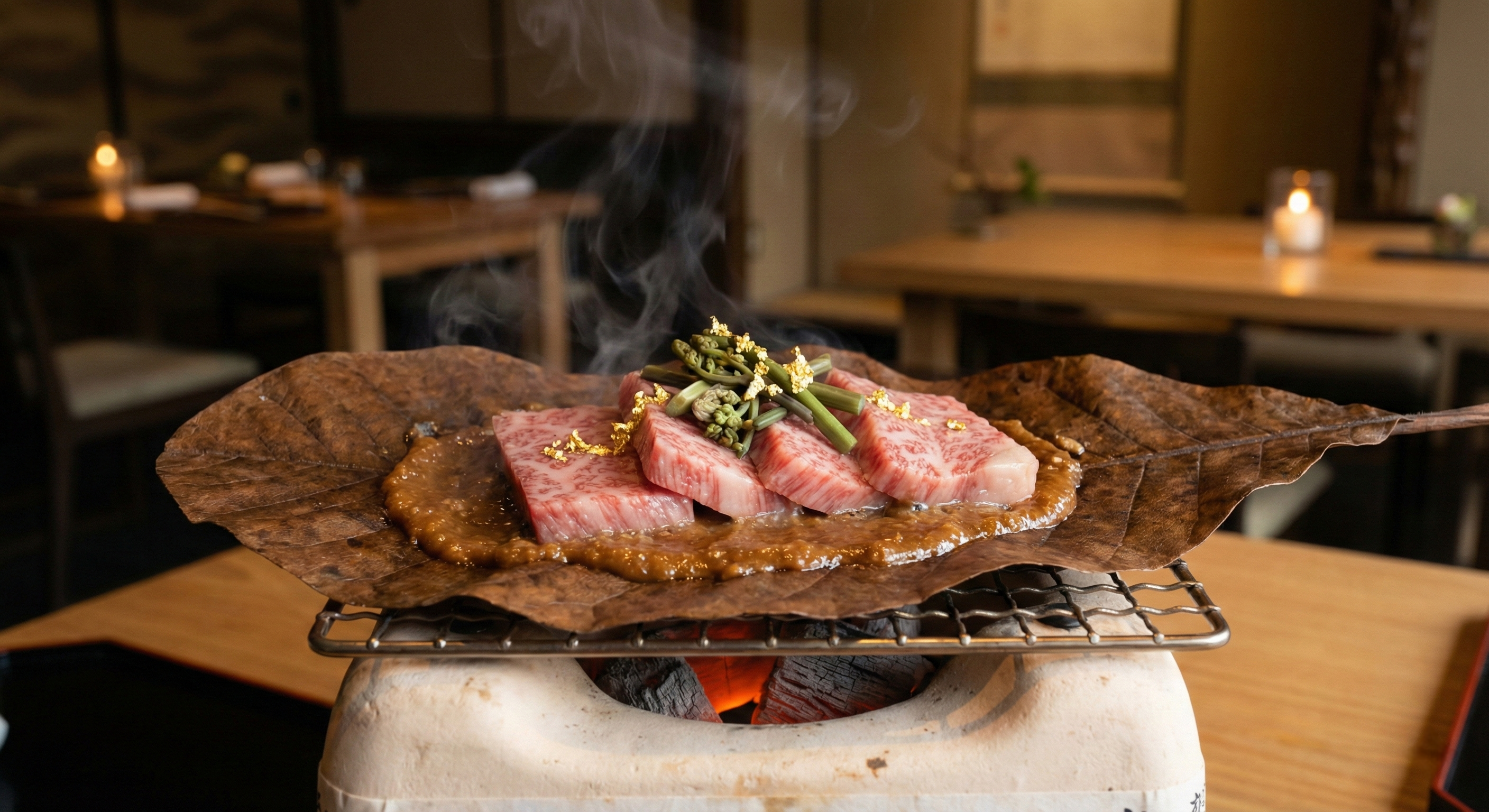
Hida beef represents the pinnacle of Japanese wagyu excellence, rivaling more famous Kobe and Matsusaka varieties. Marbled to perfection through generations of careful breeding, this premium beef appears in festival-season kaiseki courses, grilled preparations, and contemporary fusion dishes at Takayama’s finest establishments.
Sansai mountain vegetables harvested from the surrounding Alps offer unique spring flavors. Fiddlehead ferns, bamboo shoots, and wild herbs appear in tempura preparations, pickled accompaniments, and delicate broths that complement richer protein courses.
Traditional sake breweries throughout Takayama open special tastings during festival weeks. The cold mountain water and premium rice cultivation create ideal conditions for sake production. Several breweries operate in historic buildings within the Sanmachi preservation district, offering educational tastings that illuminate the relationship between regional terroir and flavor profiles.
Participating in the Takayama spring festival as an international visitor requires an understanding of Japanese cultural protocols. This centuries-old celebration holds deep significance for local communities, and respectful engagement enhances the experience while honoring traditions.
Essential Etiquette Guidelines:
The festival atmosphere remains welcoming to international visitors while maintaining reverent undertones connected to its spiritual origins. Understanding the festival’s historical context through preliminary research demonstrates respect and enables a deeper appreciation of the events witnessed.
While the Takayama spring festival serves as a compelling centerpiece, the surrounding Hida region offers numerous cultural and natural attractions worth extended exploration. Sophisticated travelers often design week-long itineraries that contextualize the festival within broader regional experiences.
The historic Shirakawa-go village, a UNESCO World Heritage site, lies within ninety minutes of Takayama. These thatched-roof gassho-zukuri farmhouses demonstrate traditional mountain architecture adapted to heavy snowfall conditions. Visiting Shirakawa-go before or after festival dates provides an architectural and historical context for understanding regional culture.
Alpine hiking trails throughout the Northern Alps offer spectacular spring scenery as snow melts, revealing alpine flowers and rushing waterfalls. The Kamikochi valley, accessible by seasonal bus services, offers pristine mountain landscapes ideal for contemplative walks and nature photography.
Takayama’s artistic heritage extends beyond festival floats into daily craft production. Specialized workshops allow visitors to engage directly with traditional techniques:
These hands-on experiences transform passive observation into active cultural participation, creating meaningful connections between contemporary travelers and historical craft traditions that define the region’s identity.
The visual splendor of the Takayama Spring Festival creates exceptional photography opportunities for both amateur enthusiasts and professional artists. The combination of ornate decorations, traditional costumes, mountain backdrops, and cultural performances offers diverse compositional possibilities.
Optimal Photography Moments:
Professional photographers should note that tripods create obstacles in crowded viewing areas and may be restricted in certain locations. Compact stabilization solutions and fast prime lenses enable quality documentation while maintaining mobility and respecting fellow viewers’ sightlines.
Respectful photography practices include avoiding flash usage during performances, requesting permission for portraits, and understanding that some ritual moments may be off-limits for documentation. The comprehensive information about festival traditions helps photographers identify appropriate and meaningful subjects.
Successful luxury travel experiences require methodical planning well in advance of desired travel dates. The Takayama spring festival’s popularity among domestic and international travelers necessitates early coordination across all service categories.
12-18 Months Before:
6-9 Months Before:
3-6 Months Before:
1-2 Months Before:
This structured approach ensures comprehensive preparation while maintaining flexibility for spontaneous discoveries that enhance travel experiences beyond predetermined schedules.
April weather in the Japanese Alps is variable, so pack adaptively. While cherry blossoms typically bloom at lower elevations, Takayama’s mountain location means spring temperatures can range widely, from sunny afternoons to cool mornings.
Average April temperatures range from 5°C to 15°C (41°F to 59°F), with occasional rainfall that can affect outdoor festival events. The detailed festival logistics confirm that celebrations proceed regardless of the weather, making appropriate outerwear essential for comfortable participation.
Recommended Packing Essentials:
The festival’s outdoor nature means significant time spent on foot, navigating the streets, and standing for performances. Premium comfort accessories enhance endurance during long viewing days without compromising the sophisticated aesthetic expected at luxury travel experiences.
The Takayama Spring Festival represents an extraordinary convergence of artistry, spirituality, and community heritage, captivating discerning travelers seeking authentic Japanese cultural experiences. This meticulously preserved celebration offers insights into traditional craftsmanship and regional identity that transcend typical tourist encounters. For those seeking seamless access to this remarkable event combined with luxury accommodations, expert coordination, and exclusive cultural experiences, Japan Royal Service specializes in crafting bespoke festival itineraries that honor both the celebration’s sacred traditions and travelers’ expectations for refined comfort and meaningful engagement.