
LINE ID japanroyalservice
+817013781777 click here
+817013781777 click here

Japan Golden Week 2026 represents one of the most extraordinary opportunities to experience the country’s cultural vibrancy at its peak. Yet, it demands strategic planning for luxury travelers seeking refined experiences without the stress of massive crowds. This annual holiday period, when multiple national celebrations cluster together, transforms Japan into a nation on the move, with locals and international visitors alike embracing the rare extended break. For discerning travelers who expect seamless journeys and exclusive access, understanding the nuances of this period becomes essential to crafting an unforgettable Japanese adventure that balances cultural immersion with comfort and sophistication.
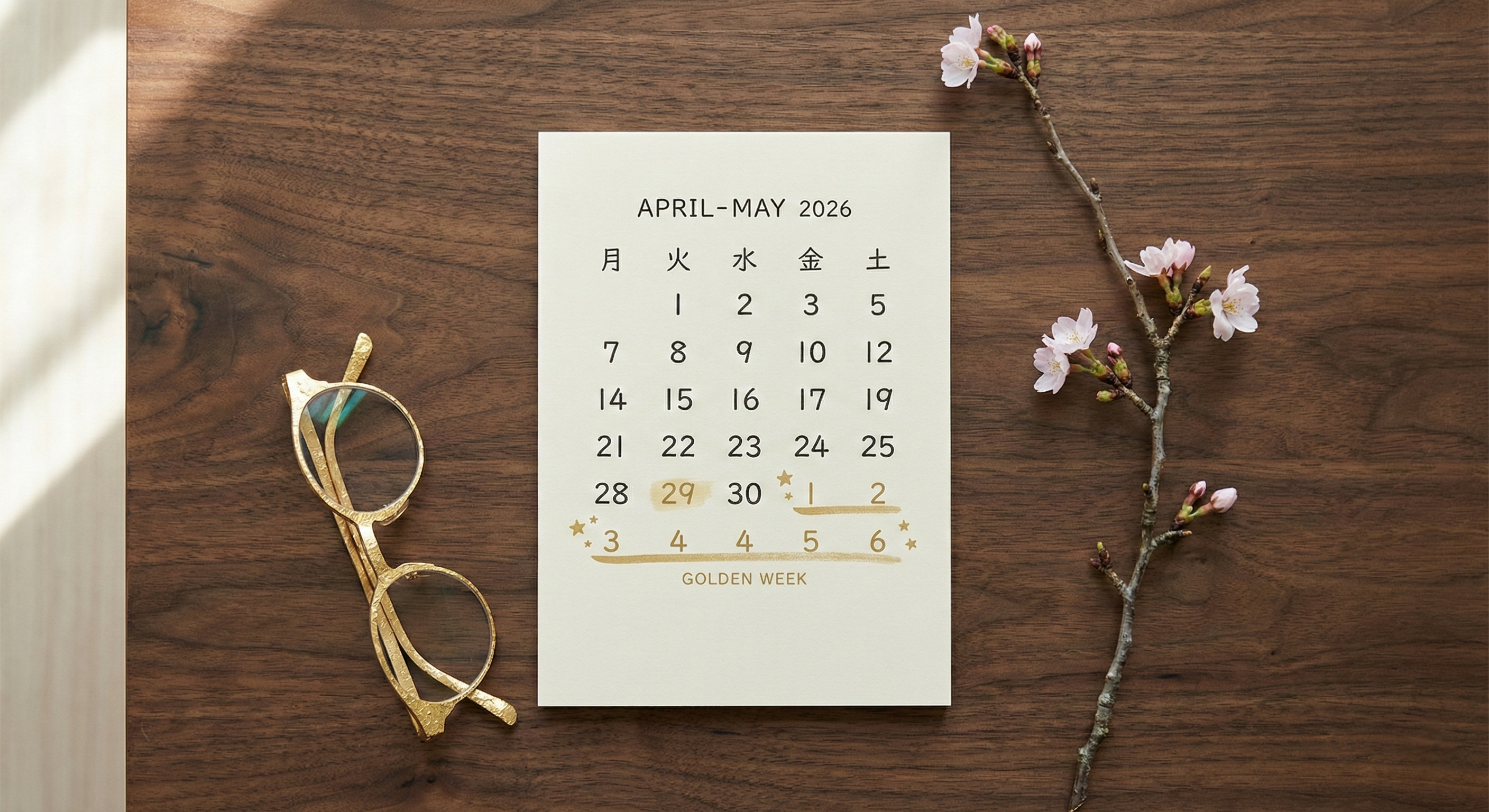
Golden Week 2026 begins on April 29 and extends through May 6, creating an eight-day period that combines four national holidays with weekends. The official holidays in 2026 include Showa Day on April 29, Constitution Memorial Day on May 3, Greenery Day on May 4, and Children’s Day on May 5, with May 6 serving as a substitute holiday.
This particular configuration in 2026 offers an especially favorable alignment for travelers. When national holidays fall on weekends, the Japanese government designates compensatory rest days to extend the holiday period.
Showa Day commemorates Emperor Showa’s birthday and reflects on Japan’s turbulent history during his 63-year reign. Constitution Memorial Day celebrates the post-war constitution adopted in 1947, while Greenery Day honors nature and the environment. Children’s Day, perhaps the most visually striking, features colorful koinobori carp streamers flying throughout neighborhoods.
Understanding these celebrations enriches your travel experience beyond mere sightseeing. Each holiday carries distinct traditions, from special shrine ceremonies to family gatherings and public festivities that welcome respectful observers.
Japan’s Golden Week 2026 presents unique challenges that require sophisticated planning, particularly for travelers accustomed to seamless luxury experiences. The sheer volume of domestic travelers during this period transforms typically serene destinations into bustling hubs.
Luxury accommodations, Michelin-starred restaurants, and exclusive experiences require reservations six to nine months in advance for Golden Week. Premium ryokans in Hakone, Kyoto’s finest kaiseki establishments, and boutique hotels in cultural districts are expected to reach full capacity by December 2025.
Private transportation becomes paramount during this period. While public transit remains efficient, the crowds can diminish the luxury experience that discerning travelers expect.
| Accommodation Type | Booking Window | Premium Benefits | Average Premium |
|---|---|---|---|
| Luxury Ryokan | 9 months ahead | Private onsen access, kaiseki customization | 40-60% higher |
| Five-Star Hotels | 7 months ahead | Executive floors, priority dining | 35-50% higher |
| Boutique Properties | 6 months ahead | Personalized service, flexibility | 30-45% higher |
| Traditional Machiya | 8 months ahead | Authentic architecture, privacy | 45-65% higher |
The peak travel periods in Japan extend beyond Golden Week itself, with shoulder dates seeing elevated demand as travelers try to avoid the core holiday rush.
Selecting destinations during Japan Golden Week 2026 requires balancing cultural significance with crowd management strategies. Certain locations offer exceptional experiences that justify the higher visitor numbers, while others can become overwhelming despite preparation.
Kyoto remains irresistible during Golden Week, with spring gardens at their peak and traditional ceremonies in full display. However, success requires tactical planning around specific timeframes.
Early morning visits to Fushimi Inari Shrine before 6:30 AM offer solitude unavailable during midday. Private tea ceremonies arranged through exclusive contacts offer authentic experiences off the beaten path. The Gion district, while busy, reveals its magic during evening hours when geiko and maiko transition between ochaya teahouses.
Exclusive Kyoto Experiences:
Tokyo’s vastness works to the advantage of well-informed travelers during Golden Week. While major attractions like Senso-ji Temple and Shibuya Crossing draw large crowds, the city’s sophisticated neighborhoods offer refined alternatives.
Omotesando’s luxury boutiques, private members’ clubs in Roppongi, and intimate omakase counters in Ginza continue serving discerning guests who’ve secured reservations. The comprehensive guide to navigating Japan during Golden Week emphasizes finding these quieter luxury experiences.
Japan Golden Week 2026 offers opportunities to explore regions that sophisticated travelers often overlook, yet deliver extraordinary cultural and natural experiences without overwhelming crowds.
The Noto Peninsula in Ishikawa Prefecture provides stunning coastal scenery, traditional craft villages, and exceptional seafood with minimal tourist infrastructure. Takayama in the Japanese Alps maintains its Edo-period character while offering refined ryokans and sake breweries that welcome private tours.
Kumano Kodo pilgrimage routes in Wakayama Prefecture deliver spiritual experiences along ancient paths, with luxury accommodations in renovated heritage buildings strategically positioned along the trail. These destinations require more complex logistics, making them ideal for travelers with dedicated planning support.
Transportation during Japan’s Golden Week 2026 demands careful consideration, as Japan’s typically efficient systems are under extraordinary strain. The standard approaches that work during normal periods need to be modified for this peak season.
Private car services with professional drivers fluent in English transform potentially stressful journeys into comfortable experiences. These services navigate traffic patterns, adapt to real-time conditions, and offer flexibility unavailable with fixed rail schedules.
Benefits of Dedicated Transportation:
For travelers who prefer rail experiences, reserved seats on Shinkansen and limited express trains require booking when reservations open, typically 1 month before travel dates. Green Car (first class) cabins offer additional space and comfort, though even these premium sections fill rapidly during Golden Week.
The JR Pass, while economical for extensive travel, doesn’t guarantee seat availability during peak periods. Premium alternatives like the JR East Pass (Tohoku Area) or regional passes, combined with reservations, offer better experiences.
| Transportation Mode | Advance Booking Required | Comfort Level | Flexibility | Best For |
|---|---|---|---|---|
| Private Car Service | 3-4 months | Highest | Maximum | Multi-destination itineraries |
| Reserved Shinkansen | 1 month | High | Limited | Point-to-point travel |
| Domestic Flights | 2-3 months | Medium-High | Low | Long distances |
| Chartered Helicopter | 4-6 months | Highest | Medium | Exclusive experiences |
Japan’s culinary landscape during Golden Week presents both challenges and extraordinary opportunities for food-focused luxury travelers. Michelin-starred establishments maintain their standards while accommodating increased demand, though reservation strategies become crucial.
Top-tier sushi counters, kaiseki restaurants, and innovative fusion establishments typically release Golden Week reservations three to four months in advance. Restaurants like Sukiyabashi Jiro, Kikunoi, and Narisawa require relationships with hotel concierges or specialized reservation services.
Alternative approaches include:
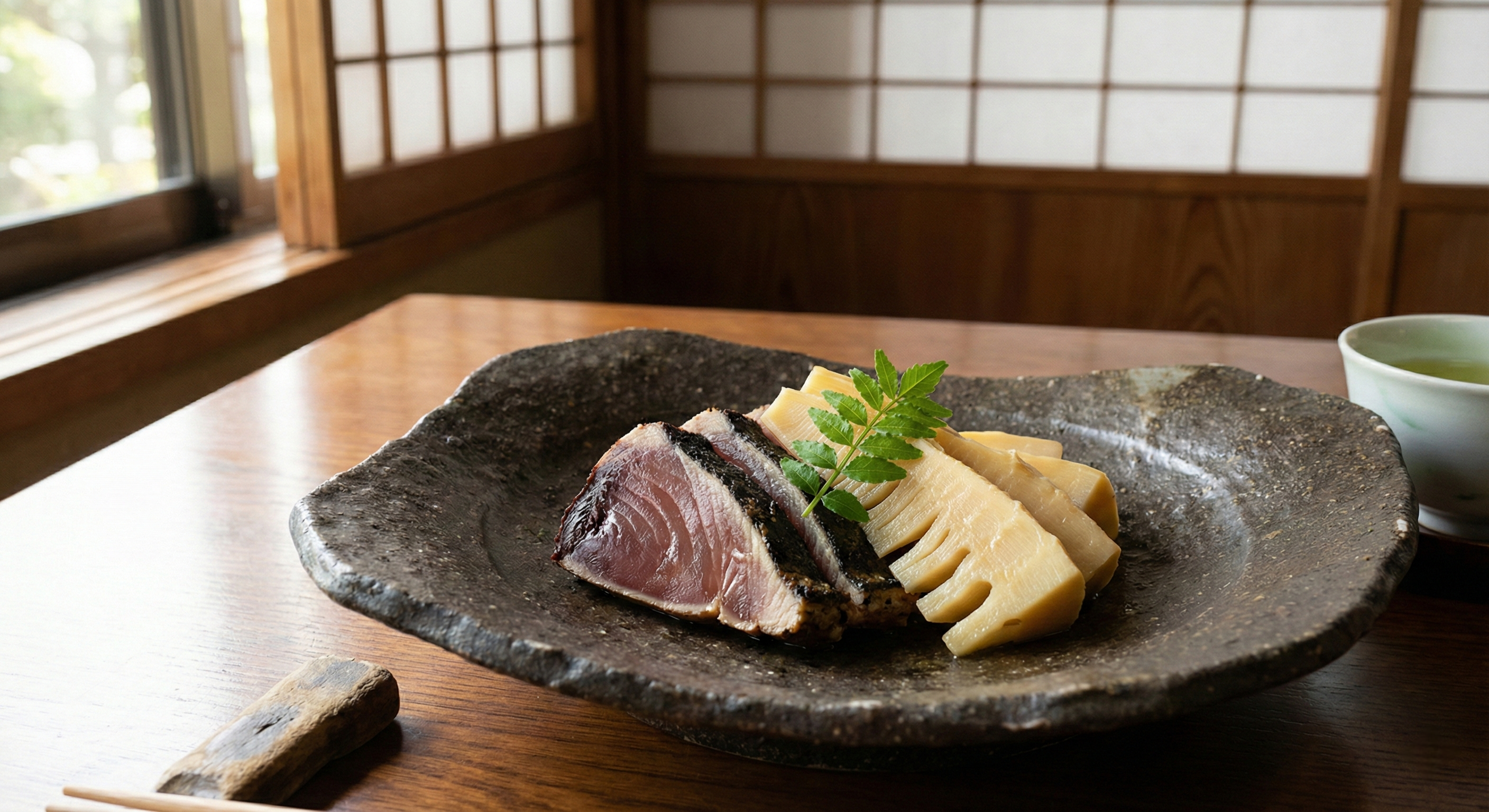
Golden Week coincides with exceptional seasonal ingredients. Spring bamboo shoots, bonito, and spring vegetables feature prominently in kaiseki menus. Regional specialties like Kanazawa’s seafood, Osaka’s street food culture, and Kyoto’s refined yudofu gain added dimension during this festive period.
Japan Golden Week 2026 features numerous cultural events, festivals, and celebrations that provide authentic cultural immersion when accessed strategically. The complete overview of Golden Week traditions illuminates the historical context behind modern celebrations.
Hamamatsu Festival in Shizuoka Prefecture features spectacular kite battles and evening processions, with VIP viewing areas available through advance arrangements. The Hakata Dontaku Festival in Fukuoka transforms the city into a celebration of dance and music, offering exclusive experiences through local cultural organizations.
Private guides with deep cultural knowledge transform festival attendance from observation to participation, explaining symbolic elements and introducing travelers to aspects invisible to casual visitors.
Premium Cultural Experiences:
These experiences require arrangements through established relationships and cultural intermediaries who maintain access to Japan’s living traditions.
Weather Patterns and Packing Considerations: The weather during Japan Golden Week 2026 typically features pleasant spring conditions, though regional variations require thoughtful preparation. Tokyo and Kyoto experience daytime temperatures between 18-24°C (64-75°F), while northern regions like Hokkaido remain cooler, and mountain areas can still encounter late-season snow.
Layering becomes essential for transitioning between air-conditioned interiors, warm afternoons, and cool evenings. Luxury travelers benefit from versatile pieces that transition from casual daytime exploration to refined evening dining.
The comprehensive Golden Week travel guidance emphasizes the importance of strategic planning, particularly for luxury travelers expecting seamless experiences.
Professional travel curation services offer value beyond simple booking assistance. They leverage relationships with properties, restaurants, and cultural institutions to secure access impossible through standard channels. This becomes particularly valuable during Japan’s Golden Week 2026, when competition for premium experiences intensifies.
| Aspect | DIY Planning | Curated Service | Value Differential |
|---|---|---|---|
| Time Investment | 80-120 hours | Consultation only | Significant time savings |
| Access Quality | Standard public options | Exclusive private access | Enhanced experiences |
| Problem Resolution | Self-managed stress | Professional support | Peace of mind |
| Cultural Depth | Surface-level | Expert interpretation | Meaningful understanding |
| Flexibility | Rigid reservations | Adaptive solutions | Responsive to preferences |
While central Honshu destinations dominate Golden Week itineraries, sophisticated alternatives provide exceptional experiences with reduced crowds. Shikoku’s 88-temple pilgrimage route, Kyushu’s volcanic landscapes and onsen towns, and the Okinawan islands offer distinct cultural and natural attractions.
Timing strategies can also transform the Golden Week experience. Arriving several days before the main holiday rush or extending stays into the following week captures the festive atmosphere while avoiding peak congestion. Detailed information on Golden Week dates helps travelers identify optimal arrival and departure windows.
Shikoku offers refined experiences without the overwhelming tourism infrastructure of more famous destinations. Takamatsu’s Ritsurin Garden ranks among Japan’s finest landscape gardens, while Dogo Onsen in Matsuyama provides historic bathing culture in a manageable setting.
Art enthusiasts appreciate the Setouchi Triennale venues scattered across islands accessible from Takamatsu, combining contemporary art with stunning seascapes. These experiences require dedicated planning but reward travelers with authenticity and breathing room.
Japan maintains exceptional safety standards and healthcare quality, though Golden Week’s crowds require additional awareness. Travel insurance covering medical emergencies, trip interruptions, and evacuation provides peace of mind for luxury travelers.
Essential Practical Preparations:
Understanding Japanese etiquette becomes particularly important during cultural celebrations. Conservative dress at temples and shrines, appropriate behavior during ceremonies, and respectful photography practices demonstrate cultural sensitivity that Japanese hosts deeply appreciate.
Discerning travelers increasingly recognize that true luxury includes environmental and cultural responsibility. Japan Golden Week 2026 provides opportunities to support traditional crafts, family-owned businesses, and sustainable tourism initiatives that preserve Japan’s cultural heritage.
Choosing accommodations with environmental certifications, supporting local artisans through direct purchases, and engaging guides from local communities creates a positive impact while enhancing travel experiences. These choices align with the values of sophisticated travelers who view luxury as encompassing responsibility and authenticity alongside comfort and exclusivity.
Japan Golden Week 2026 demands meticulous planning to transform potential challenges into extraordinary opportunities for cultural immersion and luxury experiences. Strategic preparation, insider knowledge, and professional support ensure that discerning travelers enjoy Japan’s most vibrant holiday period without compromise. Japan Royal Service specializes in crafting bespoke Golden Week itineraries that provide exclusive access, seamless logistics, and profound cultural experiences tailored to your unique interests, ensuring your journey reflects the sophistication and refinement you expect from luxury travel in Japan.