
LINE ID japanroyalservice
+817013781777 click here
+817013781777 click here
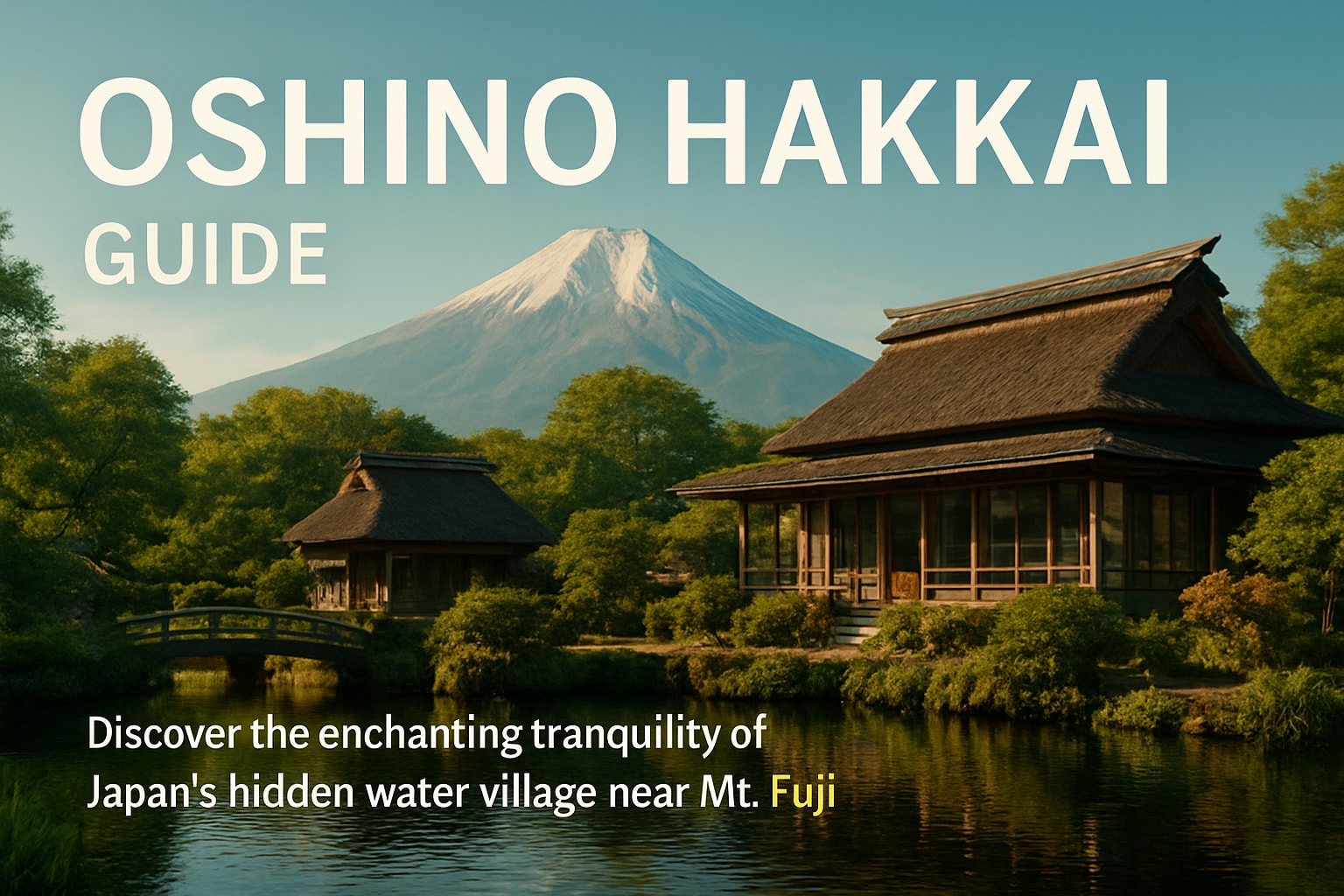
Step into a world where crystal-clear waters mirror the majesty of Mt. Fuji and ancient traditions thrive in peaceful harmony. Nestled in the foothills, oshino hakkai invites travelers to uncover the timeless charm of Japan’s hidden water village.
This serene destination blends breathtaking natural beauty with centuries of heritage and vibrant local culture. In this guide, you will explore everything you need to know for an unforgettable visit to oshino hakkai in 2026.
Discover its mystical ponds, delve into rich history, experience cultural highlights, and learn about seasonal wonders. Get practical travel tips and insider recommendations to make your journey seamless.
Are you ready to be inspired? Let this guide spark your curiosity and help you plan the perfect escape to oshino hakkai.
Nestled at the foot of majestic Mount Fuji, oshino hakkai invites travelers to step into a world where history and nature blend seamlessly. The village’s tranquil ponds and ancient traditions tell a story that spans centuries, offering visitors a rare glimpse into Japan’s sacred past and vibrant cultural heritage.
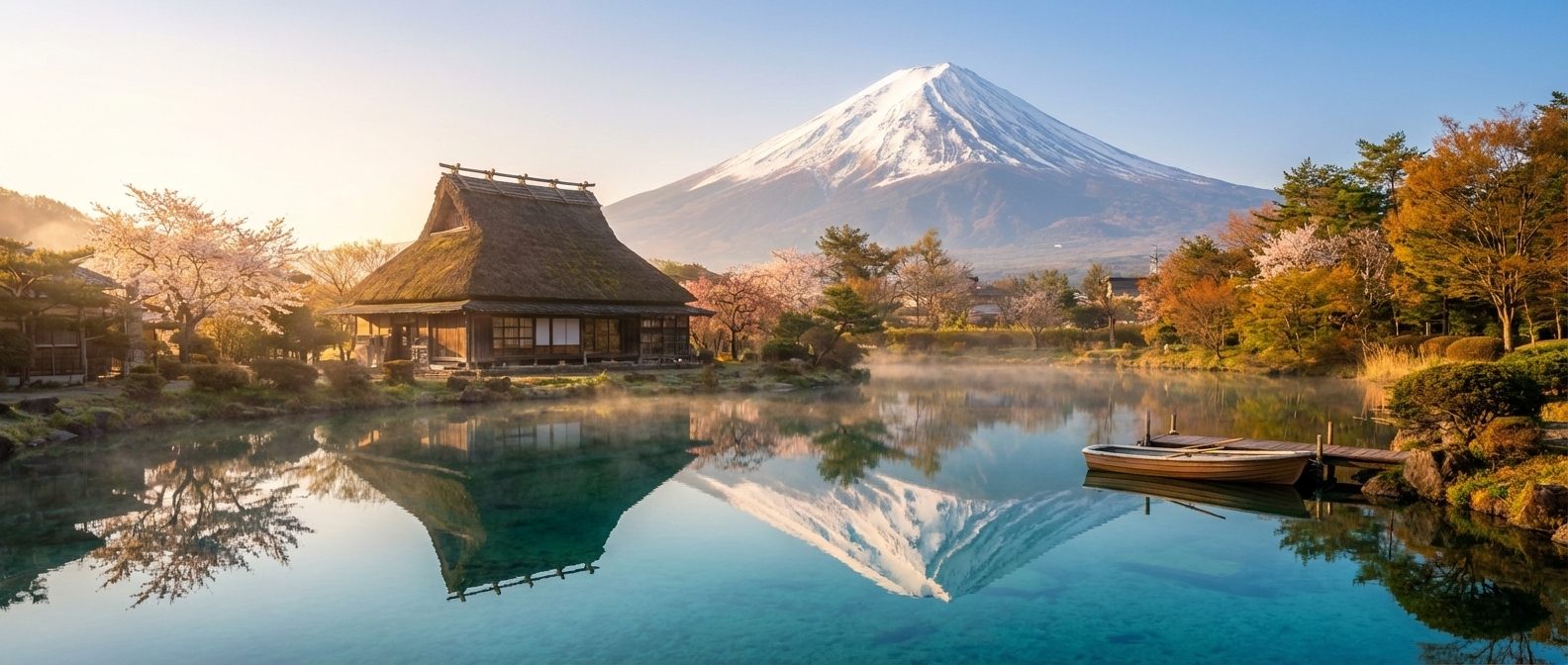
The origins of oshino hakkai are intimately tied to the dramatic forces of Mount Fuji. Thousands of years ago, volcanic eruptions shaped the landscape, leaving a bed of porous lava rock beneath the Oshino village. As snow from Mount Fuji’s summit melts, it filters through these rocks for decades, emerging as the pure, spring-fed waters that fill the eight ponds today.
The name “oshino hakkai” literally means “Eight Seas of Oshino,” reflecting the significance and revered status of these water sources. Each pond is famed for its clarity, depth, and subtle shades of blue or green, making them a wonder of natural geology.
In recognition of its unique formation and cultural value, oshino hakkai was designated a UNESCO World Heritage Site. This honor highlights the role the ponds have played in local life and Japanese spirituality for centuries. Before climbing Mount Fuji, Fuji-ko pilgrims performed purification rituals in these sacred waters, believing the ponds to cleanse both body and spirit.
Folklore and Shinto beliefs further deepen the mystique of oshino hakkai. Legends speak of spirits inhabiting the ponds, and ancient ceremonies once marked the changing seasons. Over time, the site has transformed from a secluded place of worship to a cherished travel destination, with local communities working tirelessly to preserve its natural beauty and spiritual heritage.
Oshino hakkai’s ponds have always been seen as sacred spaces, inviting quiet reflection and reverence. Each pond carries its own legend, such as Kagami Ike, the “Mirror Pond,” which is said to reveal Mount Fuji’s true spirit in its glassy surface. These stories are woven into the everyday lives of villagers and celebrated through annual festivals and ceremonies.
Throughout the year, traditions like the spring water festival and local Shinto rites bring the community together, honoring the life-giving properties of oshino hakkai. The ponds have inspired countless forms of local art, from delicate woodwork to vibrant textiles, reflecting the harmonious relationship between people and nature.
Walking through the village, visitors notice the preserved Edo-period charm. Thatched-roof homes, rustic watermills, and cobbled paths evoke a sense of timelessness. The community’s commitment to maintaining authentic architecture ensures that oshino hakkai remains a living testament to Japan’s past.
These living traditions, spiritual connections, and enduring stories make oshino hakkai a place where history, culture, and nature are inseparable. Every visit offers a chance to experience the tranquil magic that has drawn pilgrims and travelers for generations.
Step into an enchanting world where water shimmers in eight distinct shades, each reflecting the soul of oshino hakkai. These iconic ponds, nestled at the foot of Mt. Fuji, are more than natural wonders—they are living jewels shaped by centuries of volcanic activity and cultural reverence.
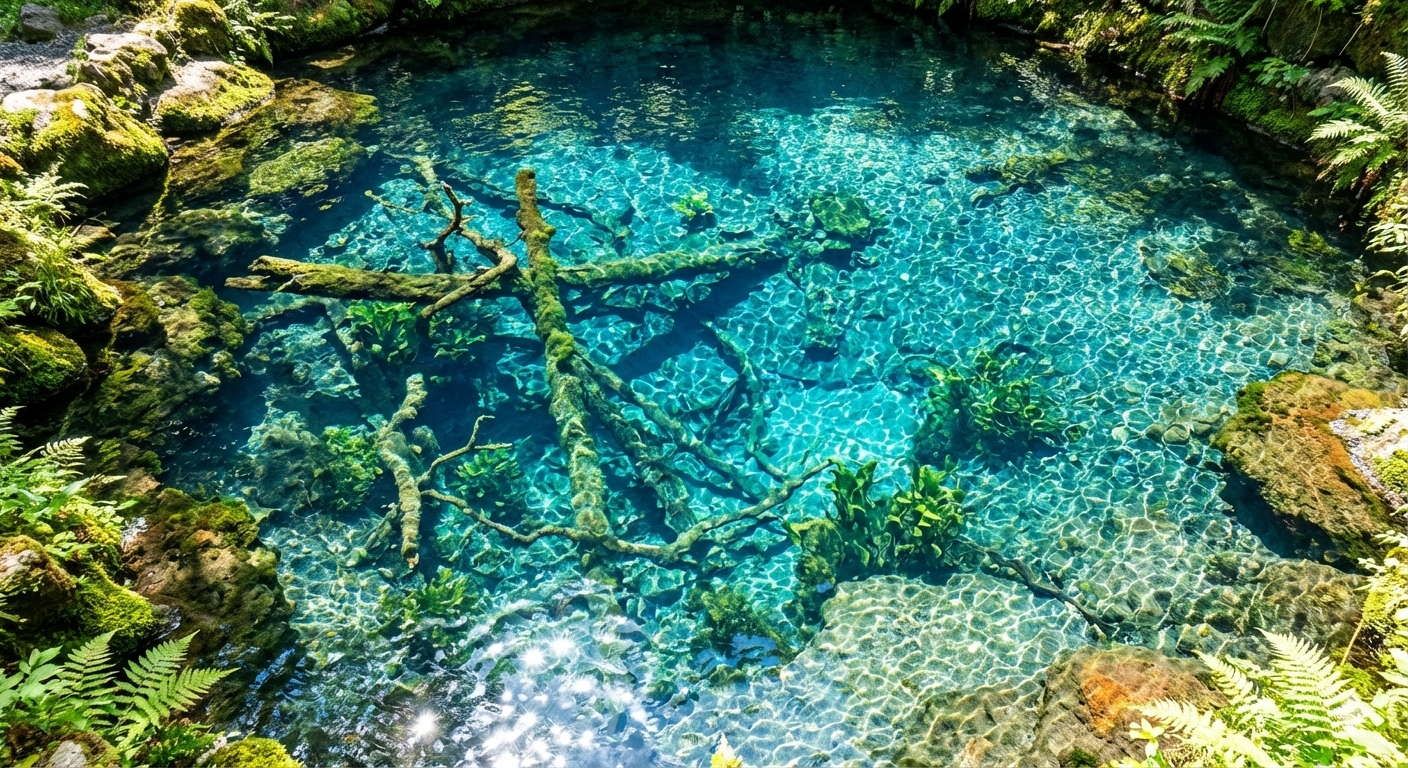
The heart of oshino hakkai lies in its eight celebrated ponds, each with unique character and history. Formed by snowmelt from Mt. Fuji filtering through ancient volcanic rock, these waters are renowned for their clarity and purity. The ponds—Deguchi Ike, Okama Ike, Sokonashi Ike, Choshi Ike, Waku Ike, Nigori Ike, Kagami Ike, and Shobu Ike—each offer a different natural spectacle.
Snowmelt from Mt. Fuji is filtered over decades through layers of lava, resulting in water so clear that aquatic plants and fish are easily visible. This geological marvel is explained in detail in the Geological Formation of Oshino Hakkai.
Visitors will find well-maintained walking paths connecting each pond, making exploration accessible and inviting. Photographers flock to Kagami Ike and Waku Ike for the best Fuji reflections. To protect this fragile ecosystem, visitors are asked to stay on marked paths and avoid disturbing wildlife.
Beyond the ponds, oshino hakkai offers a picturesque landscape rich in tradition and seasonal beauty. Strolling through the village, you will encounter thatched-roof houses and historic watermills, some still in operation, blending seamlessly with the natural environment.
Picturesque wooden bridges span the ponds, providing perfect vantage points for appreciating the tranquil scenery. In spring, cherry blossoms frame the water, while summer brings vibrant irises and lush greenery. Autumn transforms the area with fiery foliage, and winter blankets the village in snow, creating a serene, almost magical atmosphere.
Wildlife thrives here. Watch for native birds flitting among the reeds and aquatic species swimming beneath the surface. Viewing platforms offer sweeping panoramas of both oshino hakkai and Mt. Fuji, ideal for memorable photographs.
Respect for nature is paramount. Conservation rules are clearly posted, and visitors are encouraged to help preserve the area’s pristine condition. Whether you are a nature lover, photographer, or cultural explorer, oshino hakkai’s natural highlights promise a truly unforgettable experience.
Delving into the heart of oshino hakkai, visitors are welcomed by a village where tradition and daily life blend seamlessly. The air is filled with the sound of gently turning waterwheels, and centuries-old thatched-roof houses line narrow paths. One of the most fascinating stops is Hannoki Bayashi Shiryokan, a museum displaying samurai artifacts and tools once used by local farmers.
Walking through the village, you will encounter Edo-era homes, small shrines, and temples that serve as spiritual anchors for the community. Artisan workshops invite guests to witness pottery and woodwork being crafted by skilled hands. The sight of watermills still in operation offers a glimpse into the village’s enduring connection to nature.
No visit to oshino hakkai is complete without sampling its celebrated cuisine. Fresh local ingredients infuse every meal with the essence of the region. Savor handmade oshino soba, a buckwheat noodle dish renowned for its pure spring water and delicate flavor. Indulge in kusa mochi, herb-infused rice cakes, and crisp osenbei rice crackers, both favored by locals and travelers alike.
Markets brim with seasonal produce, offering tasting opportunities for curious palates. Tea houses with tranquil pond views entice guests to linger and enjoy traditional sweets. For those seeking memorable keepsakes, explore shops selling handmade goods and regional specialties. Food stalls and cozy restaurants cater to a variety of tastes, ensuring every visitor finds something to delight in at oshino hakkai.
| Culinary Highlight | Description |
|---|---|
| Oshino Soba | Buckwheat noodles with pure spring water |
| Kusa Mochi | Herb-infused rice cakes |
| Osenbei | Traditional rice crackers |
For travelers desiring an elevated journey through oshino hakkai, Japan Royal Service curates personalized tours tailored to individual interests. Enjoy seamless travel logistics, exclusive access to village artisans, and private guides who reveal the hidden stories and customs of the region.

Luxury transportation ensures comfort, while curated experiences connect you more deeply with local culture and heritage. Families, couples, and groups can savor hands-on workshops or private tea ceremonies in serene settings. Discover the true essence of oshino hakkai with insider access and memorable moments that only a bespoke itinerary can provide, making your visit both effortless and unforgettable.
Experience the captivating beauty of oshino hakkai as each season transforms the village into a living canvas. Whether you are drawn by delicate cherry blossoms or the tranquil snowscapes, the village offers an ever-changing spectacle. Understanding the unique charm of every season will help you plan the perfect visit to oshino hakkai.
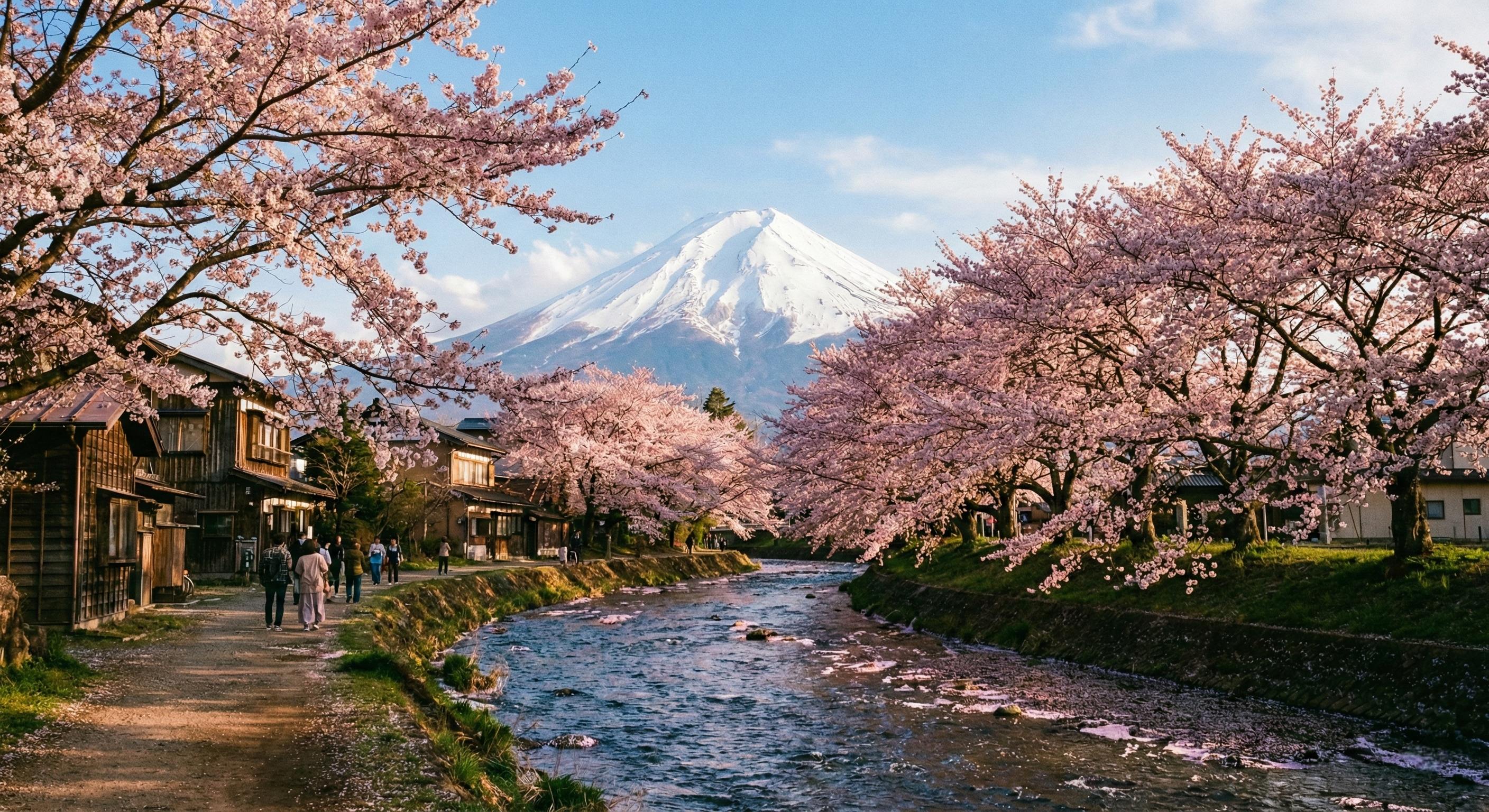
Spring at oshino hakkai is defined by the arrival of cherry blossoms. From late March to mid-April, sakura trees bloom around the ponds, creating a breathtaking scene. The best spots for blossom viewing include the bridges near Waku Ike and the paths lined with flowering trees. Local celebrations often feature food stalls and traditional performances, adding to the festive atmosphere.
Summer brings lush greenery and lively village life. The cool breezes from the ponds offer relief from the heat, while aquatic plants and native birds thrive. Photographers favor this season for vibrant contrasts between the deep blue waters and the fresh vegetation. Early mornings are especially serene, providing the perfect light for capturing oshino hakkai in its natural splendor.
In autumn, fiery foliage surrounds the ponds. From late October to early November, maple and ginkgo trees display brilliant reds and golds. The reflection of these colors in the clear water creates unforgettable photo opportunities. Village harvest festivals offer a taste of local culture and seasonal produce, making autumn an ideal time for immersive experiences.
Winter transforms oshino hakkai into a tranquil wonderland. Snow blankets the village, and the ponds remain crystal clear, often with steam rising from their surface. The “Diamond Fuji” phenomenon, where the sunrise aligns with Mt. Fuji’s peak, can be witnessed on select winter mornings. Fewer visitors this season ensure a peaceful, contemplative atmosphere.
| Season | Highlights | Best Viewing Spots |
|---|---|---|
| Spring | Cherry blossoms, festivals | Bridges, Waku Ike |
| Summer | Greenery, birdlife | Garden paths, ponds |
| Autumn | Foliage, harvest events | Maple groves, watermills |
| Winter | Snow, Diamond Fuji | Viewing platforms |
For those seeking the perfect shot of oshino hakkai, timing is crucial. Early morning and late afternoon provide soft, golden light and fewer crowds. Spring and autumn are particularly popular, so plan your visit on weekdays for quieter moments. In winter, the landscape is serene, and the air is crisp, making reflections of Mt. Fuji more vivid.
Weather plays a significant role in your experience. Bring layers in spring and autumn, and dress warmly for winter. Summer offers comfortable temperatures but occasional rain, so pack appropriately. Respectful behavior, such as not disturbing wildlife and adhering to photography guidelines, helps preserve the pristine environment of oshino hakkai.
Seasonal festivals, like the Cherry Blossom Festival and autumn harvest celebrations, are highlights for visitors. These events provide insight into local customs and an opportunity to sample regional delicacies. For up-to-date details on seasonal events and travel tips, consult a comprehensive Travel Guide to Oshino Hakkai.
No matter when you visit, each season at oshino hakkai promises a unique and memorable experience. Plan ahead to make the most of your journey and savor the tranquil charm that defines this hidden gem.
Planning a trip to Oshino Hakkai is straightforward, rewarding travelers with a seamless blend of natural beauty and cultural immersion. Whether you are coming for a day or planning an extended stay, understanding logistics and local customs will help you make the most of your visit.
Oshino Hakkai is nestled in Yamanashi Prefecture, close to the base of Mt. Fuji, making it an accessible destination from Tokyo and surrounding cities. Travelers can reach oshino hakkai by train via the Fujikyu Railway to Fujisan Station, followed by a local bus directly to the village. For those driving, parking lots are available near the entrance, and the area is well signposted for easy navigation.
If you prefer guided travel or want to explore more of the region, consider combining your visit to oshino hakkai with other spots featured on the Yamanashi travel and attractions page. Day-trip itineraries are popular, but staying overnight in the Fuji Five Lakes area lets you enjoy the early morning serenity. The village is walkable, and most paths are suitable for strollers and wheelchairs.
Oshino Hakkai welcomes visitors year-round, with no entrance fee required to explore the ponds and village. Museums such as Hannoki Bayashi Shiryokan open from 9 a.m. to 5 p.m. for a small fee. Facilities include restrooms, information centers, and shaded rest areas. When visiting oshino hakkai, remember to be respectful—quiet voices, no littering, and following posted photography guidelines help preserve the tranquil environment.
Prepare for changing weather by bringing layers, as temperatures can shift quickly, especially near the water. Comfortable walking shoes are recommended for exploring the scenic paths and bridges. Families and solo travelers alike will appreciate the village’s safety, but always keep an eye on children near the ponds. Accessibility is good, but some traditional buildings may have steps or uneven floors.
As travel trends evolve, oshino hakkai is expected to see growing interest in cultural and nature-based experiences. Booking accommodations early in the Fuji Five Lakes area is wise, especially during cherry blossom or autumn foliage seasons. Advance reservations for tours, workshops, or private guides can enrich your journey and ensure a stress-free visit.
Stay updated with local regulations and seasonal events by checking official tourism resources before your trip. For those seeking more inspiration, the Mt. Fuji tourist attractions page offers curated ideas to help you build a memorable itinerary around oshino hakkai and the wider region. Careful planning guarantees smooth logistics and maximizes your time at this enchanting water village.
Unlock the secrets of oshino hakkai with these insider tips designed for travelers who seek more than just scenic views. Discover lesser-known corners, immersive workshops, and authentic encounters that elevate your visit far beyond the ordinary.
To truly appreciate oshino hakkai, visit at sunrise or late afternoon, when crowds are minimal and the ponds shimmer with undisturbed reflections. Seek out hidden viewing spots along quiet paths behind the main village. These locations offer breathtaking perspectives of Mt. Fuji mirrored in pristine waters, perfect for contemplative moments or photography.
Participate in hands-on workshops to deepen your connection with oshino hakkai’s traditions. Try your hand at soba noodle making, or join a craft class where local artisans teach pottery and woodwork. These experiences not only support the community but also let you take a piece of oshino hakkai’s spirit home with you.
Engage with the friendly residents of oshino hakkai for genuine cultural immersion. Many artisans invite visitors to observe their creative process or offer short demonstrations. Their stories and skills reflect generations of heritage, enriching your understanding of the village’s unique charm. Cultural Significance of Oshino Hakkai provides deeper insight into these meaningful connections.
Explore the lush surroundings of oshino hakkai on a guided nature walk or eco-tour. Knowledgeable guides share insights into rare aquatic plants, local birdlife, and conservation efforts. These tours reveal the fragile balance that sustains oshino hakkai’s beauty and help visitors appreciate the ecological value of its ponds and landscapes.
Expand your adventure by pairing oshino hakkai with neighboring attractions. Lake Kawaguchi offers stunning lake views, while Chureito Pagoda provides an iconic Mt. Fuji backdrop. Plan a multi-stop itinerary to capture the best of the region. For broader inspiration, explore other must-see places featured on [Visit Japan: Top Destinations].
Oshino hakkai delights a range of travelers. Families can enjoy pond-side picnics and interactive workshops. Couples may find romance in quiet gardens and sunset strolls. Solo adventurers can savor meditative walks or join group tours for camaraderie. Tailor your visit to match your interests and create memories unique to your journey.
As you imagine wandering the peaceful paths of Oshino Hakkai, immersed in its tranquil ponds and timeless traditions, it’s clear that a journey here is more than just sightseeing—it’s a rare chance to connect with Japan’s spirit at its most authentic. If you’re ready to move beyond the ordinary and experience this serene water village in a way that’s truly your own, we can help bring your vision to life. Let’s design your perfect escape together—
Request your private consultation Design your bespoke Japan journey with our experts.