
LINE ID japanroyalservice
+817013781777 click here
+817013781777 click here

Shinagawa stands at the crossroads of Tokyo’s past and future, captivating visitors with a vibrant energy few districts can match. In 2026, this urban hub continues to reinvent itself, seamlessly blending centuries-old tradition with cutting-edge innovation.
This definitive guide will unlock the best of Shinagawa for travelers, expats, and locals alike. Discover its storied history, dynamic neighborhoods, modern attractions, and practical tips for making the most of every visit.
Inside, you’ll explore Shinagawa’s fascinating evolution, must-see sights, culinary treasures, shopping destinations, top accommodations, and signature events. Let this resource inspire your next adventure—experience the unique spirit of Shinagawa with the confidence of an insider.
Shinagawa stands as a living chronicle of Tokyo’s transformation, evolving from a centuries-old gateway into a dynamic urban powerhouse. This district’s journey mirrors the story of the city itself, blending ancient traditions with cutting-edge innovation. Today, Shinagawa offers visitors a fascinating tapestry of history, culture, and modernity.
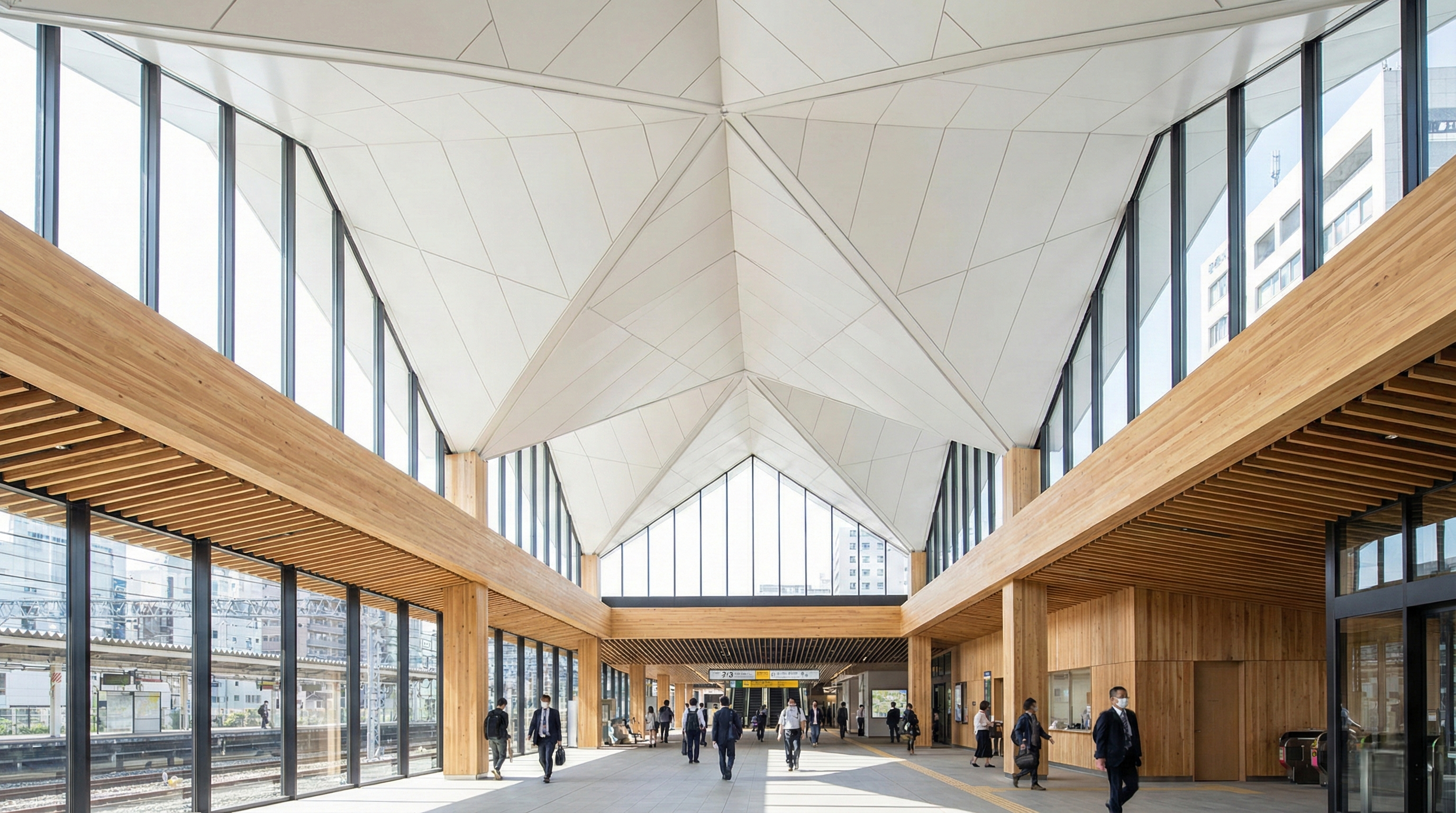
Shinagawa’s roots trace back thousands of years, with archaeological finds revealing Jōmon period settlements along its waterways. In the Kamakura era, the Shinagawa Clan shaped the area’s early identity, setting the stage for its future significance.
During the Edo period, Shinagawa became the first post town on the legendary Tōkaidō highway, serving as “Edo’s front door.” Travelers, samurai, and merchants would find bustling inns, lively teahouses, and vibrant entertainment awaiting them. The district’s fishing villages flourished, renowned for their Asakusa nori seaweed and their role as one of the “御菜八ヶ浦,” key suppliers of seafood to the shogunate.
Daimyō established elegant seaside estates, influencing the socio-economic landscape and leaving a legacy still visible in local parks and shrines. The Shinagawa Shrine, with its commanding stairway and panoramic views, remains a testament to the area’s enduring spiritual and historical importance.
As Japan entered the Meiji era, Shinagawa underwent rapid industrialization. Factories lined the Meguro River, and ambitious land reclamation projects expanded the district into Tokyo Bay, creating new neighborhoods like Tennozu and Konan.
Post-war decades saw Shinagawa’s transformation accelerate, with modern business districts rising and the population steadily increasing. The development of Shinagawa Intercity, Tennozu Isle, and Konan Waterfront turned the area into a hub for technology, design, and international business. Preserved heritage streets such as Kyu-Tōkaidō coexist with futuristic cityscapes, reflecting this dynamic blend of past and present.
Today, Shinagawa contributes significantly to Tokyo’s economy and urban fabric. The ongoing evolution is perhaps best exemplified by Tennōzu Isle Development, where former industrial sites have become vibrant centers for art, dining, and innovation. This unique balance attracts both locals and global travelers, making Shinagawa a compelling destination at the heart of the city.
Shinagawa is a tapestry of neighborhoods, each weaving its own story into Tokyo’s urban landscape. As one of the city’s most dynamic wards, Shinagawa offers a blend of history, innovation, and daily life that appeals to residents, business travelers, and explorers alike.
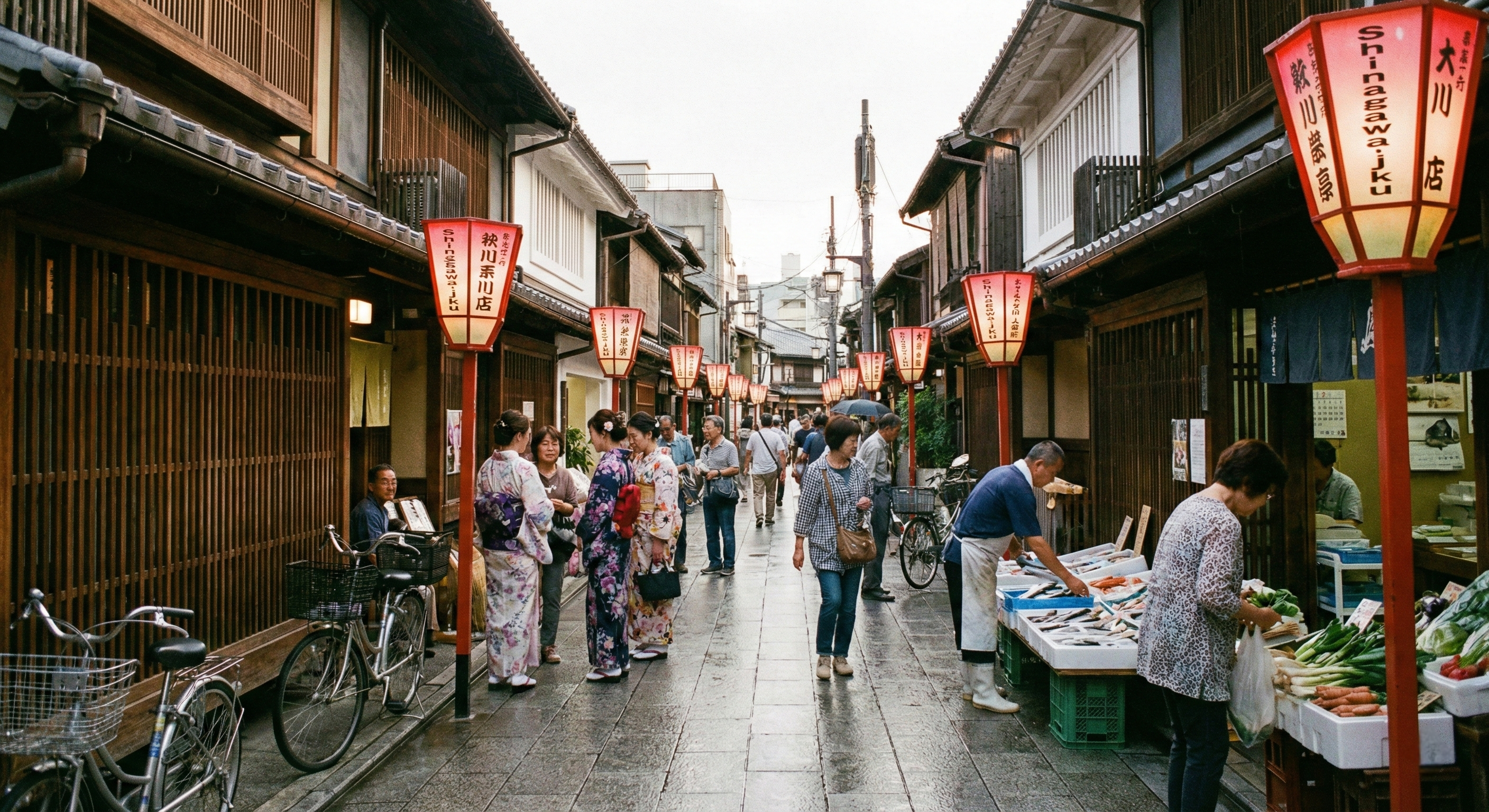
The heart of Shinagawa is its historic core, where temples and shrines sit beside remnants of the old post town. Here, you’ll feel echoes of the Edo era along narrow streets and traditional shopfronts.
Ōsaki stands out for its modern redevelopment, mixing business towers like Gate City and ThinkPark with residential complexes. It’s a hub for both commerce and daily living.
Ōi, once industrial, is now transforming into a creative and logistics center, while Ebara offers a peaceful contrast with its leafy parks and family-friendly streets. Yashio, facing Tokyo Bay, features sleek waterfront apartments and new urban developments.
Each district has its own rhythm and appeal, making Shinagawa a microcosm of Tokyo’s diversity.
Gotenyama’s prestigious hilltop residences and embassies are famous for cherry blossoms and seasonal beauty. Tennozu Isle, once industrial, now thrives as an art-forward waterfront packed with galleries, restaurants, and lively boardwalks.
Konan boasts high-rise offices and luxury condos, attracting international business and modern living. Kita-Shinagawa and Higashi-Shinagawa retain a traditional vibe, with bustling shopping streets and local eateries serving age-old recipes.
Accessibility is a key strength here, with excellent transit connections and walkable neighborhoods. For those wanting to see how Shinagawa fits among Tokyo’s top neighborhoods, Explore Tokyo’s Top Destinations offers a broader perspective on the city’s vibrant districts.
In Shinagawa, every neighborhood reveals a unique side of Tokyo—whether you’re searching for historical charm, creative energy, or contemporary comfort, there’s a district ready to welcome you.
Shinagawa is a tapestry of history, culture, and innovation, offering visitors a captivating blend of old and new. Whether you are drawn to timeless temples, scenic parks, bustling waterfronts, or vibrant festivals, Shinagawa promises memorable experiences for every traveler.
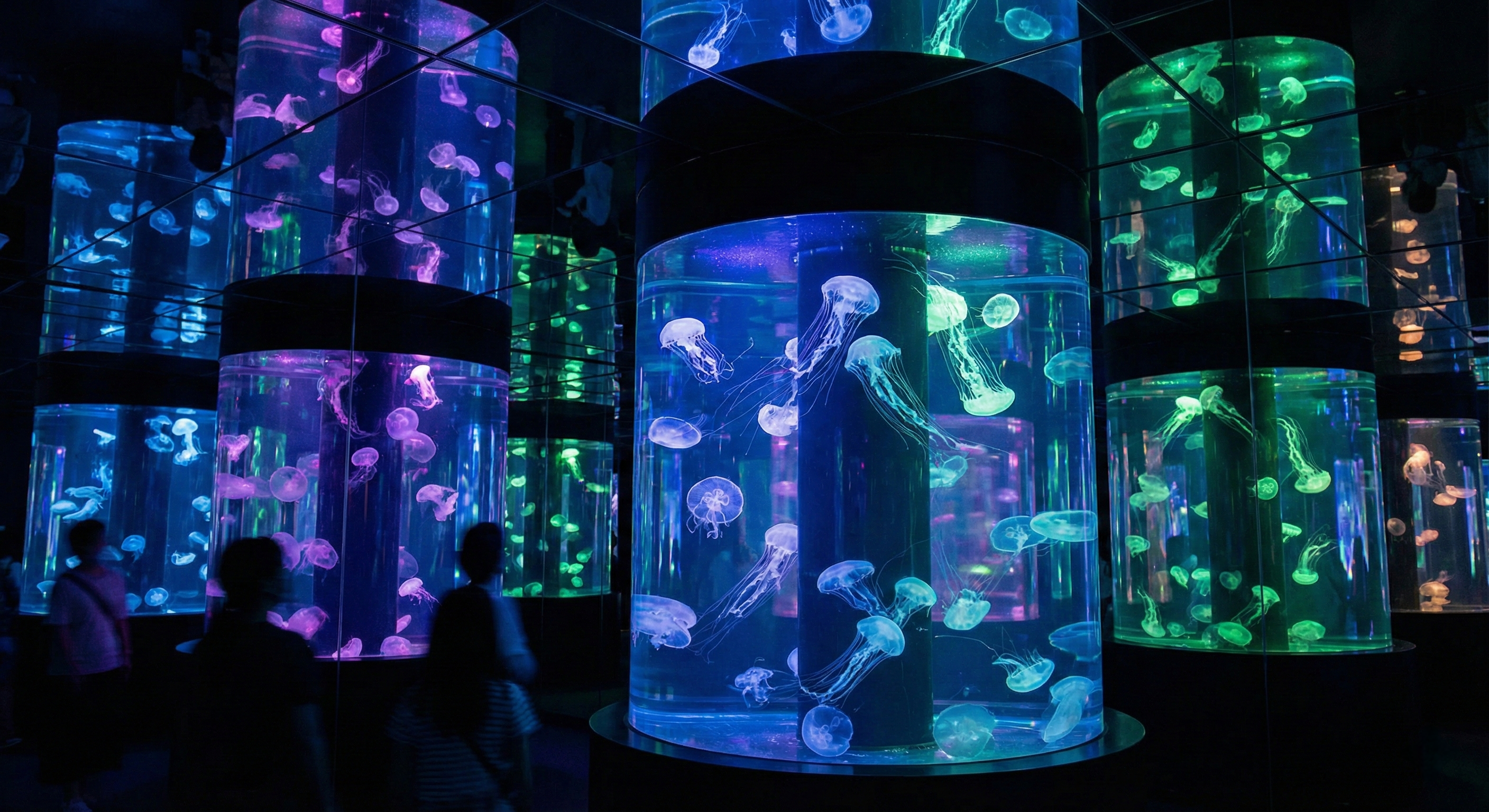
Step into Shinagawa’s past through its wealth of historic sites. The revered Shinagawa Shrine stands atop a dramatic stairway, offering panoramic city views and an atmospheric dragon fountain. Tokaiji Temple, founded by Tokugawa Iemitsu and linked to the influential monk Takuan Sōhō, exemplifies Edo-period spirituality. For deeper insight, explore the Tōkai-ji Temple in Shinagawa, a landmark with centuries of cultural significance.
Honsenji Temple, home to the grand Edo Roku Jizō statue, and Myōrenji Temple, resting place of Masatoshi Takagi, further anchor Shinagawa’s spiritual legacy. Seiseki Park and Goten’yama Hill, once daimyō estates, offer tranquil spaces for reflection and seasonal beauty.
Shinagawa’s green spaces invite relaxation and seasonal delight. Gotenyama is famous for its cherry blossoms, attracting crowds every spring for vibrant hanami celebrations beneath a canopy of pink. Gongenyama Park boasts scenic outlooks and peaceful walking paths, ideal for both solitude and community gatherings.
Families love Kodomo-no-mori Park, a haven of forest trails and interactive nature play areas. Futsukaichi Park provides open lawns and hosts local events, connecting residents and visitors alike. Shinagawa’s parks showcase the district’s harmonious blend of urban life and natural splendor.
Shinagawa’s contemporary side dazzles along the waterfront. Tennozu Isle, once an industrial zone, now thrives as a creative district, lined with art galleries, stylish restaurants, and lively boardwalks. The area’s canals and modern architecture form a striking contrast to historic neighborhoods.
Yatsuyama Bridge serves as a historic gateway, granting panoramic views of the ever-evolving skyline. Zemusuzaka Street is notable for its elegant Japanese pagoda trees and sophisticated cityscape. These modern highlights reinforce Shinagawa’s reputation as a dynamic destination for art, design, and innovation.
Shinagawa’s calendar is rich with cultural festivities. The Shinagawa Shukuba Matsuri celebrates the district’s post-town heritage through colorful parades, traditional performances, and lively street markets. During the New Year, the Tokai Seven Lucky Gods Tour guides pilgrims along a spiritual route linking local shrines and temples.
Neighborhood matsuri bring people together with food stalls, music, and spirited community participation. These events offer an authentic window into Shinagawa’s enduring traditions and its vibrant, welcoming spirit.
Shinagawa’s culinary and shopping landscape offers an exciting blend of old and new, satisfying every palate and style. From traditional eateries to modern malls, this area invites visitors to explore its rich flavors, local craftsmanship, and vibrant nightlife. Whether you are a first-time visitor or a returning guest, Shinagawa delivers unforgettable experiences at every corner.
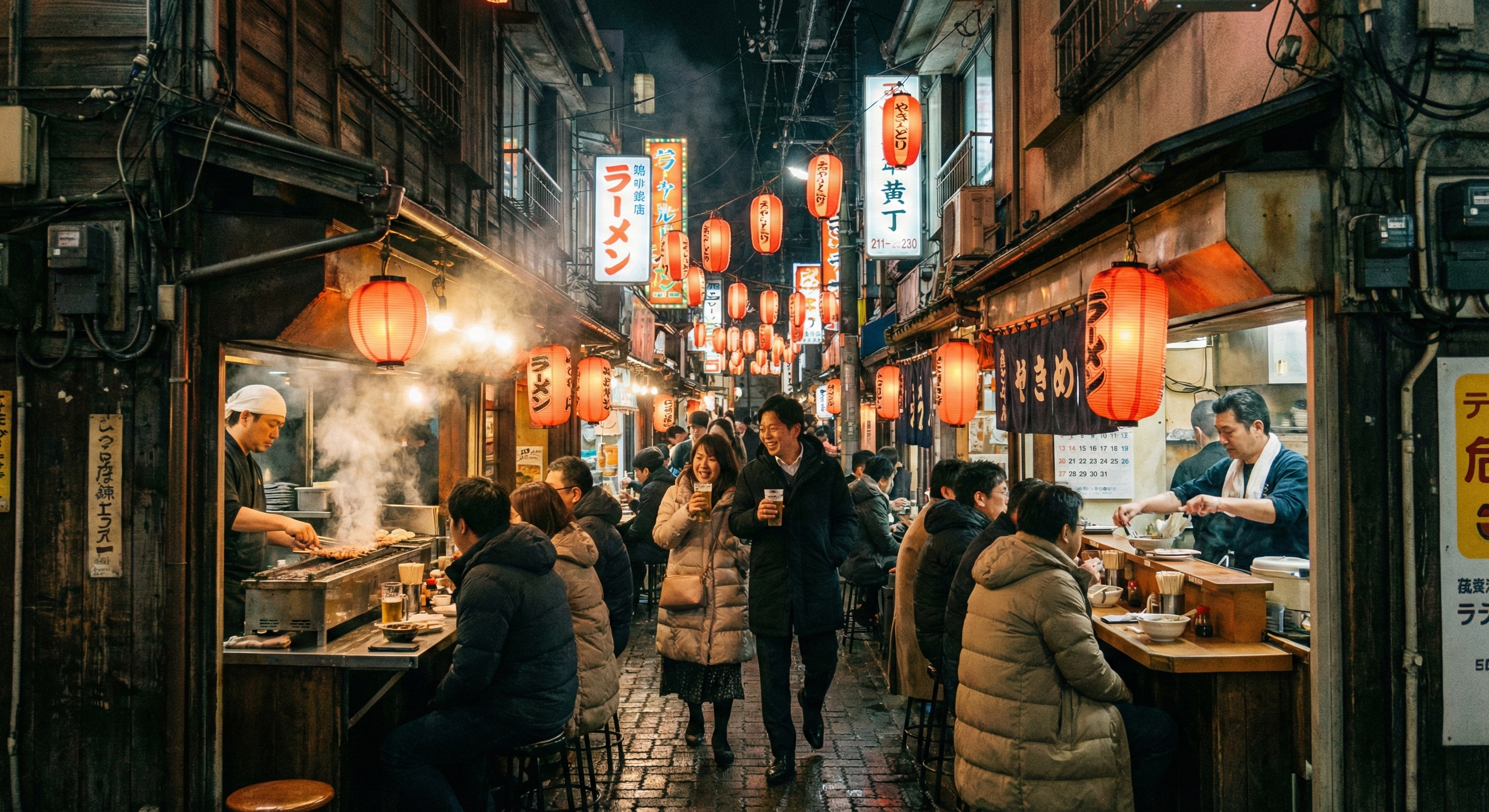
Shinagawa’s food scene is a tapestry of tradition and innovation. Sample fresh sushi and sashimi, savor local Asakusa nori seaweed, and enjoy Edo-style tempura in historic eateries. The area’s izakaya serve up classic small plates, while Michelin-starred restaurants and international bistros cater to refined tastes.
For a deep dive into Japanese flavors and dining etiquette, explore this Guide to Japanese Cuisine. Street food along Kita-Shinagawa shopping street and festival stalls add local color, making Shinagawa a true culinary destination.
Shinagawa’s shopping options range from sleek malls near the station to artsy boutiques on Tennozu Isle. Browse department stores for souvenirs, fashion, and electronics, or discover handmade crafts and specialty foods at weekend markets.
In Shinagawa, you will find unique gifts and treasures that reflect the district’s blend of heritage and modernity.
When evening falls, Shinagawa comes alive with a dynamic nightlife scene. Trendy bars and cozy izakaya in Ōsaki and Shinagawa offer the perfect setting to unwind. Enjoy live music venues, contemporary art galleries, and stylish waterfront dining along Tennozu Isle.
The district’s entertainment options cater to every mood, from quiet cocktails to lively gatherings. Shinagawa’s energy and diversity make it a prime spot for memorable nights in Tokyo.
Shinagawa welcomes visitors and residents with a blend of comfort, convenience, and cosmopolitan appeal. Whether you are arriving for business, relocating with family, or seeking a seamless Tokyo base, the area offers diverse options tailored to every need.
Shinagawa offers a comprehensive range of accommodation, from five-star international hotels clustered near Shinagawa Station to boutique ryokan tucked into historic streets. Business travelers favor luxury properties with panoramic city views and world-class amenities. Families and expats appreciate serviced apartments and short-term rentals, which provide flexibility and a home-like environment.
Boutique hotels in traditional neighborhoods deliver a unique sense of place and easy access to local attractions. For those seeking an elevated experience, Japan Luxury Travel Experiences curates bespoke stays, private tours, and seamless transfers, ensuring a truly personalized visit to Shinagawa.
Living in Shinagawa means enjoying both urban convenience and residential tranquility. Neighborhoods like Ebara and Gotenyama are prized for their quiet streets, lush parks, and community feel. International schools serve families from around the globe, while English-speaking hospitals and clinics provide peace of mind.
The Shinagawa expat community thrives with support from organizations such as the Shinagawa-ku International Friendship Association, which offers language classes and cultural events. Residents benefit from a dynamic mix of local festivals, friendly neighbors, and a safe, walkable environment.
Shinagawa is one of Tokyo’s most important transport hubs, providing direct access to the Shinkansen, Yamanote Line, and both Haneda and Narita airports. Daily commuting is efficient, with clear signage and frequent trains making navigation straightforward for newcomers.
Cycling paths and promenades make local travel pleasant and eco-friendly. The area’s robust infrastructure supports a high quality of life, whether you are visiting for a week or settling in for years. Shinagawa’s commuter volume highlights its role as a vital link within the city, connecting residents to business, leisure, and cultural destinations.
Unlocking the full experience of Shinagawa means going beyond the obvious. Whether you are a first-time visitor or a seasoned traveler, these insider tips will help you discover the area’s authentic charm, navigate like a local, and enjoy its evolving cityscape in 2026.
Timing your visit to Shinagawa can make all the difference. Spring is especially magical, as cherry blossoms transform the parks and historic streets. For the best hanami spots and viewing tips, see Where to See Cherry Blossoms, which highlights local favorites and seasonal events.
Hidden gems abound in Shinagawa. Explore quiet shrines tucked behind bustling avenues, or stroll photogenic backstreets like those near Kita-Shinagawa for a glimpse of traditional life. Brush up on key Japanese phrases, and download translation apps to assist with signage and daily interactions.
Shinagawa Station is the district’s beating heart and a major transit hub. Navigating this vast station can be daunting, but clear signage and helpful staff make transfers easy. For historical context and detailed wayfinding, visit Shinagawa Station’s Historical Significance.
Keep your trip smooth by using luggage storage services and knowing key exits. Stay informed about local safety protocols, evacuation maps, and emergency contacts. Waste management in Shinagawa is strict, so check area-specific garbage guidelines to avoid confusion.
Support Shinagawa’s vibrant community by shopping and dining at independent establishments. Practice proper etiquette at shrines and temples, such as bowing at the entrance and avoiding photography in sacred spaces.
Take part in local sustainability efforts. Join waterfront clean-ups or use eco-friendly transport options like cycling routes and pedestrian promenades. Seasonal festivals and events offer a respectful way to immerse yourself in Shinagawa’s culture while giving back to the neighborhood.
Maximize your Shinagawa adventure with a well-balanced itinerary. Start with a morning stroll through historic districts, followed by an afternoon exploring modern art spaces or waterfront parks. Families can enjoy nature trails, while food lovers sample both street eats and Michelin-starred dining.
Combine Shinagawa highlights with neighboring areas like Meguro or Minato for a diverse Tokyo experience. Book top restaurants and accommodations in advance, especially during festivals or cherry blossom season. Stay updated on new attractions and upcoming events through official tourism sites and local information centers.
As you’ve seen, Shinagawa offers a fascinating blend of old-world charm, modern innovation, and vibrant urban energy—making it a standout destination for anyone exploring Tokyo in 2026. Whether you’re drawn to its historic neighborhoods, dynamic waterfronts, culinary treasures, or seamless connectivity, Shinagawa promises unforgettable experiences tailored to your interests. If you’re ready to explore Tokyo’s vibrant urban hub in a way that’s truly your own, let’s take the next step together. Elevate your travel story: Speak with a Japan specialist and tailor your adventure.