
LINE ID japanroyalservice
+817013781777 click here
+817013781777 click here
Step into a living postcard where thatched-roof cottages peek out beneath misty mountains and timeless traditions thrive. Welcome to shirakawago, a village that feels untouched by the rush of modern life yet offers every traveler a window into authentic Japanese culture.
This essential Shirakawago Travel Guide for 2026 is your ticket to exploring centuries-old heritage, breathtaking scenery, and immersive experiences. Inside, you will discover UNESCO-listed treasures, seasonal highlights, local cuisine, and hands-on cultural activities.
Ready to experience the magic of shirakawago? Let this guide equip you with insider tips, practical planning advice, and the inspiration you need for an unforgettable adventure in 2026.
Step into the heart of shirakawago, where centuries-old tradition meets breathtaking scenery. This mountain village is renowned for its distinct architectural style and vibrant seasonal transformations, offering visitors a window into authentic Japanese heritage.
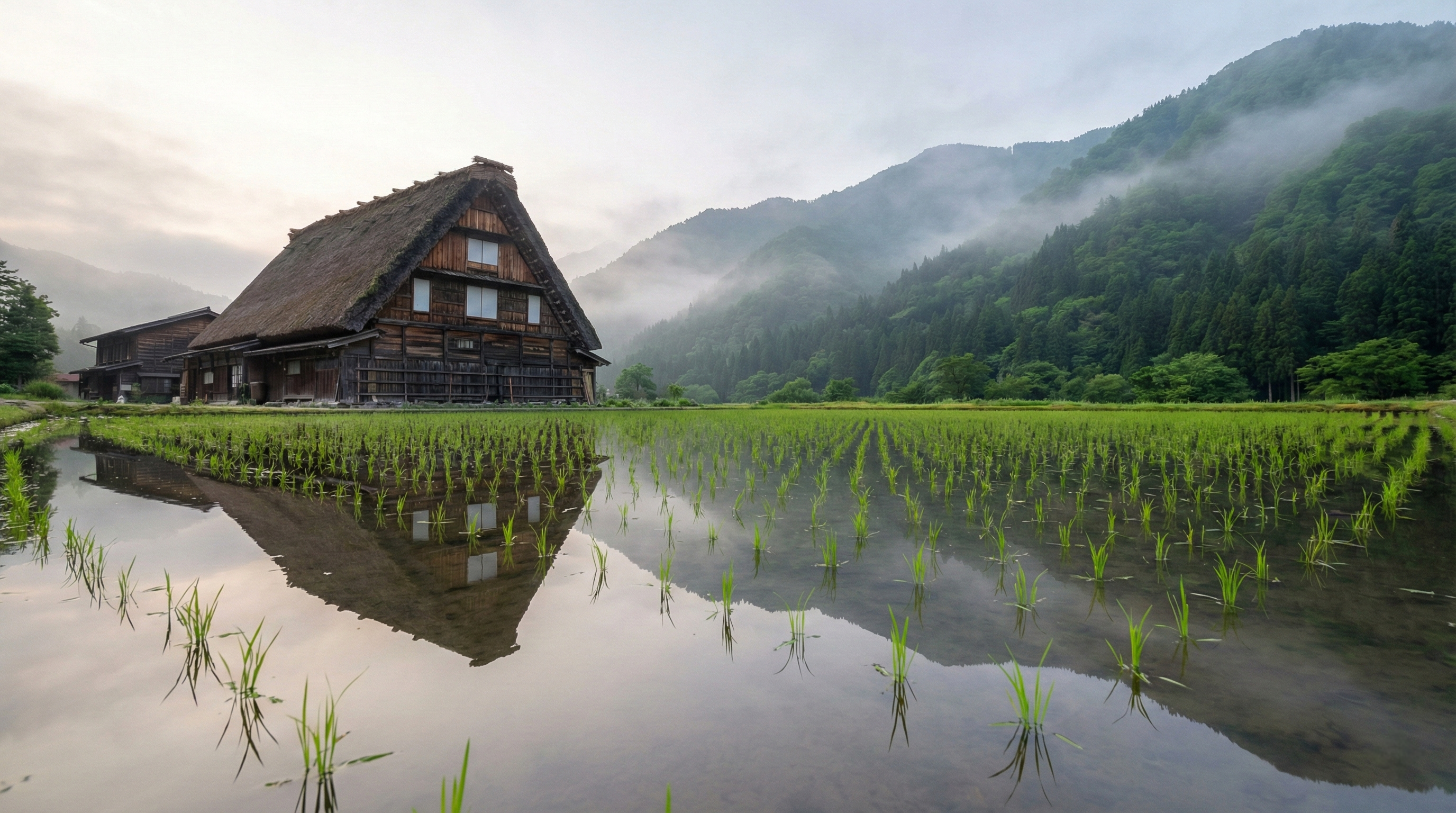
The defining feature of shirakawago lies in its gassho-zukuri farmhouses, whose steep, thatched roofs resemble hands pressed together in prayer. This ingenious design, developed over 250 years ago, allows heavy snow to slide off easily and provides space for cultivating silkworms in attic lofts.
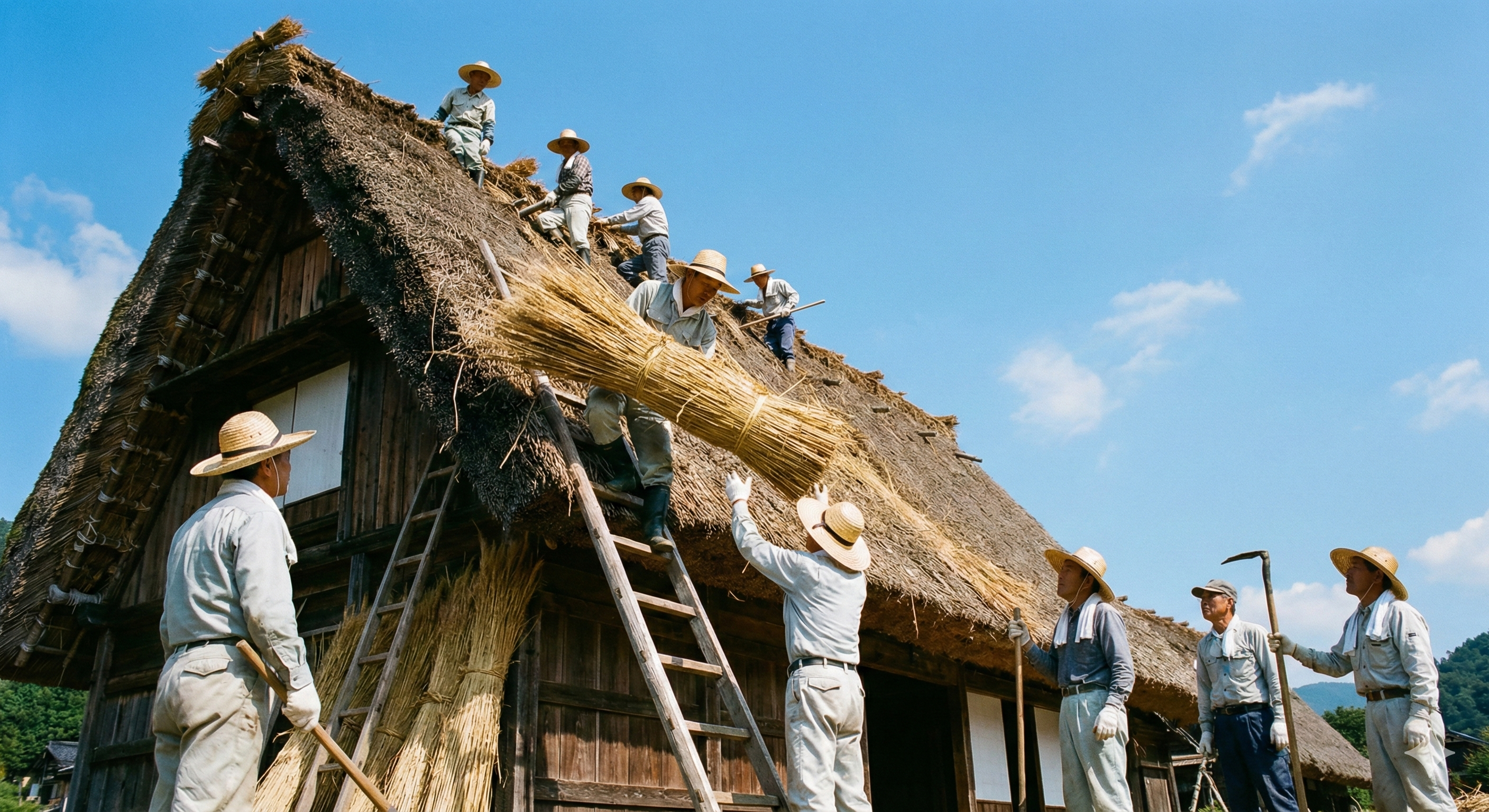
Preservation is at the core of the community, especially since the village’s inscription as a UNESCO World Heritage Site in 1995. Over 100 gassho-zukuri houses remain, many lovingly maintained by local families. The iconic Wada House, the largest of its kind, invites visitors to step inside and experience daily life as it once was.
Shirakawago’s efforts are mirrored in the neighboring Gokayama villages, but the scale and density of traditional homes here make it truly unique. Community-led preservation initiatives, supported by both residents and international organizations, ensure that future generations can continue to admire this living heritage. The blend of innovation and tradition in shirakawago’s architecture makes every visit a journey into Japan’s rural past.
Each season paints shirakawago in vivid new colors. In winter, the village transforms into a magical landscape during the famous illumination events, drawing visitors from around the world. More than 600,000 people come annually to witness snow-laden roofs glowing softly against the night sky.
Spring brings delicate cherry blossoms, while autumn sets the valley ablaze with fiery foliage. Summer reveals lush rice paddies and hiking trails that wind through the surrounding mountains. For the best panoramic views, ascend to the Shiroyama Observatory and capture the postcard-perfect scenery.
Notably, ticketing procedures for the 2026 winter light-up events are being updated, so advance planning is essential. Whether blanketed in snow or bursting with seasonal color, shirakawago offers an ever-changing canvas that enchants visitors year-round.
Choosing the right time to visit shirakawago shapes your experience. Winter brings magical snow, especially during the famous illumination nights in January and February. These events are popular, so tickets must be booked months in advance. Spring offers cherry blossoms and rice planting, with milder weather and fewer crowds.
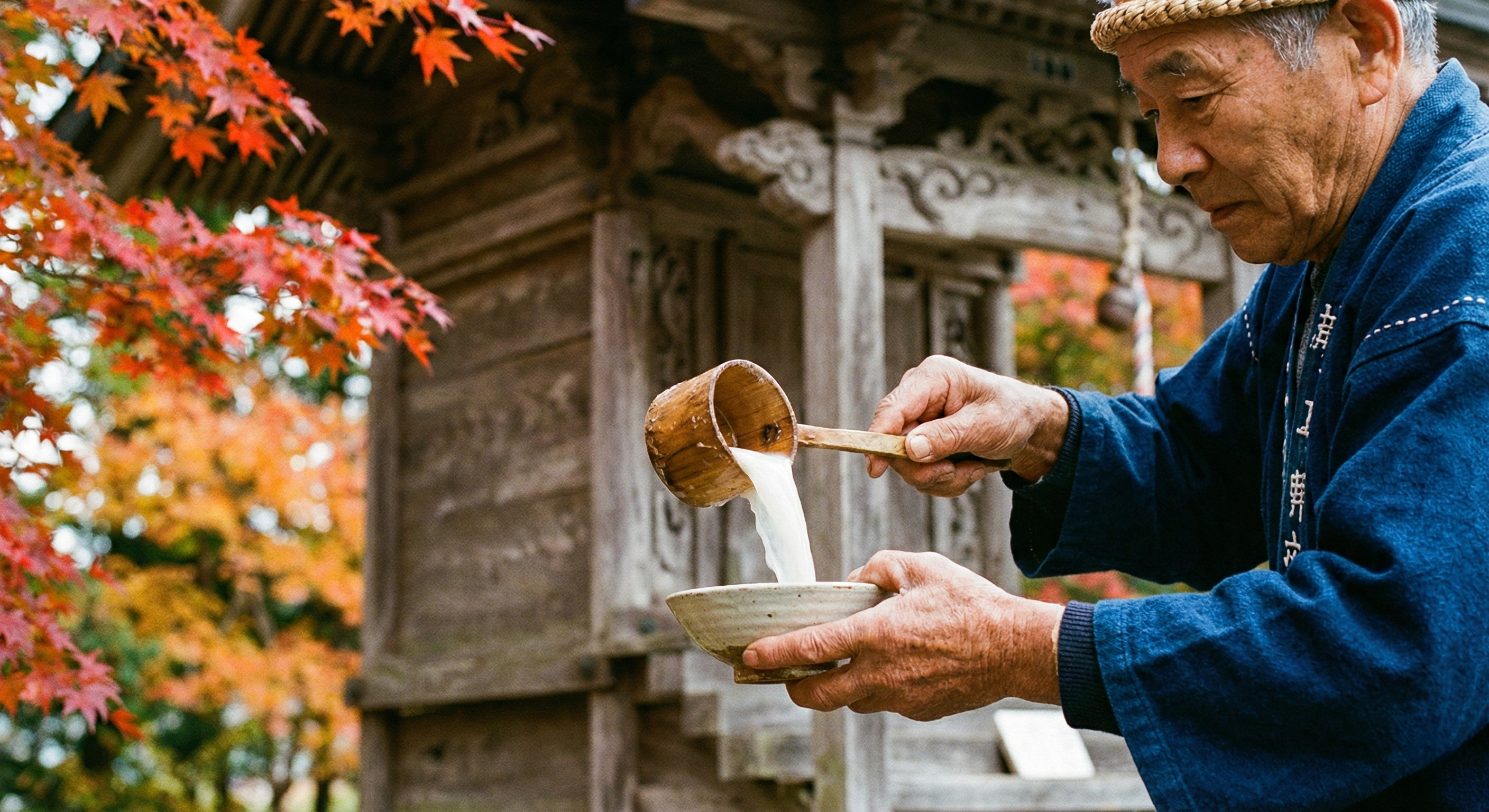
In summer, lush rice paddies and mountain trails attract hikers, while autumn dazzles with vibrant foliage. The Doburoku Festival in October is a cultural highlight, featuring sake tasting and local performances. Weather varies: expect cold winters (average -2°C), warm summers (up to 30°C), and moderate rainfall in June. For the latest seasonal updates, consult a Japan travel guide 2026 before planning your shirakawago adventure.
Accessing shirakawago is straightforward, with several options from major cities. From Tokyo, take the shinkansen to Kanazawa or Toyama, then transfer to a highway bus. Direct buses also run from Nagoya, Osaka, and Takayama, with reservation systems updated for 2026 to allow seamless online booking.
If you prefer to drive, rental cars are available at regional hubs. Roads are well-maintained, but winter requires snow tires and careful planning due to icy conditions. Parking is limited during peak seasons, so arrive early. International visitors can use IC cards for bus fares and the JR Takayama-Hokuriku Area Tourist Pass for savings on rail and bus travel. English signage and language support have improved, making navigation in shirakawago more accessible than ever.
Staying overnight in shirakawago offers an authentic immersion into local life. Choose from minshuku, which are family-run guesthouses, or traditional ryokan featuring tatami rooms and communal baths. Book early, especially for winter illumination dates when occupancy rates soar above 90 percent.
Amenities typically include homemade meals with regional specialties and the chance to sleep on futons in centuries-old houses. Notable options include Wada House, Onyado Yuinosho, and Shiroyamakan. Many accommodations now offer online reservations and English support. For a memorable shirakawago experience, consider a stay that supports local families and preserves the village’s heritage.
Stepping into shirakawago feels like entering a storybook village, where every lane and thatched rooftop tells a tale. Whether you are an avid photographer, a culture enthusiast, or simply seeking tranquility, the village offers a rewarding blend of sights, hands-on traditions, and unforgettable flavors.
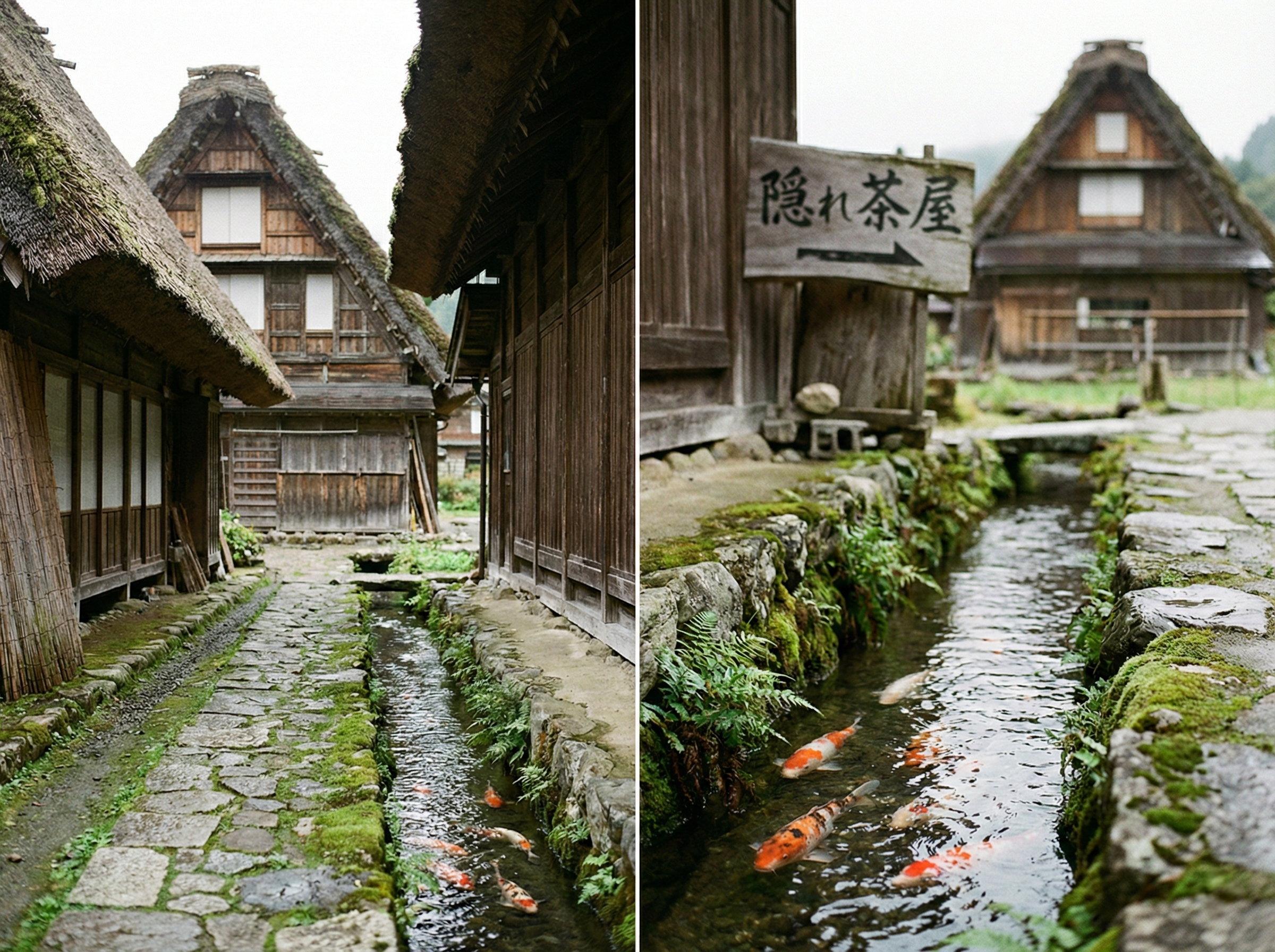
Begin your journey in the heart of shirakawago’s Ogimachi village, where narrow streets wind past more than 100 historic gassho-zukuri farmhouses. Each structure, with its steep thatched roof, showcases centuries of ingenuity. Highlights include the imposing Wada House, which invites exploration of its preserved interiors, and Kanda House, offering insight into daily village life.
For a broader perspective, cross the suspension bridge to the Shiroyama Viewpoint. This spot provides panoramic views, particularly stunning at sunrise and sunset. The Gassho-zukuri Minkaen Outdoor Museum brings together relocated farmhouses, allowing deeper understanding of architectural evolution.
To make the most of your visit, consider this sample itinerary:
| Time | Activity |
|---|---|
| 9:00–11:00 | Wada House, Kanda House tour |
| 11:00–12:30 | Shiroyama Observatory walk |
| 12:30–14:00 | Lunch in Ogimachi |
| 14:00–16:00 | Minkaen Museum, local shops |
For more inspiration on rural village exploration, see these Japan countryside travel insights.
Engage directly with shirakawago’s living heritage through immersive cultural activities. Join a soba-making workshop and learn to knead and slice buckwheat noodles alongside local artisans. Kimono rental services offer the chance to stroll the village in traditional attire, creating memorable photo opportunities amid scenic backdrops.
Artisan workshops introduce you to crafts such as washi paper making, woodworking, and indigo dyeing. These experiences support local traditions and allow visitors to create meaningful souvenirs.
Seasonal events further enrich a visit. Participate in Doburoku sake tasting during the autumn festival, or attend a folk performance at the community center. For bookings, the Shirakawa-go Tourist Association provides detailed listings and assistance in English.
Sampling regional food is an essential part of the shirakawago experience. Indulge in Hida beef, renowned for its marbled texture, served grilled or as sushi at local restaurants like Irori. Gohei mochi, skewered rice cakes glazed with miso, makes for a delicious snack as you explore village streets.
Mountain vegetables and river fish feature prominently in set meals at minshuku guesthouses, offering an authentic taste of the region. Friendly local izakaya and sake breweries invite you to try seasonal drinks and specialties.
Food markets and souvenir shops in Ogimachi are ideal for picking up handmade treats. Whether savoring a hearty lunch or browsing for edible gifts, shirakawago’s culinary offerings ensure every visitor leaves satisfied.
Visiting shirakawago is about more than admiring its picturesque scenery, it is about immersing yourself in centuries-old tradition while preserving the village for future generations. To make your trip both meaningful and considerate, follow these insider tips for an authentic and responsible experience.
Shirakawago draws global attention, especially during winter illuminations and peak foliage. For a more peaceful visit, plan your trip during weekdays or shoulder seasons like late spring and early autumn. Early mornings and late afternoons also offer quieter moments to explore the village.
Be mindful when taking photos. Always ask before photographing residents or private homes, and avoid blocking narrow lanes. Shirakawago thrives on respect, so keep noise levels low and follow posted signs. Supporting local artisans and family-run eateries not only enriches your experience but also strengthens the community.
Consider joining community-led tours for deeper insights and a positive impact. These tours often share stories and customs that guide visitors in preserving the village’s unique spirit. By treading lightly and shopping locally, you help maintain the authentic charm that sets shirakawago apart.
Sustainable travel is essential for shirakawago’s future. The village implements strict visitor caps and eco-friendly initiatives to manage the impact of tourism. According to Shirakawago tourism statistics 2024, rising visitor numbers have prompted new strategies to balance heritage preservation with guest experiences.
Travelers are encouraged to follow village guidelines: dispose of waste properly, stay on marked paths, and respect restricted areas. Many accommodations participate in green programs, such as energy conservation and sourcing local ingredients. The Shirakawago’s preservation trust initiatives play a vital role in maintaining historical architecture and landscape, supported by both residents and mindful visitors.
By making conscious choices and learning about local culture, you ensure shirakawago remains a living treasure for generations. Responsible travel is not just appreciated, it is essential to the future of this UNESCO gem.
Planning a smooth journey to shirakawago in 2026 means staying up to date on travel logistics, local policies, and visitor amenities. Here, you will find all the must-know details for a successful and memorable trip.
Before heading to shirakawago, check Japan’s latest visa and entry policies for 2026, as requirements may change. Most travelers will need a valid passport and, for some nationalities, a visa or eTA.
Advance reservations are vital, especially during peak events like the winter illuminations or Doburoku Festival. In 2026, a new QR code-based entry system will streamline access to popular sites and events, reducing wait times. Tickets for major events are now exclusively available online, with booking windows opening three months in advance.
Accommodations and activities in shirakawago also require early booking, particularly in winter, when demand surges. For up-to-date guidelines on visitor caps and community preservation, review Shirakawago’s measures against overtourism before you travel.
When visiting shirakawago, prepare for a mix of modern convenience and rural charm. While cash remains king in many small shops and minshuku, credit cards are increasingly accepted at larger accommodations and restaurants. ATMs are available at convenience stores, but it is wise to bring some yen for small purchases.
For digital connectivity, rent a SIM card or pocket Wi-Fi at your arrival airport. Mobile network coverage is strong in the village center but may weaken in the mountains. English-language signage has expanded, and a new tourist information center offers multilingual support. Translation apps can further help bridge any language gaps, making communication in shirakawago more accessible than ever.
Pack according to the season you plan to visit shirakawago. In winter, bring insulated boots, thermal layers, and snow gear. Spring and autumn call for rainwear and comfortable walking shoes, while summer requires light clothing and sun protection.
Health and safety are well managed, with local clinics and emergency contacts provided at major accommodations. Familiarize yourself with local customs, such as removing shoes indoors and respecting private property. In 2026, accessibility improvements and barrier-free routes make shirakawago more welcoming for travelers with mobility needs. Always carry a reusable water bottle and personal waste bag to support environmental efforts and maintain the village’s pristine beauty.
As you start planning your journey to Shirakawago in 2026, imagine the difference expert guidance can make—accessing private cultural encounters, navigating hidden gems, and enjoying seamless travel tailored just for you. With so much to explore, from hands-on traditions to breathtaking seasonal scenery, why not let a Japan specialist help you craft an itinerary that truly reflects your interests and style? You deserve an experience as unique as Shirakawago itself.
Elevate your travel story: Speak with a Japan specialist and tailor your adventure.