
LINE ID japanroyalservice
+817013781777 click here
+817013781777 click here
Step into the enchanting world of fuji wisteria, where cascading lavender blooms transform Japanese gardens into living masterpieces each spring. Revered for centuries, these breathtaking flowers are more than a visual wonder—they embody elegance, tradition, and the fleeting beauty of nature.
This comprehensive guide reveals the unique allure and deep-rooted cultural meaning of fuji wisteria. Discover its storied history, learn where to witness its dazzling displays, and master expert care tips to cultivate your own floral haven.
Whether you dream of exploring Japan’s famous wisteria tunnels or growing these iconic vines at home, immerse yourself in the magic of fuji wisteria and make 2026 your most inspiring floral journey yet.
Step into the captivating world of fuji wisteria, where cascading blooms and an enchanting fragrance have charmed generations. This floral icon is more than a plant—it is a living testament to Japanese artistry, history, and tradition. Discover how fuji wisteria intertwines with culture and beauty, setting the stage for your own appreciation of this remarkable flower.
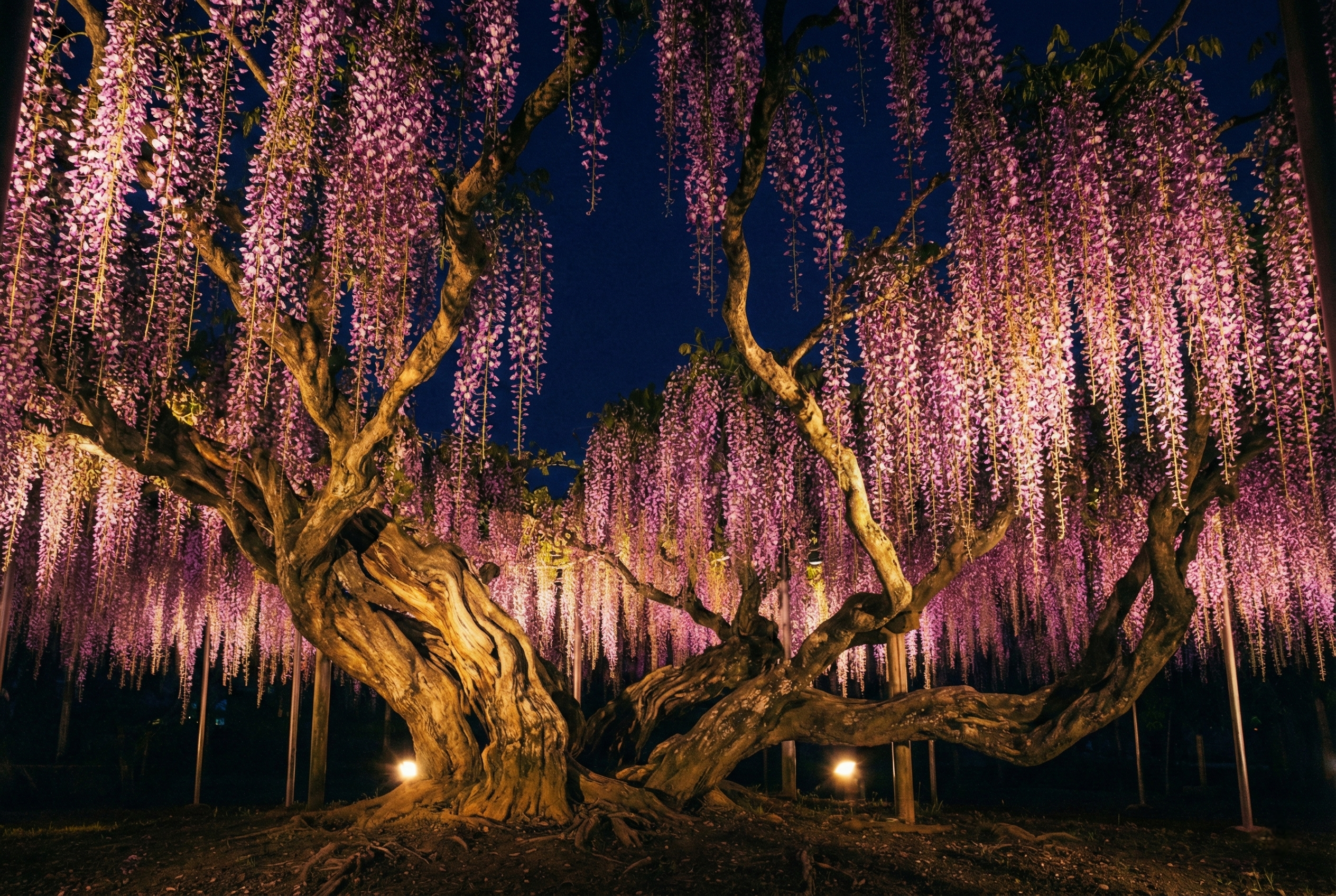
Fuji wisteria has deep roots in Japan’s cultural landscape, tracing back over a thousand years. Ancient poetry and classical artworks often celebrated its graceful, trailing flowers as symbols of fleeting beauty. The plant was cherished by aristocrats and featured in the elegant gardens of Kyoto, where its presence signified wealth and refinement.
During the late 19th century, fuji wisteria captivated Western botanists and gardeners, leading to its introduction abroad. Its rapid global spread was driven by the allure of its immense, fragrant blooms. Historic sites such as Ashikaga Flower Park showcase living specimens over 150 years old, their vast canopies forming natural flower tunnels that attract visitors from around the world.
The cultivation of fuji wisteria in places like Ashikaga and Kyoto helped establish these regions as floral destinations. The enduring legacy of these gardens highlights not only the plant’s beauty but also meticulous horticultural care passed through generations. Today, fuji wisteria remains a living bridge between Japan’s past and present.
In Japanese culture, fuji wisteria is a powerful emblem of longevity, love, and elegance. Its presence is felt in traditional festivals, where communities gather to admire wisteria’s blooms and celebrate the coming of spring. The flower’s delicate clusters often appear on kimono patterns, symbolizing grace and refined beauty.
Fuji wisteria features prominently in literature and folklore, inspiring poets and artists alike. Its symbolic meanings extend into Shinto and Buddhist traditions, where it is associated with enduring spirits and the cycles of life. Family crests and kabuki performances, such as the iconic “Wisteria Maiden,” further showcase its cultural reach.
For deeper insights into wisteria’s role in art, festivals, and Japanese society, explore Wisteria’s Cultural Significance in Japan. The enduring appeal of fuji wisteria continues to influence Japanese design and seasonal celebrations, weaving its story across generations.
Fuji wisteria belongs primarily to the species Wisteria floribunda, native to Japan, and is often compared to the Chinese wisteria, Wisteria sinensis. The Japanese variety is known for its exceptionally long racemes, which can exceed a meter in length, creating dramatic floral curtains.
Popular cultivars include ‘Longissima’ and ‘Macrobotrys,’ admired for their breathtaking clusters of purple, pink, white, or blue flowers. The unique fragrance and impressive bloom size distinguish fuji wisteria from other ornamental vines. Specialty gardens may feature the rare “Double Wisteria” (Yae Fuji), which boasts layered petals for added visual impact.
Below is a comparison of key wisteria species:
| Species | Origin | Raceme Length | Flower Color | Fragrance |
|---|---|---|---|---|
| Wisteria floribunda | Japan | Up to 1.5 m | Purple, pink, white | Strong |
| Wisteria sinensis | China | Up to 0.5 m | Blue-violet | Moderate |
The diversity of fuji wisteria varieties ensures that every garden or festival visit offers a unique sensory experience.
Step into the mesmerizing world of fuji wisteria and experience Japan’s springtime magic in 2026. The country transforms into a floral paradise, drawing travelers to witness the captivating beauty of these cascading blooms. Planning your journey to see fuji wisteria at its peak is both a science and an art.
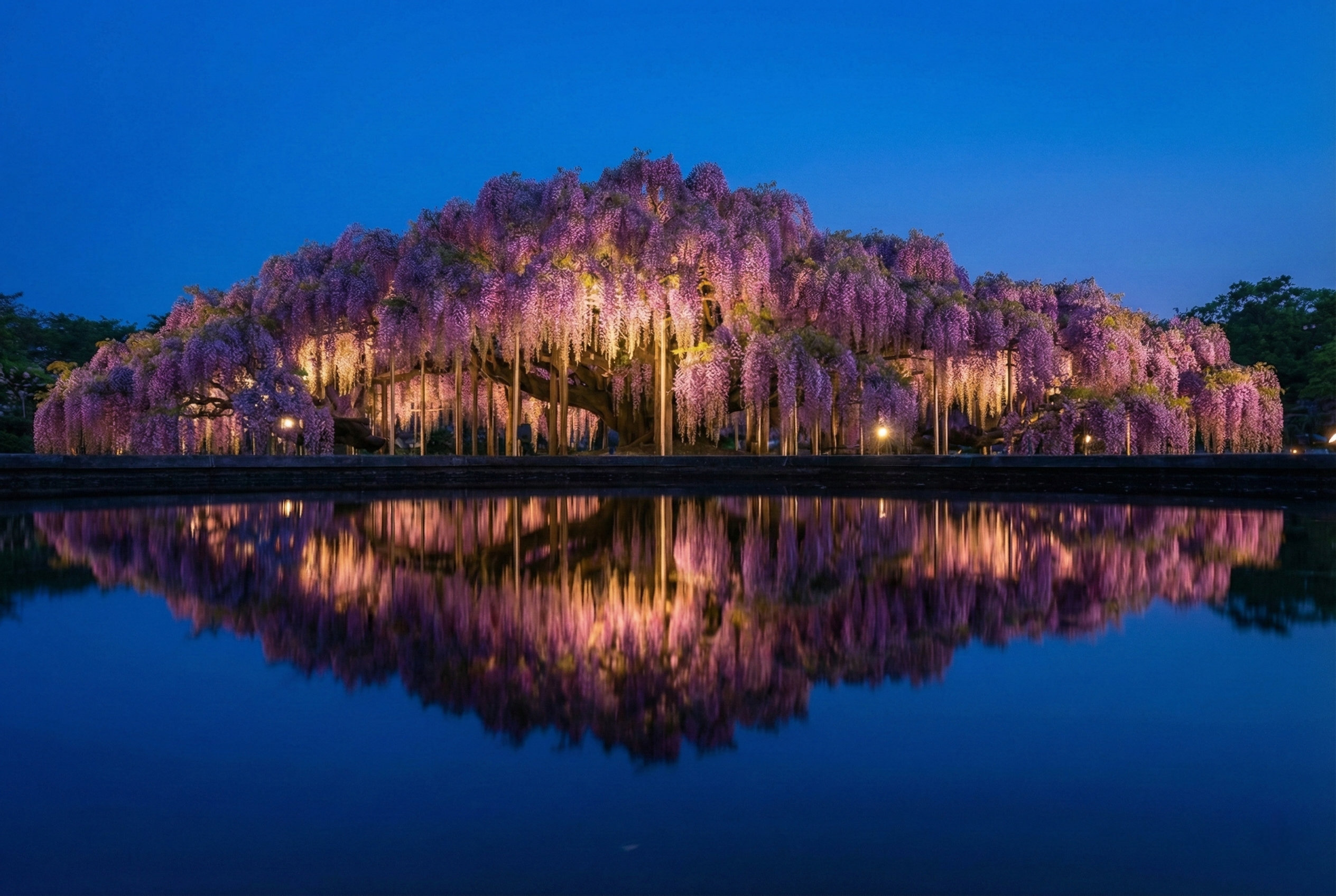
Fuji wisteria graces Japan with its enchanting blooms from late April through mid May. The exact timing varies by region—Kyushu in the south often sees the first blossoms in late April, while northern areas like Tohoku peak closer to mid May. In 2026, historical data suggests a typical bloom window, but local weather conditions, especially temperature and rainfall, can shift this by a week.
To catch the most spectacular displays, consult bloom calendars released by top gardens. For example, Ashikaga Flower Park updates its forecast regularly, helping visitors plan the perfect trip. Early mornings or weekdays are less crowded, ensuring a serene atmosphere to admire the fuji wisteria. For a comprehensive guide to festival dates and prime viewing periods, explore the Best Wisteria Viewing in April-May resource.
The magic of fuji wisteria lies in its fleeting nature. Careful planning is essential to experience the full splendor during your visit.
Japan boasts several iconic destinations where fuji wisteria steals the spotlight. Each site offers a unique ambiance, from illuminated tunnels to tranquil temple gardens.
| Destination | Region | Highlights |
|---|---|---|
| Ashikaga Flower Park | Tochigi | 350+ trees, 150-year-old specimens |
| Kawachi Fuji Garden | Fukuoka | Famous tunnels, ticketed entry |
| Kameido Tenjin Shrine | Tokyo | Trellises over reflective ponds |
| Byakugo-ji Temple | Nara | Historic temple, wisteria festival |
| Tennogawa Park | Aichi | Local events, riverside blooms |
Many locations host vibrant festivals, featuring night illuminations, cultural performances, and seasonal treats. Kawachi Fuji Garden is especially renowned for its ticketed system, which limits crowds and enhances the viewing experience. Ashikaga’s illuminated evenings transform the park into a dreamlike wonderland.
Attending a local festival adds an extra dimension to your fuji wisteria journey, immersing you in regional culture and tradition.
To make the most of your fuji wisteria adventure, consider these practical tips. Secure tickets in advance, particularly for popular spots like Kawachi Fuji Garden, which often sells out during peak season. Travel by train offers both convenience and scenic views, with most gardens accessible from major cities.
Arrive early to capture the ethereal glow of morning light on the blooms. Bring a camera or smartphone for unforgettable photos—use a wide-angle lens to showcase the sweeping tunnels and trellises. Many gardens offer special night illuminations, providing a magical perspective on the fuji wisteria.
For a seamless experience, map out your route and consider guided tours that highlight hidden gems. Whether you are a solo traveler or visiting with family, thoughtful planning ensures your 2026 journey will be filled with memories of Japan’s most enchanting flower.
Nurturing fuji wisteria in your own garden is both rewarding and achievable with the right approach. Whether you dream of cascading blooms on a pergola or a fragrant entryway, this step-by-step guide will help you select, plant, and care for your fuji wisteria, ensuring healthy growth and spectacular flowering.
Choosing the perfect fuji wisteria starts with understanding the differences between Japanese (Wisteria floribunda) and Chinese (Wisteria sinensis) varieties. Japanese types are prized for their long, elegant racemes and intense fragrance, making them ideal for dramatic displays.
Opt for grafted plants rather than seed-grown ones for quicker and more reliable blooms. When sourcing fuji wisteria, select healthy specimens from reputable nurseries to avoid disease or pest issues.
Consider your local climate and garden space. Fuji wisteria thrives in temperate regions with well-drained soil and plenty of sunlight. Recommended cultivars, such as ‘Longissima’ or ‘Macrobotrys,’ are excellent for home gardens.
The success of your fuji wisteria begins with careful site selection and soil preparation. Choose a location that receives full sun for at least six hours daily. A strong support structure, like an arbor or pergola, is essential for supporting mature vines.
Prepare the planting area by loosening soil, ensuring good drainage, and enriching it with organic matter. Maintain a soil pH between 6.0 and 7.0 for optimal growth.
When planting, space vines at least 10 feet apart to allow for vigorous growth. Water well after planting and mulch to retain moisture. Companion plants such as hosta or ferns can enhance visual appeal beneath your fuji wisteria.
Proper care is key to lush, blooming fuji wisteria. Water new plants regularly, keeping the soil moist but not soggy. Once established, deep watering during dry spells is sufficient.
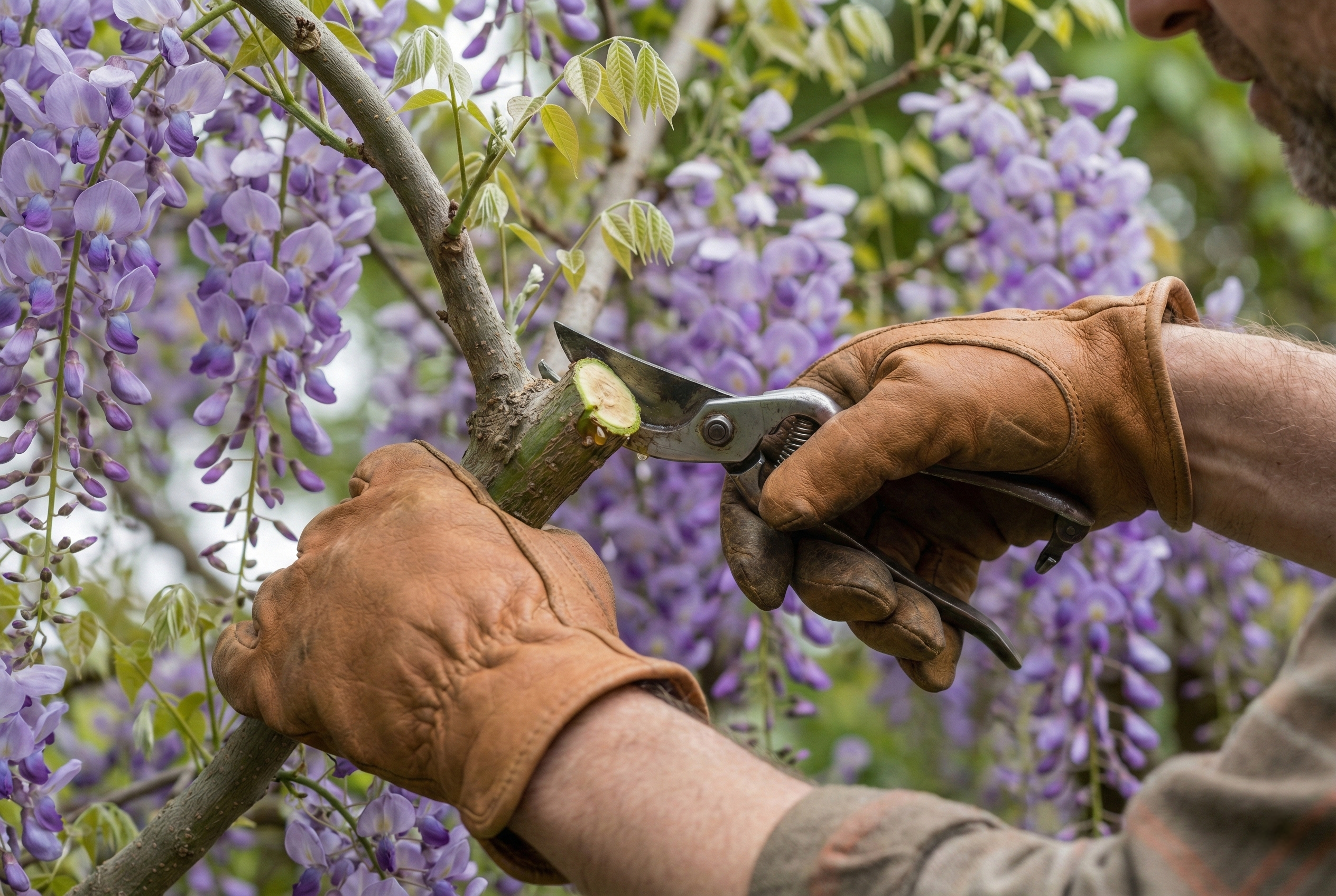
Feed your fuji wisteria in early spring with a balanced fertilizer to promote healthy foliage and flower development. Prune twice a year: once in late winter to shape and again in summer to control growth. Detailed pruning and care tips can be found in this Wisteria Care and Cultivation Guide.
Support heavy racemes with strong ties and check structures for stability as vines mature. Consistent care encourages abundant, fragrant blooms each season.
While fuji wisteria is hardy, it can face challenges. Watch for pests like aphids and scale insects, treating infestations early with insecticidal soap. Fungal diseases such as root rot or powdery mildew require improved drainage and prompt removal of affected parts.
If blooming is sparse, check for excessive nitrogen in fertilizer or insufficient sunlight. Address structural issues by securing vines and pruning overcrowded branches.
Signs of stress include yellowing leaves, stunted growth, or lack of flowers. Quick fixes, such as adjusting water or nutrient levels, can restore your fuji wisteria’s vitality and ensure years of breathtaking displays.
Fuji wisteria is more than a flowering vine; it is a living symbol of grace and serenity, transforming any space it inhabits. The visual drama of cascading blooms and the gentle fragrance create an atmosphere of tranquility. Whether you are designing a traditional Japanese garden or a modern outdoor retreat, fuji wisteria can serve as the centerpiece of your landscape vision.
In classic Japanese landscapes, fuji wisteria is revered for its ability to evoke a sense of timeless beauty. Garden designers often use it in trellises, tunnels, and gateways, creating dramatic entrances or contemplative paths. Its placement in tea gardens and temple grounds holds symbolic meaning, representing purity and the fleeting nature of life.
The integration of fuji wisteria with stone lanterns, water features, and mossy ground cover is a hallmark of Kyoto temple gardens. For deeper insights into traditional layouts and inspiration, explore the Japanese Gardens Design Inspiration guide.
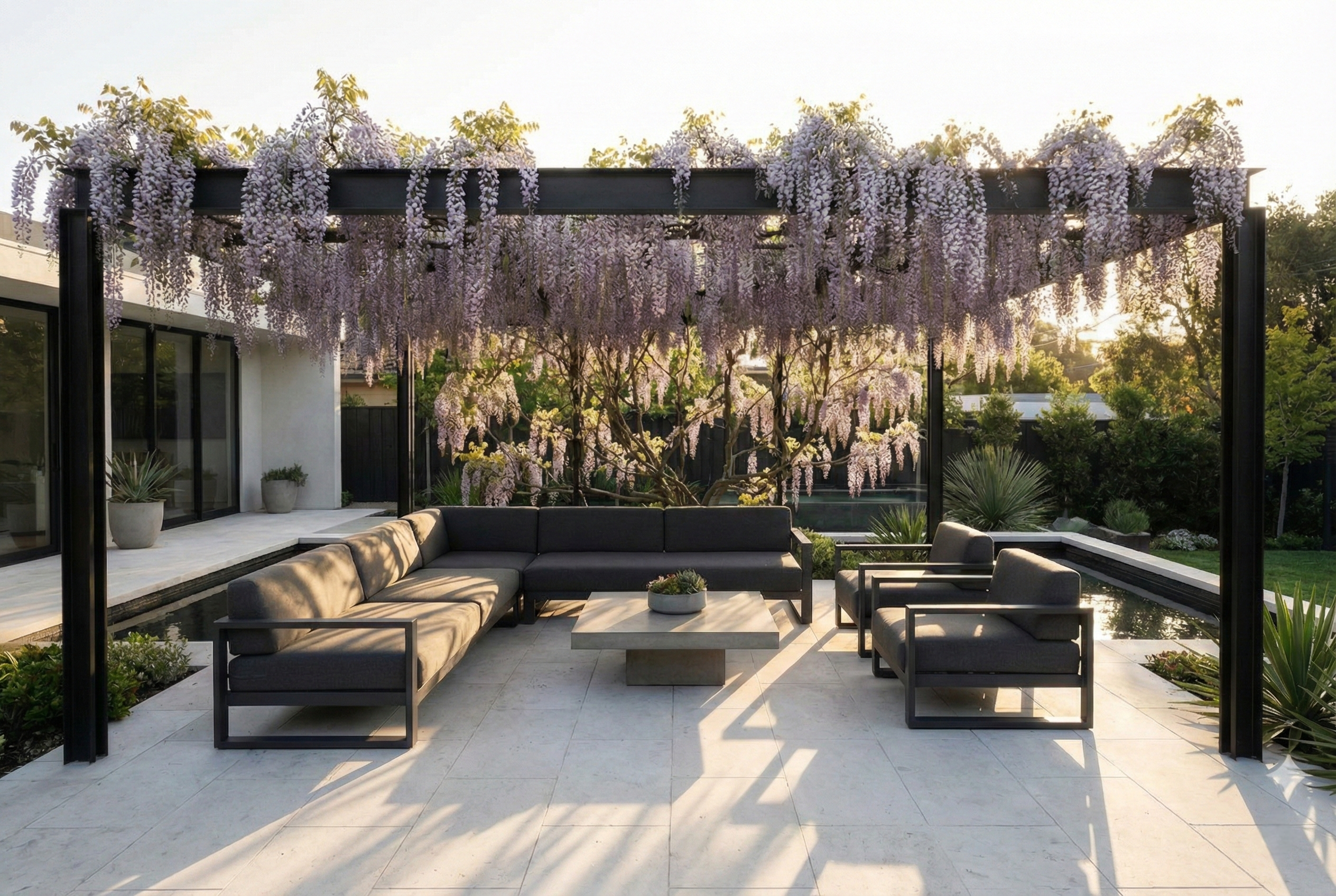
Today, fuji wisteria adapts beautifully to a variety of settings. As living shade, it transforms patios and pergolas into inviting outdoor rooms. Gardeners use it for vertical accents, training vines up walls or fences to save space while maximizing visual impact.
Urban gardeners appreciate the versatility of fuji wisteria in compact spaces, where even a single container-grown vine can provide a striking focal point.
The influence of fuji wisteria extends well beyond the garden. Artists capture its flowing forms in watercolors, woodblock prints, and textiles. Designers incorporate wisteria motifs into landscape architecture and home décor, bringing its elegance indoors.
Fuji wisteria continues to inspire creativity, symbolizing renewal and beauty in contemporary design as much as in centuries past.
Fuji wisteria captivates not only in gardens but also across Japanese art, daily life, and seasonal traditions. Its delicate blooms have inspired countless cultural expressions, making fuji wisteria a true symbol of elegance and renewal in Japan.
Fuji wisteria has long graced Japanese art, from ukiyo-e woodblock prints to contemporary watercolors. Artists like Hiroshige often depicted its cascading flowers in serene landscapes, capturing their ethereal beauty. In poetry and haiku, fuji wisteria is a metaphor for fleeting love and the passage of time, its imagery evoking both nostalgia and hope.
The performing arts also celebrate fuji wisteria. The Fuji Musume Kabuki Dance tells the story of the “Wisteria Maiden,” blending symbolism and storytelling through elegant movements and costumes adorned with wisteria motifs. This enduring presence in literature and performance art reflects the deep cultural resonance of fuji wisteria throughout Japanese history.
The beauty of fuji wisteria is woven into the fabric of Japanese fashion. Traditional kimono and obi often feature wisteria patterns, their flowing lines and pastel hues capturing the plant’s graceful form. Many textile artisans use watercolor techniques to recreate the softness and drama of fuji wisteria blooms.
Modern designers continue to draw inspiration from fuji wisteria, introducing its motifs into scarves, home décor, and accessories. Collections like Miss Matatabi’s watercolor prints reinterpret classic designs for contemporary tastes, ensuring that the allure of fuji wisteria remains a staple in Japanese style.
Fuji wisteria extends its influence to Japanese cuisine and wellness rituals. In spring, edible wisteria flowers are used in tempura or to garnish sweets known as wagashi, offering a seasonal treat that delights the senses. Their subtle flavor and delicate appearance make them a favorite during flower festivals.
For those seeking a deeper connection to tradition, Traditional Japanese Cultural Experiences often showcase the role of fuji wisteria in tea ceremonies and herbal practices. While some wisteria parts are edible, it is important to use only culinary-approved varieties and consult experts to ensure safety.
Each spring, homes and public spaces are adorned with fuji wisteria garlands and arrangements. During festivals, these decorations symbolize renewal and the fleeting beauty of life. DIY crafts, from paper wisteria mobiles to fresh floral displays, bring a touch of the outdoors inside.
Fuji wisteria’s presence in seasonal décor and celebrations highlights its enduring role in Japanese lifestyle, making every bloom a reminder of nature’s artistry.
Curious about fuji wisteria? Here are answers to the most common questions, so you can enjoy and care for these iconic blooms with confidence.
How long does it take for fuji wisteria to bloom after planting?
Typically, grafted plants bloom within 3 to 5 years, while seed-grown varieties may take 7 or more.
Can fuji wisteria be grown in containers or small gardens?
Yes, choose compact cultivars and provide strong support. Prune regularly to manage growth.
Are wisteria flowers fragrant?
Fuji wisteria is renowned for its sweet, captivating fragrance, especially during peak bloom.
What are the main differences between Japanese and Chinese wisteria?
Japanese wisteria (Wisteria floribunda) twines clockwise, features longer racemes, and blooms after leaf-out. Chinese wisteria (Wisteria sinensis) twines counterclockwise and often blooms before leaves emerge.
Is wisteria toxic to pets or children?
Yes, all parts of fuji wisteria are toxic if ingested, so keep plants out of reach.
How do you encourage more blooms each year?
Prune after flowering and again in winter, avoid excess nitrogen, and ensure full sun.
Can wisteria be grown outside Japan?
Absolutely. Fuji wisteria thrives in temperate climates worldwide with proper care.
Where can I buy authentic fuji wisteria plants or seeds?
Purchase from reputable nurseries or consider visiting Japanese flower festivals for inspiration. For a guide to top wisteria events, see the Japanese Flower Festivals Guide.
Fuji wisteria enchants both garden enthusiasts and travelers alike. Whether you are planning to plant your own or simply wish to experience their seasonal splendor, these answers help you make the most of your wisteria journey.
As you’ve discovered, experiencing Fuji wisteria in full bloom is truly unforgettable—whether you’re admiring ancient arbors in Ashikaga or envisioning these graceful cascades in your own garden. If you’re inspired to witness Japan’s floral wonders with all the elegance and comfort you deserve, let’s design a journey tailored just for you. With expert guidance, premium transportation, and access to hidden wisteria gems, your adventure can be as unique as your dreams.
Request your private consultation: Design your bespoke Japan journey with our experts.