
LINE ID japanroyalservice
+817013781777 click here
+817013781777 click here
Imagine strolling beneath a canopy of soft pink petals, each sakura blossom fluttering gently in the spring breeze. Welcome to your essential Sakura Guide 2026, where you will uncover the enchanting beauty and deep cultural roots of Japan’s most beloved flower. In this guide, you will explore the fascinating history, symbolism, and diversity of sakura, as well as discover the best spots and tips for experiencing them at their peak. Whether you seek inspiration, cultural insight, or practical advice, let this journey spark your desire to witness the magic of sakura in person.
Imagine standing beneath a gentle cascade of pink petals, a tradition that stretches back over a millennium. The story of sakura is woven deeply into the fabric of Japanese history and identity, offering not only breathtaking scenery but also profound meaning for generations.
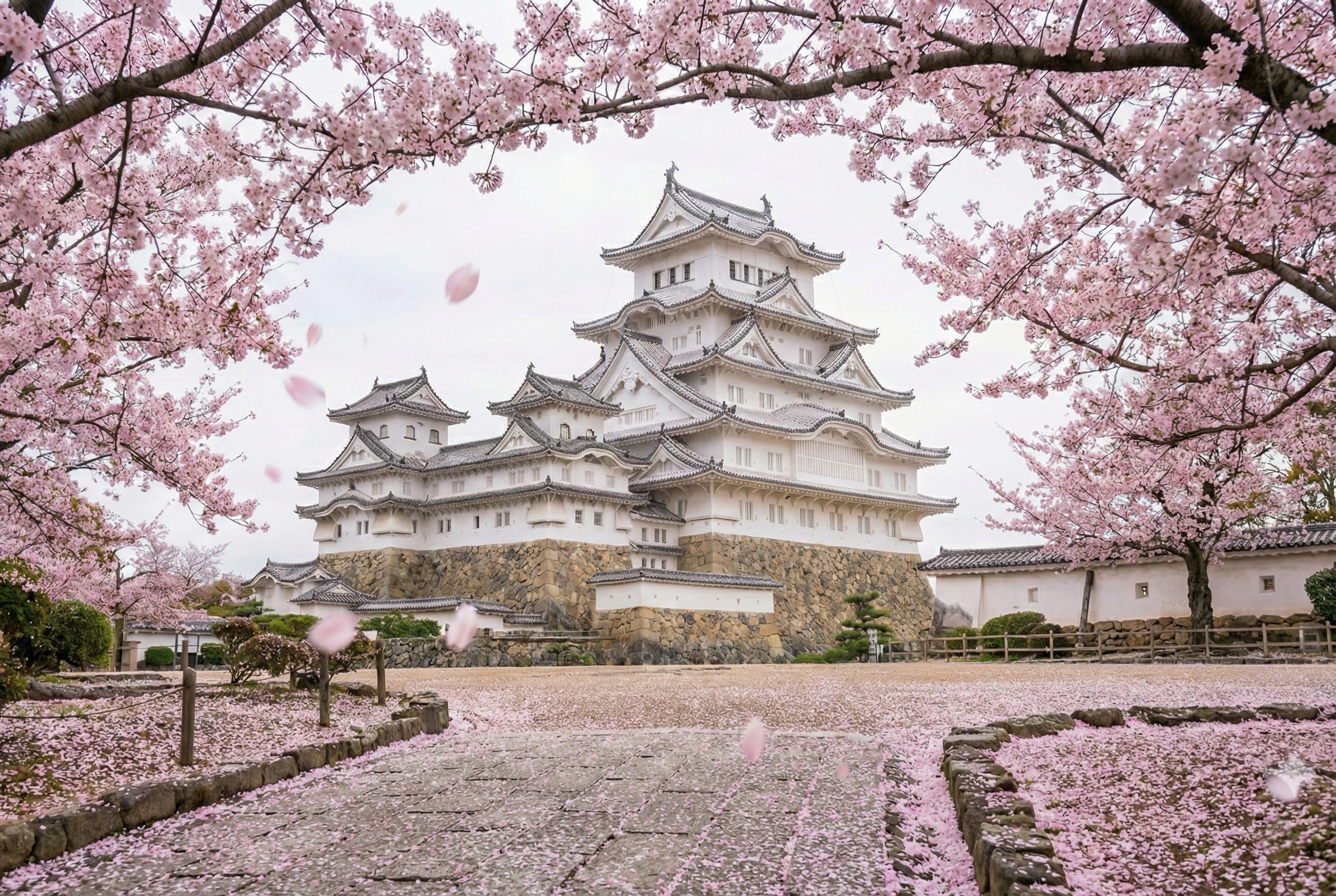
The earliest records of sakura in Japan trace back to the Nara and Heian periods, when aristocrats admired these delicate flowers as symbols of beauty and ephemerality. Over time, sakura became intertwined with the lives of samurai, who saw in the fleeting blossoms a mirror of their own existence—brilliant yet brief.
During the Heian era, the practice of hanami, or flower viewing, began as a pastime for the elite. Poets and artists celebrated sakura in classic works, using the blossoms to evoke feelings of impermanence and renewal. Historical festivals blossomed into significant social events, marking the arrival of spring and new beginnings.
As centuries passed, hanami expanded from the aristocracy to the general public. In the Edo period, sakura became a symbol of unity and national pride. The Meiji era brought further transformation, with large-scale plantings after significant events, including the post-war period, when sakura trees became emblems of hope and reconstruction. Today, the tradition of hanami has endured for over 1,000 years—a testament to the enduring legacy of sakura in Japanese society.
For a deeper look at these origins and customs, you can explore Japan’s Cherry Blossom Traditions.
Sakura remains a powerful national symbol, appearing on coins, emblems, and even company logos. Each spring, the arrival of sakura signals graduation season, the start of a new school year, and countless ceremonies across Japan.
In modern culture, sakura is featured prominently in anime, films, and contemporary art, often representing hope, transformation, or bittersweet partings. Annual sakura forecasts are eagerly anticipated, influencing daily routines and travel plans throughout the country.
Seasonal products inspired by sakura fill store shelves, from limited-edition foods and drinks to cosmetics and crafts. Sakura-themed festivals bring communities together, blending ancient customs with modern celebrations. The tradition of embracing sakura’s beauty continues to shape Japanese identity, inviting both locals and travelers to pause, reflect, and connect with the rhythms of nature.
Cherry blossoms, or sakura, have captivated hearts for centuries, embodying layers of meaning that go far beyond their fleeting beauty. Their delicate petals, fluttering gently to the ground, invite us to pause and reflect on the profound philosophies rooted in Japanese culture.
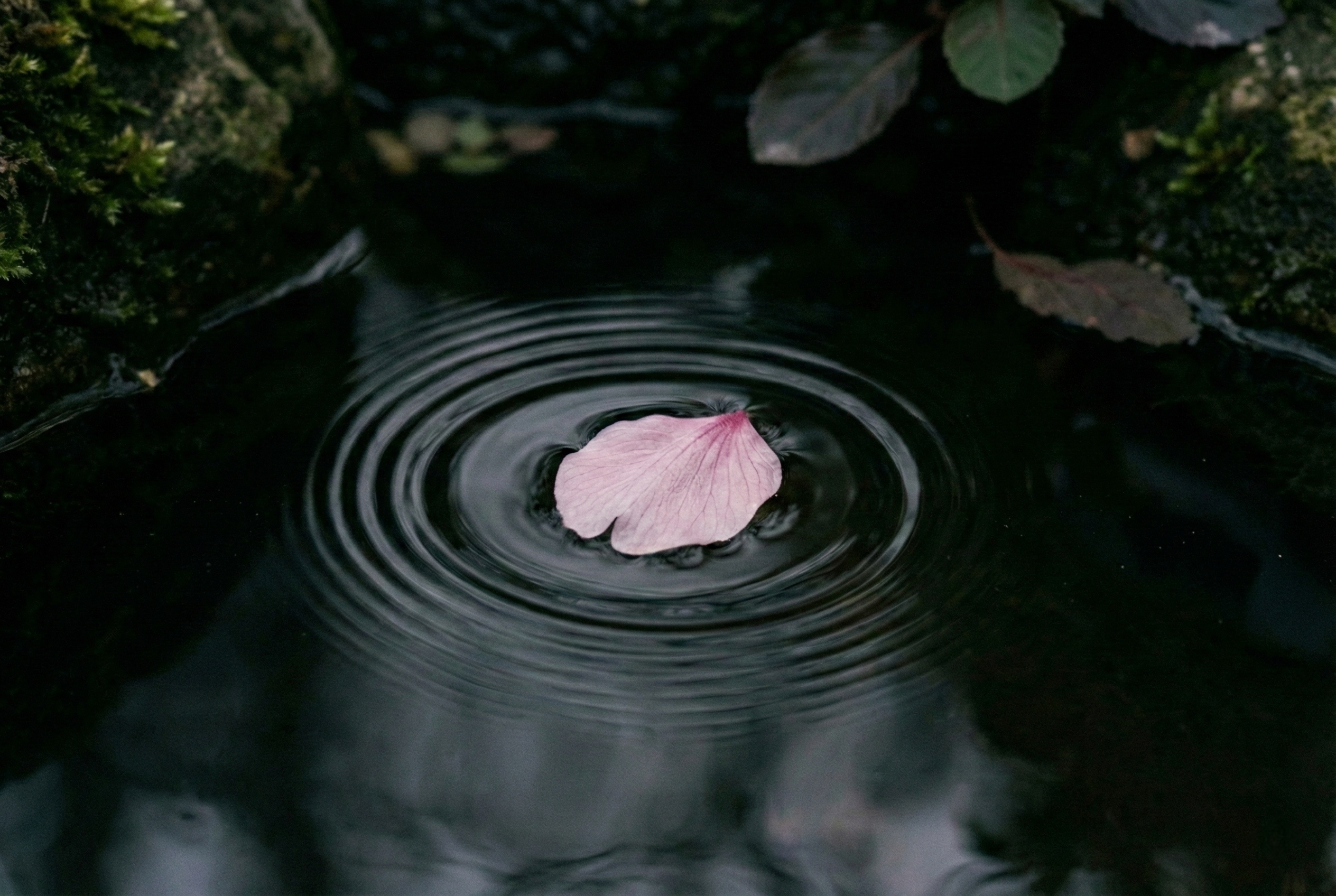
Sakura are a living metaphor for impermanence, a concept known in Japan as mono no aware. This philosophy recognizes the bittersweet beauty of life’s transience, and sakura blooms serve as a gentle reminder that all things are fleeting yet deeply precious. In Japanese poetry and art, sakura often represent the acceptance of change and the hope that comes with new beginnings.
Ceremonies and traditions further deepen the symbolism of sakura:
In both Shinto and Buddhist practices, sakura are used to symbolize renewal and spiritual purity. The annual hanami gatherings under blooming trees are not just celebrations, but acts of mindfulness and connection. Sakura also appear in emotional expressions, from haiku to modern literature, capturing joy, longing, and hope.
For a deeper look at how cherry blossoms have shaped Japanese culture and symbolism, you can explore the Cherry Blossoms’ Cultural Significance.
The influence of sakura has blossomed far beyond Japan’s borders. When Japan gifted cherry trees to cities like Washington D.C. and Paris, these delicate blooms became powerful symbols of peace and international friendship. Today, sakura festivals are celebrated across the globe, each culture interpreting their meaning in unique ways.
Global hanami events now occur in:
In these places, sakura represent unity, renewal, and cross-cultural appreciation. Communities gather beneath the blossoms, sharing food, music, and stories, much like their Japanese counterparts. The universal appeal of sakura lies in their reminder that beauty is ephemeral, and moments shared are to be cherished.
As you plan your own hanami experience, remember that sakura are more than just beautiful trees. They are a bridge between cultures, a celebration of life’s fleeting joys, and an invitation to find meaning in every season.
Japan’s landscape transforms each spring, as sakura trees burst into a spectrum of soft pinks and whites. The sheer diversity of sakura varieties adds depth and wonder to the cherry blossom experience, making each region’s bloom unique.
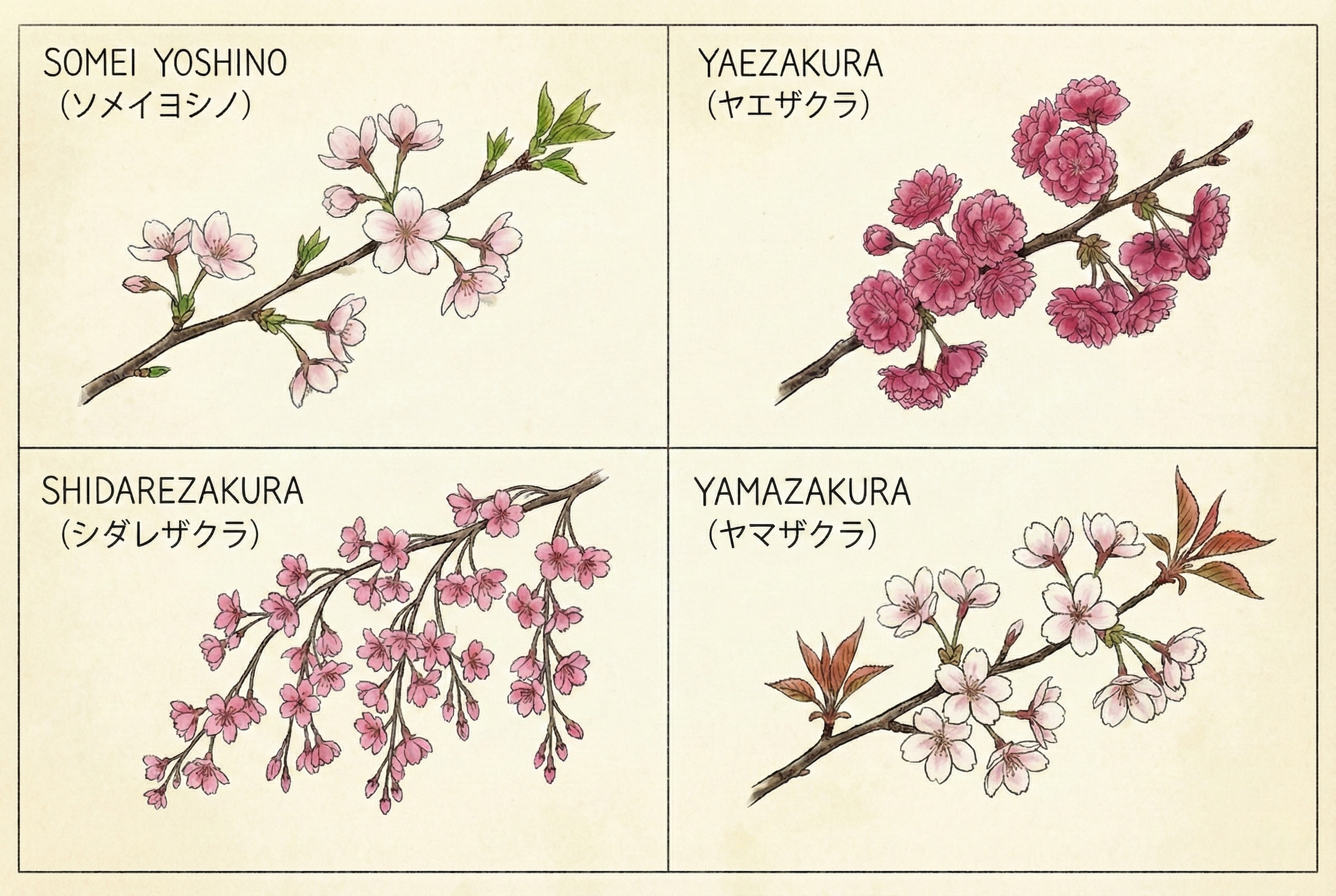
When you think of sakura, the image that likely comes to mind is the Somei Yoshino. This variety, introduced in the Edo period, now accounts for about 80% of all sakura trees in Japan. Its pale pink, almost white five-petaled flowers bloom in spectacular unison, creating breathtaking canopies across cities and countryside.
Yamazakura is another classic, known for its slightly darker petals and the contrast of reddish young leaves that emerge alongside the blossoms. Shidarezakura, or weeping cherry, features graceful branches that drape elegantly, often seen in temple gardens. Kanzan, with deep pink, multi-layered petals, provides a dramatic late-season show.
Rare types like Ukon, which boasts yellowish blossoms, and Gyoiko, with subtle green stripes, fascinate enthusiasts and often feature in regional festivals. Wild sakura species, such as the Oshima or Edo higan, appear in mountainous or rural areas, adding to the nation’s incredible variety.
The timing of each variety’s bloom differs by species and location. This rich tapestry ensures that, from Okinawa’s early blooms to Hokkaido’s late spring displays, the sakura season is celebrated nationwide. For a comprehensive overview of where and when to see each variety, visit our Cherry Blossom Viewing Guide.
Identifying sakura requires close attention to a few key features. Most sakura have five petals, though double-flowered types like Kanzan can have 20 or more. Petal color ranges from pure white to vibrant pink, sometimes with gradations or even hints of yellow or green.
Fragrance is another clue: Somei Yoshino has a faint, sweet scent, while others may be nearly odorless. The shape of the petal tip—often notched or slightly split—is distinctive for sakura, setting them apart from plum or peach blossoms, which have rounded or unnotched petals.
Use this simple comparison table:
| Feature | Sakura | Plum | Peach |
|---|---|---|---|
| Petal Tip | Notched or split | Rounded | Pointed |
| Bloom Timing | March–May | February–March | March–April |
| Fragrance | Light, subtle | Strong, spicy | Mild |
| Leaf Emergence | With/after flowers | With/after flowers | Before flowers |
Local festivals may highlight specific sakura varieties, celebrating their unique appearance and cultural meaning. Take time to observe the subtle differences—each sakura bloom tells its own story.
Cherry blossom season in Japan is a spectacle that draws travelers from around the globe. Witnessing sakura in full bloom is a mesmerizing experience, whether you are strolling through ancient castle grounds or enjoying a riverside picnic. In 2026, careful planning will help you make the most of this fleeting natural wonder.
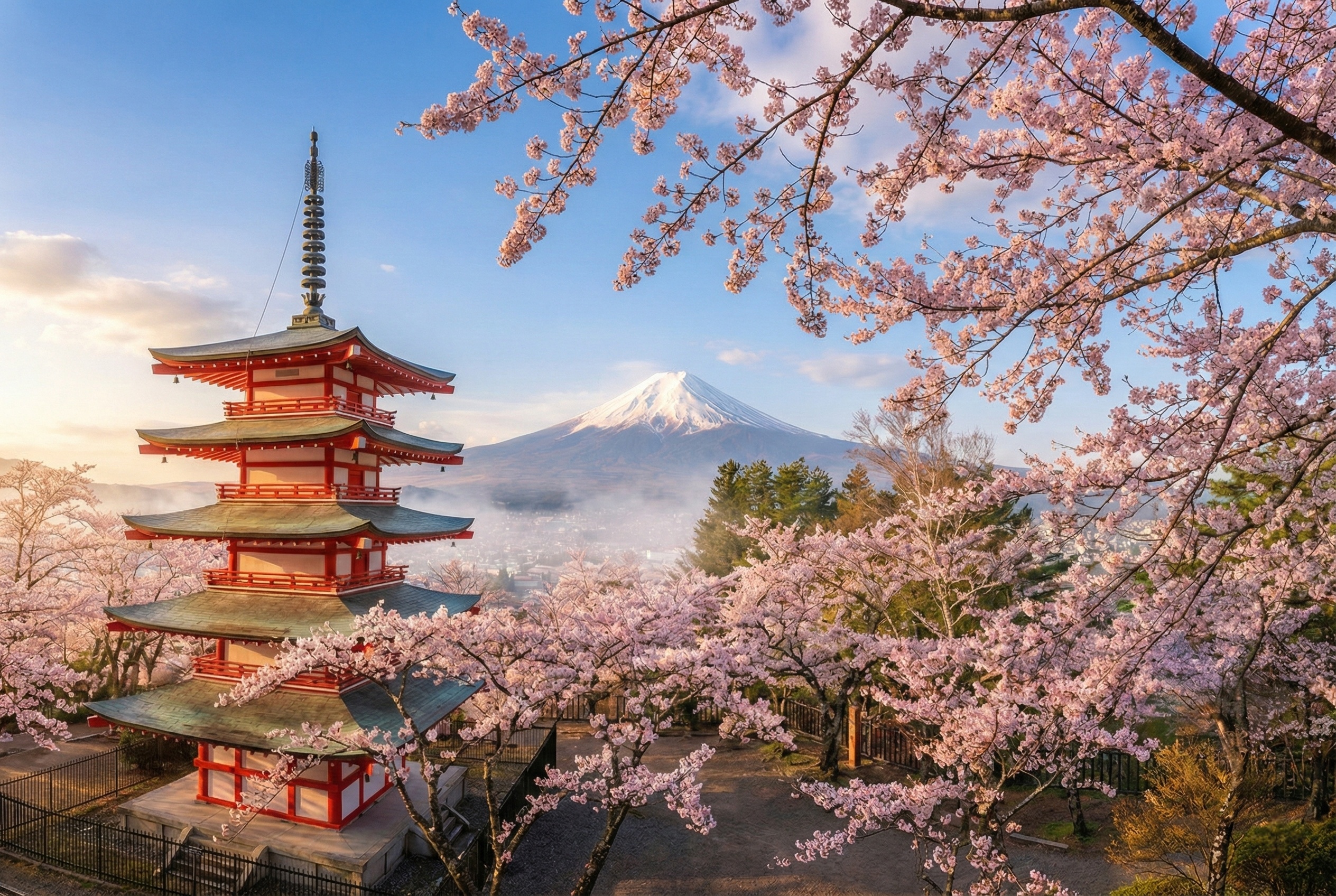
Japan boasts a diverse array of sakura viewing destinations, each offering its own charm and atmosphere. Tokyo’s Ueno Park, Kyoto’s Philosopher’s Path, and Osaka Castle Park are perennial favorites, blending urban vibrancy with the elegance of ancient trees. For a truly immersive experience, consider Hirosaki Castle in Tohoku, where the blossoms contrast beautifully with centuries-old stone walls.
Venture further to Mount Yoshino, celebrated for its layered slopes draped with thousands of sakura trees. Hokkaido’s Matsumae Park offers a later bloom, perfect for those who miss the main wave in central Japan. In Kyushu, Kumamoto Castle and Fukuoka’s Maizuru Park provide a southern take on the tradition.
Beyond these renowned locations, hidden gems await. Seek out riverside promenades in smaller towns, temple courtyards in the mountains, or the quiet beauty of local parks. Many sites feature yozakura, or nighttime illuminations, creating a magical ambiance under the stars.
To optimize your travel plans, consult regional bloom calendars and reliable forecast data. For up-to-date information on cherry blossom predictions and best viewing periods, visit the Cherry Tree Bloom Information page. This resource ensures you will catch the sakura at their finest in 2026.
The timing of sakura varies dramatically by region, making it vital to align your visit with local bloom periods. Typically, blossoms open in southern Kyushu by late March, sweep through Tokyo and Kyoto in early April, and arrive in northern regions like Hokkaido by late April or early May.
| Region | Expected Bloom | Notable Locations |
|---|---|---|
| Kyushu | Late March | Kumamoto, Fukuoka |
| Kansai | Early April | Kyoto, Osaka |
| Kanto | Early April | Tokyo, Yokohama |
| Tohoku | Mid April | Hirosaki, Sendai |
| Hokkaido | Late April | Sapporo, Matsumae |
Climate and weather play a pivotal role in sakura timing. Mild winters or early warm spells can lead to earlier blooms, while cooler temperatures may cause delays. Monitoring the 2026 forecast is essential, as peak bloom can last just a week in each locale.
For Tokyo, the historical average for full bloom is around March 29 to April 3. However, microclimates and annual variations mean flexibility is crucial. Consider planning visits to early, peak, and late-blooming locations to maximize your chance of seeing sakura in their glory.
With thoughtful preparation and the right resources, your sakura journey in 2026 will be unforgettable.
Hanami, the cherished practice of appreciating sakura, is a highlight of the Japanese spring. Picture families, friends, and colleagues gathered beneath a canopy of blossoms, sharing laughter and seasonal treats. This centuries-old tradition connects people to nature and to each other, making every sakura season a memorable experience.
Hanami, meaning “flower viewing,” is deeply rooted in Japanese history and closely tied to sakura. Originally enjoyed by aristocrats, today it welcomes everyone, from families to tourists. To join a hanami picnic, arrive early to secure a spot, often marked with a picnic sheet under the sakura trees.
Traditional foods are integral. Bento boxes filled with seasonal delicacies, sakura mochi (rice cakes wrapped in cherry leaves), and sake are popular choices. Sharing these treats under the blossoms is a cherished ritual.
Etiquette is essential for hanami. Respect the space by keeping your area tidy and taking all trash home. Loud music is discouraged, but singing, playing games, and enjoying lighthearted conversation are common. Locals often organize group activities, adding a joyful atmosphere to the event.
In recent years, hanami has embraced modern twists. Themed parties, digital hanami via livestreams, and creative photo sessions are popular ways to enjoy sakura. Whether you participate in person or virtually, hanami offers a unique way to connect with Japanese culture and the beauty of sakura.
Sakura festivals bring communities together to celebrate the fleeting beauty of cherry blossoms. Across Japan, cities host events featuring parades, tea ceremonies, and nighttime illuminations, transforming parks into magical spaces. Each region adds its own flair, offering unique foods, performances, and art displays inspired by sakura.
One of the most renowned events is the Hirosaki Cherry Blossom Festival, where over two million visitors gather to admire thousands of blooming trees. The festival is known for its historic roots, vibrant atmosphere, and stunning night views of illuminated sakura.
For those planning a trip in 2026, exploring Flower Festival Details provides valuable information on major sakura celebrations across Japan. These festivals differ by city, from lively street markets in Tokyo to tranquil riverside displays in Kyoto.
No matter where you go, participating in a sakura festival offers an unforgettable immersion into local customs. Our company specializes in crafting personalized sakura experiences, ensuring you enjoy every moment of these remarkable events with insider access and expert guidance.
Planning your sakura adventure in 2026 is an exciting endeavor, and a bit of thoughtful preparation can turn a good trip into an unforgettable one. From choosing the right time to visit to capturing the perfect photo, these practical tips will help you experience the beauty and culture of sakura with ease and respect.
Start by researching the prime sakura viewing periods for your chosen region. Blossoms typically appear from late March through early May, but exact timing depends on weather patterns. Because climate change is causing earlier and sometimes unpredictable blooms, consult up-to-date forecasts and historical data. For deeper insights on this trend, see Cherry Blossoms and Climate Change.
Book accommodations and transportation well in advance, as sakura season attracts millions of visitors. Consider staying near major viewing spots or in less crowded neighboring towns for a more relaxed experience. When packing, include a picnic blanket, layered clothing for variable spring temperatures, and a reusable water bottle.
Accessibility is increasingly prioritized at popular sakura parks, but check for pathways and facilities suited to your group’s needs. Respect local customs by cleaning up after picnics and refraining from touching or damaging the trees. Embrace sustainable tourism by supporting local businesses and minimizing your environmental impact, ensuring future generations can enjoy the magic of sakura.
Photographing sakura is a highlight for many travelers. Use early morning or late afternoon light for the softest, most flattering images. Bring a camera with a wide aperture lens for close-ups, or use your smartphone’s portrait mode to highlight the blossoms’ delicate textures. Remember, overcast days can enhance petal color and reduce harsh shadows.
To share your hanami moments, post photos and stories on social media using popular sakura hashtags. Capture candid shots of picnics, traditional foods, and group activities to reflect the joyful spirit of hanami. Consider purchasing sakura-inspired souvenirs and local crafts to bring a piece of your journey home.
Practice sustainability by avoiding single-use plastics and leaving your picnic area cleaner than you found it. By honoring these traditions and the environment, your sakura trip becomes both memorable and meaningful.
As you dream of wandering beneath canopies of delicate cherry blossoms, imagine experiencing Japan’s revered sakura season with every detail curated just for you. We’ve explored the history, symbolism, and the most breathtaking viewing spots—now it’s time to turn inspiration into reality. Whether you’re seeking hidden hanami gems or exclusive cultural encounters, our team is here to design a journey that reflects your passions and interests. Let’s transform your sakura aspirations into a truly unforgettable adventure.
Request your private consultation: Design your bespoke Japan journey with our experts.