
LINE ID japanroyalservice
+817013781777 click here
+817013781777 click here
Imagine leaving behind the fast-paced energy of Tokyo’s skyscrapers and stepping into a peaceful, blooming oasis. Shinjuku Gyoen National Garden welcomes visitors with its seamless blend of history, culture, and natural beauty, offering a serene retreat in the city’s heart.
This comprehensive guide will help you discover everything you need to know to explore Shinjuku Gyoen National Garden in 2026. From a detailed look at its unique layout and rich history to insider tips and seasonal highlights, you will be fully prepared for an unforgettable visit.
Get ready to experience the garden’s signature moments and plan your perfect Tokyo escape.
Nestled in the heart of Tokyo, Shinjuku gyoen national garden stands as a living testament to the city’s ability to blend tradition and modernity. Visitors are greeted by a peaceful sanctuary that reveals layers of Japanese history and horticultural artistry.
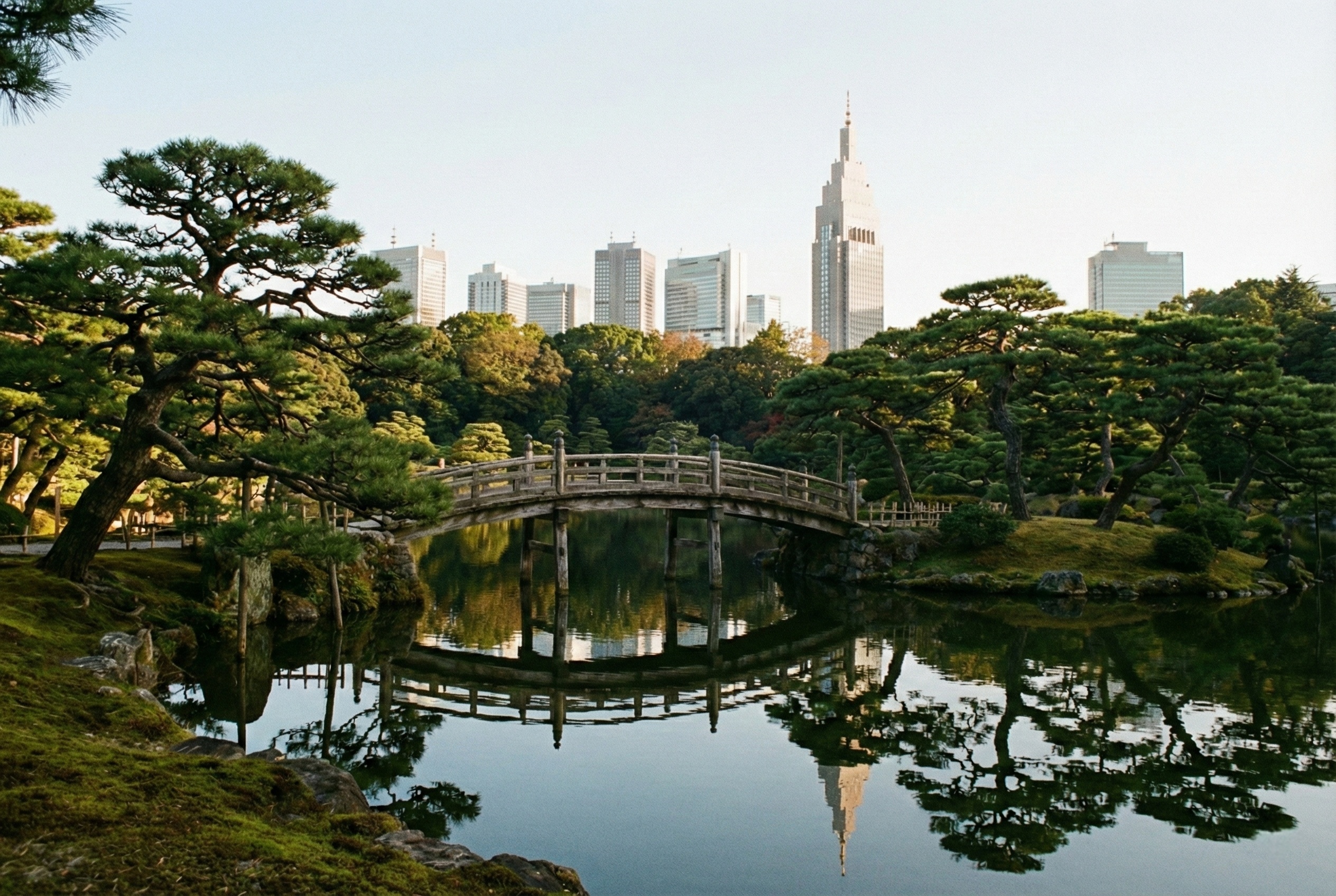
The story of Shinjuku gyoen national garden begins in the Edo period, when it served as the private residence of a powerful feudal lord. In 1906, it was transformed into an imperial garden, symbolizing renewal and national pride. After World War II, the garden opened to the public, welcoming citizens and travelers to experience its tranquil beauty.
Uniquely, Shinjuku gyoen national garden fuses Japanese, French, and English garden styles into one harmonious landscape. This blend honors Japan’s cultural openness and appreciation for global design. Managed by the Ministry of the Environment, the garden is recognized as a symbol of peace and rebirth for Tokyo.
Today, it is celebrated as one of the city’s top attractions, drawing crowds for annual cherry blossom and autumn foliage festivals. For a deeper dive into its remarkable history and unique garden design, consult the Shinjuku Gyoen National Garden Overview.
Spanning 144 acres, Shinjuku gyoen national garden offers more than just scenic beauty. It is thoughtfully divided into three distinct styles: the Japanese traditional garden with serene ponds and tea houses, the French formal garden featuring symmetrical flowerbeds and rose gardens, and the English landscape garden with wide lawns and open vistas.
Visitors can explore numerous walking paths, tranquil ponds, and iconic landmarks such as the Taiwan Pavilion and the recently renovated greenhouse. The greenhouse alone houses over 1,700 species of tropical and subtropical plants, making it a highlight for botany enthusiasts.
Facilities include restrooms, cafes, and a visitor center with English-language resources. Multiple gates and close proximity to Shinjukugyoen-Mae metro station ensure easy access for all. Each visit to Shinjuku gyoen national garden promises a new experience, thanks to its ever-changing landscapes and thoughtfully curated spaces.
Experiencing Shinjuku gyoen national garden is all about timing. Each season transforms its landscape, offering visitors a new reason to return. Whether you dream of clouds of cherry blossoms or want to witness fiery autumn leaves, the garden rewards every visit with a distinct natural spectacle.
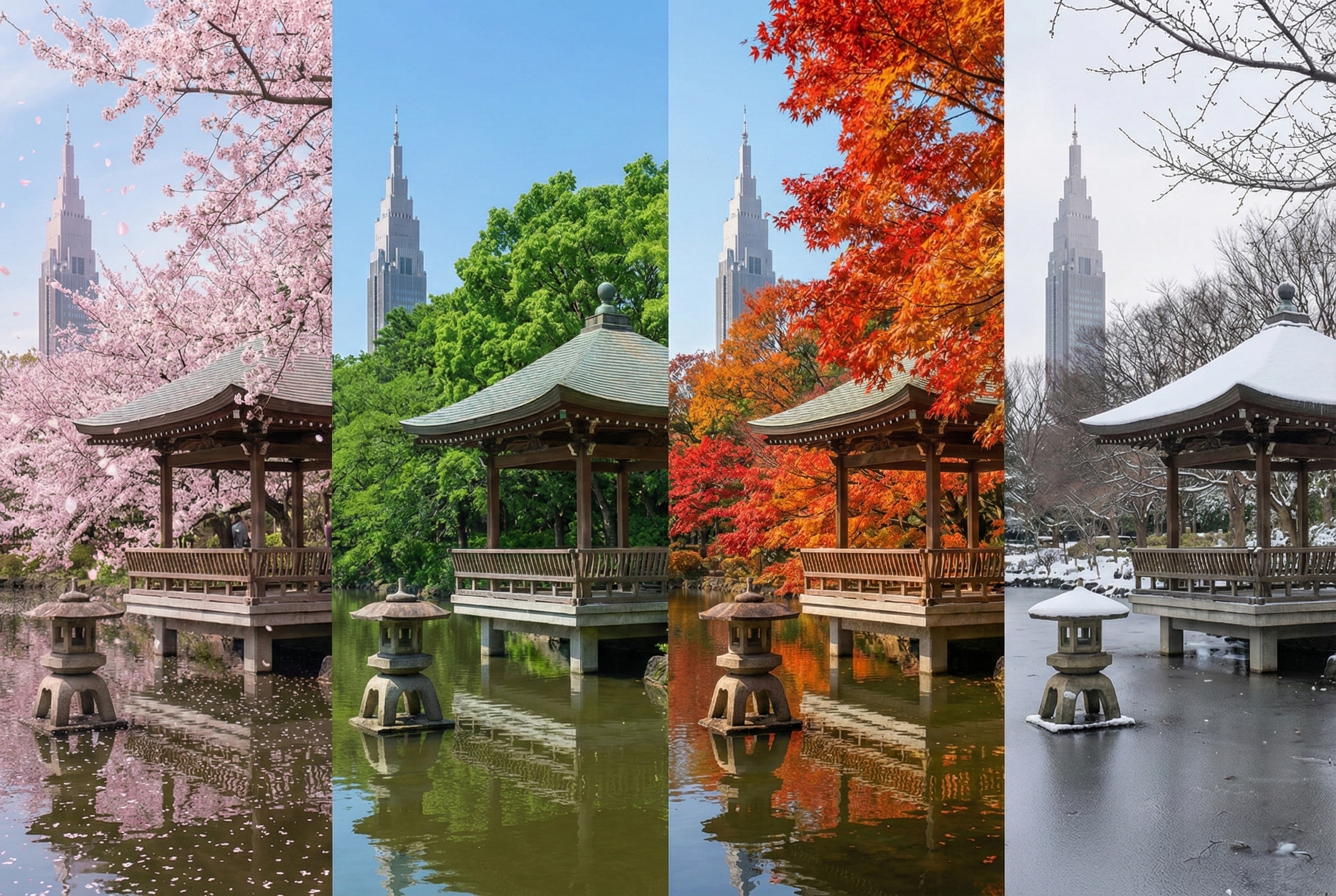
Spring is the most celebrated time at Shinjuku gyoen national garden. From late March to early April, more than 1,000 cherry trees burst into bloom, creating a breathtaking pink canopy. Over 65 varieties, including early and late-blooming sakura, ensure the spectacle lasts several weeks.
Hanami, or flower viewing, is a beloved tradition here. Families and friends gather for picnics beneath the blossoms, soaking in the festive atmosphere. During peak bloom, advance reservations are often required to manage crowds and protect the grounds. If you are planning a visit, you can find detailed hanami tips and event schedules in this Cherry Blossom Viewing in Japan guide.
The garden’s cherry blossom season is exceptionally popular, so planning ahead is essential for the best experience.
As the year progresses, Shinjuku gyoen national garden dazzles with new colors and textures. In autumn, maple and ginkgo trees ignite the landscape with brilliant reds and golds from mid-November to mid-December. The crisp air and golden carpets of fallen leaves create an inviting atmosphere for strolls and photography.
Summer brings vibrant hydrangeas, irises, and dense, refreshing greenery. Winter offers a quieter beauty, with camellias in bloom and the occasional snow transforming the garden into a peaceful sanctuary. Visiting outside peak times means fewer crowds and a different, often more intimate, view of the garden’s natural artistry.
No matter the season, each visit reveals a new perspective on Shinjuku gyoen national garden’s ever-changing beauty.
To make the most of Shinjuku gyoen national garden, consider the following timing tips:
Thoughtful planning ensures you experience the garden’s highlights and serenity, no matter when you visit.
Stepping into Shinjuku gyoen national garden transports you into a world where classic landscapes and cultural treasures blend seamlessly. Every corner reveals a new facet, inviting visitors to slow down, explore, and find their own peaceful retreat.
At the heart of Shinjuku gyoen national garden lies the Japanese Traditional Garden, a masterpiece of symbolic landscaping. A serene pond, accented by arched wooden bridges and stone lanterns, sets the stage for tranquil walks. Meticulously pruned pine trees and seasonal flowers enhance the sense of harmony.
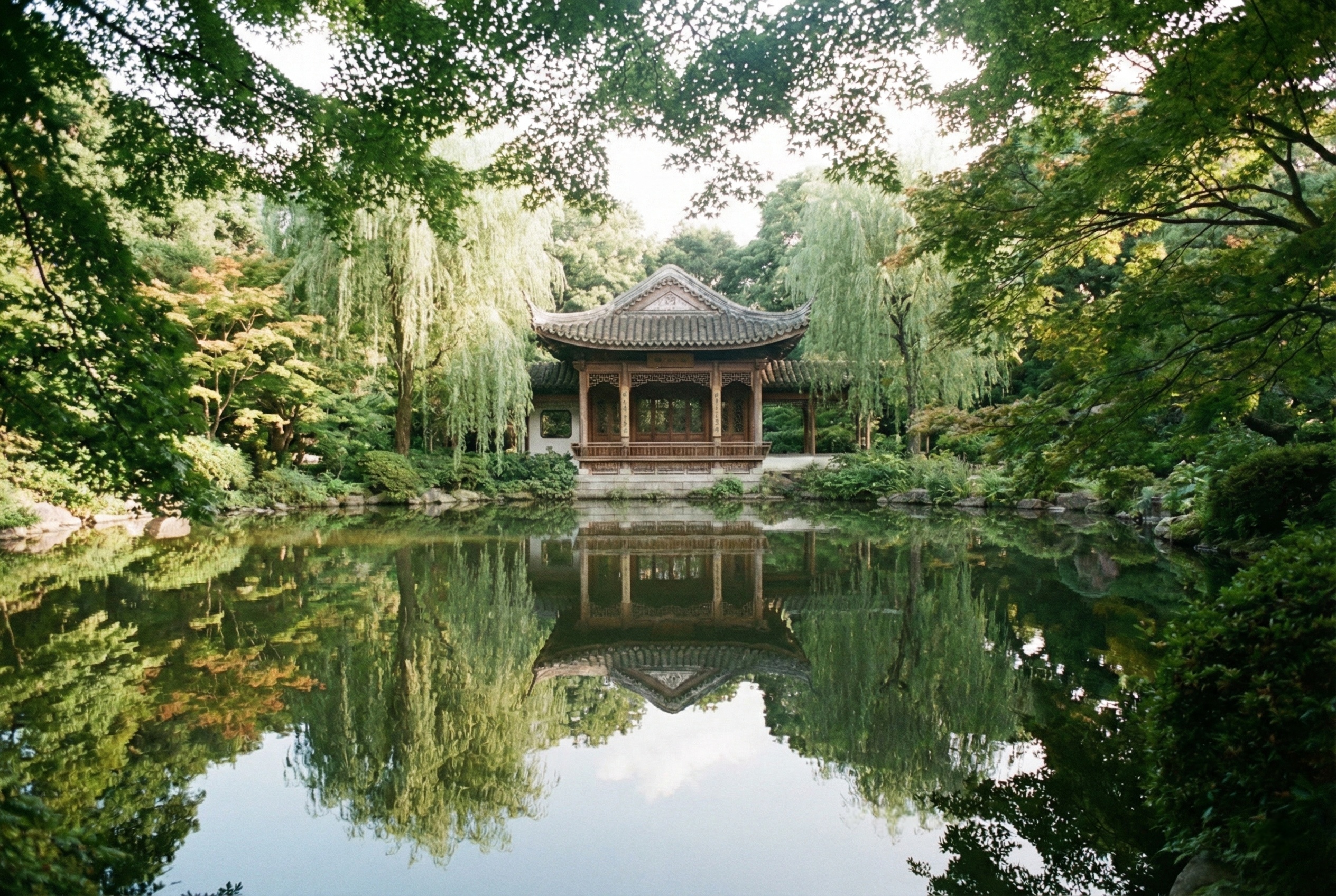
The Kyu Goryotei, also called the Taiwan Pavilion, stands gracefully above the water. Built in 1927 to honor Emperor Showa’s wedding, its red pillars and sweeping eaves offer a photogenic backdrop. Nearby, a traditional tea house invites guests to savor matcha and wagashi, providing a window into Japanese hospitality. The garden’s thoughtful design ensures each visit feels unique, as reflections and vistas shift with every season.
Transitioning from the Japanese section, visitors discover two distinct European styles within Shinjuku gyoen national garden. The French Formal Garden dazzles with symmetrical flowerbeds, geometric pathways, and a stunning rose collection. In May and October, the air fills with the scent of blooming roses, drawing photographers and garden enthusiasts alike.
Adjacent, the English Landscape Garden features expansive lawns, broad open views, and scattered cherry trees. This area is perfect for picnics, casual strolls, or simply relaxing under the sky. Tree-lined avenues lead to hidden benches, offering moments of quiet reflection. The seamless blend of styles highlights the garden’s cosmopolitan heritage and its role as a living cultural mosaic.
A highlight for plant lovers, the Shinjuku Gyoen Greenhouse showcases over 1,700 species of tropical and subtropical flora. Recently renovated, this lush sanctuary inside Shinjuku gyoen national garden features rare orchids, carnivorous plants, and vibrant bromeliads. The greenhouse is both an educational resource and a photographer’s paradise, where unusual shapes and colors invite close inspection.
Interactive exhibits introduce visitors to global plant diversity, while climate-controlled paths ensure comfort year-round. For those seeking practical visitor information or a deeper overview of the garden’s must-see areas, the Shinjuku Gyoen National Garden Guide offers comprehensive tips and highlights.
Shinjuku gyoen national garden is renowned for its immersive cultural offerings. Several tea houses dot the grounds, hosting traditional tea ceremonies that require advance reservations during peak seasons. Guests can participate in workshops on calligraphy or seasonal crafts, deepening their appreciation for Japanese customs.
Throughout the year, cultural events and exhibitions bring the garden to life. From ikebana (flower arranging) displays to seasonal festivals, these experiences foster a rich connection between nature, art, and history. Each visit offers new opportunities to engage with Japanese traditions in a serene, authentic setting.
For relaxation, the English Garden’s sweeping lawns and the shaded benches beside the Japanese pond are favorites among visitors. Shinjuku gyoen national garden also caters to photography enthusiasts, offering iconic scenes such as cherry blossom tunnels, the mirror-like central pond, and fiery autumn foliage.
Families and solo travelers alike find space to unwind, picnic, or sketch the landscape. Early mornings provide soft lighting and fewer crowds, ideal for capturing the garden’s tranquil beauty. Whether you seek solitude or inspiration, these diverse settings ensure every moment spent here feels memorable.
Visiting Shinjuku gyoen national garden is remarkably straightforward when you know what to expect. This section covers everything from entrance fees and opening hours to insider tips that make your journey smooth and memorable.
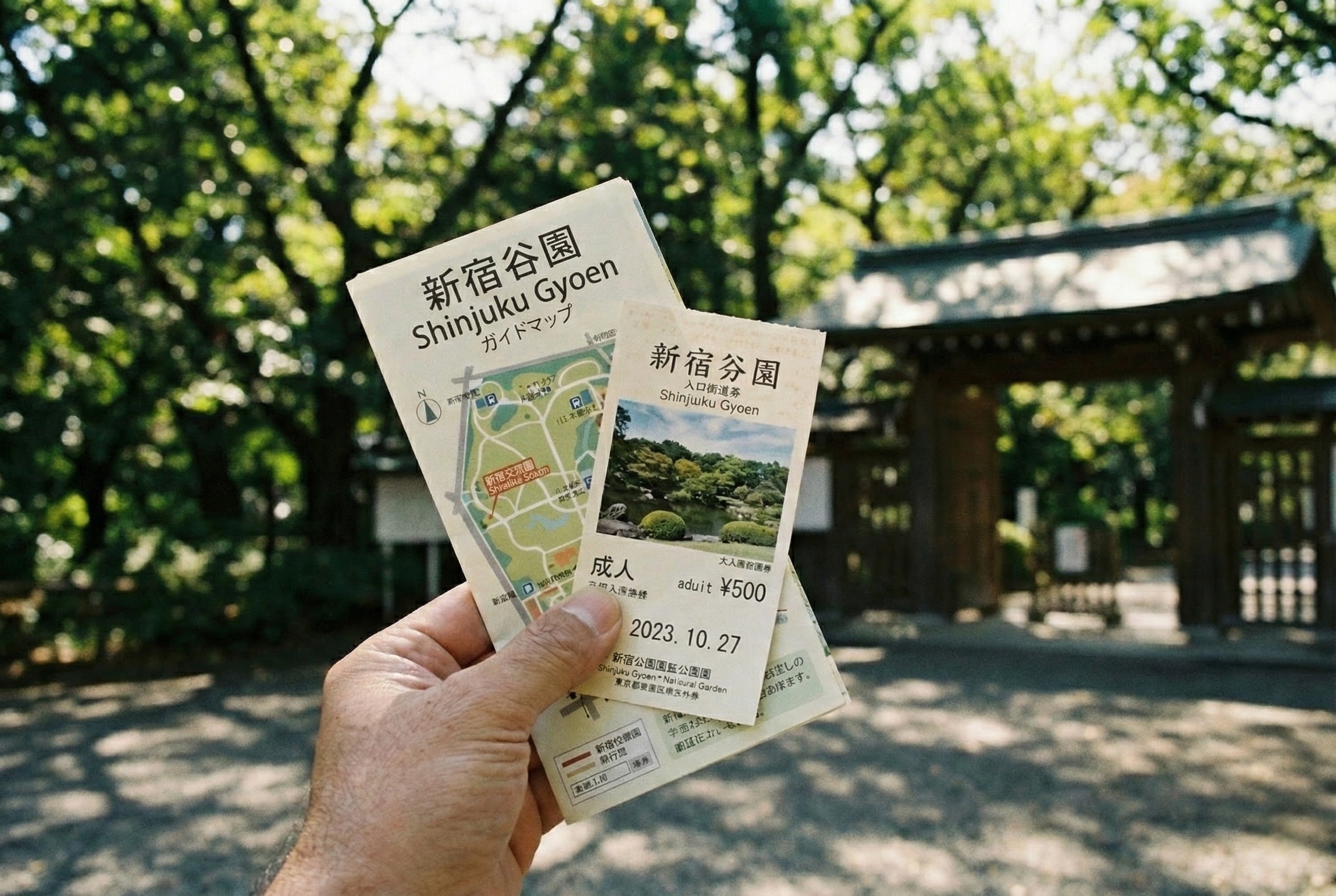
To enter Shinjuku gyoen national garden, adults pay a 500 yen fee, while children 15 and under are admitted free. The garden opens daily from 9 a.m. to 4:30 p.m., with last entry at 4 p.m. It closes from December 29 to January 3 for annual maintenance.
Access is convenient with three main gates: Shinjuku, Okido, and Sendagaya. The Shinjuku Gate is closest to Shinjuku Station, making it ideal for international visitors. The garden is also easily reached via Shinjukugyoen-Mae Station on the Tokyo Metro Marunouchi Line. For official details, refer to the Shinjuku Gyoen Visitor Information.
Shinjuku gyoen national garden is designed for comfort and accessibility. Restrooms and baby-changing stations are located throughout the park. Paved paths and gentle slopes accommodate wheelchairs and strollers, ensuring everyone can explore with ease.
Cafes and kiosks offer refreshments, while lockers are available near the main entrances for luggage storage. The visitor center provides English-language maps and guides, helping you make the most of your time in the garden.
To preserve the peaceful atmosphere of Shinjuku gyoen national garden, certain rules are strictly enforced. Alcohol, sports activities, and pets (except service animals) are not permitted. Quiet zones are marked, and picnics are allowed only in designated areas.
Photography is welcome, but drones and tripods may be restricted during busy seasons. Hanami gatherings are encouraged, yet loud music or disruptive behavior is discouraged. Always dispose of your trash responsibly and respect other visitors’ enjoyment of the space.
Purchase tickets online during peak cherry blossom and autumn foliage seasons to avoid long lines at Shinjuku gyoen national garden. Bring a picnic mat for comfort, and remember to pack out all trash to help keep the grounds pristine.
For a quieter visit, arrive on weekdays or early mornings when the garden is at its tranquil best. Consider combining your garden trip with nearby attractions such as Meiji Shrine or Shinjuku’s vibrant shopping streets for a full Tokyo experience.
Discover a new side of Shinjuku gyoen national garden in 2026 with exclusive tours, seasonal events, and luxury experiences designed for travelers seeking more than a simple stroll. Whether you are passionate about culture, nature, or premium service, you will find an experience tailored to your interests.
Guided tours of Shinjuku gyoen national garden are available throughout the year, led by experts in history, horticulture, and architecture. Choose from private or group walks that reveal the garden’s most fascinating secrets, from the symbolism of its landscaping to the stories behind historic pavilions.
Seasonal workshops immerse visitors in Japanese culture. Try your hand at soba noodle making, pottery, calligraphy, or even wagashi crafting. These hands-on experiences deepen your connection to the garden while offering a memorable skill to take home.
The calendar at Shinjuku gyoen national garden is filled with vibrant events. Each spring, the cherry blossom festival draws thousands for hanami picnics and traditional performances. In autumn, the garden transforms with fiery foliage and guided leaf-viewing strolls.
Special exhibitions in the greenhouse and tea houses showcase rare plants and cultural traditions. For up-to-date event schedules and highlights, visit the Shinjuku Gyoen Seasonal Events page before your trip.
For those seeking exclusivity, Shinjuku gyoen national garden offers VIP tours and private sessions. These experiences provide in-depth exploration, personalized photography opportunities, and even after-hours access when available.
Premium tours may include a private tea ceremony, expert-led horticultural walks, or exclusive insights into the garden’s design. These curated options ensure a truly memorable visit, especially for families and couples.
Elevate your exploration of Shinjuku gyoen national garden with a bespoke tour by Japan Royal Service. Enjoy luxury transportation, expert guides, and seamless access to hidden corners of the garden and Tokyo’s cultural gems.
Personalized itineraries can combine Shinjuku gyoen national garden with Michelin-starred dining, seasonal festivals, or private cherry blossom picnics. This service is ideal for discerning travelers who want a stress-free, immersive experience curated to their interests.
Nestled in the heart of Tokyo, Shinjuku gyoen national garden is the perfect gateway to some of the city’s most iconic neighborhoods and experiences. Whether you’re seeking vibrant culture, culinary adventures, or seamless travel connections, the area surrounding the garden offers endless possibilities for every type of visitor.
After exploring Shinjuku gyoen national garden, step outside to discover a wealth of Tokyo’s cultural treasures. Meiji Shrine, a peaceful Shinto landmark, lies within walking distance and offers a serene forested escape. For a lively contrast, Takeshita Street in Harajuku bursts with fashion boutiques, street food, and youthful energy.
Shinjuku itself brims with nightlife, entertainment, and shopping, making it easy to transition from garden tranquility to urban excitement. Omotesando’s tree-lined avenues showcase sophisticated architecture and designer stores. With Shinjuku gyoen national garden as your anchor, you’re ideally positioned to experience Tokyo’s diverse neighborhoods in a single day.
The culinary scene around Shinjuku gyoen national garden is a vibrant mix of traditional and modern flavors. Step outside the gates to find cozy soba noodle shops, authentic ramen counters, and fresh sushi bars. Cafes inside the garden serve light meals and seasonal Japanese sweets, perfect for a restful break.
For those seeking curated recommendations, explore the Best Tokyo Restaurants Near Shinjuku to discover top-rated dining options within walking distance. Whether you crave a quick snack or a multi-course experience, the area around shinjuku gyoen national garden promises something for every palate.
Make the most of your time at Shinjuku gyoen national garden with a flexible itinerary tailored to your interests. Begin your morning with a peaceful stroll through the gardens, then enjoy lunch at a nearby café. In the afternoon, visit Meiji Shrine or shop in Harajuku.
A full-day adventure might include exploring Shinjuku gyoen national garden, browsing Omotesando’s boutiques, and ending with Shibuya’s famous scramble crossing. For families, combine garden exploration with a picnic and hands-on workshops. The central location of Shinjuku gyoen national garden ensures a seamless transition between nature, culture, and city life.
Accessing Shinjuku gyoen national garden is effortless, thanks to Tokyo’s efficient public transport. The garden is served by several metro and train stations, including Shinjukugyoen-Mae, Sendagaya, and Shinjuku. Taxis and ride-hailing services are readily available for added convenience.
For a smooth journey, consult Shinjuku Neighborhood Highlights to navigate local districts and transit options. Sightseeing buses also stop nearby, allowing you to hop between major attractions with ease. With these transportation tips, your visit to Shinjuku gyoen national garden can be both stress-free and enriching.
After discovering Shinjuku Gyoen’s tranquil paths, seasonal wonders, and timeless tea houses, you might be imagining how to make your own experience in Tokyo truly unforgettable. With so much to see—from cherry blossoms in spring to vibrant leaves in autumn—it helps to have every detail cared for by someone who knows the city inside out. If you’re ready to elevate your journey and experience Japan in a way that’s tailored just for you, let’s take the next step together.
Elevate Your Journey: Request your complimentary, private Japan itinerary now.