
LINE ID japanroyalservice
+817013781777 click here
+817013781777 click here
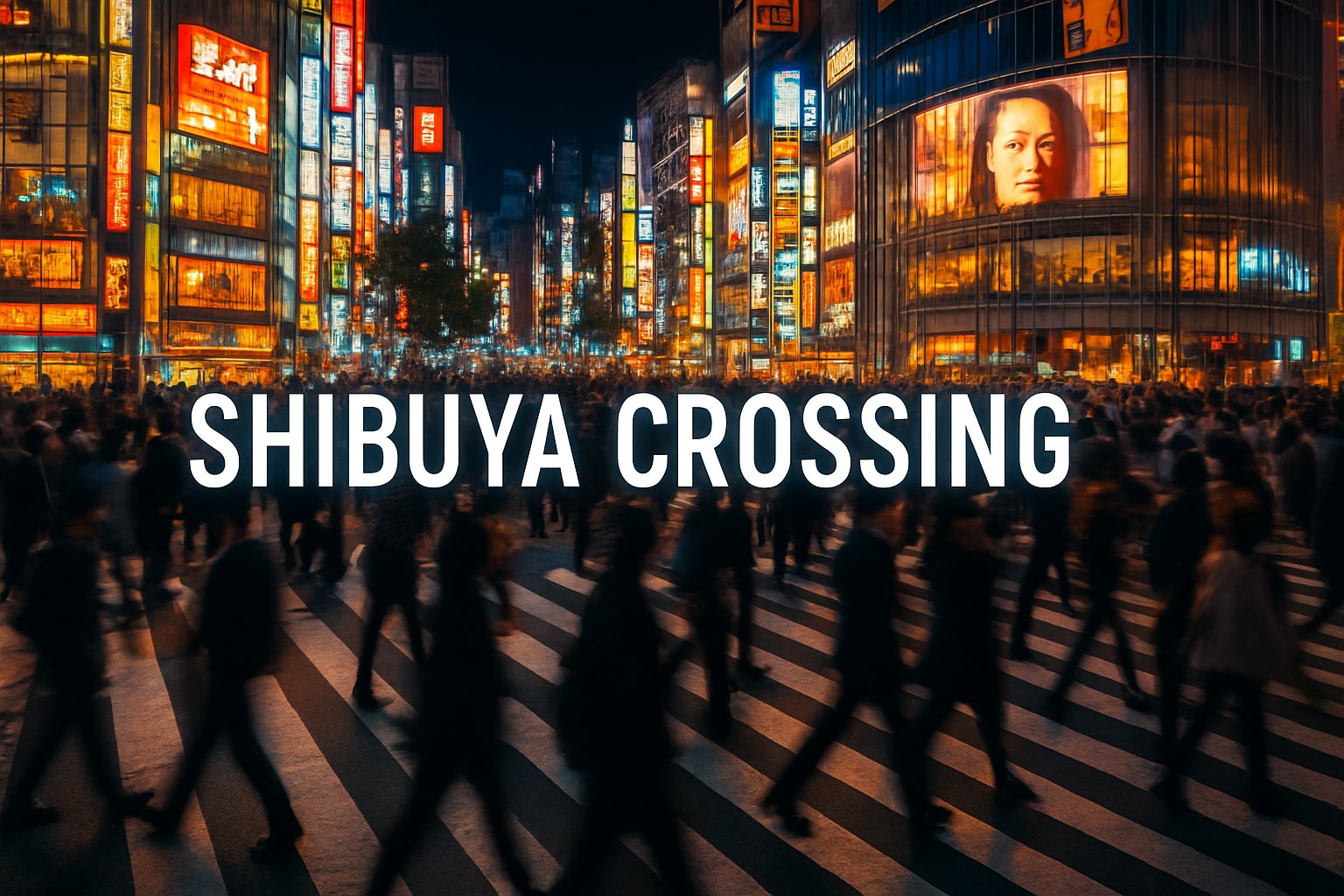
Picture yourself standing at shibuya crossing, where neon lights reflect across a sea of people moving in perfect rhythm. This iconic intersection sits at the very heart of Tokyo, captivating both locals and travelers alike with its unmatched energy.
In this guide, you will uncover everything needed to experience shibuya crossing like a true local in 2025. Explore its rich history, discover the best viewing spots, learn practical visitor tips, and find out what makes this place a symbol of Tokyo’s vibrant culture.
Get ready to see shibuya crossing in a whole new light.
The story of Shibuya Crossing is a fascinating journey through Tokyo’s urban evolution. From humble beginnings to becoming a global symbol of energy and movement, the history of Shibuya Crossing offers insight into both the city’s spirit and Japan’s modern identity.

Shibuya Crossing began its story in 1973, coinciding with Shibuya’s transformation into a commercial powerhouse. The scramble crossing concept, where all pedestrian traffic halts vehicles in every direction, was new to Tokyo at the time. Urban planners hoped this innovation would streamline movement and enhance safety in a district growing rapidly around Shibuya Station.
Initial reactions from locals were mixed. Some were intrigued by the novelty, while others questioned its practicality. Early pedestrian and traffic statistics were modest compared to today, but even then, the crossing quickly became a focal point for the community and commerce. Its proximity to Shibuya Station made it a natural gathering spot for shoppers, commuters, and the youth culture emerging in the area.
To better understand its rise, consider this table comparing Shibuya Crossing with other famous intersections of its era:
| Intersection | Year Established | Avg. Daily Pedestrians (1970s) |
|---|---|---|
| Shibuya Crossing | 1973 | ~50,000 |
| Times Square (NYC) | Early 1900s | ~30,000 |
| Oxford Circus (LDN) | 1816 | ~25,000 |
By the late 1970s, Shibuya Crossing was already outpacing many global counterparts in both design and foot traffic. The crossing’s strategic location at the heart of a booming district made it a trendsetter for urban intersections worldwide. Today, anyone visiting Shibuya Crossing can feel its legacy in every step.
As Tokyo evolved, so did Shibuya Crossing. The intersection became an integral part of major urban redevelopment projects, adapting to the city’s needs while retaining its unique character. Foot traffic exploded, especially in the 21st century, with up to 3,000 people crossing with each green light and as many as 500,000 traversing daily. According to Shibuya Crossing pedestrian statistics, it holds the title of the world’s busiest pedestrian intersection.
Shibuya Crossing has also played a role in international events. During the closing ceremony of the 2016 Olympics, Tokyo showcased the crossing as a cultural icon in anticipation of hosting the 2020 Games. Its influence on fashion, youth culture, and pop culture is undeniable. The area around the crossing is a hotspot for new trends, drawing inspiration from the constant flow of people and ideas.
The intersection has appeared in globally recognized films such as “Lost in Translation” and “The Fast and the Furious: Tokyo Drift.” It regularly features in advertisements, music videos, and social media, further cementing its status as a symbol of Tokyo’s vibrancy.
Today, Shibuya Crossing is more than just a place to cross the street. It is a living, breathing symbol of modern Japan, where tradition meets the pulse of the city. Its evolution mirrors Tokyo’s own journey, making every visit a step through the pages of urban history.
Standing at the edge of Shibuya Crossing, you become part of a captivating urban dance. Every visit offers a unique experience, shaped by time, season, and the pulsing energy of Tokyo’s busiest intersection.

Timing is everything at Shibuya Crossing. Daytime visits offer a clear view of the organized chaos, while nighttime brings a spectacle of glowing neon and bustling crowds. Weekdays are generally less crowded, making them ideal for those who prefer a quieter experience. On weekends and holidays, the intersection swells with locals and tourists alike.
Seasonal events transform the atmosphere. Halloween draws enormous, costumed crowds, so expect increased security and managed flow after the 2022 Seoul incident. New Year’s Eve and public holidays bring special lighting displays and festive energy. In 2025, a year-round alcohol ban from 6 p.m. to 5 a.m. aims to keep the area safe and enjoyable for all.
Crowd dynamics shift throughout the day. Peak hours are typically between 5 p.m. and 8 p.m., but early mornings and late nights offer a more tranquil experience. Families and travelers with mobility needs will find accessible routes and dedicated crossing times. For a comprehensive overview of what to expect and how to navigate the intersection, the Shibuya Crossing visitor guide is an excellent resource.
If you are visiting during major events, keep an eye out for crowd control barriers and enhanced police presence. These measures ensure the crossing remains both safe and welcoming.
Arriving at Shibuya Station, use the Hachiko Exit for direct access to Shibuya Crossing. Step outside and you’re immediately immersed in the vibrant scene. Here’s how to experience it like a true local:
For the iconic photo or video, stake out a spot on the sidewalk before the lights change. Many visitors use the second floor of the nearby Starbucks for a panoramic view. Remember to respect local etiquette by not blocking walkways and keeping your belongings close.
Solo travelers can blend in by matching the pace of the crowd. Couples and groups should plan a meeting point in case they get separated. Safety is paramount, especially during peak times when up to 1.5 million crossings occur weekly.
Keep an eye on your surroundings, stay alert to signals, and embrace the energy of Shibuya Crossing. With a few simple steps, you’ll move through the intersection with confidence and style.
Capturing the magic of shibuya crossing is a must for any Tokyo visitor. The intersection’s energy, scale, and neon brilliance are best appreciated from carefully chosen vantage points. Whether you are a photographer, a casual traveler, or simply seeking the perfect memory, knowing where to look makes all the difference.
The best way to appreciate the scale and spectacle of shibuya crossing is from above. The second floor of Starbucks Shibuya Tsutaya offers a panoramic, front-row seat. Arrive early, especially on weekends, as window seats fill quickly. From here, you can watch thousands of pedestrians move in perfect synchronization while sipping your coffee.
For a breathtaking 360-degree view, head to the Shibuya Sky Observatory atop Shibuya Scramble Square. The rooftop deck provides unrivaled vistas of shibuya crossing, especially striking at sunset when city lights begin to glow. The MAGNET by Shibuya109’s rooftop “Crossing View” is another favorite, featuring a dedicated photo platform. This spot is ideal for capturing the intersection’s organized chaos, especially when the iconic “walking dinosaur” billboard is in motion, as seen in international films.
Street-level perspectives are just as dynamic. The Hachiko Exit of Shibuya Station places you steps from the crossing, offering an immersive angle and a chance to photograph the famous Hachiko Statue nearby. For more intimate or creative shots, explore local cafes, boutique hotels, or public spaces with large windows facing the intersection.
Tips for the Perfect Photo:
Whether day or night, shibuya crossing transforms with the city’s rhythm, providing endless opportunities for memorable photos.
Travelers seeking a truly exclusive view of shibuya crossing can elevate their visit with Curated Shibuya experiences. These luxury tours grant private access to the most coveted observation decks and hidden vantage points, ensuring unobstructed, premium perspectives of the intersection.
Enjoy seamless transportation, VIP entry to rooftop lounges, and tailored itineraries that highlight not only the crossing but also Shibuya’s vibrant culture, cuisine, and nightlife. Dedicated local experts provide guidance for capturing iconic photos and offer behind-the-scenes insights, transforming your visit into an unforgettable, bespoke adventure.
Few places on earth encapsulate urban energy quite like the shibuya crossing. This iconic intersection is instantly recognizable, not just for its waves of pedestrians but for its starring role in global media and pop culture. Every year, millions encounter the crossing on screens before ever setting foot in Tokyo.
The shibuya crossing has become a visual shorthand for the city’s vibrancy. It frequently appears in blockbuster films, international commercials, and music videos, reinforcing its reputation as a symbol of modern Japan. Classic movie scenes, such as those in “Lost in Translation” and “The Fast and the Furious: Tokyo Drift,” frame the crossing as a cinematic icon. For more details on these famous appearances, you can explore Shibuya Crossing in popular culture.
| Media Type | Notable Examples |
|---|---|
| Film | Lost in Translation, Tokyo Drift |
| Anime | Death Note, Tokyo Ghoul |
| Video Games | The World Ends With You, Persona 5 |
| Music Videos | Pharrell Williams “Happy,” Perfume “Magic of Love” |
Beyond the big screen, shibuya crossing inspires creators in anime, manga, and gaming. Its dynamic energy provides a backdrop for everything from supernatural thrillers to futuristic adventures. Influencers and fashion photographers also gravitate to the crossing, using its bustling backdrop for unforgettable content that reaches audiences worldwide.
The cultural influence of shibuya crossing extends far beyond entertainment. It is a magnet for tourists seeking to experience the legendary scramble in person, often sharing their own images on Instagram and travel blogs. The crossing featured prominently in the 2016 Olympics closing ceremony, cementing its status as a Japanese cultural ambassador.
Urban designers around the globe look to shibuya crossing as a model for pedestrian-centric city planning. Its blend of order and chaos is emulated in cities aiming to foster both safety and excitement. As a result, the crossing is not just a traffic solution but a global symbol of Tokyo’s innovative spirit.
Ultimately, shibuya crossing’s presence in pop culture continues to fuel its allure. Whether you are a film buff, anime fan, or trend-seeker, the crossing offers an experience that is both familiar and exhilarating—a must-see for any Tokyo itinerary.

Visiting shibuya crossing is a memorable experience, but understanding the latest safety measures and local customs will help you enjoy it to the fullest. With thousands of people traversing the intersection daily, preparation and awareness are key.
Safety at shibuya crossing starts with respecting local rules. Since 2023, an alcohol ban is in effect daily from 6 p.m. to 5 a.m., especially during busy seasons like Halloween and New Year’s Eve. Tokyo authorities have also increased security, with uniformed staff ensuring orderly movement and responding quickly to emergencies.
When crossing, always wait for the green pedestrian signal and move with the crowd. Avoid stopping in the middle to take photos, as this disrupts the flow and can be hazardous. If you want to capture the perfect shot, use designated sidewalks or observation points instead.
For families and travelers with mobility needs, look for accessible ramps and elevators near major exits. During peak hours, such as evenings and weekends, the area can become very crowded. In case of large gatherings, follow security instructions and move calmly to avoid accidents.
Weather in Tokyo can change rapidly, especially during the rainy season. Bring a compact umbrella, and seek shelter in nearby cafes or station entrances if needed. Shibuya Ward has also implemented strategies to prevent altercations and property damage during major events, making shibuya crossing a safer destination for everyone.
To fully enjoy shibuya crossing, blend in by following local etiquette. Walk briskly, avoid using your phone while crossing, and respect signage. Locals appreciate visitors who move with the flow and keep the intersection clear.
Avoid common tourist mistakes like lingering in the street or ignoring security staff. Scams are rare, but always be cautious if approached by strangers offering unsolicited services. For restrooms and lockers, Shibuya Station and nearby shopping centers provide convenient options.
Consider combining your shibuya crossing experience with nearby attractions. The iconic Hachiko Statue, Shibuya Center-Gai, and observation decks are all within walking distance. For curated itineraries and language support, many travelers opt for guided tours that highlight local culture and history.
If you want to explore more of Tokyo beyond shibuya crossing, check out Tokyo travel highlights for tips on discovering hidden gems, navigating the city, and finding the best dining and shopping spots. With a bit of planning and awareness, your time at shibuya crossing will be safe, enjoyable, and truly unforgettable.
Visiting Shibuya Crossing offers much more than the thrill of the intersection itself. The surrounding area is a vibrant tapestry of culture, history, and modern entertainment, making it a must-visit destination in Tokyo. Whether you are a first-time visitor or a seasoned traveler, exploring the neighborhoods around shibuya crossing reveals endless possibilities.
Begin your exploration at the Hachiko Statue, a beloved meeting point that celebrates loyalty and friendship. Just steps from shibuya crossing, this bronze dog draws crowds who stop for photos and to learn about Hachiko’s touching story. Next, wander into Shibuya Center-Gai, a lively pedestrian street filled with shops, arcades, and street food vendors, perfect for soaking up local energy.
For panoramic city views, visit Shibuya Scramble Square and Shibuya Hikarie. These towers offer observation decks, luxury shopping, and fine dining, all within easy reach of shibuya crossing. Art lovers will appreciate the vibrant street art and frequent pop-up events nearby, while fashionistas can explore flagship stores and trendy boutiques lining the streets.
If you want to understand how the area is evolving, review the Shibuya Station redevelopment plans, which highlight the transformation of the neighborhood into a global hub for business, culture, and tourism. With live performances, tech outlets, and cozy izakayas serving authentic ramen, every corner around shibuya crossing offers something new to discover.
Make the most of your time by tailoring your itinerary to your interests. Families can start with the Hachiko Statue, then explore Center-Gai before enjoying a meal at a local ramen spot. Couples often enjoy sunset views from Scramble Square’s observation deck, followed by shopping and cocktails at a rooftop bar overlooking shibuya crossing. Solo travelers may prefer wandering backstreets for hidden cafes and street art.
Here is a quick itinerary guide:
| Traveler Type | Morning | Afternoon | Evening |
|---|---|---|---|
| Family | Hachiko Statue | Center-Gai shopping | Ramen dinner |
| Couple | Scramble Square | Boutique browsing | Rooftop drinks |
| Solo | Street art walk | Tech outlets | Izakaya crawl |
To navigate efficiently, use the underground passages and posted signs, which make moving between attractions near shibuya crossing simple. For those who prefer expert guidance and local insights, consider joining one of the guided tours in Japan, which provide insider access and a deeper understanding of Shibuya’s culture.
Insider tip: Visit early morning or late evening to beat the crowds and discover hidden gems. With careful planning, your day around shibuya crossing will be packed with memorable experiences.
After exploring the vibrant history, hidden vantage points, and cultural pulse of Shibuya Crossing, you might be wondering how to make your visit truly unforgettable. Imagine crossing at your own pace, enjoying the city’s energy without the crowds, and discovering local gems that most travelers miss. With Japan Royal Service, you can experience Shibuya—and the rest of Tokyo—through exclusive access, expert guidance, and personalized touches designed just for you. If you’re ready to see Shibuya like a true insider, Request your private consultation Design your bespoke Japan journey with our experts.