
LINE ID japanroyalservice
+817013781777 click here
+817013781777 click here
Picture Tokyo in early spring: gentle breezes carry clouds of pink petals through city streets, transforming parks and riversides into scenes of ethereal beauty. The tokyo cherry blossom season is more than a fleeting spectacle—it is a cherished tradition that draws visitors from around the world. In this guide, discover the 8 must-see spots for 2025, from iconic gardens to hidden gems. Ready to unlock the most breathtaking hanami moments? Let us help you plan your unforgettable cherry blossom adventure in Tokyo.
Spring in Tokyo is synonymous with anticipation as residents and visitors alike await the start of the tokyo cherry blossom season. According to the latest forecasts, Tokyo’s sakura are expected to begin blooming around March 24, 2025, with full bloom anticipated near March 29 or 30. This brief, two-week window is both exhilarating and elusive, as the city transforms into a canvas of soft pinks and whites almost overnight. For those planning a visit, timing is everything. Missing peak bloom by even a few days can mean the difference between vibrant petals overhead and a carpet of fallen blossoms beneath your feet.
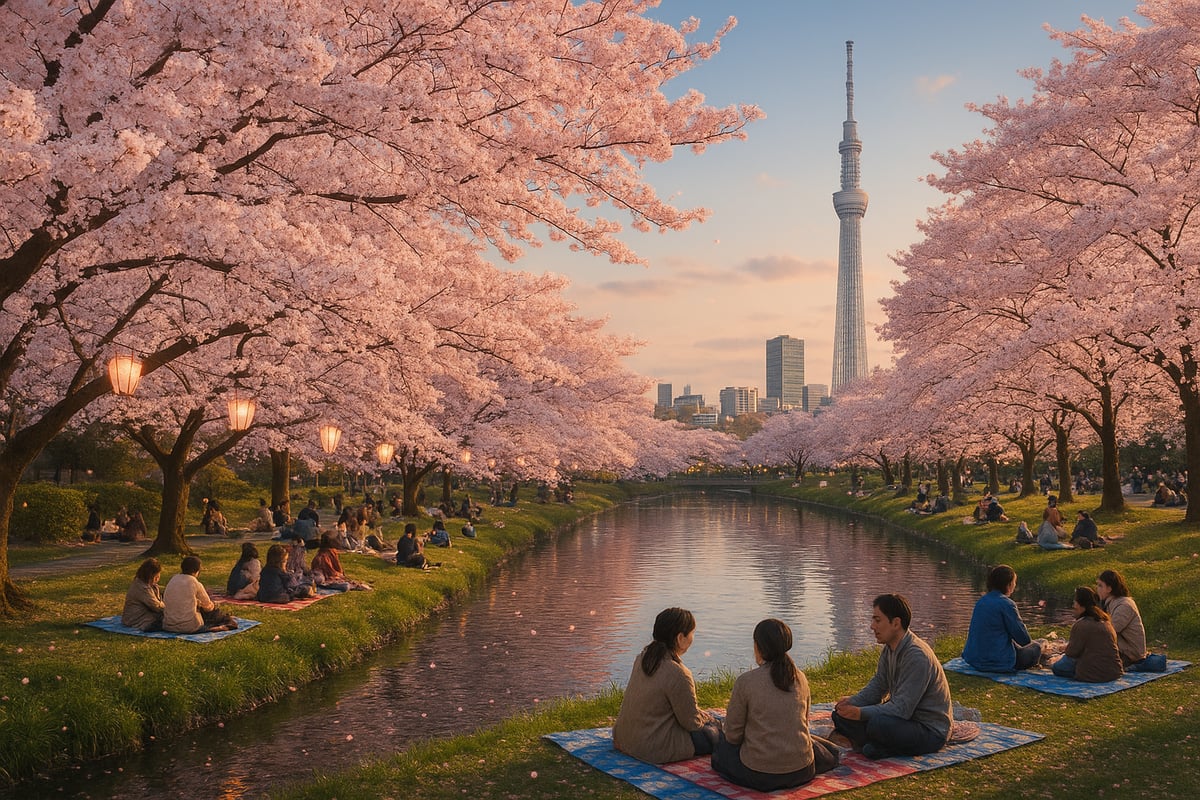
Sakura Varieties & Weather Effects
Tokyo’s cherry blossom spectacle is shaped by multiple sakura varieties. The iconic Somei Yoshino trees dominate most viewing spots, but you will also encounter late-blooming Yaezakura, as well as early-flowering species. This botanical diversity means that some areas reach their peak before or after the citywide average, offering flexibility for those hoping to catch the best displays. Weather, however, is the true wild card. A warm spell can accelerate blooming, while rain or unseasonable cold can shorten the spectacle. To maximize your chances, keep a close eye on reliable resources such as the Japan Meteorological Agency’s cherry blossom forecasts, which provide up-to-date predictions for tokyo cherry blossom timing across the city.
Hanami Traditions & City Atmosphere
Experiencing tokyo cherry blossom season is about more than just the flowers. Hanami, or “flower viewing,” is a cherished tradition involving picnics under the blossoms, festive gatherings, and lively celebrations. Parks, riversides, and even cemeteries come alive with locals and travelers enjoying seasonal treats, music, and illuminated night views. The energy is infectious, drawing crowds eager to share in the fleeting beauty. Whether you are attending a festival, wandering lantern-lit paths, or simply savoring a quiet moment beneath the trees, the atmosphere during this period is uniquely magical.
Planning Essentials & Insider Tips
With the tokyo cherry blossom season attracting visitors from around the globe, early planning is crucial. In 2024, hotels and event reservations surged months in advance, leaving many last-minute travelers scrambling for options. To secure the best experiences, book accommodations and tickets early, especially for popular spots that may require timed entry. Monitor live bloom trackers, remain flexible with your dates, and be prepared for sudden weather changes. These steps will help you make the most of your hanami adventure and ensure you do not miss a single breathtaking moment.
Tokyo’s cherry blossom season is a spectacle of nature and culture, transforming the city into a vibrant canvas of pink and white. Each viewing spot offers a distinct experience, from tranquil gardens to lively riverside promenades. Whether you are seeking serene beauty, lively festivals, or hidden gems, these eight destinations guarantee unforgettable hanami moments. Let’s explore the most iconic and unique places to witness the magic of the tokyo cherry blossom in 2025.
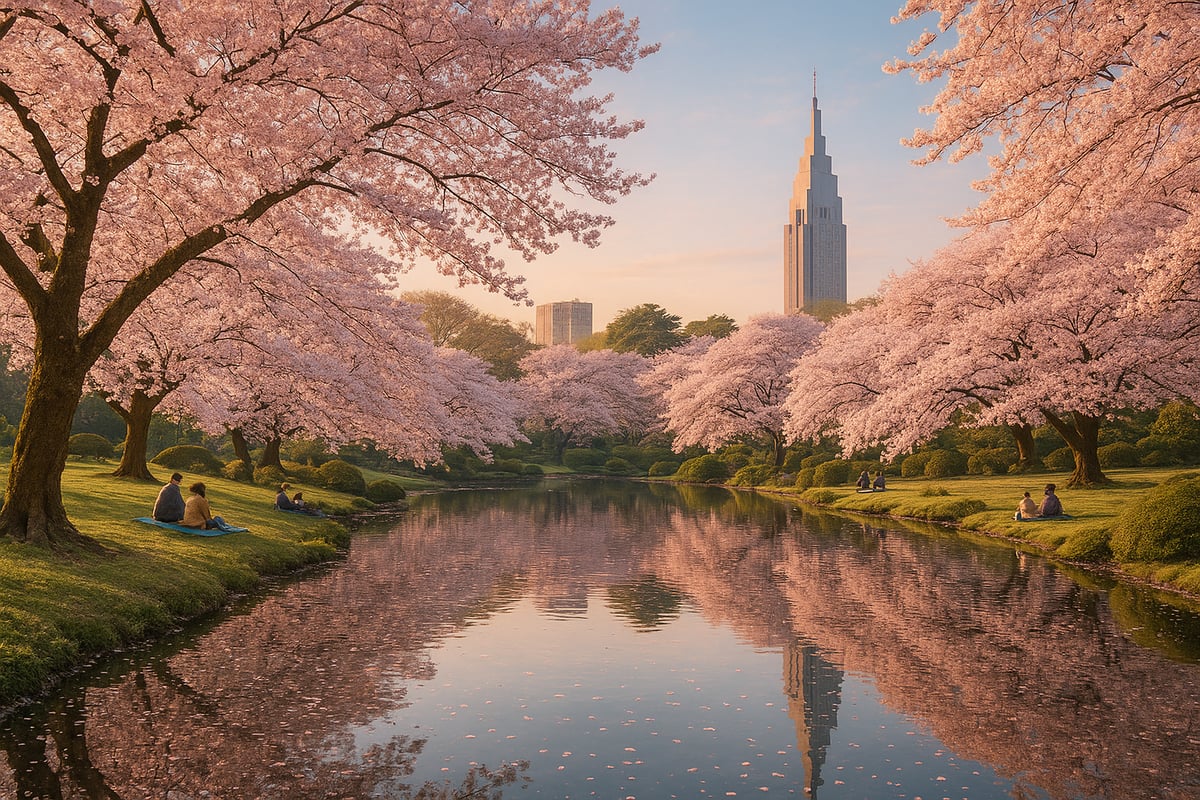
Shinjuku Gyoen National Garden is a quintessential tokyo cherry blossom destination, renowned for its vast collection of over 1,000 cherry trees and more than 60 varieties. This diversity ensures a prolonged bloom, making it possible to catch the sakura even if your timing is not perfect.
The garden’s expansive lawns, tranquil ponds, and traditional teahouses create a peaceful atmosphere. Photographers adore the dramatic backdrops, with the NTT Docomo Yoyogi building peeking above the treetops and picturesque bridges crossing serene water features. The garden’s design blends French, English, and Japanese landscaping, offering variety for every visitor.
Advance reservations are required for weekends and holidays to help manage the crowds, especially during peak tokyo cherry blossom periods. The entrance fee is ¥500, and the park is open from 9am to 6pm. Shinjuku-Gyoemmae Station provides convenient access.
Families, couples, and solo travelers alike find Shinjuku Gyoen ideal for picnics, leisurely strolls, and photography. The early and late-blooming varieties mean you have more flexibility in planning your visit. In fact, this venue’s spaciousness makes it one of the most popular sakura spots in the city.
For detailed information on hours, fees, and facilities, consult the Shinjuku Gyoen National Garden official website before your trip.
The Meguro River area is famous for its 3.8-kilometer riverside promenade, where over 800 cherry trees arch gracefully over the canal. During tokyo cherry blossom season, the sight of petals drifting on the water and lanterns lighting up the night creates an enchanting ambiance.
Nakameguro Sakura Festival enlivens the area with food stalls, sakura-themed sweets, and vibrant evening illuminations. The canal becomes especially magical at sunset, when pink blossoms glow in the fading light. If you prefer a quieter stroll, head toward the less crowded stretches near Meguro Station.
This spot is popular for romantic walks, lively street food adventures, and a buzzing nightlife scene. Easy access from Nakameguro Station makes it a convenient stop on any sakura itinerary.
Thousands flock to the festival each evening at full bloom, confirming its status as one of the most Instagrammed tokyo cherry blossom locations. Whether you are after a festive atmosphere or a peaceful riverside walk, Meguro River delivers on both fronts.
Chidorigafuchi Moat is often cited as one of the most iconic tokyo cherry blossom locations, where the historic moat is lined with mature sakura trees. The sight of blossoms mirrored in the water and the opportunity to row a boat beneath the floral canopy set this spot apart.
Boat rentals (¥800 for 30 minutes) are available, but queues form quickly. Arriving before 8am is your best chance for a serene experience. Nighttime illuminations transform the area into a dreamy landscape, perfect for couples and photographers.
The moat is close to Yasukuni Shrine and Kitanomaru Park, allowing visitors to extend their hanami adventure. Kudanshita, Ichigaya, and Hanzomon Stations all offer easy access.
A romantic boat ride under the blossoms is a classic tokyo cherry blossom experience, and the area is among the most photographed sakura scenes in all of Japan. Whether by day or night, Chidorigafuchi Moat promises lasting memories.
Ueno Park is synonymous with lively tokyo cherry blossom parties and a vibrant festival atmosphere. With over 1,000 cherry trees, the park buzzes with activity throughout the sakura season.
During peak bloom, street food vendors, live music, and cultural events fill the park. The historic temples and Shinobazu Pond offer a variety of scenic backdrops for your hanami photos. To avoid the largest crowds, plan to arrive early in the morning.
Located just steps from Ueno Station, this park is accessible and central. Hanami picnics with friends, families, and locals create a festive, community-driven vibe.
As one of Tokyo’s oldest and most beloved sakura parks, Ueno Park consistently ranks among top tokyo cherry blossom destinations. The energy here is infectious, making it a must for anyone seeking a classic hanami celebration.
Sumida Park stretches along the Sumida River, offering more than 500 cherry trees set against the dramatic silhouette of Tokyo Skytree. The riverside paths are ideal for leisurely strolls, cycling, or simply soaking in the panoramic views.
During tokyo cherry blossom season, nighttime illuminations and special sakura cruises on traditional yakatabune boats add a magical dimension. Families and photographers flock here for the skyline views and festive ambiance.
Nearby Asakusa and Senso-ji Temple allow you to blend cultural exploration with your hanami outing. Access is straightforward from Asakusa Station, making it easy to combine sightseeing and cherry blossom viewing in one trip.
Sumida Park is especially popular with those seeking a full-day tokyo cherry blossom experience, combining nature, culture, and cityscape in one memorable visit.
Inokashira Park is a favorite among locals for its tranquil atmosphere and scenic pond, surrounded by about 500 cherry trees. As petals fall, the water becomes a stunning “pink carpet,” offering a unique tokyo cherry blossom scene.
Rowboat rentals are available, and the park’s proximity to the Ghibli Museum adds a whimsical touch for families and animation fans. Less crowded than central spots, Inokashira Park is ideal for a relaxed, contemplative hanami.
Accessible from both Kichijoji and Mitaka Stations, visitors enjoy early morning tranquility and picturesque reflections. The peaceful setting makes it a top choice for those who want to escape the city’s hustle while still enjoying the beauty of tokyo cherry blossom season.
Yoyogi Park is one of Tokyo’s largest green spaces and a well-known tokyo cherry blossom gathering spot. With over 700 cherry trees and sprawling lawns, it is perfect for large picnics and group celebrations.
The park is popular with young people, expats, and anyone seeking a laid-back, social vibe. Free entry and proximity to trendy Harajuku and the Meiji Shrine make it a convenient option for both locals and tourists.
During sakura season, you will find music, street performers, and a festival-like atmosphere. Weekends are especially lively, with hanami picnics that continue into the evening.
Yoyogi Park’s open space and energetic environment make it a social tokyo cherry blossom hotspot, ideal for those looking to mingle and experience the city’s youthful spirit.
For a quieter tokyo cherry blossom experience, Yanaka Cemetery offers a serene setting among historic tombs and cherry-lined avenues. The atmosphere is contemplative, making it perfect for those who prefer reflective walks.
Sakura Dori in Shibuya presents a different side of hanami, with a short street illuminated at night for a vibrant urban display. Both locations provide unique photo opportunities and a break from the crowds found at larger parks.
Yanaka is easily reached from Nippori Station, while Sakura Dori is accessible from Shibuya Station. Together, they showcase both the traditional and contemporary facets of the tokyo cherry blossom season.
Locals cherish these hidden gems for their tranquility and character. If you are searching for a less touristy, more intimate sakura experience, these spots are well worth your time.
Experiencing the tokyo cherry blossom season at its best requires smart planning and a touch of local know-how. With the right strategies, you can capture every magical moment and avoid common pitfalls. Here are essential tips to make your hanami adventure seamless and memorable.
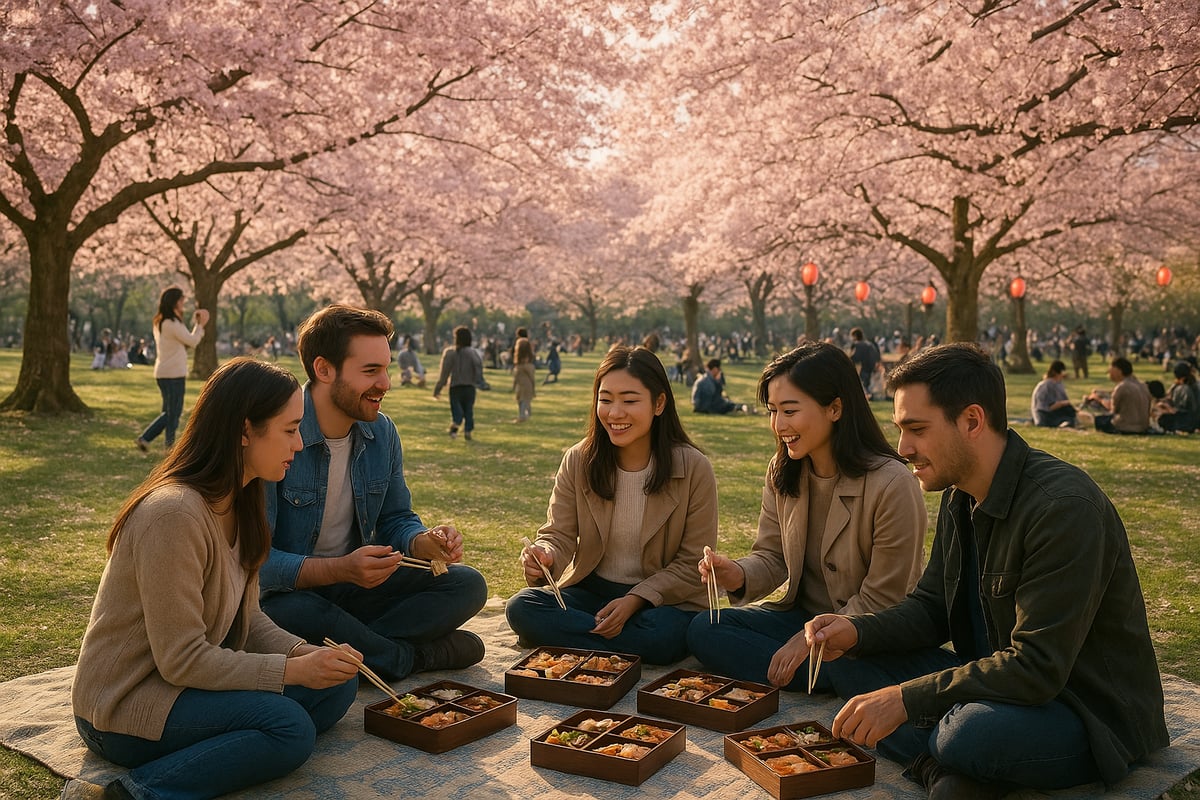
Timing is everything for the tokyo cherry blossom. The city’s blooms typically last just two weeks, making flexibility essential. Monitor live forecasts from the Japan Meteorological Agency, as weather can shift peak dates by several days. In 2024, the peak bloom surprised many travelers by arriving a week earlier than expected.
Book your accommodations and any required tickets, such as for Shinjuku Gyoen, several months in advance. This is especially important for popular dates and weekends. Using Japanese apps and websites will help you stay updated on the latest sakura status. For a nationwide perspective and more detailed planning resources, consult Japan’s Cherry Blossom Guide, which covers bloom predictions and travel strategies across the country.
The tokyo cherry blossom season draws both locals and visitors, so popular spots can get crowded quickly. To enjoy a quieter atmosphere, visit parks early in the morning or on weekdays. If you prefer tranquility, explore lesser-known riverside paths and smaller parks, which often offer equally stunning views.
Nighttime illuminations provide a different perspective, with fewer crowds and a magical ambiance. For instance, Chidorigafuchi and Meguro River are busiest at sunset, so plan accordingly. Bring a picnic mat and snacks, and always respect local hanami etiquette to ensure a pleasant experience for everyone.
Respect for tradition is a core part of the tokyo cherry blossom experience. Always clean up after your picnic, using designated trash stations or taking waste with you. Only reserve space with tarps if you are part of a group, and avoid blocking large areas unnecessarily.
Keep noise levels moderate, especially in quieter locations like cemeteries or near shrines. Ueno Park is known for its festive, lively gatherings, while Yanaka Cemetery offers a more contemplative mood. Participate in local festivals and try sakura-themed foods to immerse yourself fully in the hanami spirit.
Capturing the perfect tokyo cherry blossom photo requires planning. The best lighting is usually found early in the morning or during the golden hour before sunset. Use public transport to move efficiently between viewing spots and maximize your time.
Sakura festivals are a highlight of the season, offering food stalls, music, and cultural performances. Evening events at Nakameguro or Sumida Park are particularly popular for their illuminations. Check for local drone restrictions and always respect the privacy of those around you when taking photos.
Finding the right place to stay can make or break your tokyo cherry blossom adventure. Choosing the best neighborhoods puts iconic sakura spots within easy reach, lets you soak up the unique atmosphere of each area, and saves precious time during the fleeting bloom. Below, discover how to maximize comfort, convenience, and the magic of hanami season.
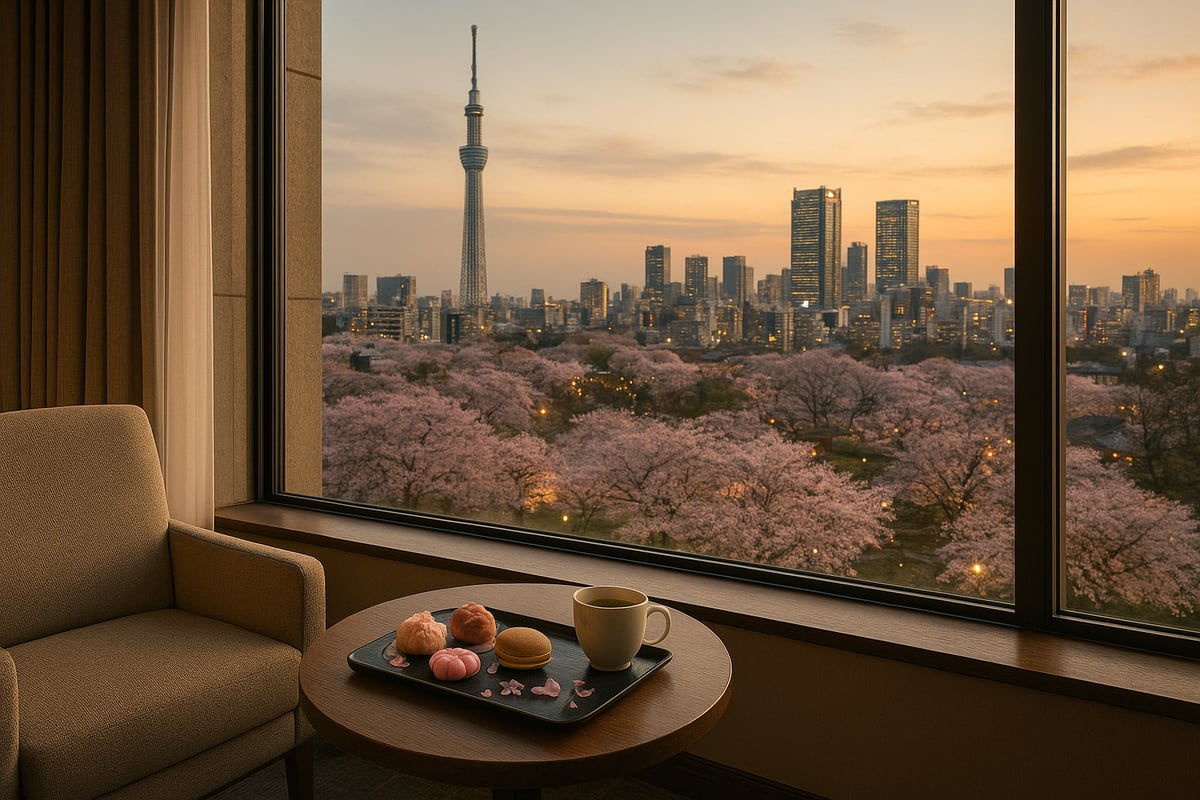
Selecting a neighborhood close to top sakura locations can transform your tokyo cherry blossom trip. Shinjuku is ideal for quick access to Shinjuku Gyoen and effortless travel via major train lines. Shibuya buzzes with youthful energy, placing you steps from Yoyogi Park and Sakura Dori. Asakusa offers a blend of tradition and convenience, with Sumida Park and Senso-ji Temple just a stroll away. Kichijoji is a favorite for its relaxed vibe and proximity to Inokashira Park.
Booking your stay in these areas means less commuting and more time immersed in the beauty of the blooms. Each neighborhood provides a unique perspective on hanami, whether you crave lively parties or tranquil walks.
Accommodation fills up quickly during tokyo cherry blossom season, so reserve four to six months ahead for the best options and rates. Many hotels located near parks or rivers offer rooms with sakura views, giving you a private hanami moment. Consider boutique hotels or Airbnb stays for a more local feel, or look for properties with rooftop terraces for exclusive viewing.
Some hotels design special hanami packages, including picnic baskets or guided tours. For more inspiration and detailed travel advice, explore the Cherry Blossom Viewing in Tokyo resource to plan your perfect stay.
A tokyo cherry blossom trip can be much more than viewing flowers. Plan day trips to destinations like Showa Memorial Park or join guided tours that reveal hidden gems and cultural stories. Enjoy seasonal treats such as sakura mochi or limited-edition drinks found only during this period. Enhance your adventure with unique experiences, like an evening river cruise or a visit to the Ghibli Museum after a morning hanami picnic.
To deepen your understanding of Japanese garden aesthetics, consider referencing the Japanese Gardens in Tokyo guide, which highlights tranquil spaces perfect for reflective hanami moments.
Efficient transit is key to maximizing your tokyo cherry blossom experience. Use JR and Tokyo Metro lines to zip between viewing spots. Prepaid IC cards like Suica or Pasmo make travel seamless, letting you combine neighboring attractions—such as Ueno Park and Yanaka Cemetery—in a single outing. Public transport is frequent and accessible, so you can spend less time commuting and more time immersed in sakura scenery.
Cherry blossom season in Tokyo is magical, yet it comes with many practical questions. Below, we address the most common queries to help you enjoy the 2025 tokyo cherry blossom experience to the fullest.
When will the 2025 tokyo cherry blossom season start?
According to the Japan Meteorological Agency, blossoms are forecast to begin opening around March 24, with full bloom likely between March 29 and 30. The season typically lasts about two weeks but can shift due to weather.
How long do the cherry blossoms last in Tokyo?
The peak viewing window is short, often just seven to ten days. Rain or sudden warmth can shorten this further, so flexible travel dates are wise.
How can travelers check real-time bloom status?
Use official apps and websites, such as the Japan Meteorological Agency’s online trackers, for up-to-date tokyo cherry blossom reports. These tools help adjust plans on the go and avoid missing peak bloom.
| Event | 2025 Forecast Dates |
|---|---|
| First Bloom | March 24 |
| Full Bloom | March 29–30 |
| Season End | Early April |
Are major cherry blossom spots accessible?
Most tokyo cherry blossom venues are stroller- and wheelchair-friendly. For example, Ueno Park information details accessible routes, restrooms, and facilities.
Can I reserve picnic spots in advance?
Some parks, like Shinjuku Gyoen, require advance reservations for entry on busy days. However, most public parks operate on a first-come, first-served basis.
What are the rules for food and alcohol?
Bringing food is encouraged for hanami picnics, but check each venue’s policies regarding alcohol. Always clean up after yourself using designated trash stations.
What etiquette should I follow?
Respect local customs by keeping noise levels low, especially near shrines and cemeteries. For deeper insight, explore Traditional Hanami Experiences to understand the cultural background of tokyo cherry blossom viewing.
When is the best time for tokyo cherry blossom photography?
Early morning offers softer light and fewer crowds, while golden hour creates warm, dreamy images. Nighttime illuminations at key spots provide a unique perspective.
Are guided tours or private experiences available?
Yes, many companies offer walking tours or private hanami excursions. These often include local guides who share history and insider tips.
Can I enjoy sakura if I miss peak bloom?
Absolutely. Tokyo features early and late-blooming varieties across different parks, so even if you miss the main wave, you can still find spectacular displays.
Do I need tickets or reservations at all parks?
Some parks, such as Shinjuku Gyoen, require tickets or reservations during peak season, while others are free and open to all.
What if the weather changes unexpectedly?
Always have a backup plan and monitor live updates. Flexibility is your best asset during tokyo cherry blossom season.
As you plan your sakura adventure for 2025, imagine strolling beneath Tokyo’s breathtaking cherry blossom canopies, discovering both celebrated icons and hidden local gems. Every detail—from timing your visit to savoring unique hanami traditions—can transform your journey into something extraordinary. If you want each moment perfectly tailored to your interests, let’s elevate your experience together. Speak with a Japan specialist who understands the nuances of Tokyo’s cherry blossom season and can customize your itinerary for seamless, unforgettable memories.
Elevate your travel story: Speak with a Japan specialist and tailor your adventure.