In this guide
- 01What “Zero-Friction” Actually Means On The Golden Route In 2026
- 02The Private-Household SOP: How We Run Tokyo → Hakone → Kyoto
- 03Tokyo: Low-Visibility Arrivals, Quiet Power, And Shokunin Time
- 04Tokyo → Kyoto: Ticketless Shinkansen, Oversized Baggage Rules, And Calm Boarding
- 05Kyoto In 2026: Hands-Free Days, Overtourism Etiquette, And Tax Clarity
- 06Hakone As The Reset Button: Onsen Cadence, Wabi-Sabi Space, And A 2026 Opening To Watch
- 07The “Invisible Staff” Model: How Dedicated Fixers Prevent Bad Moments
- 08How To Book The Components (Official Methods Only)
- 09FAQ: Zero-Friction Tokyo–Kyoto–Hakone For UHNW Travelers
- 10Why Choose Japan Royal Service
Tokyo–Kyoto–Hakone is Japan’s classic corridor. It is also where luxury trips quietly break.
Not because the hotels disappoint. Not because the cuisine fails. It breaks in the gaps: the suitcase you drag through Kyoto Station, the lobby exposure you didn’t plan for, the Shinkansen boarding moment that turns into a small crowd around your family.
Our team designs journeys that move like a private household. Calm, watchful, and low-visibility. This guide shows the mechanics—so you can travel with fewer decisions and more silence.
What “Zero-Friction” Actually Means On The Golden Route In 2026
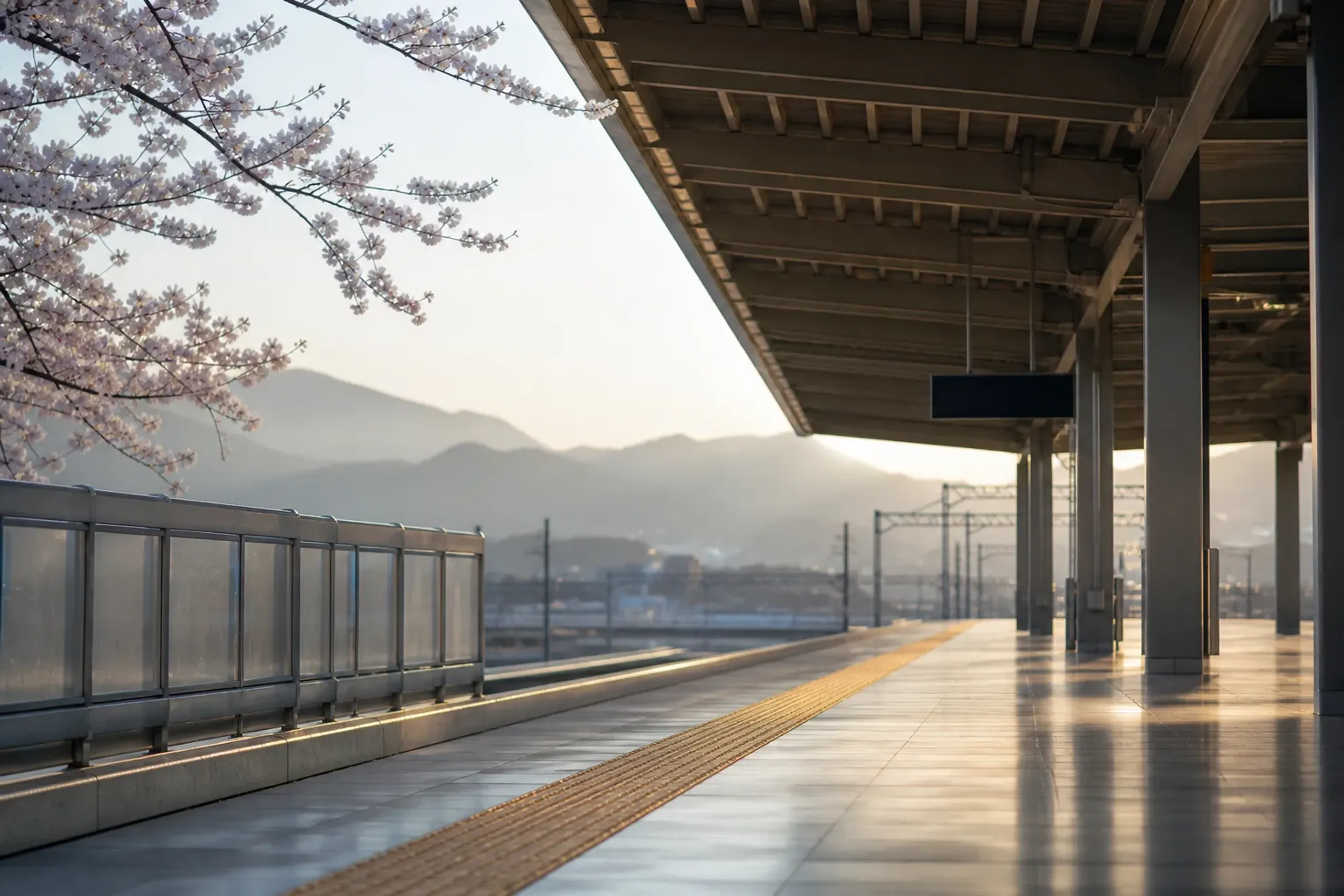
Zero-friction begins before the first boarding moment.
Zero-friction is not a buzzword. It is a choreography.
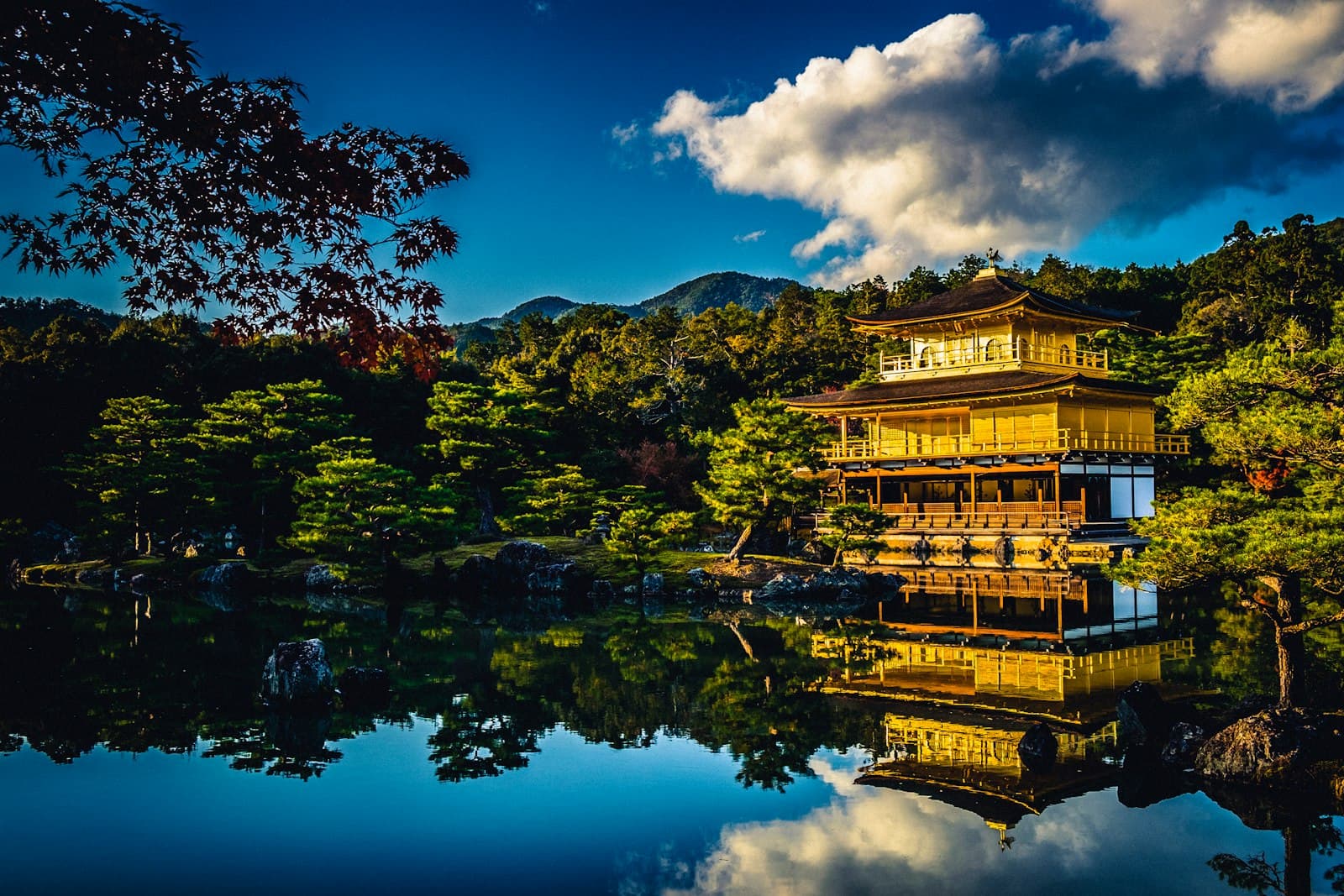
In 2026, the Golden Route is still the Golden Route—Tokyo → Hakone → Kyoto is even spelled out by JNTO as a classic first-time itinerary. The difference is pressure: crowded corridors, stricter luggage realities, and a stronger public push for “hands-free” movement in Kyoto.
Our approach is simple. Reduce contact points. Reduce visible waiting. Keep your party together, and your identity quiet.
The Three Frictions That Ruin Otherwise Perfect Trips
Most competitors sell “private guides” and “24/7 support.” Fine. The sharper question is where friction actually enters your day.
- Baggage friction: oversized suitcases, station stairs, and last-minute storage improvisation.
- Time friction: transfers stacked too tightly, no buffers for weather, and no plan for early check-in constraints.
- Visibility friction: public arrivals, crowded lobbies, and predictable routing that draws attention.
Key fact: Kyoto City officially promotes “hands-free sightseeing” through its HANDS FREE KYOTO program, including luggage storage and delivery options, with services that can include same-day delivery between Tokyo and Kyoto.
The Private-Household SOP: How We Run Tokyo → Hakone → Kyoto
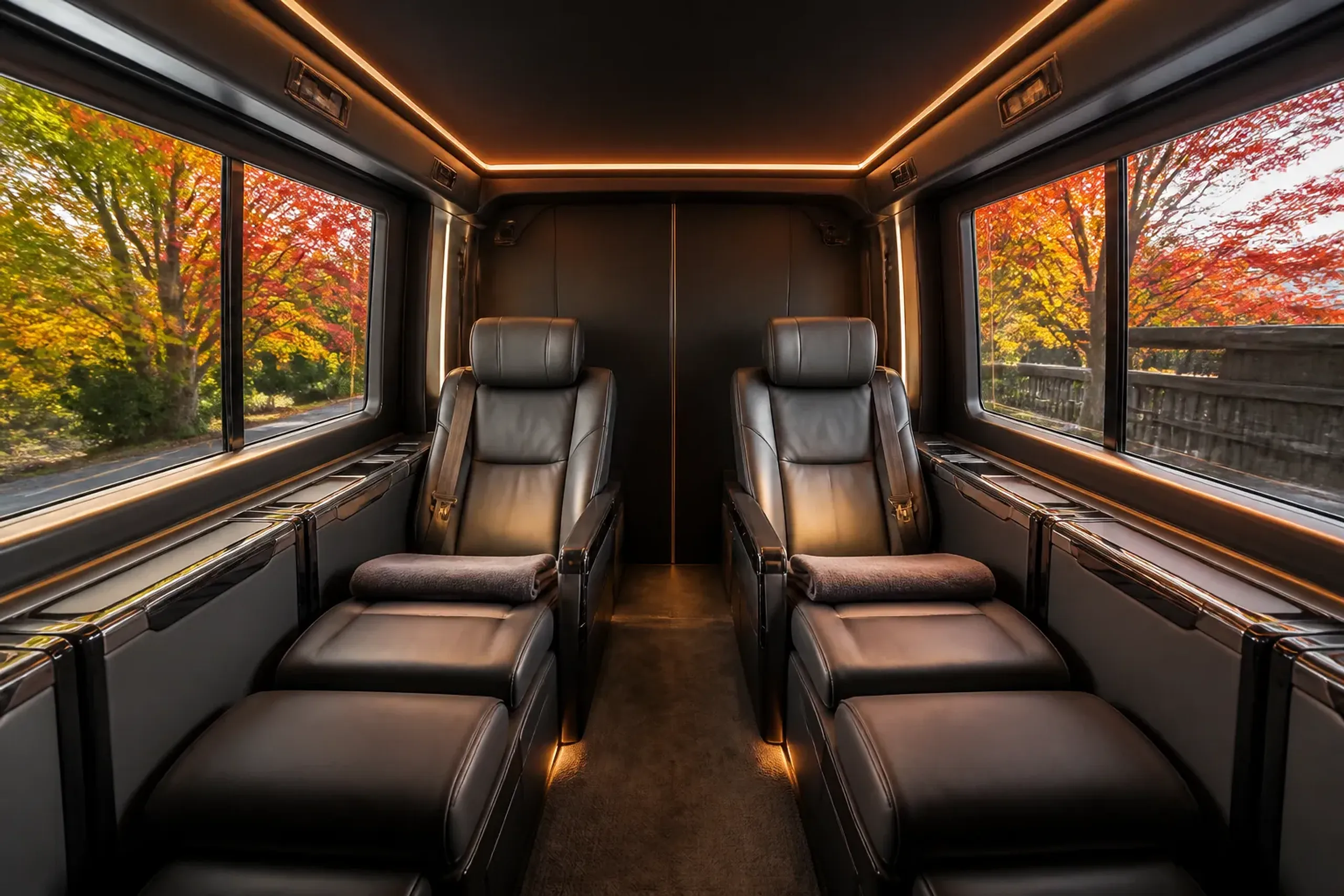
Movement is easiest when the cabin feels like your own living room.
When UHNW clients tell us they want “easy,” they rarely mean shorter. They mean managed.
We think in household terms: a controlled morning departure, a single point of communication, and a day that can bend without snapping. The goal is not speed. It is composure.
Phase 1: Pre-Departure Night (Tokyo)
The night before a transfer is where calm is won. Or lost.
We encourage guests to pack with two layers: a small “next 24 hours” bag, and the rest of the wardrobe that can travel independently. It is a small habit. It changes everything.
- Pack a slim carry: onsen set, one change of clothes, essential skincare, and chargers.
- Separate valuables: watches, jewelry, and critical documents stay with you, always.
- Plan for the ryokan cadence: arrival, bathing, dinner pacing, then sleep.
Phase 2: Departure Window And Controlled Movement
We prefer earlier departures than most travelers expect. Not dramatic. Just smart.
Leave before the city hardens into its daytime rhythm. The car door closes. The day becomes quieter.
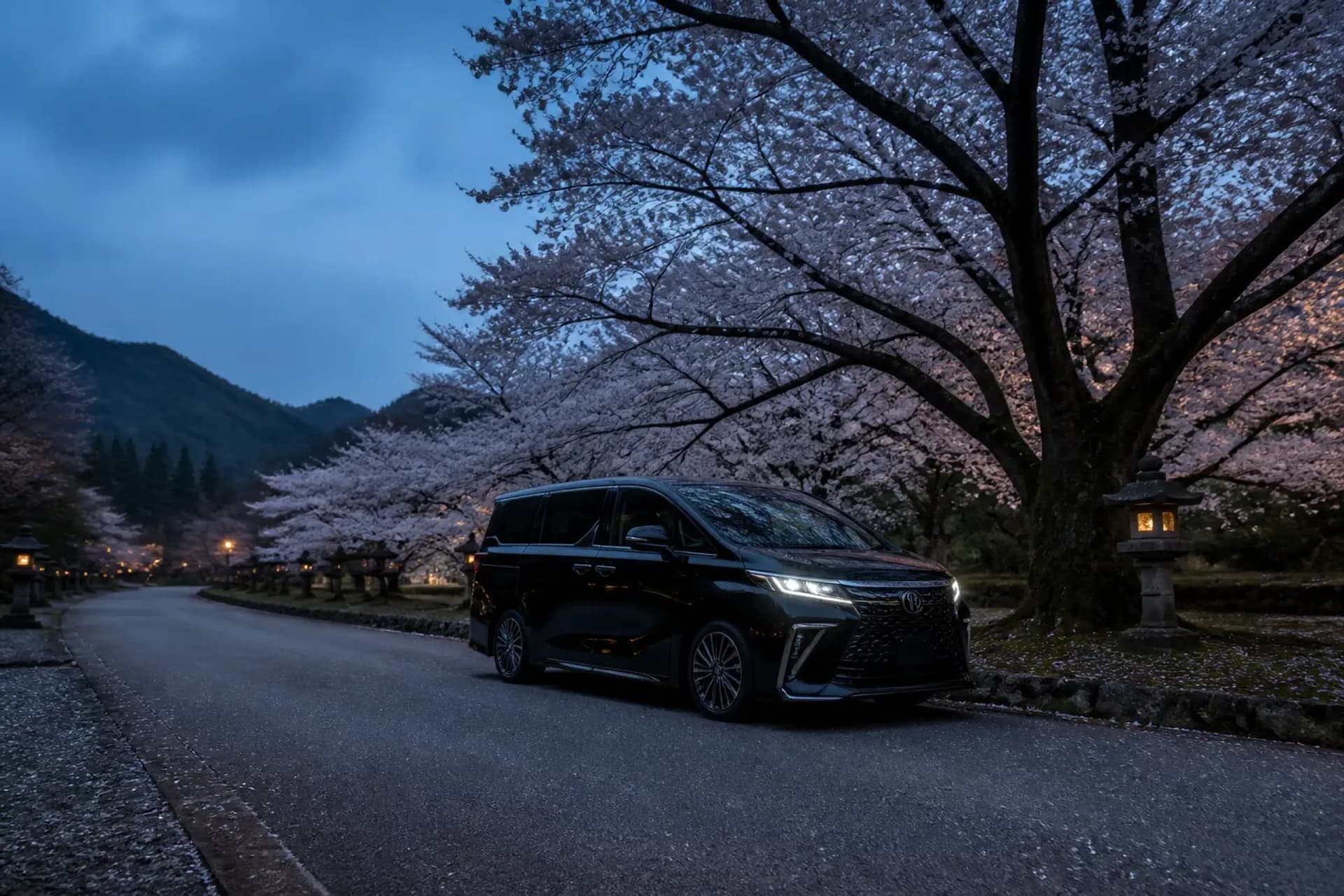
For private transportation, we route with chauffeur-driven discretion, especially for families or parties with security requirements. The first mention matters, so here it is: our clients often choose private transportation when the priority is privacy and time control.
Phase 3: Luggage Choreography (The “No Bags” Day)
This is the trick that makes the Golden Route feel like a private residence moving with you. No bags in stations. No suitcase gridlock in a hotel lobby.
Kyoto’s official HANDS FREE KYOTO guidance supports the same idea: use luggage delivery and storage so you can sightsee without hauling cases. Yamato Transport’s TA‑Q‑BIN standards are also clear about size and weight limits, which matters for UHNW wardrobes and family gear.
- Know the limit: Yamato states a maximum size of 200 cm (total dimensions) and maximum weight of 30 kg for TA‑Q‑BIN suitcases.
- Design the day around your “carry”: the less you hold, the more invisible you become.
- Use same-day delivery strategically: Kyoto’s hands-free program lists services that can include same-day Tokyo–Kyoto delivery, useful when you want to arrive and dress for dinner without delay.
Tokyo: Low-Visibility Arrivals, Quiet Power, And Shokunin Time
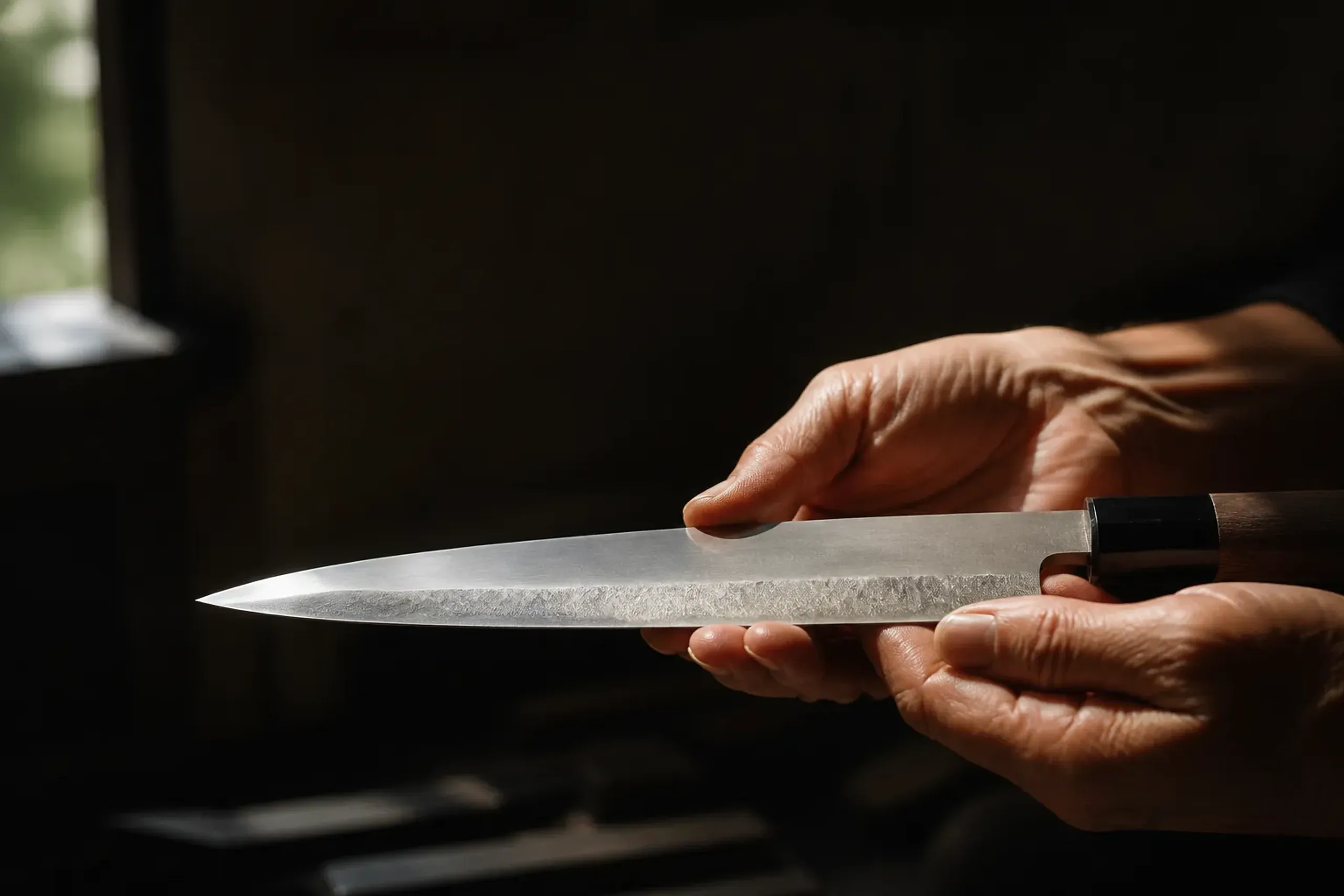
Tokyo is not “do more.” Tokyo is “do precisely.”
For UHNW travelers, the city rewards restraint: a late-morning museum window, a private salon appointment, or a single shokunin encounter that changes how you understand craft. That is real luxury. Not a checklist.
Where Tokyo Becomes Effortless
We plan Tokyo with fewer crossings and fewer bottlenecks. Big crossings are where attention collects.
Instead, we build compact days: Ginza into Nihonbashi, or a quiet pocket of Minato City that keeps you close to your hotel between engagements. Small distances. Better control.
Shokunin, Not Spectacle
Shokunin experiences work best when they are private, timed, and treated as serious appointments. No selfies. No rush.
In our experience, guests remember the details: tool marks on a blade, the rhythm of hands, the silence between instructions. This is the Japan that lingers.
Tokyo → Kyoto: Ticketless Shinkansen, Oversized Baggage Rules, And Calm Boarding
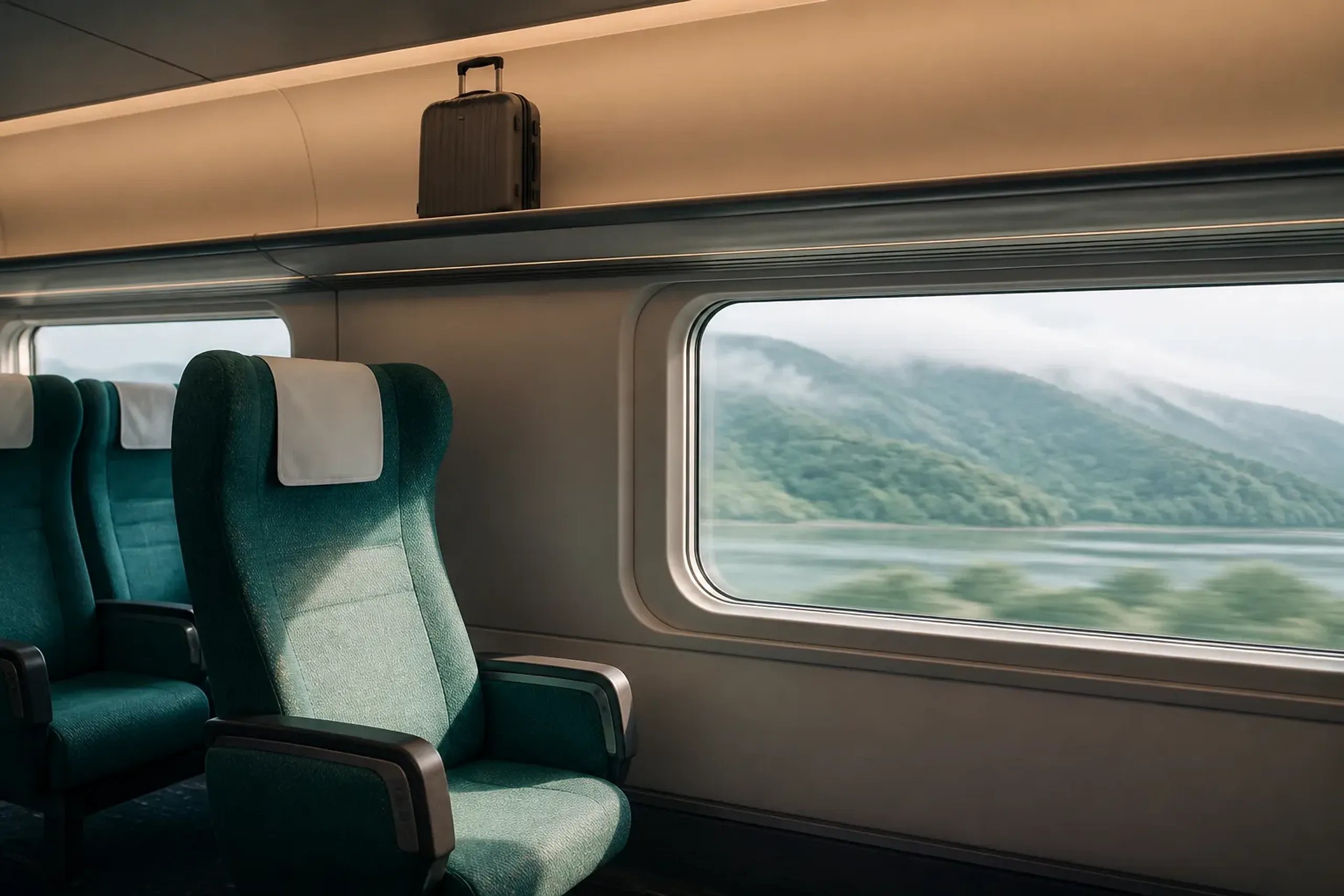
The right baggage plan keeps the rail leg quiet.
This leg should feel boring. That is the point.
Two operational facts matter in 2026: the Shinkansen can be made calmer with smart seat selection, and the Japan Rail Pass conversation is shifting again.
SmartEX And The “Touch IC Card” Workflow
SmartEX—the online reservation service for the Tokaido/Sanyo/Kyushu Shinkansen—describes seat types you can reserve, including “Seat with oversized baggage area.” It also explains that you can board by touching a registered IC card.
Done properly, boarding becomes a non-event. No paper shuffle. No last-second gate confusion.
Oversized Baggage: The Rule That Creates Station Drama
Many luxury travelers discover oversized baggage rules too late. Then they improvise in public.
We prefer a cleaner decision: either reserve appropriately (SmartEX highlights oversized baggage area seats), or remove the baggage from the rail segment entirely through delivery. The second option is often the more discreet one.
Japan Rail Pass Pricing Changes In 2026
JNTO has reported that JR Group announced nationwide Japan Rail Pass prices will increase effective October 1, 2026 (local time at the location of purchase), referencing an April 9 press release. This does not mean the pass is “bad.” It means the pass should be a deliberate choice.
Point-to-point tickets can be the calmer strategy when you want exact train times, exact seats, and fewer compromises. For questions on which approach fits your party’s routing, our concierge can guide you.
Kyoto In 2026: Hands-Free Days, Overtourism Etiquette, And Tax Clarity
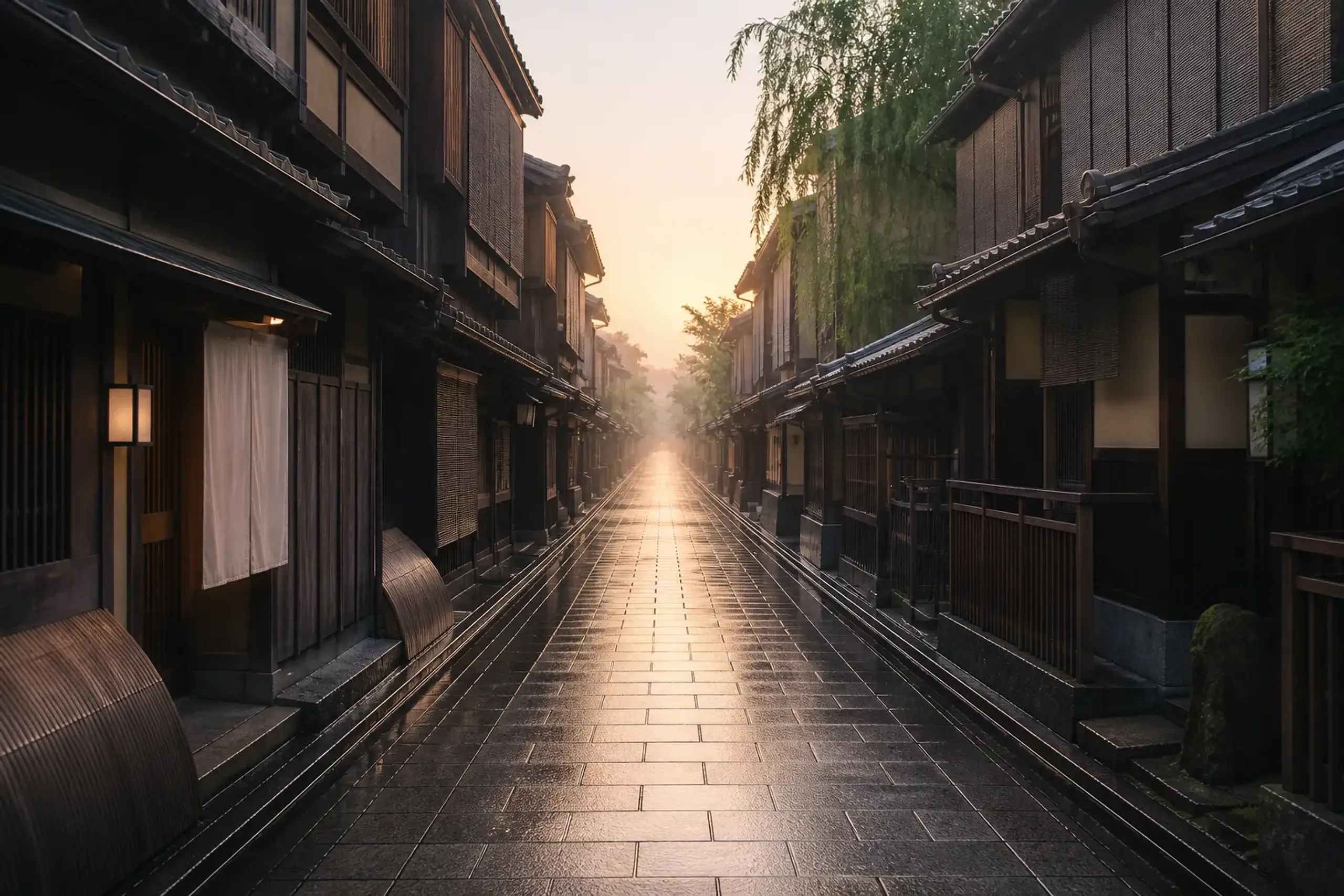
In Kyoto, timing and restraint are part of good manners.
Kyoto is where luxury becomes ethics. Quietly.
The city is explicit about visitor guidance in 2026: it recommends hands-free travel and encourages travelers to adjust behavior to reduce congestion. Japan’s national policy direction also points toward overtourism countermeasures, with the Japan Tourism Agency publishing initiatives and updates tied to the March 27, 2026 Tourism Nation Promotion Basic Plan.
Hands-Free Kyoto Is Not Just Convenience
Hands-free is also a social cue. When you are not dragging luggage through narrow streets, you are taking less space.
That matters in Kyoto. It also keeps your day elegant: arrive, step into a car, and continue—without the telltale “tourist-with-bags” silhouette.
Kyoto Accommodation Tax Change (Effective March 1, 2026)
This is one of the few “money” topics UHNW travelers still want spelled out. Because surprises are irritating.
Kyoto’s accommodation tax rates changed starting March 1, 2026. Official guidance indicates the highest band is set at ¥10,000 per person per night for accommodation fees of ¥100,000 or more, and Kyoto City’s published brackets (updated March 27, 2026) also include ¥4,000 per person/night for stays priced ¥50,000–<¥100,000.
| Kyoto Accommodation Fee (Per Person, Per Night) | Kyoto Accommodation Tax (From Mar 1, 2026) |
|---|---|
| ¥50,000–<¥100,000 | ¥4,000 |
| ¥100,000 or more | ¥10,000 |
We do not treat this as an afterthought. When our team at Japan Royal Service designs a tailor-made itinerary, we flag Kyoto’s tax rules early so proposals stay clean and predictable.
Overtourism: What Changes For UHNW Guests
Kyoto does not need you to “avoid tourists.” That language is crude. It needs you to move with awareness.
Kyoto Travel’s official visitor guidance urges hands-free movement and exploring lesser-known areas to reduce congestion. The Japan Tourism Agency also publishes overtourism prevention initiatives, with updates shown as of April 24, 2026.
So we plan like this: earlier temple windows, compact neighborhoods, and fewer “main street” moments. It is not hiding. It is manners.
Hakone As The Reset Button: Onsen Cadence, Wabi-Sabi Space, And A 2026 Opening To Watch
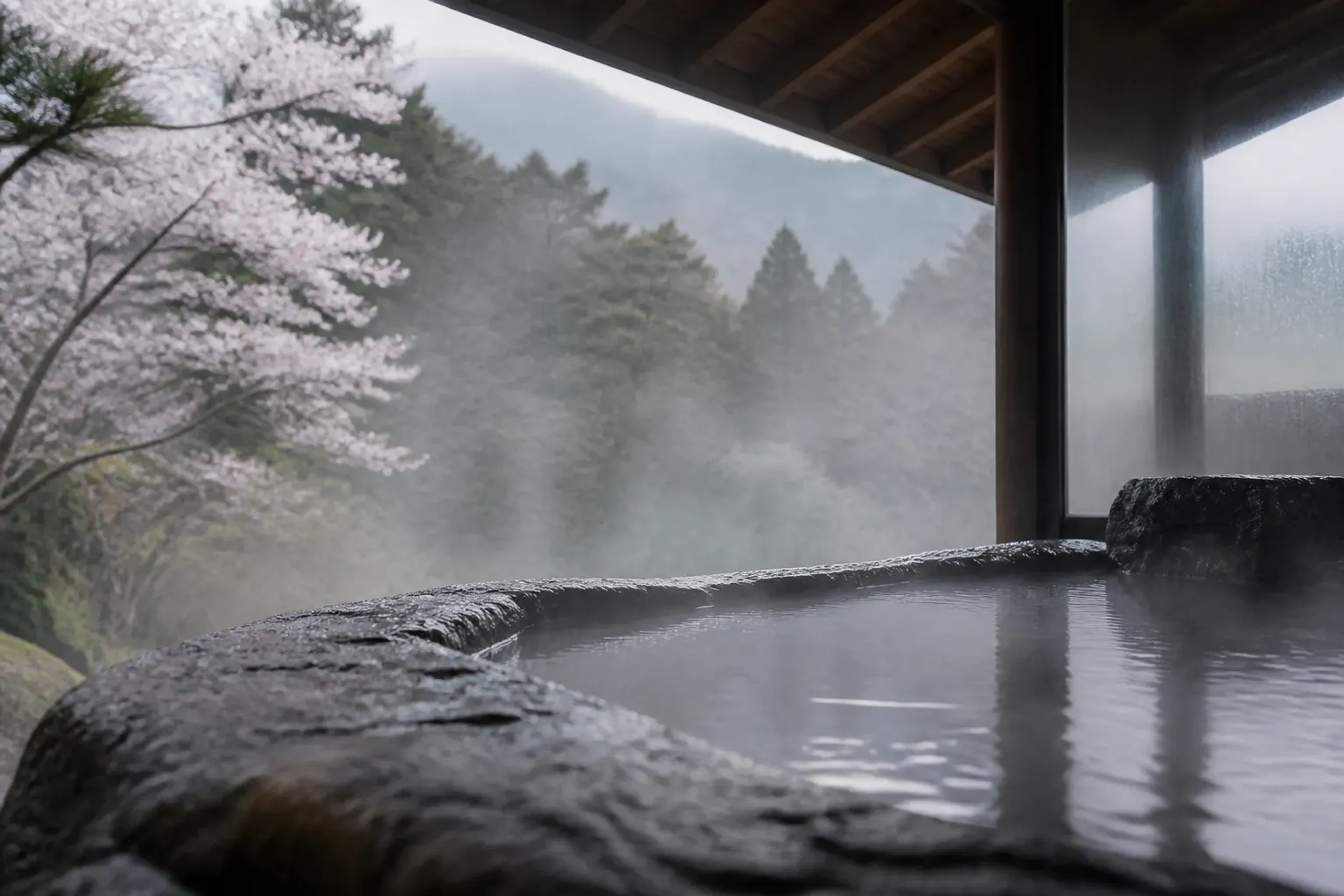
Hakone is where the body finally slows down.
Hakone is where your body catches up. Finally.
For most UHNW parties, one night is a tease. Two nights restores sleep, appetite, and patience. The pacing matters more than the sightseeing.
A Simple Hakone Rhythm That Works
Arrive before dusk. That is the whole trick.
Check in, bathe, and let the first onsen soak reset your breathing. Dinner should not be treated like entertainment. It is timekeeping.
HOTEL THE MITSUI HAKONE (Opening December 15, 2026)
One confirmed opening is worth noting because it fits the privacy-first mood of 2026 travel design.
HOTEL THE MITSUI HAKONE is scheduled to open on December 15, 2026, and is positioned around nature immersion in Fuji-Hakone-Izu National Park, with private onsen in accommodations. A July 13, 2026 corporate release also notes a partnership with Marriott’s The Luxury Collection, which will increase awareness and demand.
We mention this for one reason: openings change routing behavior. When a property like this arrives, Hakone becomes a stronger counterweight to Tokyo and Kyoto—especially for guests who value discretion and a wabi-sabi sense of space over lobby theater.
Imperial-Class Restraint: Formality Without Noise
Hakone has a long history as a restorative pause near the capital. The mood is formal, but not flashy.
We aim for imperial-class restraint: careful timing, measured arrival, and privacy in the spaces that matter—bath, dining, and sleep.
The “Invisible Staff” Model: How Dedicated Fixers Prevent Bad Moments
Ultra-luxury travel is not defined by what happens. It is defined by what does not happen.
Our concierge team operates like dedicated fixers behind the scenes: tracking timing, watching weather, and keeping enough slack in the day that you never see a scramble. Quiet work. Sharp outcomes.
What This Looks Like For Families And Entourages
Families do not need more activities. They need fewer transitions.
- One channel: a single point of communication for decisions and changes.
- Buffer blocks: time that exists only to absorb reality—late breakfasts, a child’s mood, a shopping detour.
- Soft landings: arrivals that avoid the busiest lobby moments when possible.
Private Household Integration At Ryokan: The Practical Version
Ryokan hospitality is precise. It is also structured.
When guests want a “private household” feel, the practical method is to respect the ryokan’s cadence: communicate preferences early, keep arrival times stable, and avoid late changes that force public corrections. That is how you keep the experience calm for you and for the staff.
How To Book The Components (Official Methods Only)
Some parts of this corridor are booked through official providers. Others are policy-driven and require advance planning.
We keep this section strictly factual, because the mechanics matter.
HANDS FREE KYOTO (Luggage Storage/Delivery)
- Where to learn: Kyoto City’s official HANDS FREE KYOTO program site explains hands-free travel and lists participating services, including delivery options that can include same-day Tokyo–Kyoto delivery.
- What to confirm: size, timing cutoffs, and eligible drop-off/pick-up locations depend on the specific provider listed on the official site.
- For questions: contact our concierge team for tailored guidance based on your hotels and day plan.
Yamato Transport TA‑Q‑BIN (Luggage Delivery Standards)
- Key limits (published by Yamato): maximum 200 cm total dimensions and maximum 30 kg for suitcases sent via TA‑Q‑BIN.
- Round Trip TA‑Q‑BIN: Yamato states the return service can be used up to one month from the day you drop off luggage.
- For questions: contact our concierge team to map luggage size and timing to your routing.
SmartEX (Shinkansen Reservations)
- What it is: SmartEX is an internet reservation service for the Tokaido/Sanyo/Kyushu Shinkansen.
- What it offers (per SmartEX): reservable seat types include “Seat with oversized baggage area,” and you can board by touching a registered IC card.
- For questions: contact our concierge team about seat strategy, baggage compliance, and calm boarding routines.
ANA TEBURA Service (Airport Baggage Delivery Option)
- What ANA states: ANA describes the TEBURA Service (with Yamato Transport) as an airport baggage delivery option that, combined with online check-in, can allow travelers to proceed directly to the security checkpoint on departure day.
- When it helps: departure mornings, especially when you want to avoid last-minute baggage queues.
- For questions: contact our concierge team to align this with your flight timing and baggage count.
FAQ: Zero-Friction Tokyo–Kyoto–Hakone For UHNW Travelers
Who Is This Style Of Trip For?
It is for travelers who value privacy, low visibility, and predictable days. UHNW families, executives, and long-haul travelers with tight tolerance for friction tend to benefit most.
Is The Tokyo–Hakone–Kyoto Route Still Worth Doing?
Yes, when it is paced correctly. JNTO itself frames Tokyo → Hakone → Kyoto as a classic corridor. The difference is how you move: hands-free days, controlled departures, and fewer public bottlenecks.
How Do We Avoid Dragging Suitcases Through Kyoto?
Kyoto City promotes hands-free sightseeing through HANDS FREE KYOTO, which lists storage and delivery services and can include same-day Tokyo–Kyoto delivery. Many UHNW guests carry only a slim overnight bag and keep the rest delivered.
What Is The Biggest Mistake On The Shinkansen Segment?
Assuming baggage will “work itself out.” It won’t.
SmartEX highlights seats with oversized baggage area, and it notes ticketless boarding by touching a registered IC card. Plan seats and baggage deliberately, or remove baggage from the rail leg via delivery.
What Changed In Kyoto In 2026 That Luxury Travelers Should Know?
Kyoto’s accommodation tax rates changed starting March 1, 2026. Official guidance sets the highest band at ¥10,000 per person per night for accommodation fees of ¥100,000 or more, and published brackets include ¥4,000 for ¥50,000–<¥100,000 stays.
How Do Competitors Compare (Tokyo MK, Virtuoso, Black Tomato, Quintessentially, InsideJapan Tours)?
Tokyo MK is often associated with straightforward chauffeured transport. Virtuoso can be strong for hotel relationships. Black Tomato and Quintessentially lean into broad lifestyle concierge positioning. InsideJapan Tours is operationally explicit, even listing luggage forwarding on certain itineraries.
Where we see the gap is “household-grade” execution across the whole corridor: the luggage choreography, low-visibility arrivals, shokunin access, and the discretion policy that prevents identity leakage. That is the difference UHNW guests feel day after day.
Why Choose Japan Royal Service
Japan Royal Service is built for clients who want Japan to run like a private household, not a public itinerary.
Discretion comes first. We treat identity, routing, and daily timing as confidential, because privacy is not a preference at UHNW level—it is a requirement. Quiet coordination is the product.
We plan around shokunin access and wabi-sabi space. A private session with a true craft master changes the emotional register of a trip. So does a suite chosen for silence, not status.
We design “Hidden Japan” moments inside a famous corridor. Tokyo–Kyoto–Hakone can still feel undiscovered when routing is intelligent and introductions are handled with care.
If you want Tokyo–Kyoto–Hakone to feel managed, private, and unhurried, reach our team privately via WhatsApp or LINE, or contact us here.