In this guide
- 01What Yufuin Actually Is (And What It Isn’t)
- 02When Is The Best Time To Visit Lake Kinrin For Mist And Quiet?
- 03Why Is Yunotsubo Kaido So Crowded, And Can You Avoid It?
- 04How Do You Get To Yufuin From Fukuoka Or Oita Without Stress?
- 05Ryokan Culture In Yufuin: What A Stay Feels Like
- 06Why Staying Overnight Changes Everything In Yufuin
- 07Weekday Vs Weekend In Yufuin: The Difference Is Not Small
- 08How Far Ahead Should You Plan A Yufuin Ryokan Stay?
- 09Yufuin In 2026: Dates That Affect Crowds And Transfers
- 10Yufuin With A Dog: The New Luxury Option In 2026
- 11Yufuin Vs Beppu: Who Should Choose Which?
- 12Let Us Time Yufuin For You
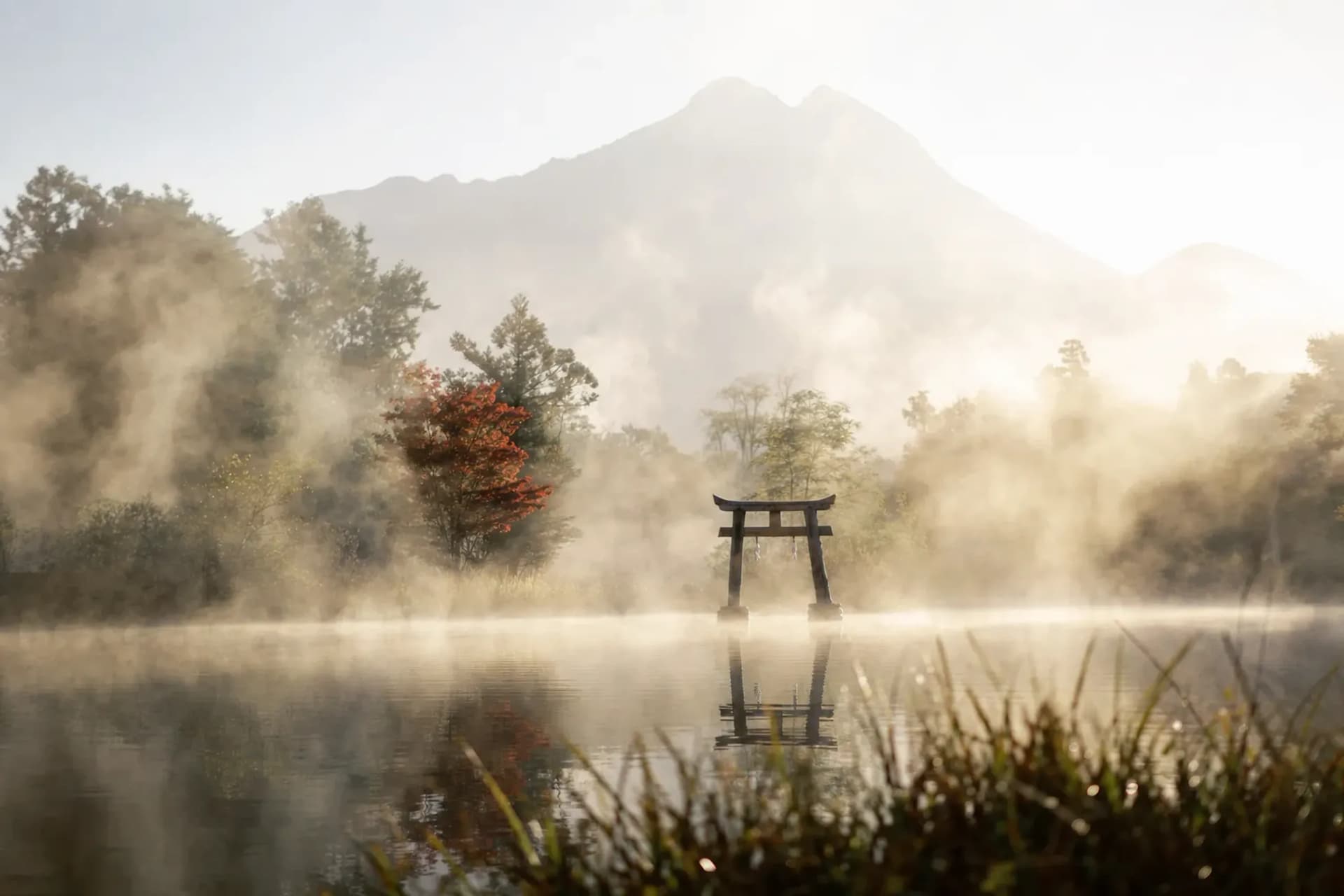
The photograph is real: morning mist curling over Lake Kinrin, with Mount Yufu’s twin peaks rising behind it in soft focus.
So is the part nobody posts: Yunotsubo Kaido packed shoulder-to-shoulder by late morning on weekends. Same town. Different hour.
If you plan Yufuin like a day trip, you often get the crowd first and the quiet last. Bad trade.
This guide shows you how to time Yufuin for what it actually does best: boutique ryokan stays, private bathing, and an evening calm that arrives the moment the last trains carry the day-trippers home. It is a town best measured in hours, not attractions—and knowing which hour to claim is precisely what separates a rushed visit from a restorative one.
What Yufuin Actually Is (And What It Isn’t)
Yufuin sits in a mountain basin in Oita Prefecture, at the base of Mount Yufu. The setting shapes everything: cool air in the morning, a wide sky overhead, and a town plan that feels spread out and unhurried rather than compressed.
Yufuin is often described as a gentler alternative to Beppu, about 30 kilometers away. That’s accurate. It’s not “better.” It’s simply a different mood.
Don’t come expecting big-city energy or a sprawling resort complex. Don’t come expecting a secret, undiscovered village either.
What you should expect is ryokan culture that leans boutique and personal, with private outdoor baths (rotenburo) as the center of the stay, and a design-conscious, quieter tone that settles over the town once the daytime wave passes.
Why The Water Feels Different Here
In our experience, many first-time onsen guests find Yufuin’s water easier to love. It’s often described as softer and gentler than Beppu’s, which can feel more intense depending on the spring type you encounter.
That softness matters when you’re learning the rhythm: bathing, resting, bathing again.
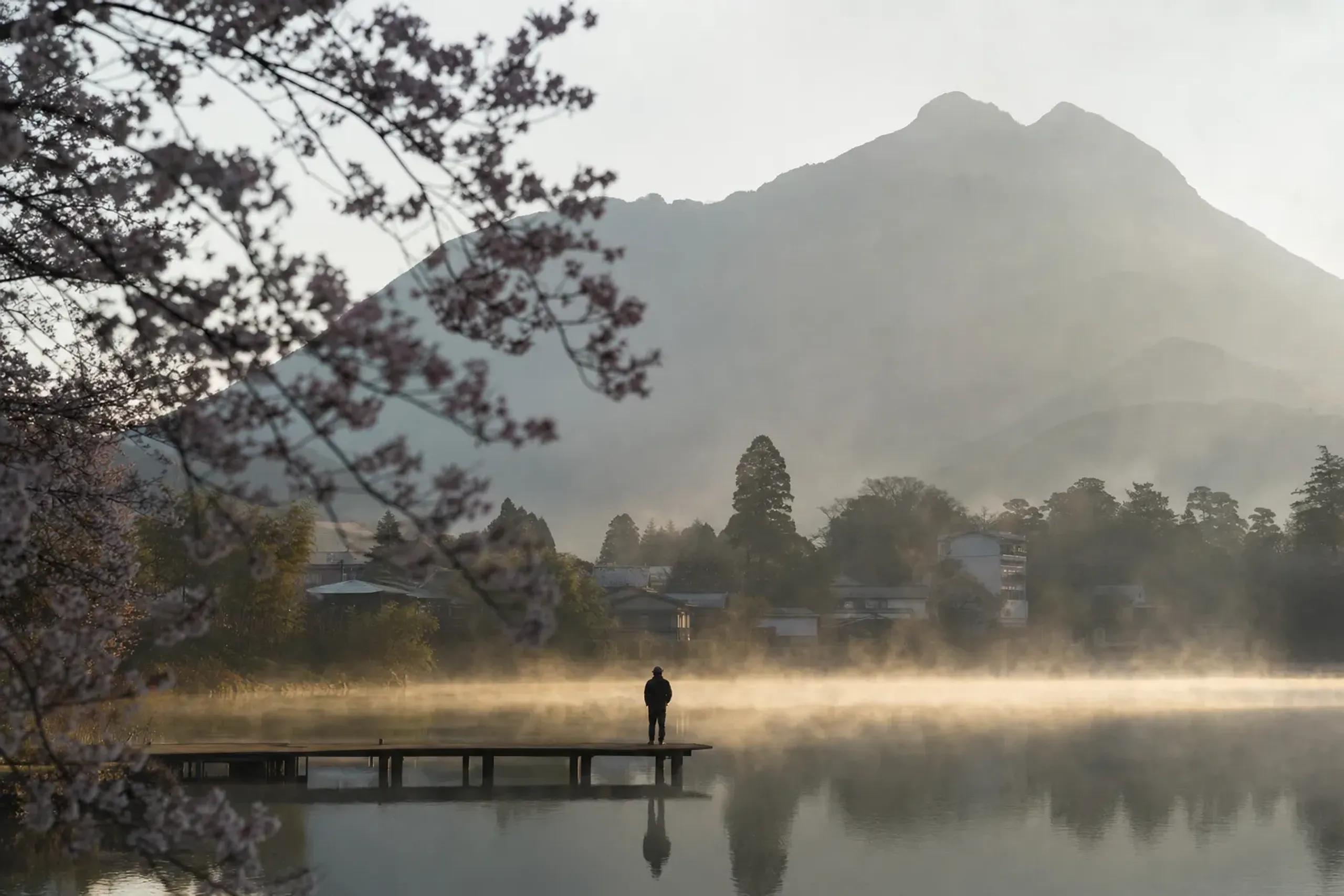
Lake Kinrin is at its calmest right after sunrise—before the day-trip wave arrives.
Small steps. Better sleep.
Yufu City’s official guidebook reports over 800 spring sources and a total discharge of 41,000 liters per minute—described as the second largest in Japan after Beppu. Numbers aside, the important point is that supply isn’t the issue here. How you experience it is.
When Is The Best Time To Visit Lake Kinrin For Mist And Quiet?
The best time is early morning, right after sunrise, before shops open and before day-trippers arrive.
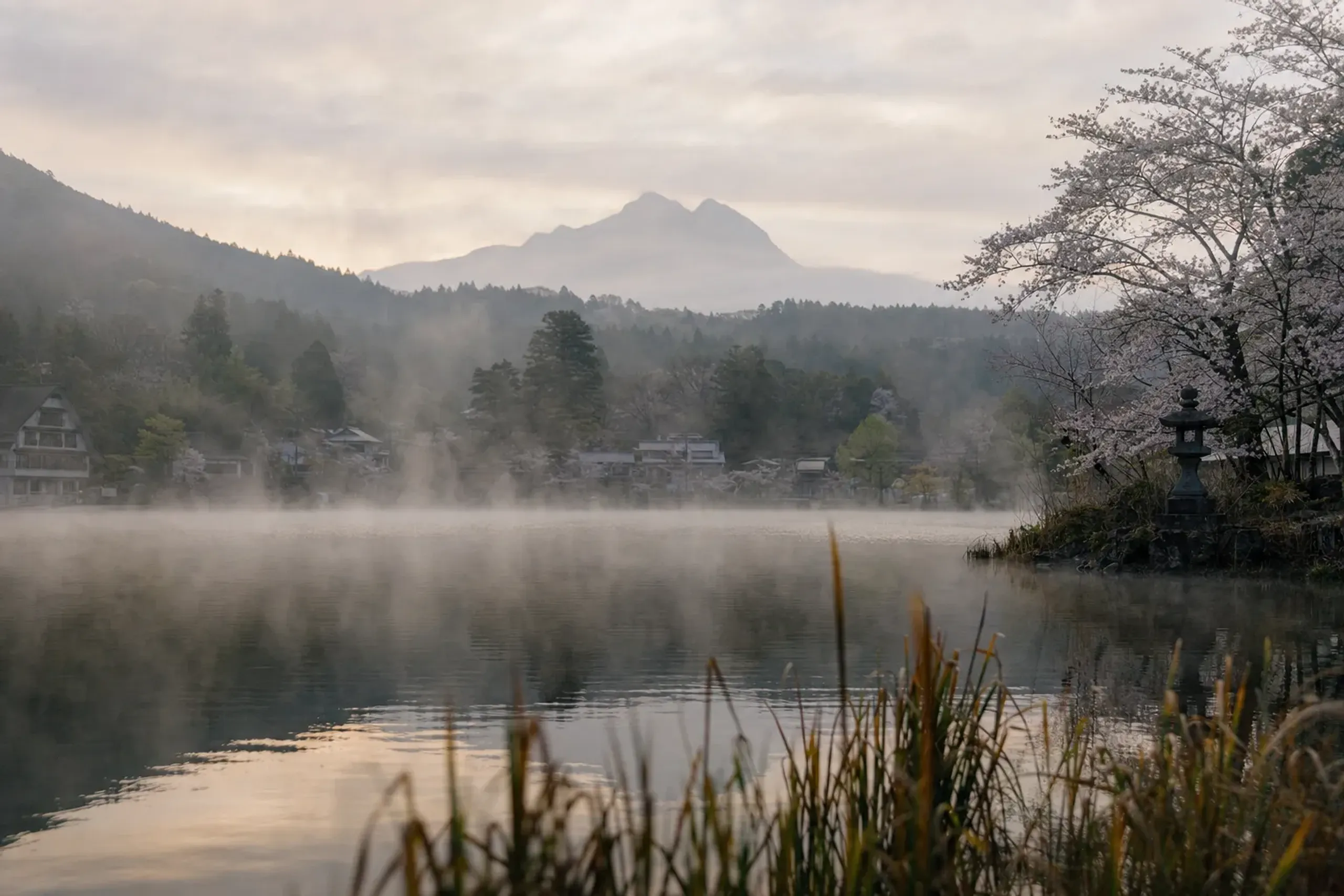
Lake Kinrin (Kinrinko) is fed by both spring water and hot-spring water, and on cold winter mornings steam can rise ghostlike from the surface. That’s the scene you’ve seen online, and it can be genuinely moving when you experience it in silence—a quiet that carries its own weight, closer to the restraint of wabi-sabi than to any postcard.
By late morning, that exact same lakeside view becomes a magnet for crowds, cameras, and tour schedules. That doesn’t mean you shouldn’t go. It means you should go at the right time, then leave before the busiest hour.
If you’re staying overnight, we suggest a simple pattern: Lake Kinrin at dawn, breakfast back at your ryokan, then a slower walk using the side streets rather than following the thickest flow along Yunotsubo Kaido.
A Practical Walking Order That Avoids The Worst Bottlenecks
Start at Lake Kinrin early, then work your way back toward town once the first wave arrives. Reverse the typical day-trip route. It changes the feel entirely.
Midday is when you keep your expectations sharp. You can still browse. You just won’t mistake it for “quiet countryside.”
If you want a reset, step away from the main street for ten minutes and you’ll often hear water and wind again. That gap—that sudden return of silence—is the point.
Why Is Yunotsubo Kaido So Crowded, And Can You Avoid It?
Yunotsubo Kaido is crowded because it’s the main shopping street between Yufuin Station and Lake Kinrin, and most day trips follow that same short route.
It is widely regarded as the busiest shopping street leading toward Lake Kinrinko, and that matches what you’ll see on the ground. On weekends and peak seasons, it is honestly lined with souvenir shops and packed with day-trippers.
You can’t erase that reality with a “hidden gem” mindset. Wrong tool.
What you can do is time it and frame it: treat Yunotsubo Kaido as a short, deliberate pass-through rather than the whole destination. Browse in the late afternoon or early evening once the day-trippers thin out, or do it briefly midday and then retreat back into the quieter lanes.
Key fact: Yufuin often empties out by around 5pm when day-trippers leave. If you want the “quiet village” feeling, staying overnight is the simplest way to get it.
The “Two Yufuins” Problem (And Why It’s Not A Problem)
Most disappointments happen when travelers expect one town and meet the other.
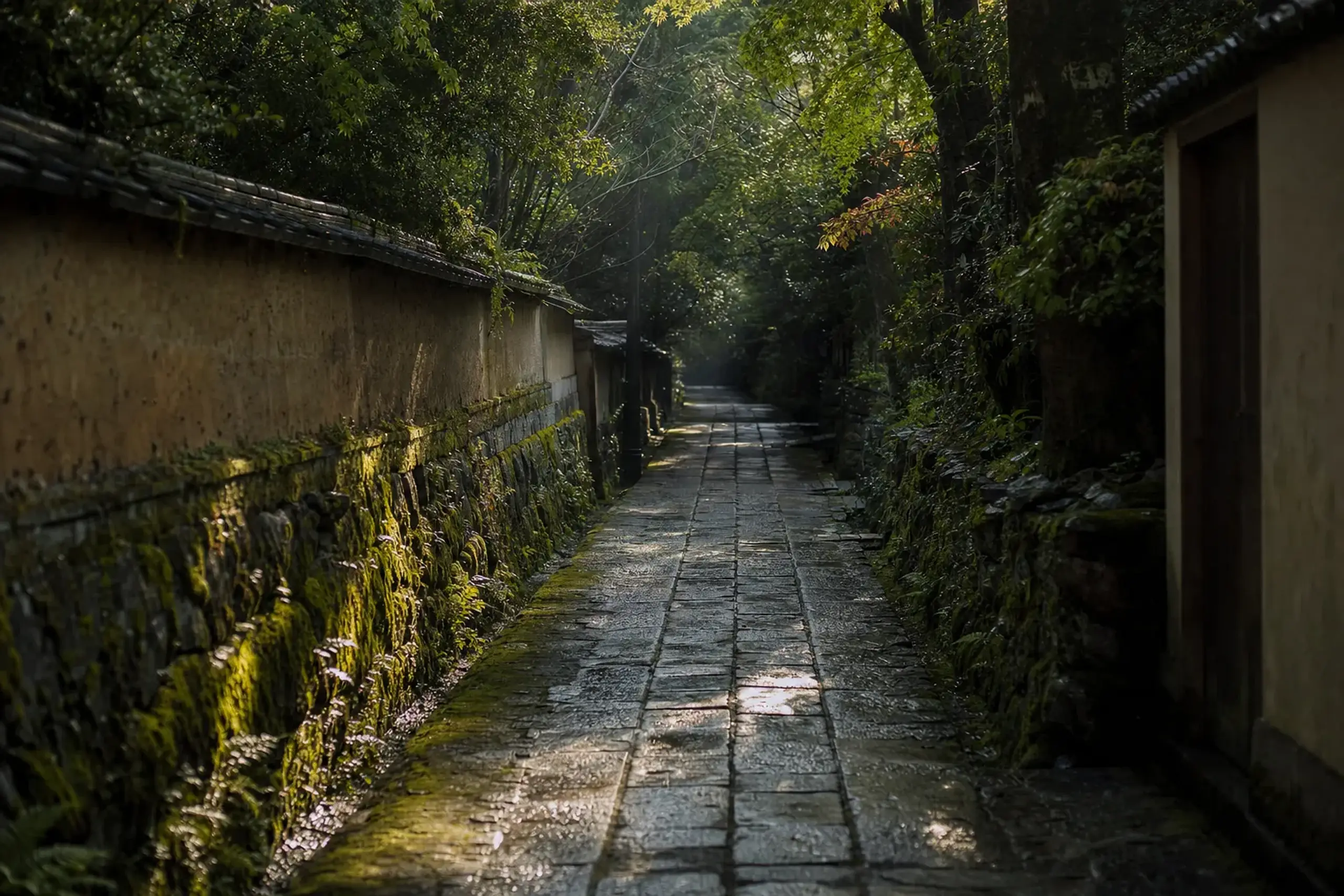
Morning Yufuin is mossy silence. Midday Yufuin is a crowd current.
They are not competing versions. They are the same place on different clocks.
Plan for both, and you stop feeling tricked. You start feeling in control.
How Do You Get To Yufuin From Fukuoka Or Oita Without Stress?
From Oita Station, JNTO notes that travelers can take the JR Kyudai Line to Yufuin Station in about one hour.
From Fukuoka, many travelers plan around limited express services such as the retro-designed Yufu no Mori, and the rail journey itself can feel like part of the trip rather than a transfer you endure. Exact timetables change, so we suggest confirming your specific departure when you lock in your travel dates.
If you’re traveling with multiple suitcases, or you simply want to arrive without the public-station surge, a private car is calmer. It’s also easier to time your arrival for check-in and to avoid the heaviest pedestrian hours near the station.
When you choose a car-and-driver approach, the comfort difference is immediate—especially for families or couples carrying shopping and winter coats.

For private transportation guidance, our concierge team will match vehicle size to your party and luggage, then time the drive around your preferred rhythm in town—the quiet anticipation of unspoken needs that defines genuine hospitality.
A Simple Arrival Strategy That Keeps The First Hour Quiet
Arrive, drop your bags, and don’t go straight to Yunotsubo Kaido. That’s where most people head first. It’s also when it’s loudest.
Instead, take a short walk along calmer streets, then return for your bath before dinner. A slow start pays you back.
Ryokan Culture In Yufuin: What A Stay Feels Like
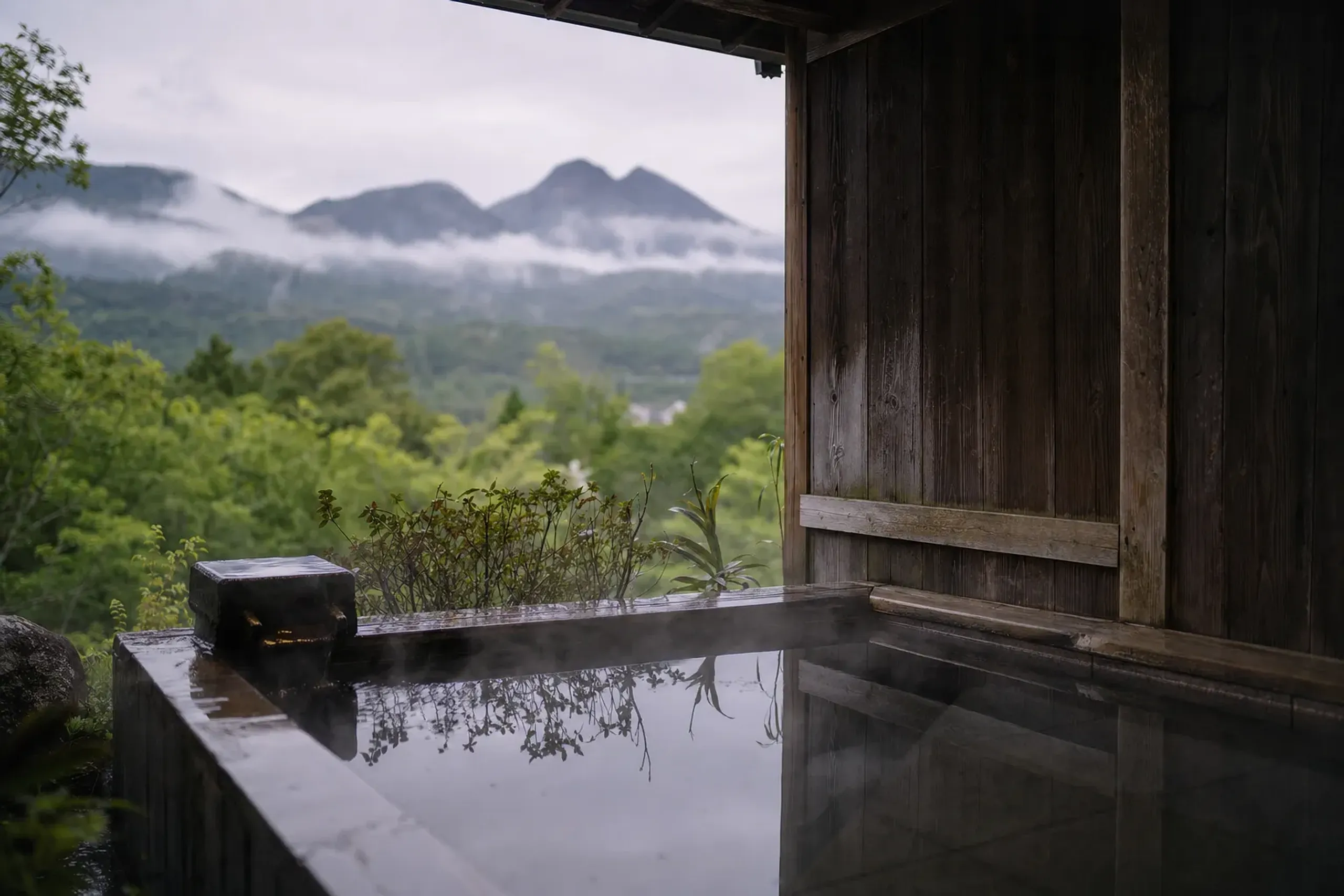
Yufuin’s ryokan tend to be boutique in scale and personally staffed, with private baths that make the room feel like a small refuge rather than just a place to sleep. You’re not “doing an activity.” You’re changing pace.
This is where wabi-sabi makes sense as a lived aesthetic, not a slogan: quiet timber, muted textiles, cool stone underfoot, and the kind of restraint that makes the view outside feel louder. No gold-leaf theatrics. Just air and water and the patina of things made to age well.
Many properties in Yufuin are spread through the town rather than clustered in a single resort zone. That makes location choices matter more than people expect—especially if you want to walk to Lake Kinrin early and return without crossing the busiest corridor at the busiest hour. Some of the most rewarding of these are the sort of small inns you enter only by introduction: the quiet, hard-to-find Japan that a search engine will never surface for you.
If you’re choosing between an in-room bath and reservable private bathing, our team will talk you through what each means in practice—including how it affects your schedule and how private you want the experience to feel. Discretion is assumed at every step; your identity and itinerary remain entirely your own.
Shokunin Encounters Without Turning The Town Into A Checklist
Yufuin’s calmer hours are when craftsmanship reads clearly: ceramic work, simple wood details, the patient finishing you only notice when you stop rushing. Shokunin is not always a “program.” Sometimes it’s the way a door slides, or how a course arrives at exactly the right temperature—the mark of a maker who has given years to a single discipline.
If you want a more direct craft encounter—time with a maker who does not ordinarily open the workshop to visitors—ask our concierge team to shape it around your stay length and your tolerance for crowds. The right timing keeps it intimate.
Why Staying Overnight Changes Everything In Yufuin
Staying overnight is what delivers the quiet-village Yufuin people imagine, because the town becomes noticeably calmer once day-trippers leave in the early evening.
That calm is not subtle. Footsteps thin out. Shop shutters come down. You hear your own pace again.
This is when a private bath feels like the correct use of time, not an indulgence you squeeze between activities. Bath. Dinner. Another bath. Sleep.
If you only visit for a few daytime hours, you’ll often meet Yufuin at its most commercial and least gentle. Overnight turns the ratio around.
A Two-Phase Day That Matches The Town’s Real Rhythm
Phase 1: Dawn to late morning.
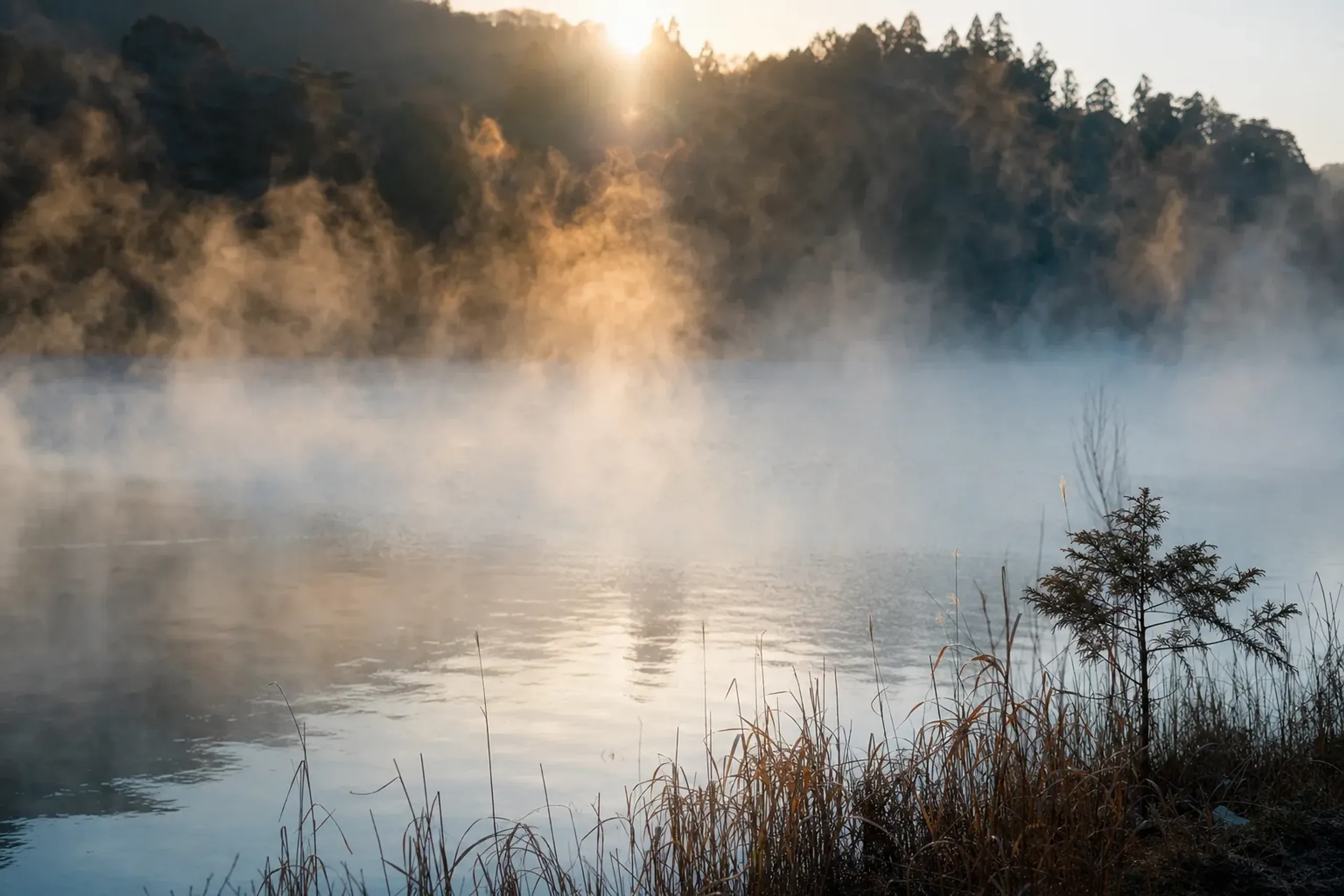
Lake Kinrin early, then a quiet breakfast. Walk slowly, and keep the main street short.
Phase 2: Late afternoon to evening. Return to town after the peak swell, then bathe and dine. Let the town empty out around you.
Weekday Vs Weekend In Yufuin: The Difference Is Not Small
Tuesday through Thursday stays are meaningfully quieter than weekends, and that difference is one of the easiest “upgrades” you can make without changing anything else.
Weekend Yufuin can feel like a corridor: station to shops to lake and back again. Weekday Yufuin gives you room to linger, and that lingering is the true luxury here.
If your calendar is flexible, move one night. It changes the whole feel.
If you must go on a weekend, focus on timing: early morning at Lake Kinrin, a midday retreat back to your ryokan, and an evening return to town once the day-trippers have gone.
How Far Ahead Should You Plan A Yufuin Ryokan Stay?
For weekends and autumn, planning 2–3 months ahead is advisable, because boutique ryokan inventory is limited.
Yufuin does not have infinite room stock, and the places that feel calm and private tend to be small by design. That’s the appeal. It’s also why availability tightens early.
If you’re traveling during the popular foliage weeks—or you need specific room features such as a private outdoor bath, particular bedding needs, or accessibility considerations—you’ll want to decide sooner rather than later. This is where shun, the Japanese instinct for perfect seasonality, earns its keep: knowing which week the maples turn, when the morning mist is heaviest, and when the town breathes most quietly is exactly what turns a good stay into the right one.
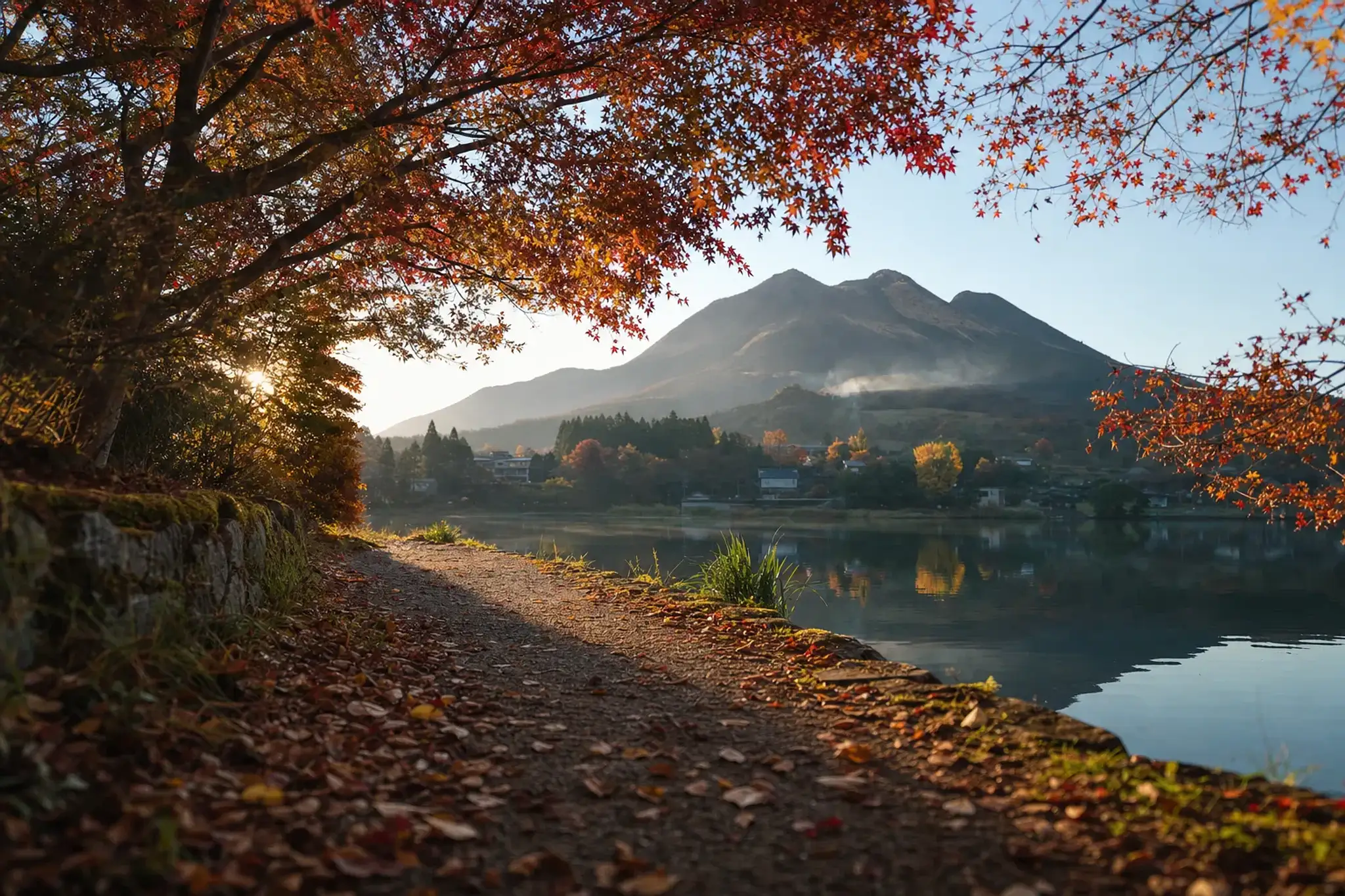
Waiting tends to narrow your choices, not improve them.
Our concierge team, working at the tailor-made itinerary level, usually starts by asking one question: what hour do you want Yufuin to feel like? We then build the logistics around that answer.
Yufuin In 2026: Dates That Affect Crowds And Transfers
In 2026, the most concrete dates to note are August 27–30 (Yufuin Film Festival) and August 15–16 (Yufuin Basin Festival street restrictions near Yufuin Station from late afternoon).
The 51st Yufuin Film Festival is scheduled for August 27 (Thu) to August 30 (Sun), 2026, per the official festival site and Yufu City’s event listing. If you value culture-forward travel, these dates add a clear reason to visit beyond “a nice onsen town.”
Separately, a YUFUINFO news post dated 2026-07-25 notes that due to the Yufuin Basin Festival on August 15 and 16, street restrictions around Yufuin Station will occur from late afternoon on each day. That matters if you’re arriving by car, meeting a driver, or planning a tight rail connection.
If you’re visiting on those days, build margin into your arrival and departure. Quiet travel is often just good math.
On-The-Ground Wayfinding That Helps On Busy Days
Oita’s official tourism site recommends the Yufu City Tourist Information Center next to JR Yufuin Station.
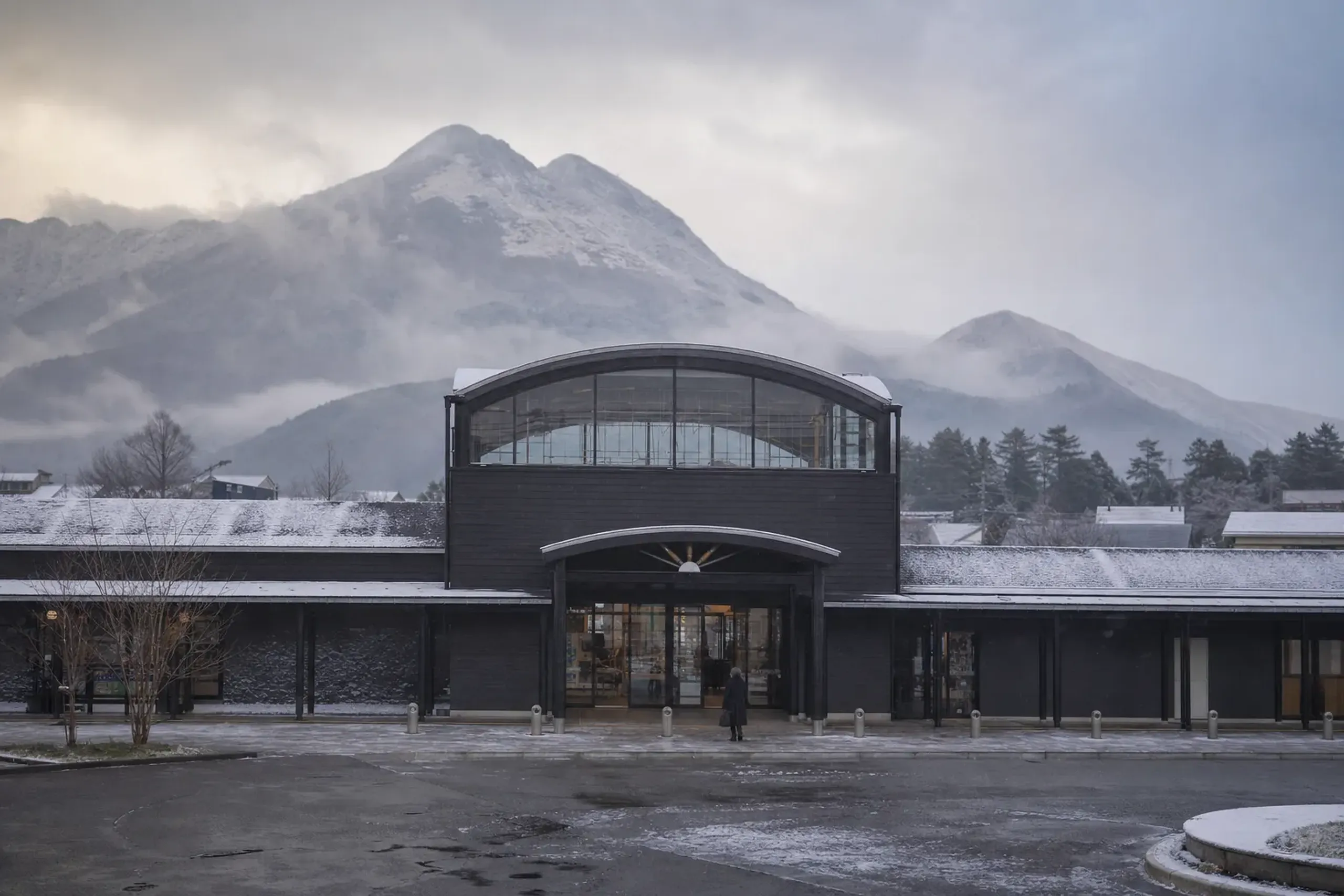
It’s a practical stop when you want a reliable map and current local notices, especially during event periods.
Yufuin With A Dog: The New Luxury Option In 2026
From July 3, 2026, a premium zone (“Kakoi”) is announced to open at Regina Resort Yufuin, with all rooms described as having natural hot springs and allowing dogs to stay alongside guests.
Traveling with a dog in Japan is doable, but it changes the logistics: where you can enter, where you can linger, and how you move through stations and crowded streets. Yufuin’s evening calm helps, and private car travel can reduce stress for both you and your dog.
If pet-inclusive luxury is your priority, plan the timing carefully. Midday Yunotsubo Kaido is not kind to dogs or their owners.
We also suggest building a “quiet loop” of early-morning and evening walks, with midday spent back at the property. It’s not restrictive. It’s considerate.
Yufuin Vs Beppu: Who Should Choose Which?
Choose Yufuin if you want a slower town, private bathing at a boutique ryokan, and mountain scenery that frames your whole stay.
Beppu is close—often 30 to 45 minutes by local train or bus—and it’s famous for its variety and scale. Yufuin is more about a controlled quiet and a design-led, small-inn feeling.
Let Us Time Yufuin For You
Yufuin rewards those who know its clock—and that knowledge is exactly what we bring. From reserving the right room in a small inn that keeps its doors closed to the crowds, to arranging a private driver who lands you at check-in just as the day-trippers depart, we build the stay around the hour you most want to experience.
When you are ready to plan a Yufuin stay measured in calm rather than crowds, contact us here and let Japan Royal Service shape the itinerary around your rhythm—with the discretion and quiet care our guests expect.