In this guide
- 01What Is Yurigahama, The Phantom Beach Off Yoron Island?
- 02When Does Yurigahama Appear? Can Its Appearance Be Guaranteed?
- 03How Do You Reach Yurigahama? The Mechanics, Plainly Stated
- 04What Is The Star Sand Legend At Yurigahama?
- 05Are You Likely To See Sea Turtles Snorkeling At Yoron?
- 06Is Ōganeku Beach Good For Families And Beginner Swimmers?
- 07How Do You Get To Yoron Island?
- 08What Japan Royal Service Arranges On Yoron
- 09Frequently Asked Questions
- 10Why Choose Japan Royal Service
The boat leaves Ōganeku Beach and the water changes colour almost at once. Deep blue near the shore. Then, as the hull glides on, a bright turquoise that seems lit from below. Look down through the glass floor. Coral gardens scroll past — branching, mounded, dusted with small silver fish that scatter and reform.
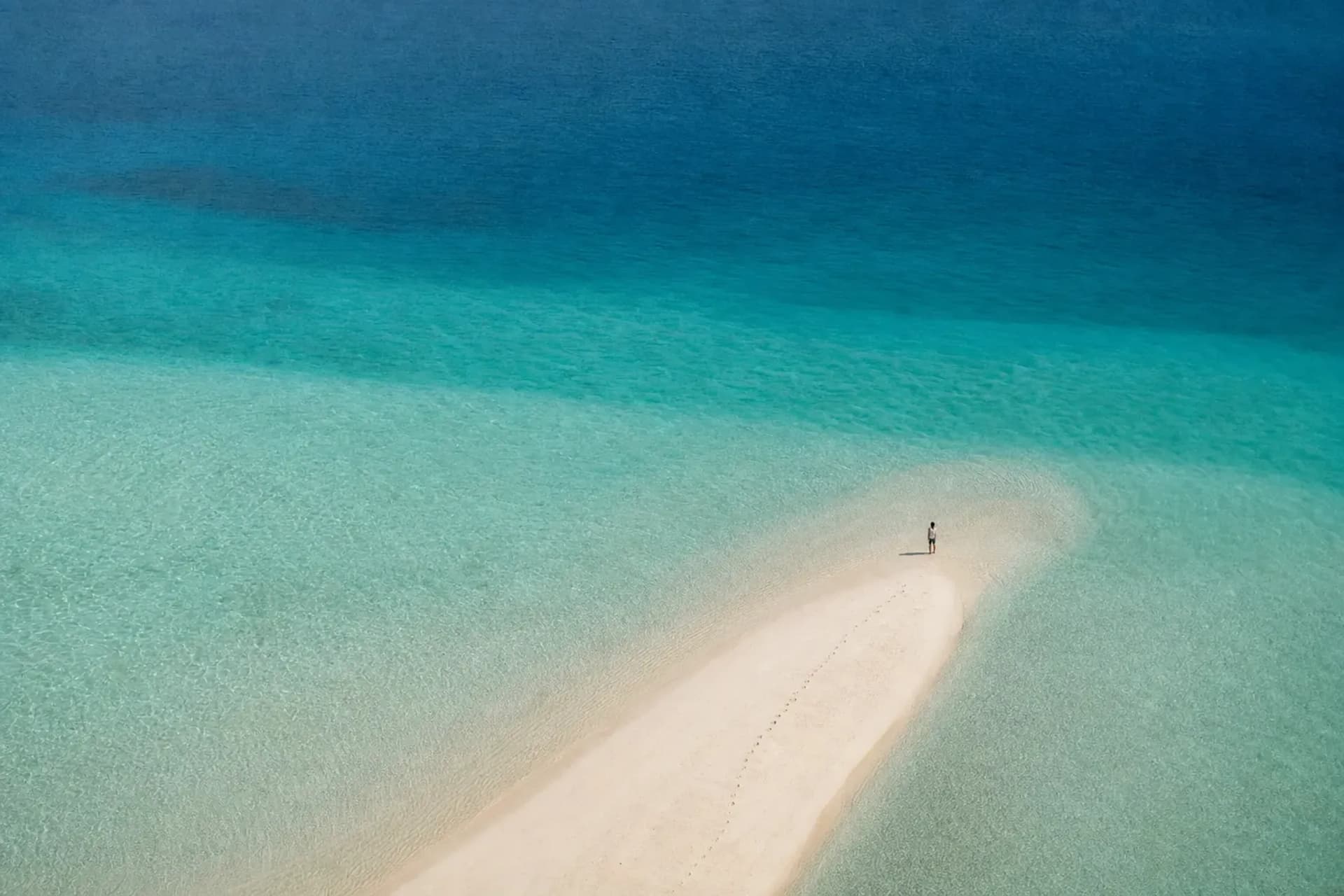
Somewhere ahead, if the tide is kind, a sliver of pure white sand will rise out of the sea. No trees. No footprints. Just a curved ribbon of coral sand surrounded on every side by clear water. Locals call it yurigahama — Lily Beach. Everyone else calls it the phantom beach.
It does not appear every day. That is the whole point.
What Is Yurigahama, The Phantom Beach Off Yoron Island?
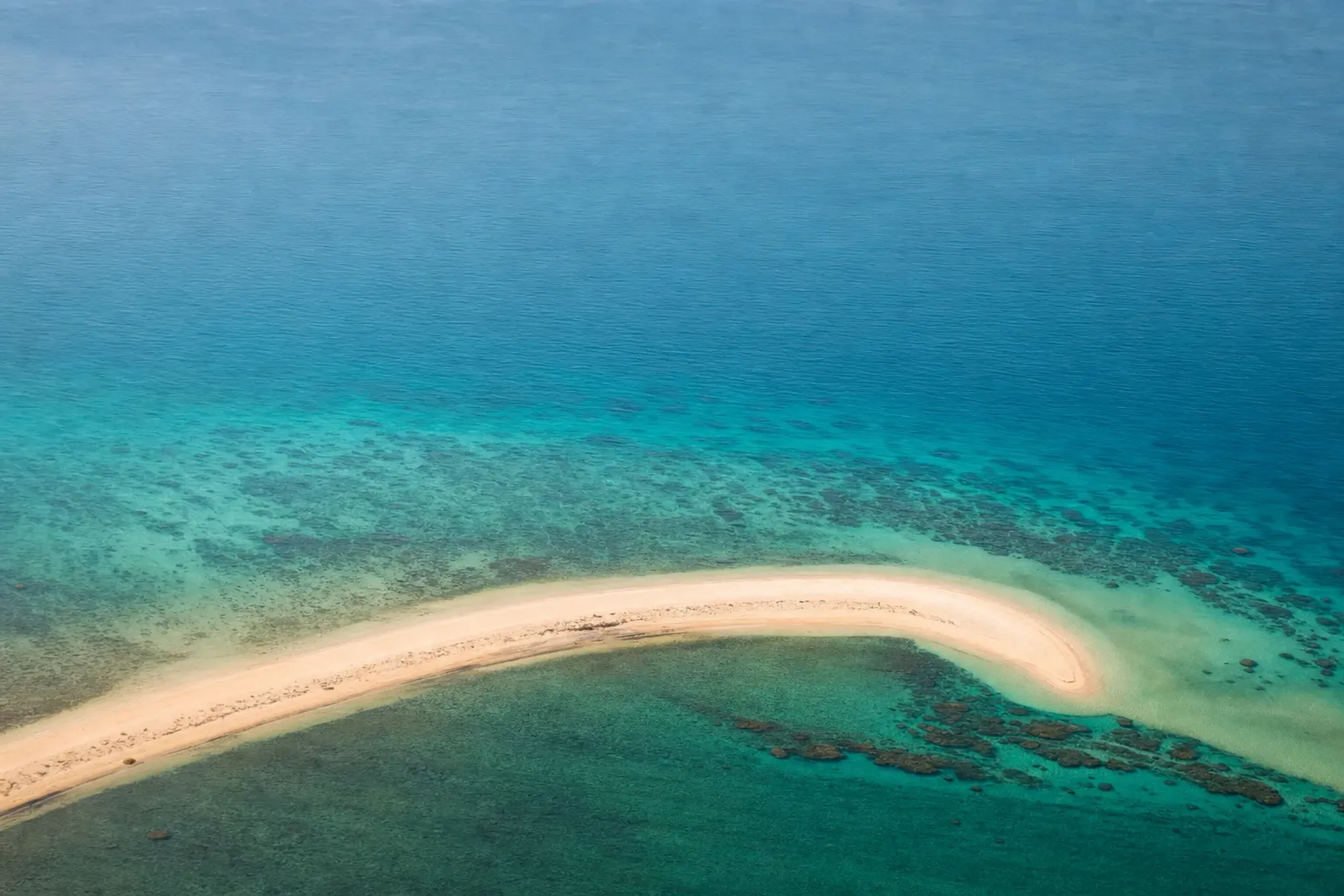
Yurigahama is a white coral sandbar that surfaces about 1.5 kilometres offshore from Ōganeku Beach on Yoron Island, inside a coral reef, visible only during certain low tides between roughly April and October.
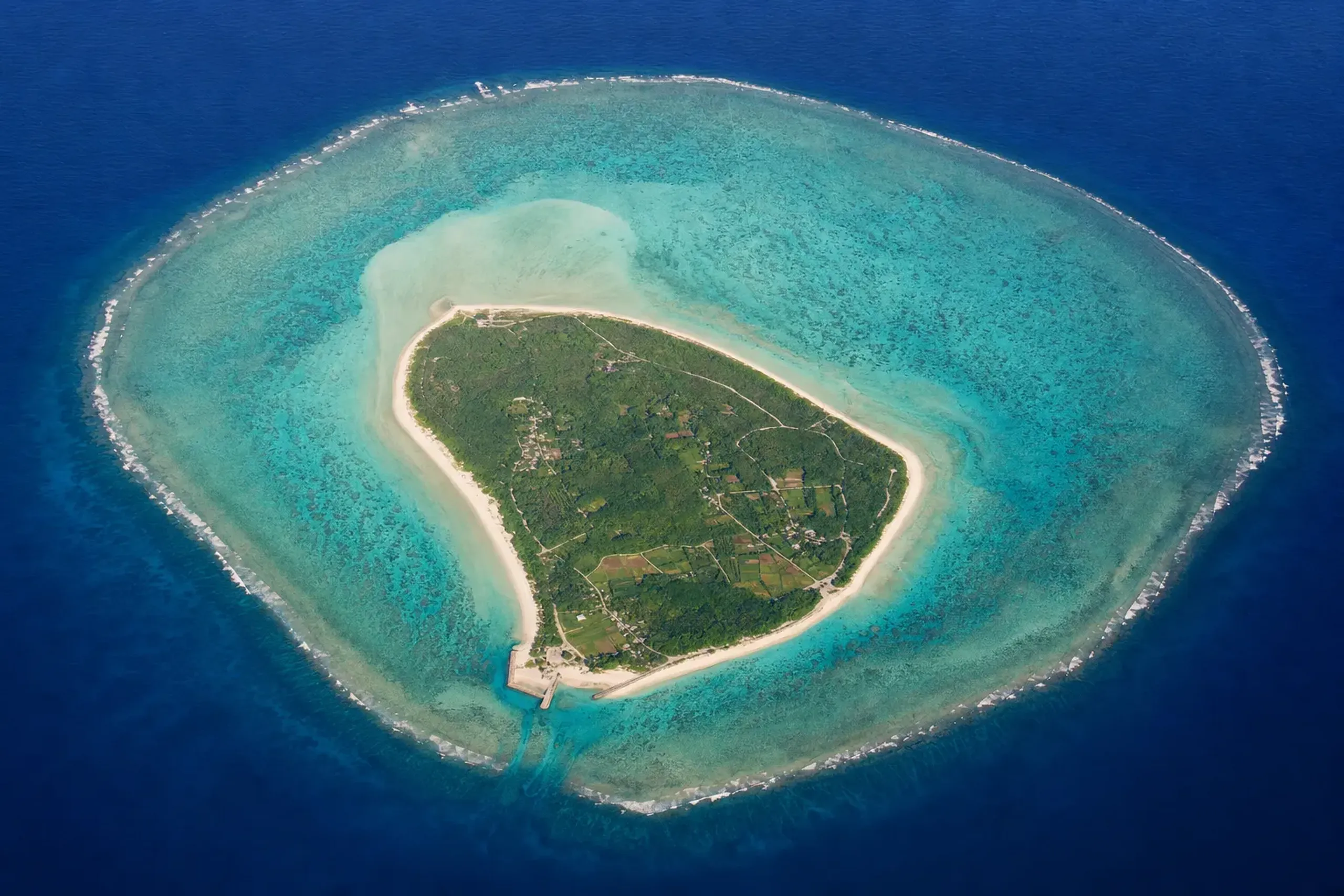
Yoron Island, or Yoronjima, is one of the Amami Islands and sits within Amami Gunto National Park, closer to Okinawa than to mainland Kagoshima. The waters here are famously clear. Yurigahama is its most talked-about wonder — and its most elusive.
The sandbar rides on top of a reef. When the tide draws far enough back, the crown of that reef breaks the surface and becomes, briefly, a beach. Then the water returns and the beach dissolves as if it were never there. Its position shifts. Its size changes. Its timing moves with the moon.
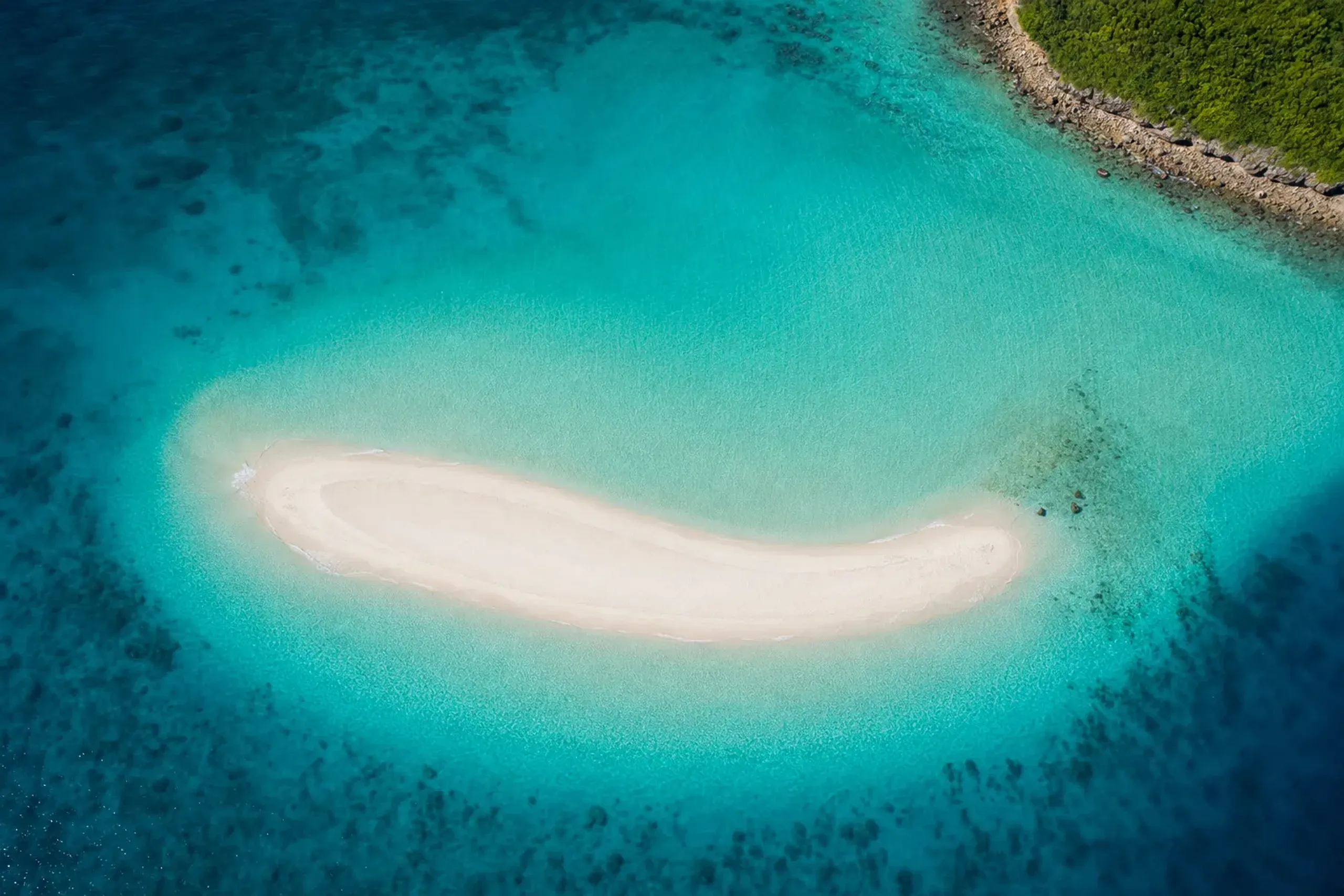
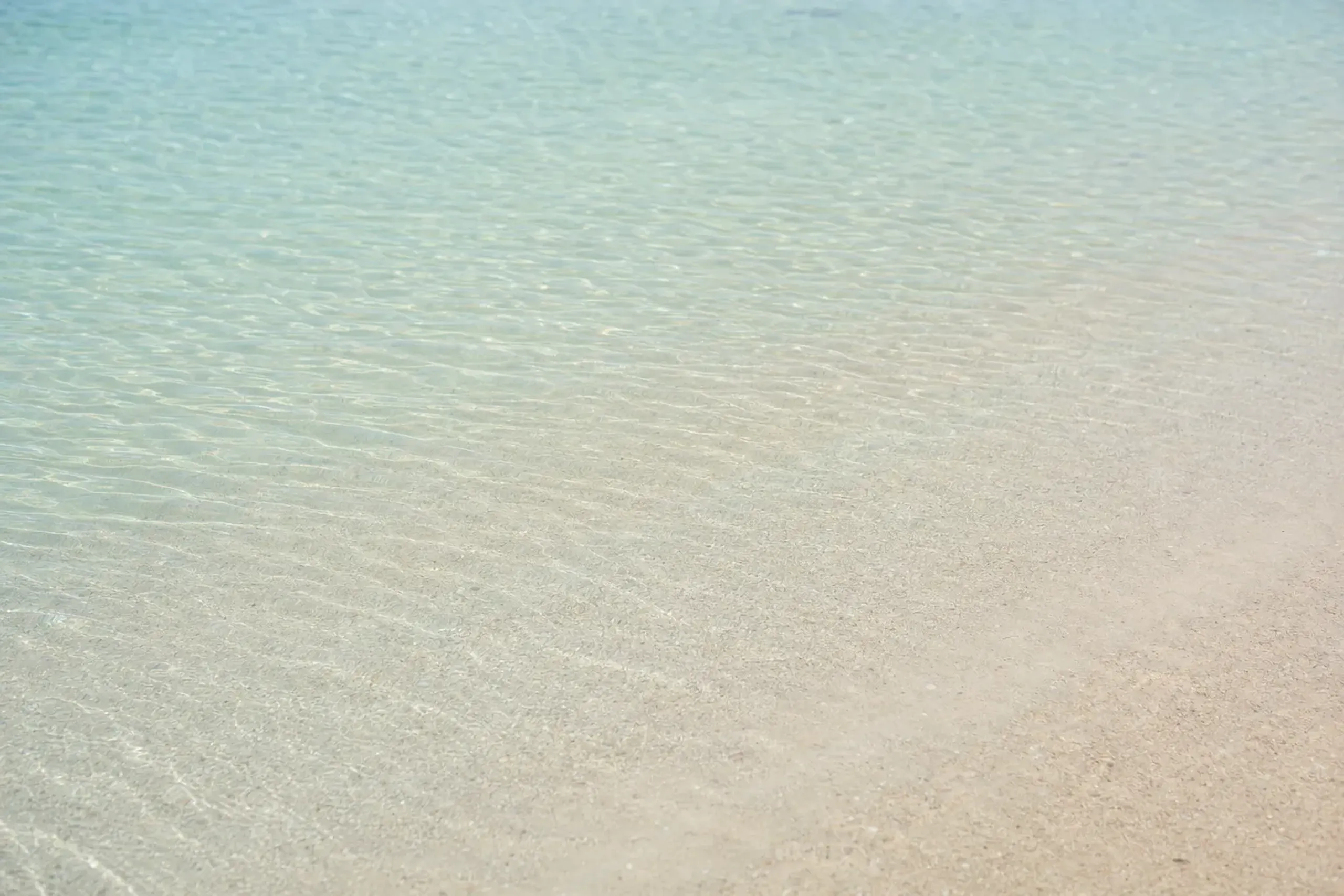
Yurigahama rises from the reef at low tide, ringed on every side by clear water.
This is not a fixed place you can put on a map with a pin. It is a moment. And moments, unlike hotels, cannot be reserved.
When Does Yurigahama Appear? Can Its Appearance Be Guaranteed?
No. Yurigahama's appearance can never be guaranteed on any given day. It surfaces only at medium-to-spring low tide, mostly April through September and occasionally into October, and wind or waves can keep it hidden even on a predicted date.
The local tourism association publishes a predicted appearance schedule each season. Read that word again: predicted. It is a forecast, not a timetable. It tells you when the tide should fall far enough for the sandbar to emerge — but the sea has the final vote. A stubborn swell or an unlucky wind can flatten the whole plan.
We think that honesty is the reason to explain this properly rather than dress it up. Our concierge team at Japan Royal Service verifies the current predicted schedule and checks live tidal and weather conditions on a client's behalf before any visit. Even then, we describe it as a chance, not a promise. A good one, on the right day. Never a certainty.
Key fact: The tourism association's schedule is a tide-based prediction, not a fixed timetable. Even on a listed date, wind and wave conditions can prevent the sandbar from surfacing at all.
How Do You Reach Yurigahama? The Mechanics, Plainly Stated
Yurigahama is reached only by boat from Ōganeku Beach — glass-bottom boats or water scooters timed to the predicted low-tide window.
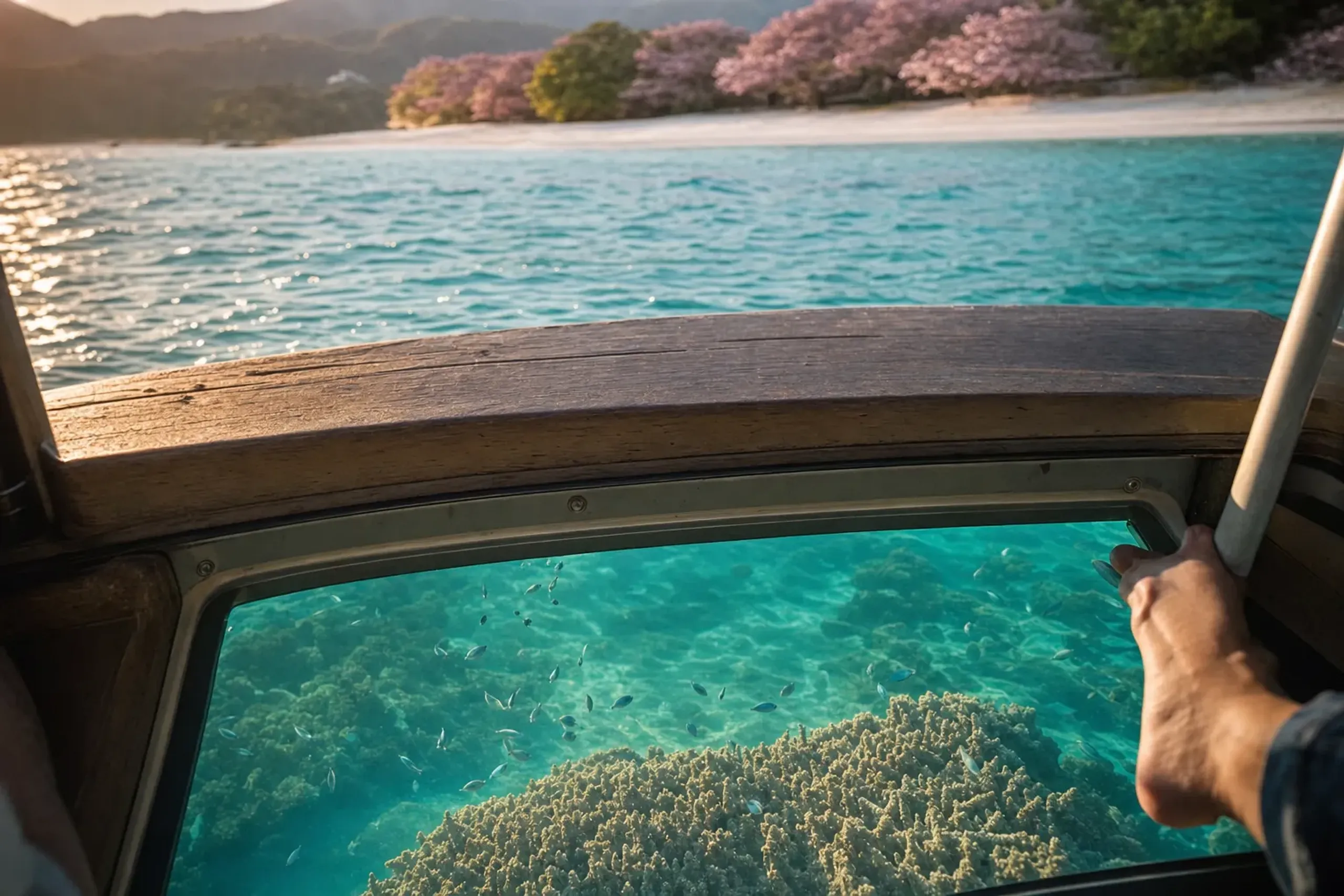
It sits in open water and cannot be walked to, even when it is visible.
Here is how the phenomenon actually works, without embellishment.
- Location: roughly 1.5 kilometres offshore from Ōganeku Beach, on the inside of a coral reef.
- Season: primarily April through September, sometimes as late as October.
- Tide: it emerges only at medium-to-spring low water.
- Duration: once visible, it usually stays above the surface for just a few hours before the rising tide swallows it again.
- Variability: position, size, and exact timing shift from day to day. It is not a repeatable fixed spot.
- Access: exclusively by boat. Departures from Ōganeku Beach are timed to the predicted appearance window. On foot, it is unreachable — it sits in open sea.
The glass-bottom boats earn their keep on the crossing itself. Guests who prefer to stay dry can watch coral heads and tropical fish slide past beneath the hull, no snorkel required. Children press their faces to the glass. Adults, quietly, do the same.
What Is The Star Sand Legend At Yurigahama?
A local legend says that if you collect as many grains of star sand — hoshizuna — as your own age, happiness will follow.
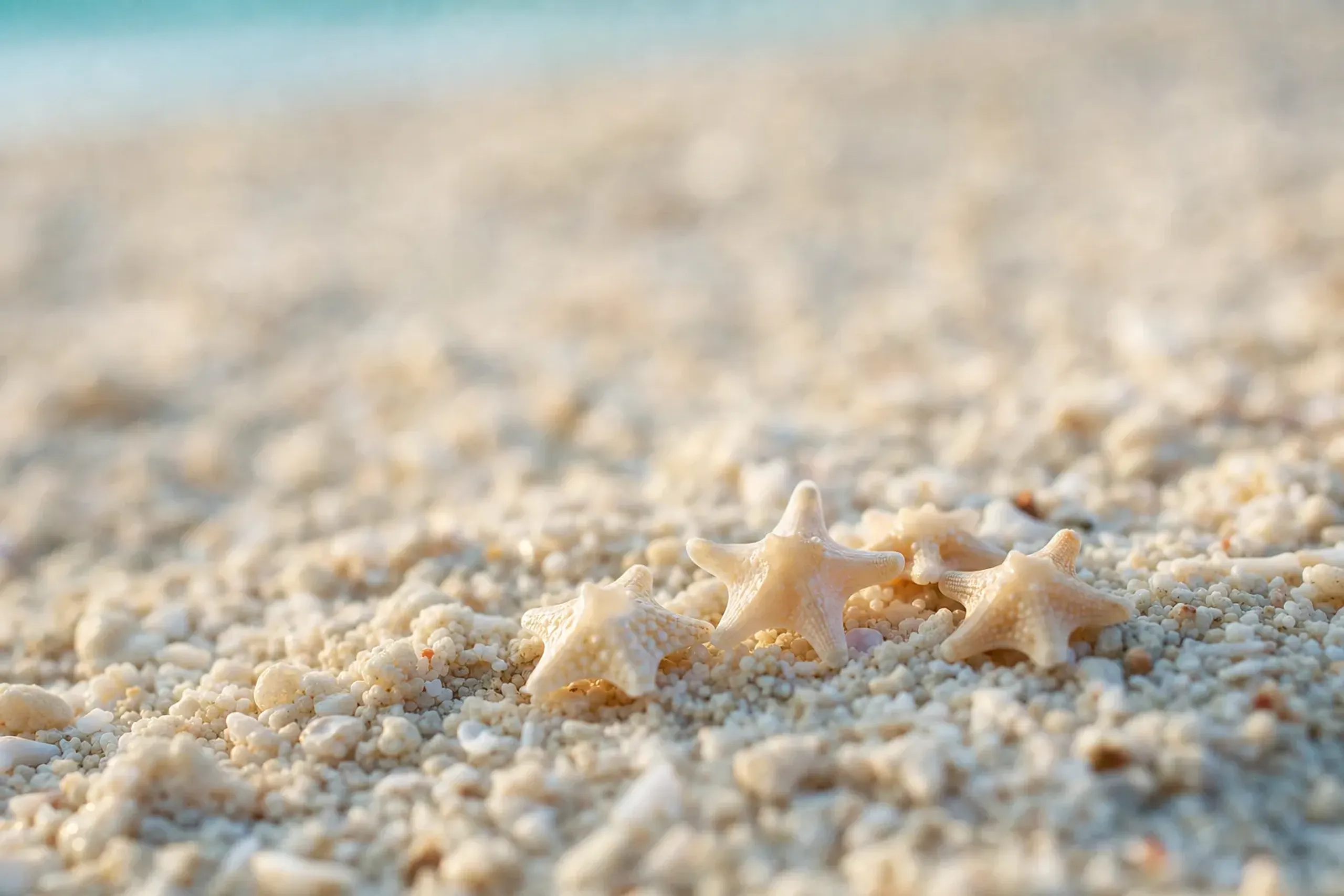
Star sand is not sand in the ordinary sense. Each grain is the tiny fossilised shell of a foraminifer, a single-celled marine creature, shaped like a five-pointed star. Along certain southern beaches you can find them tangled among the ordinary grains, if you look closely enough and have the patience.
The tradition tied to this exact beach is specific and consistently repeated. Count your age. Collect that many stars. Carry them home. There is something disarming about watching a guest of considerable means kneel on a vanishing sandbar, sifting sand grain by grain, hunting for tiny stars. Wealth buys many things. It does not buy this.
Are You Likely To See Sea Turtles Snorkeling At Yoron?
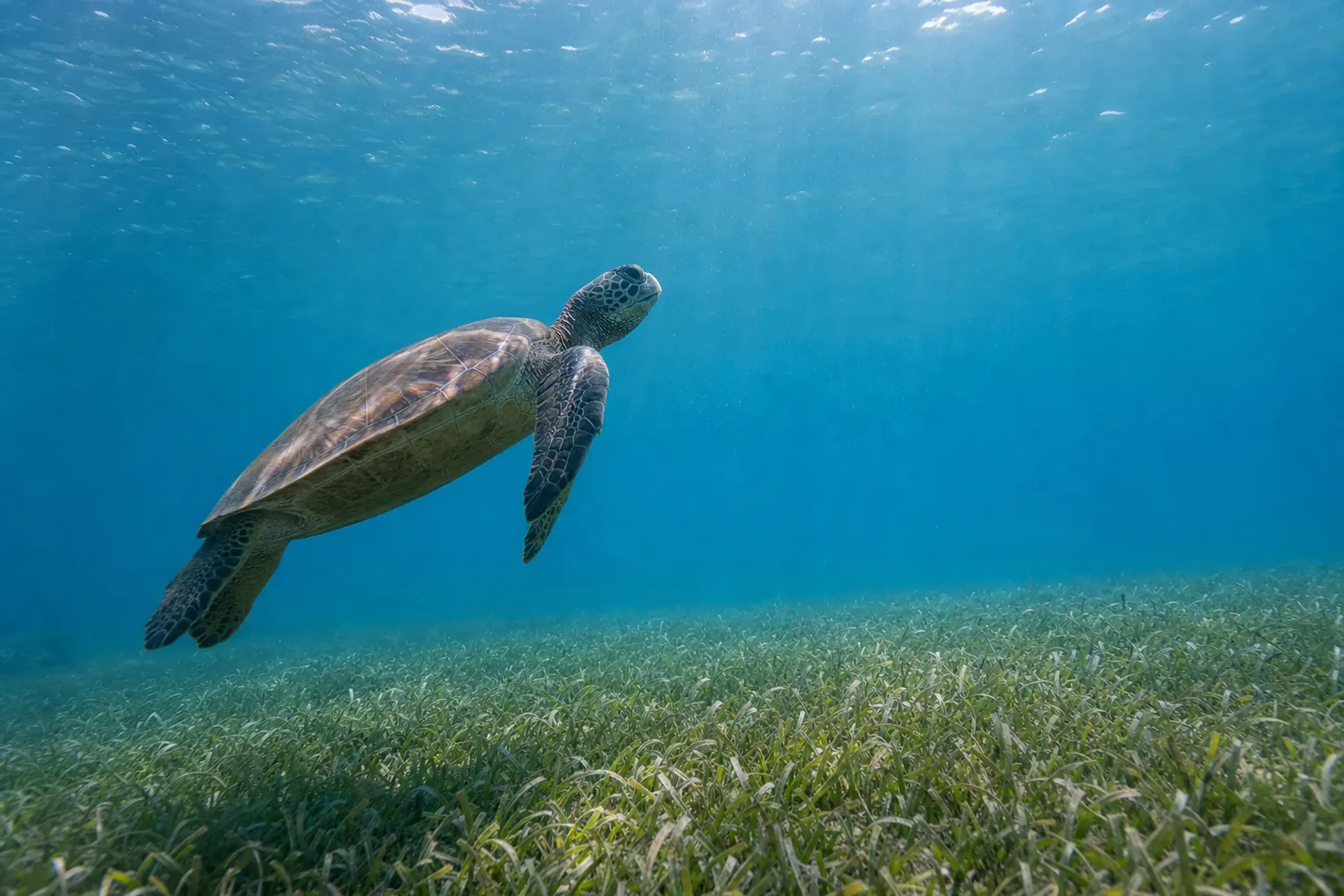
Yes. Sea turtle sightings while snorkeling around Yoron are genuinely likely. Kagoshima Prefecture ranks first nationally for sea turtle landings, and the waters around the island hold a substantial resident turtle population.
This is not the usual inflated brochure claim. The reef ecosystem here supports turtles in real numbers, and encounters happen often for those who slip into the water with a mask and a little patience. A green turtle drifting over the seagrass, unbothered, is a common enough scene that our guides speak of it as expected rather than lucky.
Yoron also carries genuine sustainability credentials — the island was named among the Top 100 Green Destinations of 2023. That framing matters to us and to many of the travellers we work with. Reef-safe snorkeling, keeping a respectful distance from wildlife, and leaving nothing behind are not marketing lines here. They are how you protect the very thing you came to see.
Is Ōganeku Beach Good For Families And Beginner Swimmers?
Yes. Ōganeku Beach is shallow and gently sloping, considered safe for children and weaker swimmers, with showers, toilets, and seasonal marine-sport staff on hand to help beginners.
The beach is the launch point for the Yurigahama boats, but it rewards a visit on its own terms. In summer, marine-sport staff are present specifically to help newcomers with snorkeling equipment — a real comfort for families with first-timers. A shaded campground sits beneath coastal ironwood trees, the mokumaou, which keep the ground cool even under a hard summer sun.
The practicalities are simple. Ōganeku Beach is roughly 15 minutes by car from Yoron Airport, with on-site parking for around 20 vehicles. Small numbers. That is part of the charm — this is not a beach that swallows coaches by the dozen.
How Do You Get To Yoron Island?
Yoron Airport receives flights from both Naha in Okinawa and from Kagoshima. Ferries also connect the island through the Kagoshima and Amami island chain toward Okinawa.
Once on Yoron, island buses run infrequently, so a private car makes the day far easier.
This is where a little planning pays off. The Yurigahama window is narrow and moves with the tide, so the ground rhythm of the day — airport, beach, boat, back — needs to align with a schedule that shifts by the hour. A relaxed morning on the wrong day means missing the water entirely. Our private chauffeured transport and English-speaking guiding exist to remove exactly that friction, so the tide dictates the timing and nothing else does.
For where to rest between beach days, our concierge advises quietly on accommodation across the island and the wider Amami archipelago, matched to how much privacy and how little bustle you prefer.
What Japan Royal Service Arranges On Yoron
Plainly stated: on Yoron, we arrange private guiding and transfers, and we verify the current tide, weather, and predicted sandbar schedule before you travel. That is the honest scope.
We do not operate the glass-bottom boats. We do not sell the Yurigahama crossing, and we would not tell you the sandbar will be there on a chosen date, because no one can. What we do is watch the forecast, read the tide tables, coordinate the timing on your behalf, and put a knowledgeable guide beside you so the day unfolds without you managing any of it.
If you would like the reef, the star sand, and the turtles woven into a longer, unhurried journey through the southern islands, our team shapes a tailor-made itinerary around your dates and your pace.
Frequently Asked Questions
Is there a guaranteed date when Yurigahama will definitely appear?
No. There is no guaranteed date. The tourism association publishes a tide-based prediction each season, but wind and wave conditions can prevent the sandbar from surfacing even on a listed day. Our concierge reconfirms conditions before you travel.
What months give the best chance of seeing the phantom beach at Yoron?
Roughly April through September offers the best chance, with occasional appearances into October. Within those months, medium-to-spring low tides are the key condition, which is why timing the visit to the predicted low-water window matters so much.
Can I walk out to Yurigahama from Ōganeku Beach at low tide?
No. Yurigahama sits about 1.5 kilometres offshore in open water inside a coral reef, so it is reached only by boat — glass-bottom boats or water scooters from Ōganeku Beach. It cannot be walked to even when visible.
Are we really likely to see sea turtles when snorkeling here?
Yes. Kagoshima Prefecture leads Japan for sea turtle landings, and Yoron's waters hold a substantial turtle population. Sightings while snorkeling are genuinely common rather than a rare stroke of luck.
Is Yoron a good destination for a family with young children?
Yes. Ōganeku Beach is shallow and gently sloping with showers, toilets, and seasonal marine-sport staff who help beginners with equipment. A shaded ironwood campground and short 15-minute airport transfer add to its ease for families.
Why Choose Japan Royal Service
A phantom beach asks for patience and precise timing — two things that do not mix well with guesswork. At Japan Royal Service, our value here is not showmanship. It is quiet reliability: reading the tide, reconfirming the season's predicted schedule, and placing a discreet, knowledgeable guide beside you so a fragile few-hour window is not wasted.
We hold the same care for your privacy as for your itinerary. Nothing about your travel is shared, ever. And because our team works in-house rather than through a chain of subcontractors, the person watching the forecast is the same one shaping your day. That is Hidden Japan as we practise it — not the Yoron of the crowds, but the reef, the star sand, and the vanishing beach, arranged so the only surprise left is the good one.
To plan a Yoron journey timed to the tide, reach our team privately via WhatsApp or LINE, or contact us here.