In this guide
- 01Why Japan Suits The Traveler Who Wants Quiet
- 02Etiquette That Makes A Traveler Unremarkable
- 03Dress And Register
- 04Timing Choices, And What Each One Buys
- 05Routing Choices Available Without Any Arrangement
- 06Party Size And Dynamics
- 07A Little Language Courtesy Goes A Long Way
- 08Honest Limits
- 09Where Arrangement Takes Over
- 10Why Choose Japan Royal Service
- 11Frequently Asked Questions
Most people who want privacy in Japan are not public figures. They simply prefer not to be looked at. They want to move through a city, sit in a garden, eat well, and leave without becoming a small event in someone else's afternoon. Japan rewards that preference more than almost anywhere.
This is a practical guide to how you behave, when you go, and which way you walk. None of it requires special arrangement. The goal is not to disappear. The goal is to be uninteresting, in the best sense of the word.
Why Japan Suits The Traveler Who Wants Quiet
In many countries, blending in means acting friendlier, louder, more visible. Japan runs the other way. Public life here tends toward restraint, and restraint reads as competence rather than coldness.
Trains are hushed. Queues form without prompting. People keep their business to themselves in shared space. A traveler who matches that register stops registering. You become part of the ordinary rhythm instead of an interruption to it.
That is the whole premise of quiet travel. Not stealth. Fit. When your conduct sits inside local norms, you are simply another person passing through, and no one has any reason to give you a second look.
Etiquette That Makes A Traveler Unremarkable
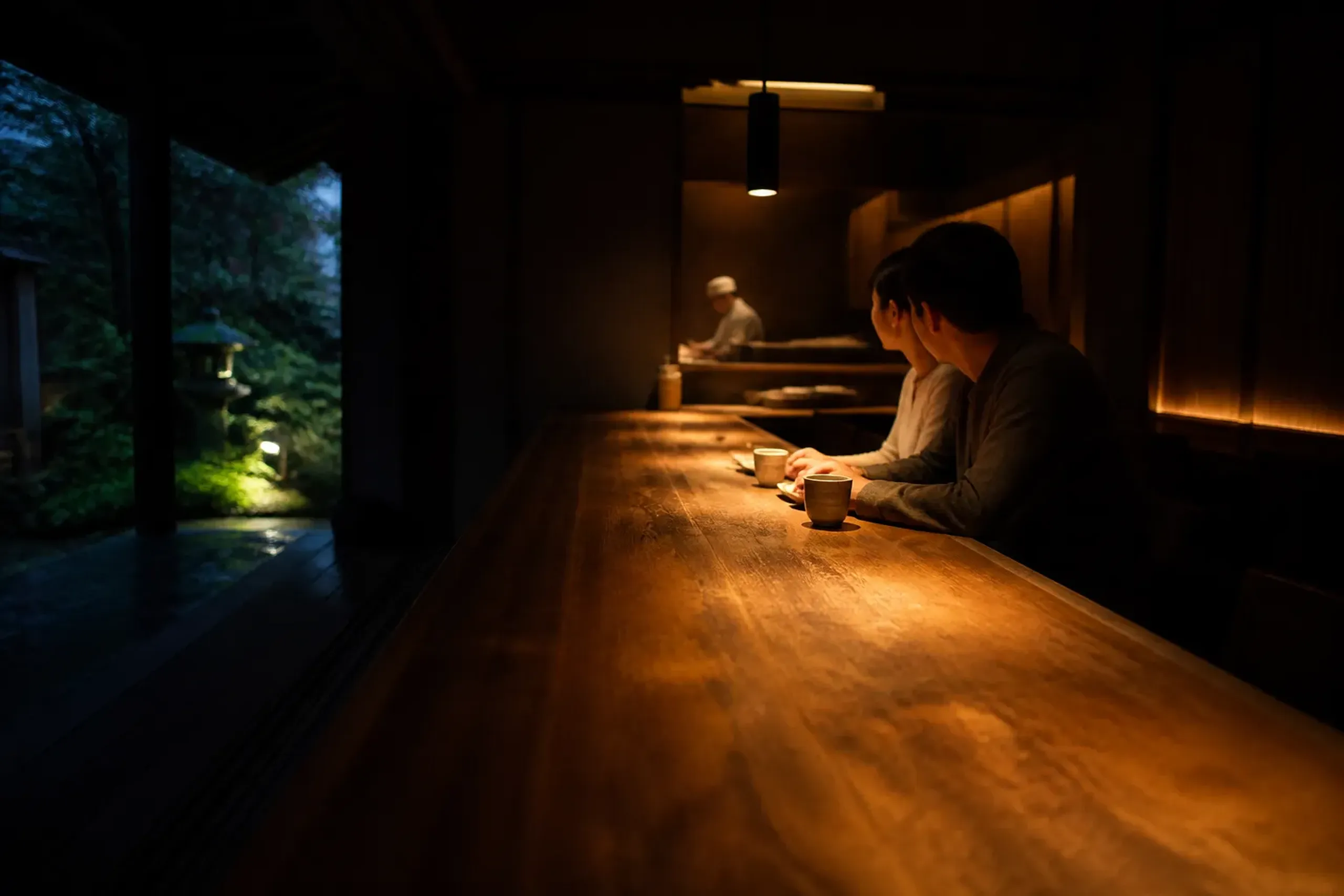
Matching the low register of a room is the heart of quiet travel.
This is the part that does the heavy lifting. Manners here are not a test to pass or a performance to nail. They are the ordinary grammar of shared space, and once you speak it a little, friction drops and attention drops with it.
A note before the specifics: norms vary by region, by setting, and by generation. Treat what follows as reliable general practice, not law. When in doubt, watch what the people around you do and follow that.
Volume And Voice
Keep your speaking voice low in public, especially on trains, in restaurants, and in temple grounds [VERIFY]. Phone calls on trains are widely considered impolite [VERIFY]. If your phone rings, let it go, or step off at the next stop. The single loudest habit most visitors carry is talking at home volume in a room built for half of it.
Queueing And Movement
Lines are orderly and taken seriously. Wait your turn, leave space, and let people exit trains and lifts before you board [VERIFY]. On escalators, people generally stand to one side and leave the other clear for those walking. The standing side differs by region, so glance at the person ahead and match them rather than assuming.
Phones And Photography
Silence your ringer in public. Do not photograph people without permission, and be especially careful in residential districts. In Kyoto this is now formal guidance, not just courtesy.
Key fact: Kyoto City's official guidance, published March 11, 2026, asks visitors not to photograph geiko and maiko without permission, states that photography is only permitted in designated areas in parts of Gion, and warns that violations may result in fines. Gion is a residential neighborhood, not only a sightseeing area. (Source: Kyoto Travel, kyoto.travel)
The same guidance notes that following geiko or maiko, trespassing, and photographing private property are prohibited in areas including Southern Gion. In Arashiyama and around Fushimi Inari, carving on bamboo is treated as criminal property damage, with fines of up to 300,000 yen. None of this is aimed at you specifically. It is simply the floor. Stay well above it and you never think about it again.
Tipping
Do not tip. Tipping is not customary in Japan, and pressing money on a server or driver creates confusion rather than gratitude [VERIFY]. Excellent service is the standard, not a transaction. A sincere thank you carries further than cash.
Shoes
Remove your shoes where the floor changes level or where a rack and slippers wait at the entrance [VERIFY]. This applies in many homes, ryokan, some restaurants, temples, and tea rooms. Wear socks you would be content to be seen in. Slip-on shoes save you a small performance at every threshold.
Bathing And Onsen
Wash and rinse thoroughly at the seated showers before entering a communal bath. The bath is for soaking clean, not for cleaning. Do not put your towel or your head under the water [VERIFY]. Tattoos remain a genuine complication at some baths, where policies vary widely, so confirm the specific facility's rules in advance rather than assuming.
Eating
Eating while walking is generally frowned upon; people tend to stop, eat, and move on [VERIFY]. With chopsticks, avoid sticking them upright in rice or passing food chopstick to chopstick, both of which carry funeral associations [VERIFY]. Slurping noodles is accepted and, in some settings, a compliment [VERIFY]. When unsure, eat a little slower and watch the table around you.
Punctuality
Arrive on time for reservations, ideally a few minutes early. At small, chef-led counters and traditional dining rooms, punctuality is part of the courtesy, and a late arrival ripples through a fixed sequence. Being early is quiet. Being late draws exactly the notice you are trying to avoid.
Dress And Register
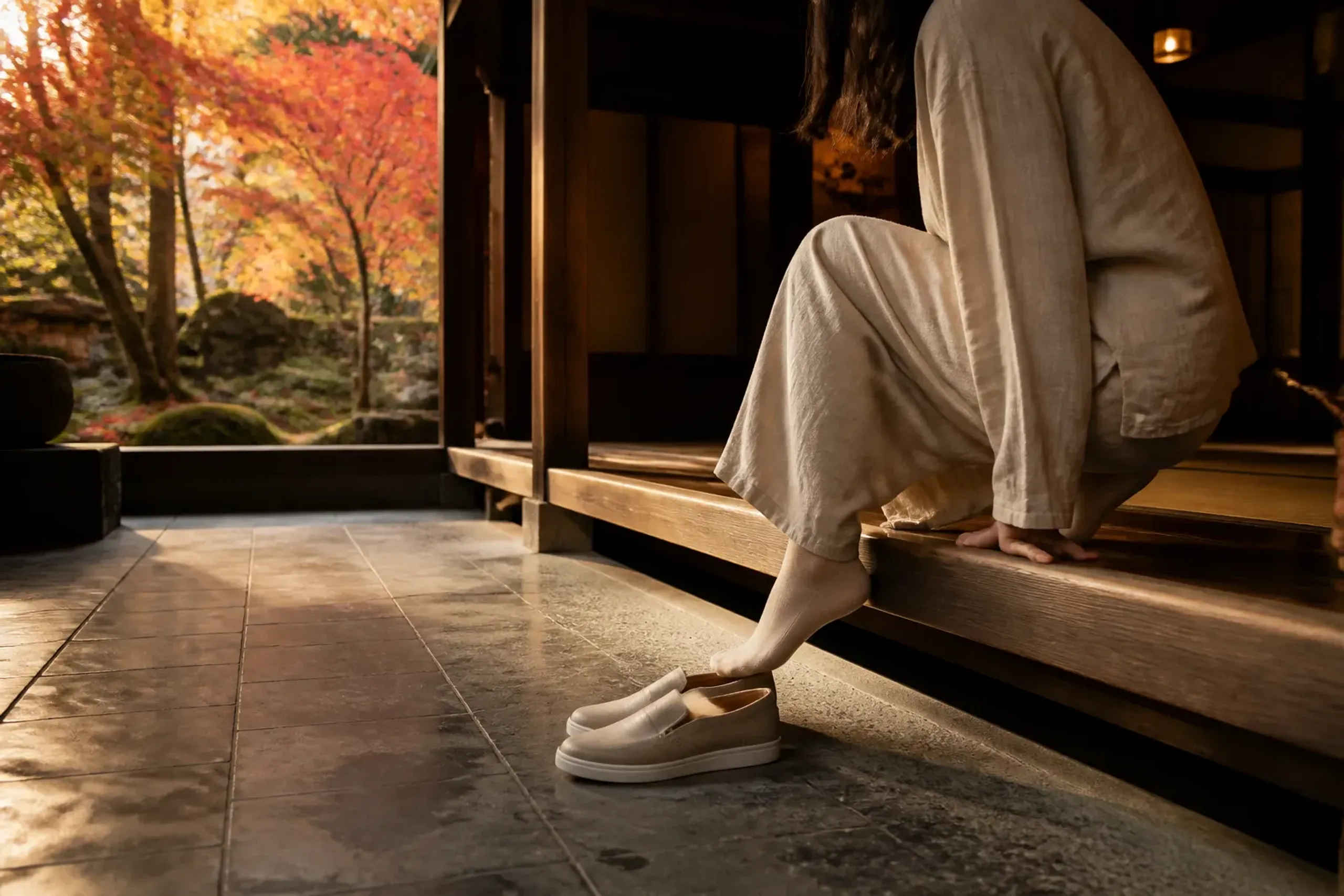
Neutral colors and slip-on shoes make every threshold effortless.
Dress that does not announce is the visual half of blending in. The aim is understatement, and the absence of loud branding does most of the work.
Match the register of the setting. A refined dinner asks for more than a garden walk at dawn, and a temple asks for modesty over flourish. Neutral colors, clean lines, good shoes you can slip off. Nothing that photographs as a label from across the room.
This is not about spending less or looking plain. It is about not being the most conspicuous thing in the frame. The best-dressed person in a Japanese dining room is often the one you would struggle to describe afterward.
Timing Choices, And What Each One Buys
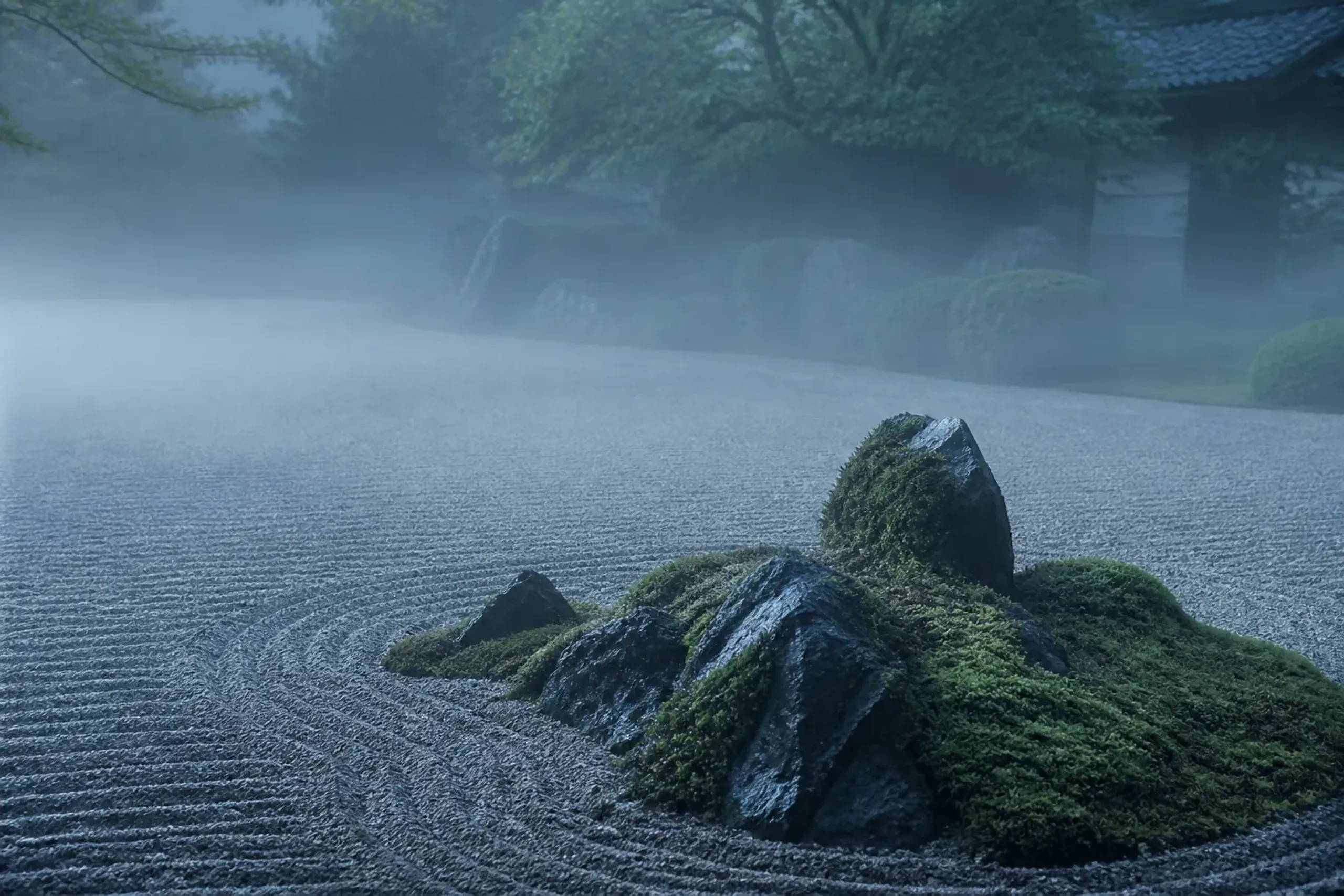
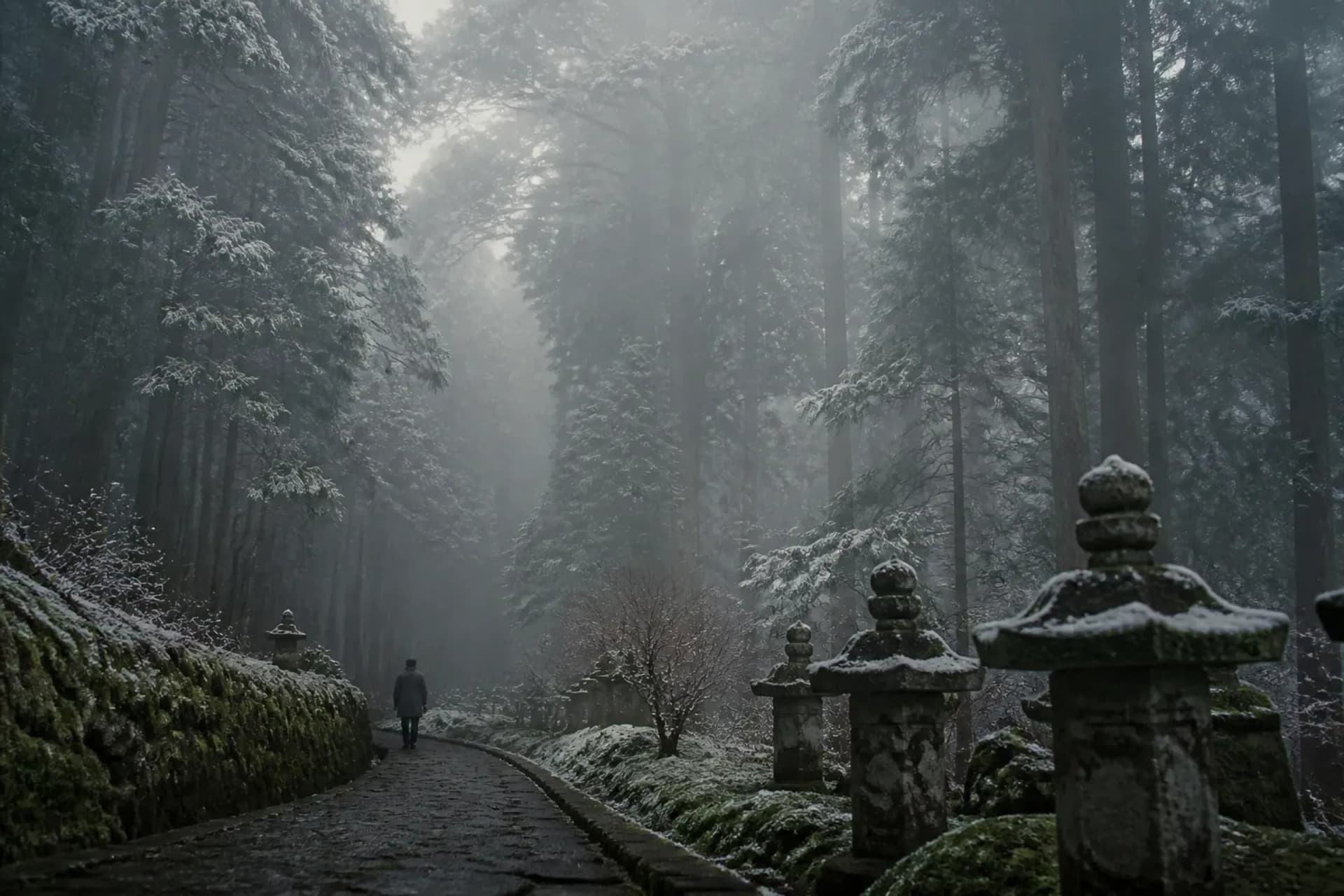
The first hour after opening is often the quietest of the day.
Timing is the most powerful lever you have, and it costs nothing but a little discipline about the clock. The crowd is not everywhere at once. It is concentrated in predictable hours and predictable months, and stepping outside those pockets changes the entire texture of a day.
Japan's crowd pressure is now a policy matter. The Japan Tourism Agency maintains an overtourism measures page, last updated April 24, 2026, and monthly arrivals stay high, with 3,559,900 visitors recorded in May 2026 per the national tourism organization. That macro picture makes your micro timing choices more valuable, not less.
Time Of Day
- Early entry. The first hour after a garden or temple opens is often the quietest of the day. Cool light, few people, staff still settling in.
- Late dining. A later seating thins the room and slows the pace.
- Midday avoidance. The heaviest concurrency at famous sites tends to fall in the middle of the day, when group travel arrives. Route your marquee visits to the edges of that window.
Day And Season
Position marquee sites on weekdays where you can, and keep flexible neighborhood time for weekends. Avoid concurrency with domestic holiday movement, when the whole country travels at once. For weather and light without peak density, spring and autumn are the classic windows, though they are also popular, so the day-and-hour discipline above matters most precisely then.
Routing Choices Available Without Any Arrangement
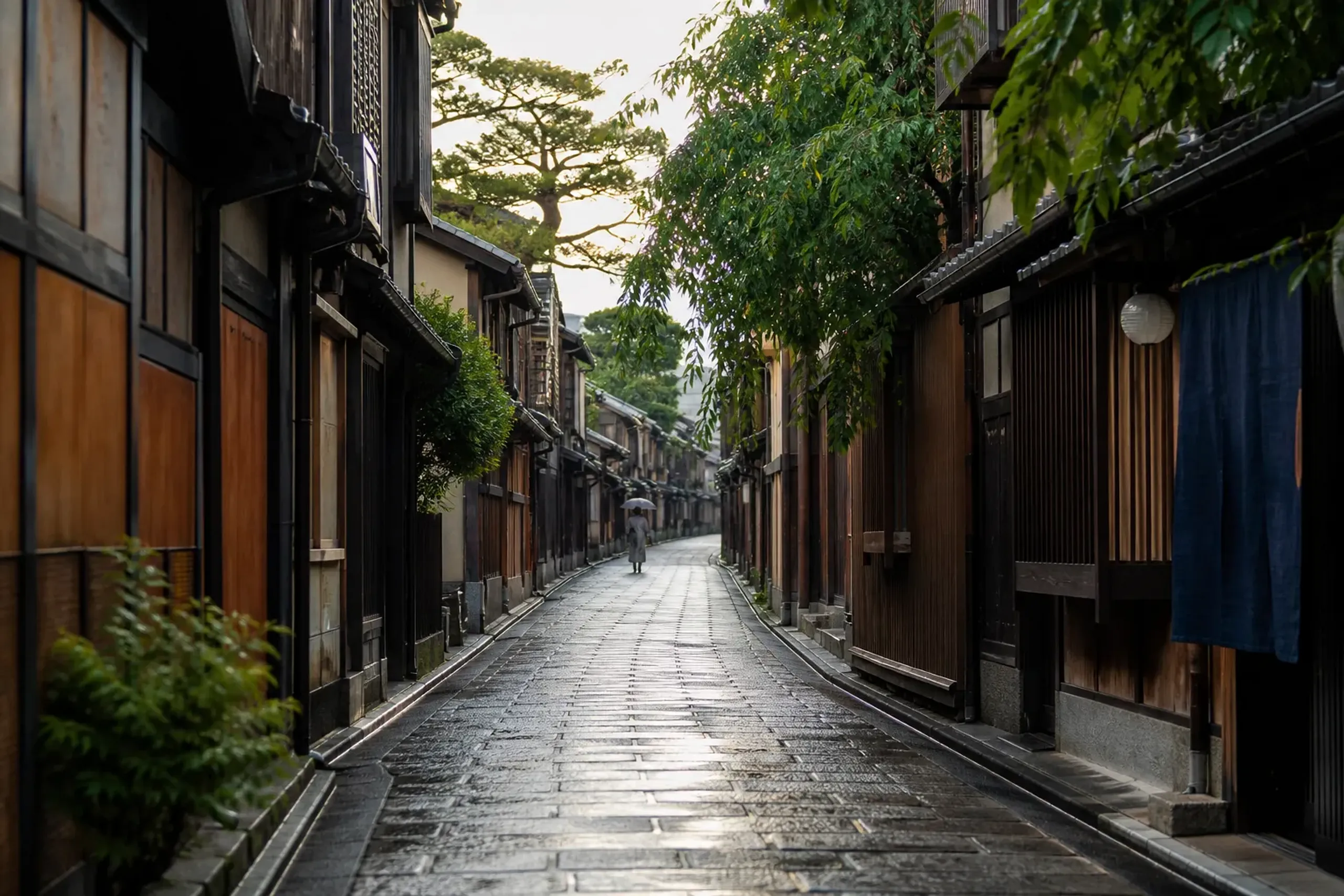
Smaller stations, side entrances, and walking lanes reduce exposure.
How you move through a city shapes how visible you are, and several good choices require nothing but a map and a preference for the calmer line.
- Smaller stations. A secondary station near your destination is often calmer than the main hub and drops you closer to where you actually want to be.
- Less obvious entrances. Popular sites frequently have a second gate or approach that the crowd ignores.
- Quieter lines. Parallel routes exist to most places; the fastest one is not always the least crowded, and the difference of a few minutes buys real calm.
- Walking segments. A ten-minute walk through a residential lane often beats a packed short transfer, and it is where the texture of a neighborhood actually lives. In those lanes, keep your voice down and your camera away from windows and doorways.
On transport, use authorized options. In Kyoto, official guidance advises authorized taxis, identifiable by green license plates, or official ride-hailing apps.
One more logistics habit worth adopting: travel hands-free where you can. Forwarding luggage between stays, rather than dragging cases onto city buses and through peak-hour stations, keeps you mobile and unobtrusive. It is a small thing that quietly removes a great deal of friction.
Party Size And Dynamics
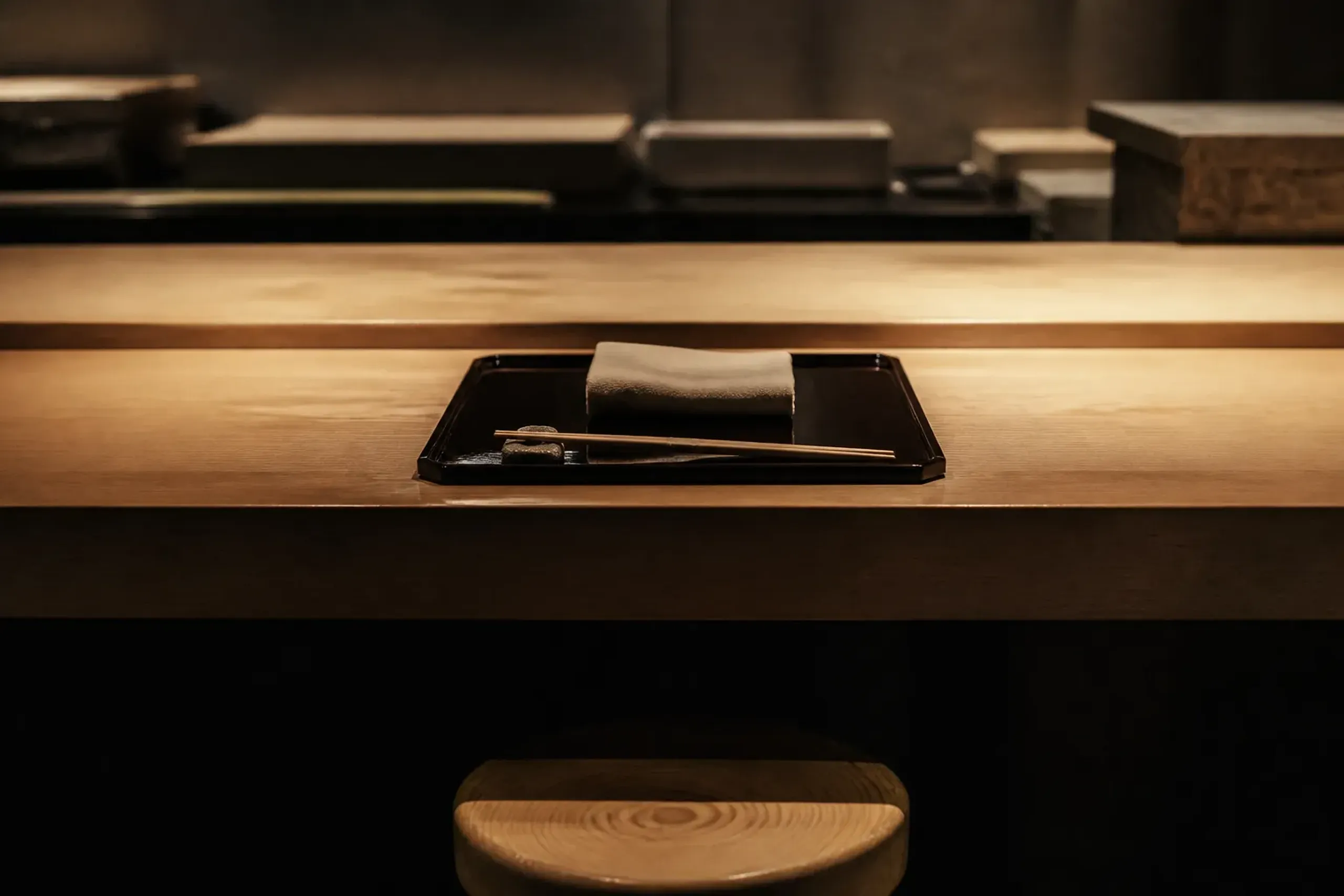
Small parties attract less notice. Two or three people move through a room almost invisibly; eight people become a presence the moment they arrive, however well-behaved.
Size is not the only factor. The loudest member sets the whole party's visibility. One person speaking at full volume undoes the discretion of everyone standing beside them. If you are traveling as a group, agree on a quiet register before you set out, and let the calmest voice lead in shared space.
This is worth a plain conversation in advance rather than a series of hushed corrections later. Traveling companions who share the same instinct for low-key movement make the whole trip easier and more private for everyone in it.
A Little Language Courtesy Goes A Long Way
A few phrases, used correctly, lower friction. This is not about showing off, and no one expects fluency from a visitor.
A greeting, a thank you, an excuse me, a simple please. Said at the right moment, in a normal voice, these smooth every small interaction and signal that you are paying attention to where you are. That attention is precisely what makes you unremarkable. Say the phrase, then step aside promptly so the next person can move; efficiency in shared space is its own courtesy.
Honest Limits
Visible foreignness is not something etiquette erases, and it would be dishonest to pretend otherwise. In some settings you will be noticed simply for being a visitor, and no amount of good conduct changes that.
The aim is not invisibility. It is being uninteresting. You cannot control every glance, but you can control whether you give anyone a reason to keep looking. Fit the register, keep the volume down, move with intent, and the attention you do attract passes quickly and forgets you by the next corner.
Held realistically, that is a very achievable form of privacy, and it is available to any traveler willing to pay attention.
Where Arrangement Takes Over
Everything above is within your own hands. A second layer of quiet, the part concerning arrivals, entrances, lifts, hotel interiors, and after-hours viewings, is a matter of logistics rather than conduct, and it is covered in our companion piece on designing an itinerary with a minimal public footprint. There is no reason to repeat it here. Read the two together and you have both halves of the picture: what you do, and how the day is built around you.
Why Choose Japan Royal Service
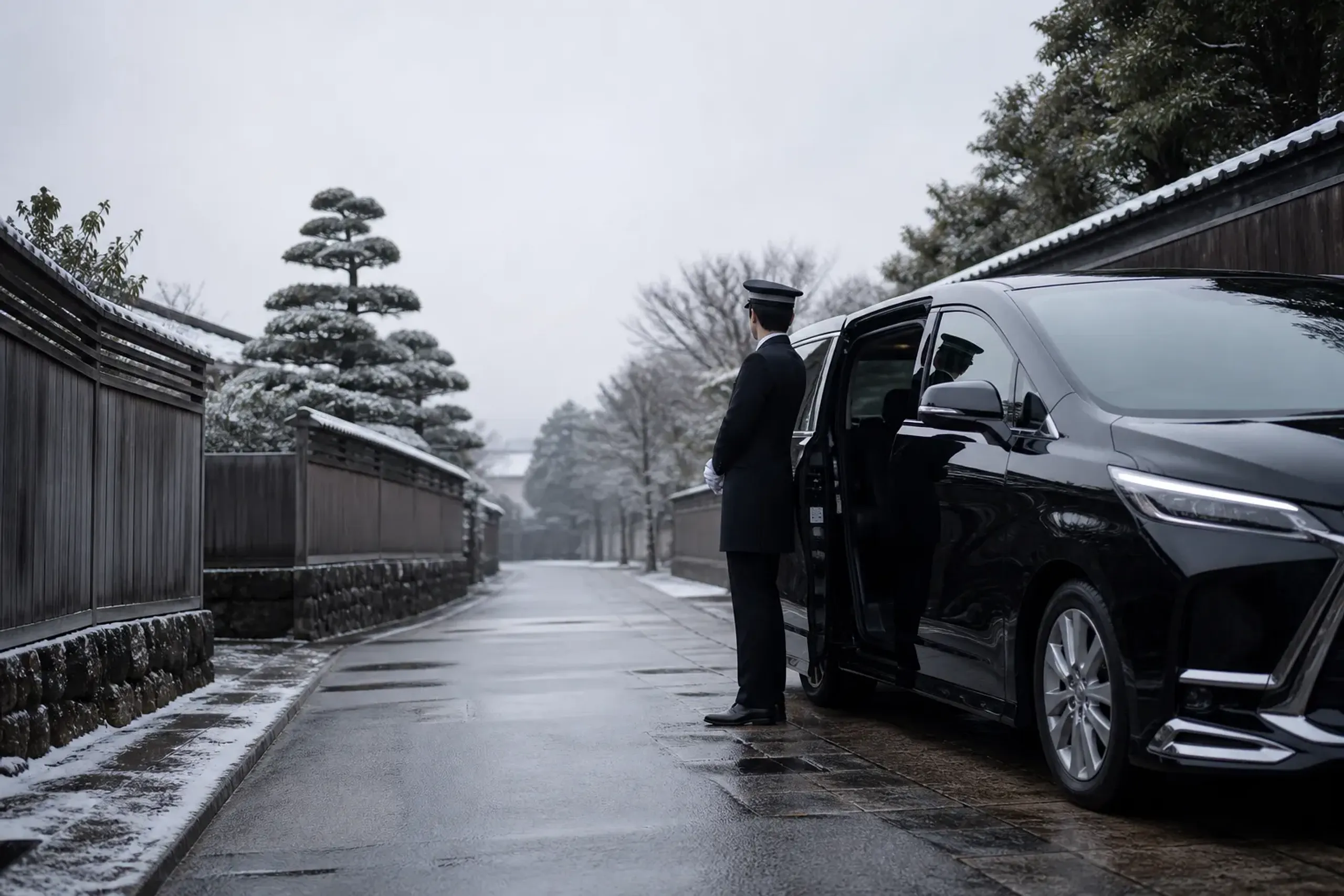
Authorized private transport keeps movement calm, compliant, and unobtrusive.
Quiet travel is really about control of the day, and that is the work we do. Our team at Japan Royal Service designs private days in Tokyo, Kyoto, Osaka, Nara, Nikko, Hakone, Hiroshima, and Hokkaido with pacing, timing, and routing chosen to keep exposure low and calm high.
In our experience, the difference between a fine day and a genuinely private one is a hundred small decisions made in advance: which hour, which entrance, which line, which room. Our concierge reviews planned days for crowd concurrency and pacing, coordinates authorized chauffeured transport, and briefs drivers and guides to the same low-key register you keep yourself. We work in English, Japanese, Thai, and Filipino, and discretion is not a feature we add; it is the way we operate.
We inform and guide. Third-party venues and experiences are always coordinated privately, on your terms, after we understand what a quiet day means to you.
Frequently Asked Questions
Do I need to tip anyone in Japan?
No. Tipping is not customary and can cause confusion. A sincere thank you is the right response to good service [VERIFY].
Can I photograph geiko or maiko in Kyoto?
Not without permission. Kyoto's official March 2026 guidance restricts photography to designated areas in parts of Gion, prohibits photographing people without consent, and warns that violations may result in fines. Gion is a residential neighborhood.
How do I avoid crowds at famous sites?
Favor early entry, weekday visits, and the hours around opening and late in the day. Route marquee sites away from the midday window and avoid domestic holiday periods when the whole country travels at once.
What is the safest way to arrange transport in Kyoto?
Use authorized taxis, identifiable by green license plates, or official ride-hailing apps.
Is being completely private in Japan realistic?
Complete invisibility is not the goal, and visible foreignness cannot be erased. Being uninteresting is realistic: fit the local register, keep your volume down, and most attention passes quickly.
If you would like a calm, low-exposure trip, our concierge is glad to review your planned days for pacing and crowd concurrency before you travel. Reach our team privately via WhatsApp or LINE, or contact us here.