In this guide
- 01What An Introducer Spends (And Why It Rarely Comes Back In Full)
- 02The Second Visit Is The Real Signal
- 03What Hosts Actually Notice During The Visit
- 04Afterward: Discretion, Restraint, And Non-Transferability
- 05Reciprocity: What It Is (And What It Is Not)
- 06What Ends A Relationship Quickly
- 07A 2026 Reality Check: Why This Matters More Now
- 08How We Brief Guests Before A First Introduction
- 09Why Choose Japan Royal Service
Most articles about “introduction-only” access talk about what you receive.
This one is the inversion. It is about what you carry after the introduction is made.
In Japan, an introduction is not a shortcut. It is a transfer of exposure from one person to another.
That is why the second visit matters more than the first.
What An Introducer Spends (And Why It Rarely Comes Back In Full)
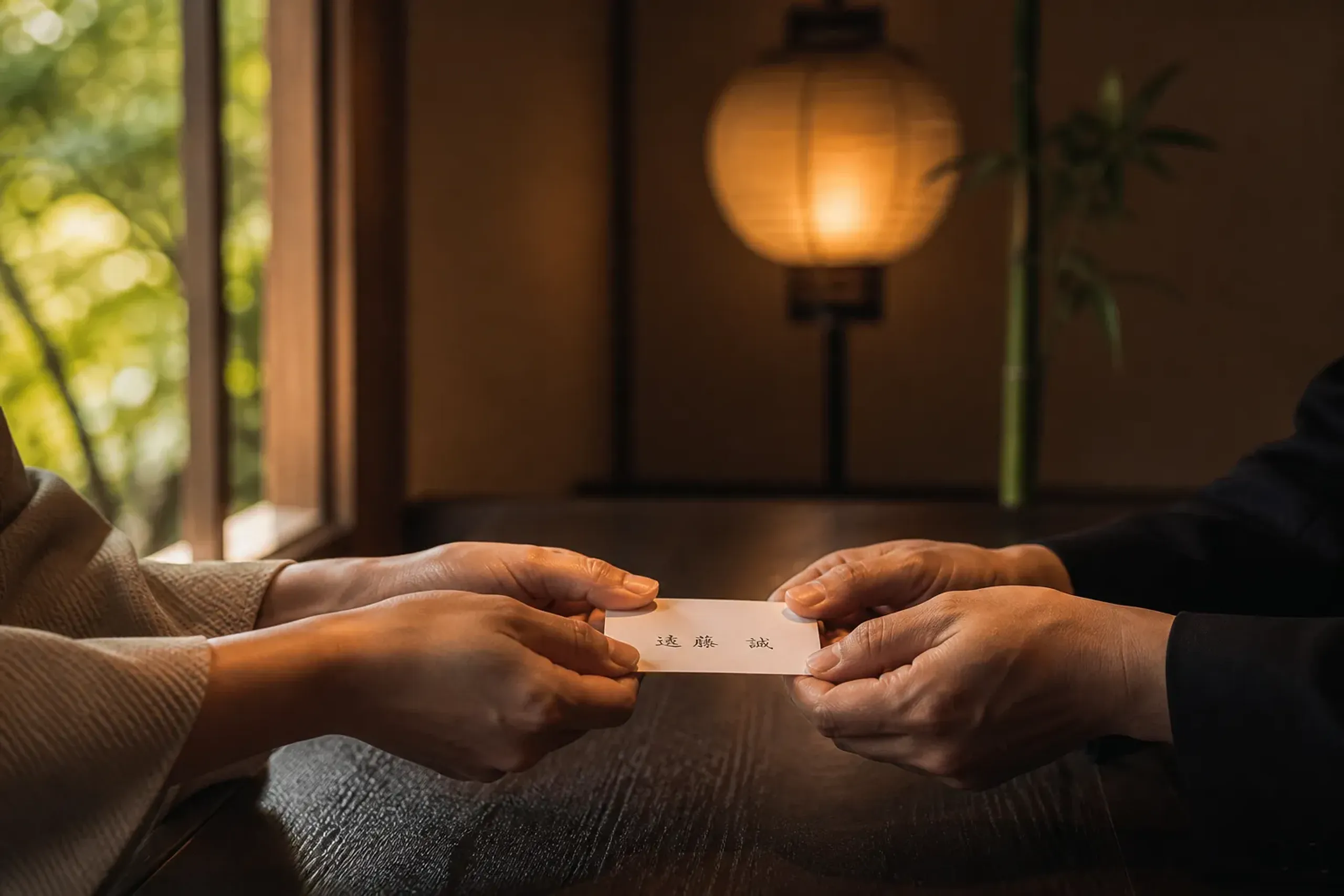
When someone introduces you, they are not lending you their address book.
They are putting their standing into motion, in a way that can be felt on the other side of the door.
Quietly, the host is reading a single question: “If I welcome this guest, what risk am I accepting for my staff, my regulars, and my own name?”
That is the mechanism. Nothing mystical.
In our experience, many HNW travelers misunderstand the shape of the risk. It is not only about money.
It can be about privacy, timing, small rooms, fragile neighborhoods, or the simple fact that a counter has only eight seats.
In Kyoto, it can be about the pressure that public attention puts on specific streets and the people who live and work there.
Consequences are real.
Key fact: Kyoto’s official guidance for areas such as Southern Gion lists forbidden acts including following geiko/maiko, taking photographs without permission, trespassing, and photographing private property, and states photography is permitted only in designated areas.
Once an introduction is made, the introducer’s exposure does not “reset” after your first visit.
Even if you are perfect, their name has still been used. That usage lingers.
That is why good guests behave with a certain restraint. Not because they are being tested.
Because they understand the accounting.
The Second Visit Is The Real Signal
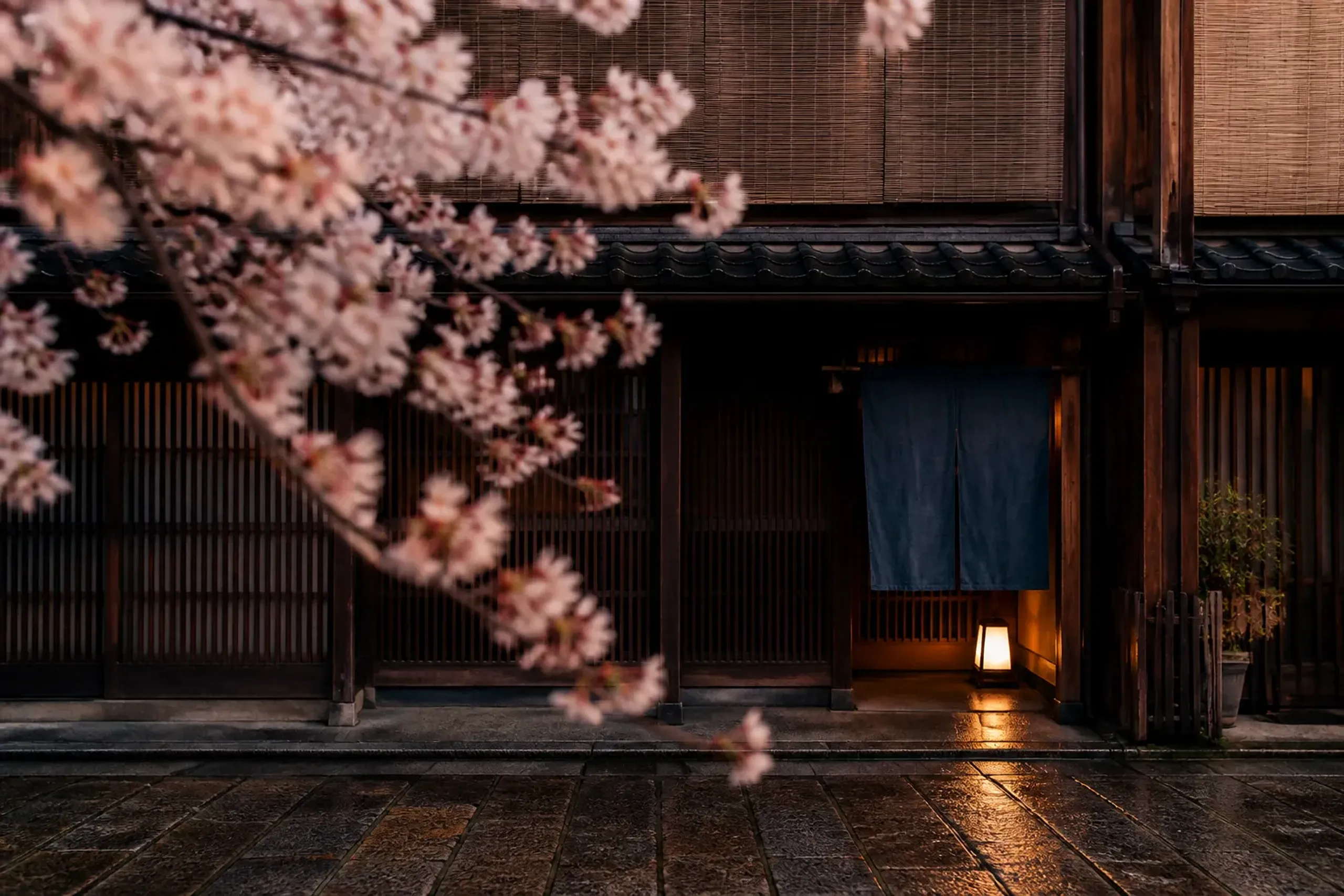
A first visit is, in a sense, the introducer’s judgment.
A second visit is the host’s.
That distinction matters more than any special course, any back-room seat, any extra conversation on night one.
It is the difference between “we accepted you” and “we want you back.”
For HNW travelers, this is good news. It means you do not need to “perform” on the first visit.
You need to be dependable.
Hosts notice patterns. They notice whether you return as the same person they met, with the same tone, and the same care around their space.
Small consistency. Big meaning.
What A Return Invitation Usually Looks Like
It is rarely announced.
Sometimes it is a simple line at the end: “Please come again.”
Sometimes it is a small adjustment in how you are seated, or a calmer pace because the staff is no longer bracing for uncertainty.
Sometimes it is a proposed date that suits the house, offered in a matter-of-fact way, as if it were ordinary—because for them, it is.
What Hosts Actually Notice During The Visit
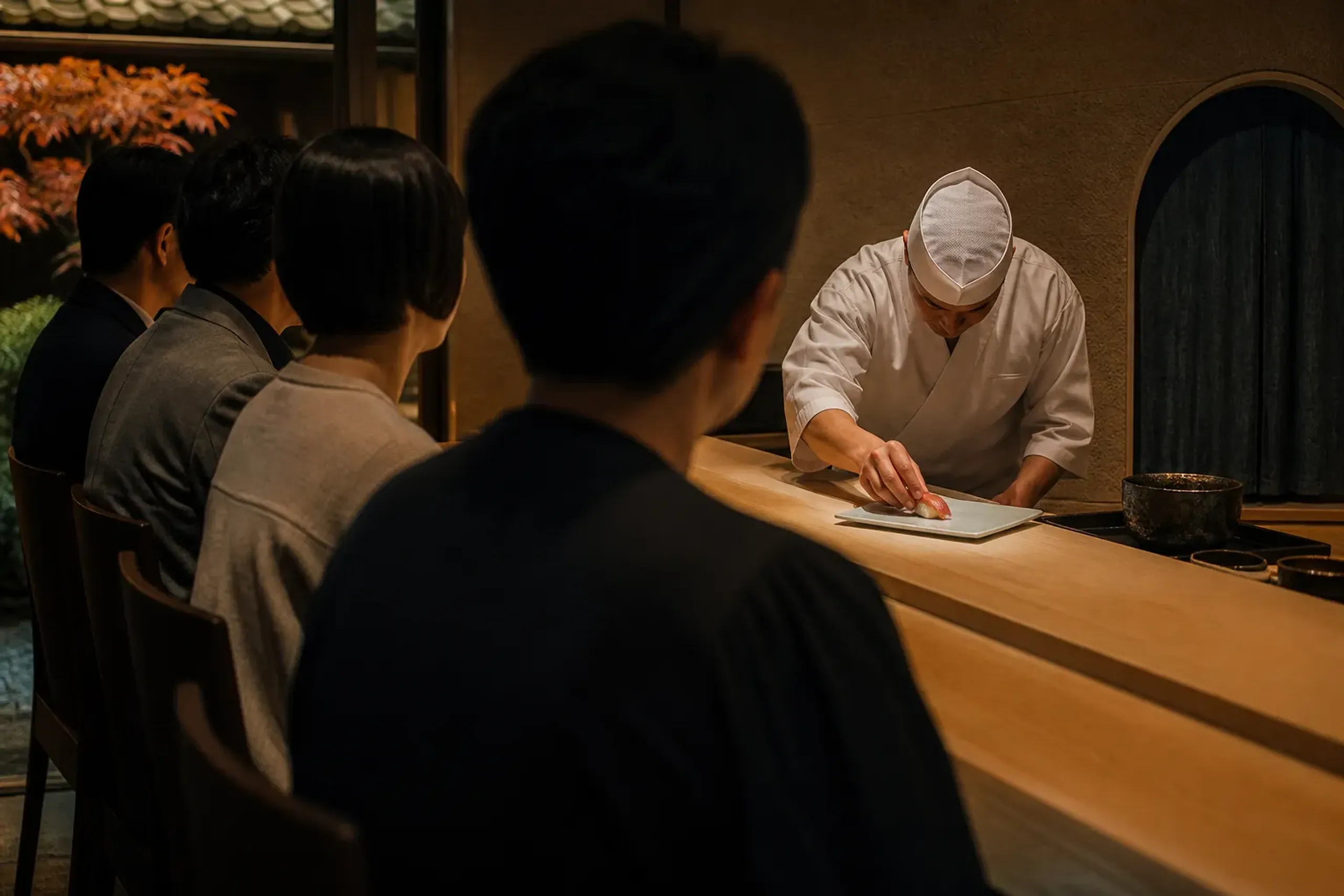
The basics are not glamorous. They are decisive.
If you want a practical standard, think in four categories: time, attention, restraint, and how you treat people.
Nothing here requires fluent Japanese. It requires a watchful mind.
And a small amount of humility.
Punctuality And The Shape Of Your Arrival
Arrive on time. That is the headline.
In many high-trust settings, the room runs on a tight cadence: service, clearing, pacing, and the next table’s entry.
When you arrive late, you do not only inconvenience the host. You compress the staff’s work and change the experience for others.
It shows.
Arriving Informed (Not Demanding)
Being informed does not mean rehearsing facts.
It means understanding what kind of place you are entering, and what the house is trying to do that night.
If you have dietary constraints or mobility needs, disclose them early and clearly. Do not announce them at the door.
Last-minute surprises are the enemy of trust.
Attention During Service
In a shokunin setting, attention is part of the exchange.
That can mean listening when something is explained, watching without hovering, and not turning the experience into a studio shoot.
Even in silence, your posture communicates whether you are present or merely consuming.
People feel it.
Restraint With Photography
Photos are not “bad.”
But consent is not optional, and context changes the answer.
Japan National Tourism Organization publishes guidance on responsible photography, explicitly referencing issues such as chasing maiko for photos and stepping onto private property for selfies, and frames respectful photography as part of good etiquette.
Follow that spirit. Every time.
In sensitive districts of Kyoto, guidance is explicit.
Kyoto Travel’s “Gion manner” messaging asks visitors not to stop, touch, follow, or take unauthorized photos/videos of geiko or maiko in the district.
And for areas such as Southern Gion, it states photography is only allowed in designated areas and lists forbidden acts including trespassing and photographing private property.
Assume the bar is higher than you think.
Finishing What Is Served (And Handling What You Cannot)
Waste reads loudly in small houses.
If you are served something you truly cannot eat, the best move is calm honesty, without drama. [VERIFY]
If you can eat it, finish it. Quietly.
In settings built on season and craft, leaving half a dish can be taken as a lack of regard. [VERIFY]
Leaving At The Right Time
Some places are designed for lingering. Some are not.
When a space runs on reservations, “one more drink” can ripple into the next seating or the staff’s last train.
If the host signals an ending, accept it smoothly.
Grace matters.
Afterward: Discretion, Restraint, And Non-Transferability
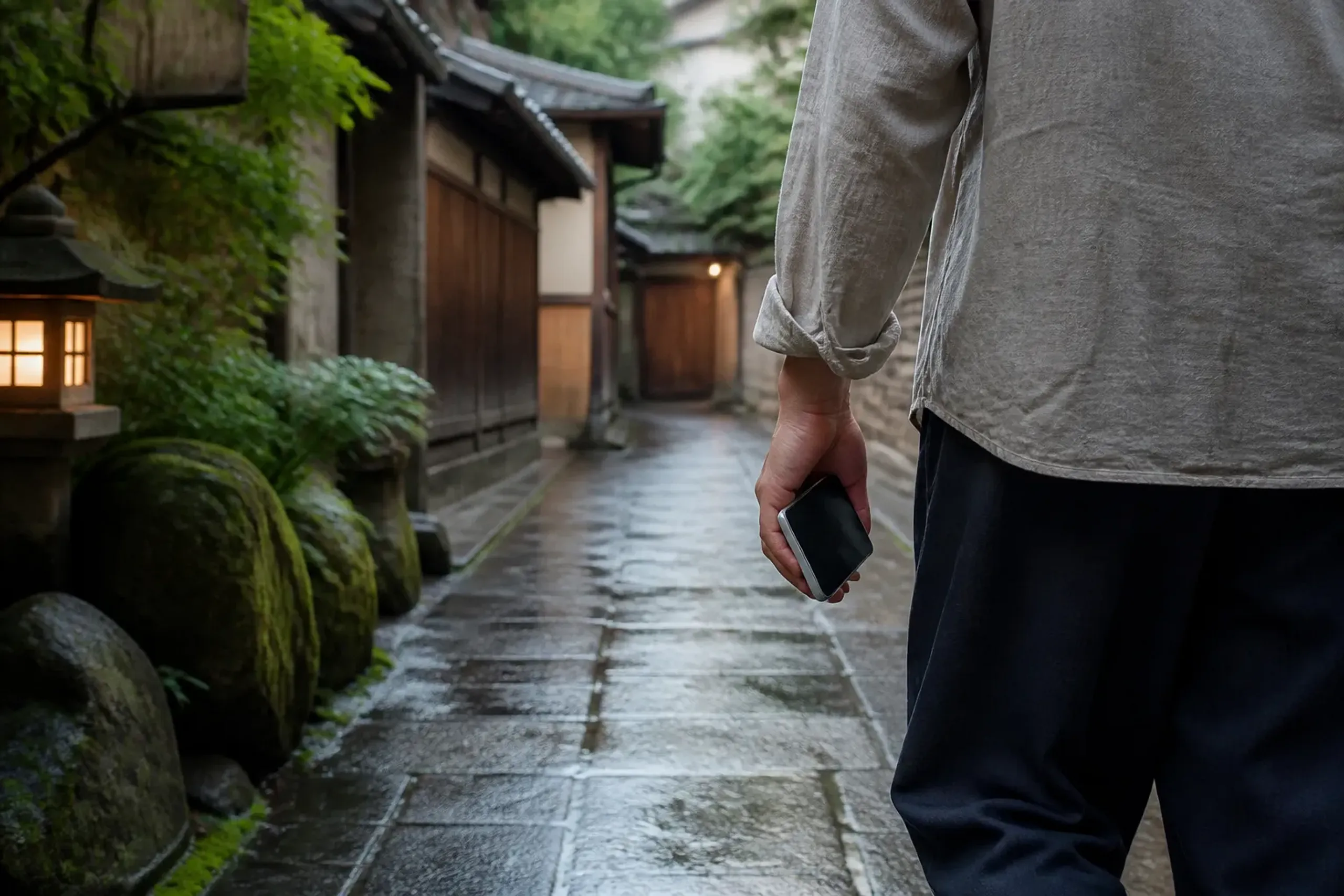
Many guests believe the risk ends when the bill is paid.
Often, it begins afterward.
This is where otherwise sophisticated travelers accidentally create damage—through publicity, casual sharing, or treating an introduction like a reusable asset.
Don’t.
Discretion Means No Broadcasting
Posting a recognizable doorway, a chef’s face, a distinctive counter, or a named house can pull attention to a place that never asked for it.
In 2026, with overtourism pressure rising, that attention can be costly.
Japan’s Tourism Agency maintains a national overtourism policy page (updated April 24, 2026) describing efforts aimed at preventing and suppressing overtourism.
The direction is clear: behavior shapes what remains possible.
Do Not Treat The Introduction As Transferable
An introduction is not a membership card. [VERIFY]
It is not meant to be forwarded to friends, or used as leverage to access other venues.
And it is not a license to return with a bigger group than agreed.
Party size is not a detail. It is the plan.
Do Not “Add One More Person” At The Last Minute
This is one of the fastest ways to end a relationship.
Many high-trust spaces are physically small. A single extra seat may not exist.
Even if it does, the house may not want the unpredictability attached to your name again.
It is that simple.
Reciprocity: What It Is (And What It Is Not)
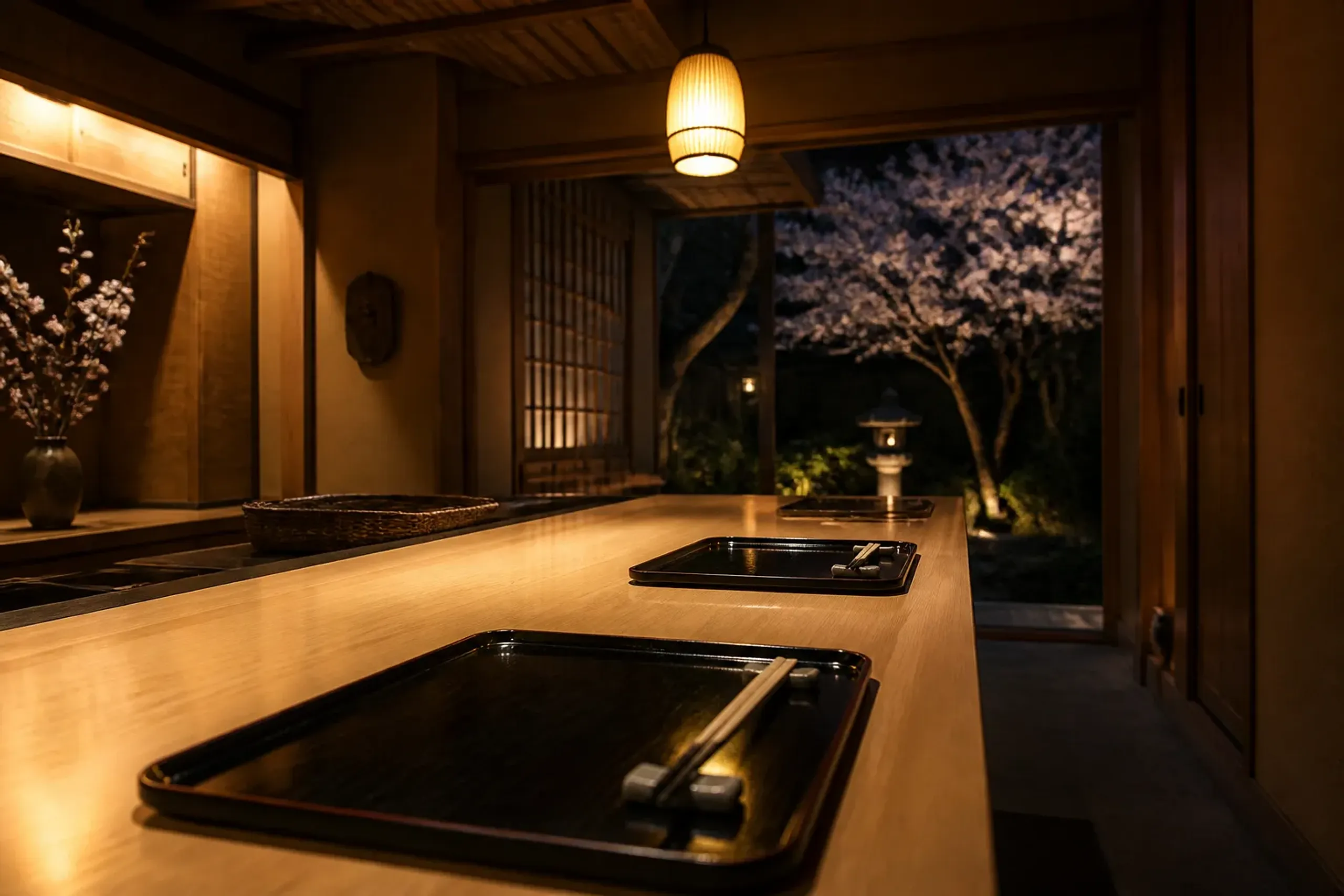
Reciprocity is real. It is also easy to get wrong in travel writing.
Think of it as acknowledgment, not transaction. [VERIFY]
A sincere message to the introducer is often appropriate, as is returning when invited. [VERIFY]
Remembering matters.
Gifts are high-risk advice. Norms vary by setting, relationship, and region.
We do not recommend treating gifts as a requirement, or as a way to “pay back” access. [VERIFY]
Tipping is not customary in Japan and should not be pushed into these settings. [VERIFY]
If you are unsure, ask privately before you act.
What Ends A Relationship Quickly
This section is not here to scare you.
It is here because the system has hard edges, and most guests would rather know them upfront.
When an introducer’s standing is involved, a single bad decision can close the door for more than one party.
It can also spread, quietly.
- No-shows or casual late cancellations.
- Arriving late without warning, then acting as if it is normal.
- Unexpected guests, changed party size, or “just one friend.”
- Publicity that identifies the venue, staff, or other guests.
- Complaints used as leverage rather than handled calmly and privately. [VERIFY]
- Using a name from one relationship to pressure another. [VERIFY]
If you read that list and think, “This is just basic courtesy,” you are correct.
The difference is consequence. That is all.
In Japan, courtesy is not theatrical. It is structural.
And in introduction-based access, structure is the point.
A 2026 Reality Check: Why This Matters More Now
Access has always been fragile.
But the backdrop has shifted, and not only in Kyoto.
National and international bodies are now publicly focused on balancing inbound tourism with resident life and on addressing inappropriate behavior in localized hotspots.
That policy direction changes what neighborhoods will tolerate, and what hosts will risk.
There are visible signals.
The Japan Times reported on February 5, 2026 that a cherry blossom festival in Fujiyoshida (Yamanashi Prefecture) was cancelled after residents complained of overtourism, and it referenced concerns about tourist behavior in hotspots such as Kyoto.
You do not need to agree with every headline to understand the pattern.
Social license is becoming a gate.
Japan’s Ministry of Land, Infrastructure, Transport and Tourism (Japan Tourism Agency) has published “Travel Etiquette for the Future” guidelines and tourism pictograms to promote better visitor behavior.
Those materials are aimed at everyone, not only luxury travelers.
But for guests seeking introduction-based access, the same guidance functions like a baseline contract.
Quiet conduct keeps doors open.
How We Brief Guests Before A First Introduction

We keep it plain.
Before an introduction-based experience, our concierge team focuses on the few details that actually reduce risk: timing, dress expectations if any, photography boundaries, party-size discipline, and how to exit cleanly.
We also help you route your day to arrive calm rather than rushed—often by using a private vehicle and driver where it makes sense for your schedule and privacy needs.
The first mention matters: see our approach to private transportation for Japan, especially in cities where minutes can decide the tone of a visit.
If your broader trip includes a tailor-made itinerary, we treat introductions as the “high-trust” pieces that need extra spacing and fewer surprises.
Less sprinting. More margin.
That is where wabi-sabi becomes practical: you are not chasing volume, you are protecting quality.
And if shokunin craft is part of your trip, showing up steady and attentive is the whole point.
Why Choose Japan Royal Service
Luxury travelers compare concierges by what they promise.
We think the better comparison is how precisely they brief you for the parts of Japan that run on trust, not marketing.
Our team at Japan Royal Service is built for discreet planning: privacy-first routing, calm logistics, and clear guidance on the conduct that makes a second invitation possible.
That is how Hidden Japan stays hidden, and why Imperial-class settings remain dignified rather than exposed.
If you want to travel as the guest worth inviting back, we will tell you what matters, what is optional, and what to avoid—without drama.
Just the standard. Quietly upheld.
For private coordination, reach our team privately via WhatsApp or LINE, or contact us here.