In this guide
- 01Access Timing: The Quietest Hour Is A Design Choice
- 02Private Transport And Routing: Reducing The Points Where You Are Seen
- 03Introduction Over Booking: The Japan Google Cannot Find
- 04Staff Discretion: The Care You Only Notice By Its Absence
- 05Keeping The Itinerary Off Searchable Channels
- 06How To Read Real Discretion Versus Marketing
- 07Building It Into A Real Itinerary
- 08Frequently Asked Questions
- 09Why Choose Japan Royal Service
The car does not stop at the front of the hotel. It slips down a side lane, past the delivery entrance, and pauses at an unmarked door where a single member of staff waits without a clipboard. No name is spoken aloud. Your luggage is already upstairs. Ten minutes later you are standing alone in a temple garden that will not open to the public for another two hours, and the only sound is water moving over stone.
That is the difference. Most travelers never see it, so they cannot miss it. A standard luxury trip buys you comfort. A trip engineered for discretion buys you something rarer: your own attention back, undivided, in places usually shared with three hundred strangers holding phones.
At Japan Royal Service, we build itineraries around that invisible layer. This is not a promise of exclusivity dressed in adjectives. It is a system — a set of design levers that, applied together, produce privacy you can feel. Below is how it actually works.
Access Timing: The Quietest Hour Is A Design Choice
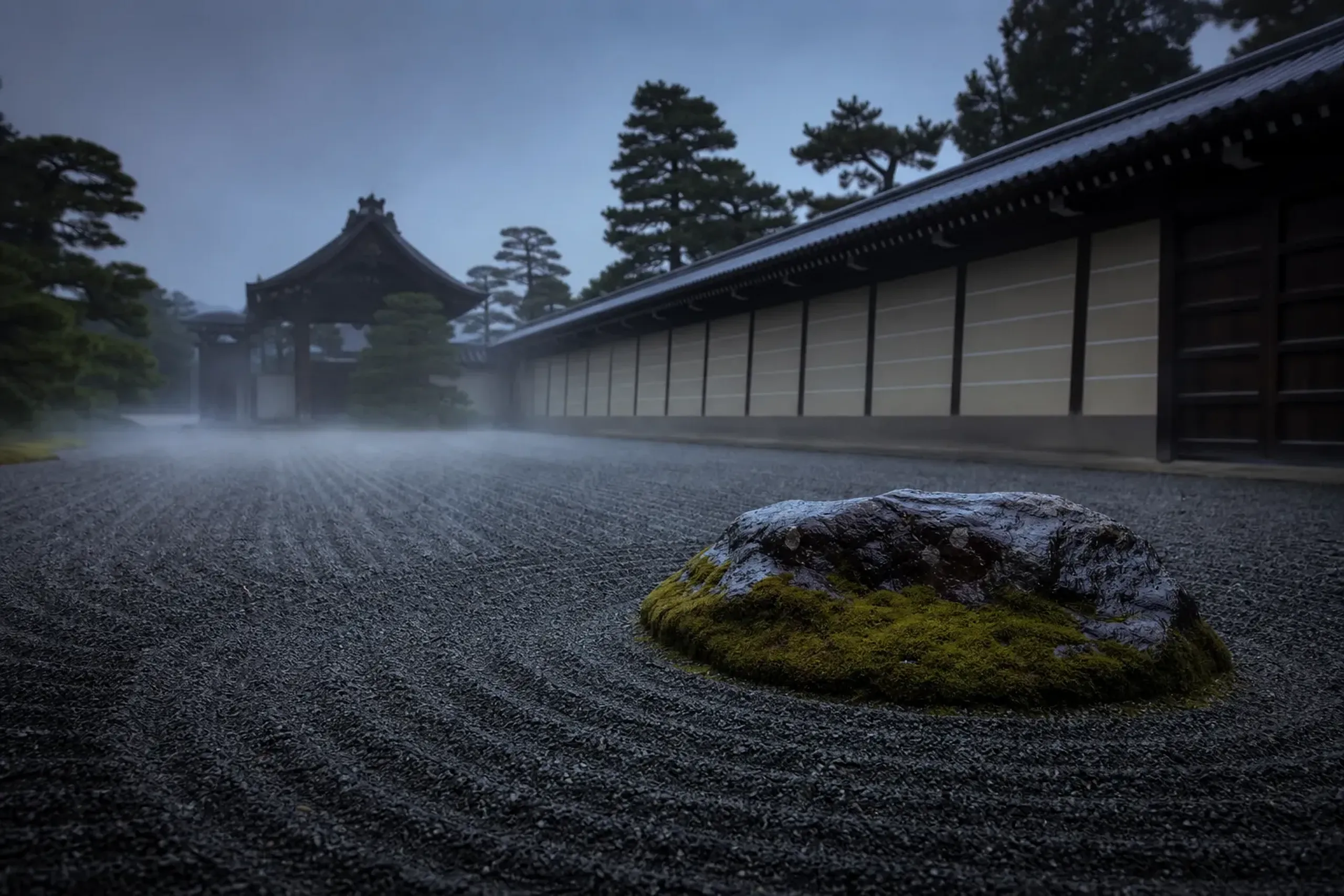
The quietest hour is a scheduling decision, not luck — a garden before the gates open to the public.
Crowds are a schedule problem before they are a luck problem. The famous sites in Kyoto and Tokyo are busy at predictable hours, and empty at others. The whole game is knowing which is which — and having the standing to be there when the gate is still shut to everyone else.
Kyoto now publishes a real-time congestion forecast for its major districts, complete with live camera streams; the tool was last updated in June 2026. Our concierge reads it the way a sailor reads weather. Arashiyama at 7 a.m. is a different place than Arashiyama at 11. Not marginally different. A different place entirely.
Where a property or temple legitimately offers before-open or after-hours viewing, that becomes the spine of the day. A garden arranged for one party. A collection walked through before the doors unlock. This is not about paying to skip a line. It is about redesigning the clock so the line never forms around you.
What to ask for: not "skip-the-line access" but "first-entry or after-hours where the site actually permits it." The honest answer is sometimes no — and a planner who tells you no is worth more than one who promises everything.
Private Transport And Routing: Reducing The Points Where You Are Seen
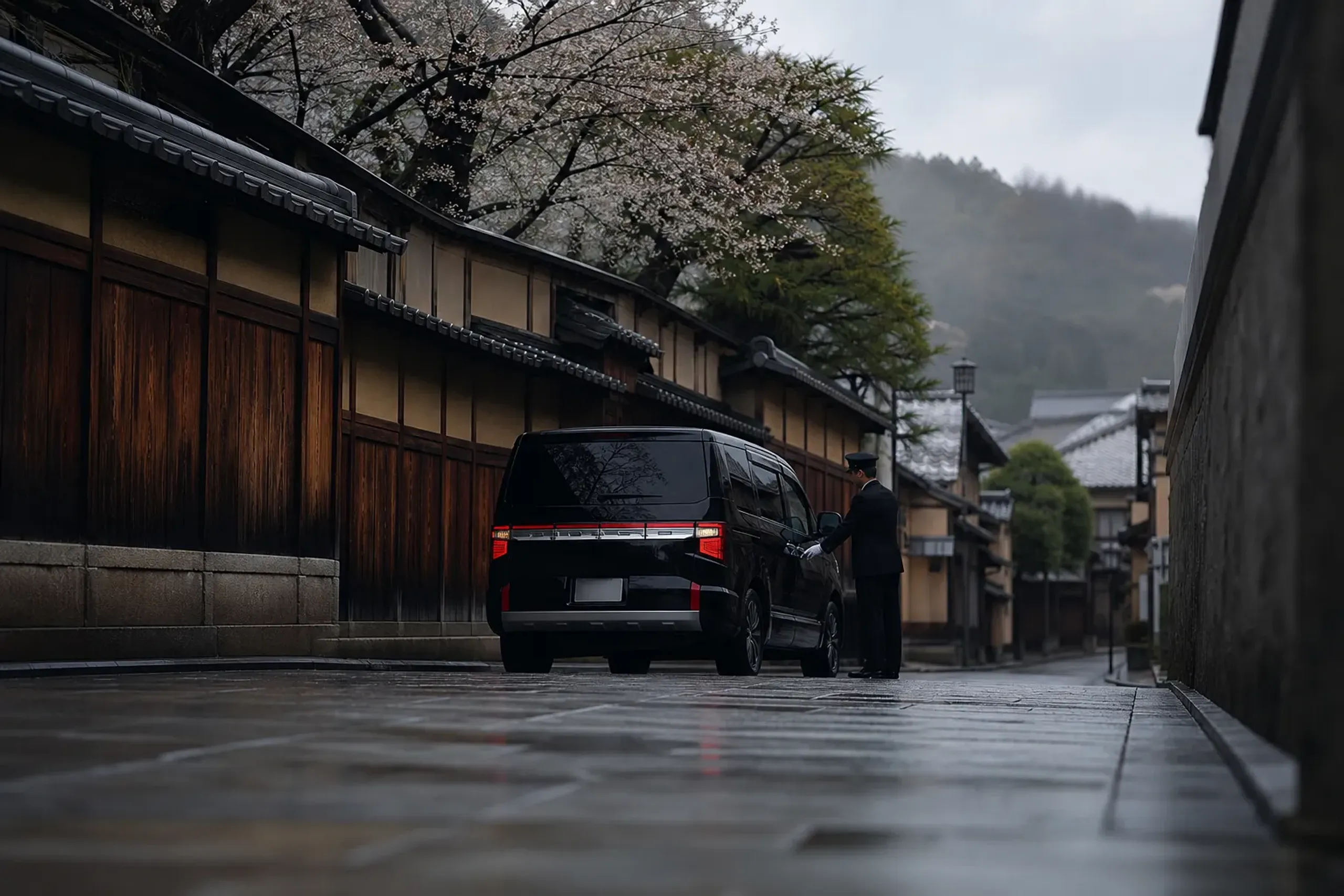
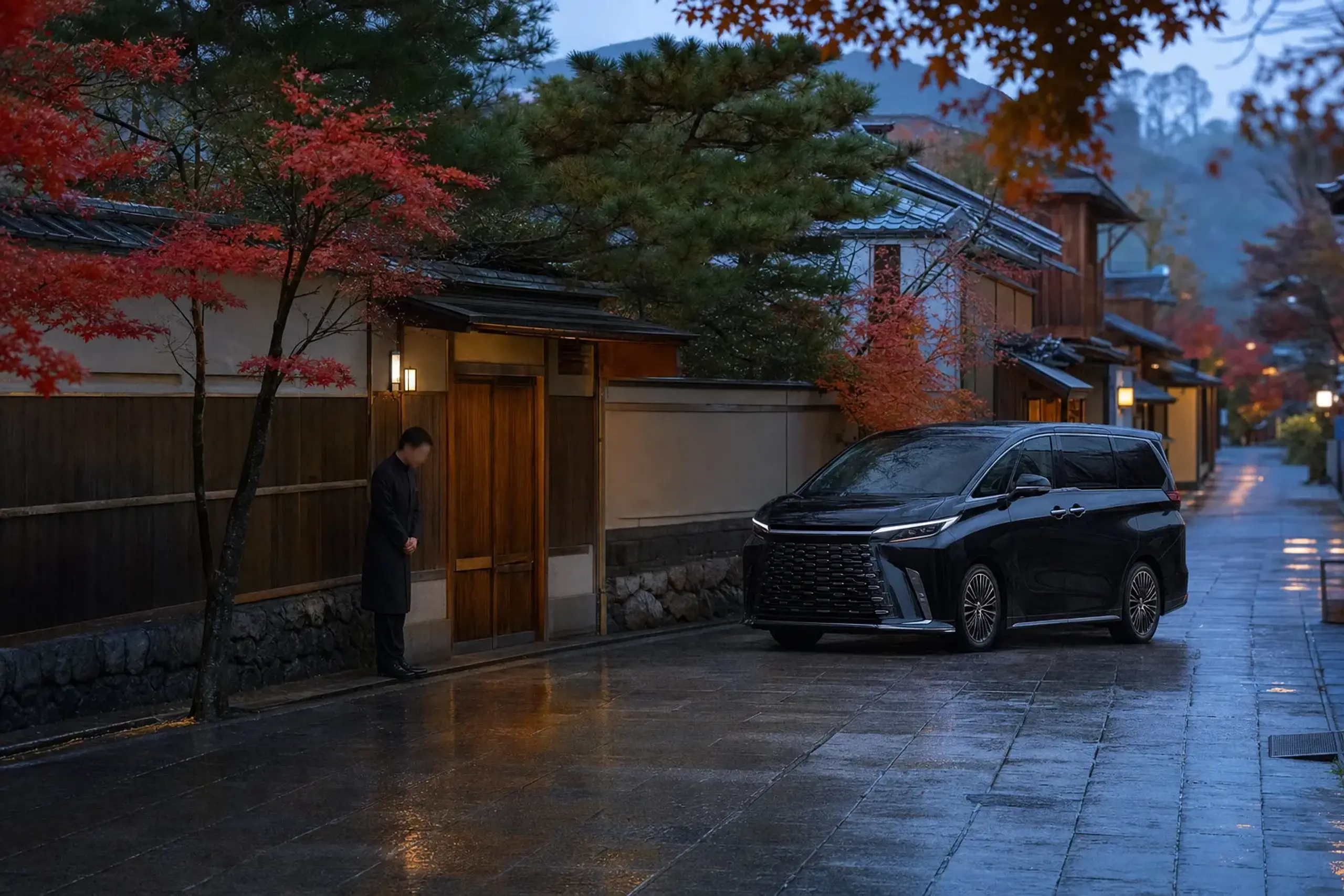
The vehicle reads as ordinary until the door opens — routing designed to remove exposure points.
Every public transfer is an exposure point. The station concourse. The taxi rank. The hotel lobby at check-in hour. Privacy-first travel counts those moments and quietly removes them.
A private chauffeured vehicle is the obvious lever, but the design sits in the details. The driver who has already walked the route knows which entrance avoids the lobby crush. The Lexus LM 500 and the Toyota Alphard we favor are chosen partly because they draw no attention on a Kyoto street — no badge, no fuss, a vehicle that reads as ordinary until the door opens onto something that is not.
Routing matters as much as the car. We map the day so arrivals land in the soft hours, so lunch is booked where a private room shields you from a dining floor, so the return to the hotel skips the front desk entirely. Kyoto's official visitor guidance now recommends "hands-free travel" to ease the strain on residential neighborhoods like Gion. We fold that into the plan: luggage forwarded ahead, nothing to wrangle, a lighter footprint on streets where people actually live.
Introduction Over Booking: The Japan Google Cannot Find
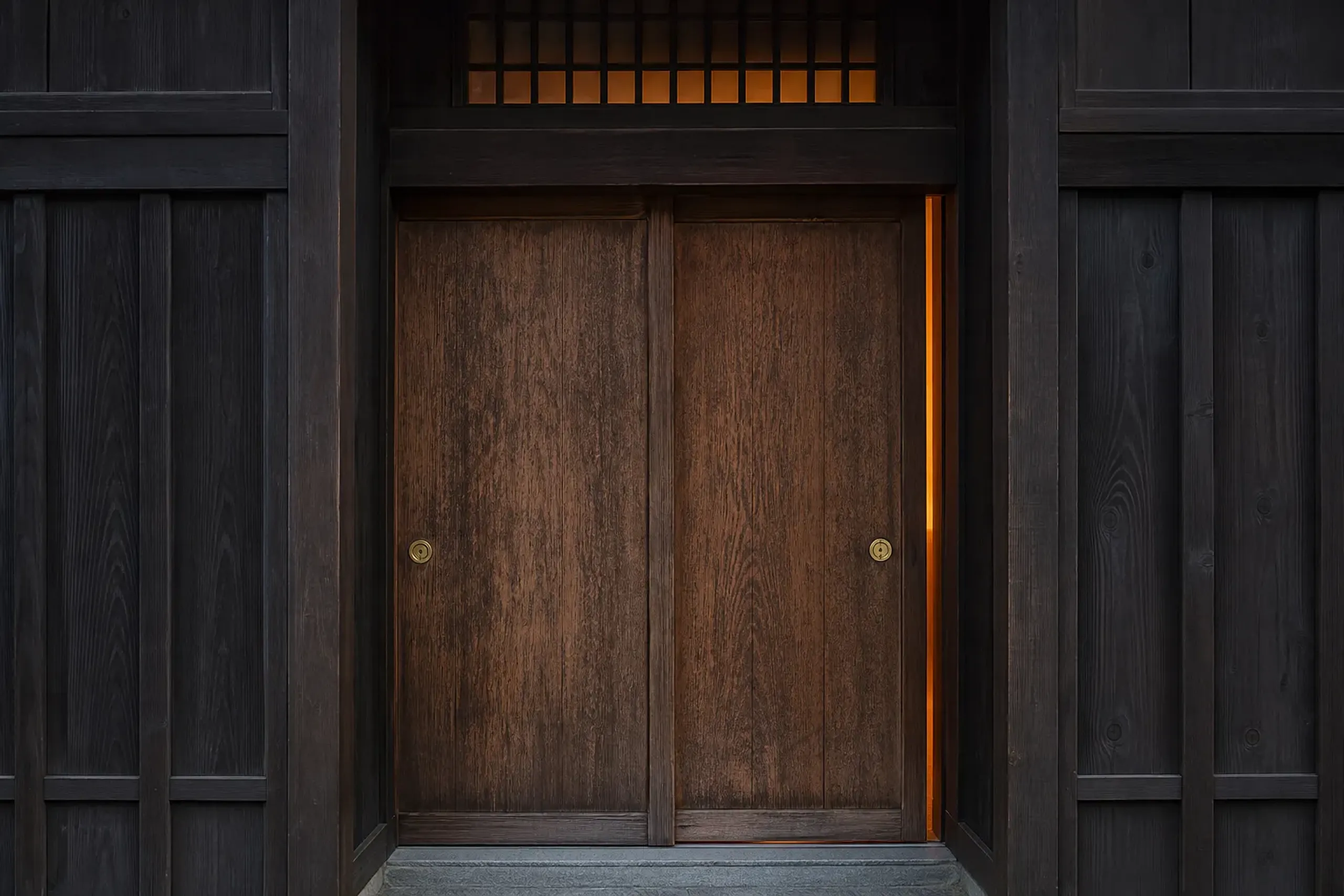
No sign, no menu, no listing — the Japan that opens only by introduction.
There is a version of Japan you cannot reserve online, because it never asked to be found. The eight-seat kaiseki counter behind an unlabeled sliding door. The sukiya-style tea room that seats guests only when someone the host trusts makes the call. Certain ryokan that do not appear on any aggregator.
These places run on introduction, not availability. The relationship is the currency. Our team at Japan Royal Service has spent years earning the kind of trust that lets us make a quiet call on a client's behalf — and the discretion those hosts require flows both ways. They protect their rooms from the wrong guests. We protect our guests from the wrong exposure.
This is where privacy and access become the same thing. A place that admits people only by introduction is, by design, a place free of the crowd. The velvet rope is invisible because it is social, not physical.
Why This Beats A "Hard-To-Book" Reservation
A reservation, however difficult to obtain, still puts your name in a system. An introduction keeps the arrangement inside a small circle of people who have every reason to keep it that way. For a shokunin session — a private hour with a kiln master or a knife-forging craftsman in Sakai or Echizen — introduction is often the only door. These are not commercial tours. They are visits, offered because someone vouched for you.
Staff Discretion: The Care You Only Notice By Its Absence
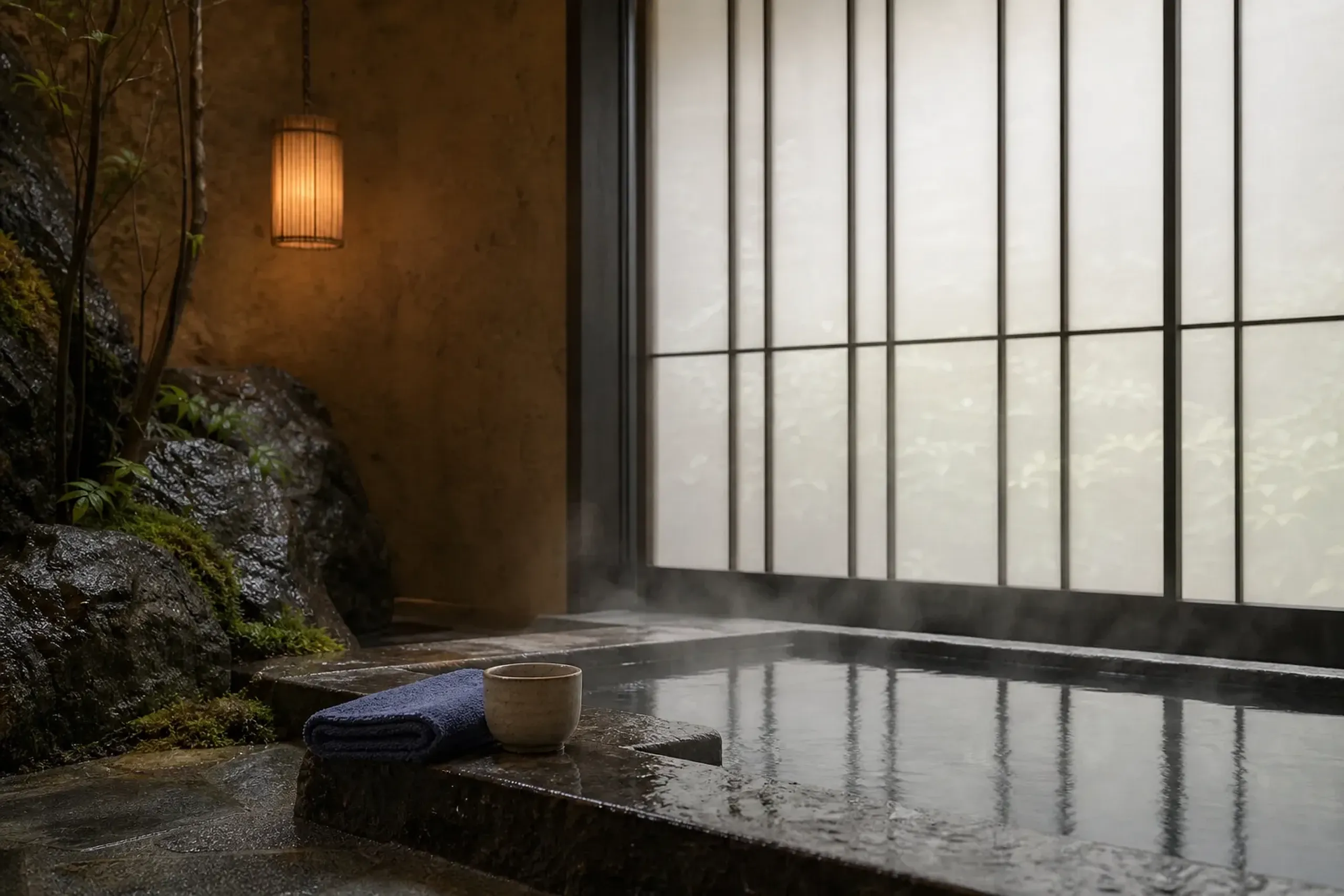
A private in-room bath is a discretion tool disguised as a comfort.
The best service in Japan is the kind you do not register while it happens. No one asks your name twice. No one photographs the room you are in. The driver never needs directions because he studied the day before you woke.
New properties are quietly good at this by design. Capella Kyoto, which opened in March 2026, was built with a high staff-to-guest ratio and controlled, low-key arrivals; six of its suites include private hot spring baths. The Imperial Hotel, Kyoto, opened days earlier in March 2026 within the Yasaka Kaikan — a registered Tangible Cultural Property in the Gion area — offering a heritage-forward stay where formality reads as restraint rather than spectacle. Fewer guests moving through more considered spaces. That architecture is a privacy tool.
We brief every partner in advance on the one rule that matters: the guest's identity and itinerary stay closed. In our experience, discretion is not a personality trait you hope your staff happen to have. It is an instruction, given clearly, honored completely.
Keeping The Itinerary Off Searchable Channels
The quietest luxury of all is the one nobody can look up. If your movements sit in a shared booking platform, a public review thread, or a chatty social feed, the privacy was theoretical from the start. Real discretion is a data decision.
That means minimizing where your name is entered. It means coordinating sensitive arrangements over private channels rather than open forms. For guests who require it, arrangements are handled with confidentiality agreements in place and details shared only with the few people who need them to do their work. Nothing leaks because nothing is left where it could.
Private in-room bathing deserves a mention here, because it is a privacy feature disguised as a comfort. An in-room rotenburo or a reservable private bath — kashikiri — means no public bathing floor, which matters for high-profile guests and for anyone with tattoos navigating property rules. The design serves the person, not the brochure.
How To Read Real Discretion Versus Marketing
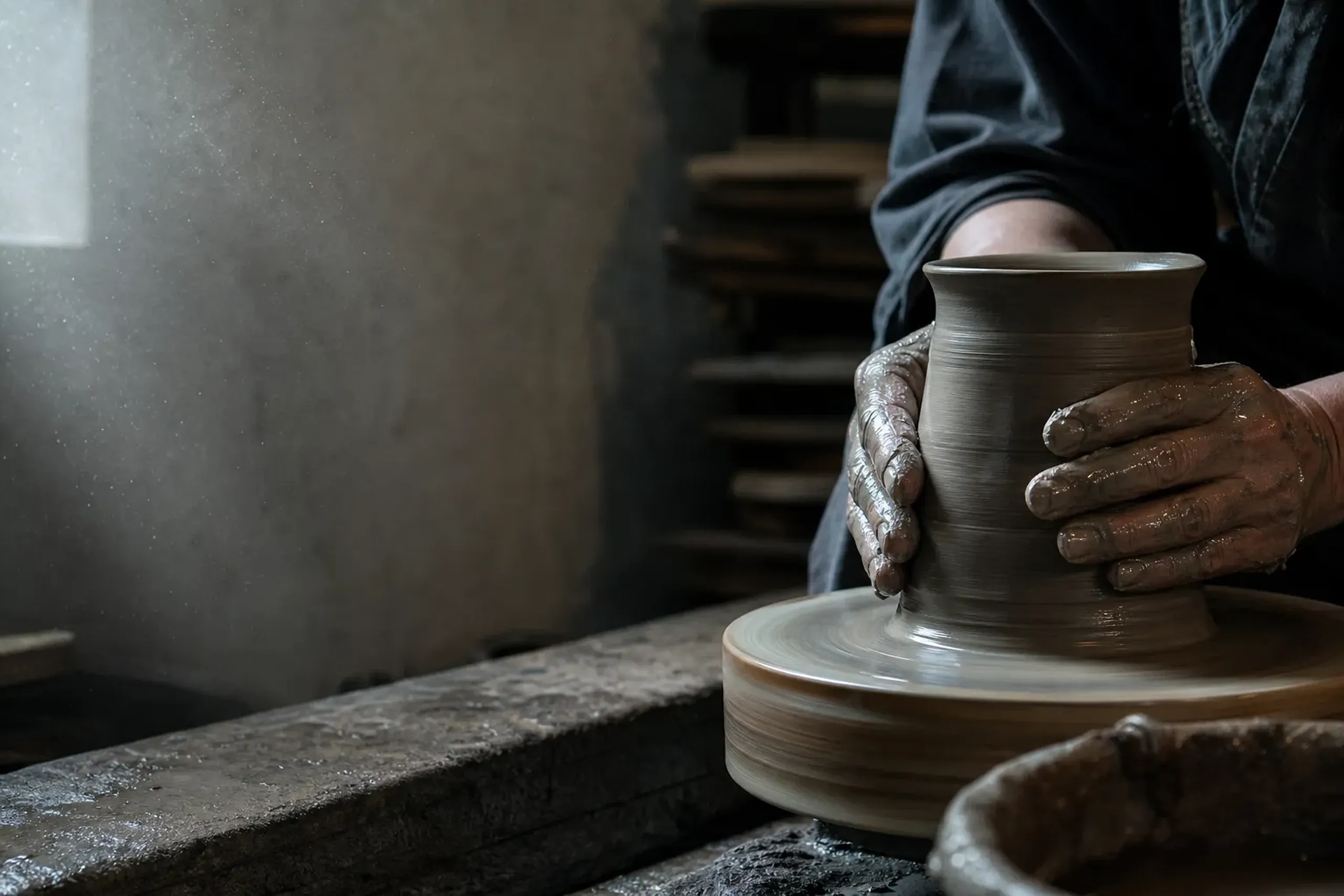
A shokunin visit is offered, not sold — access earned through introduction and trust.
The words "exclusive," "bespoke," and "VIP" cost nothing to print. They prove nothing. Here is the lens we would hand a discerning traveler evaluating any planner — including us.
| Marketing Signal | Real Discretion Signal |
|---|---|
| "World-class exclusive access" | Names the specific site, the specific hour, and admits when access is not possible |
| "We handle everything" | Explains where your data goes and who can see your itinerary |
| "Celebrity-favorite" | Refuses to name any guest, ever |
| "Skip every line" | Times the visit so the line never forms, respecting the site's rules |
| Public booking links, open forms | Private coordination channels, confidentiality where needed |
Ask three questions and you will learn most of what you need. Where does my information live? Who at your firm can see my schedule? And what, honestly, can you not arrange? A planner who answers the third one plainly is telling you the first two are true.
Privacy Is Also Etiquette
There is a quieter reason to travel this way in 2026. Japan's tourism agency maintains an active program to curb overtourism, last updated in April 2026, and the national departure tax rose to ¥3,000 per person in July 2026 partly to fund those measures. Kyoto reminds visitors, in its official guidance, that Gion is a place where people live.
Privacy-first design happens to be resident-respectful design. Off-hours routing thins your footprint. Private transport keeps you off crowded platforms. Photography boundaries around geiko and maiko are not just good manners — they are the difference between a welcome guest and an unwelcome one. Discretion protects your anonymity and the neighborhood at once. Both benefit from the same restraint.
Building It Into A Real Itinerary
None of these levers work alone. Pulled together, they compose a day that feels effortless because the friction was engineered out of it before you arrived.
Picture a Kyoto base at one of the new 2026 openings — the Imperial Hotel for heritage register and formal calm, Capella for restraint, materials and light. A dawn garden walk timed against the congestion forecast. A private transfer to an introduced kaiseki counter for lunch, private room. An afternoon shokunin visit reached by a driver who needs no map. Return through a side entrance, luggage already handled, the whole day absent from any searchable channel.
For those who want to move further from the Golden Route, the design travels well. A private onsen villa retreat, a lakeside stay in Hokkaido, an Okinawan pool villa for low-visibility days by the water — all of them serve the same principle. Fewer people, more control, nothing on the record.
Frequently Asked Questions
What does "privacy-first travel" in Japan actually mean?
It means designing the trip so your name, movements, and itinerary stay closed, while reducing the public moments where you are seen or delayed. Private transport, off-hours access where permitted, introduction-based dining, and careful data handling are the core tools.
Can you guarantee empty temples and gardens?
No honest planner can guarantee that everywhere. What we can do is time visits against Kyoto's official congestion forecast and arrange before-open or after-hours access where a site genuinely offers it. Where it does not, we say so.
Is this only for celebrities or public figures?
No. Most guests who value this are simply well-traveled people who want their time and attention back, and their affairs kept private. Discretion is a service, not a status symbol.
How does introduction-based access differ from a difficult reservation?
A reservation still logs your name in a system. An introduction keeps the arrangement inside a small circle of trusted people — which is exactly what protects both the venue and the guest.
Why Choose Japan Royal Service
We do not sell exclusivity by the adjective. We build the invisible layer that produces it: the timing, the routing, the introductions, the silence around your name. Our concierge team works in English, Japanese, Thai and Filipino, reads Kyoto's live congestion data daily, and treats your itinerary as something to protect rather than publish.
Every tailor-made itinerary we design begins with a question most firms skip: how visible do you wish to be? From there we work backward, removing exposure points one by one, until the trip feels less like a tour and more like a private day that happened to fall in Japan. That is the whole point of privacy-first design at Japan Royal Service — the care you notice only by its absence.
This is not something you book off a page. It is something you are introduced to.
To begin a private conversation, reach our team directly via WhatsApp or LINE, or contact us here.