In this guide
- 01A Castle Ruin That Became A Park
- 02When Do The Takatō Cherry Blossoms Usually Peak In Ina, Nagano?
- 03What Makes Takatō Kohigan-Zakura Different From Somei-Yoshino?
- 04Are The 1,500 Cherry Trees At Takatō Castle Park Really 150+ Years Old?
- 05Is Takatō Counted Among Japan’s “Three Great Sakura Sites”?
- 06What Still Remains Inside Takatō Castle Ruins Park?
- 07How Do You Visit Takatō Castle Ruins Park Without Getting Stuck In Crowds?
- 08How To Plan A Chauffeured Day Trip To Takatō From Tokyo Or Matsumoto
- 09Hidden-Japan Details Inside A Very Famous Park
- 10Frequently Asked Questions
- 11Why Choose Japan Royal Service
The hill above the meeting of two rivers should have gone quiet.
After the domains were abolished, Takatō Castle’s buildings were dismantled and the site was left to weeds, fallen stone, and a kind of municipal amnesia. It happens fast. A place loses its purpose, then its caretakers, then its name in everyday speech.
And then a few former retainers looked up at that neglected slope and decided they could not leave it that way. Not once more.
A Castle Ruin That Became A Park
Takatō Castle’s construction date is unknown, but its afterlife is unusually clear: the ruin became a park because people who once served the domain felt regret, and acted on it.
Local accounts describe the castle being dismantled around 1871, after the abolition of the domains, with the site then slipping into decline. Around 1875, former retainers of the Takatō domain turned the grounds into a public park and transplanted cherry trees from their old horse-riding ground.
That horse-ground story carries its own image. A local telling says there were so many cherry trees that a horse could disappear among the blossoms. It reads like folklore because it is. Still, it explains the scale of the ambition.
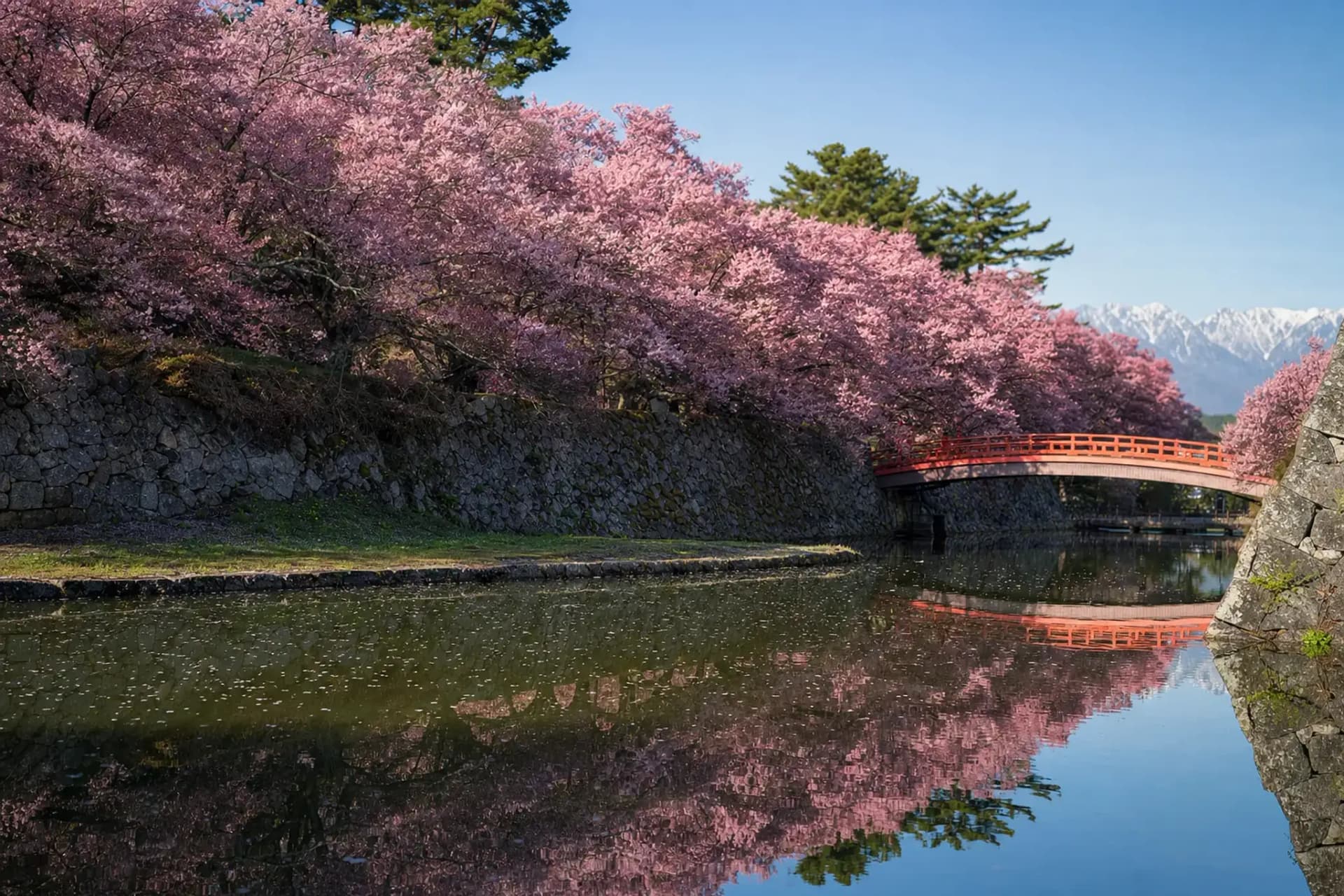
Today, when Takatō Castle Ruins Park fills with its deeper-pink bloom, it does not feel like a tourist product. It feels like repair. A careful, stubborn act of restoration that has quietly continued for 150 years.
When Do The Takatō Cherry Blossoms Usually Peak In Ina, Nagano?
Early to mid April is the typical bloom window at Takatō Castle Ruins Park, with year-to-year variation driven by spring temperatures.
For context, a recent year illustrated a peak period of roughly April 4–13, with the Takato Cherry Blossom Festival running from late March to mid April. Treat those dates as an illustration of pattern, not a forecast.
The practical takeaway is simple. Build your Nagano spring trip with flexibility, and decide timing closer in. In our experience, the difference between “great” and “missed it” can be a few days, especially when you are traveling from Tokyo, Kyoto, or overseas.
Our concierge team at Japan Royal Service verifies the current year’s bloom timing, festival dates, ticketing approach, traffic restrictions, and any closures on a client’s behalf before travel. Quiet work. Big relief.
What Makes Takatō Kohigan-Zakura Different From Somei-Yoshino?
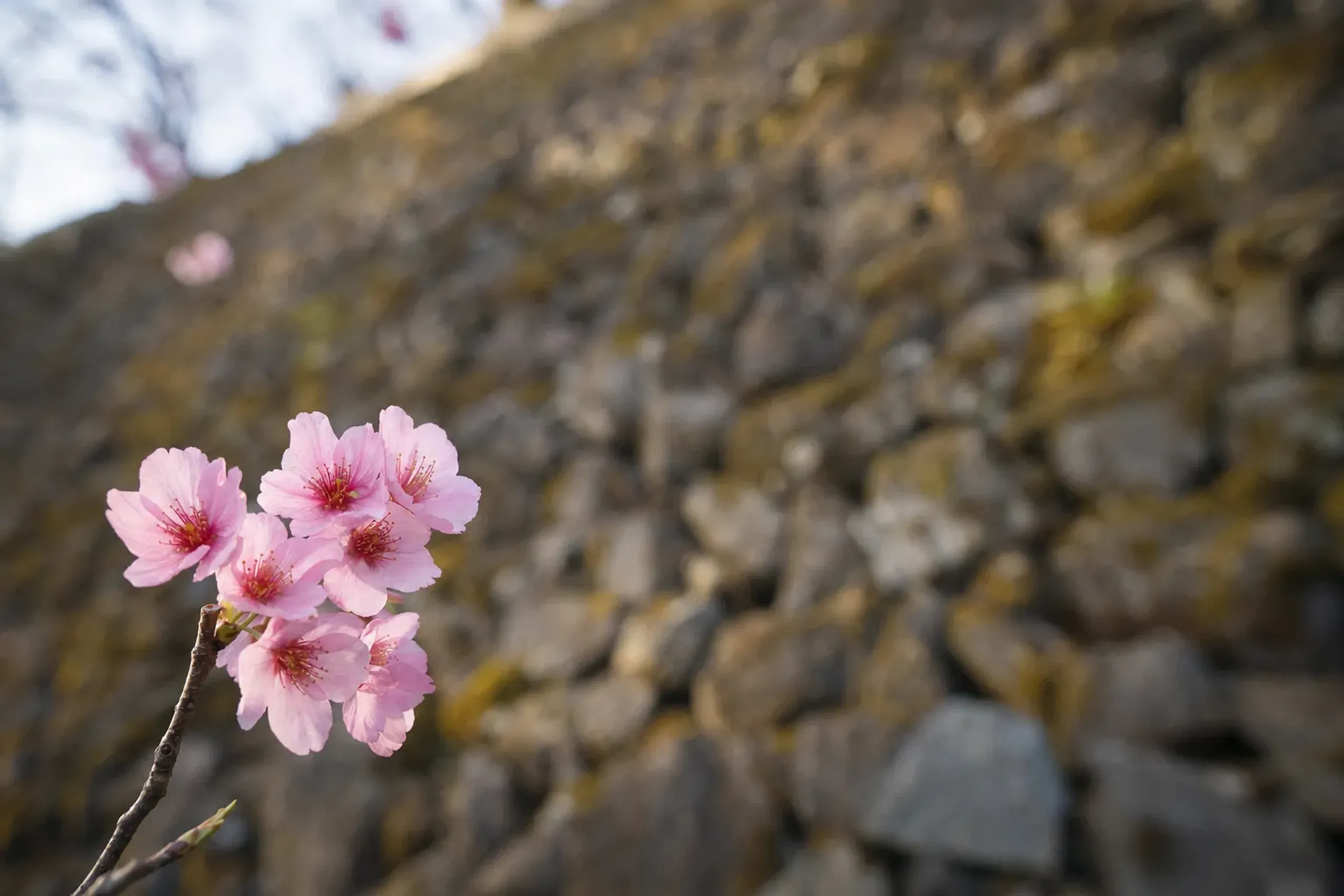
Takatō Kohigan-zakura has smaller, slightly more reddish-pink petals than the common Somei-yoshino, which is why the park reads as deeper pink in photos and in memory.
The city’s own guide describes this cherry as a variety unique to Takatō, and about 1,500 trees grow across the park. The grove was designated a Nagano Prefectural Natural Monument in 1960, a sign that local value was recognized long before national fame arrived.
There is also a precise naming moment. The variety was formally named in 1990 at an International Sakura Symposium held in the town, and that same year the cherry grove was selected among Japan’s “100 Best Cherry Blossom Spots.”
Dates matter. They pin down what many destinations leave vague.
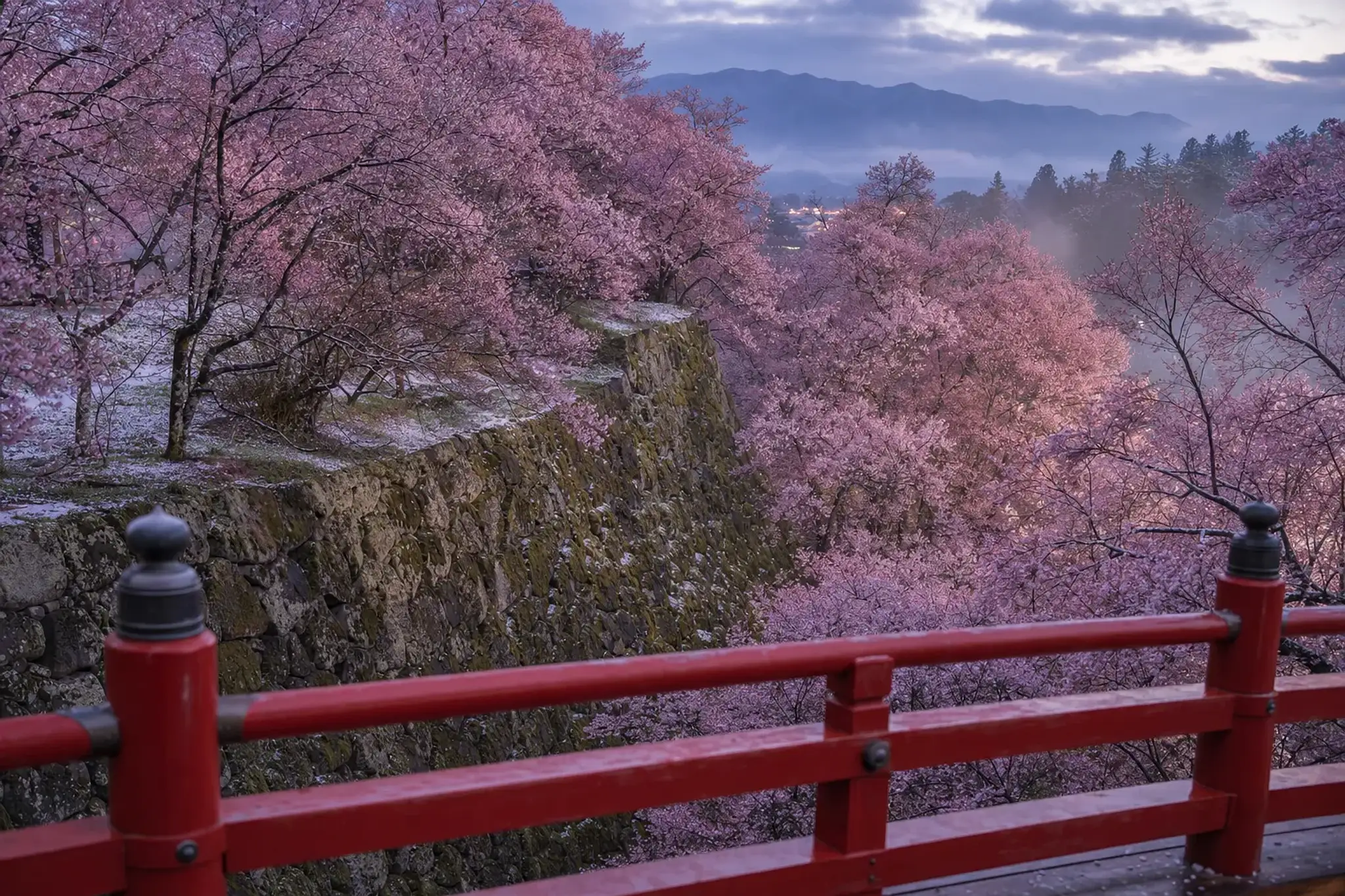
If you photograph sakura often, Takatō can surprise you. That deeper pink can look dense under flat midday light, then turn suddenly translucent at dusk, when the ridgeline cools and the petals begin to glow.
Are The 1,500 Cherry Trees At Takatō Castle Park Really 150+ Years Old?
Some sources say the park holds trees over 150 years old, while a local cherry keeper reports that only a few Meiji-era trees remain near the former castle, with most plantings coming later.
Here is the honest two-account picture, as we explain it to clients who care about what is real.
The city guide states that former retainers planted trees in 1875, and that the park has old trees exceeding 150 years. A local cherry keeper gives a more granular breakdown: only a few Meiji-period trees remain near the castle area, about 30 trees exceed 100 years, and more than 1,000 are over 50 years old, with many planted after the war as the town committed itself to cherries.
Both views can coexist. A place can have a founding act in the 1870s and still be shaped decisively by postwar civic effort. The headline remains true and verifiable: there are about 1,500 Takatō Kohigan-zakura in the park, and their collective effect is exactly what you came for.

Is Takatō Counted Among Japan’s “Three Great Sakura Sites”?
Takatō is often counted among Japan’s “three great sakura sites” alongside Yoshino (Nara) and Hirosaki Park (Aomori), though the grouping is an informal convention rather than an official designation.
Many tourism sources repeat the trio because it helps travelers calibrate expectations. Takatō earns its place in that conversation on spring weekends, when the park is full and the hillside turns a saturated pink.
Ina City’s own guide leans into a different phrase: “tenka-ichi no sakura,” roughly “the finest cherry under heaven.” It is a local voice, not a bureaucracy speaking.
One important distinction, because the names sound alike. The “three great sakura sites” are destinations; they are not the “Three Great Cherry Trees” (famous individual trees). If you are planning to see the latter as well, our team can point you to our stories on Japan Travel: Epic Ways to See Feudal Castles and Sakura and Japan cherry blossom timing for trip pacing and expectations.
What Still Remains Inside Takatō Castle Ruins Park?
The castle itself is gone, but the park still holds structures and traces that make the visit far more than a flower stop.
The site once belonged to the Takatō clan, and per widely cited references it was destroyed by Takeda Shingen in the 16th century. It stood above the confluence of two rivers, a geography you can still feel when you look down through the branches.

Within the park, Takatō-kaku stands as a Registered Tangible Cultural Property of Japan, and relocated structures such as a gate and a drum-tower remain on the grounds. They do not compete with the blossoms. They anchor them.
Beyond the park’s most photographed lanes, the oldest surviving domain-related building is Shintokukan, the former domain school founded by the last lord, Naitō Yorinao. For guests who value context, this matters. It turns a hanami stroll into a chapter of local history — the kind of hidden detail that most visitors walk straight past.
How Do You Visit Takatō Castle Ruins Park Without Getting Stuck In Crowds?
Go on a weekday, arrive early or late, and plan parking and shuttles in advance, because heavy crowds and traffic restrictions are normal during the Takato Cherry Blossom Festival.
This is a public park, and peak-season rules apply to everyone. During the festival period, Ina City publishes a traffic-restriction map each year, and both paid and free parking options with shuttle buses are used to manage the flow. Lines happen. So does gridlock.
Hours are typically 8:00 to 17:00, and during peak season they can extend to 6:00 to 21:00. Outside the festival season, the park is open 24 hours and entry is free. During the festival, admission is charged, and in recent years Ina City has promoted digital tickets to aim for “zero waiting time.”
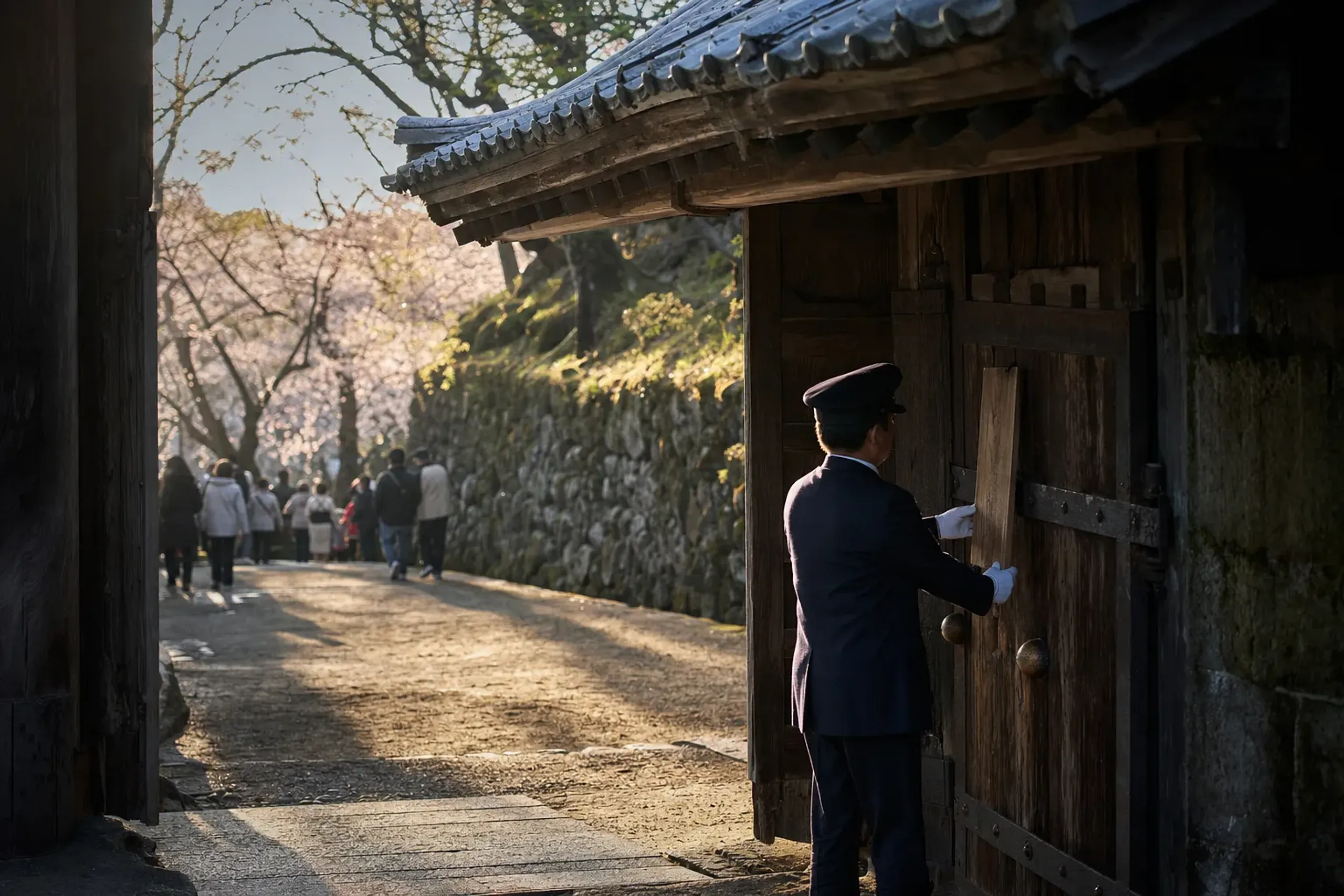
By train, one common route is to Ina Station, then a local bus, followed by a festival loop bus or about a 20-minute walk. A peak-period JR bus has also run in recent years from Chino Station to Takato Bus Station, with the park reachable on foot from there.
Key fact: Night illuminations typically run for about ten days, from roughly 30% bloom to full bloom, so the “best” evening is tied to bloom stage, not a calendar date.
Inside the park, our own crowd-avoidance approach is not a secret route. It is rhythm. We suggest a simple flow: enter, take your wide establishing photographs early, save your close details for later, and leave the busiest corridors until you have already seen what you came to see.
How To Plan A Chauffeured Day Trip To Takatō From Tokyo Or Matsumoto
A chauffeured day trip works best when you treat Takatō as a timed appointment, not an open-ended stroll, building a clear arrival window plus a firm exit plan for traffic.
This is where discerning travelers feel the difference between “we’ll see how it goes” and a day that stays graceful from start to finish. Roads tighten near the park during the festival period, and the last kilometer can take longer than you expect.
For clients who prefer to travel by road, our team often recommends a private driver who can wait nearby and adjust departure timing as the park’s mood changes through the day.
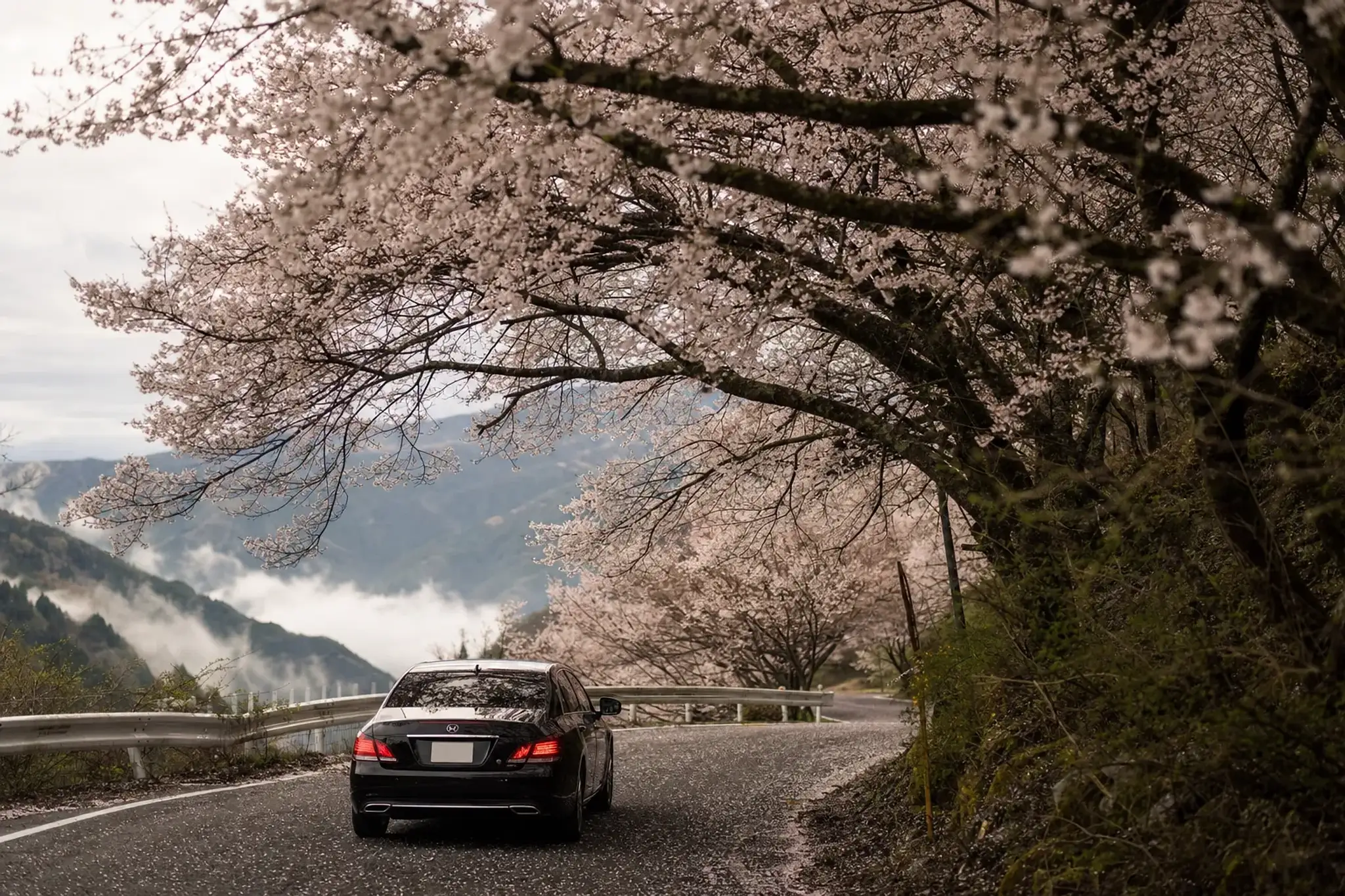
The first mention matters, so here it is: we provide private transportation and chauffeured touring in Nagano and beyond, with fleet options suited to couples, families, and small teams.
If you want Takatō as part of a wider spring journey, we shape it into a tailor-made itinerary where travel days never feel like chores. Even a single night nearby can change the experience, because it lets you visit at the quiet edges of the day — before the buses arrive, or after they have gone.
Hidden-Japan Details Inside A Very Famous Park
Takatō’s fame is real, yet “hidden Japan” still exists here in micro-moments: the quiet angles, the less-posted paths, and the small cultural leftovers that crowds walk past without a glance.
Look for the places where blossom meets stone. Not the obvious archways, but the spots where moss and mortar soften the geometry, and the pink arrives like watercolor bleeding into paper. This is wabi at its most quietly affecting — restraint that rewards the traveler willing to slow down.
This is also where the shokunin lens changes the visit. The variety itself was studied, named, and kept with care; a local cherry keeper can speak in numbers and decades, not slogans. That seriousness of craft is part of the beauty, and it is precisely the kind of access we design around.
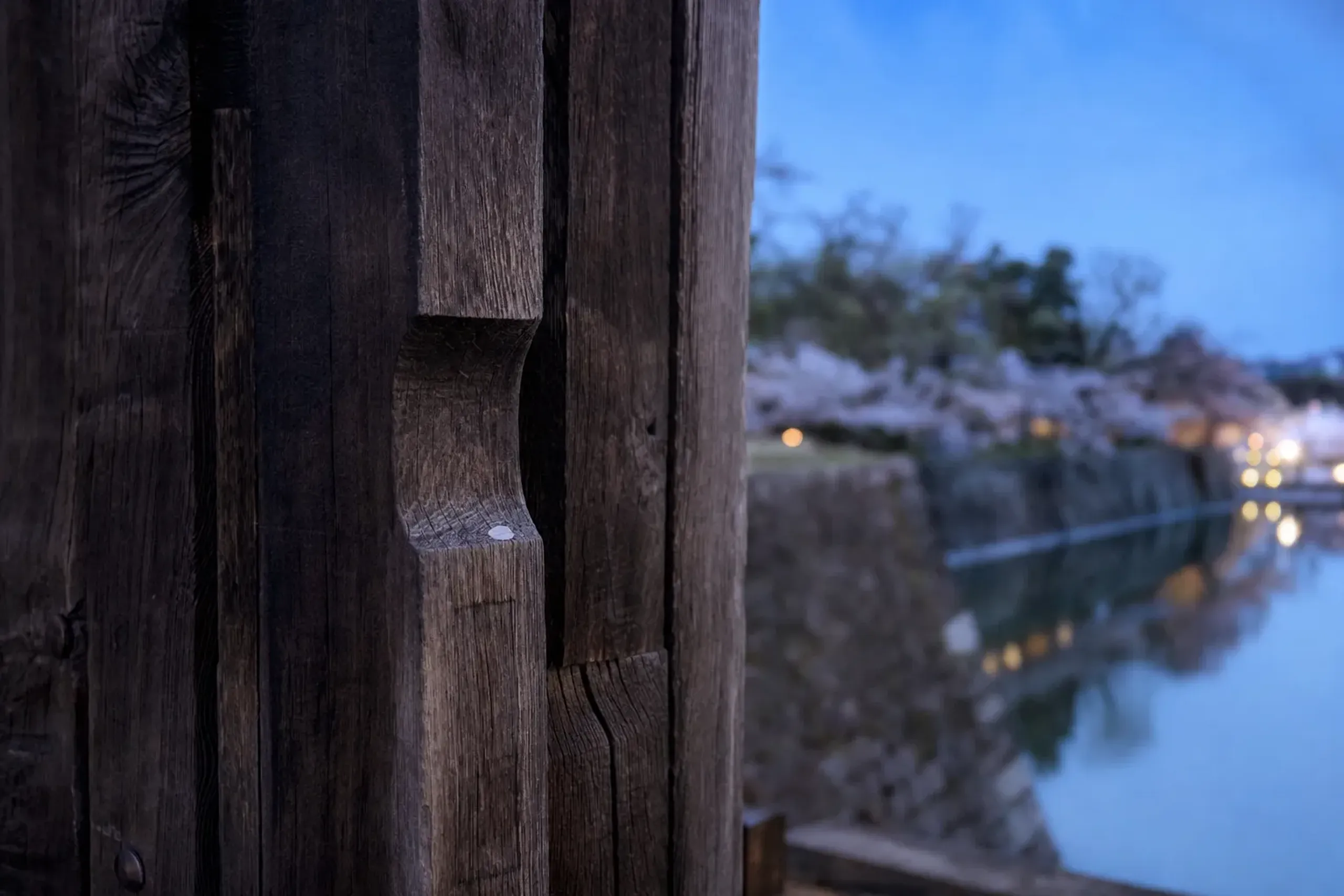
For our clients, discretion matters even in public settings. We design days that reduce exposure to the loudest pinch points and keep movements simple, so you can be fully present without ever feeling observed.
Frequently Asked Questions
Does Takatō Castle Ruins Park Require Tickets In Spring?
Tickets are typically required only during the Takato Cherry Blossom Festival period, and entry is free outside the festival season.
Ina City has used digital tickets in recent years to reduce waiting time. Our concierge team can confirm the current year’s ticketing method before your visit.
What Were The Recent Takato Cherry Blossom Festival Dates?
A recent festival ran from roughly late March to mid April, offered here as an illustration of the pattern, not a bloom forecast.
The festival generally begins the day after the bloom declaration and continues until the petals fall, so the exact period can shift year to year.
Can I Visit Takatō Castle Ruins Park At Night For Illuminations?
Yes, the park typically offers nighttime illumination for about ten days, from roughly 30% bloom to full bloom, during the festival period.
Hours can extend into the evening during peak season (often up to 21:00). We suggest treating the illumination as a second visit: rest, then return when the color deepens and the crowds thin slightly.
Is Takatō Really One Of Japan’s Three Great Sakura Sites?
Takatō is widely counted among Japan’s three great sakura sites with Yoshino and Hirosaki, but the trio is an informal travel shorthand rather than an official title.

Ina City commonly uses “tenka-ichi no sakura” in its own materials. Both ideas point to the same reality: this is a top-tier hanami destination, with serious crowds to match.
Why Choose Japan Royal Service
Luxury in Takatō is not about closing a public park. It is about keeping the day calm, even when the town is full.
Our team at Japan Royal Service supports clients with guiding, transfers, parking and shuttle planning, and timing advice for Takatō Castle Ruins Park. We do this plainly, once, because clarity matters. The park is public, and your experience depends on decisions made before you step out of the car.
Many luxury operators sell Japan through broad themes. We respect that. Our approach is narrower and sharper: we focus on the hidden-Japan texture inside famous places, on discretion as a default, and on the shokunin-level truth behind what you are seeing.
If you want sakura with fewer mistakes, we are ready. If you want it to feel like yours, even for two hours in a crowded April, that is exactly where our concierge earns its keep.
When you are ready to shape your Nagano spring around the deeper pink of Takatō — timed, private, and quietly yours — contact us here and we will begin with the bloom and build outward from there.