In this guide
- 01What Is “A Day In Tajima,” And Where Does It Happen?
- 02How Far Is Tajima From Kobe, And Is It A True Day Trip?
- 03What Makes This Different From A “Kobe Beef Dinner” Tour?
- 04The Drive North: Mountain Country, Not A Marketing Backdrop
- 05Farm And Pasture Visits In Tajima: What You Can See, And What You Must Respect
- 06The Producer’s Perspective: Shokunin Without Theater
- 07What Does A Tajima Beef Tasting Across Grades Teach You?
- 08Dinner With Verified Provenance: Making The Certificate Mean Something
- 09How To Check If “Kobe Beef” Is Authentic In A Restaurant In 2026
- 10Kinosaki Onsen As The Night Cap: Seven Public Baths And A Slower Morning
- 11Honest Limits: What A Working Tajima Day Cannot Promise
- 12Frequently Asked Questions
- 13Why Choose Japan Royal Service
The road out of Kobe tightens, then lifts.
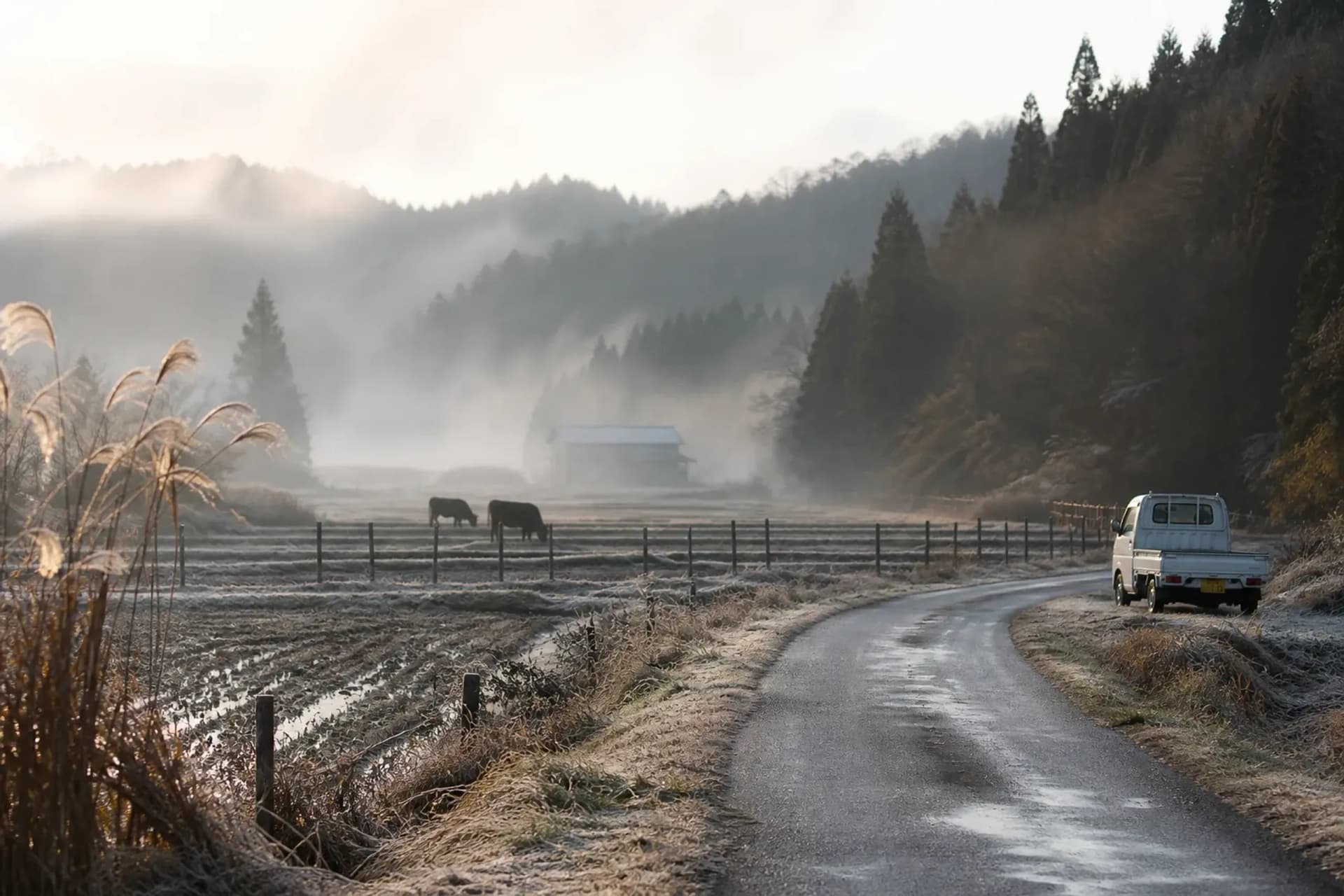
Concrete thins. Rice fields take over. The air turns cooler as the mountains of northern Hyōgo begin to stack in layers, grey-green and watchful, with long valleys that keep their own weather.
This is Tajima. Not the steakhouse version. The real place.
Our team at Japan Royal Service curates a full-day, origin-first experience in Tajima that most operators skip because it takes time, patience, and the willingness to accept a working region’s rules. No gimmicks. No “quick wagyu stop.”
You come for the education that changes how you taste. The kind that stays with you, quietly, the next time a menu says “Kobe.”
What Is “A Day In Tajima,” And Where Does It Happen?
A Day In Tajima is an origin-to-table journey in northern Hyōgo Prefecture that pairs a real Tajima learning visit with a structured tasting, then finishes with a verified Kobe beef dinner back in Kobe or nearby.
It matters because Kobe is where the beef is eaten, while Tajima is where the Tajima strain Japanese Black cattle are raised under Hyōgo’s rules. Different geography. Different pace. And a different kind of luxury.
Think of it as wabi-sabi travel applied to food: restraint, clarity, and a certain humility in front of a working craft. The landscape is part of the point.
If you want the background on definitions and how to verify what you’re being served, we keep that in our separate guide, Kobe Beef, Honestly: What It Is and How to Verify It.
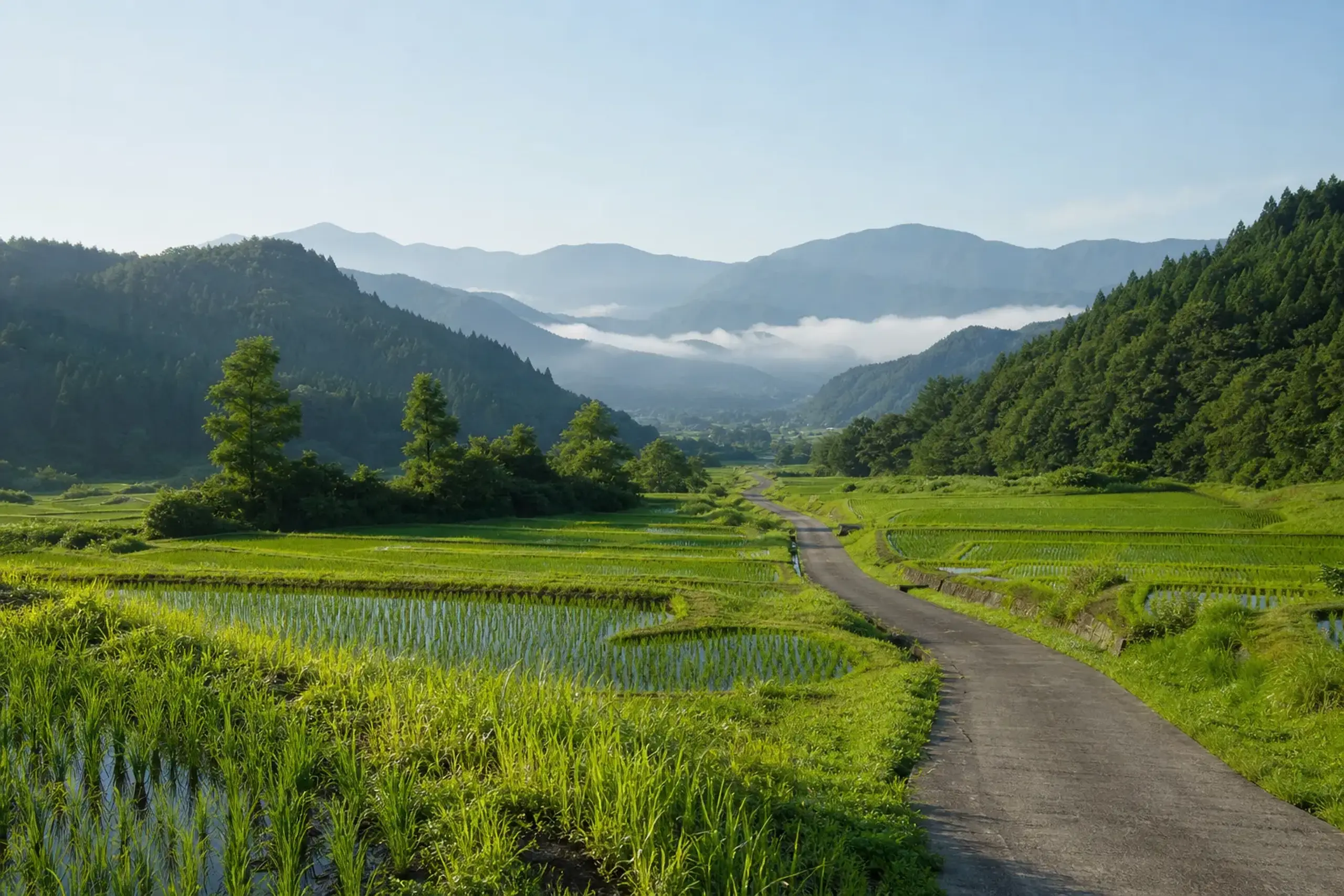
Tajima is a real place first—not a steakhouse idea.
In two lines: authentic Kobe beef is tied to Tajima cattle in Hyōgo, and serious venues show certification clearly. This article is about the day itself.
How Far Is Tajima From Kobe, And Is It A True Day Trip?
Tajima is roughly two hours or more from Kobe by road through mountainous northern Hyōgo, so it’s a full day out, not a casual afternoon excursion.
That distance is why the experience works. You watch the city fall away. You feel the temperature shift. The drive becomes a decompression chamber where you stop thinking in “attraction order” and start noticing the country Japan protects from being packaged.
For HNW travelers, the practical choice is simple: do it as a long day with an early start, or add one night in an onsen town such as Kinosaki Onsen and let the pace soften. Two days changes everything.
Either way, we strongly recommend traveling by private car with a professional chauffeur so timing stays precise and the day remains quiet. On your first mention: our private transportation service is designed for exactly this kind of rural itinerary, where train connections are possible but rarely elegant.
What Makes This Different From A “Kobe Beef Dinner” Tour?
This day is different because it starts where the beef begins in Tajima and makes provenance tangible before you sit down to eat.
Many luxury itineraries treat Kobe beef as a single dinner reservation. That can be delicious, yet it often leaves you with the same question you started with: Was that really Kobe?
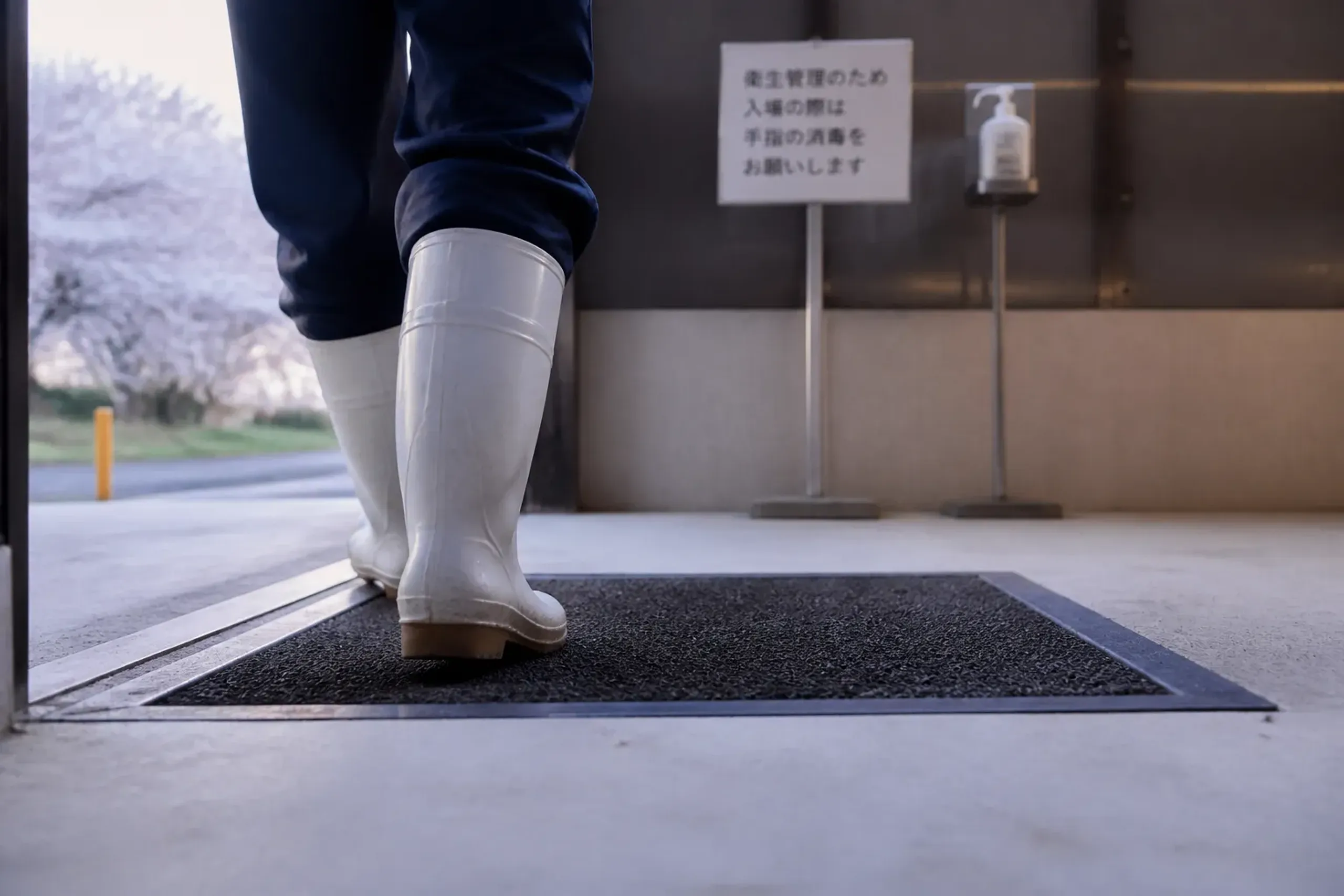
Biosecurity rules are part of what makes origin travel credible.
Our approach moves the story earlier in the chain, while keeping the tone discreet and adult.
The second difference is structure. We build toward a tasting across grades, because most guests have only tried one grade, cooked one way, in one restaurant. That is not education. It’s a snapshot.
And the third difference is honesty. Farms are not theme parks. Access can be seasonal, conditional, and sometimes restricted. We plan with that reality, not against it.
The Drive North: Mountain Country, Not A Marketing Backdrop
Leave Kobe in the morning and you feel the map change under the tires.
Tunnels cut through ridgelines. Small towns appear in the seams of the valleys, then vanish. A coordinator on our team often describes this part as “the reset,” because clients stop checking phones and start asking better questions.
This is where wabi-sabi becomes more than an aesthetic word. Roadside shrines. Weathered cedar. The kind of silence that makes a conversation quieter without anyone deciding to be quiet.
If you choose to add cultural texture, northern Hyōgo has real, verifiable stops that fit the day’s mood. Hyōgo’s official tourism itineraries highlight places like Izushi Historic District and Toyooka alongside Tajima beef learning stops. We keep these optional, because the day should not feel like a checklist.
Farm And Pasture Visits In Tajima: What You Can See, And What You Must Respect
You can expect strict biosecurity rules including disinfection on entry and limits for recent overseas arrivals because Tajima is a working livestock region, not a visitor attraction.
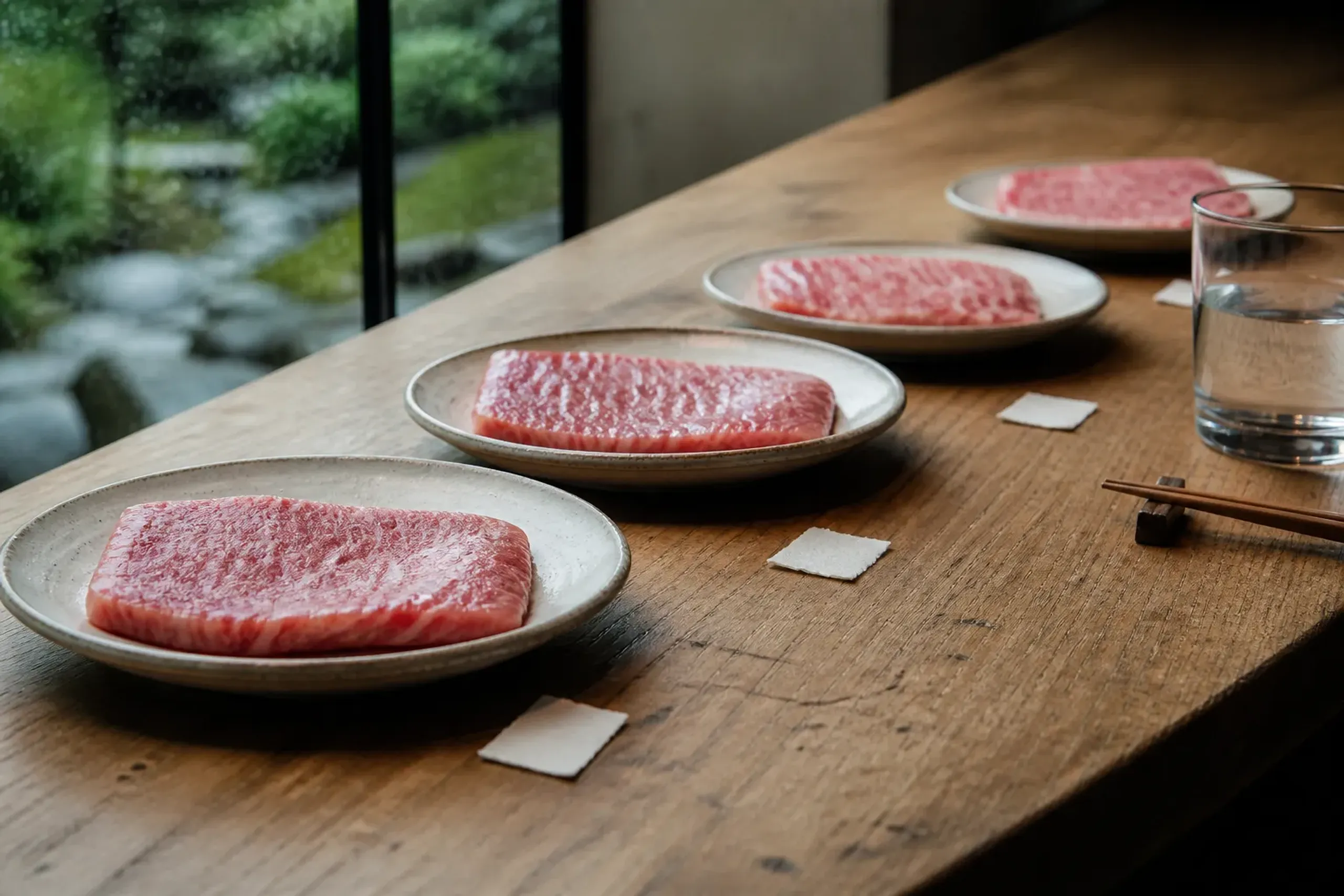
Contrast is the education—not volume.
Here is the part most travel pages omit. And it is the part that makes the promise believable.
Working cattle operations protect animal health. That can mean stepping into disinfectant at entry points, following staff instructions closely, and, in some cases, limiting proximity or interaction depending on conditions on the day. Hyōgo’s official tourism guidance states that visitors arriving from overseas within a week before visiting are restricted from interacting with the cattle at Tajima Pasture Park. It is not negotiable. It is good practice.
Key fact: If you have been abroad within the last week, plan for a visit style that focuses on exhibits, guided learning, and tasting rather than close cattle interaction.
So what do you actually do? In our experience, the most reliable, verifiable anchor is an official facility such as Hyōgo Prefectural Tajima Pasture Park, home to the Tajima Cattle Museum (also referred to in English as the Tajima Beef Museum in some tourism materials). Hyōgo’s official tourism feature notes guided tours and translation-device support.
In practice, you observe. You listen. You learn how a region talks about its animals without turning them into a prop. It is a shokunin mindset applied to husbandry: patient, unsentimental, and precise.
The Producer’s Perspective: Shokunin Without Theater
Great cattle raising is repetitive work done well, and the people who do it rarely sell a story with a flourish.
When a producer explains the herd, the conversation tends to be about routine and standards rather than romance.
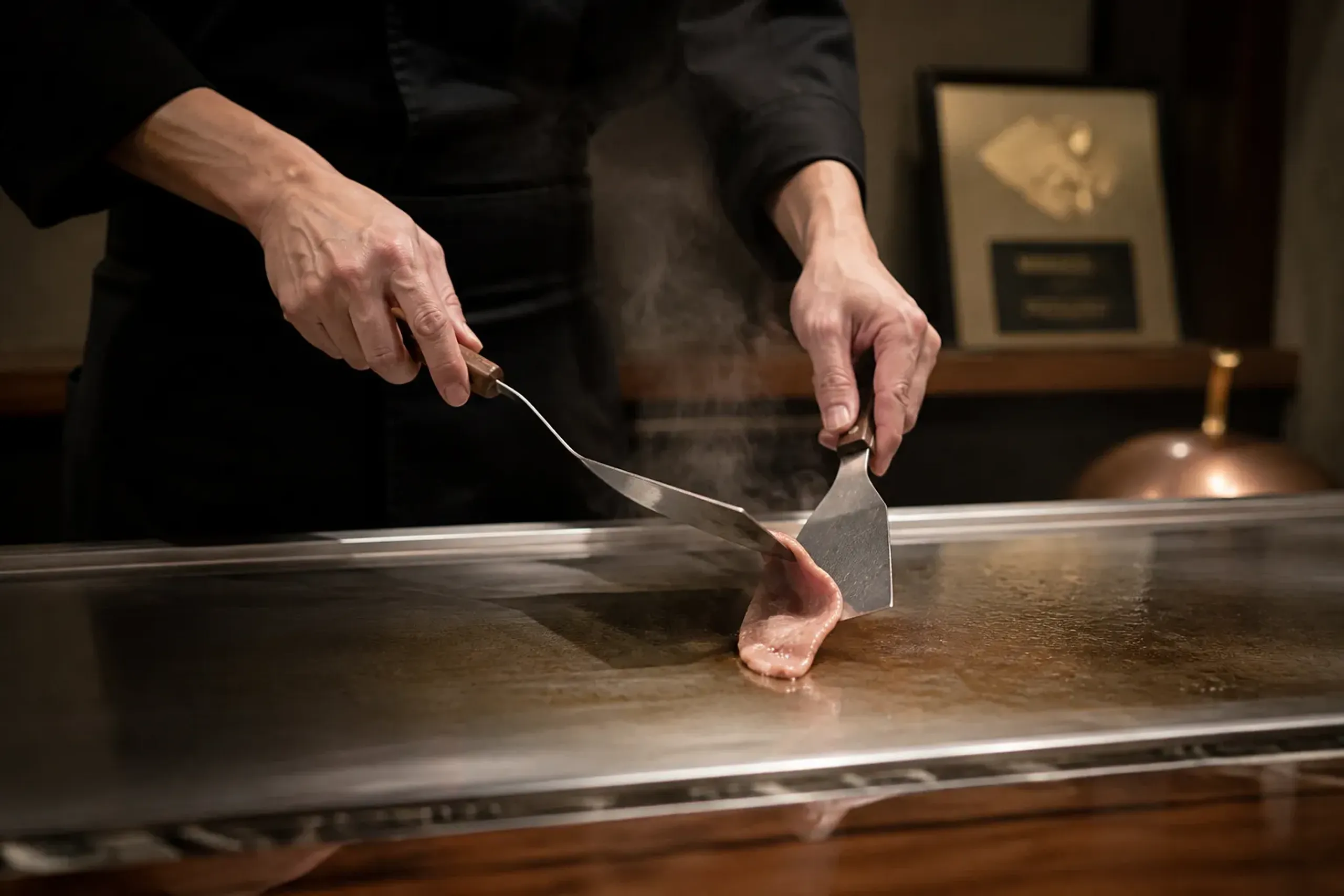
After Tajima, certification stops being background decor.
Feed, health, handling, weather, and the slow accountability of raising animals under strict rules. That plainness is the luxury.
We avoid naming specific farms or families in public content for privacy and operational reasons. Some are not set up for visitors at all, and those who do welcome learning visits deserve discretion.
This is also where “hidden-Japan” becomes real. Northern Hyōgo is not the Golden Route. You are not being moved along with a flag. You are a guest, and you behave like one.
What Does A Tajima Beef Tasting Across Grades Teach You?
A tasting across grades teaches you how fat, texture, and aroma shift with quality thresholds, so “Kobe” stops being a label and starts being a sensory reference.
This is the hinge of the day. The moment it becomes instructive rather than merely impressive.
Hyōgo’s official tourism content points to food experiences in Tajima tied to the Tajima Beef Museum area, including cooking-style programs. The Tajima Pasture Park site also lists occasional hands-on events, such as a “roast beef making experience” dated 2026-09-06. These are public-facing examples of how the region turns origin into learning without inventing a fantasy farm tour.
When we design this part of the day, we keep it clean. Fewer items. Clear pacing. Water and palate breaks. One decision at a time. Big mistake is rushing, because your mouth stops noticing.
We also keep the language honest. We do not publish grade numbers in this article, because they are easy to misuse and not the point.
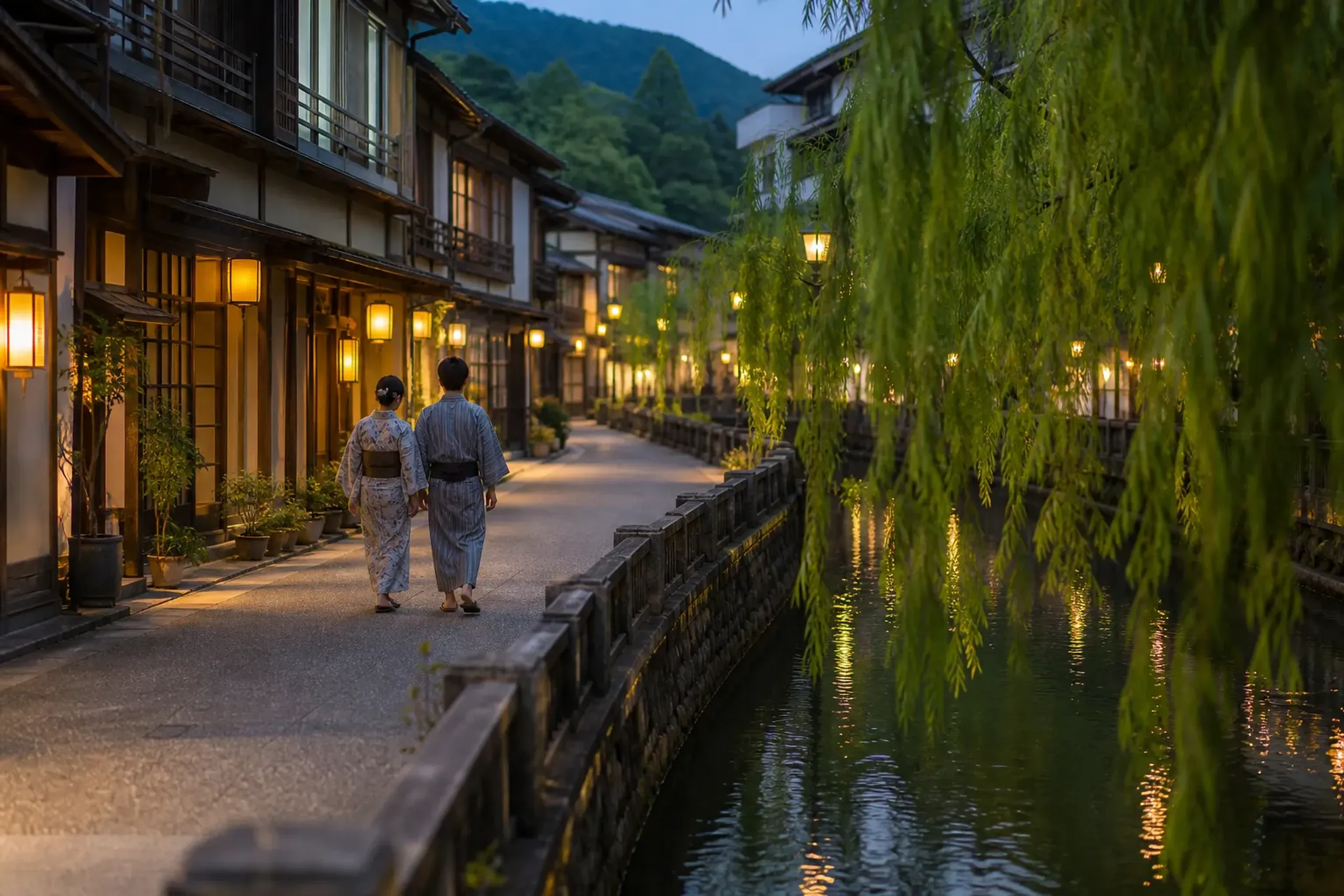
One night turns a long drive into a calmer two-day rhythm.
The point is contrast, handled with care.
Dinner With Verified Provenance: Making The Certificate Mean Something
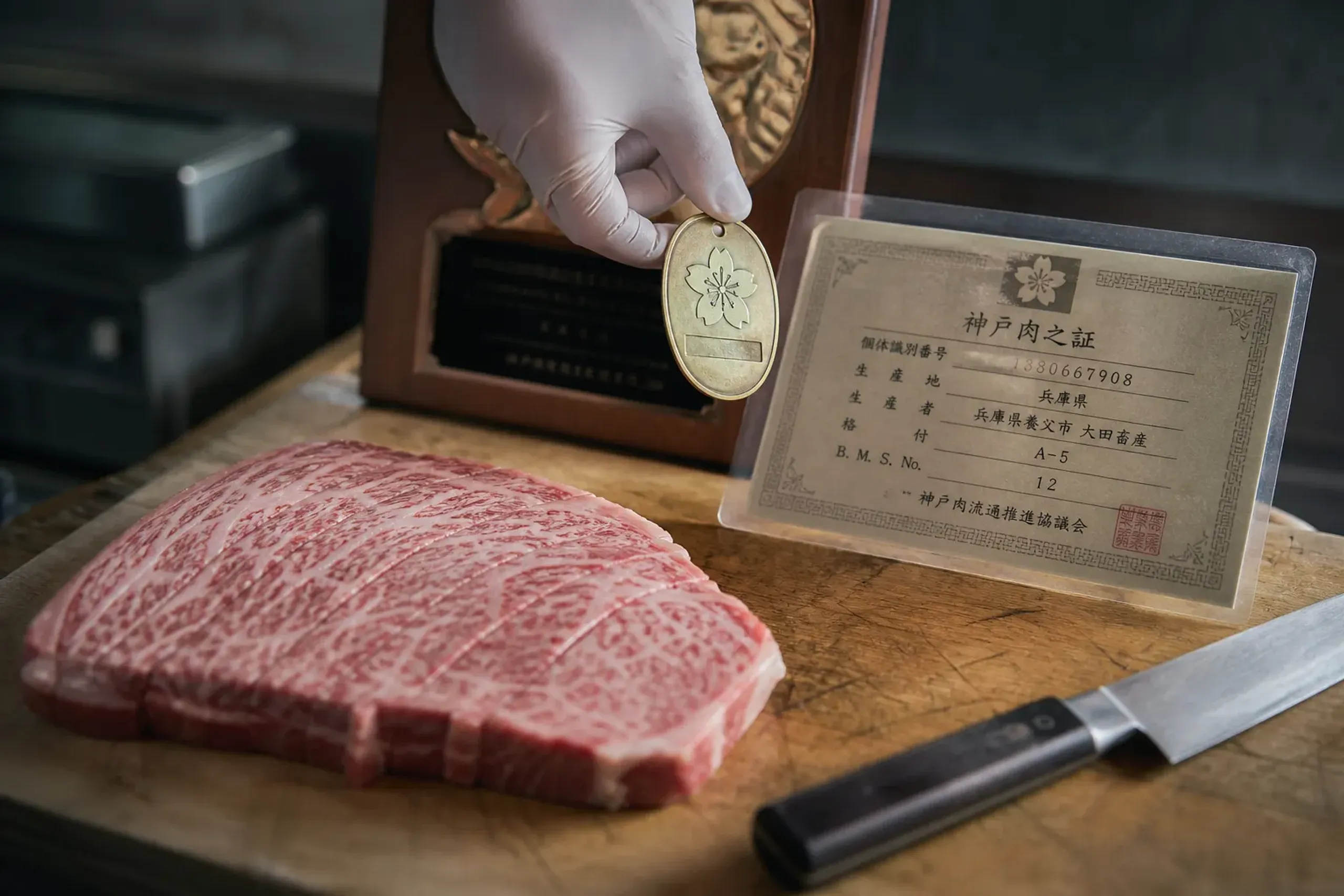
A verified Kobe beef dinner is one served by a certified venue that displays official certification clearly and can point to the individual identification number tied to the animal.
After a Tajima day, that chain of custody stops feeling abstract.
The Kobe Beef Marketing & Distribution Promotion Association sets the rules for Kobe beef, and official tourism sources describe the strict thresholds involved. When you dine at a certified restaurant, you should see evidence: a certificate display, the association seal, and staff who can answer direct questions without getting evasive.
We do not claim, on public pages, to book or guarantee third-party reservations. Restaurants control their own tables. What we do is guide the decision-making and, in private, discuss the right style and timing for your party, so the meal matches the day’s tone.
Classic Kobe formats include teppanyaki, which Japan-Guide notes as a common way to enjoy Kobe beef. The appeal is clarity: the meat’s texture and aroma get a simple stage, and provenance remains the main story.
How To Check If “Kobe Beef” Is Authentic In A Restaurant In 2026
Check for official certification display and the Kobe Beef association seal, and ask to see the certificate details, including the individual identification number tied to the animal.
Some places rely on atmosphere to carry the claim. Do not be distracted.
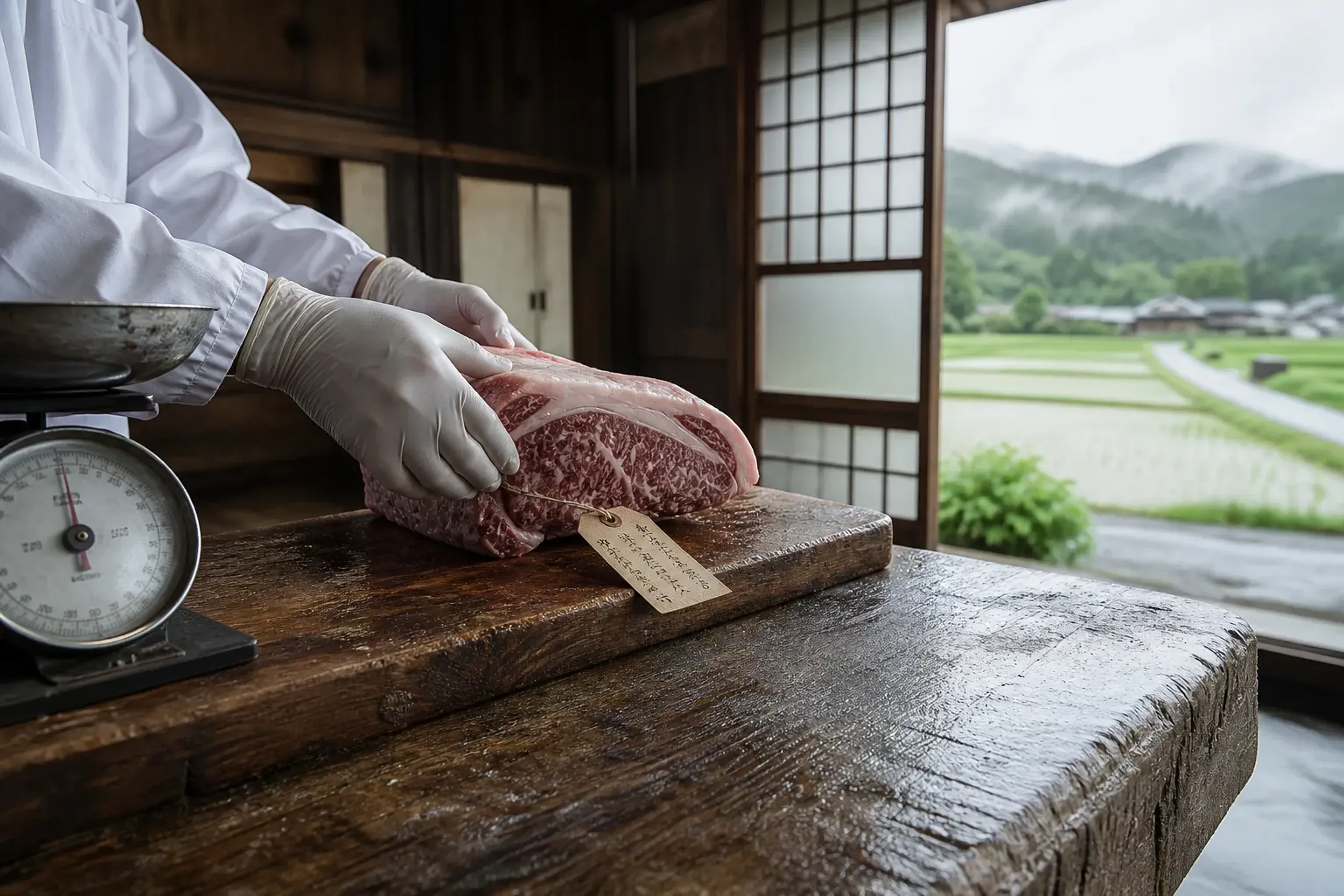
Look for the proof that serious venues are happy to show.
For an extra layer of label literacy, it helps to know that “TAJIMA BEEF” is registered as a Geographical Indication (GI) with Japan’s Ministry of Agriculture, Forestry and Fisheries (MAFF). GI language can be misread by travelers, so we keep it simple: official marks exist, and credible venues do not hide behind vague words.
If you want a tighter checklist and the designation map (Kobe, Tajima, and related terms), our separate Kobe guide covers it without the folklore. That article is designed for decision-making before you arrive.
Kinosaki Onsen As The Night Cap: Seven Public Baths And A Slower Morning
If you add one night, Kinosaki Onsen turns the itinerary into a two-day experience where the long drive stops feeling like a “transfer” and starts feeling like a passage.
Kinosaki is a real onsen town in Tajima known for its seven public bathhouses and a culture of strolling in yukata. It suits this trip because it keeps you in-region, and it rewards the quiet, rural tone you’ve already stepped into.
For 2026 planning, it is also useful to know that some Kinosaki lodgings publish Tajima beef dining plans in seasonal windows. For example, Kinosaki Tajimaya lists a “Tajima Beef Full Course Plan” shown as available from 01 Apr 2026 to 05 Nov 2026 on its booking page. That kind of date specificity helps with itinerary pacing, especially when your main Kobe beef dinner is on a different night.
We keep this portion simple.
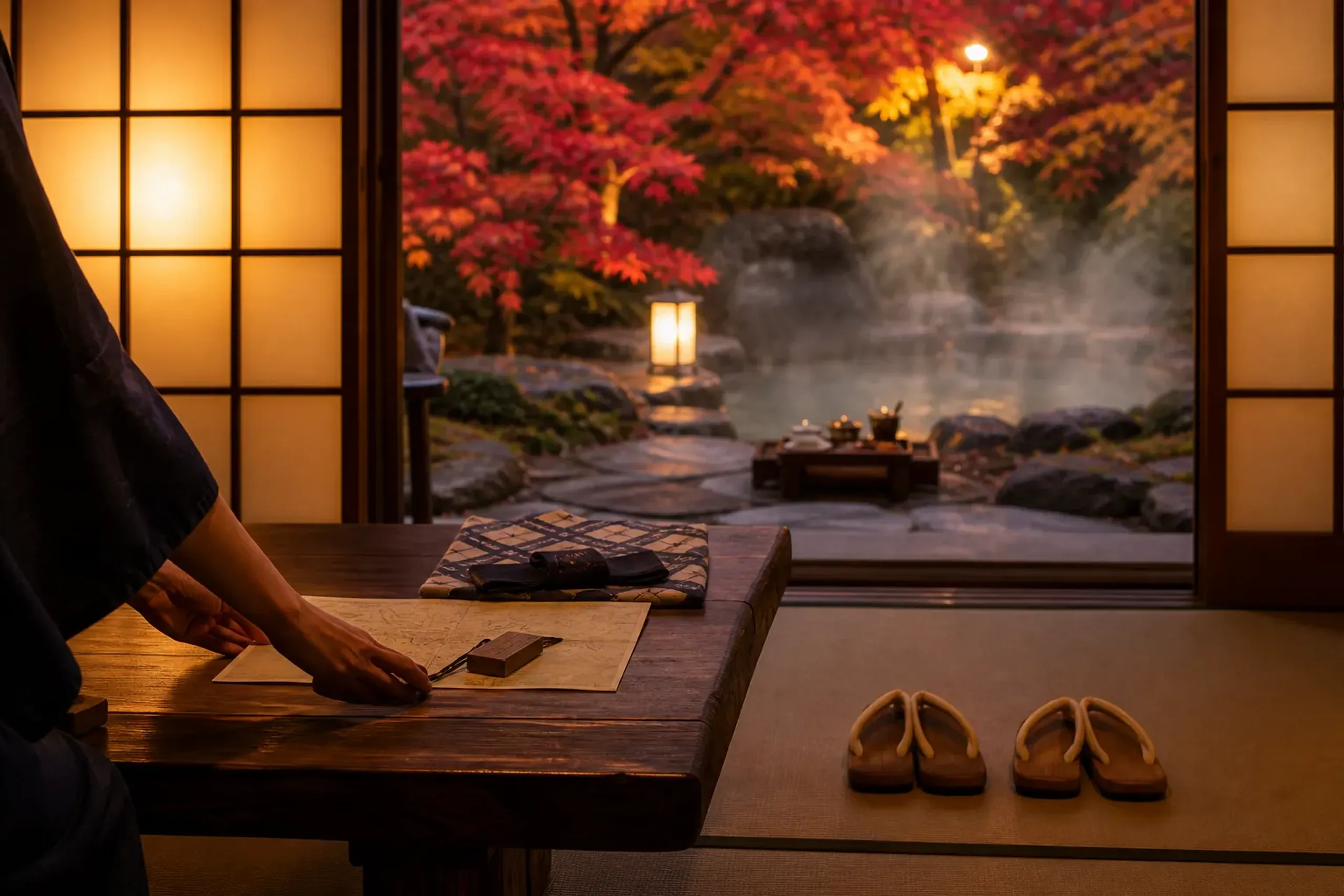
Check in. Walk. Bathe. Eat lightly or not at all. Sleep early. The next morning feels sharper.
Honest Limits: What A Working Tajima Day Cannot Promise
A Tajima origin day cannot promise fixed farm access, unrestricted animal interaction, or a single “standard” itinerary, because operations change with the season, herd conditions, and biosecurity requirements.
This is not a weakness. It is the reality of an honest trip.
Some days prioritize museum-led learning. Other days focus on tastings and cooking-style education. On certain dates, public events appear, like the roast beef making experience listed by Tajima Pasture Park for 2026-09-06. If you have specific dietary needs, mobility needs, or recent travel history, the day’s shape may adjust.
We also advise against intrusive photography. Many farms and facilities restrict what can be photographed, and producers deserve privacy. A luxury traveler does not need a close-up to prove they were there.
The payoff is a day that feels like Japan, not like content.
Frequently Asked Questions
Can I Visit Tajima Pasture Park If I Arrived From Overseas This Week?
Yes, but Hyōgo’s official tourism guidance says visitors arriving from overseas within a week may be restricted from interacting with the cattle.
Plan for exhibits, guided learning, and tastings instead of close animal interaction, and keep your schedule flexible in case on-site rules tighten for health reasons.
Is Tajima Beef The Same Thing As Kobe Beef?
No: Kobe beef is a certified subset of meat from Tajima strain Japanese Black cattle raised in Hyōgo under strict rules.
For a clear, traveler-focused explanation and verification steps, see our separate Kobe beef guide; this article stays focused on the on-the-ground day in Tajima.
What Should I Wear On A Tajima Farm Or Pasture Visit?
Wear clean, easy-to-disinfect shoes and practical clothing you won’t mind following hygiene rules in.
Avoid fashion footwear that can’t handle disinfectant mats, and skip strong fragrances; you want to be comfortable and respectful in a working environment.
Can This Be Done As A Day Trip From Kobe Or Osaka With Private Car Service?
Yes, it can be done as a long day from Kobe or Osaka, but it requires an early start and disciplined timing.
Our concierge team often recommends adding one night in Kinosaki Onsen if you want the day to feel calm rather than compressed.
Why Choose Japan Royal Service
Luxury travelers choose Japan Royal Service when they want Japan to feel private, precise, and culturally true—not loud, not generic.
Our advantage is not a louder claim. It is the details we protect. Discretion comes first, from itinerary handling to on-the-ground behavior. We plan for real-world constraints like biosecurity, rather than pretending they don’t exist.
We also build the day around shokunin values: the discipline behind craft, whether that craft is husbandry, cooking, or the quiet work of provenance. And we lean into wabi-sabi pacing longer drives, fewer stops, better moments so northern Hyōgo reads as a place, not a detour.
If you are comparing firms such as Remote Lands, Black Tomato, Boutique Japan, or Quintessentially, the question to ask is simple: will your day begin where the story begins, with credible rules and verifiable anchors, or will it begin at the table and call that “origin”?
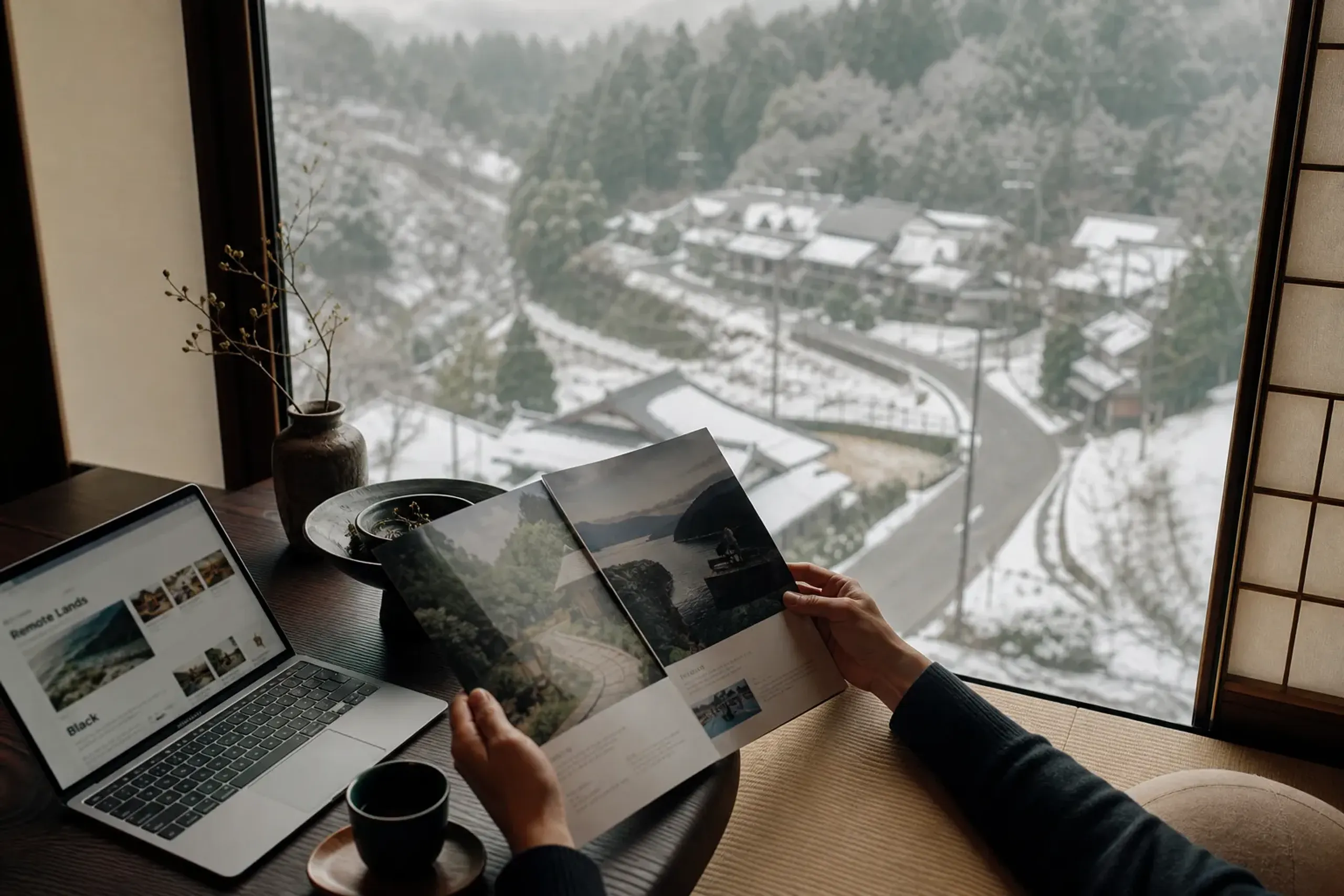
For a tailor-made itinerary designed around Tajima and Hyōgo’s quieter north, explore our bespoke itinerary approach, then speak with our concierge team privately.
Reach our team privately via WhatsApp or LINE, or contact us here to discuss timing, biosecurity constraints, and the right pace for your party.