In this guide
- 01What Makes A “Collector’s Journey” Different From A Standard Luxury Itinerary
- 02The 10-Day Shokunin Japan Route At A Glance (Kanazawa → Kyoto → Tokyo)
- 03A Practical “Route Map” You Can Hold In Your Head
- 04Day 1 — Tokyo: The Collector’s Brief, Done Quietly
- 05Days 2–3 — Kanazawa: Museum-Level Context, Then Gold Leaf Reality
- 06Day 4 — Kaga Area: Clay, Heat, And The Truth About “Custom”
- 07Day 5 — Yamanaka Onsen Area: Urushiware, Woodturning, And Patience
- 08Day 6 — Kanazawa: The 2026 “Kogei Moment” For Collectors
- 09Days 7–8 — Kyoto: Textiles, Tea Objects, And Crowd-Calibrated Calm
- 10Day 9 — Tokyo: Design Context, Specialist Districts, And Documentation
- 11Day 10 — Tokyo: Packing Discipline, Shipping Guidance, And Departure
- 12Lead Times, Shipping, Interpretation, And Purchase Expectations
- 13FAQ: Shokunin Travel In Japan For Serious Collectors
- 14Quiet Places To Stay (2025–2026 Openings As Reasons To Return, Not Headlines)
- 15Why This Journey Needs Discretion (And Why Makers Notice)
- 16Why Choose Japan Royal Service
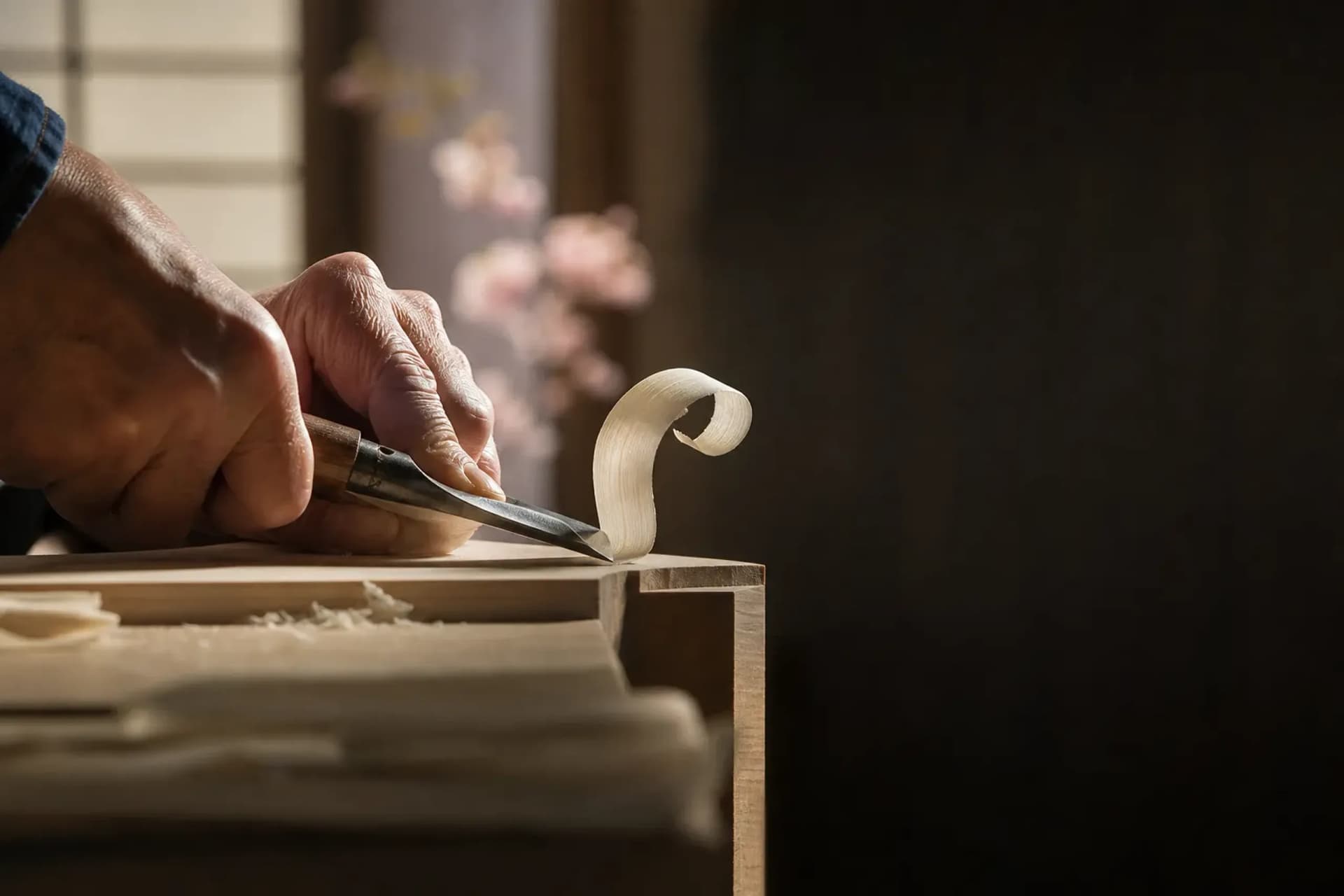
A hammer lands on hot metal. Short, sharp. The sound is not for you.
In a serious atelier, every motion has a job, and every object carries a lineage that can outlast its owner. That is why craft-focused luxury travel in Japan often disappoints: too many visits are staged, rushed, or treated as shopping. Big mistake.
Our team at Japan Royal Service designs collector journeys that move at the artisan’s pace, protect privacy, and keep the atmosphere quiet enough for real conversation. This 10-day route is built around regions, materials, and living masters—anchored in Kanazawa and the Hokuriku craft spine, then finished with Kyoto and Tokyo where context and curation matter most.
Key fact: This is not a shopping tour. It is a collector’s journey—where introductions, etiquette, and patience are the price of entry.
What Makes A “Collector’s Journey” Different From A Standard Luxury Itinerary
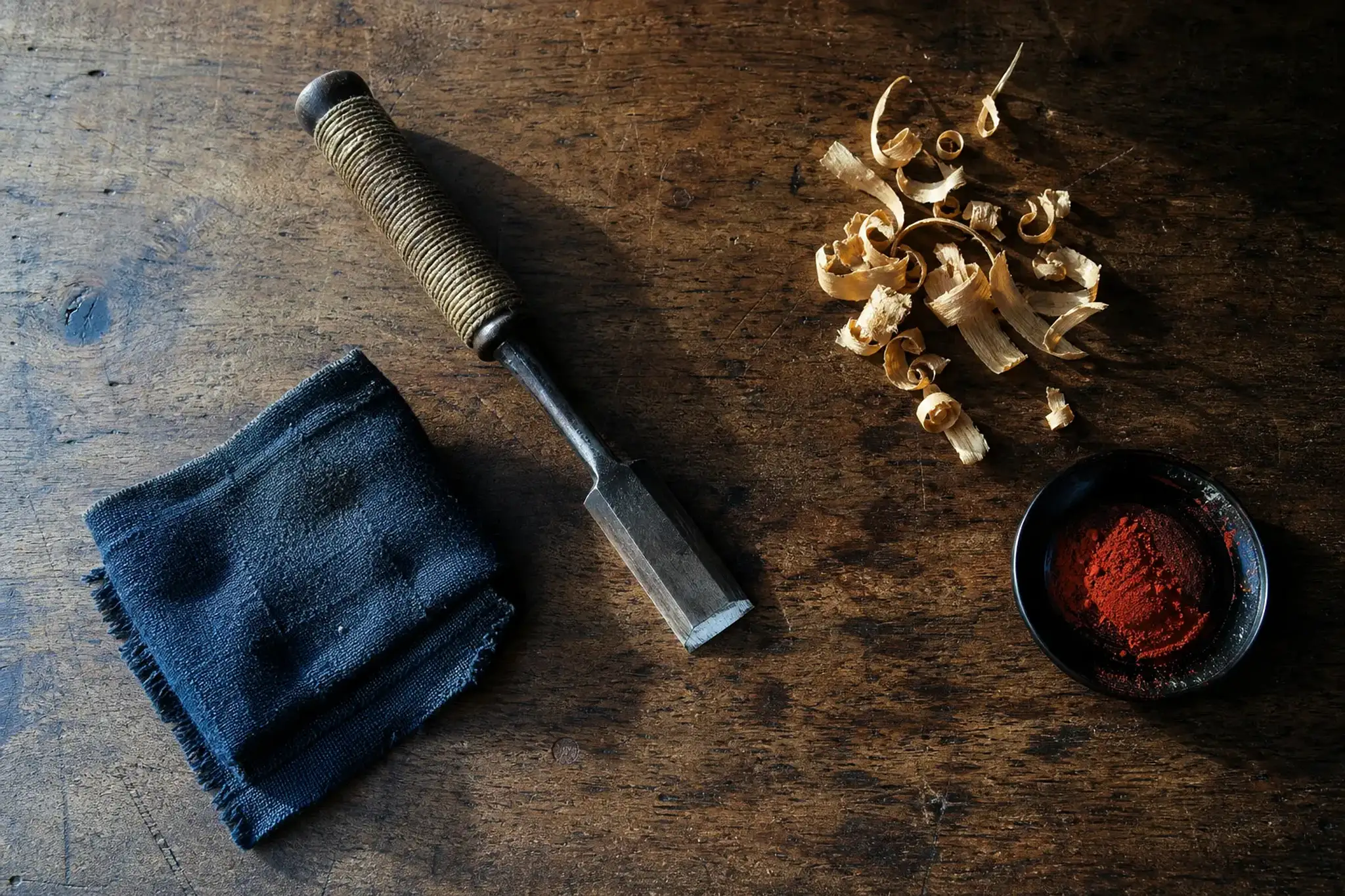
Collectors do not want souvenirs. They want provenance.
A standard itinerary treats craft like a photo stop between temples and dinner. Our approach is slower and more exacting, because shokunin culture is built on repetition, restraint, and trust—often closer to wabi-sabi than to anything glossy.
In our experience, the difference shows up in three places: who you meet, how long you stay, and what you are allowed to ask. Some studios welcome visitors. Others require an introduction, the right timing, and a careful understanding of boundaries.
The Three Signals You’re In The Real Room
- Time is not compressed: a demonstration can last 90 minutes, or an afternoon, without a clock-watching escort.
- Tools and materials are discussed plainly: not “luxury,” but whetstones, lacquer layers, gold leaf adhesion, kiln temperature, humidity.
- Privacy rules are explicit: what can be photographed, what must stay off-camera, and what should never be posted.
The 10-Day Shokunin Japan Route At A Glance (Kanazawa → Kyoto → Tokyo)
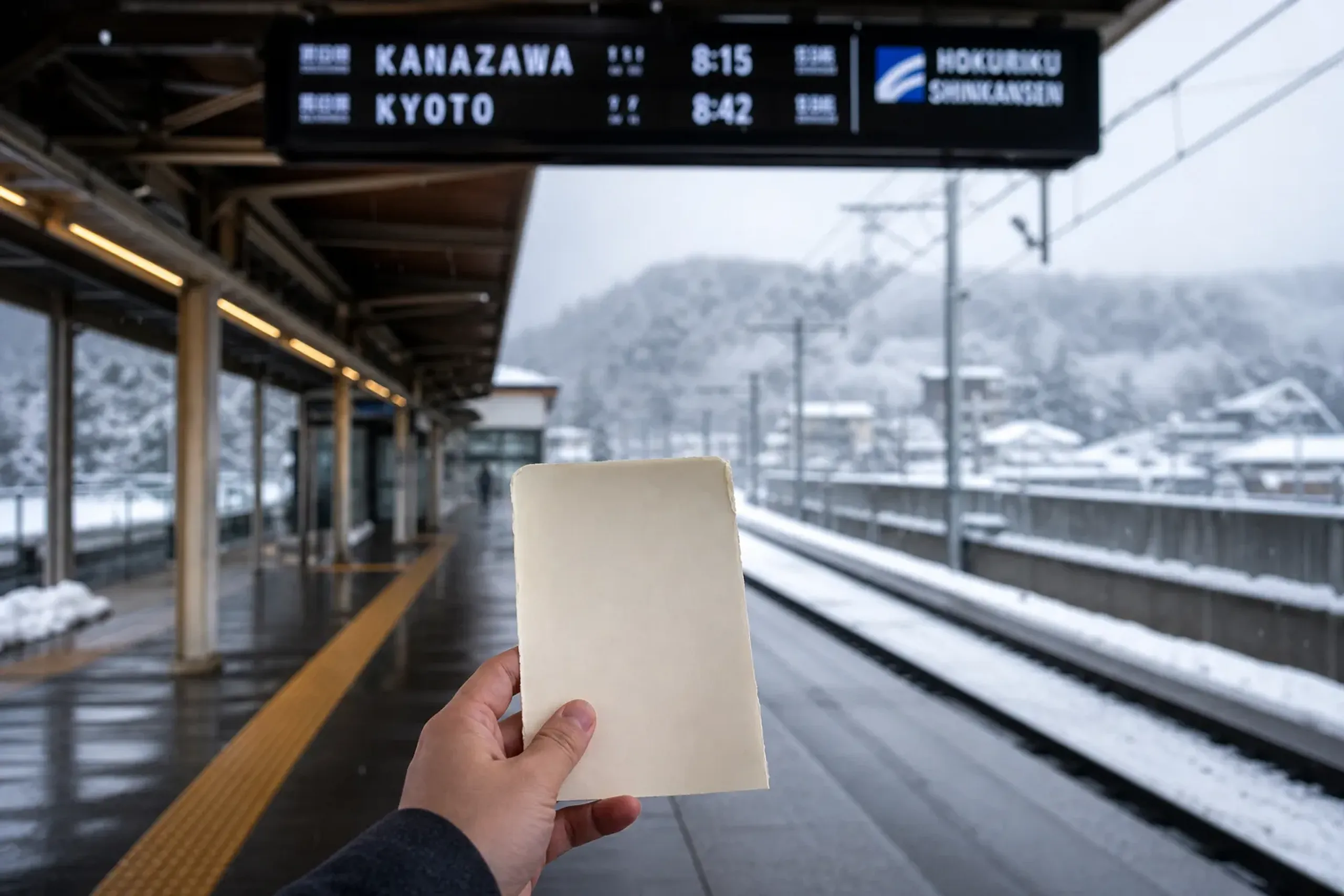
Simple routing. Hard content.
This journey uses Kanazawa as the craft nucleus because it is internationally legible for collectors, museum-rich, and a practical base for Ishikawa’s major craft areas. Kyoto adds textile and ceremonial context; Tokyo closes the loop with design museums, specialist shopping, and controlled logistics for shipping or documentation.
| Day | Base | Craft Focus | Collector Outcome |
|---|---|---|---|
| 1 | Tokyo | Orientation + discretion setup | Clear buying brief, risk controls |
| 2 | Kanazawa | Museum context (craft canon) | Better eye, smarter questions |
| 3 | Kanazawa | Gold leaf + surface work | Acquisition criteria, care notes |
| 4 | Kaga Area | Ceramics + kiln realities | Commission feasibility check |
| 5 | Yamanaka Onsen Area | Woodturning + urushiware | Understanding lacquer timelines |
| 6 | Kanazawa | Kogei market intelligence | Confident buying decisions |
| 7 | Kyoto | Textiles + quiet routing | Fewer crowds, better access |
| 8 | Kyoto | Tea culture objects | Use-case clarity (not display-only) |
| 9 | Tokyo | Design context + specialist districts | Finishing purchases, documentation |
| 10 | Tokyo | Packing, shipping guidance, departure | Objects travel safely, story intact |
A Practical “Route Map” You Can Hold In Your Head
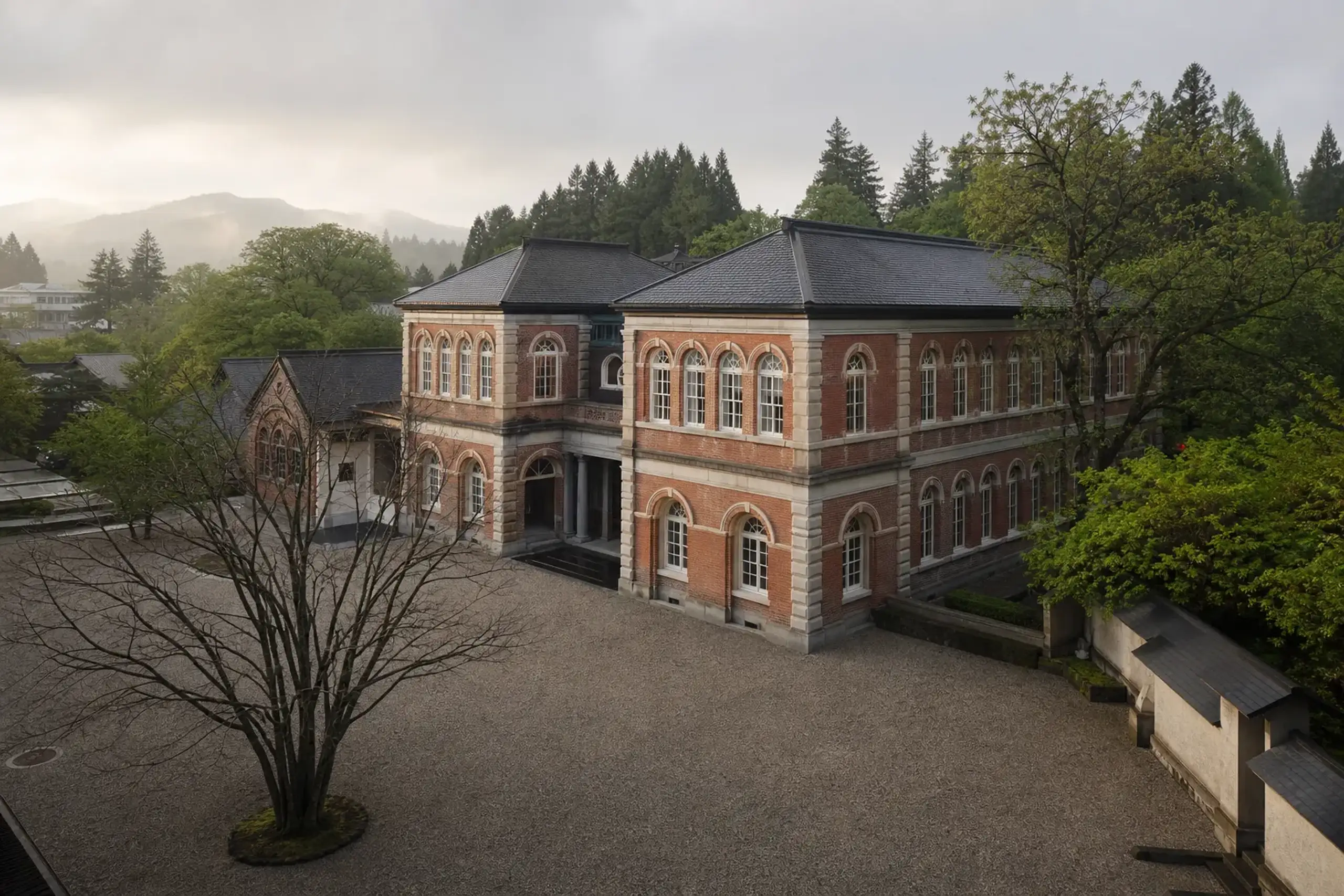
Japan is long. Don’t zigzag.
We keep the middle of the trip in Hokuriku because craft appointments punish sloppy logistics, and lateness is a quiet insult. The clean line is: Tokyo → Kanazawa (Hokuriku) → Kyoto → Tokyo, with day trips into the Kaga area and Yamanaka Onsen area for deeper workshop time.
If you want one detail that changes everything, it is this: Kanazawa is a credible craft base, not a detour. It was designated a UNESCO Creative City (Crafts and Folk Art) in 2009, and the National Crafts Museum relocated from Tokyo to Kanazawa in 2020 (per VISIT KANAZAWA).
Day 1 — Tokyo: The Collector’s Brief, Done Quietly
Arrive. Exhale.
Day one is not about museums. It is about clarity: what you collect, what you refuse to buy, what must be commission-only, and what should stay purely observational so you do not pressure a maker.
We typically begin with a private planning session in a calm setting, then a short, targeted stop for tools or reference objects if you collect functional craft. The goal is restraint, not accumulation.
The first mention matters: for comfort and discretion, many guests choose private transportation within Tokyo to keep timing controlled and exposure low. Quiet mobility is not flashy. It is simply correct.
Collector Checklist For Day 1
- Decide your “materials band”: lacquer, metal, ceramic, textile, wood, paper—one or two is plenty.
- Set photo rules now: personal archive only, or no camera at all.
- Define your commission tolerance: months, not weeks, is the normal unit.
Days 2–3 — Kanazawa: Museum-Level Context, Then Gold Leaf Reality
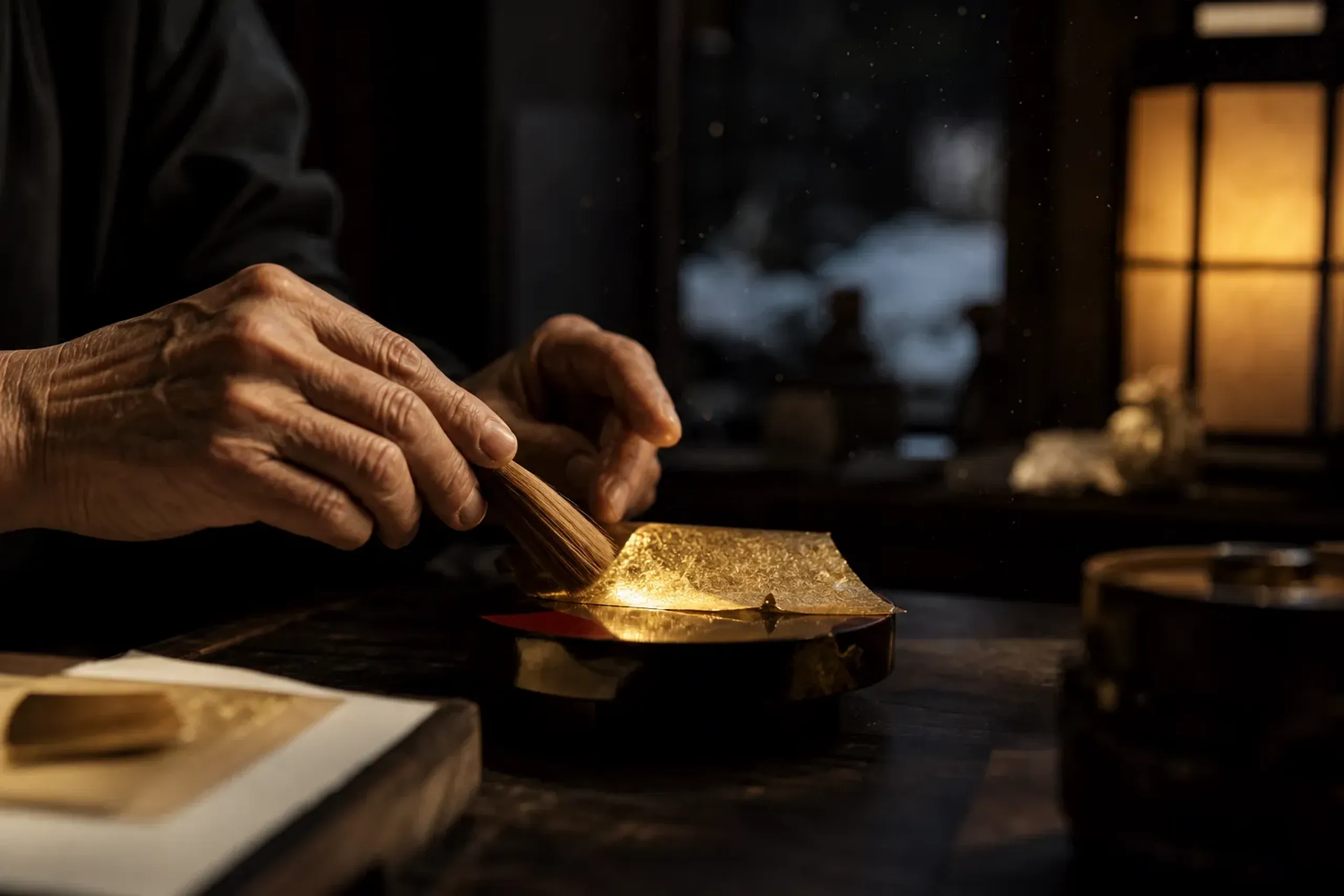
Kanazawa sharpens the eye. Fast.
Begin with the National Crafts Museum (MoMAT, Kanazawa) for a grounding pass through modern and traditional craft practices. This is where you learn to separate “pretty” from “serious,” and where your questions start sounding like a collector’s questions.
Then we pivot to one of Kanazawa’s signature materials: gold leaf. VISIT KANAZAWA states Kanazawa holds most of the market share for gold leaf manufacturing in Japan, which explains why surface work here can feel almost surgical in its precision.
How To Behave In A Gold Leaf Setting
- Wear simple clothing: gold leaf can move with static and air currents.
- Ask before filming: some techniques are fine to photograph; others are not.
- Handle only when invited: fingerprints are forever.
Day 4 — Kaga Area: Clay, Heat, And The Truth About “Custom”
Kilns do not negotiate. Ever.
A collector’s day around ceramics is less romantic than most brochures imply, and that is exactly why it’s useful. You will hear about firing schedules, failures that are accepted as part of the work, and what “repeatability” costs in time.
If you are considering a commission, this is the day to talk about function: tea, sake, plating, or purely sculptural forms. A shokunin may politely refuse a request that violates the material, and that refusal is a kind of integrity.
Day 5 — Yamanaka Onsen Area: Urushiware, Woodturning, And Patience
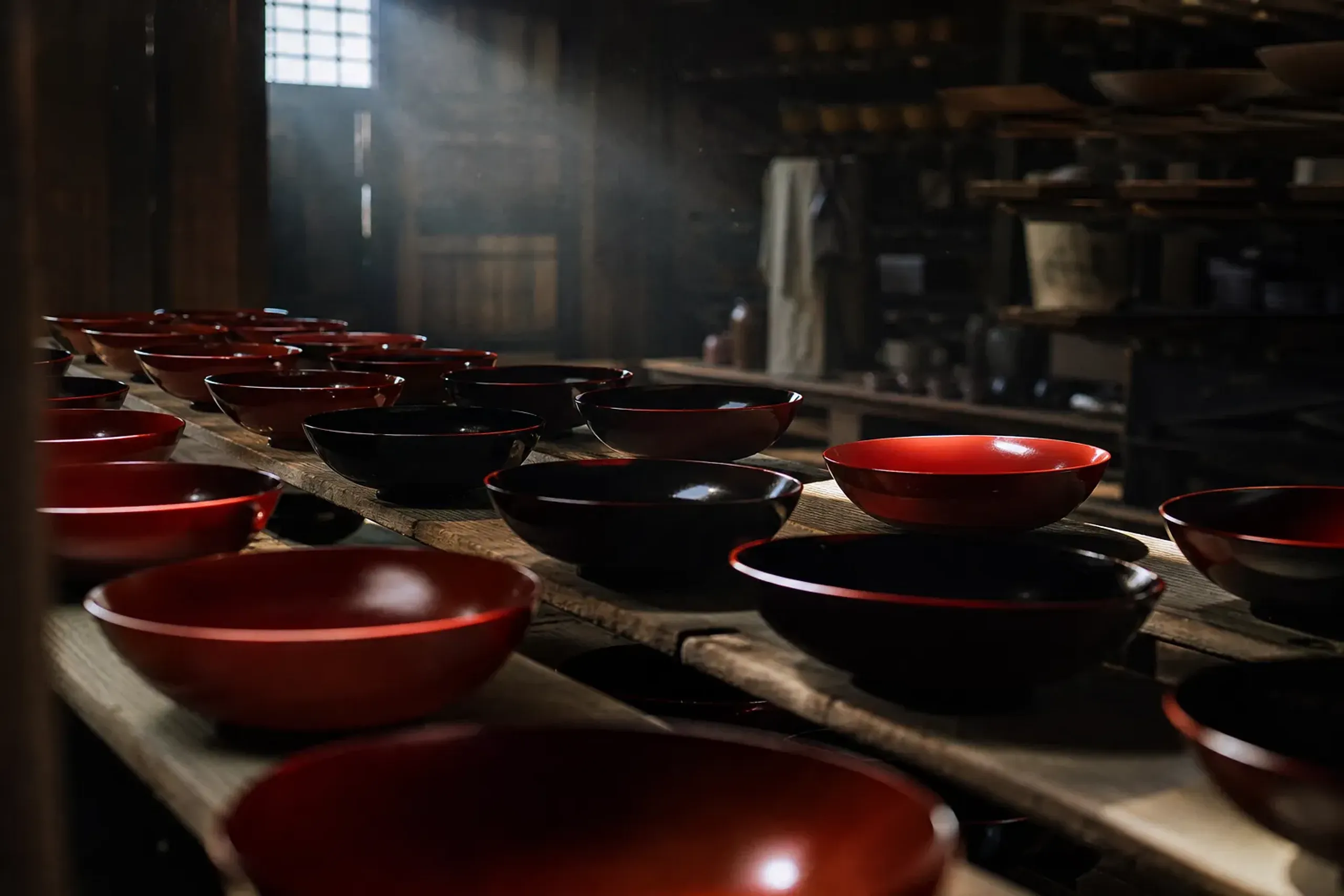
Lacquer teaches manners. Slowly.
Ishikawa’s official urushi exhibition site describes Ishikawa as renowned as the “kingdom of traditional crafts,” and it notes major urushi production areas including Wajima, Yamanaka, and Kanazawa. That geography matters, because lacquer is not just technique; it is climate, curing, and local practice.
In the Yamanaka Onsen area, the collector takeaway is usually surprising: a piece can look quiet, even plain, yet feel alive in the hand, with a restraint that reads as wabi-sabi rather than ornament. Many guests change their buying habits here.
Commission And Care Notes For Lacquer (Urushi)
- Lead times: measured in months, sometimes longer for multi-layer work.
- Use conditions: lacquer likes attentive use; harsh detergents and long soaking are usually a mistake.
- Repair culture: discuss maintenance early, before you fall in love with a fragile finish.
Day 6 — Kanazawa: The 2026 “Kogei Moment” For Collectors
This day is why the itinerary exists.
If your dates align, KOGEI Art Fair Kanazawa is a concentrated way to see contemporary craft (kogei) presented with gallery discipline. Its official description calls it Japan’s only art fair dedicated to crafts, which is rare in a market where craft is often forced into either souvenir retail or fine-art theater.
Separately, the Ishikawa International Urushi (lacquer) Exhibition will hold its 14th event in 2026, according to its official site. For collectors, this is not just “an exhibition.” It is a live signal of what Ishikawa wants to protect, promote, and argue for.
Key fact: Fairs and exhibitions are informational anchors. Studio access, private meetings, and introductions are a separate layer—and always subject to maker availability and approval.
Days 7–8 — Kyoto: Textiles, Tea Objects, And Crowd-Calibrated Calm
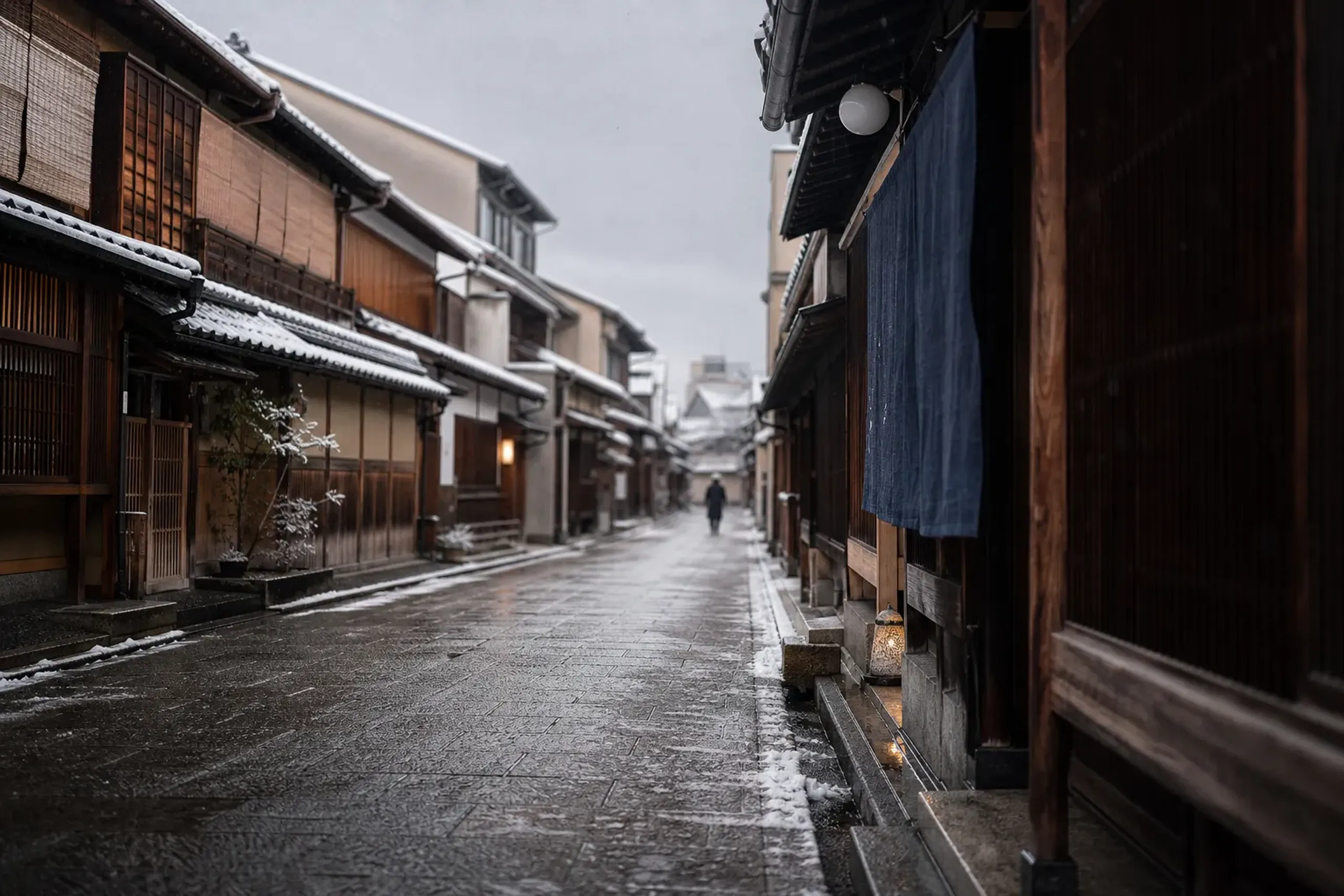
Kyoto can be loud. You don’t have to be.
Collectors come to Kyoto for textiles, craft lineage, and the objects that live around tea culture. They also come during peak periods and wonder why their days feel bruised by crowds. Our job is to keep Kyoto usable.
Kyoto’s official tourism and “travel comfort” pages make this easier to plan responsibly. The Ministry of Land, Infrastructure, Transport and Tourism (Kyoto National Highway Office) operates official Travel Congestion Forecast pages with “Last Update” timestamps, and Kyoto’s tourism site advises real-time crowding tools such as Kyoto Smart Navi, including specific Golden Week measures like additional Karasuma Line subway trains temporarily introduced May 2–5, 2026.
How We Keep Kyoto Quiet Without Hiding From It
- Timing over bravado: early starts, mid-day resets, and selective evenings.
- Short transfers: fewer cross-city dashes; more walkable clusters.
- Discretion as design: low-contact arrivals and minimal public exposure when appointments matter.
Day 9 — Tokyo: Design Context, Specialist Districts, And Documentation
Tokyo is precise. That helps.
This day is for context and completion: design museums, gallery neighborhoods, and specialist districts where tools, paper, or presentation boxes can be chosen with a steady hand. It is also the right moment to collect documentation for provenance, care instructions, and artist notes—especially when pieces will live in multiple residences.
If you plan to ship, this is where we discuss practicalities: protective packing, insurance, and what should travel with you versus what should be sent later. The details are not glamorous. They are the difference between owning a piece and losing it.
Day 10 — Tokyo: Packing Discipline, Shipping Guidance, And Departure
Last day. No drama.
A collector’s departure should feel controlled: objects photographed for your archive, condition notes captured, and packing choices matched to fragility. If a piece is meant to be used, not displayed, we also confirm how you will live with it—because shokunin work is often built to age with you.
Then you leave Japan with fewer items than a shopping tour, and more meaning than most people find in a month.
Lead Times, Shipping, Interpretation, And Purchase Expectations
Here is the adult section. Read it.
Craft travel becomes stressful when a guest expects speed, public performance, or instant “custom.” Shokunin culture respects seriousness, and it punishes careless demands with polite distance.
Lead Times And Commission Reality
- Expect months: lacquer and ceramics often move slowly for good reasons.
- Expect limits: some makers will not alter signature forms, colors, or motifs.
- Expect refusal: it is not personal; it is craft ethics.
Shipping And Documentation (What We Discuss With Collectors)
- Condition notes: photos and written notes before any transit.
- Packaging approach: double-boxing and vibration control when needed.
- Insurance questions: insured value should match your documentation, not your optimism.
Interpretation And Conversation Etiquette
- Use an interpreter when nuance matters: craft vocabulary is not everyday language.
- Ask permission before touching tools or works-in-progress: studios are not showrooms.
- Keep gifts simple if appropriate: avoid anything showy; a thoughtful regional item is often enough.
FAQ: Shokunin Travel In Japan For Serious Collectors
Is This Itinerary Suitable For First-Time Visitors To Japan?
Yes, if you can tolerate restraint. Tokyo and Kyoto are familiar anchors, and Kanazawa gives deep craft access without the sensory overload of a constant big-city loop.
Do I Need To Be A Serious Collector To Enjoy This?
No. Many VHNW guests are “early collectors” who want to learn how to see, not just how to buy. The journey is designed to educate your eye and protect makers from casual tourism energy.
What Is The Best Time Of Year For A Craft-First Journey?
Dates depend on your goals: fairs and exhibitions have fixed calendars, while studio visits depend on production cycles. When your travel window is flexible, we plan around calm weeks, not just weather.
Can I Meet Living National Treasures?
Some craft masters hold that designation, and public demonstrations and museum exhibitions can be excellent contexts to learn. Private meetings are a separate matter and can never be assumed; they depend on introductions, timing, and approval.
How Do I Avoid Crowds In Kyoto Without Missing Kyoto?
Use official tools. Kyoto publishes congestion forecasting and comfort guidance, and real-time tools like Kyoto Smart Navi are specifically recommended by Kyoto’s tourism site during heavy periods.
How Should I Think About Budget For A 10-Day Luxury Craft Journey?
It depends on your pace, transport, accommodation preferences, and the nature of your private experiences. Many planners cite 10–14 days as a practical “sweet spot” for Japan; we keep proposals tailored and discreet, shared privately after we learn your priorities.
Quiet Places To Stay (2025–2026 Openings As Reasons To Return, Not Headlines)
New hotels are not the story. They are the base.
For collectors, the best properties are the ones that let you arrive and disappear, then re-emerge composed for a studio appointment. Recent openings can be a real reason to return to Japan—especially when paired with craft programming in Kanazawa, Kyoto, and Tokyo.
Verified openings include Waldorf Astoria Osaka (April 3, 2025), Patina Osaka (May 2025), Rosewood Miyakojima (March 1, 2025), JW Marriott Hotel Tokyo (October 2, 2025), Imperial Hotel Kyoto (March 5, 2026), and 1 Hotel Tokyo (March 5, 2026). In Kyoto, Six Senses Kyoto opened in late April 2024.
How We Match A Property To A Collector’s Temperament
- HNW: location efficiency and dependable service so days don’t drift.
- VHNW: privacy architecture—arrival flow, room placement, low-contact service culture.
- UHNW: segmentation and discretion at scale, including options for private-use arrangements where available.
Why This Journey Needs Discretion (And Why Makers Notice)
Privacy is not a preference. It is etiquette.
Shokunin ateliers are working environments, and the best ones have no need for attention. When a guest arrives with a loud camera posture, a social-media agenda, or a “VIP expectation,” the room closes.
Our concierge team plans with discretion as the default: minimal leakage of identity, conservative scheduling, and a bias toward quiet entrances and short transfers. It protects you, and it protects the maker. That mutual respect is often what unlocks hidden-Japan moments that Google cannot find.
Why Choose Japan Royal Service
Because access without respect is worthless. Our team at Japan Royal Service designs craft-first journeys around shokunin values, wabi-sabi restraint, and a hidden-Japan network that depends on introductions, not advertising.
Because discretion is not optional. We build trips for guests who already know luxury, and now want privacy, cultural depth, and calm execution—supported by refined mobility and concierge guidance, including tailor-made itineraries shaped around your collection focus.
Because we treat craft as living culture, not retail. The result is a journey where you meet makers with the right posture, ask better questions, and acquire pieces that carry real personal meaning rather than showroom shine.
If you’d like a private 10-day shokunin journey tailored to your collecting interests, reach our team privately via WhatsApp or LINE, or contact us here.