In this guide
- 01Why Was Shimoda Chosen As The First Open Port In 1854?
- 02March 1854: Perry’s Fleet Enters Shimoda Bay
- 03What Was Signed At Ryōsen-ji Temple In Shimoda?
- 04The 28-Kilometer Clause: Shimoda As Japan’s First “Walk-Freely” Town
- 05Yoshida Shōin’s Night Attempt At Benten Island
- 06Townsend Harris In Shimoda: A Diplomatic Standoff With Real Stakes
- 07Shimoda Before Perry: “3,000 Ships Departing And Arriving”
- 08A Plain Visiting Guide: How To See Shimoda’s Opening-Era Sites In One Day
- 09How Japan Royal Service Plans Shimoda For HNW Travelers
- 10Frequently Asked Questions
- 11Why Choose Japan Royal Service
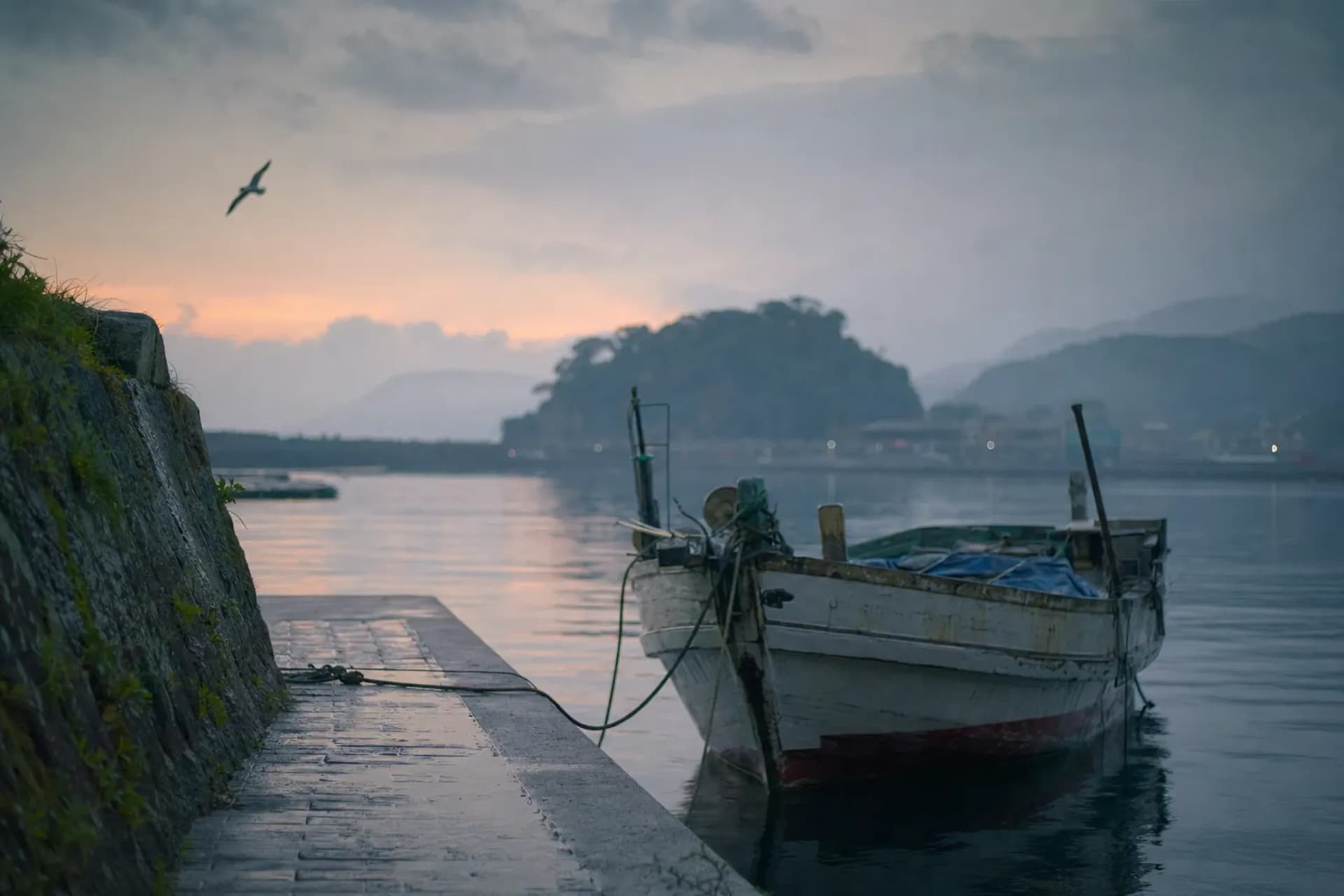
Mist sits low over Shimoda Bay in the early hours, and the hills fold inward like a gate. Quiet water. Then, in 1854, the horizon filled with black-hulled ships and a kind of silence Japan had not practiced before—watching and being watched.
Shimoda’s role in Japan’s opening to the West is often reduced to a label: “first open port.” That skips the sharper truth. The Tokugawa shogunate did not pick Shimoda at random.
It was chosen for distance. Not romance. Close enough by sea that Commodore Matthew Perry could pressure Edo, yet far enough by land that the shogunate could control the encounter and contain the shock.
Why Was Shimoda Chosen As The First Open Port In 1854?
Shimoda was selected because it was close enough to Edo by sea for pressure, yet far enough by land—about five days—for the shogunate to manage control, security, and politics.
That asymmetry mattered. Perry’s squadron could move along the coast quickly, and the shogunate understood the implication. But forcing the meeting point deep inside the capital’s immediate orbit would have looked like surrender.
Shimoda also sat inside shogunate-controlled territory. That reduced friction with other domains. It kept the opening, however reluctant, under the bakufu’s own administrative hand.
The result was a compromise shaped by fear and calculation. A harbor that had long served ships seeking shelter became, for a brief stretch, Japan’s controlled doorway to a wider world.
March 1854: Perry’s Fleet Enters Shimoda Bay
The Convention of Kanagawa was signed on 31 March 1854.
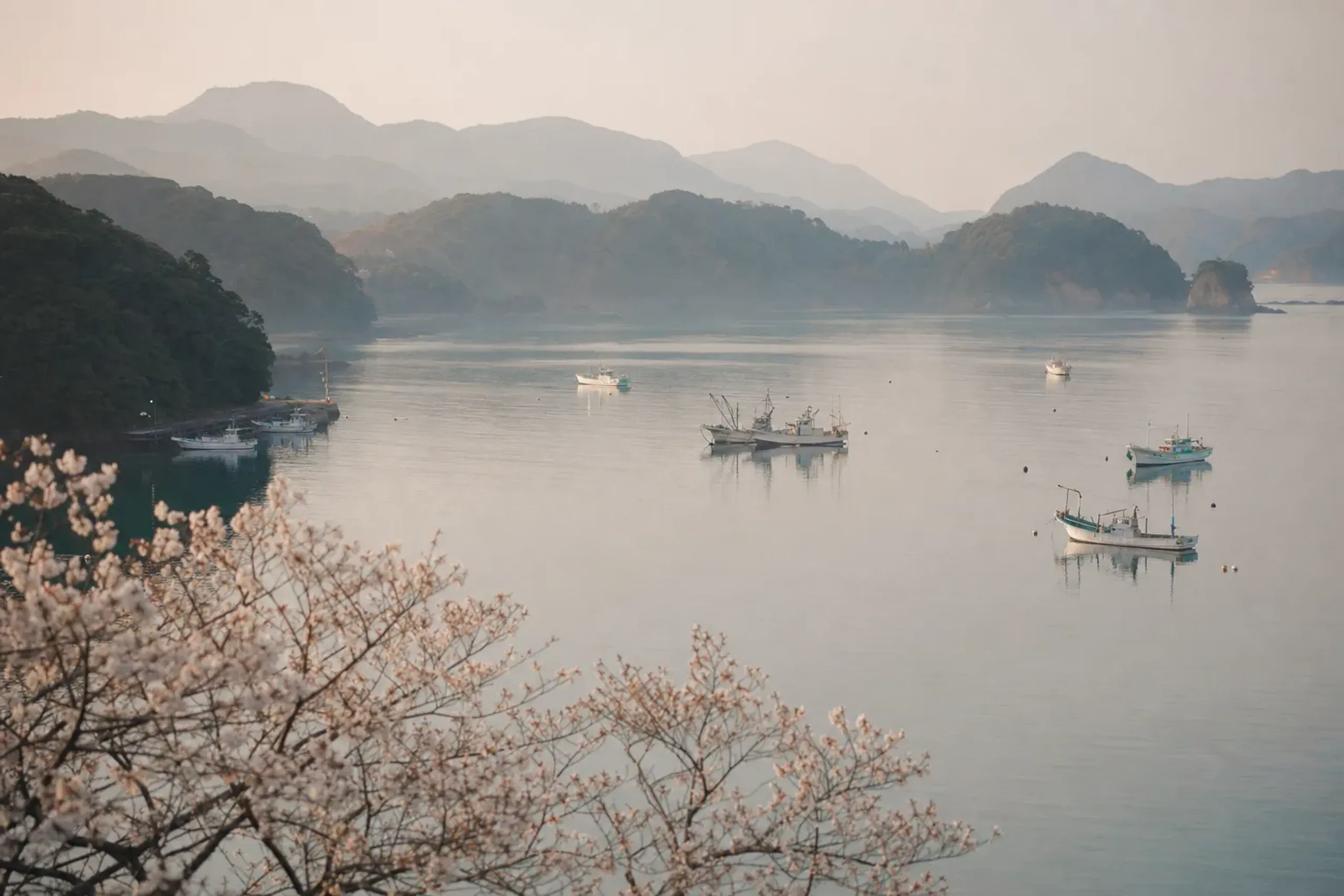
The story in Shimoda, though, begins with the fleet’s movement through the designated ports soon after—an inspection with the weight of a threat behind it.
By the lunar calendar, Perry’s ships arrived in Shimoda over 18–21 March, with seven of the original nine ships present. Two had already departed carrying the treaty onward to China and America. The bay was suddenly full of foreign masts.
On land, a route formed between shoreline and temple precinct. Today it has a name that does not let the moment fade. Perry Road.
It commemorates the march of Perry and 300 of his men from a landing memorial park to Ryōsen-ji. Footsteps turned into a civic memory.
What Was Signed At Ryōsen-ji Temple In Shimoda?
A supplementary agreement known as the Shimoda Treaty was signed at Ryōsen-ji, setting detailed implementation rules after the Convention of Kanagawa.
This is where Shimoda becomes specific, not symbolic. The Shimoda Treaty did the work of turning broad promises into boundaries, procedures, and a map of permitted daily life.
Two temples—Ryōsen-ji and Gyokusen-ji—were designated as official residences for American personnel. Temples were among the few spaces built for formal reception, discipline, and controlled lodging. They were usable.
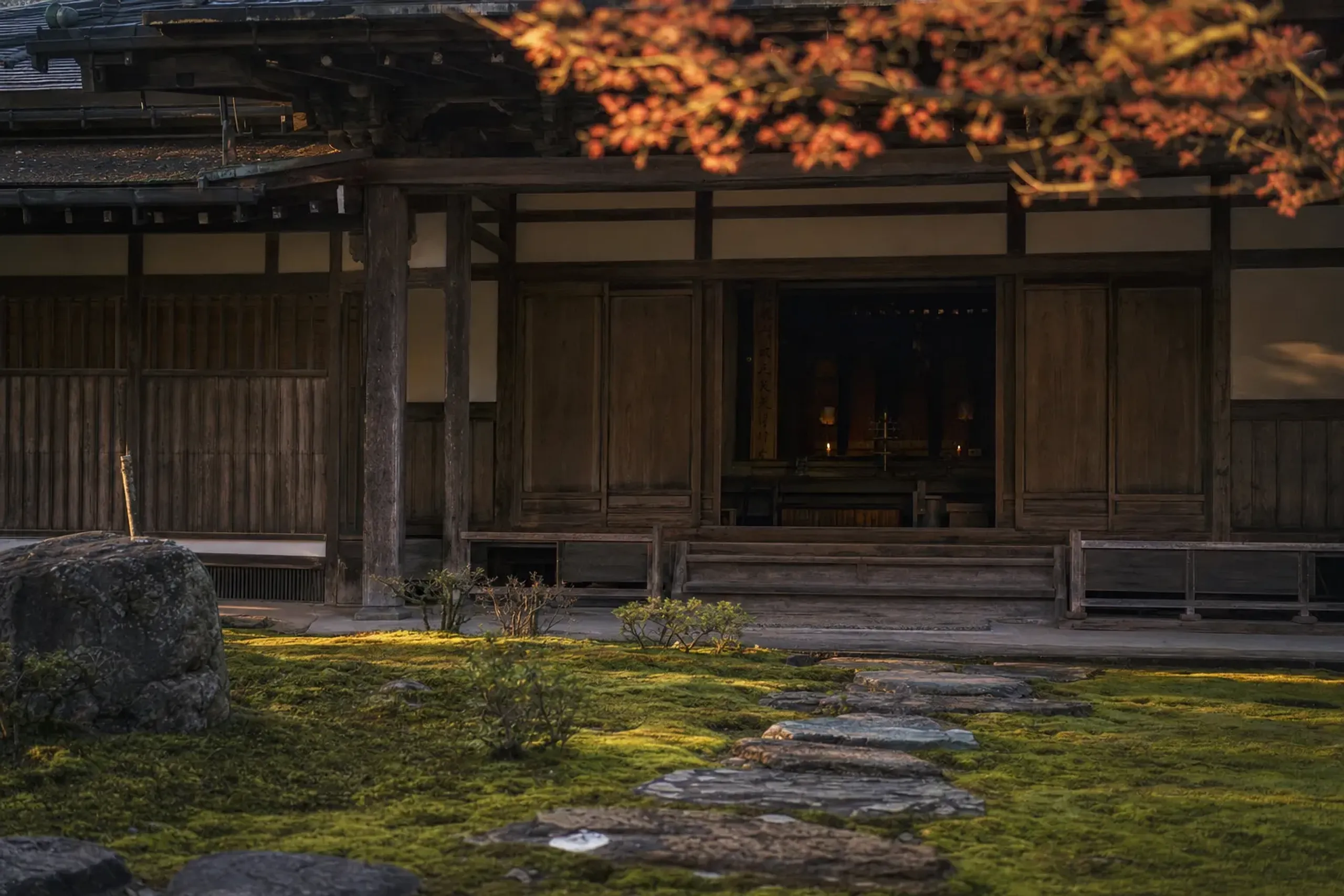
That mattered.
For visitors today, these are not abstract treaty sites. They are walkable places. You can stand where negotiations happened and sense how small a courtyard feels when it is holding two countries’ mistrust.
The 28-Kilometer Clause: Shimoda As Japan’s First “Walk-Freely” Town
The Shimoda Treaty defined an area Americans could walk freely—within a roughly 28-kilometer radius centered on an island in the harbor—making Shimoda the first town in Japan where foreigners could walk freely by explicit rule.
This point is easy to miss because “first open port” is easier to repeat. But the walking radius is the detail that changes the texture of the story. It marks a shift from purely maritime access to physical presence on Japanese ground.
That freedom was not unlimited. It was bounded, measured, and watched. Still. A boundary is also an admission: foreigners would be on the roads, in view, in shops, in weather.
If you want to understand why Shimoda mattered to the shogunate, start here. Control was not a mood. It was a radius.
Yoshida Shōin’s Night Attempt At Benten Island
Long before he became known as a mentor to future Meiji leaders, Yoshida Shōin tried to force a shortcut into world knowledge. Not with a letter. With an oar.
Near Shimoda’s Benten Island, Shōin attempted to sneak aboard Perry’s ships. He wanted firsthand understanding of global affairs.
He failed.
There is a clarity to that failure. A young scholar in the dark, moving toward a line of foreign ships that represented both danger and possibility. It reads like fiction because it has the clean shape of intent.
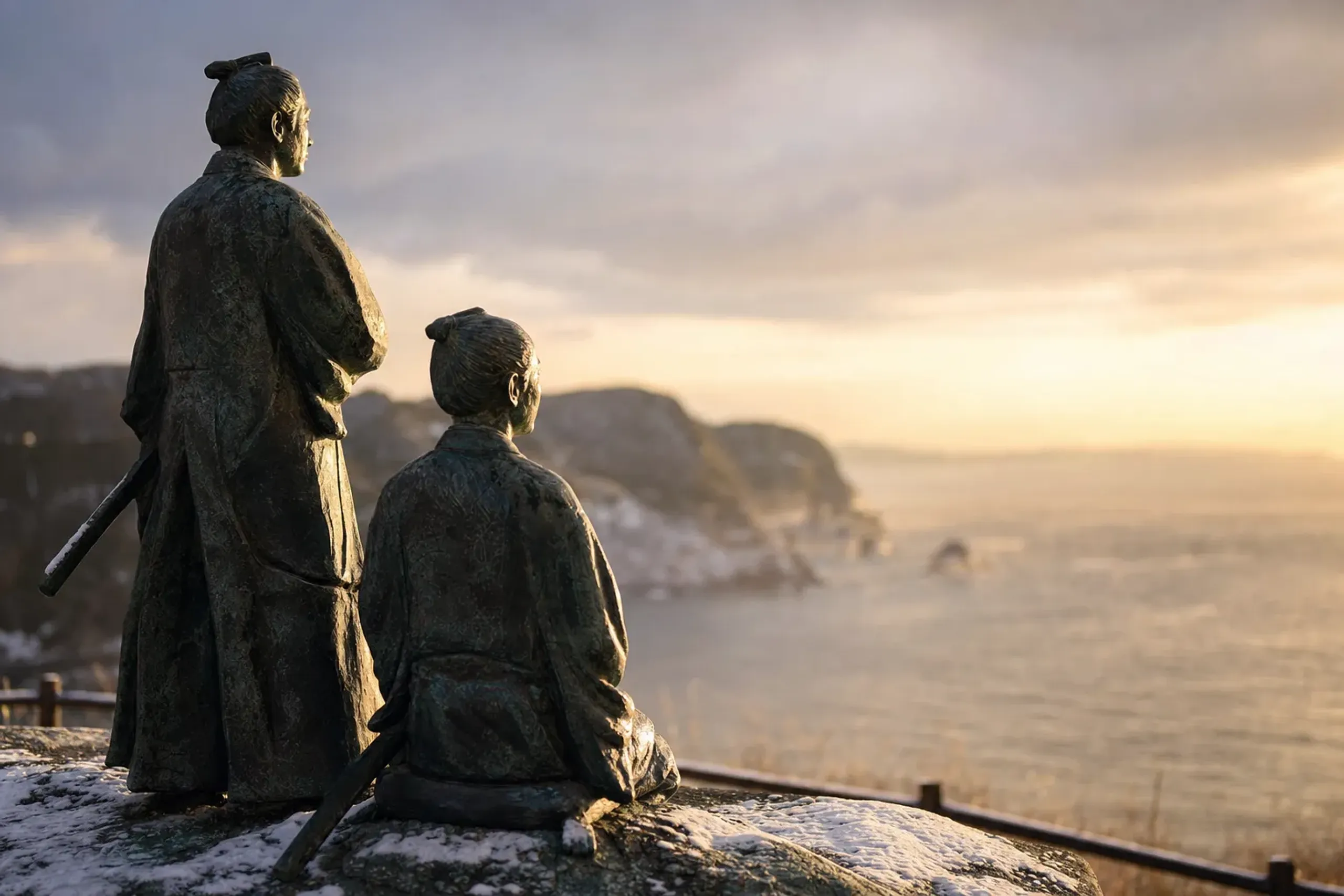
Today, statues of Shōin and his student Kaneko Shigesuke stand at Benten Island, facing Shimoda Bay. They look outward. The gesture is the point.
Townsend Harris In Shimoda: A Diplomatic Standoff With Real Stakes
Townsend Harris arrived in Shimoda on 21 July 1856 aboard the USS San Jacinto as America’s first consul general to Japan. The shogunate did not welcome him in.
They initially refused to accept his residency. The standoff was not theatrical. It hinged on a translation discrepancy between the Japanese and English texts of the original treaty, specifically about when a consul could be posted.
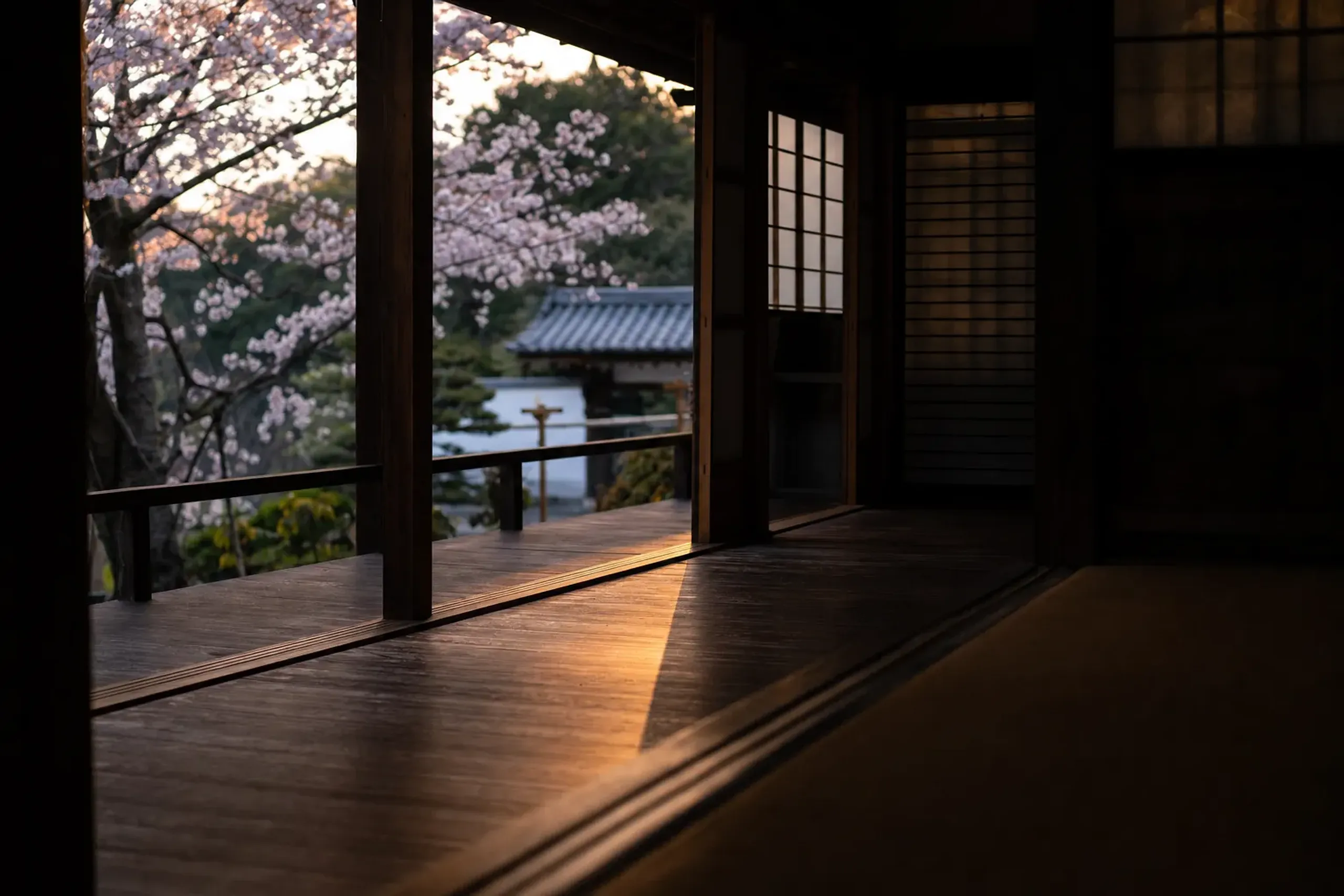
Harris pressed. The shogunate relented. He formally entered Gyokusen-ji on 5 August 1856, and the American flag was raised there the following day.
His aim was a full commercial treaty. The Convention of Kanagawa contained no trade provisions. The shogunate resisted repeatedly, including refusing his demands to travel to Edo.
In 1857, Harris negotiated a separate nine-article agreement with the local Shimoda magistrate, covering currency exchange rates and American residency rights. It was an intermediate step toward the larger commercial treaty that followed later. Not the end.
A wedge.
Shimoda Before Perry: “3,000 Ships Departing And Arriving”
Shimoda’s harbor mattered before it became famous. In the Edo period it was known as a significant natural refuge for ships waiting for favorable winds or sheltering on coastal travel.
Locally, it was described with the phrase “3,000 ships departing and arriving.” That line is not about a census. It is about reputation—Shimoda as a place you knew if you worked the sea.
Perry’s treaty did not invent Shimoda’s maritime importance. It redirected it into world history. The harbor stayed the same shape; the audience changed.
A Plain Visiting Guide: How To See Shimoda’s Opening-Era Sites In One Day
This is the practical loop our team at Japan Royal Service uses as a baseline when clients want Shimoda’s opening-to-the-West story, not a generic coastal stop.
Keep it simple. Walk when it adds meaning. Use a car when it prevents fatigue and keeps timing tight.
Step 1: Start At Ryōsen-ji And Read The Place Before The Plaques
Begin at Ryōsen-ji, where the Shimoda Treaty was signed. Arrive early if you can. Even a small crowd changes how a treaty site feels.
Stand back for a moment. Then step in. Courtyards in Japan are designed to hold formal attention without needing grand scale.
Step 2: Walk A Section Of Perry Road On Purpose
Perry Road still carries the name because the route itself is the artifact.
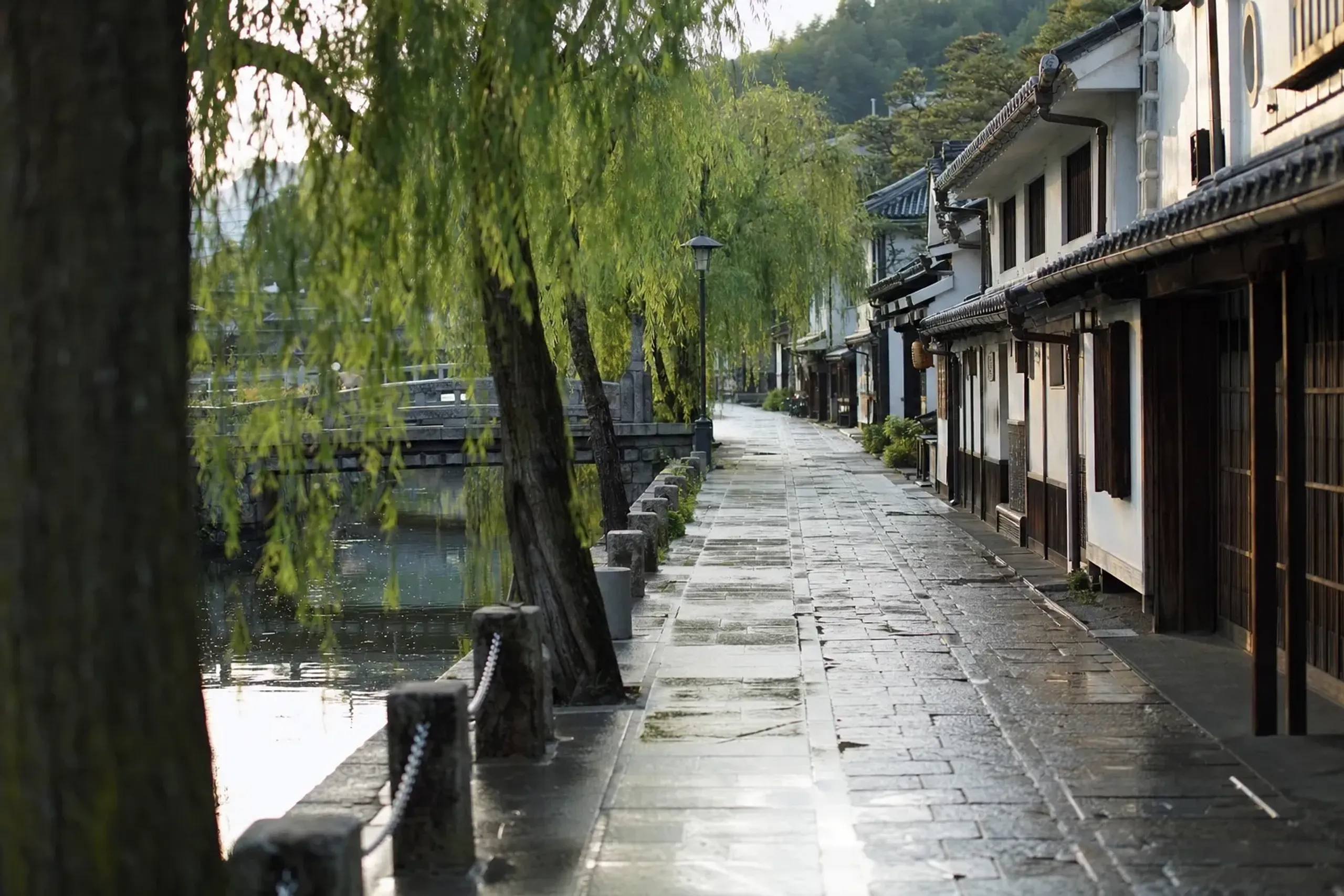
You are tracing a real movement of power: Perry and 300 men walking from the landing memorial park to Ryōsen-ji.
Don’t rush it. Choose a short segment. Let the distance do its quiet work.
Step 3: Visit Gyokusen-ji With Harris In Mind
Gyokusen-ji is where Harris formally entered as consul general on 5 August 1856, and where the American flag was raised the next day. That sequence matters.
When you visit, hold the standoff in your head. A translation discrepancy. A refusal. Then a concession that created a new kind of foreign presence.
Step 4: End At Benten Island For The Shōin Statues And The Bay View
Benten Island anchors the Yoshida Shōin episode. The statues of Shōin and Kaneko Shigesuke look out over Shimoda Bay.
This is a good final stop. The water is the through-line. It’s how Perry arrived, and how Shōin tried to leave.
How Japan Royal Service Plans Shimoda For HNW Travelers
We plan Shimoda with restraint. No loud checklist. The history is already dramatic.
For High-Net-Worth travelers, the difference is usually logistics and tone. A calm arrival window. Space to read plaques without being shoulder-to-shoulder. A day that keeps you steady, not rushed.
When clients want a private car, our first recommendation is to use a dedicated private transportation plan so the day stays coherent even if weather or traffic shifts.
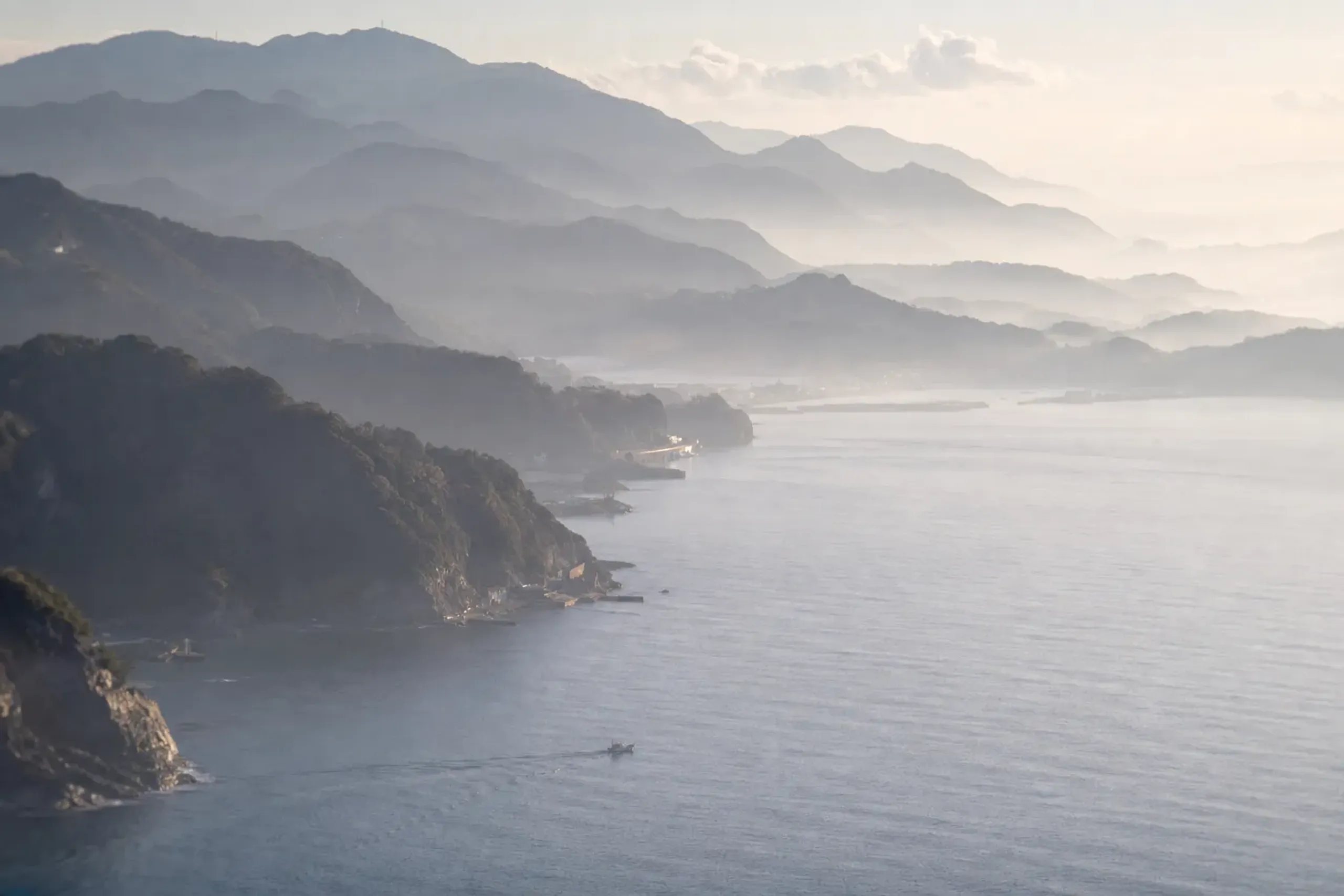
Small detail. Big impact.
We also build tailor-made routes that let Shimoda be what it is: a place of measured concessions, watched boundaries, and a harbor that carried Japan into a new century.
Key fact: On the public site, we share guidance and context. For private coordination around guiding and transfers, reach our concierge team directly via WhatsApp or LINE.
Frequently Asked Questions
What Exactly Happened In Shimoda After The Convention Of Kanagawa Was Signed?
After the Convention of Kanagawa (signed 31 March 1854), a supplementary agreement known as the Shimoda Treaty was signed at Ryōsen-ji to set detailed implementation rules. It also designated temples as official residences.
This is where “open port” becomes concrete: locations, permitted movement, and the structures used to host foreign personnel.
Why Do People Say Shimoda Was The First Place Foreigners Could Walk Freely In Japan?
The Shimoda Treaty defined a roughly 28-kilometer radius centered on an island in the harbor where Americans could walk freely, making it the first town with an explicit “walk-freely” provision.
That clause is a clean, checkable reason Shimoda stands apart from vaguer “opened” narratives.
Where Did Yoshida Shōin Try To Board Perry’s Ships In Shimoda?
Yoshida Shōin attempted to sneak aboard Perry’s ships near Benten Island in Shimoda, seeking firsthand knowledge of the outside world.
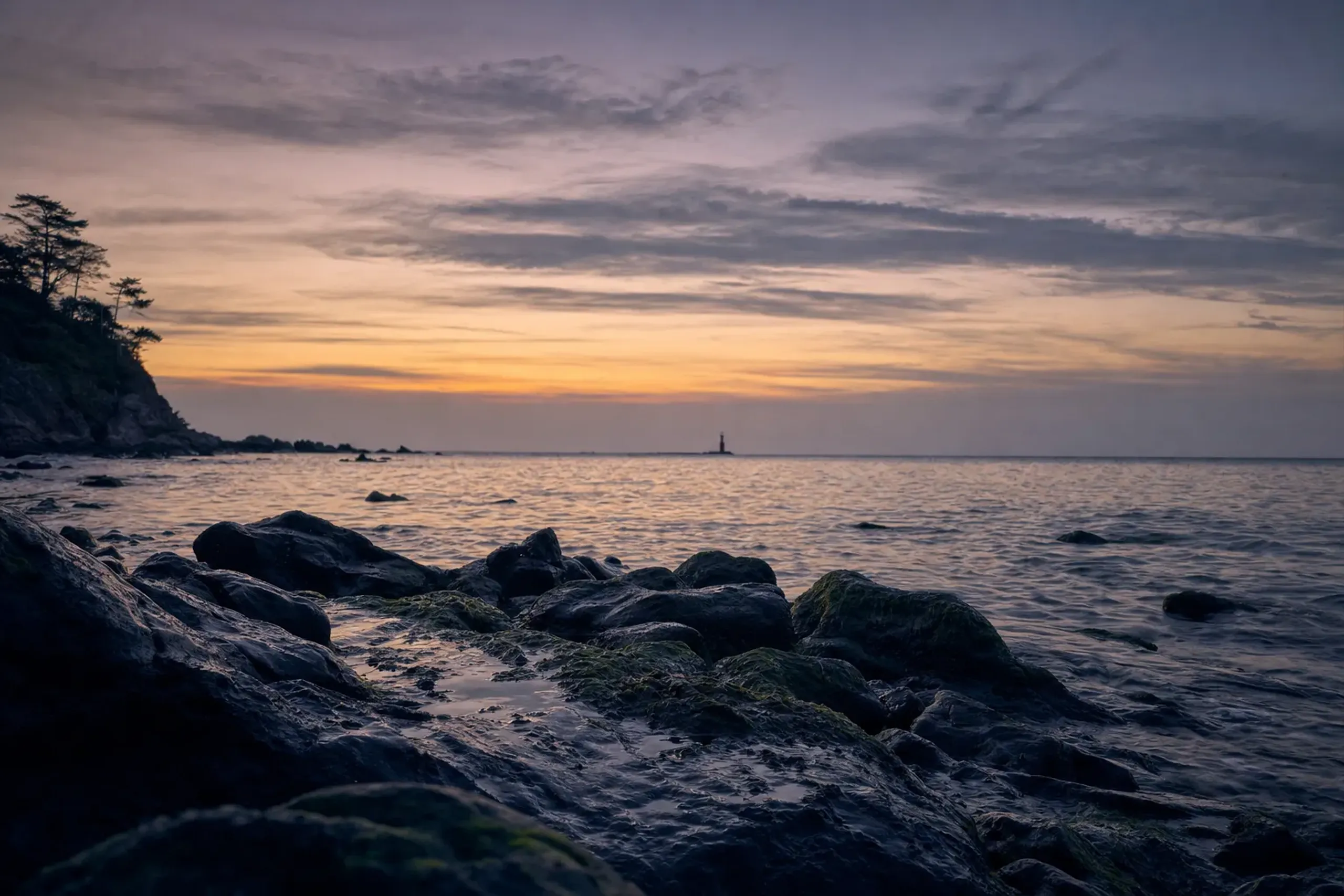
The attempt failed, but the episode is memorialized today by statues of Shōin and his student Kaneko Shigesuke facing Shimoda Bay.
When Did Townsend Harris Arrive In Shimoda, And Why Was There A Standoff?
Townsend Harris arrived on 21 July 1856 aboard the USS San Jacinto, and the shogunate initially refused his residency due to a translation discrepancy about when a consul could be posted.
He formally entered Gyokusen-ji on 5 August 1856; the American flag was raised there the following day.
Why Choose Japan Royal Service
Japan Royal Service is built for travelers who value discretion as much as access. We keep identities private, itineraries quiet, and days calm—even when the history is volatile.
We also understand that luxury in Japan often looks like less. A wabi-sabi sensibility: muted spaces, clean timing, and room to feel what you came for. Not a parade of claims.
And when a destination requires context, we bring it. Shimoda is not a photo stop. It is a negotiated distance from power, a treaty written into walking limits, and a shoreline where a young scholar tried to climb into the future.
If you want Shimoda designed with the right pacing and privacy, reach our team privately via WhatsApp or LINE, or contact us here.